Paintings — 20/21 Century Art - Evening Sale


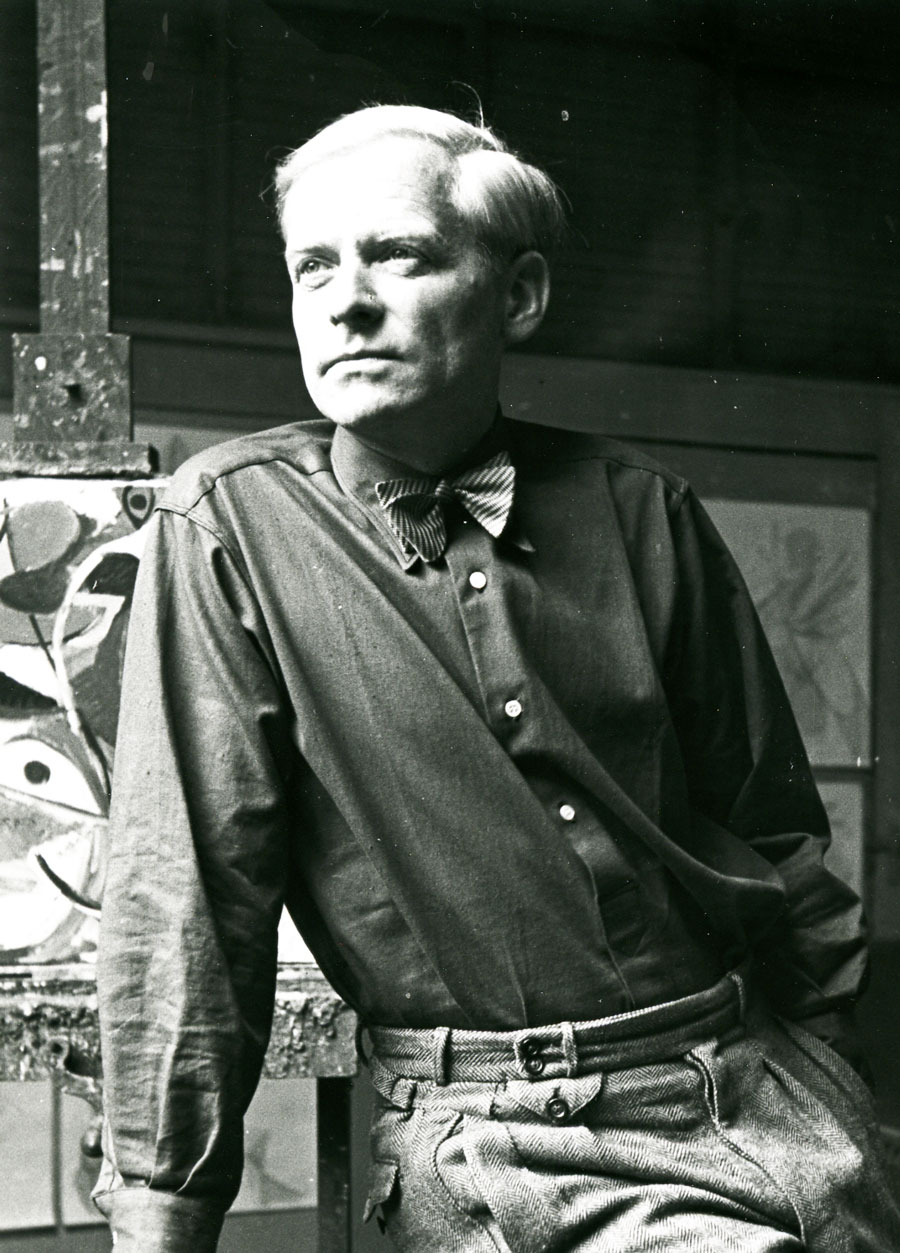
Nicolas de Staël was a Russian-born French artist known for his abstract and figurative paintings. He was born in 1914 in St. Petersburg, Russia and grew up in a wealthy family. In 1919, his family fled Russia and settled in Poland before eventually moving to Brussels, Belgium.
De Staël began studying painting at the Académie Royale des Beaux-Arts in Brussels in 1932. After several years of studying and traveling, he settled in Paris in 1938, where he became associated with the group of artists known as the School of Paris.
During the 1940s and 1950s, de Staël developed a distinctive style that blended elements of abstraction and figuration. He used a palette knife and bold, thick brushstrokes to create abstract landscapes and seascapes that were often inspired by his travels to the south of France and the Mediterranean.
In the early 1950s, de Staël began to incorporate figurative elements into his work, creating portraits and still lifes that were characterized by their simplified forms and bold colors. He also experimented with different mediums, including lithography and stained glass.
De Staël's work was well-received by critics and collectors during his lifetime, and he participated in numerous exhibitions in France and internationally. However, he struggled with depression and committed suicide. His legacy has continued to inspire artists and art lovers around the world, and his paintings are held in the collections of major museums, including the Centre Georges Pompidou in Paris and the Museum of Modern Art in New York.


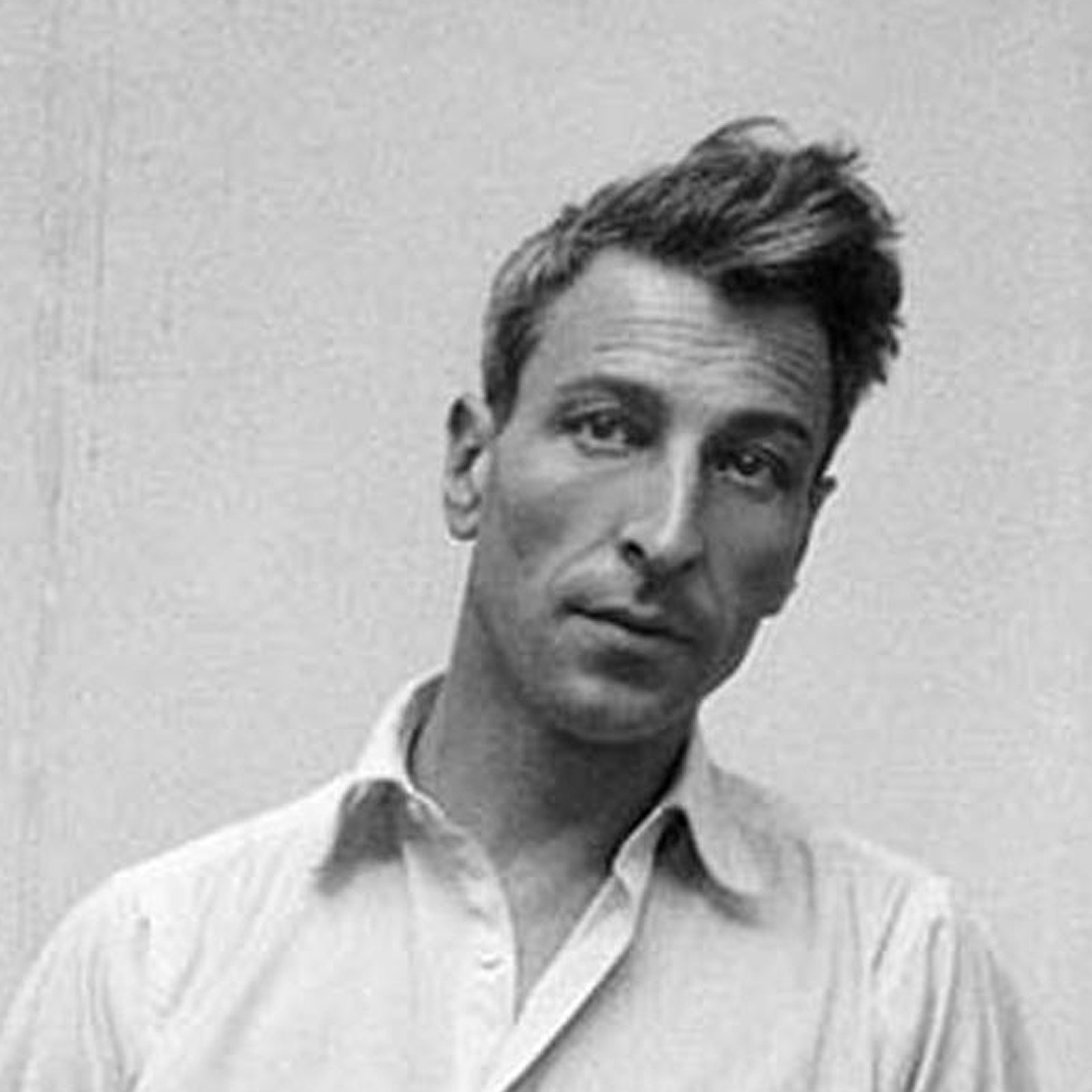
Alighiero Fabrizio Boetti, known as Alighiero e Boetti, was an Italian conceptual artist, considered to be a member of the art movement Arte Povera.
Perhaps best known is Boetti's series of large embroidered maps of the world, called simply Mappa.


Alighiero Fabrizio Boetti, known as Alighiero e Boetti, was an Italian conceptual artist, considered to be a member of the art movement Arte Povera.
Perhaps best known is Boetti's series of large embroidered maps of the world, called simply Mappa.




.jpg)
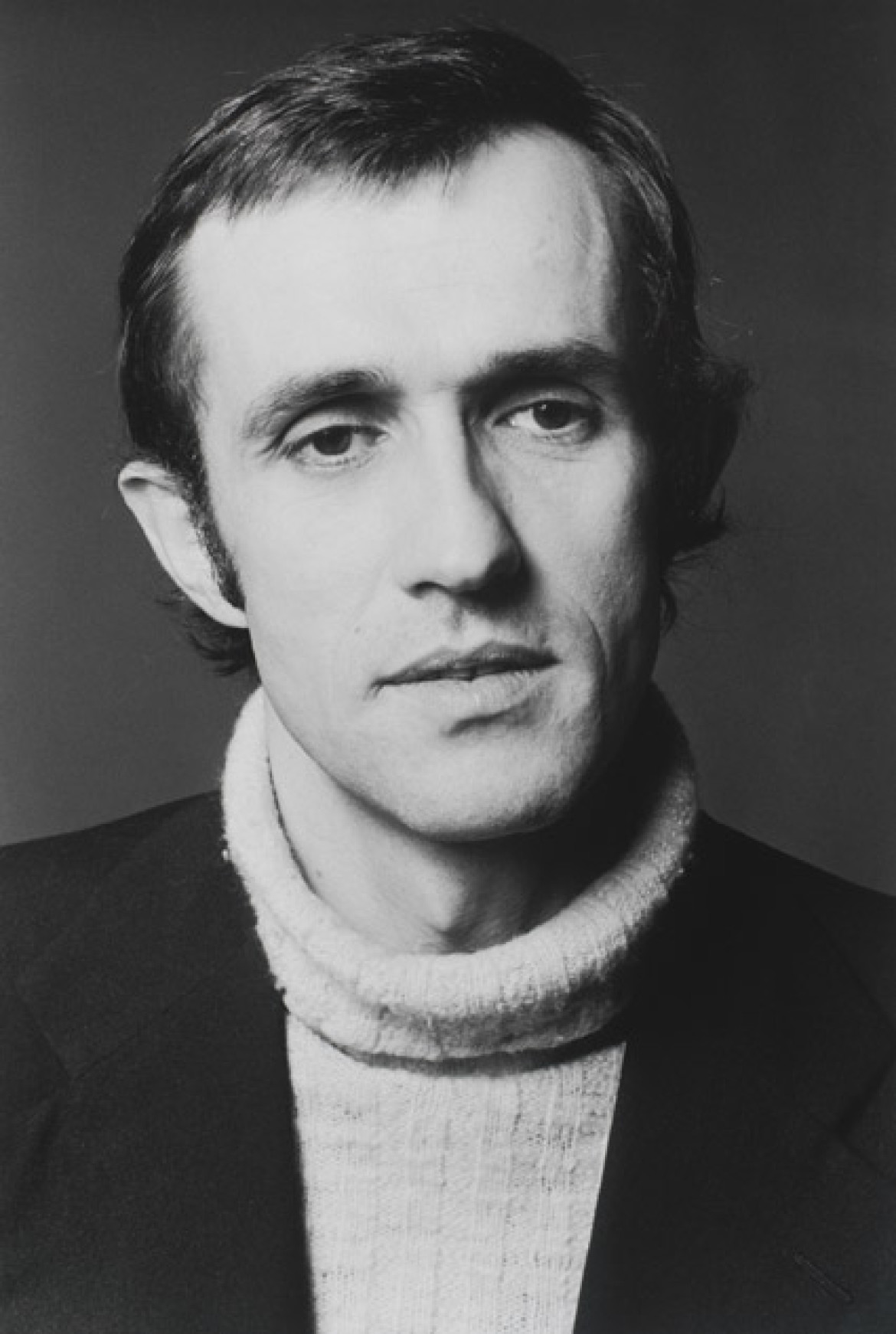
Josef Albers was a German-born artist and educator. The first living artist to be given a solo shows at MoMA and at the Metropolitan Museum of Art in New York, he taught at the Bauhaus and Black Mountain College, headed Yale University's department of design, and is considered one of the most influential teachers of the visual arts in the twentieth century.
As an artist, Albers worked in several disciplines, including photography, typography, murals and printmaking. He is best known for his work as an abstract painter and a theorist. His book Interaction of Color was published in 1963.


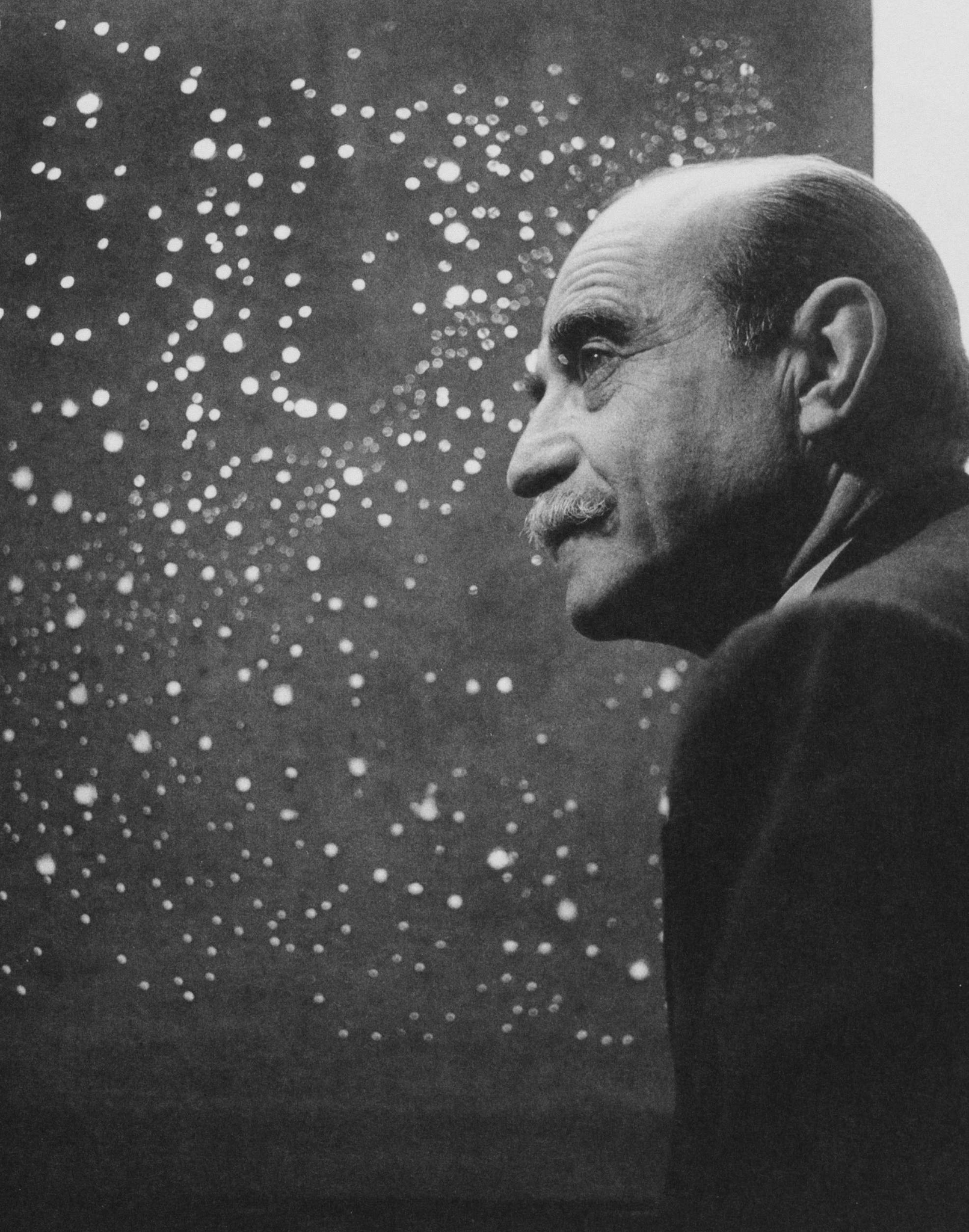
Lucio Fontana was an Argentine-Italian artist known for his pioneering work in the field of Spatialism, an artistic movement that explored the relationship between space and art.
Fontana studied sculpture at the Academy of Fine Arts in Milan, Italy. In the 1940s, he began experimenting with a technique he called "Spatial Concept," in which he punctured or cut holes into the canvas to create a sense of depth and dimensionality.
Throughout the 1950s and 1960s, Fontana continued to explore the possibilities of Spatialism, creating works in a variety of media, including sculpture, ceramics, and painting. One of his most famous series of works is the "Tagli" (Cuts), which consist of monochromatic canvases with one or more slashes or punctures.
Fontana's work had a significant influence on the development of the Arte Povera movement in Italy, as well as on the development of Minimalism and Conceptual Art. He exhibited his work widely in Europe and the United States, and his legacy continues to be celebrated by artists and critics today.
Fontana's innovative approach to art and his exploration of the relationship between space and form continue to be a source of inspiration for artists working in a wide range of media.


Lucio Fontana was an Argentine-Italian artist known for his pioneering work in the field of Spatialism, an artistic movement that explored the relationship between space and art.
Fontana studied sculpture at the Academy of Fine Arts in Milan, Italy. In the 1940s, he began experimenting with a technique he called "Spatial Concept," in which he punctured or cut holes into the canvas to create a sense of depth and dimensionality.
Throughout the 1950s and 1960s, Fontana continued to explore the possibilities of Spatialism, creating works in a variety of media, including sculpture, ceramics, and painting. One of his most famous series of works is the "Tagli" (Cuts), which consist of monochromatic canvases with one or more slashes or punctures.
Fontana's work had a significant influence on the development of the Arte Povera movement in Italy, as well as on the development of Minimalism and Conceptual Art. He exhibited his work widely in Europe and the United States, and his legacy continues to be celebrated by artists and critics today.
Fontana's innovative approach to art and his exploration of the relationship between space and form continue to be a source of inspiration for artists working in a wide range of media.


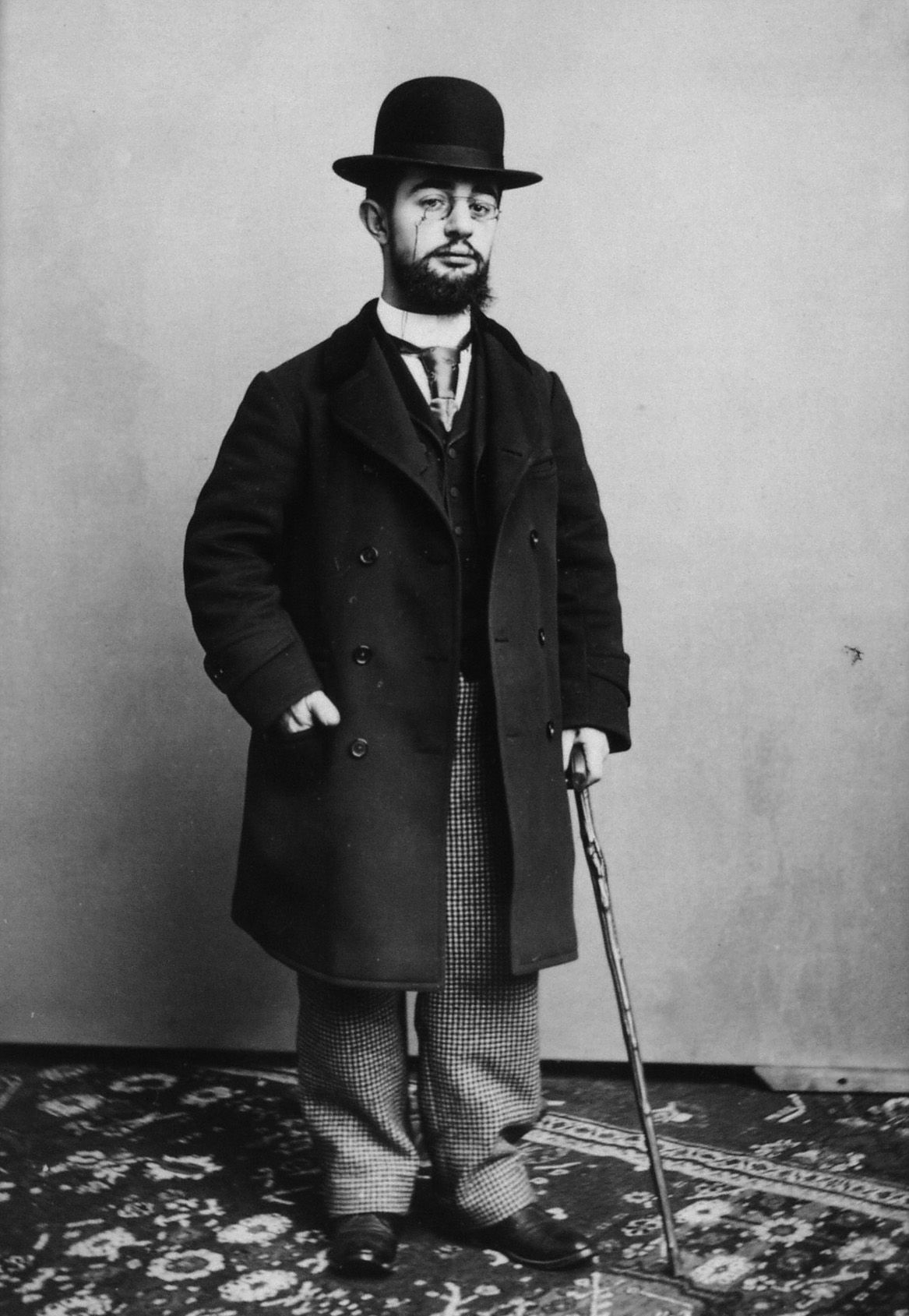
Henri de Toulouse-Lautrec was a distinguished French Post-Impressionist artist, renowned for his deep insights into Parisian nightlife and the world of entertainment in the 1890s. Born into an aristocratic family in Albi, France, Toulouse-Lautrec faced significant health challenges. He suffered from a rare condition, possibly pycnodysostosis, which stunted the growth of his legs following two fractures during his adolescence, leading to a notably short stature as an adult.
Despite his physical limitations, Toulouse-Lautrec immersed himself in art, becoming a key figure in the Post-Impressionist movement alongside artists like Paul Cézanne and Vincent van Gogh. He is particularly celebrated for his vibrant and expressive depictions of the bohemian lifestyle in late 19th-century Paris, often featuring scenes from brothels and nightlife venues. His unique style combined elements of Art Nouveau and lithography, as evidenced in famous works such as "Moulin Rouge: La Goulue" and "At the Moulin Rouge: The Dance".
Toulouse-Lautrec's work offers a window into the Parisian entertainment scene of his time, marked by a vivid use of color and a candid portrayal of his subjects. His ability to capture the essence of Parisian society, from dancers to prostitutes, in an era of great artistic and cultural dynamism, makes his work particularly valuable to art collectors and experts.
For those interested in the art and life of Henri de Toulouse-Lautrec, staying informed about sales and auction events is essential. Sign up for updates to receive the latest news on pieces by Toulouse-Lautrec available for purchase or auction. This subscription focuses exclusively on new product sales and auction events related to Toulouse-Lautrec, ensuring that enthusiasts and collectors don't miss out on any opportunity to acquire pieces from this iconic artist.


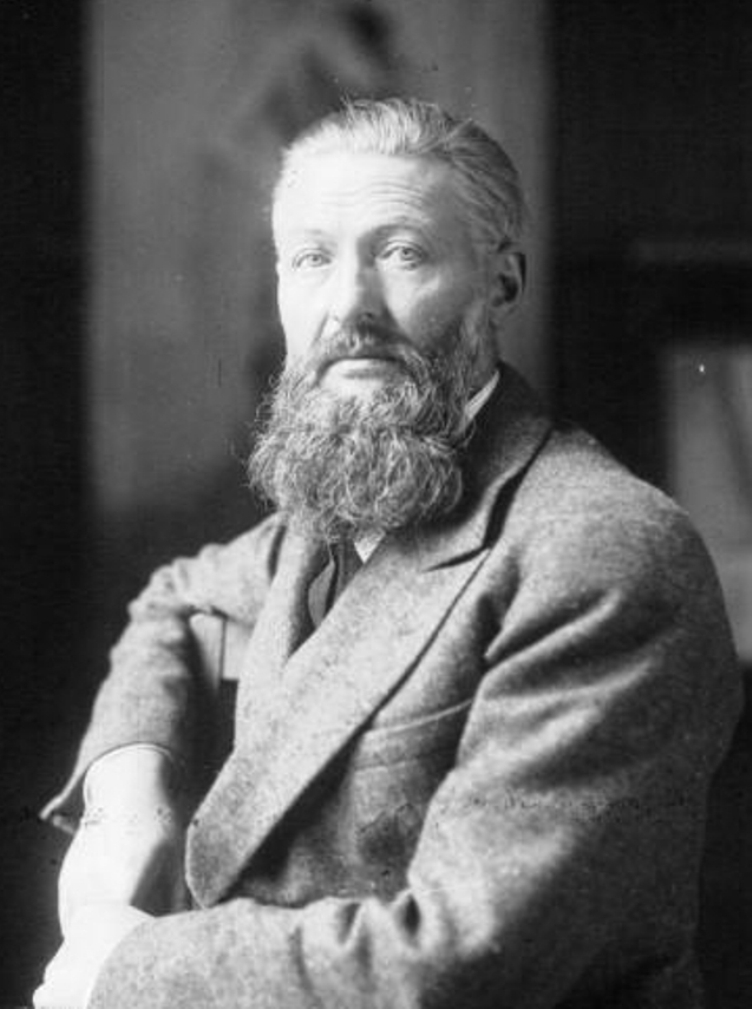
Kees van Dongen was a Dutch-French painter renowned for his vivid and expressive works that placed him at the forefront of the Fauvist movement. Born in 1877 in Delfshaven, Netherlands, van Dongen's journey into the art world began with his education at the Akademie voor Beeldende Kunsten in Rotterdam. His move to Paris in 1897 marked a pivotal moment in his career, immersing him in the bustling avant-garde scene and connecting him with influential circles, including Pablo Picasso and the Fauves. Van Dongen's art, characterized by its striking use of color and bold brushwork, captured the essence of his subjects with a unique blend of realism and abstraction.
Van Dongen's work evolved significantly over time, initially influenced by the dark tones of his Dutch heritage and the works of Rembrandt. His encounter with Fauvism around 1906 brought a dramatic shift towards brighter, more vibrant colors, marking his most iconic phase. His ability to capture the sensuousness and personality of his subjects made him a sought-after portraitist among the French bourgeoisie and celebrities of his time. Notable works include "Femme aux bas noirs" (Woman with Black Stockings), "Les lutteuses" (Lutteuses du Tabarin), and "The Dancer Anita," showcasing his fascination with the human figure, particularly sensuous depictions of women.
Beyond his remarkable contributions to Fauvism, van Dongen's ventures into illustration and his role as a society portraitist underscore his diverse talents and adaptability to the changing tastes of the art market. His works are celebrated in major collections worldwide, including the Hermitage Museum and the National Gallery of Denmark, affirming his lasting impact on the art world.
Collectors and art experts continue to appreciate van Dongen's work for its bold experimentation with color, form, and the evocative portrayal of his subjects. His legacy lives on as a testament to the vibrancy and dynamism of early 20th-century modern art.
For those keen to explore van Dongen's captivating works further and stay informed about new discoveries, exhibitions, and auction events related to his art, signing up for updates is a must. This ensures direct access to the latest sales and scholarly insights into the painter's rich oeuvre, a valuable resource for collectors and enthusiasts alike.


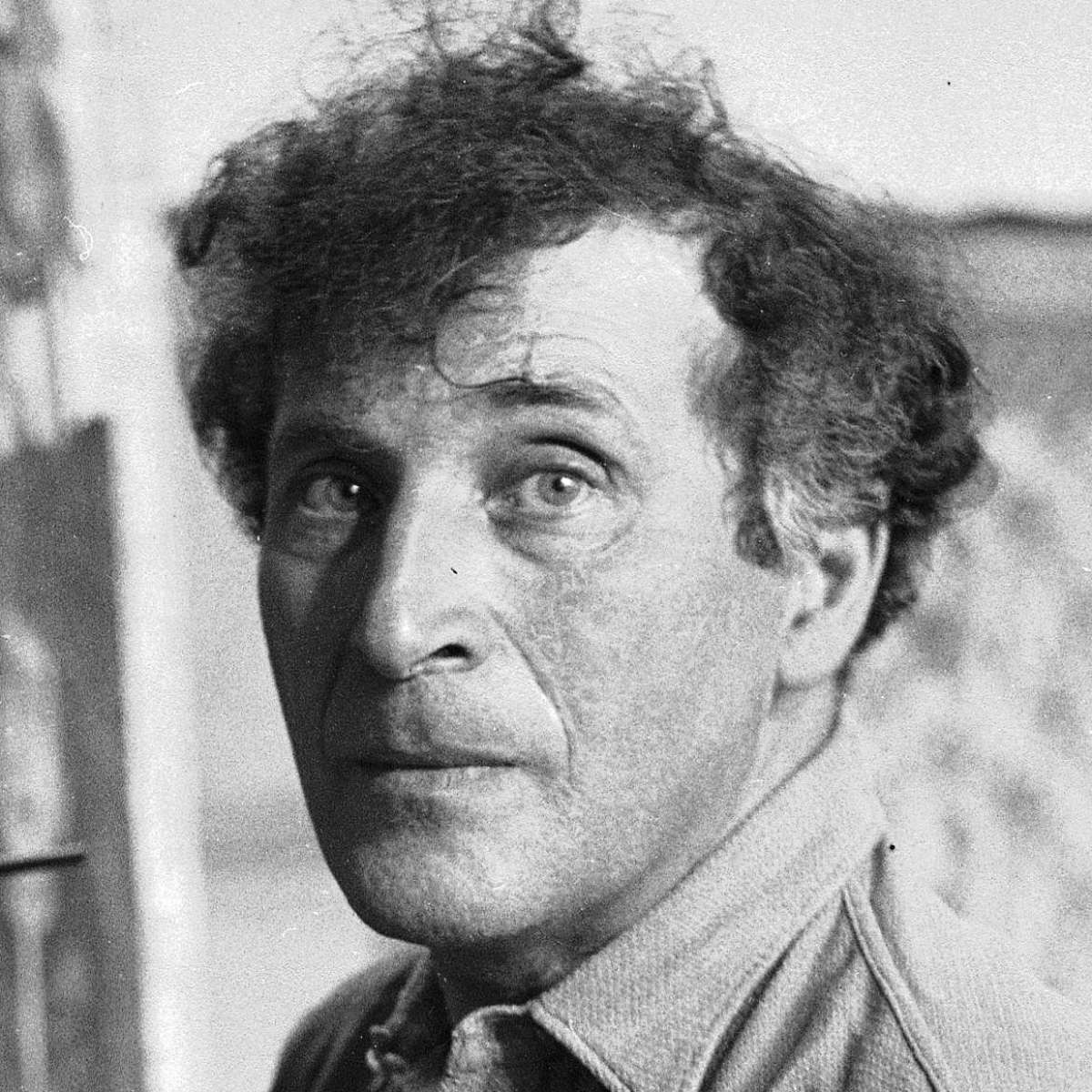
Marc Chagall (Russian: Марк Заха́рович Шага́л), born Moishe Shagal in 1887 near Vitebsk, Belarus (then part of the Russian Empire), was a Belarusian and French artist celebrated for his pivotal role in the avant-garde movement and his unique integration of Eastern European Jewish culture into modern art. His contributions spanned several artistic formats including painting, stained glass, stage sets, ceramics, tapestries, and fine art prints. Chagall's early modernist tendencies were enriched by his experiences across Saint Petersburg, Paris, and Berlin before World War I, leading to a distinctive style that melded Cubism, Symbolism, and Fauvism with his Jewish heritage.
Chagall's work is recognized for its emotional depth, often exploring themes of love, memory, and Jewish folklore through vibrant colors and dreamlike imagery. Notably, art critic Robert Hughes described him as "the quintessential Jewish artist of the twentieth century," a sentiment echoed by art historian Michael J. Lewis who regarded Chagall as a significant figure within European modernism and as the world's preeminent Jewish artist of his time.
Among Chagall's famed contributions are his stained-glass windows for the cathedrals of Reims and Metz, the UN, and the Jerusalem Windows in Israel. His monumental paintings include parts of the ceiling of the Paris Opéra and works that explore biblical themes, a hallmark of his oeuvre that underscores his enduring engagement with spiritual and religious motifs.
For art collectors and antiques experts, Chagall's works are notable not only for their artistic innovation but also for their rich cultural and historical significance. His art is housed in many prestigious museums worldwide, including the Marc Chagall National Museum in Nice, France, which focuses on his works inspired by religion and houses the series of paintings illustrating the biblical message.
For those interested in exploring Chagall's legacy and the vibrant intersection of culture, art, and history his work represents, signing up for updates on new product sales and auction events related to Marc Chagall can provide invaluable insights and opportunities. This is an invitation to engage more deeply with the world of art and culture that Chagall so uniquely encapsulated in his work.


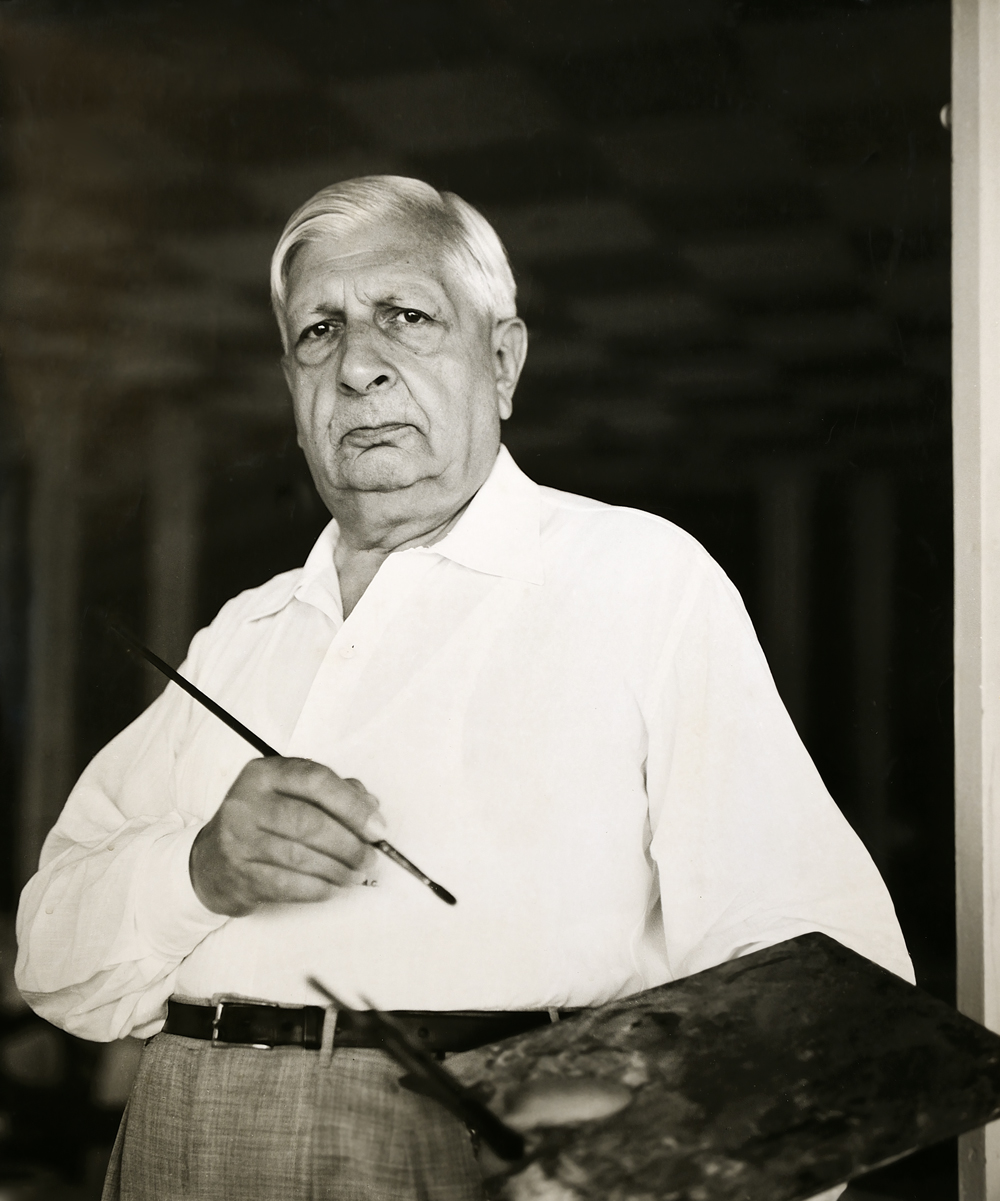
Giuseppe Maria Alberto Giorgio de Chirico, an Italian artist renowned for his profound influence on the Surrealist movement, stands as a seminal figure in 20th-century art. Born in Volos, Greece, in 1888, de Chirico was a visionary painter, sculptor, and writer whose works profoundly altered the landscape of modern art. His paintings, characterized by their dreamlike quality, enigmatic compositions, and the juxtaposition of classical and modern elements, delve into the mysteries of the subconscious, exploring themes of nostalgia, metaphysics, and the uncanny.
De Chirico's art is distinguished by its unique blend of classical motifs with surreal, dreamlike atmospheres, creating a sense of profound mystery and unease. His most famous works, such as "The Enigma of an Autumn Afternoon" and "The Melancholy of Departure," exhibit deserted cityscapes filled with elongated shadows, enigmatic figures, and classical architecture, which became hallmarks of his style. These paintings not only prefigured the Surrealist movement but also influenced countless artists with their exploration of the psyche, the distortion of space, and the play of light and shadow.
His impact on culture and art is undeniable, with his works housed in prestigious museums and galleries worldwide, including the Museum of Modern Art in New York and the Tate Modern in London. De Chirico's ability to evoke the mysterious interconnection between the ancient and the modern through his art continues to captivate collectors and experts in the fields of art and antiques. His innovative approach to painting and sculpture has solidified his position as a key figure in the development of modern art.
For collectors and enthusiasts keen on exploring the depths of 20th-century art and the enigmatic world of Giuseppe Maria Alberto Giorgio de Chirico, staying informed about new discoveries, auction events, and sales of his works is essential. We invite you to sign up for updates to ensure you never miss an opportunity to engage with the enduring legacy of this remarkable Artist. This subscription is your gateway to the latest news related to de Chirico, focusing exclusively on product sales and auction events associated with his influential oeuvre.


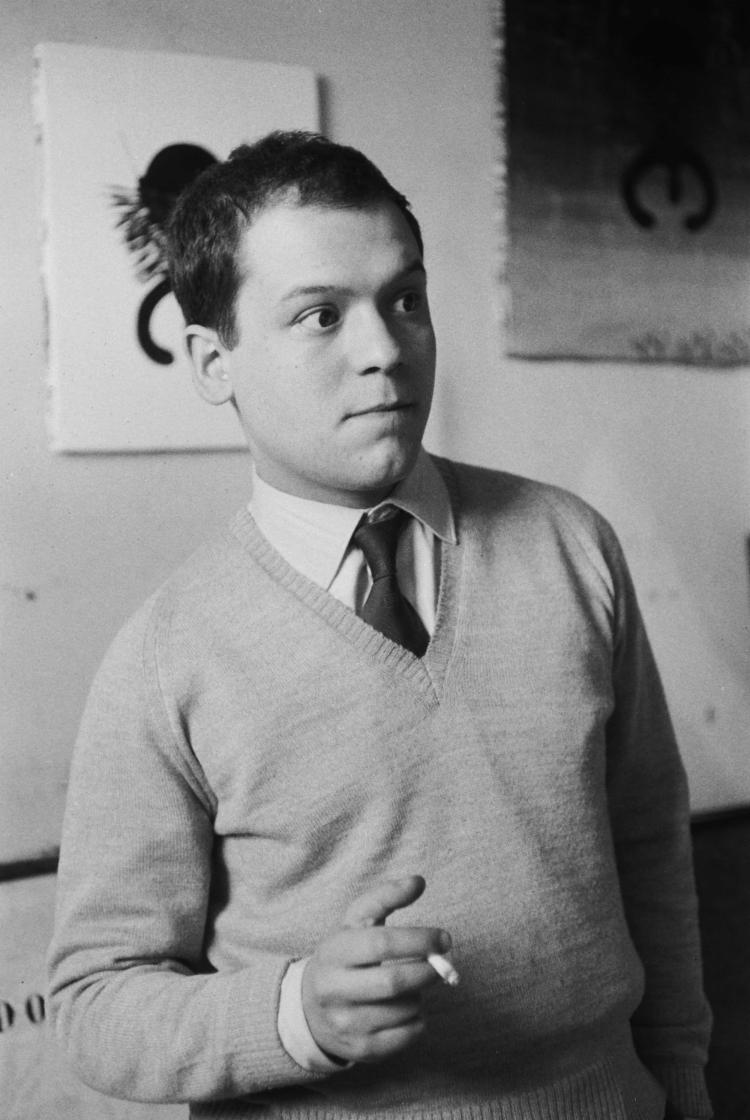
Piero Manzoni was an Italian artist. He was a leading figure in the Italian avant-garde movement of the 1950s and 1960s, and is best known for his conceptual and performance artworks.
Manzoni's works often involved the use of unconventional materials, such as his famous series of "Artist's Shit" cans, which were filled with his own excrement and sealed with a label that declared "Artist's Shit". He also created works using cotton balls, balloons, and even human hair.
One of Manzoni's most famous performances was "Living Sculptures," in which he covered himself in gold paint and posed as a living statue in a gallery. He also created a "Base of the World," a pedestal labeled with that phrase, and invited people to stand on it, thereby declaring themselves the center of the world.
Manzoni's works challenged traditional notions of art and pushed the boundaries of what was considered acceptable as artistic expression.


Alighiero Fabrizio Boetti, known as Alighiero e Boetti, was an Italian conceptual artist, considered to be a member of the art movement Arte Povera.
Perhaps best known is Boetti's series of large embroidered maps of the world, called simply Mappa.


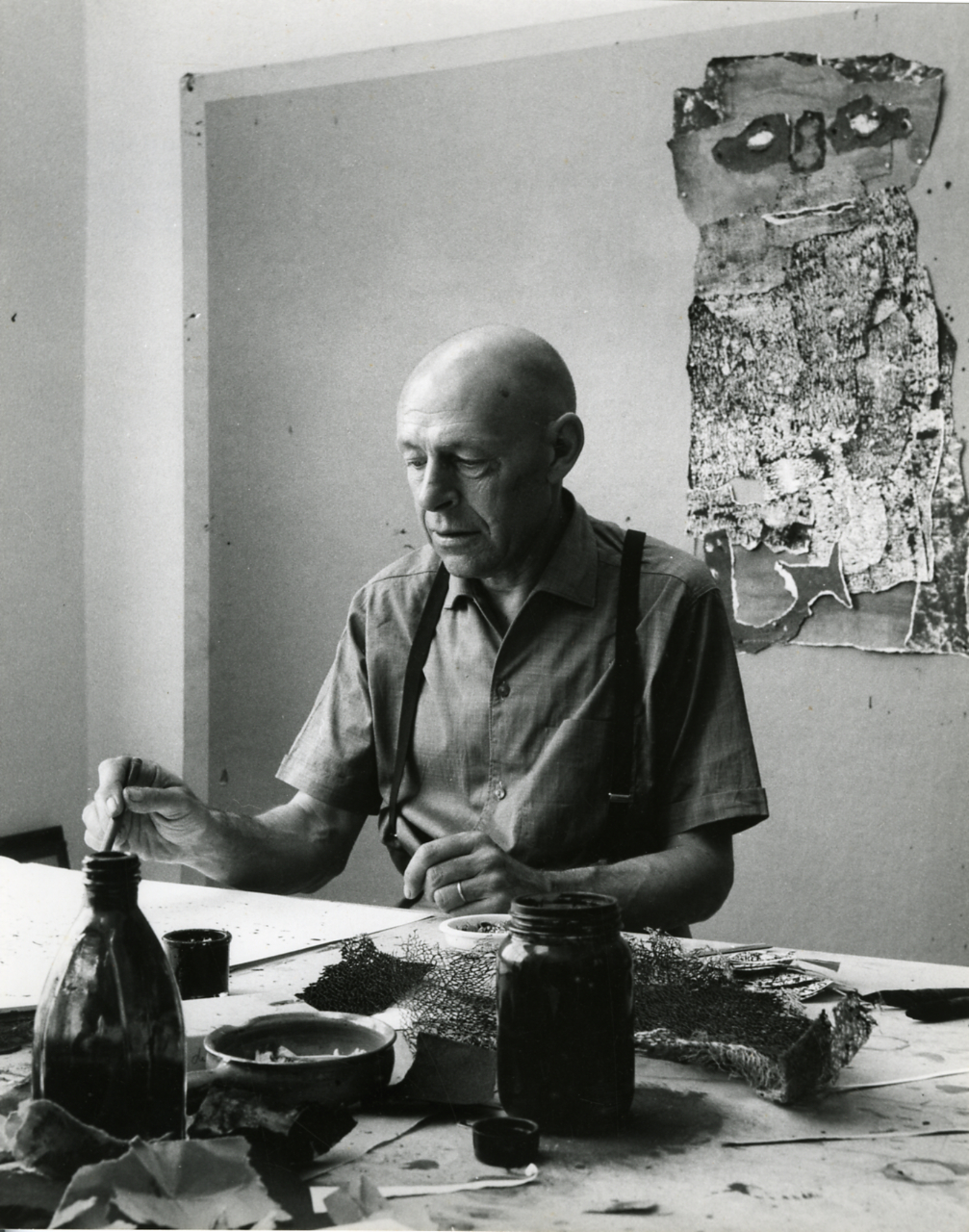
Jean Philippe Arthur Dubuffet, a pioneering French painter and sculptor, revolutionized the post-war art scene with his radical Matterism movement. He defied the conventional aesthetics of his time, championing "low art" and propelling a more genuine, humanistic image-making approach.
Dubuffet, born in Le Havre, France, in 1901, was a prominent figure at the Ecole de Paris and an advocate for Art Brut, or "raw art", which sought to capture art's purest form. His works were characterized by a rough, unrefined aesthetic, which eschewed academic norms in favor of spontaneity and authenticity.
Art enthusiasts and experts can view Dubuffet's innovative works at institutions like the Museum of Modern Art, where his legacy as a groundbreaking artist continues to be celebrated. His Matterism philosophy has left an indelible mark on the art world, inspiring generations of artists to embrace the beauty in the unconventional.
For those interested in the avant-garde and the legacy of Jean Philippe Arthur Dubuffet, sign up for our exclusive updates. This service is designed for connoisseurs and professionals in the art and antique sector, promising alerts on new insights and events strictly related to Dubuffet's profound influence.


.jpg)
Max Ernst was a pivotal figure in the 20th-century art world, whose work transcended the boundaries of nationality and genre to leave an indelible mark on culture, art, sculpture, and painting. Born in Germany on April 2, 1891, and later becoming a naturalized American and French citizen, Ernst's career was a testament to his relentless innovation and creativity. Known primarily as an artist and painter, Ernst was a founding member of the Dada movement in Cologne before becoming a major proponent of Surrealism in Paris. His early encounters with the works of Pablo Picasso, Vincent van Gogh, and Paul Gauguin at the Sonderbund exhibition in 1912 deeply influenced his artistic direction, infusing it with elements of Cubism and Expressionism. Despite his lack of formal artistic training, Ernst's experimentation with techniques such as collage and frottage showcased his unique ability to blend the absurd with the sublime, making him a central figure in the artistic avant-garde of his time.
Ernst's work is notable for its exploration of the unconscious, using dreamlike imagery and symbolic figures to critique societal norms and delve into the chaos of the human psyche. His experiences in World War I profoundly impacted his worldview, leading to a deep skepticism of Western culture and an enduring search for meaning through art. This is evident in works such as "Europe After the Rain II," which reflects the devastation of war and "The Fireside Angel," inspired by the political turmoil of the Spanish Civil War, showcasing his ability to address contemporary issues through a surreal lens.
Ernst's contributions to art are preserved in major museums and galleries worldwide, including the Tate in the United Kingdom and the Museum of Modern Art in New York. His sculptures, paintings, and collages continue to be celebrated for their innovative techniques and imaginative scope, marking him as a revolutionary figure in modern art. Among his most significant works are "Ubu Imperator," "The Elephant Celebes," and "The Virgin Spanking the Christ Child before Three Witnesses," each reflecting his mastery over a diversity of mediums and themes.
For collectors and experts in art and antiques, Max Ernst remains a symbol of artistic freedom and exploration. His ability to navigate through various artistic movements while maintaining a distinct, innovative voice is a testament to his enduring legacy in the art world. To stay updated on new product sales and auction events related to Max Ernst, signing up for updates is a valuable opportunity for those deeply invested in the nuances of modern and surreal art.


Nicolas de Staël was a Russian-born French artist known for his abstract and figurative paintings. He was born in 1914 in St. Petersburg, Russia and grew up in a wealthy family. In 1919, his family fled Russia and settled in Poland before eventually moving to Brussels, Belgium.
De Staël began studying painting at the Académie Royale des Beaux-Arts in Brussels in 1932. After several years of studying and traveling, he settled in Paris in 1938, where he became associated with the group of artists known as the School of Paris.
During the 1940s and 1950s, de Staël developed a distinctive style that blended elements of abstraction and figuration. He used a palette knife and bold, thick brushstrokes to create abstract landscapes and seascapes that were often inspired by his travels to the south of France and the Mediterranean.
In the early 1950s, de Staël began to incorporate figurative elements into his work, creating portraits and still lifes that were characterized by their simplified forms and bold colors. He also experimented with different mediums, including lithography and stained glass.
De Staël's work was well-received by critics and collectors during his lifetime, and he participated in numerous exhibitions in France and internationally. However, he struggled with depression and committed suicide. His legacy has continued to inspire artists and art lovers around the world, and his paintings are held in the collections of major museums, including the Centre Georges Pompidou in Paris and the Museum of Modern Art in New York.


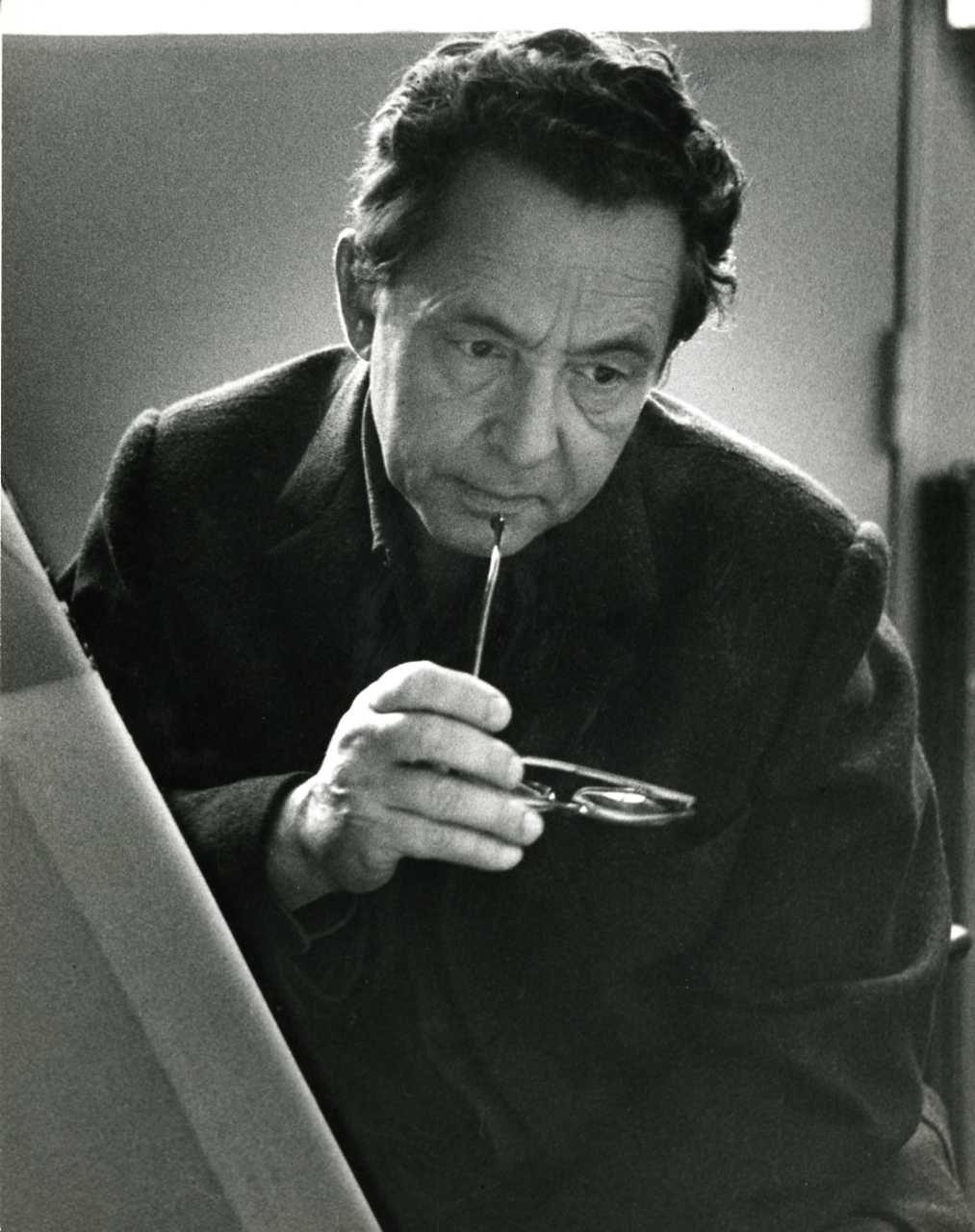


Jean Philippe Arthur Dubuffet, a pioneering French painter and sculptor, revolutionized the post-war art scene with his radical Matterism movement. He defied the conventional aesthetics of his time, championing "low art" and propelling a more genuine, humanistic image-making approach.
Dubuffet, born in Le Havre, France, in 1901, was a prominent figure at the Ecole de Paris and an advocate for Art Brut, or "raw art", which sought to capture art's purest form. His works were characterized by a rough, unrefined aesthetic, which eschewed academic norms in favor of spontaneity and authenticity.
Art enthusiasts and experts can view Dubuffet's innovative works at institutions like the Museum of Modern Art, where his legacy as a groundbreaking artist continues to be celebrated. His Matterism philosophy has left an indelible mark on the art world, inspiring generations of artists to embrace the beauty in the unconventional.
For those interested in the avant-garde and the legacy of Jean Philippe Arthur Dubuffet, sign up for our exclusive updates. This service is designed for connoisseurs and professionals in the art and antique sector, promising alerts on new insights and events strictly related to Dubuffet's profound influence.


Alighiero Fabrizio Boetti, known as Alighiero e Boetti, was an Italian conceptual artist, considered to be a member of the art movement Arte Povera.
Perhaps best known is Boetti's series of large embroidered maps of the world, called simply Mappa.


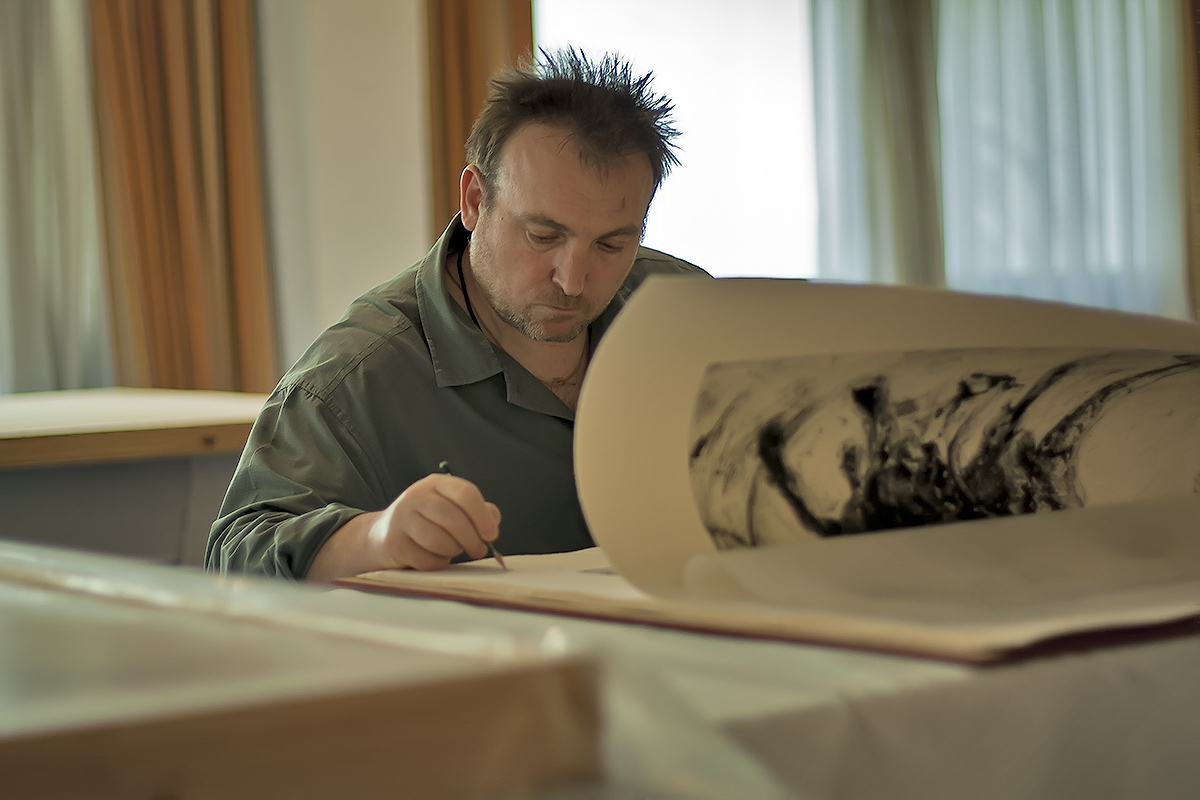


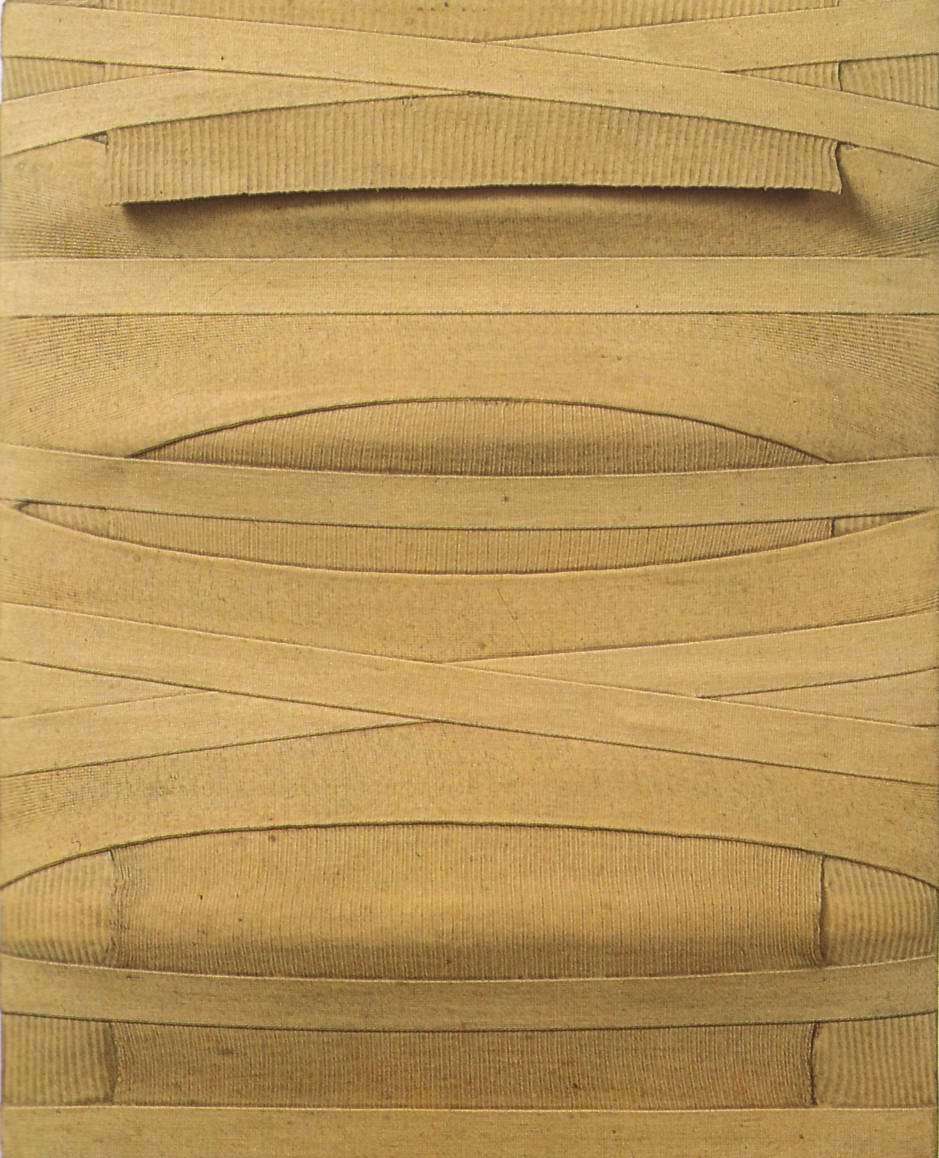


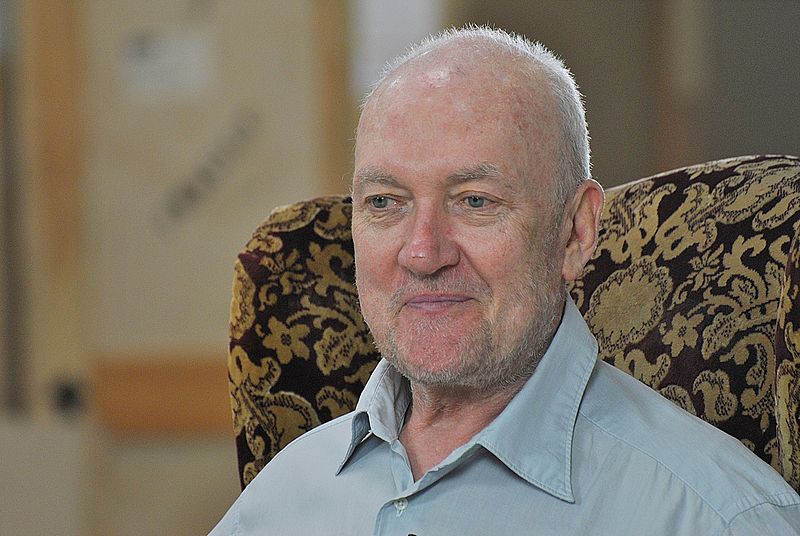
Sean Scully is an Irish-born American-based artist working as a painter, printmaker, sculptor and photographer. His work is held in museum collections worldwide and he has twice been named a Turner Prize nominee. Moving from London to New York in 1975, Scully helped lead the transition from Minimalism to Emotional abstraction in painting, abandoning the reduced vocabulary of Minimalism in favor of a return to metaphor and spirituality in art.


Jean Philippe Arthur Dubuffet, a pioneering French painter and sculptor, revolutionized the post-war art scene with his radical Matterism movement. He defied the conventional aesthetics of his time, championing "low art" and propelling a more genuine, humanistic image-making approach.
Dubuffet, born in Le Havre, France, in 1901, was a prominent figure at the Ecole de Paris and an advocate for Art Brut, or "raw art", which sought to capture art's purest form. His works were characterized by a rough, unrefined aesthetic, which eschewed academic norms in favor of spontaneity and authenticity.
Art enthusiasts and experts can view Dubuffet's innovative works at institutions like the Museum of Modern Art, where his legacy as a groundbreaking artist continues to be celebrated. His Matterism philosophy has left an indelible mark on the art world, inspiring generations of artists to embrace the beauty in the unconventional.
For those interested in the avant-garde and the legacy of Jean Philippe Arthur Dubuffet, sign up for our exclusive updates. This service is designed for connoisseurs and professionals in the art and antique sector, promising alerts on new insights and events strictly related to Dubuffet's profound influence.


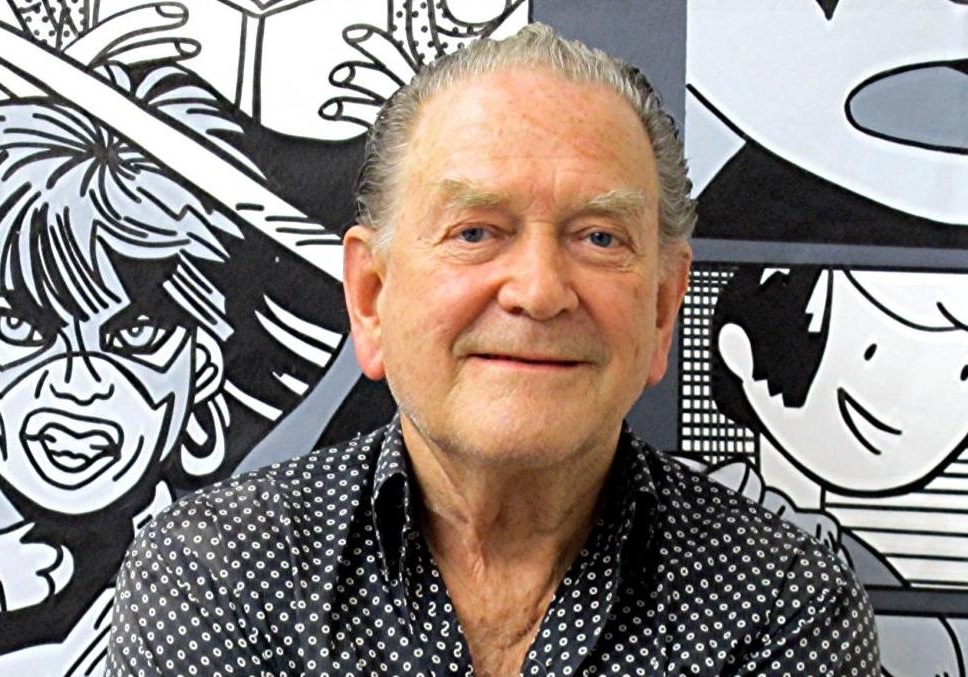
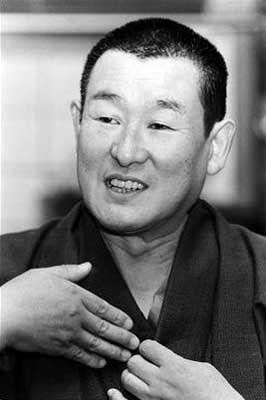
Erro, real name Guðmundur Guðmundsson, is a contemporary Icelandic painter.
Erro studied painting at the Reykjavik and Oslo Art Academies between 1952 and 1954. He then moved to Italy, where he studied mosaic art in Florence and Ravenna until 1958.
Erro participated in the Venice Biennale in 1986. In 1989 he donated a large part of his works to the Reykjavik Art Museum.
The style of the paintings created by Erro lies on the border between surrealism and pop art. The main theme of his paintings is the depiction of modern civilisation, its technical perfection and its inhumanity. He also uses comic book techniques and science fiction themes in his work.


Giuseppe Maria Alberto Giorgio de Chirico, an Italian artist renowned for his profound influence on the Surrealist movement, stands as a seminal figure in 20th-century art. Born in Volos, Greece, in 1888, de Chirico was a visionary painter, sculptor, and writer whose works profoundly altered the landscape of modern art. His paintings, characterized by their dreamlike quality, enigmatic compositions, and the juxtaposition of classical and modern elements, delve into the mysteries of the subconscious, exploring themes of nostalgia, metaphysics, and the uncanny.
De Chirico's art is distinguished by its unique blend of classical motifs with surreal, dreamlike atmospheres, creating a sense of profound mystery and unease. His most famous works, such as "The Enigma of an Autumn Afternoon" and "The Melancholy of Departure," exhibit deserted cityscapes filled with elongated shadows, enigmatic figures, and classical architecture, which became hallmarks of his style. These paintings not only prefigured the Surrealist movement but also influenced countless artists with their exploration of the psyche, the distortion of space, and the play of light and shadow.
His impact on culture and art is undeniable, with his works housed in prestigious museums and galleries worldwide, including the Museum of Modern Art in New York and the Tate Modern in London. De Chirico's ability to evoke the mysterious interconnection between the ancient and the modern through his art continues to captivate collectors and experts in the fields of art and antiques. His innovative approach to painting and sculpture has solidified his position as a key figure in the development of modern art.
For collectors and enthusiasts keen on exploring the depths of 20th-century art and the enigmatic world of Giuseppe Maria Alberto Giorgio de Chirico, staying informed about new discoveries, auction events, and sales of his works is essential. We invite you to sign up for updates to ensure you never miss an opportunity to engage with the enduring legacy of this remarkable Artist. This subscription is your gateway to the latest news related to de Chirico, focusing exclusively on product sales and auction events associated with his influential oeuvre.