


A1309: From Baselitz to Vasarely

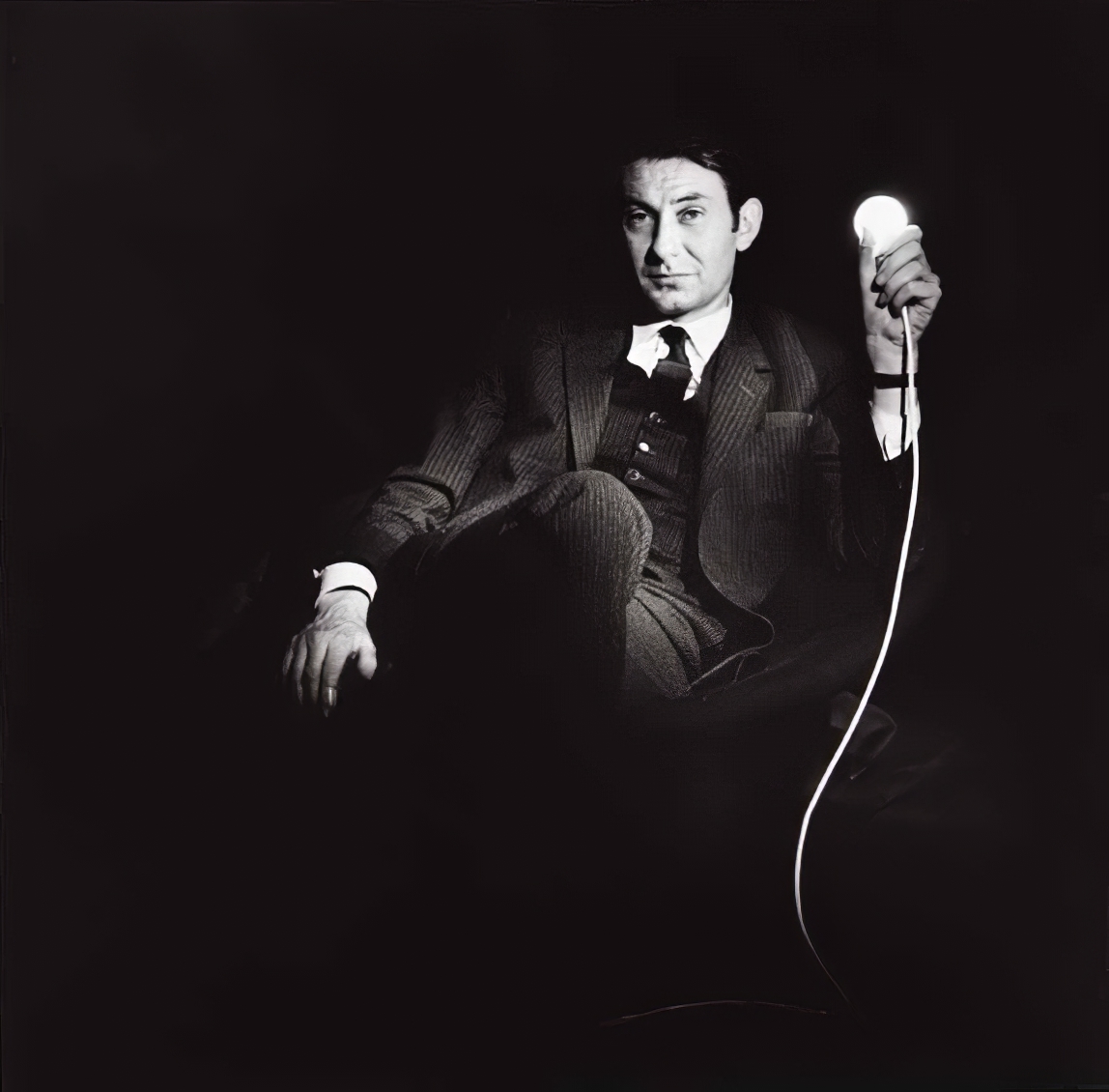


Yuri Albert is a contemporary Russian artist, art theorist and educator; a member of the Moscow conceptualist circle. He currently lives and works in Moscow and Cologne.
Yuri Albert's works are in the collections of major Russian and international institutions.

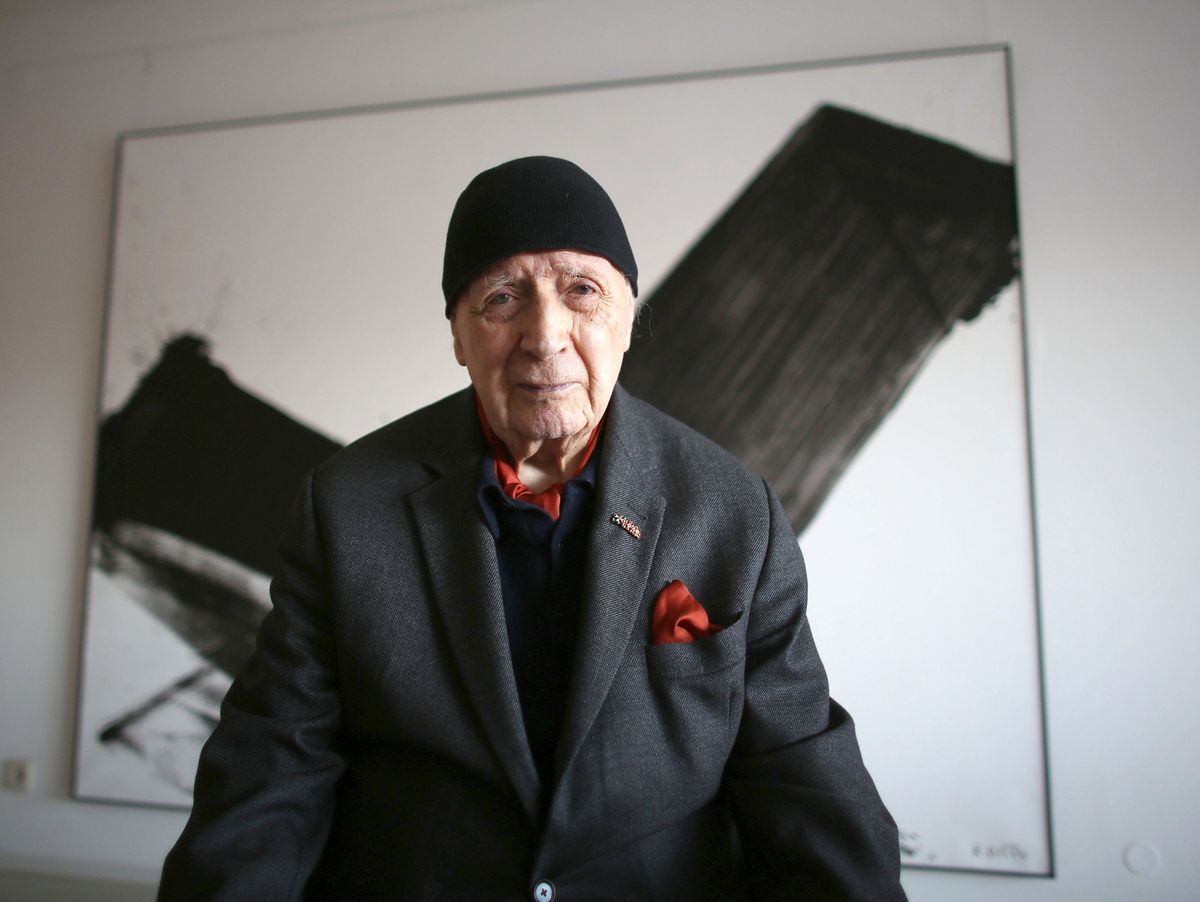
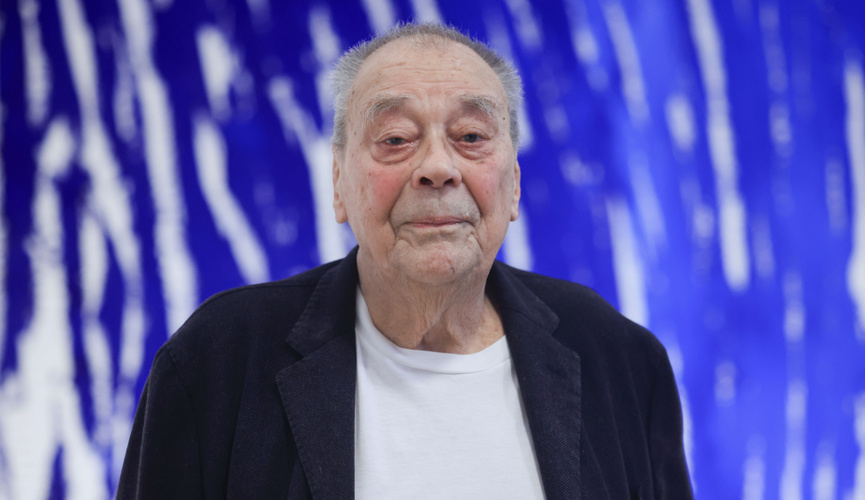
Karl Otto Götz was a German artist, filmmaker, draughtsman, printmaker, writer and professor of art at the Kunstakademie Düsseldorf. He was one of the oldest living and active artists older than 100 years of age and is best remembered for his explosive and complex abstract forms. His powerful, surrealist-inspired works earned him international recognition in exhibitions like documenta II in 1959. Götz never confined himself to one specific style or artistic field. He also explored generated abstract forms through television art. Götz is one of the most important members of the German Art Informel movement.

Karl Otto Götz was a German artist, filmmaker, draughtsman, printmaker, writer and professor of art at the Kunstakademie Düsseldorf. He was one of the oldest living and active artists older than 100 years of age and is best remembered for his explosive and complex abstract forms. His powerful, surrealist-inspired works earned him international recognition in exhibitions like documenta II in 1959. Götz never confined himself to one specific style or artistic field. He also explored generated abstract forms through television art. Götz is one of the most important members of the German Art Informel movement.

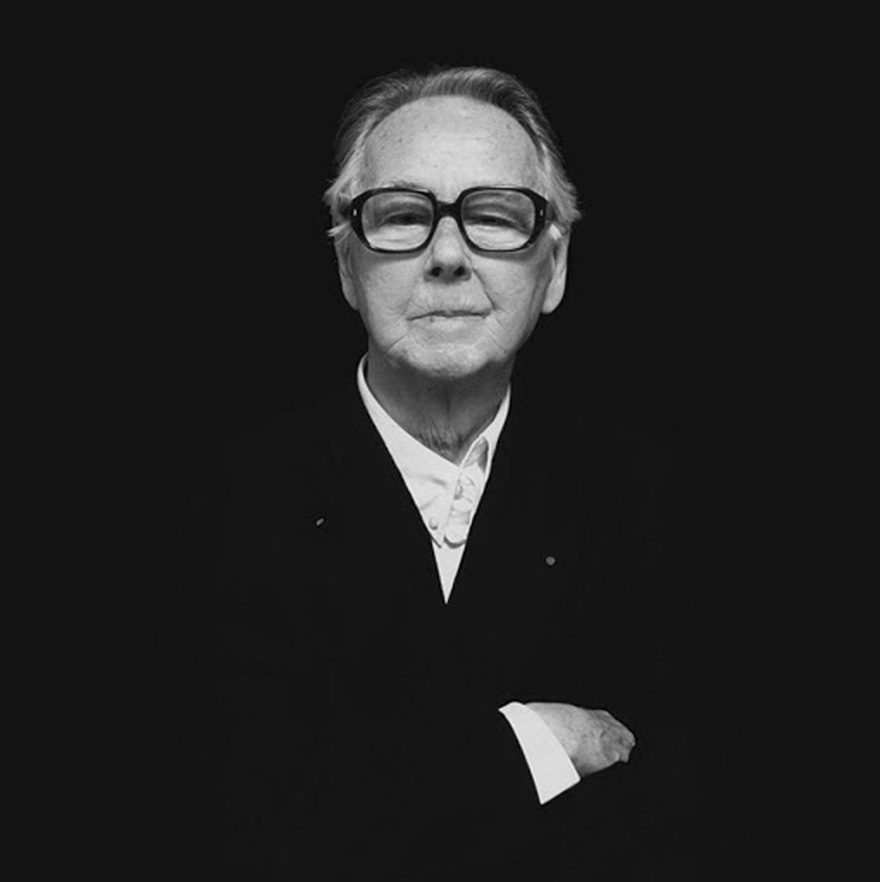
Victor Vasarely, a seminal figure in the Op art movement, was a Hungarian-French artist celebrated for his pioneering contributions to geometric abstract art. Born Győző Vásárhelyi in Pécs, Hungary, in 1906, Vasarely's artistic journey led him to Paris, where he honed a distinctive style marked by optical illusions and kinetic art. By the late 1940s, he had developed his iconic approach, utilizing geometric shapes and a limited color palette to create artworks that seemed to move and vibrate. His work "Zebra," created in 1937, is often cited as one of the earliest examples of Op art, showcasing his fascination with creating the illusion of depth and movement on a flat surface.
Throughout the 1950s and 1960s, Vasarely's exploration into optical effects deepened, leading to significant series like his "Vega" works. These pieces are characterized by their illusionary three-dimensional space, seemingly pushing and pulling the viewer into the canvas. His dedication to optical and geometric abstraction was not just a pursuit of aesthetic innovation but also an exploration of the viewer's perception, making the observer an integral part of the artwork.
Vasarely's influence extended beyond the canvas, impacting architecture, sculpture, and even space exploration. In 1970, he founded the first museum dedicated to his works in Gordes, followed by the establishment of the Fondation Vasarely in Aix-en-Provence in 1976, showcasing his vision of integrating art with the environment. His artworks have found homes in prestigious institutions like the Museum of Modern Art and have been celebrated in exhibitions worldwide.
For collectors and experts in art and antiques, Vasarely's works offer a mesmerizing blend of scientific precision and artistic expression, encapsulating a moment in art history where the boundaries between viewer and artwork blurred. His legacy is a testament to the power of visual perception and the endless possibilities of abstract art.
For those interested in delving deeper into Victor Vasarely's visionary world and perhaps acquiring a piece of this history, signing up for updates on new product sales and auction events related to Vasarely's works is highly recommended. Stay informed and embrace the opportunity to own a part of the optical and geometric abstraction movement that Vasarely so brilliantly pioneered.


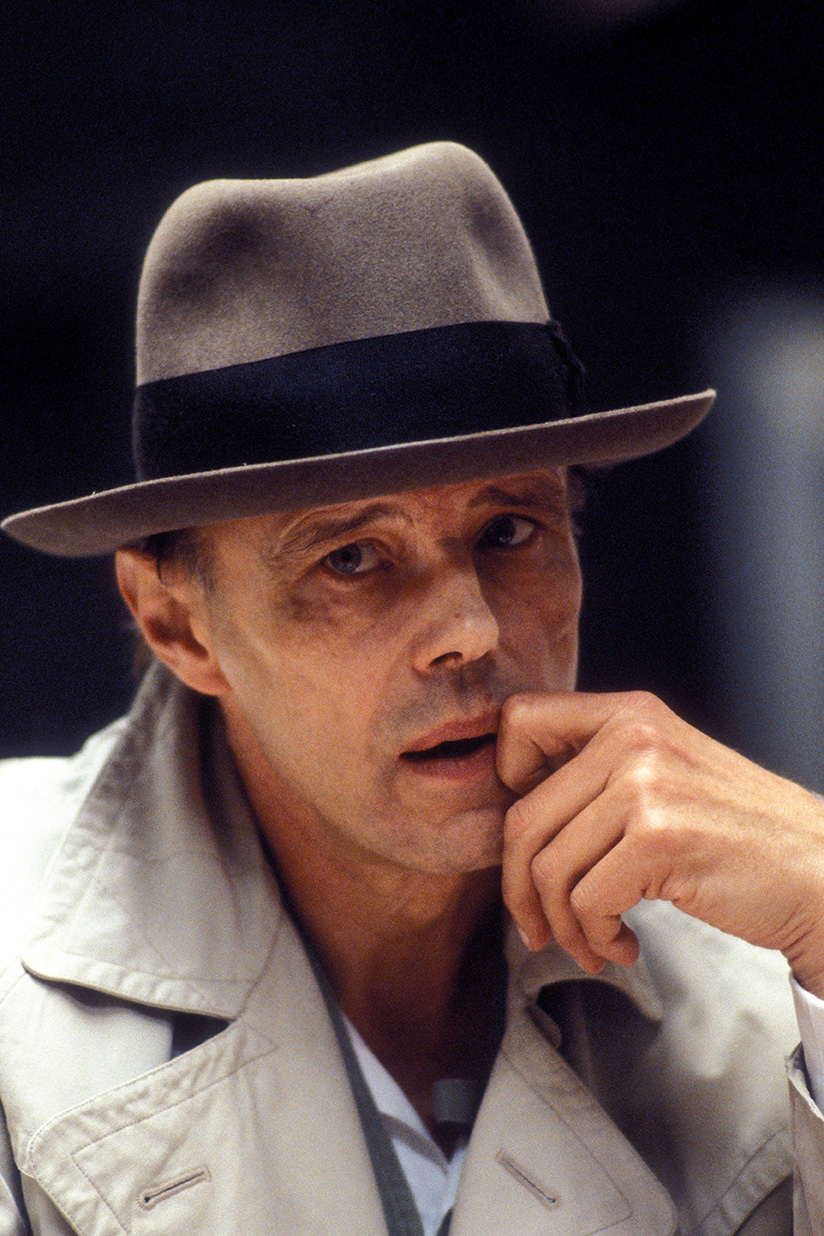
Joseph Heinrich Beuys was a German artist, renowned for his significant contributions to the realms of sculpture, painting, and installation art, which have left a lasting impact on the culture and art world. His work transcended traditional boundaries, merging art with social theory and politics, thus redefining the role of the artist in society. Beuys's unique approach to materials, incorporating substances like fat and felt, symbolized healing and insulation, reflecting his broader philosophical and ecological concerns.
Beuys's art was deeply influenced by his experiences during World War II and his academic background in natural sciences and sculpture. His concept of "social sculpture" proposed that art could transform society, emphasizing creativity as a fundamental component of human existence. This vision led him to use his performances, or "actions," as a medium to communicate his ideas, making him a pivotal figure in the Fluxus movement. Notable works such as "How to Explain Pictures to a Dead Hare" and "7000 Oaks" exemplify his innovative use of performance and environmental art to engage and challenge the public.
His legacy is preserved in major museums and galleries worldwide, including the Museum of Modern Art in New York and the Tate Modern in London. These institutions house key pieces that exemplify Beuys's diverse artistic output, from his early drawings and sculptures to his later installations and public interventions. His influence extends beyond the art world, impacting environmental activism and educational reform, underscoring his belief in the transformative power of art.
For collectors and experts in art and antiques, Joseph Heinrich Beuys remains a figure of immense interest, not only for his groundbreaking artworks but also for his profound impact on contemporary art theory and practice. To stay informed about new product sales and auction events related to Beuys, we invite you to sign up for updates. This subscription ensures you are always in the loop regarding opportunities to engage with the enduring legacy of one of the most influential artists of the 20th century.


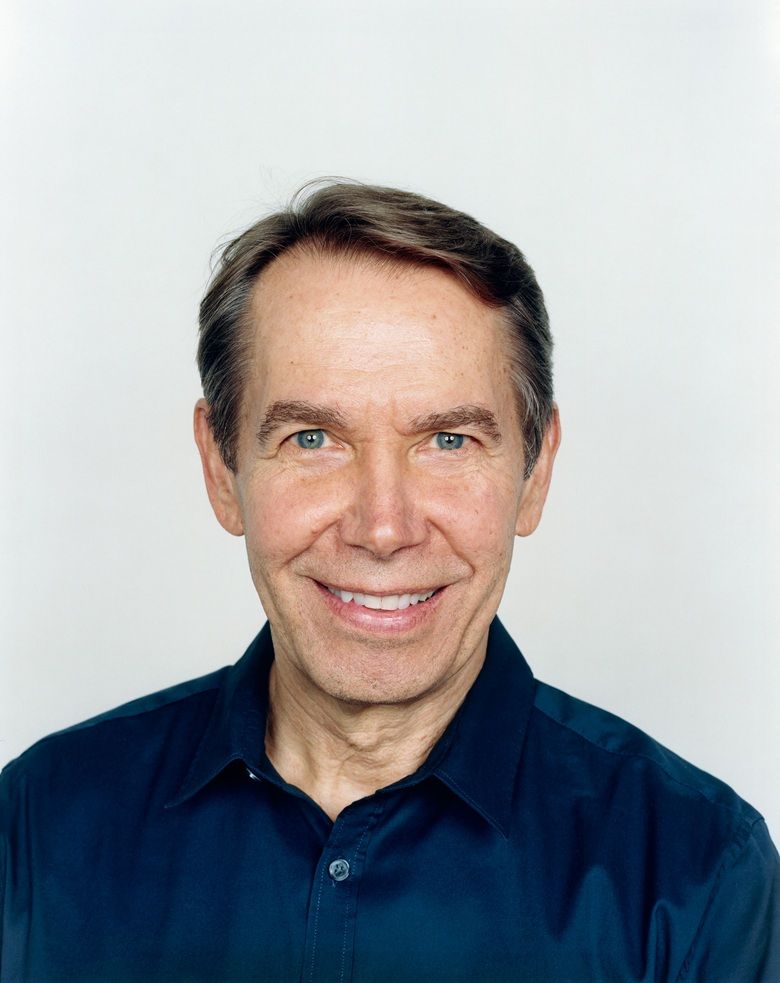
Jeffrey Lynn Koons is an American artist recognized for his work dealing with popular culture and his sculptures depicting everyday objects, including balloon animals produced in stainless steel with mirror-finish surfaces. He lives and works in both New York City and his hometown of York, Pennsylvania. His works have sold for substantial sums, including at least two record auction prices for a work by a living artist: US$58.4 million for Balloon Dog (Orange) in 2013 and US$91.1 million for Rabbit in 2019.
Critics are sharply divided in their views of Koons. Some view his work as pioneering and of major art-historical importance. Others dismiss his work as kitsch, crass, and based on cynical self-merchandising. Koons has stated that there are no hidden meanings and critiques in his works.


Stefan Strumbel is a German artist. In his art, he uses traditional motifs associated with his own homeland, the Rhine Valley. On an abstract level, Strumbel deals with the paradigms of "home" and questions the concept at the same time. Stefan Strumbel lives and works in Offenburg.


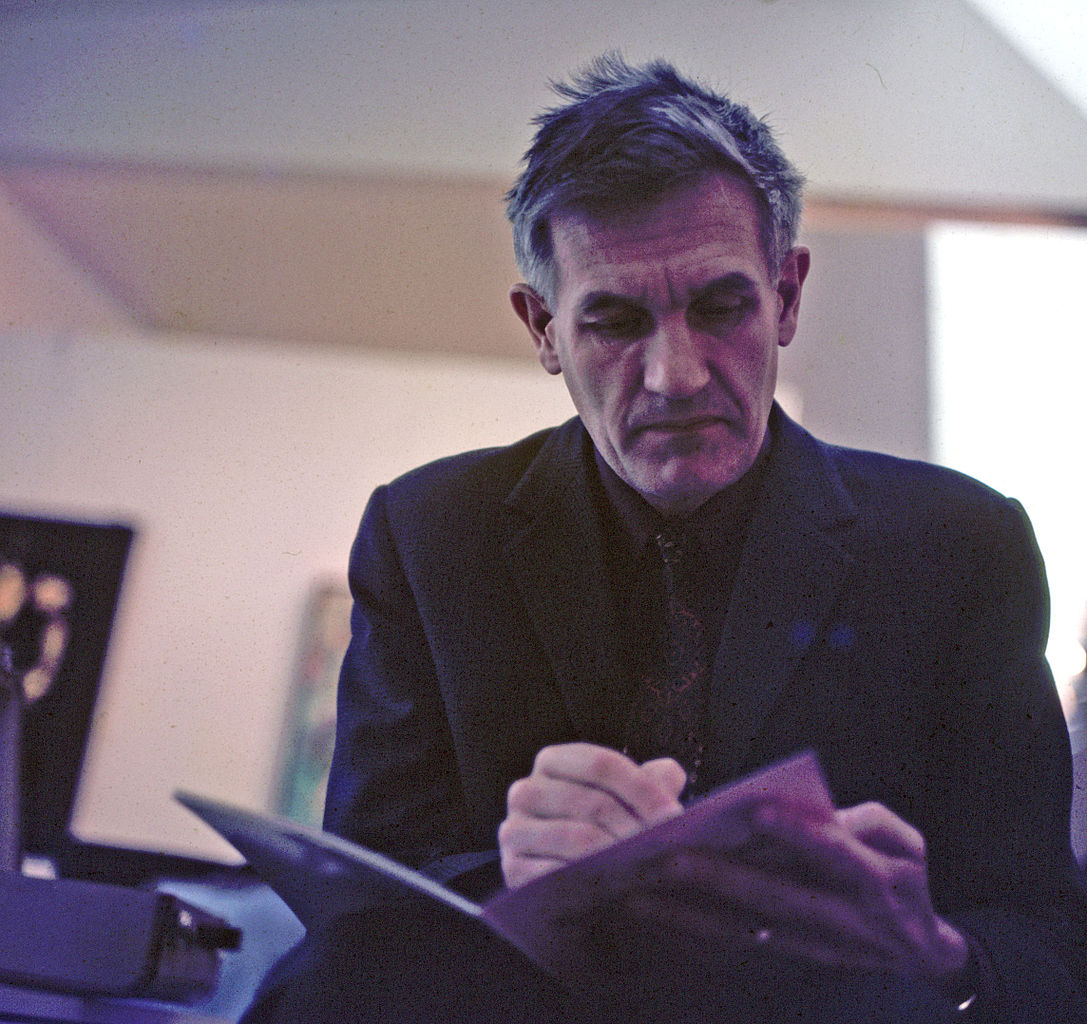


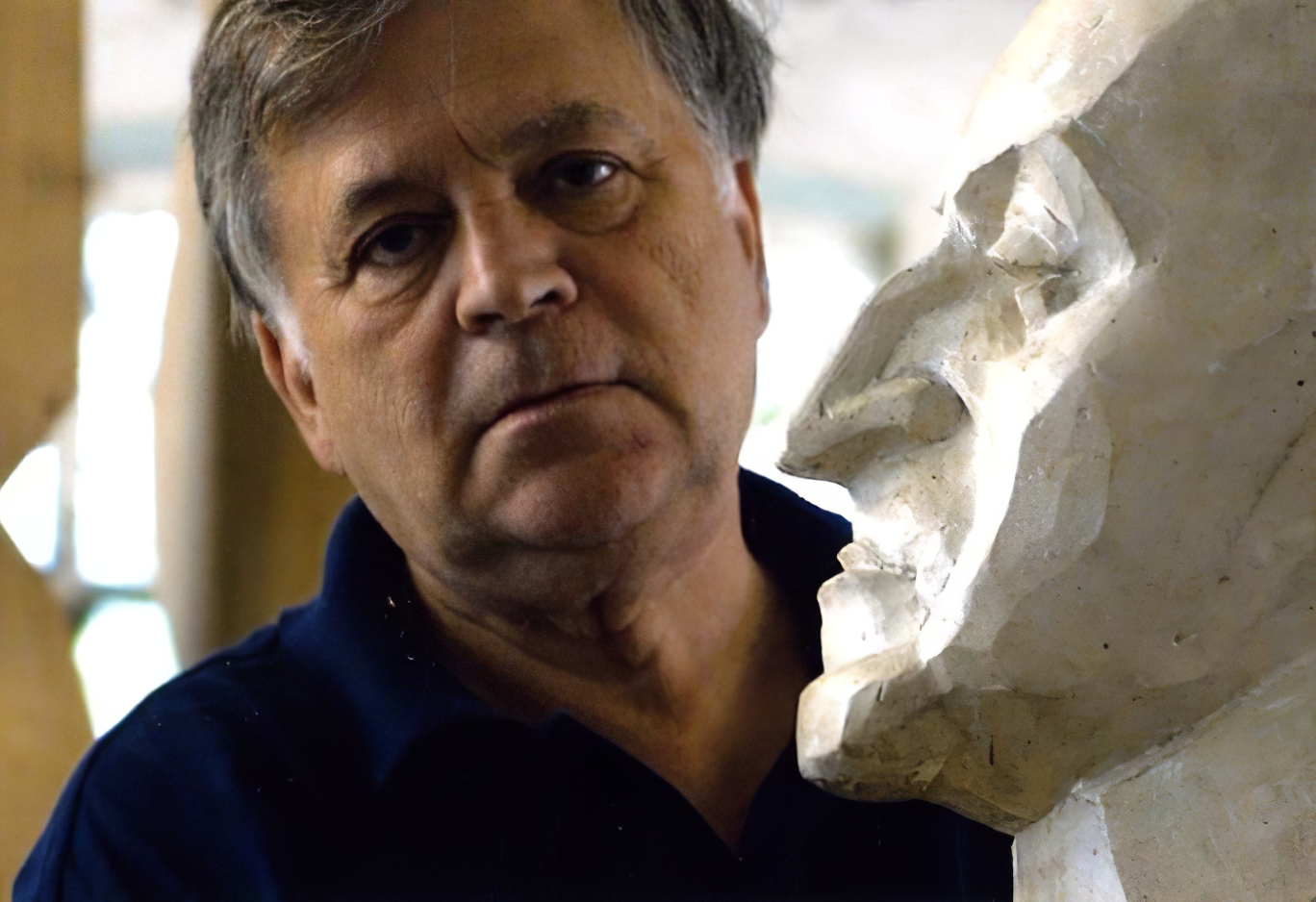
Manfred Sihle-Wissel ist ein deutscher Bildhauer.
Seine Lehrer waren Edwin Scharff und Hans Martin Ruwoldt. Seit 1981 wohnt und arbeitet er in Brammer bei Rendsburg (Schleswig-Holstein).
Zu Manfred Sihle-Wissels Werk gehören Porträts, Skulpturen und Aquarelle.


Hede Bühl is a German artist. She is known for her abstract paintings, which often feature bold colors and expressive brushstrokes. Bühl studied at the Kunstakademie Düsseldorf under Joseph Beuys and worked as a freelance artist from the 1970s onwards.
Her work has been exhibited in numerous galleries and museums across Germany, including the Museum Ludwig in Cologne and the Kunstmuseum Düsseldorf. Bühl's art has been described as energetic and intuitive, with an emphasis on the emotional and physical experience of painting. Her work has also been noted for its connection to the natural world, as she often incorporates elements of landscape and organic forms into her compositions.

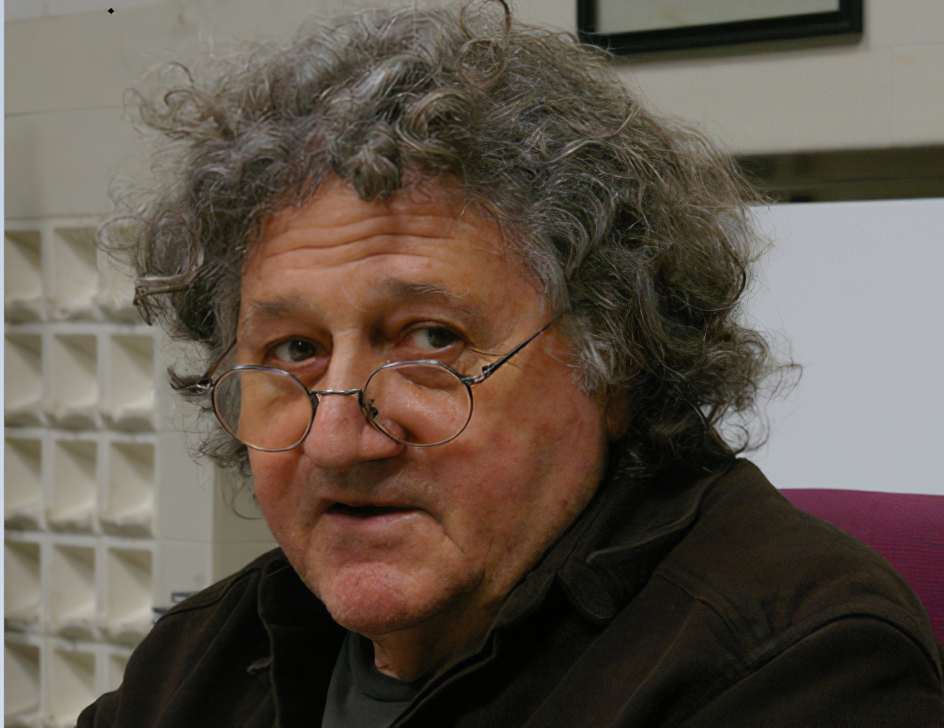
Bruno Bruni senior is an Italian lithographer, graphic artist, painter and sculptor. He became commercially successful in the 1970s. In 1977, he won the International Senefeld award for Lithography. He has since become one of the most successful Italian artists in Germany and one of Germany's best known lithographers.

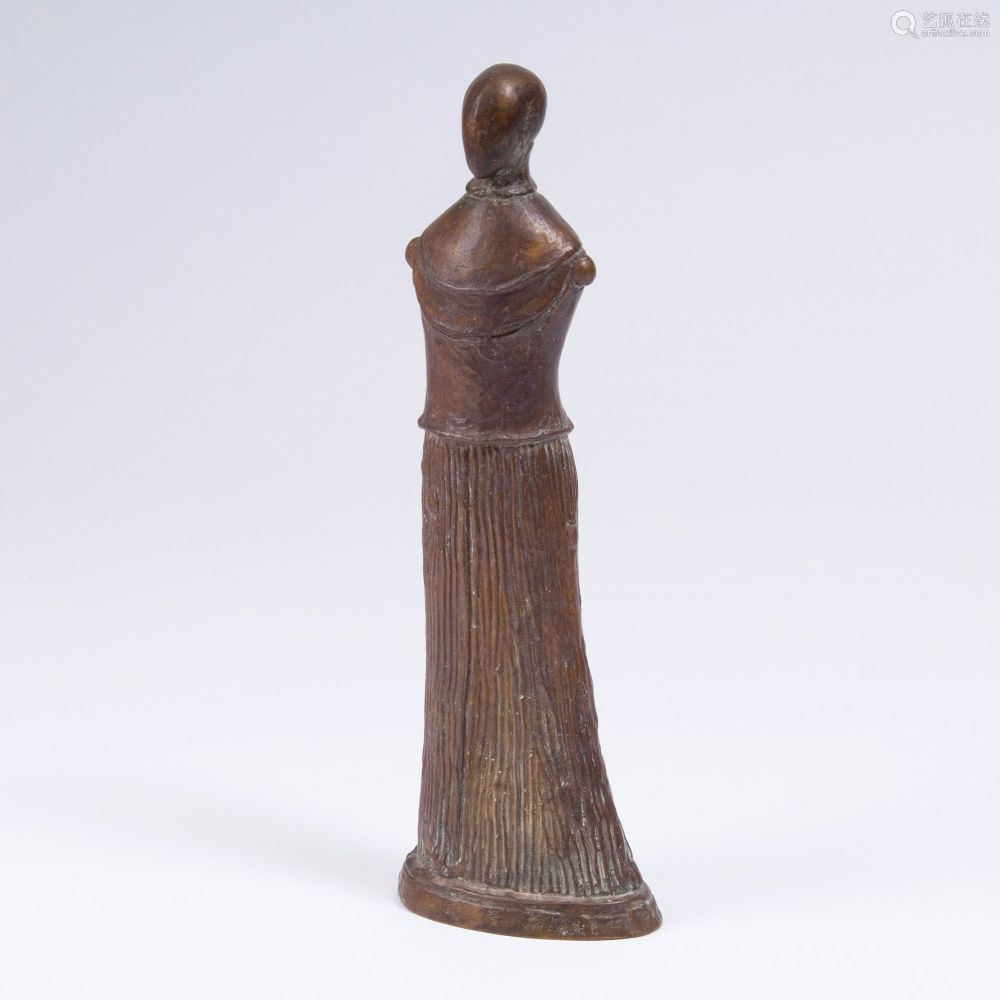
Edgar Augustin was a German painter and sculptor.
Augustin studied sculpture in Münster with Karl Ehlers, then was a pupil of the master Gustav Zeitz in Hamburg. His oeuvre includes partly abstract figurative representations in bronze, wood and plaster as well as paintings, drawings and graphics. Some of Edgar Augustine's sculptures are located in public spaces in Hamburg and other cities.
Edgar Augustin was a member of the Free Academy of Arts in Hamburg and the Special Association of Artists in Germany. In the second half of the 20th century, Augustin was one of the pioneers of figurative wood sculpture and is considered its most important representative.