arnold & son
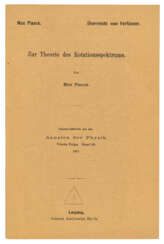

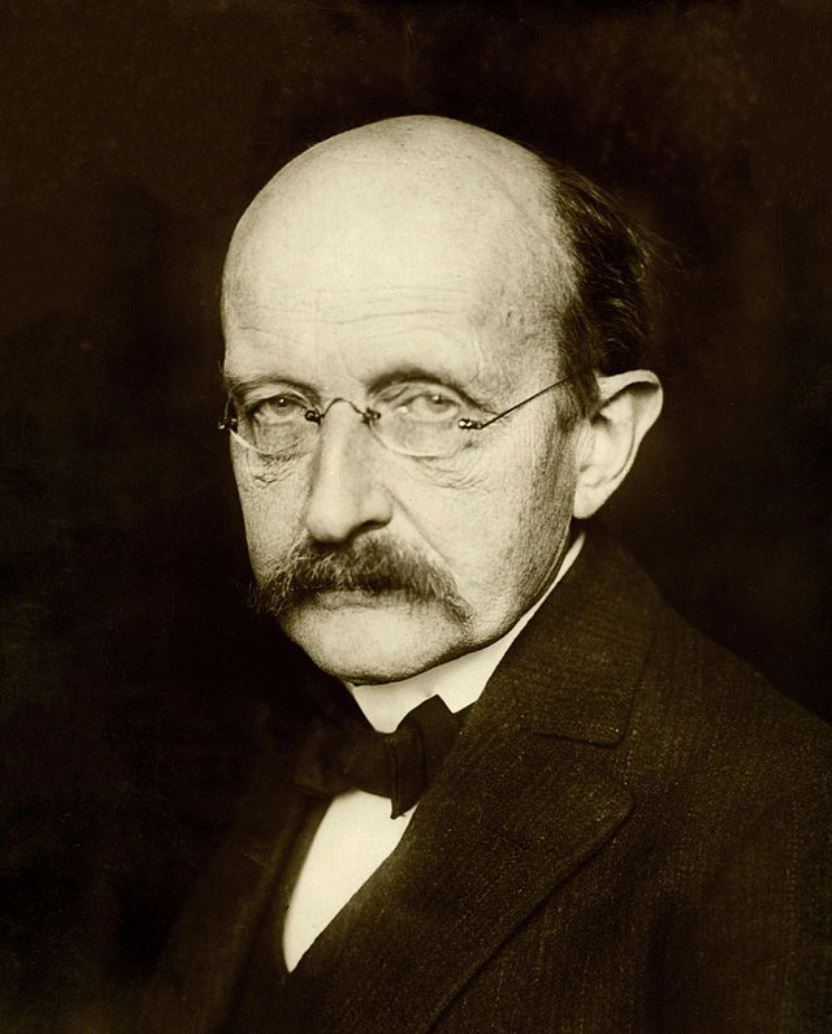
Max Planck, full name Max Karl Ernst Ludwig Planck, is a German theoretical physicist and the founder of quantum theory, which won him the Nobel Prize in Physics in 1918.
Planck made many discoveries in theoretical physics, but his quantum theory revolutionized our understanding of atomic and subatomic processes, just as Albert Einstein's theory of relativity revolutionized our understanding of space and time. Together they represent the fundamental theories of 20th-century physics. They forced humanity to reconsider some philosophical beliefs and began to be applied to industry, including the military, affecting all aspects of modern human life.
Planck was one of the first scientists to realize the importance of Einstein's special theory of relativity, and his influence played a crucial role in its acceptance in Germany. As dean of the University of Berlin, he personally visited Einstein in Zurich in 1913 to persuade him to move to Berlin, which became his base for the next 20 years. Einstein's 1905 work on the photoelectric effect (for which he was awarded the Nobel Prize) is based on Planck's constant (h), the fundamental unit of quantum theory.
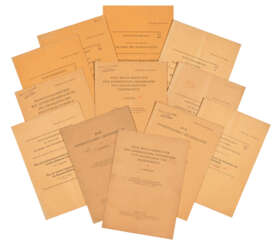

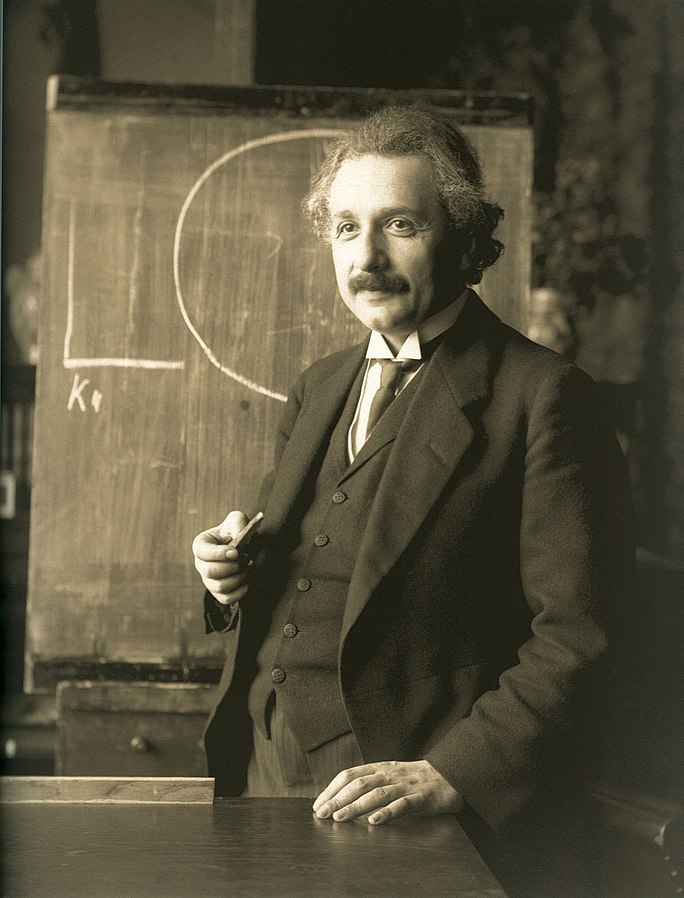
Albert Einstein was a German-born theoretical physicist, widely acknowledged to be one of the greatest and most influential physicists of all time. Einstein is best known for developing the theory of relativity, but he also made important contributions to the development of the theory of quantum mechanics. Relativity and quantum mechanics are together the two pillars of modern physics. His mass–energy equivalence formula E = mc2, which arises from relativity theory, has been dubbed "the world's most famous equation". His work is also known for its influence on the philosophy of science. He received the 1921 Nobel Prize in Physics "for his services to theoretical physics, and especially for his discovery of the law of the photoelectric effect", a pivotal step in the development of quantum theory. His intellectual achievements and originality resulted in "Einstein" becoming synonymous with "genius".


Albert Einstein was a German-born theoretical physicist, widely acknowledged to be one of the greatest and most influential physicists of all time. Einstein is best known for developing the theory of relativity, but he also made important contributions to the development of the theory of quantum mechanics. Relativity and quantum mechanics are together the two pillars of modern physics. His mass–energy equivalence formula E = mc2, which arises from relativity theory, has been dubbed "the world's most famous equation". His work is also known for its influence on the philosophy of science. He received the 1921 Nobel Prize in Physics "for his services to theoretical physics, and especially for his discovery of the law of the photoelectric effect", a pivotal step in the development of quantum theory. His intellectual achievements and originality resulted in "Einstein" becoming synonymous with "genius".

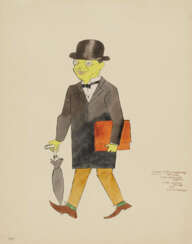

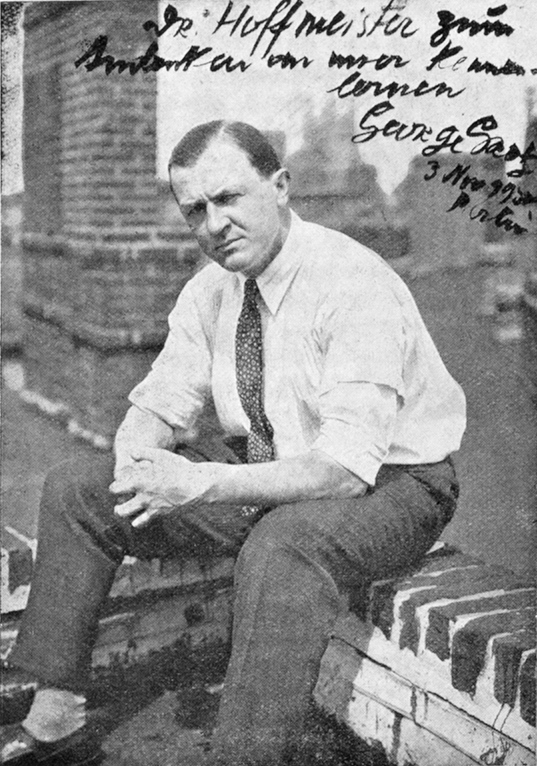
George Grosz was a twentieth-century German painter, graphic artist, and cartoonist. In his work one can find features of various styles of avant-garde art, including Dadaism, Expressionism, and Futurism.
George Grosz drew in every style in a sharp-grotesque and satirical spirit, ridiculing the vices of society. The erotic theme, which occupied a prominent place in Gross's work, was executed in the same spirit.
Grosz devoted more than 20 years to teaching at the Art Students League of New York, and was elected an honorary member of the American and Berlin Academies for his outstanding services to the arts.
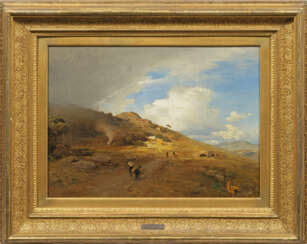

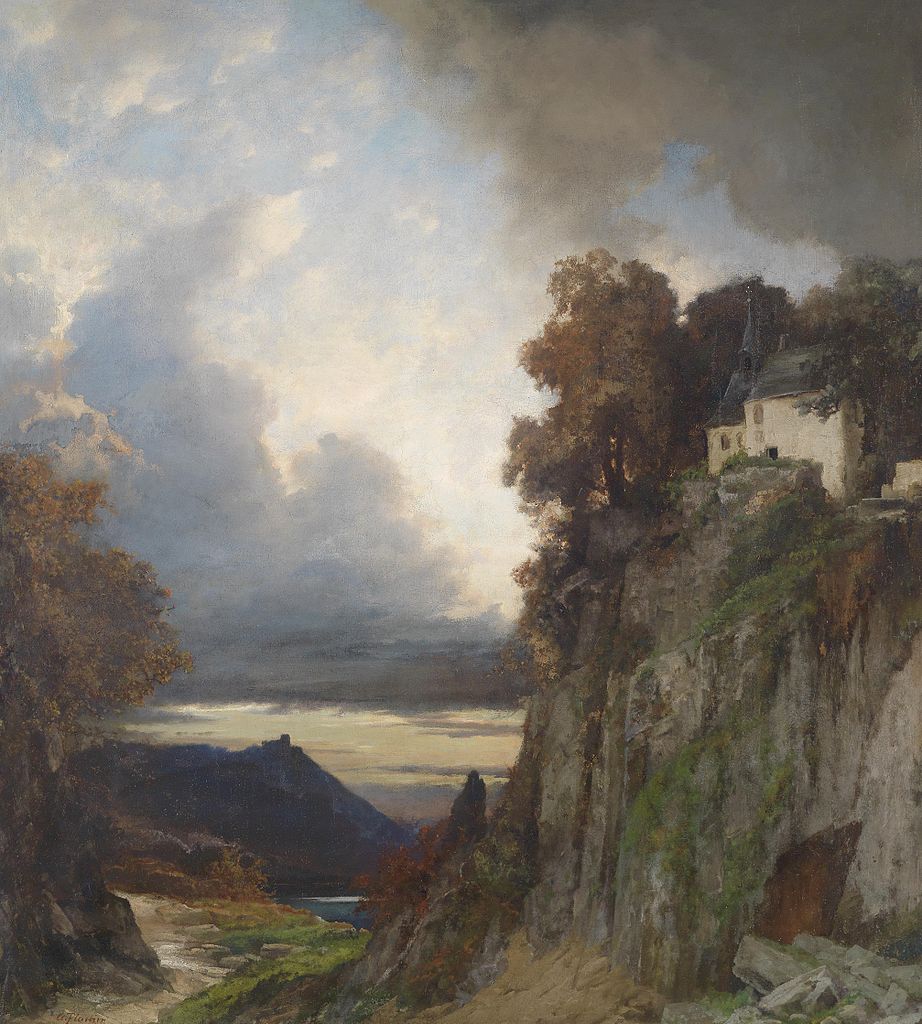
Albert Flamm was a German artist of the Düsseldorf school. He studied architecture at the Dusseldorf Academy of Art and in Antwerp. In 1841 he turned to painting and became a pupil of Andreas Achenbach. In 1848 Flamm became one of the founders of the Malkasten artists' association.
Albert Flamm painted mainly Italian landscapes, recognised for their truthfulness of nature, their vivid colours and their virtuosic treatments. He often chose an elevated viewing position to be able to create wide panoramic perspectives in warm, bright sunlight and with finely rendered detail.

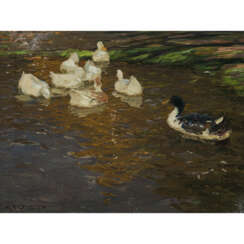

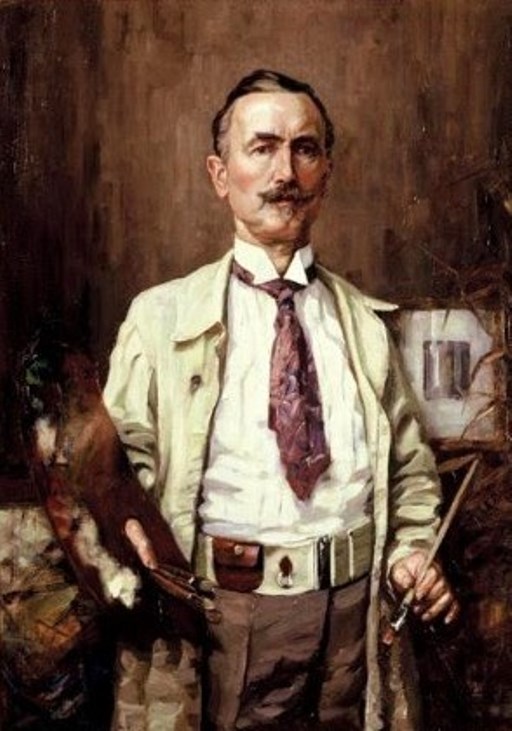
Alexander Max Koester was a German painter. He depicted coastal landscapes and still lifes with flowers. After the artist first presented one of his landscapes with a family of ducks in Berlin in 1899, he earned the nickname "Duck Koester." The "duck" paintings were extremely popular with art lovers.
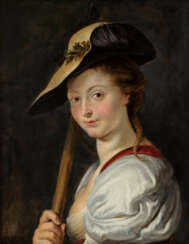

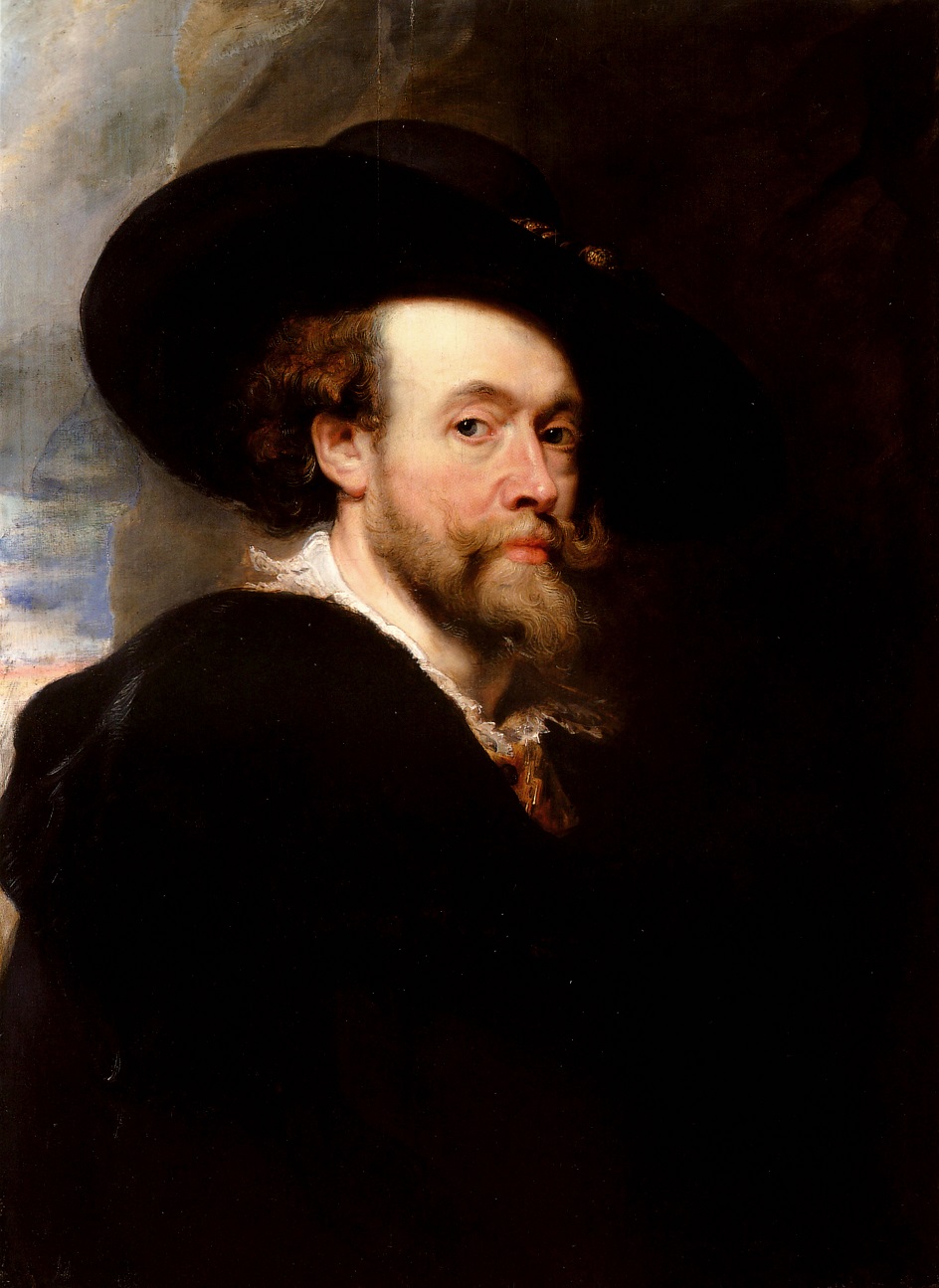
Peter Paul Rubens was a distinguished Flemish Baroque painter, renowned for his dynamic, vibrant, and sensuous paintings. Born on June 28, 1577, in Siegen, Westphalia, Germany, Rubens' family moved back to Antwerp in the Spanish Netherlands (now Belgium) after his father's death. He was raised in his mother’s Roman Catholic faith and received a classical education. He began his artistic training in 1591 and later traveled to Italy, where he was profoundly influenced by Renaissance masters like Titian, Tintoretto, and Veronese. This experience significantly shaped his artistic style.
Rubens' art is celebrated for its emphasis on movement, color, and sensuality. He was particularly skilled in depicting religious and mythological scenes, portraits, and landscapes. Some of his notable works include "The Descent from the Cross" and "The Raising of the Cross," which are prime examples of Baroque religious art, showcasing his unique style that blended influences from Italian Renaissance and his own innovations.
Rubens was not just a painter but also a diplomat, serving at various European courts. He was knighted by both Philip IV of Spain and Charles I of England. His diplomatic missions often intertwined with his artistic endeavors, as seen during his travels to Spain and Italy. In addition to painting, he was involved in designing tapestries, prints, and book title-pages. He ran a large workshop in Antwerp, producing works that were popular with nobility and art collectors across Europe. His studio was in his home, the Rubenshuis, now a museum.
His influence extended to his students, notably Anthony van Dyck, and his collaborative works with other artists like Jan Brueghel the Elder. Rubens' work continued to be celebrated for its vitality and influence on the Baroque style, making him one of the most influential artists of his time.
For those interested in the work and life of Peter Paul Rubens, many of his works can be found in museums and galleries worldwide, including the National Gallery in London, which houses several of his paintings like "A View of Het Steen in the Early Morning" and "Minerva protects Pax from Mars ('Peace and War')".
To stay updated on new product sales, auction events, and more related to Peter Paul Rubens, sign up for our updates. We provide essential information tailored for collectors and experts in art and antiques, focusing on the magnificent work of Rubens and his enduring legacy in the world of art.


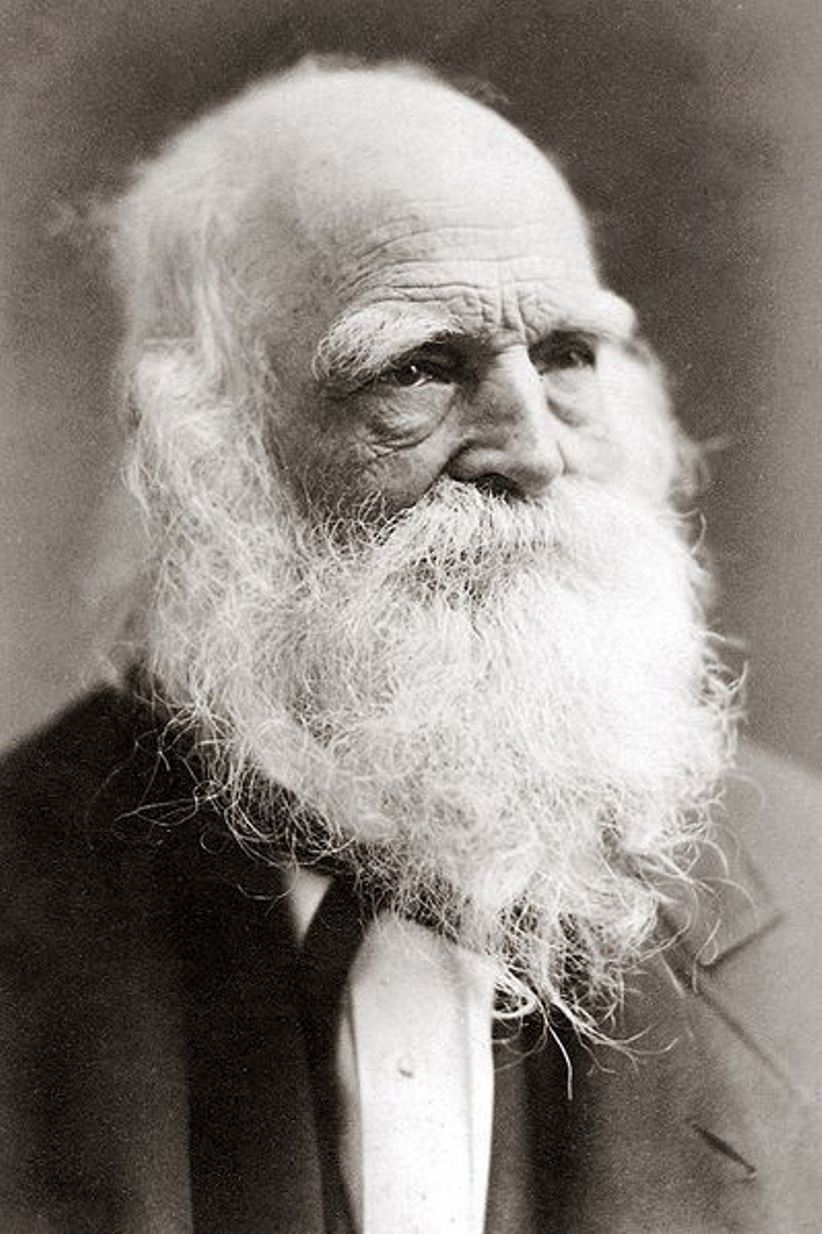
William Cullen Bryant is an American poet, journalist, and editor-in-chief of the New York Post.
He began his education at Williams College, then studied law and worked as a lawyer, but a very different fate awaited him. In 1825, he moved to New York City and became co-editor of the New York Review. In 1827 he became editor of the New York Evening Post, and in 1829 he became its editor-in-chief and co-owner.
Bryant remained in this position until his death, for 50 years. He made the Post a voice for free trade, workers' rights, free speech, and abolition of the death penalty, and he was a founding member of the Republican Party.
Bryant wrote poetry from his early youth and announced himself by publishing a book of Poems (1821). His main theme was nature, and his best-known poems are "Thanatopsis" and "To a Waterfowl." In later years he devoted much time to translations and was an active patron of art and literature.
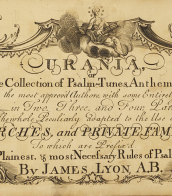
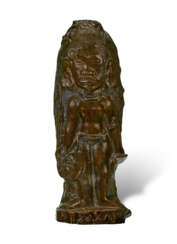


Paul Gauguin, a French artist born in Paris in 1848, is renowned for his significant contributions to Post-Impressionism, Primitivism, and Synthetism. Gauguin's art is distinguished by his experimental use of color and style, which set him apart from the traditional Impressionist movement.
Gauguin's early life was marked by a period in Peru, which influenced his artistic perspective. Initially, he pursued a career in stockbroking but soon turned to art, driven by financial necessity and a growing passion. His artistic journey began under the mentorship of Impressionist artist Camille Pissarro and through exposure to the works of other avant-garde artists.
The hallmark of Gauguin's work is his exploration of non-Western cultures, particularly during his time in Tahiti and the Marquesas Islands. This period saw the creation of some of his most famous works, including "Where Do We Come From? What Are We? Where Are We Going?" His paintings from this era, characterized by vivid colors and Symbolist themes, reflect a fusion of cultural influences and his quest for a "primitive" expression of spiritual and emotional states.
Despite his innovative style, Gauguin struggled with financial difficulties and health issues throughout his life. His work received little recognition during his lifetime, but posthumously, he gained acclaim for influencing modern artists like Pablo Picasso and Henri Matisse.
Today, Gauguin's works are celebrated in galleries and museums worldwide for their unique blend of cultural influences and artistic innovation. His enduring legacy is a testament to his unique vision and the profound impact he had on the art world.
Collectors and experts in art and antiques, stay updated on new product sales and auction events related to Paul Gauguin. Sign up now for exclusive updates and immerse yourself in the world of this visionary artist.
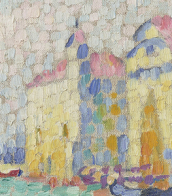
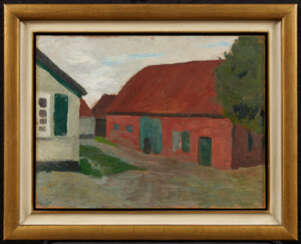

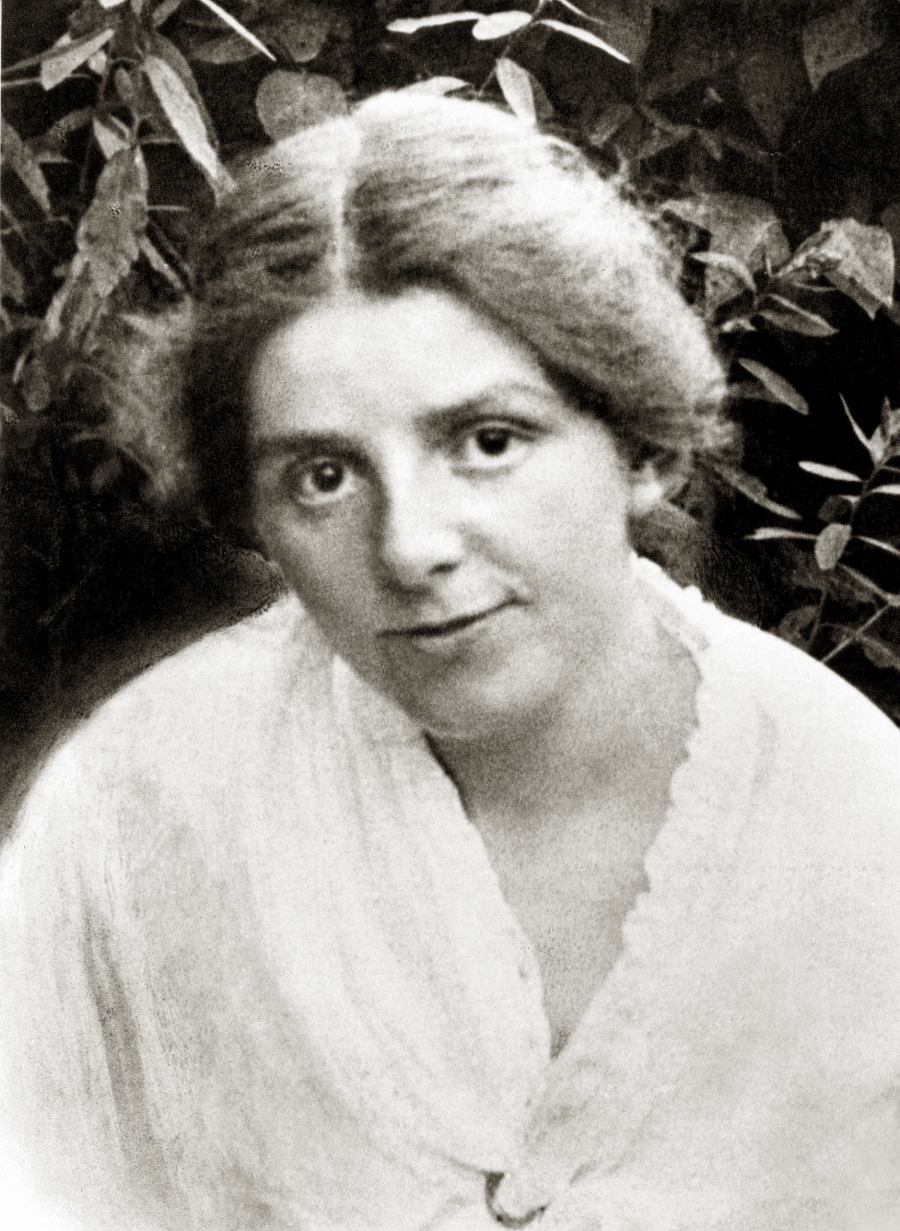
Paula Moderzohn-Becker was a German early expressionist painter.
In her youth she attended the traditional School for Women Artists in Berlin. Like many local German artists, she painted sentimental landscapes and scenes from peasant life.
And in 1900 Paula traveled with her husband to Paris, where she was influenced by post-Impressionist paintings and became an ardent enthusiast of painting by Paul Gauguin and Paul Cézanne. Today she is considered a forerunner of Expressionism because of the power of her compositions, although during her lifetime she was completely ignored. During her short career Moderzohn-Becker painted 750 canvases, about 1,000 drawings and 13 etchings, all of which incorporated the major art movements of the early 20th century.