

markgräfler
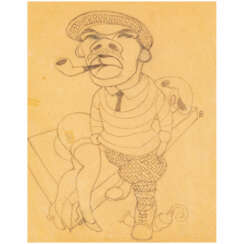

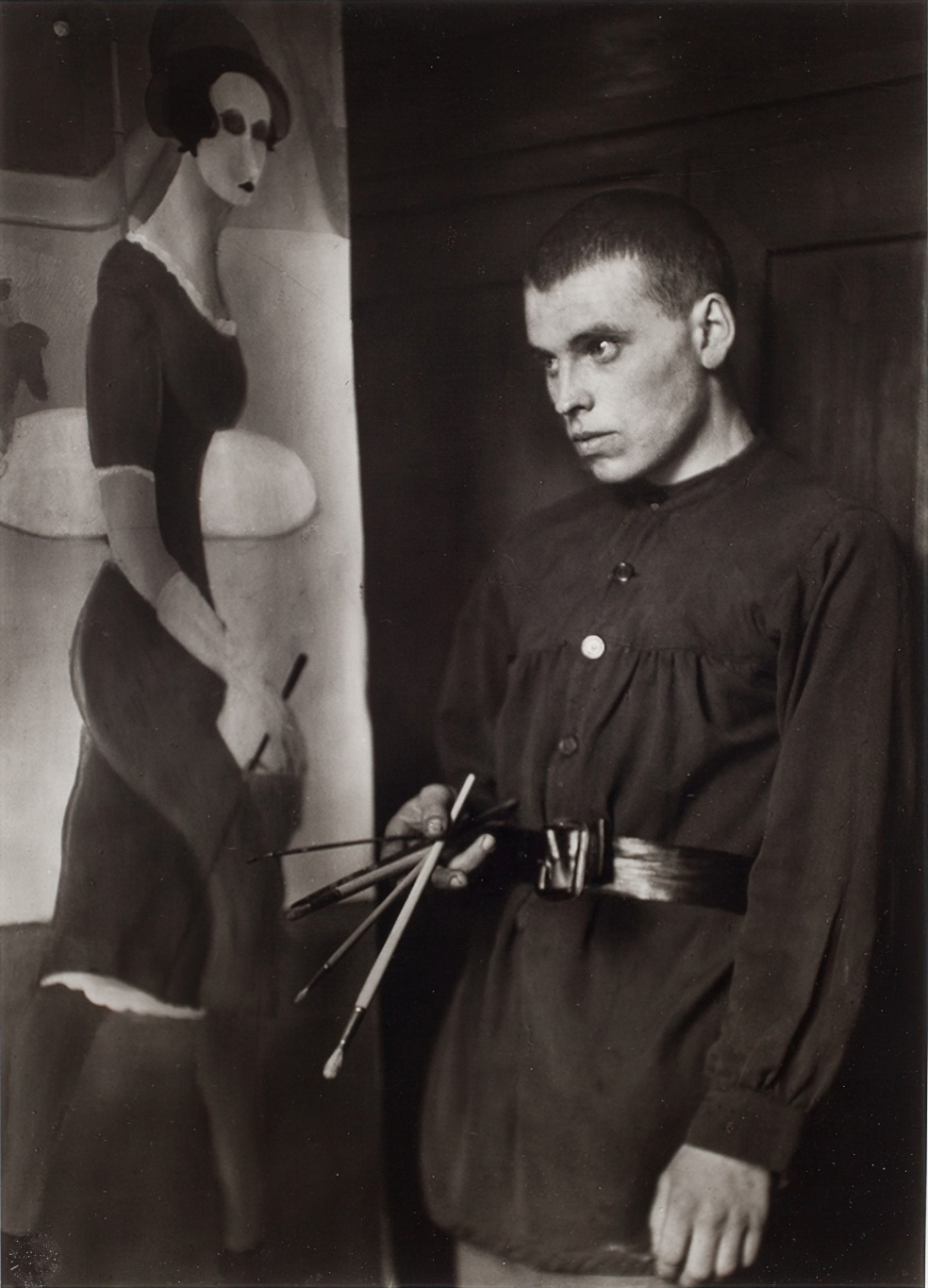
Gottfried Waldemar Brockmann was a German artist, educator, publisher, and served as a cultural advisor for the city of Kiel, Germany. He taught at Muthesius Academy of Art in Kiel.



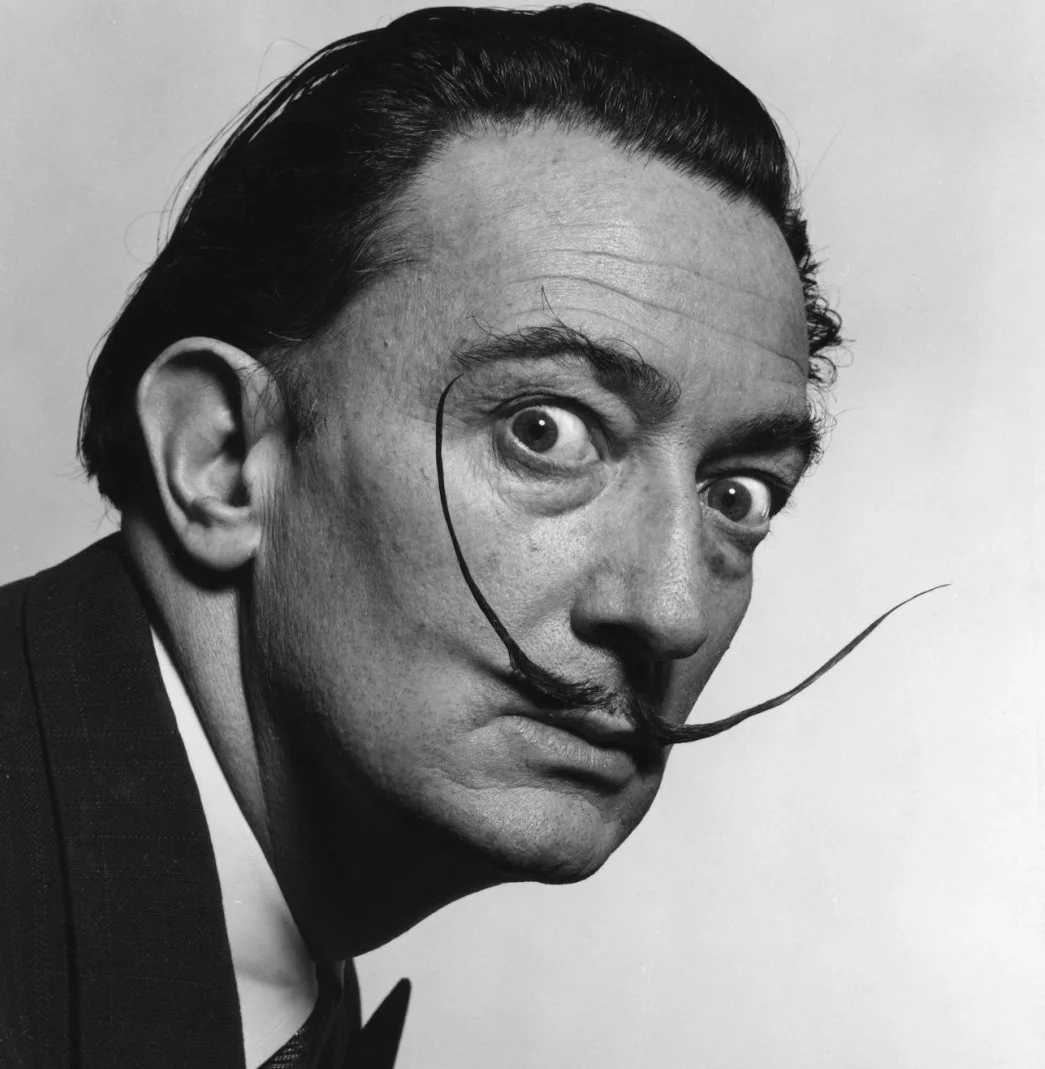
Salvador Dalí, a Spanish Surrealist painter and printmaker, is celebrated for his vivid and imaginative works that delve into subconscious imagery. Born on May 11, 1904, in Figueres, Catalonia, Spain, Dalí's early exposure to Impressionism and Renaissance masters significantly influenced his artistic development. His education in fine arts in Madrid further shaped his style, leading him to experiment with Cubism and avant-garde movements. In the late 1920s, Dalí embraced Surrealism, joining the Surrealist group in 1929 and rapidly becoming one of its most prominent figures.
Dalí's most famous work, "The Persistence of Memory," completed in 1931, epitomizes the Surrealist movement with its iconic melting clocks symbolizing the fluidity of time. His artistic repertoire was diverse, including painting, graphic arts, film, sculpture, design, and photography, often incorporating themes of dreams, the subconscious, sexuality, religion, and science. Despite his remarkable artistic contributions, Dalí's eccentric and flamboyant public persona often overshadowed his work. He faced criticism for his public support of the Francoist regime and the authenticity of some of his late works.
Dalí's legacy is preserved in major museums, notably the Dalí Theatre-Museum in Figueres and the Salvador Dalí Museum in St. Petersburg, Florida. These institutions showcase his extensive and varied body of work, illustrating his profound impact on Surrealism, pop art, and contemporary artists.
If you're captivated by the surreal world of Salvador Dalí and want to stay informed about new sales and auction events featuring his works, sign up for our updates. Our service is tailored specifically for art collectors and experts, providing timely information and insights into the vibrant market of Dalí's art. Remember, this subscription is focused solely on bringing you the latest in product sales and auction events related to Salvador Dalí. Don't miss out on the opportunity to enrich your collection with pieces from one of the most influential surrealists of all time. Sign up now and be the first to know about these exclusive events.
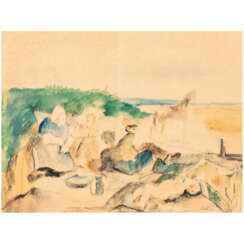

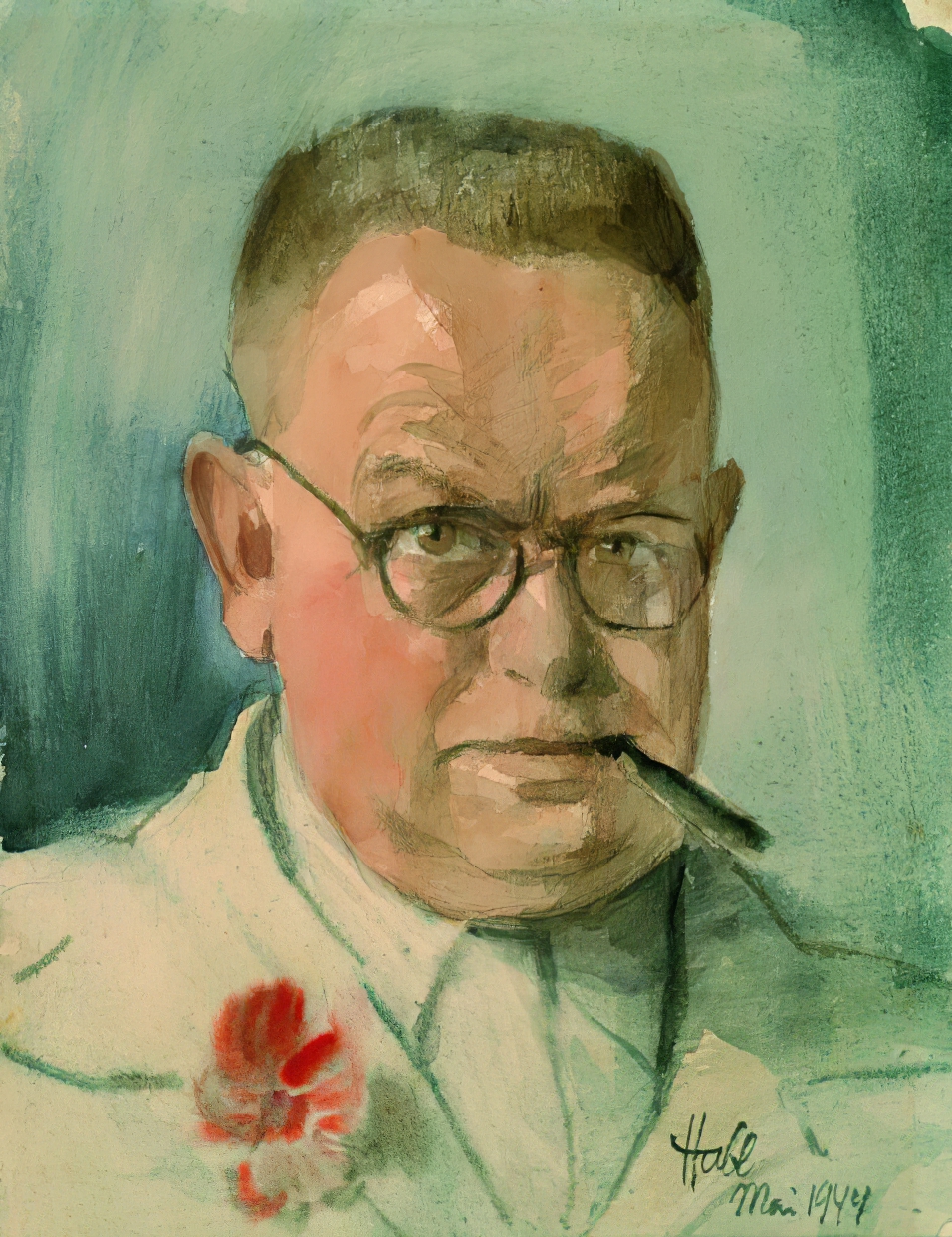
Willy Habl was German painter, graphic artist and illustrator.

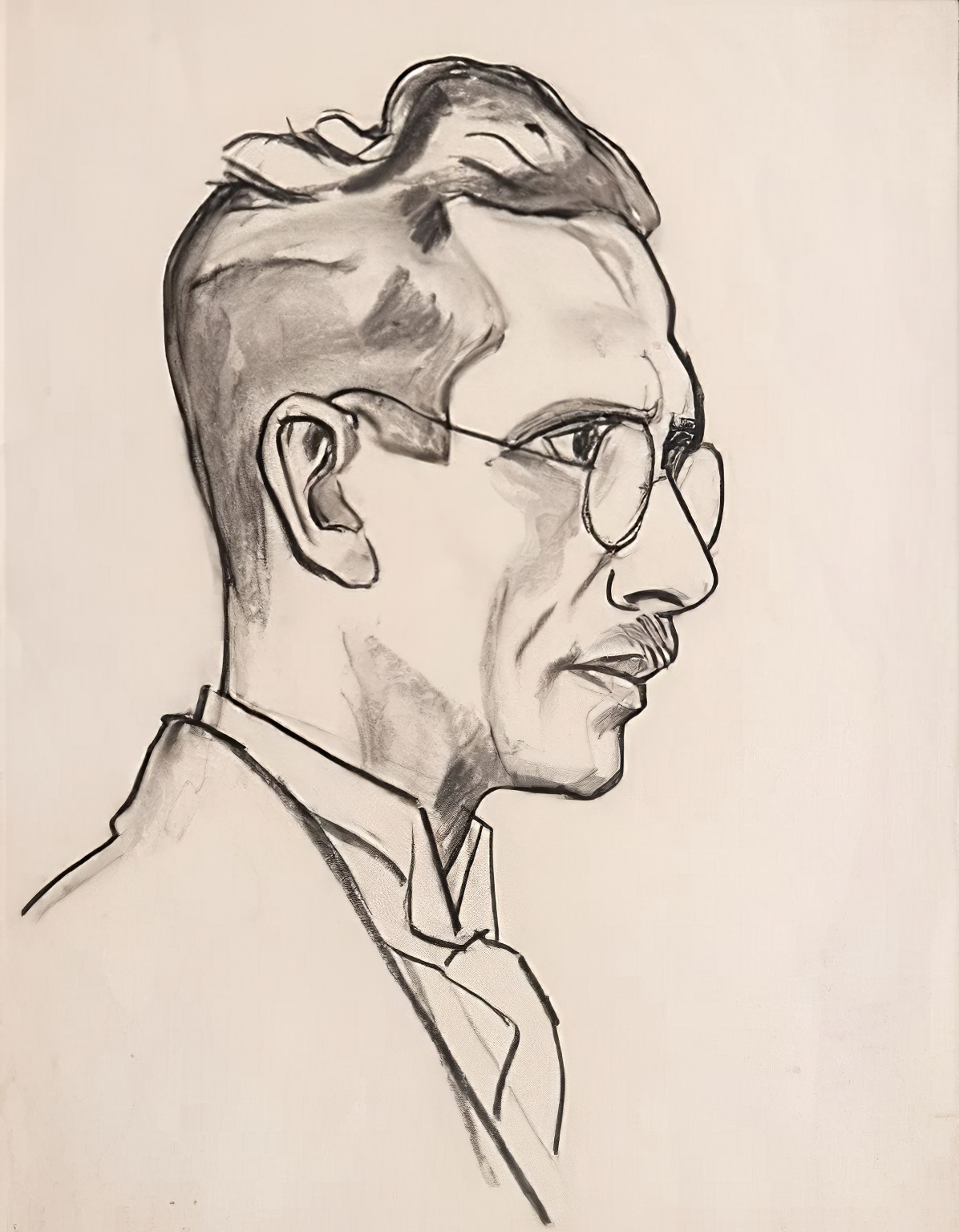
Erich Hartmann was a German modernist and expressionist painter.

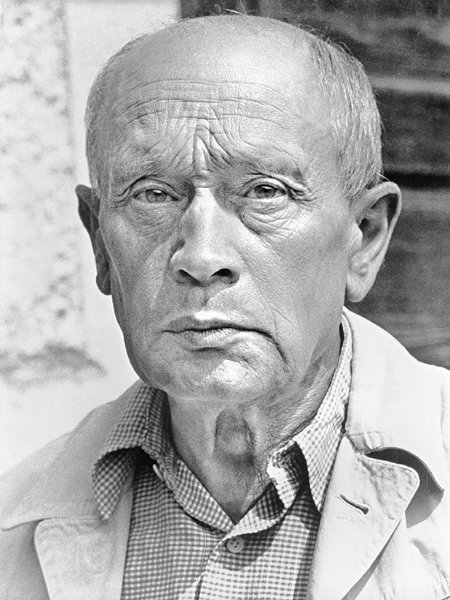
Erich Heckel was a German painter and printmaker, and a founding member of the group Die Brücke ("The Bridge") which existed 1905–1913. His work was part of the art competitions at the 1928 Summer Olympics and the 1932 Summer Olympics.
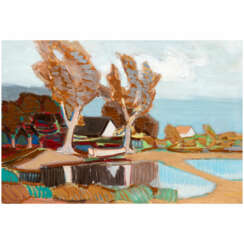

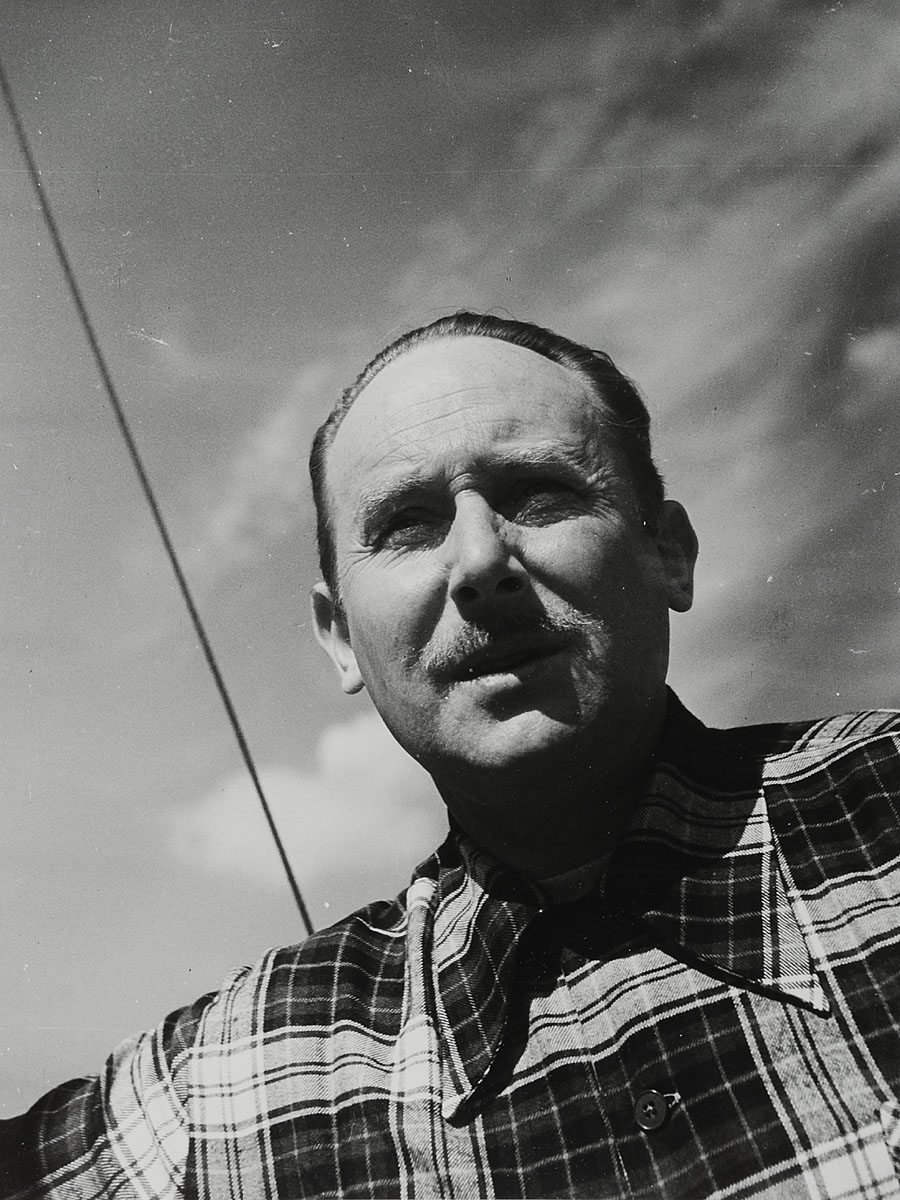
Fritz Kronenberg was a German painter of the Hamburg Secession.
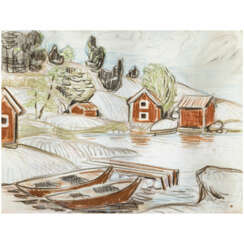

Fritz Kronenberg was a German painter of the Hamburg Secession.
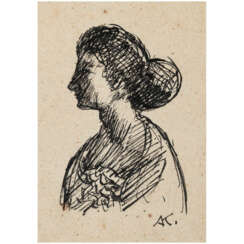

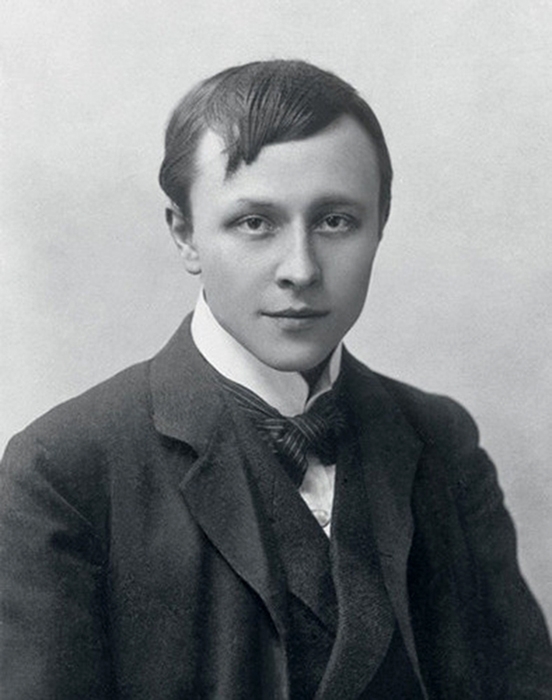
Alfred Kubin was an outstanding Austrian engraver, illustrator and writer, and a prominent representative of the Symbolic and Expressionist trends in the visual arts in the first half of the 20th century. Alfred Kubin's works are full of phantasmagoric and grotesque depictions of dreams, motifs of desolation and fear.
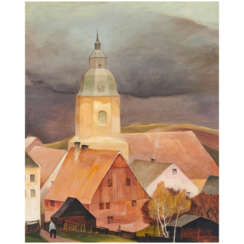

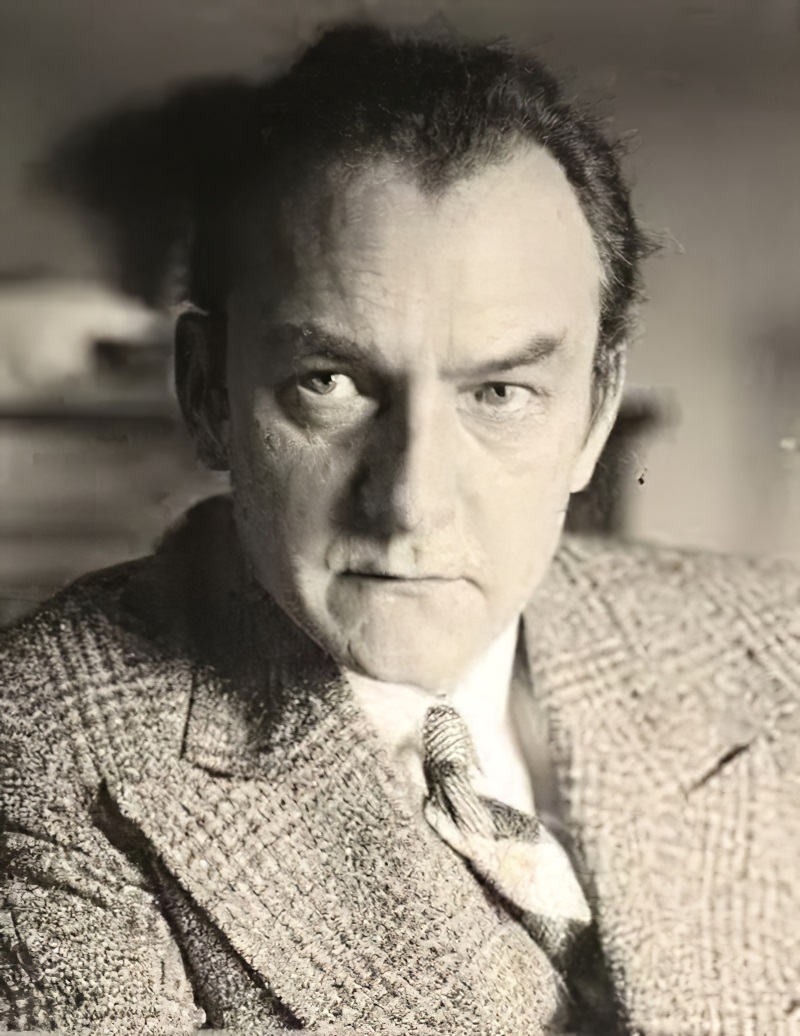


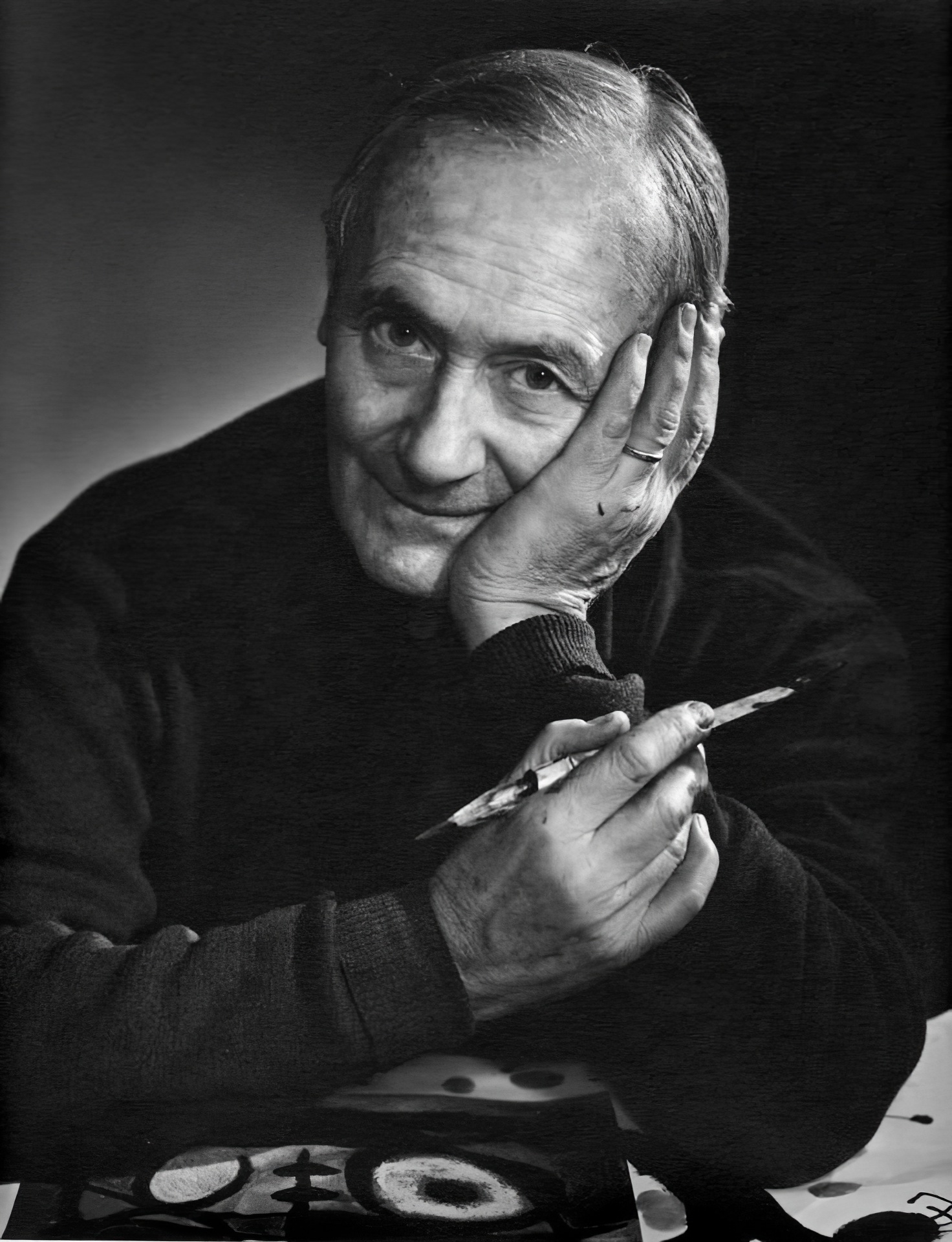
Joan Miró, a celebrated Spanish artist, was a master in painting, sculpture, and ceramics, renowned for his unique style that blurred the lines between Surrealism, Fauvism, and Expressionism. Born in Barcelona to a family of a goldsmith and a watchmaker, Miró grew up immersed in the rich cultural heritage of the Barri Gòtic neighborhood. His artistic journey began with drawing classes at the age of seven and continued at the prestigious La Llotja art academy. Despite an initial venture into the business world, Miró's passion for art prevailed, leading him to abandon his clerical career after a nervous breakdown.
Miró's work is noted for its exploration of the subconscious, often depicting a childlike perspective. This approach was both a critique of traditional painting methods and a means of expressing Catalan pride. His art, challenging to categorize, often featured symbolic elements and nationalistic qualities. One of his notable early works, "The Farm," reflects a transition to a more individual style, blending elements of his Catalan roots with broader artistic influences. This piece, later purchased by Ernest Hemingway, encapsulated the essence of Spain in its imagery.
In Paris, Miró joined the Surrealist movement in 1924, where his work began to reflect the influence of automatism, emphasizing spontaneous, automatic, or subconscious creation. He experimented with various mediums, including painting-poetry and collage, and even ventured into set and costume design for Sergei Diaghilev's Ballets Russes.
During World War II, Miró remained in Spain, and his work from this period, including the 22 Constellations series, reflected an interest in the night, music, and stars. His forms became increasingly abstracted, and he experimented with various techniques, often incorporating primary colors and evocative titles.
Miró's career spanned several decades, during which he continually evolved his style and explored new mediums. His contributions to art were recognized with numerous awards and retrospectives, including a major career retrospective at MoMA in 1941 and the Spanish Gold Medal for Fine Arts in 1980. Among his last major works was a tapestry for the World Trade Center in New York City, created in 1974.
For art collectors and enthusiasts, Joan Miró remains a figure of immense interest, not only for his distinct style and contributions to Surrealism but also for his ability to blend poetic imagery with political commentary. To stay updated on new product sales and auction events related to Joan Miró, sign up for our updates and immerse yourself in the world of this extraordinary artist.
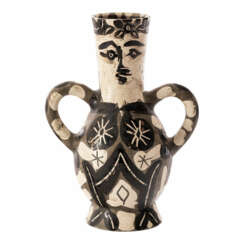

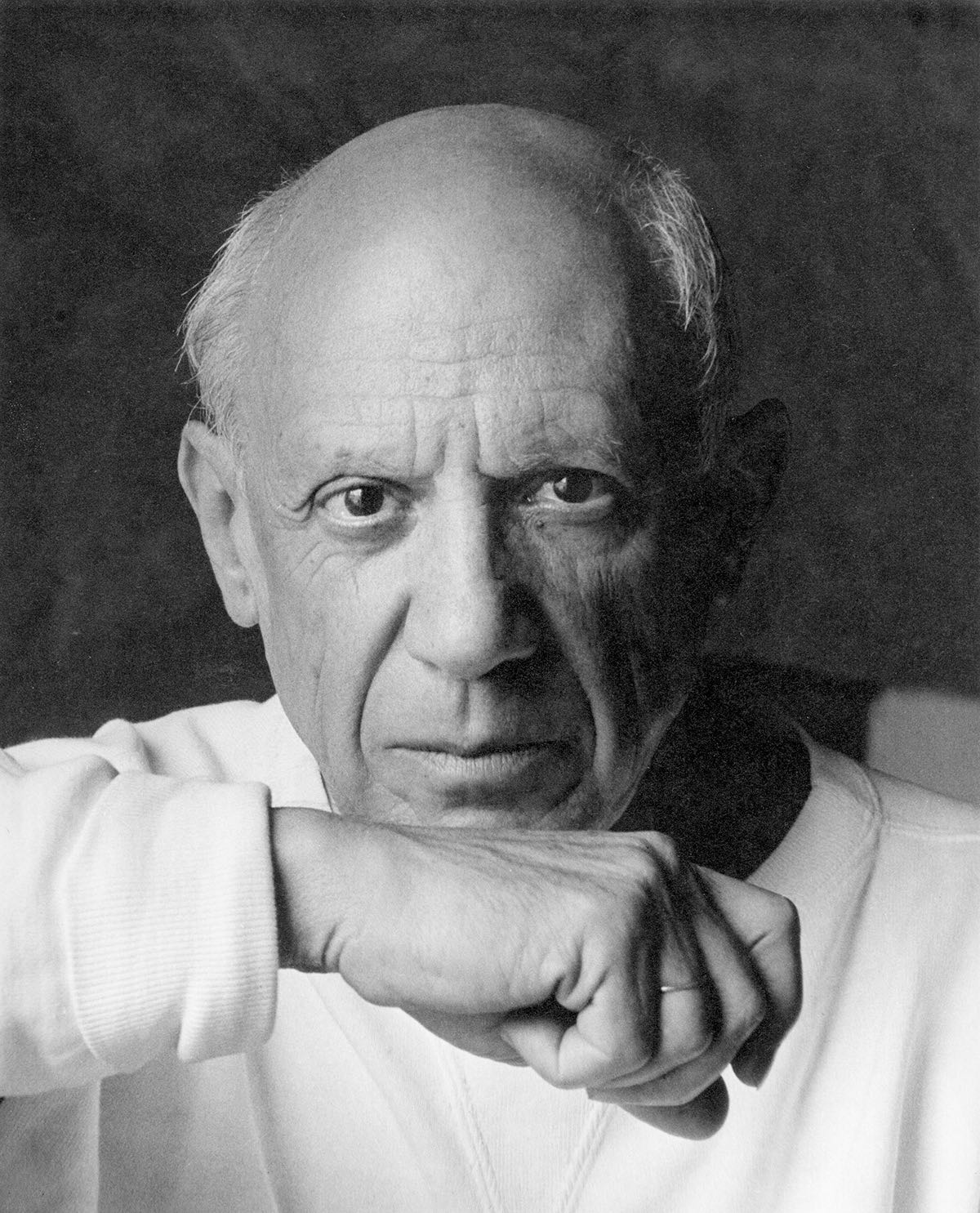
Pablo Ruiz Picasso, a Spanish artist renowned for his revolutionary contributions to the 20th-century art scene, is a figure that resonates profoundly with collectors and art experts. His unique blend of talents in painting, sculpture, printmaking, and ceramic art, infused with his time in France, positioned him as a pivotal character in modern art history.
Picasso's artistic journey was marked by distinct periods, each showcasing his evolving style and genius. His early years were characterized by the Blue Period (1901-1904), followed by the Rose Period (1904-1906), and then the African-influenced Period (1907-1909). Picasso's name is synonymous with Cubism, a movement he co-founded, which significantly altered artistic perspectives and methods. Works like "Les Demoiselles d'Avignon" (1907) and "Guernica" (1937) are emblematic of his cubist legacy, the latter being a poignant anti-war statement that remains influential.
His later years saw a return to more traditional styles, with neoclassical and surrealist influences becoming evident. Works from these phases reflect a deep engagement with mythological themes, as seen in "Faun with Stars" (1955), symbolizing his late-life romance with Jacqueline Roque, his second wife.
Picasso's prolific output and innovative spirit made him a legend in his own time, a status that only grew after his death. His works, housed in major museums and private collections worldwide, continue to captivate and inspire.
As a collector or expert in art and antiques, staying informed about Picasso's works, their auction events, and sales is essential. To stay updated on the latest developments and opportunities related to Pablo Picasso, sign up for our specialized updates. Rest assured, this subscription will focus solely on new product sales and auction events pertaining to Picasso's art, ensuring that you receive only the most relevant and valuable information.


Pablo Ruiz Picasso, a Spanish artist renowned for his revolutionary contributions to the 20th-century art scene, is a figure that resonates profoundly with collectors and art experts. His unique blend of talents in painting, sculpture, printmaking, and ceramic art, infused with his time in France, positioned him as a pivotal character in modern art history.
Picasso's artistic journey was marked by distinct periods, each showcasing his evolving style and genius. His early years were characterized by the Blue Period (1901-1904), followed by the Rose Period (1904-1906), and then the African-influenced Period (1907-1909). Picasso's name is synonymous with Cubism, a movement he co-founded, which significantly altered artistic perspectives and methods. Works like "Les Demoiselles d'Avignon" (1907) and "Guernica" (1937) are emblematic of his cubist legacy, the latter being a poignant anti-war statement that remains influential.
His later years saw a return to more traditional styles, with neoclassical and surrealist influences becoming evident. Works from these phases reflect a deep engagement with mythological themes, as seen in "Faun with Stars" (1955), symbolizing his late-life romance with Jacqueline Roque, his second wife.
Picasso's prolific output and innovative spirit made him a legend in his own time, a status that only grew after his death. His works, housed in major museums and private collections worldwide, continue to captivate and inspire.
As a collector or expert in art and antiques, staying informed about Picasso's works, their auction events, and sales is essential. To stay updated on the latest developments and opportunities related to Pablo Picasso, sign up for our specialized updates. Rest assured, this subscription will focus solely on new product sales and auction events pertaining to Picasso's art, ensuring that you receive only the most relevant and valuable information.
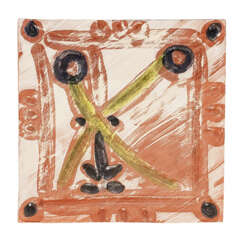

Pablo Ruiz Picasso, a Spanish artist renowned for his revolutionary contributions to the 20th-century art scene, is a figure that resonates profoundly with collectors and art experts. His unique blend of talents in painting, sculpture, printmaking, and ceramic art, infused with his time in France, positioned him as a pivotal character in modern art history.
Picasso's artistic journey was marked by distinct periods, each showcasing his evolving style and genius. His early years were characterized by the Blue Period (1901-1904), followed by the Rose Period (1904-1906), and then the African-influenced Period (1907-1909). Picasso's name is synonymous with Cubism, a movement he co-founded, which significantly altered artistic perspectives and methods. Works like "Les Demoiselles d'Avignon" (1907) and "Guernica" (1937) are emblematic of his cubist legacy, the latter being a poignant anti-war statement that remains influential.
His later years saw a return to more traditional styles, with neoclassical and surrealist influences becoming evident. Works from these phases reflect a deep engagement with mythological themes, as seen in "Faun with Stars" (1955), symbolizing his late-life romance with Jacqueline Roque, his second wife.
Picasso's prolific output and innovative spirit made him a legend in his own time, a status that only grew after his death. His works, housed in major museums and private collections worldwide, continue to captivate and inspire.
As a collector or expert in art and antiques, staying informed about Picasso's works, their auction events, and sales is essential. To stay updated on the latest developments and opportunities related to Pablo Picasso, sign up for our specialized updates. Rest assured, this subscription will focus solely on new product sales and auction events pertaining to Picasso's art, ensuring that you receive only the most relevant and valuable information.


Pablo Ruiz Picasso, a Spanish artist renowned for his revolutionary contributions to the 20th-century art scene, is a figure that resonates profoundly with collectors and art experts. His unique blend of talents in painting, sculpture, printmaking, and ceramic art, infused with his time in France, positioned him as a pivotal character in modern art history.
Picasso's artistic journey was marked by distinct periods, each showcasing his evolving style and genius. His early years were characterized by the Blue Period (1901-1904), followed by the Rose Period (1904-1906), and then the African-influenced Period (1907-1909). Picasso's name is synonymous with Cubism, a movement he co-founded, which significantly altered artistic perspectives and methods. Works like "Les Demoiselles d'Avignon" (1907) and "Guernica" (1937) are emblematic of his cubist legacy, the latter being a poignant anti-war statement that remains influential.
His later years saw a return to more traditional styles, with neoclassical and surrealist influences becoming evident. Works from these phases reflect a deep engagement with mythological themes, as seen in "Faun with Stars" (1955), symbolizing his late-life romance with Jacqueline Roque, his second wife.
Picasso's prolific output and innovative spirit made him a legend in his own time, a status that only grew after his death. His works, housed in major museums and private collections worldwide, continue to captivate and inspire.
As a collector or expert in art and antiques, staying informed about Picasso's works, their auction events, and sales is essential. To stay updated on the latest developments and opportunities related to Pablo Picasso, sign up for our specialized updates. Rest assured, this subscription will focus solely on new product sales and auction events pertaining to Picasso's art, ensuring that you receive only the most relevant and valuable information.


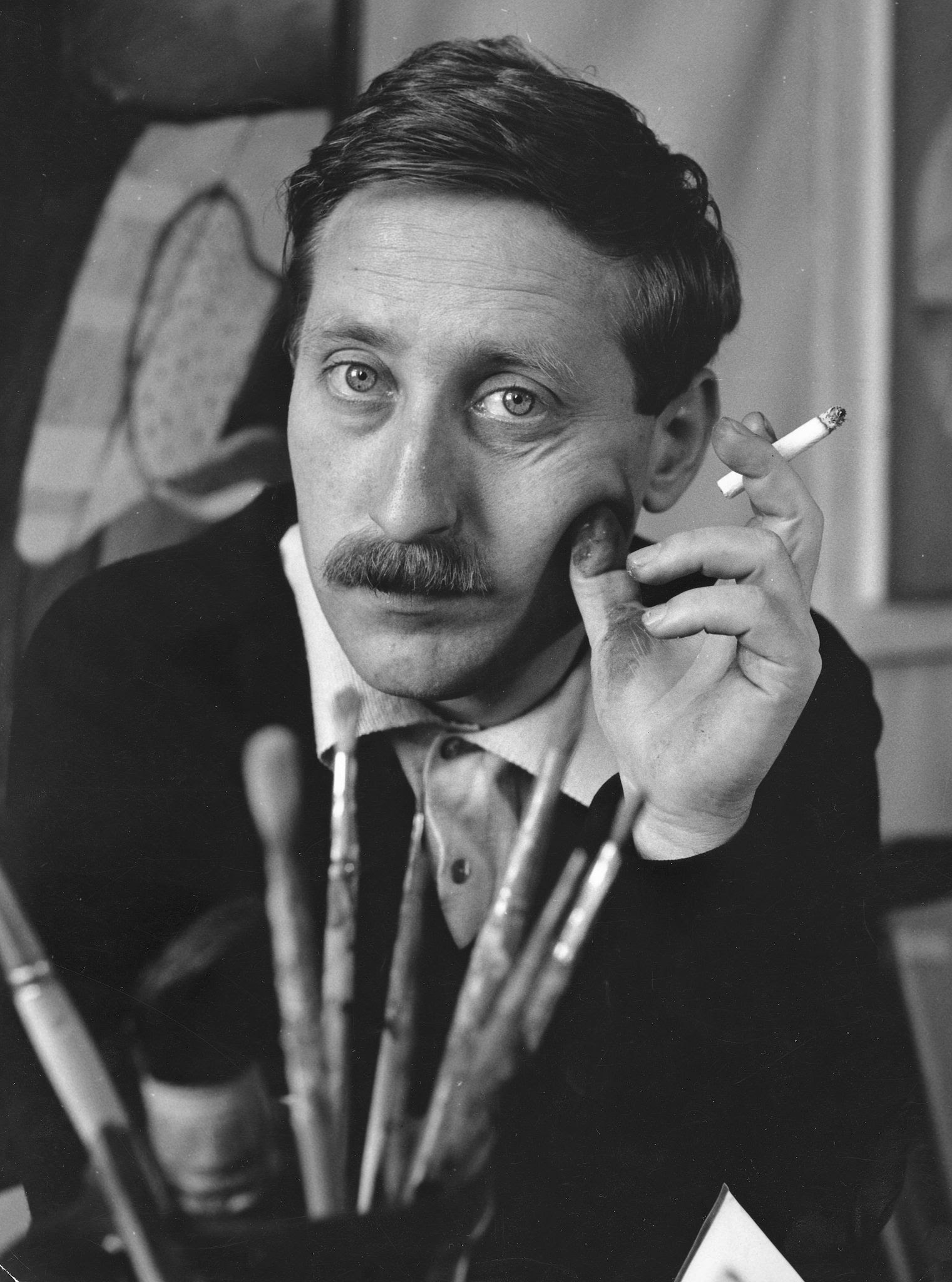
Horst Antes was a German painter, graphic artist and sculptor, a pioneer of the new figurative painting in Germany.
After studying at the Karlsruhe Academy of Fine Arts from 1957 to 1959, Antes taught there himself and later became a professor there.
Antes became known for the Kopffüßler (head-foot) image, which has been a recurring theme in his paintings, sculptures and graphic works since the early 1960s. Antes' work is represented in several major collections in Berlin, Hamburg, Cologne and elsewhere in Germany.


Horst Antes was a German painter, graphic artist and sculptor, a pioneer of the new figurative painting in Germany.
After studying at the Karlsruhe Academy of Fine Arts from 1957 to 1959, Antes taught there himself and later became a professor there.
Antes became known for the Kopffüßler (head-foot) image, which has been a recurring theme in his paintings, sculptures and graphic works since the early 1960s. Antes' work is represented in several major collections in Berlin, Hamburg, Cologne and elsewhere in Germany.


Horst Antes was a German painter, graphic artist and sculptor, a pioneer of the new figurative painting in Germany.
After studying at the Karlsruhe Academy of Fine Arts from 1957 to 1959, Antes taught there himself and later became a professor there.
Antes became known for the Kopffüßler (head-foot) image, which has been a recurring theme in his paintings, sculptures and graphic works since the early 1960s. Antes' work is represented in several major collections in Berlin, Hamburg, Cologne and elsewhere in Germany.

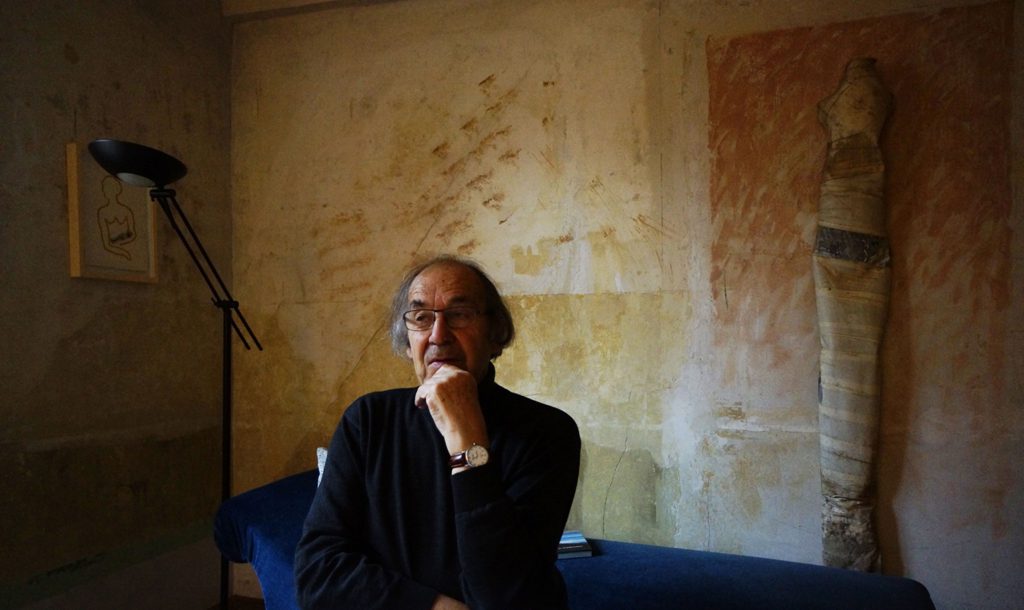
Jürgen Brodwolf was a Swiss sculptor and objectivist artist.

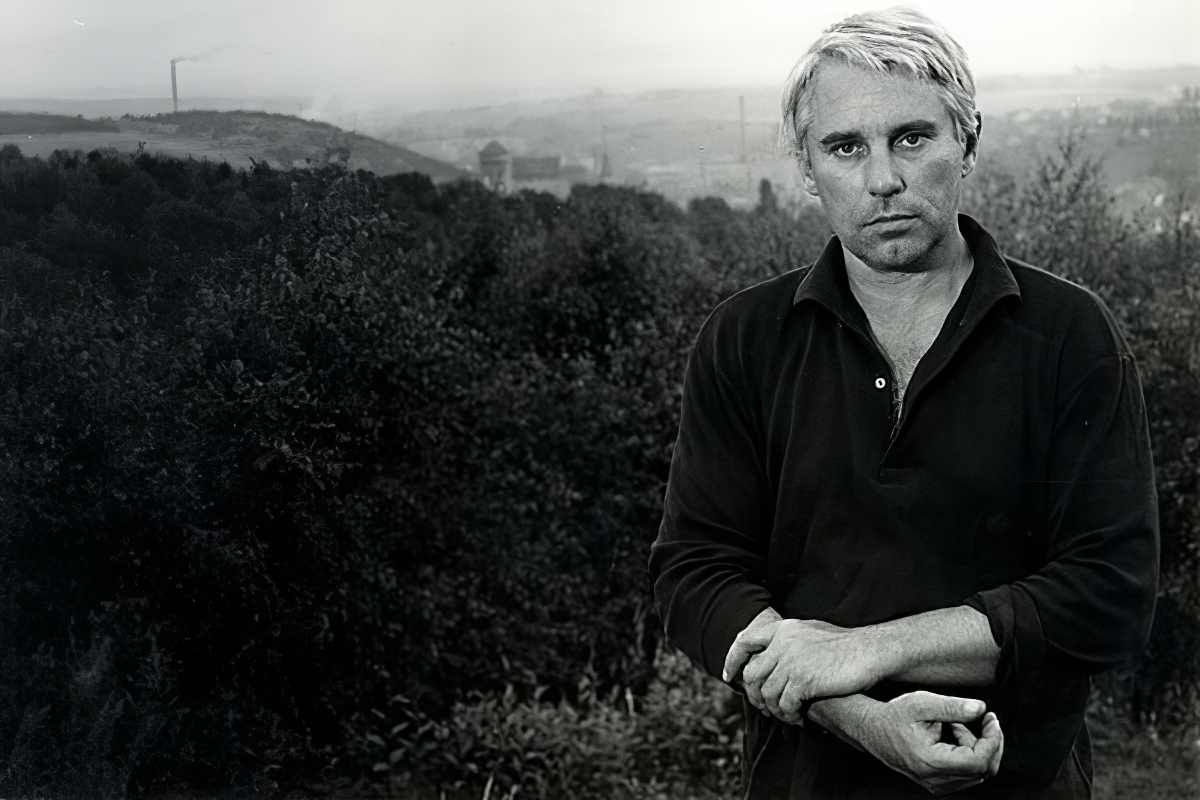
Karl Fred Dahmen is a German artist, one of the most important representatives of German post-war art and the Informel movement. In 1967 he took up the post of Professor of Fine Arts at the Munich Academy.
He painted expressive abstract pictures with a tectonic structure, and since the mid-1950s, relief paintings and collages on the damage to the local landscape caused by open-pit mining. Later in Dahmen's oeuvre, glazed object boxes appear, recounting the impressions of his daily working life.


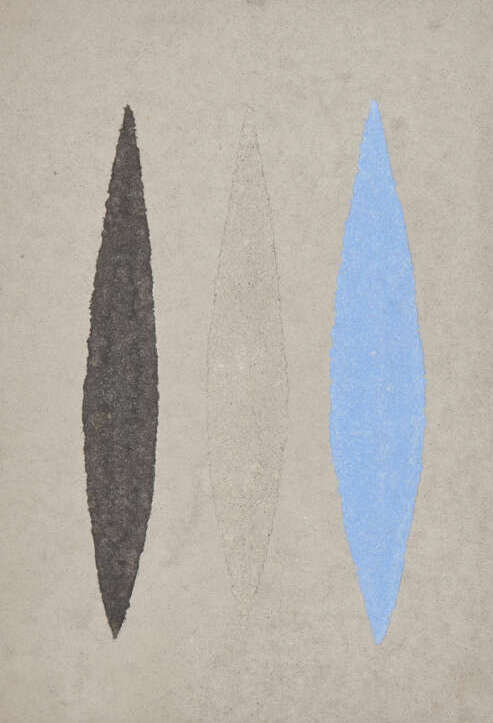


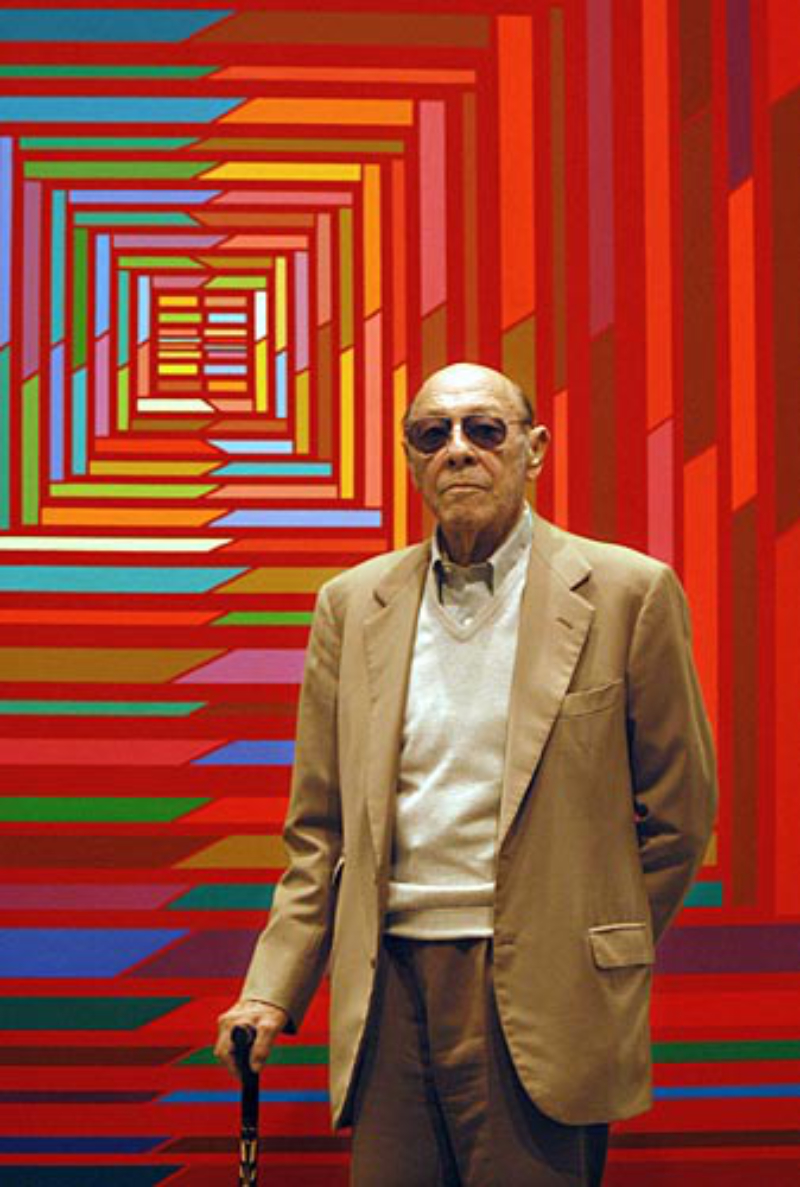
Piero Dorazio was an Italian painter. His work was related to color field painting, lyrical abstraction and other forms of abstract art.


Piero Dorazio was an Italian painter. His work was related to color field painting, lyrical abstraction and other forms of abstract art.


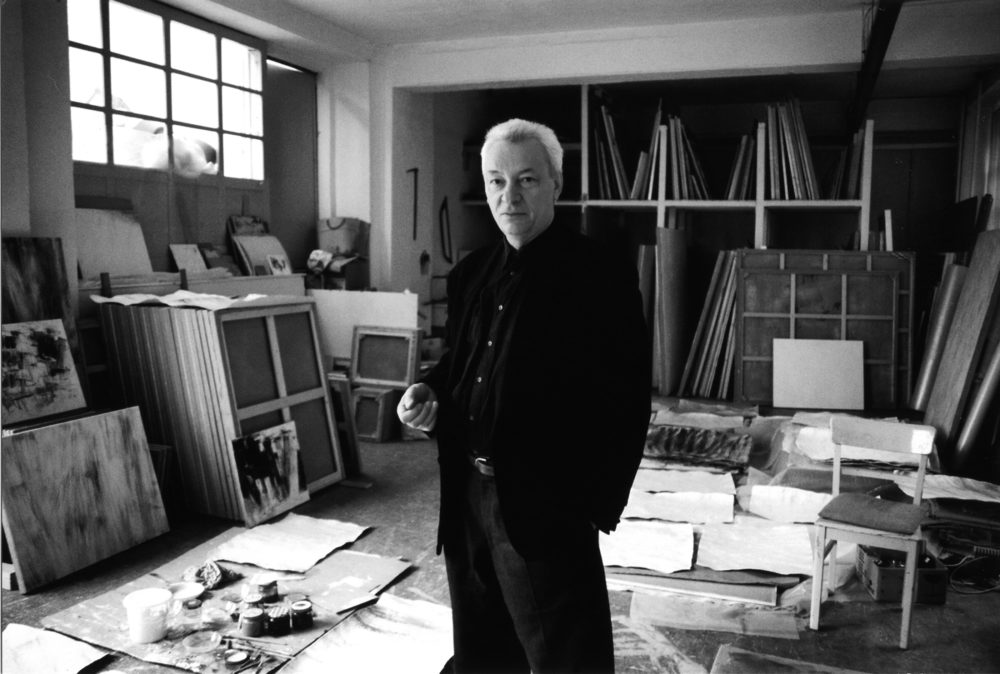
Raimund Girke is a German artist known for his minimalist and monochromatic abstract paintings. He was at the origin of analytical painting, participated in the 1977 edition of Documenta VI in Kassel, Germany, and is widely known for his explorations of white.
Raimund Hirke belonged to a generation of young European artists who overcame the subjectivism of abstract expressionism and sought new, objective, reductive expressions based on scientific and mathematical principles. Girke's paintings were characterized by loose compositions and a limited colour palette, often with subtle variations in shades of white or grey.


Raimund Girke is a German artist known for his minimalist and monochromatic abstract paintings. He was at the origin of analytical painting, participated in the 1977 edition of Documenta VI in Kassel, Germany, and is widely known for his explorations of white.
Raimund Hirke belonged to a generation of young European artists who overcame the subjectivism of abstract expressionism and sought new, objective, reductive expressions based on scientific and mathematical principles. Girke's paintings were characterized by loose compositions and a limited colour palette, often with subtle variations in shades of white or grey.
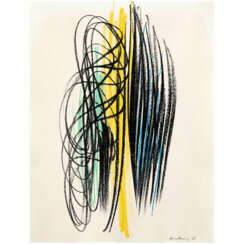

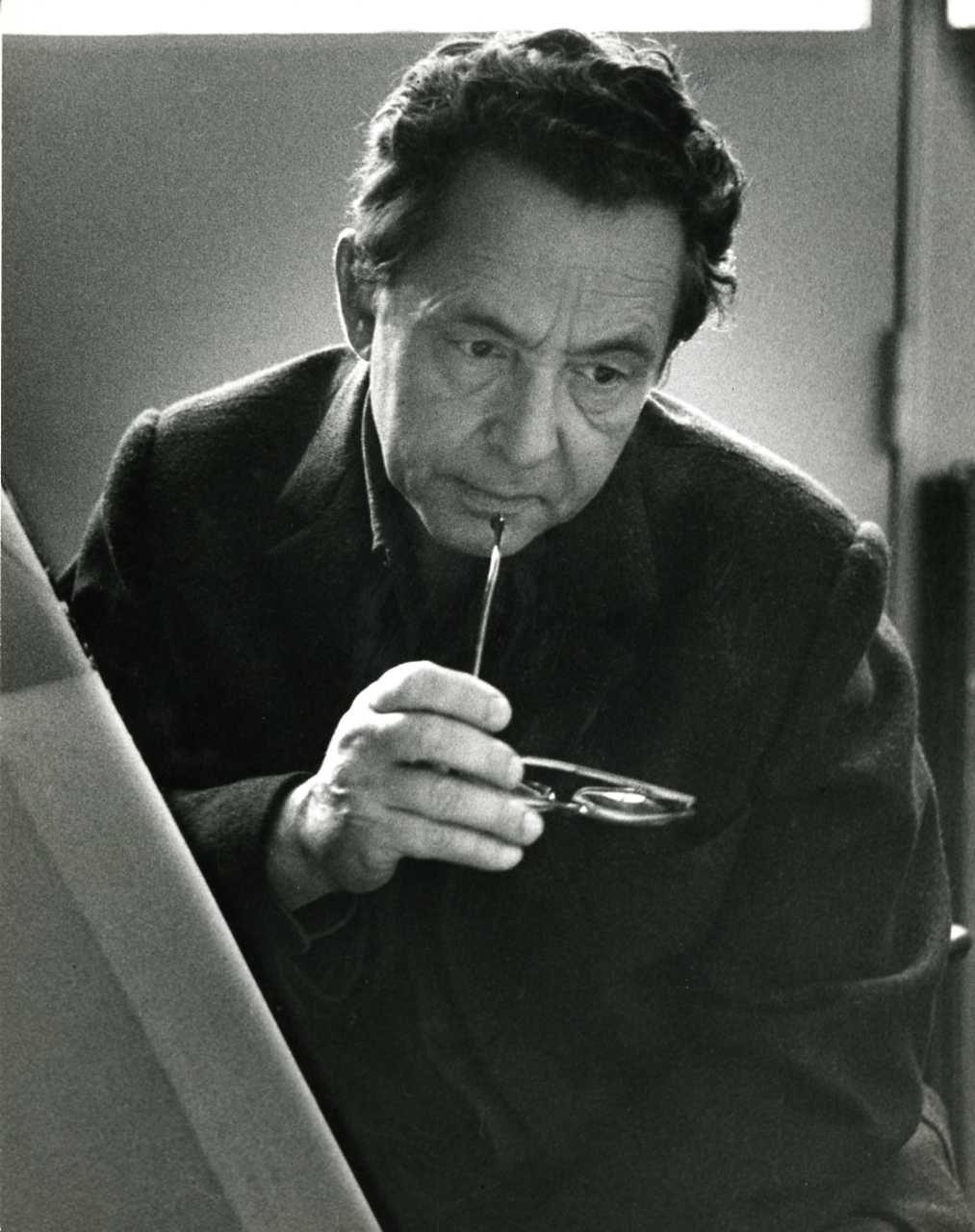
Hans Hartung was a German-French painter, known for his gestural abstract style. He was also a decorated World War II veteran of the Legion d'honneur.


Hans Hartung was a German-French painter, known for his gestural abstract style. He was also a decorated World War II veteran of the Legion d'honneur.
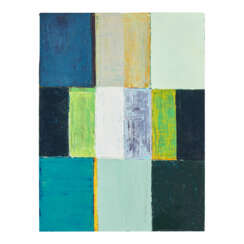

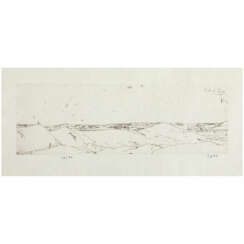

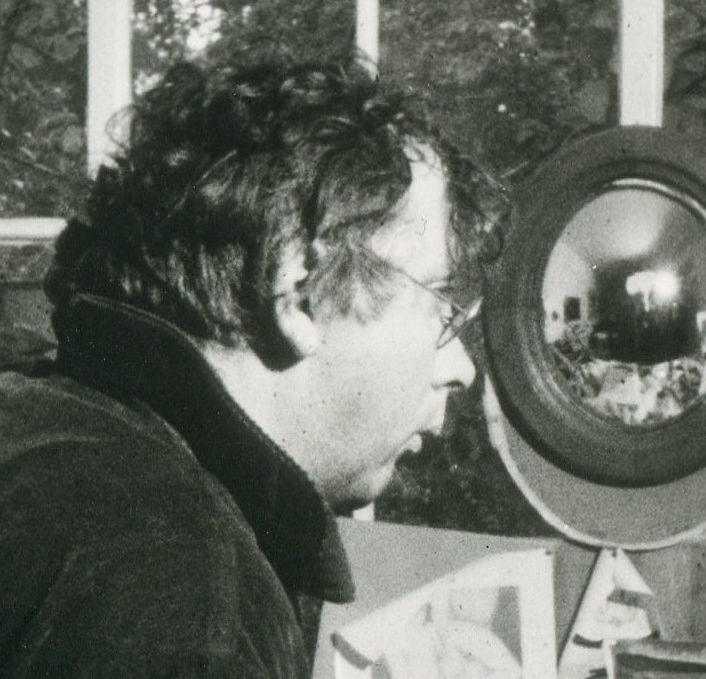
Horst Janssen was a German graphic artist, printmaker, poster and illustrator. He created many drawings, etchings, woodcuts, lithographs, and woodcuts.
There is a museum dedicated to his legacy in Horst Janssen's hometown of Oldenburg. His works are represented internationally in major museums.
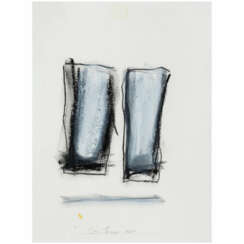


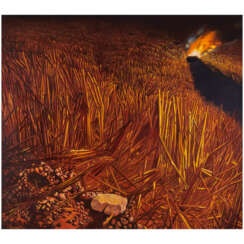

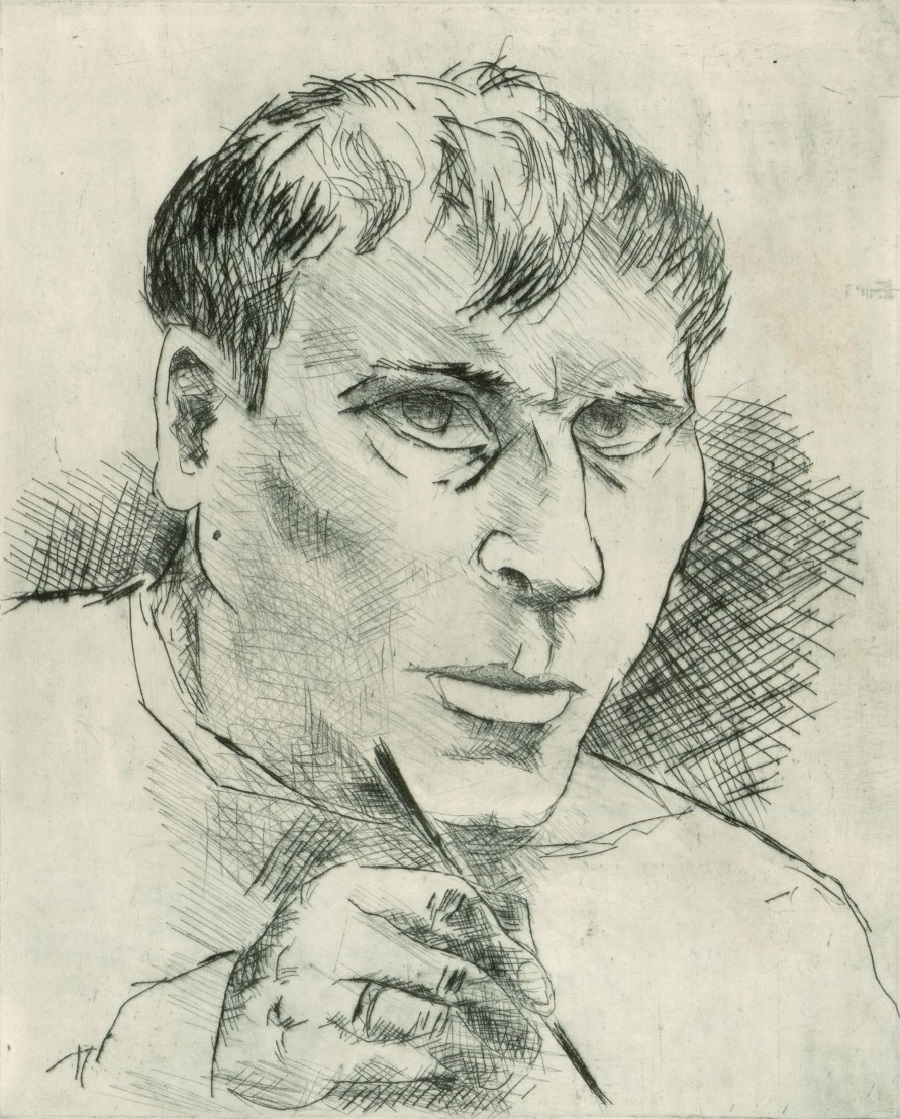
Ernst Marow was a German painter and graphic artist.