cle eum wa


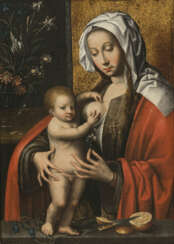

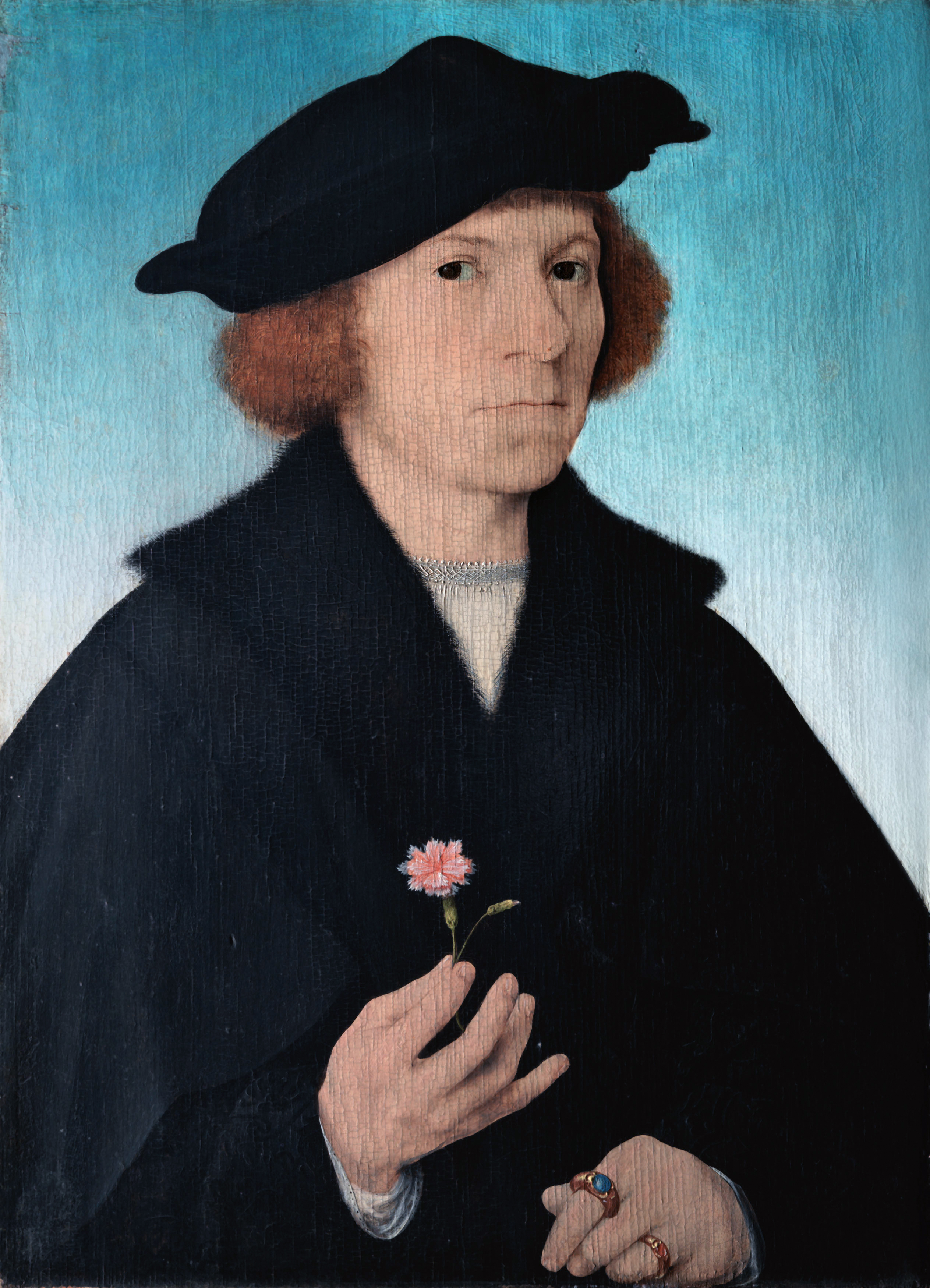
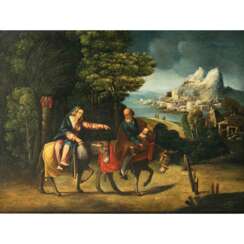
Joos van Cleve, also known by his real name Joos van der Beke, was a prominent Netherlandish painter, active mainly in Antwerp from about 1511 until his death in 1540 or 1541. His work predominantly centered around religious subjects and portraits, including notable commissions for the French King Francis I during his time at the French court. His artistic oeuvre reflects a blend of traditional Netherlandish painting techniques with contemporary Renaissance styles, showcasing his direct knowledge of local art combined with an awareness of Italian developments.
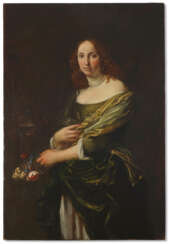
Van Cleve's work was characterized by its elaborate detail, particularly in his altarpieces which often incorporated portraits and landscapes, demonstrating his refined painting style. His success in Antwerp was significant, and he was also recognized at the French court, indicating his high regard as a portrait artist. Notably, Van Cleve had the opportunity to paint members of the royal court, including King Francis I and Queen Eleanor of Austria, underscoring his skills in portraiture.
His paintings are recognized for their sensitivity to color and a unique solidity of figures, with some works showcasing the popular style of Antwerp Mannerism. Van Cleve was an innovator in introducing broad world landscapes in the backgrounds of his paintings, a technique that became popular in sixteenth-century northern Renaissance paintings. Despite his contributions to the Renaissance art movement, Van Cleve also produced works that were highly eclectic, drawing on the styles of earlier Netherlandish masters as well as Italian influences, particularly in his use of sfumato, evident in his Virgin and Child compositions.
For art collectors and experts, Joos van Cleve's legacy offers a rich exploration into the transition from medieval to Renaissance art in Northern Europe. His body of work, found in prestigious collections such as the National Gallery in Prague, the Louvre, and the Royal Museums of Fine Arts of Belgium, remains a testament to his versatility and skill as a painter of both religious narratives and royal portraits.
To delve deeper into the fascinating world of Joos van Cleve and to stay informed about exhibitions or sales featuring his work, consider signing up for updates from art institutions and auction houses. This subscription will ensure you remain at the forefront of developments and opportunities related to this influential artist's oeuvre, enhancing your collection and understanding of Renaissance art.





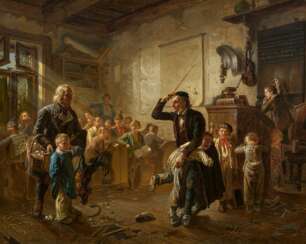

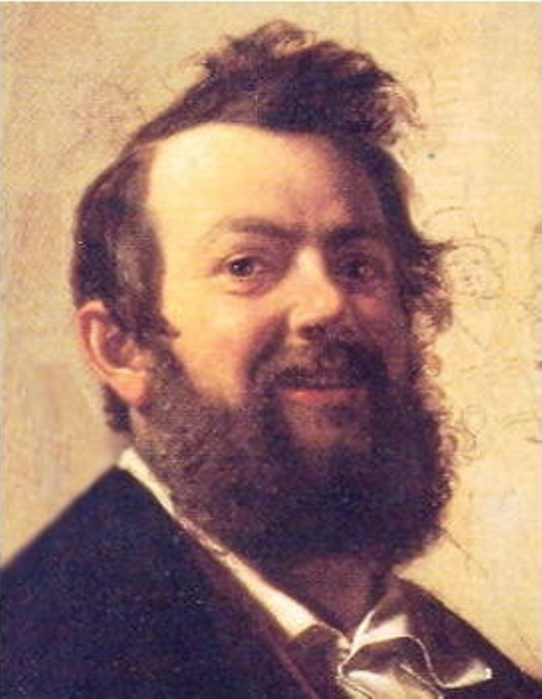
Johann Peter Hasenclever was a German painter of the first half of the 19th century. He is known as a painter, a representative of the Düsseldorf school of art, who is considered one of the founders of German genre painting.
Hasenclever began his work by interpreting biblical, mythological and romantic subjects, but eventually found his calling in humorous scenes from bourgeois life, especially Pyrenean towns and cities. Among his famous works are "The Amusing Examination," "The Reading Room," and "The Trial of Wine," distributed in engravings and lithographs.
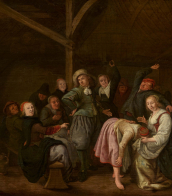
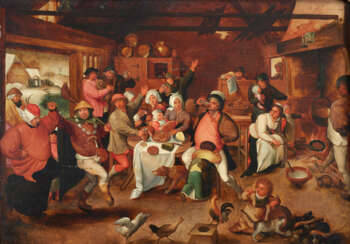

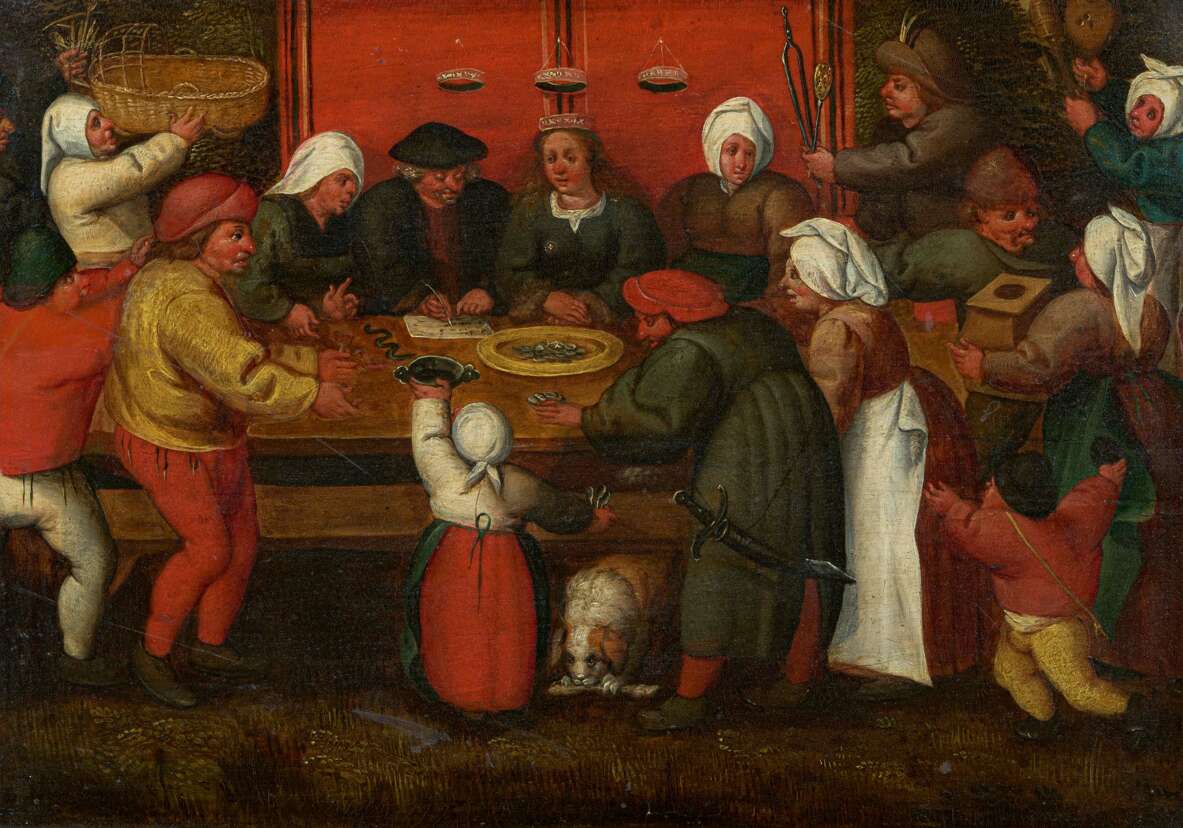
Marten van Cleve the Elder was a Flemish painter and draftsman active in Antwerp between 1551 and 1581. Van Cleve is mainly known for his genre scenes with peasants and landscapes, which show a certain resemblance with the work of Pieter Bruegel the Elder. Marten van Cleve was one of the leading Flemish artists of his generation. His subjects and compositions were an important influence on the work of Pieter Brueghel the Younger and other genre painters of his generation.


Johann Peter Hasenclever was a German painter of the first half of the 19th century. He is known as a painter, a representative of the Düsseldorf school of art, who is considered one of the founders of German genre painting.
Hasenclever began his work by interpreting biblical, mythological and romantic subjects, but eventually found his calling in humorous scenes from bourgeois life, especially Pyrenean towns and cities. Among his famous works are "The Amusing Examination," "The Reading Room," and "The Trial of Wine," distributed in engravings and lithographs.


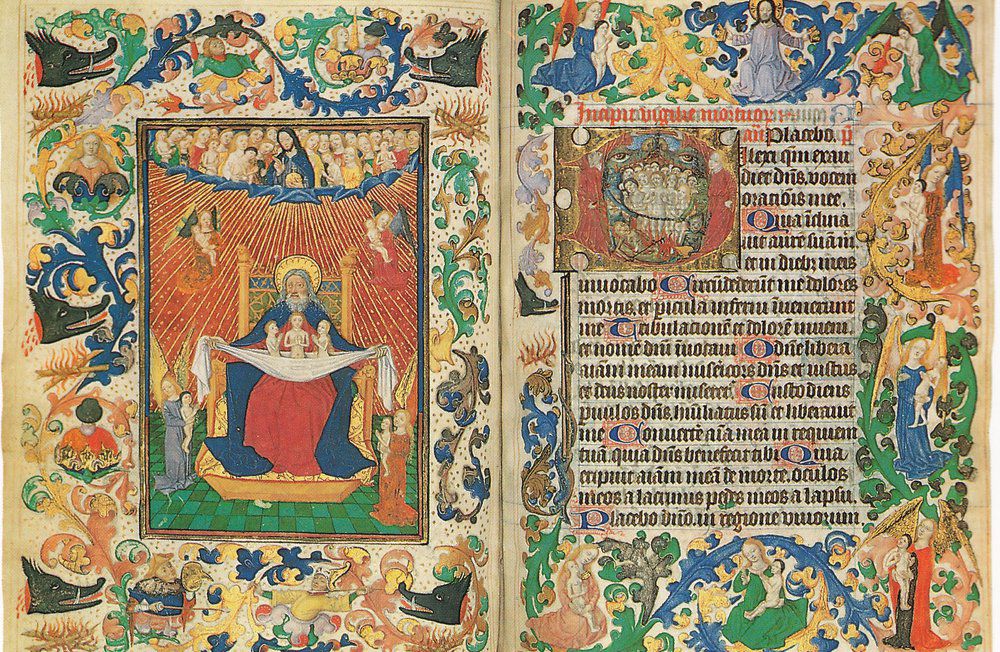
Master Gijsbrecht van Brederode was a Northern Dutch book illuminator who worked in Utrecht in the 3rd quarter of the 15th century.
The artist got his name from the book of hours, which he illuminated for Gijsbrecht van Brederode, dean of Utrecht Cathedral (died in 1475). It is known that between 1465 and 1470 this master created almost all the miniatures in this manuscript.





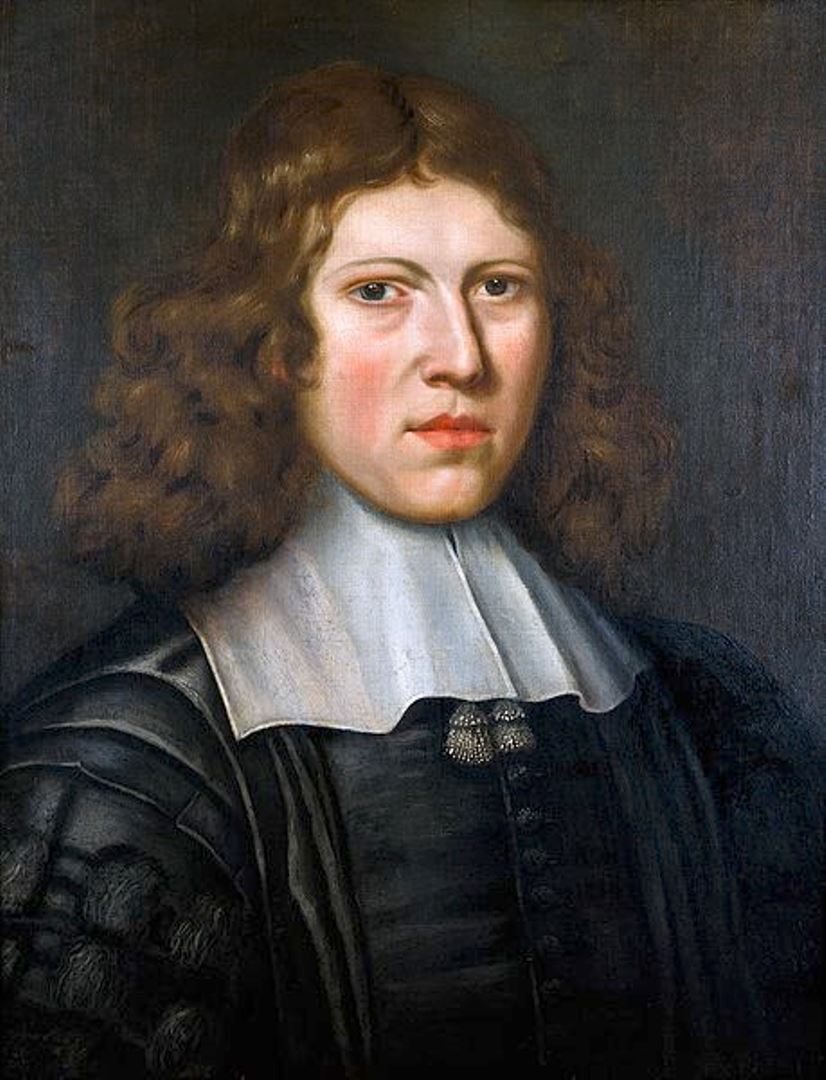
Richard Lower was a British physician, anatomist and physiologist who developed methods of blood transfusion.
Lower studied medicine at Oxford, moved to London in 1666 and began practicing medicine, soon becoming a successful physician and a Fellow of the Royal Society. Lower is particularly known for his work on the brain and nerves, which he performed as an assistant to Thomas Willis at Oxford while studying medicine. His anatomical and physiological study of the structure and action of the heart was one of the earliest discoveries, and he himself was recognized as one of the most skilled vivisectors of his time.
Lower was involved in the earliest experiments in blood transfusion, following Christopher Wren's similar studies a few years earlier. In February 1665, Lowther performed the first transfusion of blood from an artery of one animal into a vein of another, and in 1666 he also participated in the first experimental transfusion of blood to man.
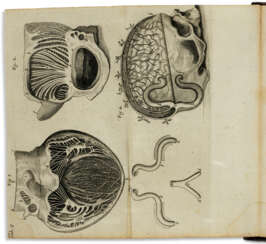
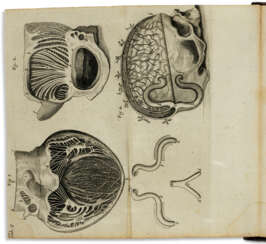
Lower was a pioneer of experimental physiology. In his book Tractatus de Corde (1669), he described his pioneering work on blood transfusion and the function of the cardiopulmonary system. Also described is a series of experiments conducted with Robert Hooke in which he showed that the color of arterial blood is due to its contact with "fresh air" in the lungs.

Richard Lower was a British physician, anatomist and physiologist who developed methods of blood transfusion.
Lower studied medicine at Oxford, moved to London in 1666 and began practicing medicine, soon becoming a successful physician and a Fellow of the Royal Society. Lower is particularly known for his work on the brain and nerves, which he performed as an assistant to Thomas Willis at Oxford while studying medicine. His anatomical and physiological study of the structure and action of the heart was one of the earliest discoveries, and he himself was recognized as one of the most skilled vivisectors of his time.
Lower was involved in the earliest experiments in blood transfusion, following Christopher Wren's similar studies a few years earlier. In February 1665, Lowther performed the first transfusion of blood from an artery of one animal into a vein of another, and in 1666 he also participated in the first experimental transfusion of blood to man.
Lower was a pioneer of experimental physiology. In his book Tractatus de Corde (1669), he described his pioneering work on blood transfusion and the function of the cardiopulmonary system. Also described is a series of experiments conducted with Robert Hooke in which he showed that the color of arterial blood is due to its contact with "fresh air" in the lungs.

















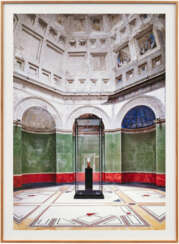

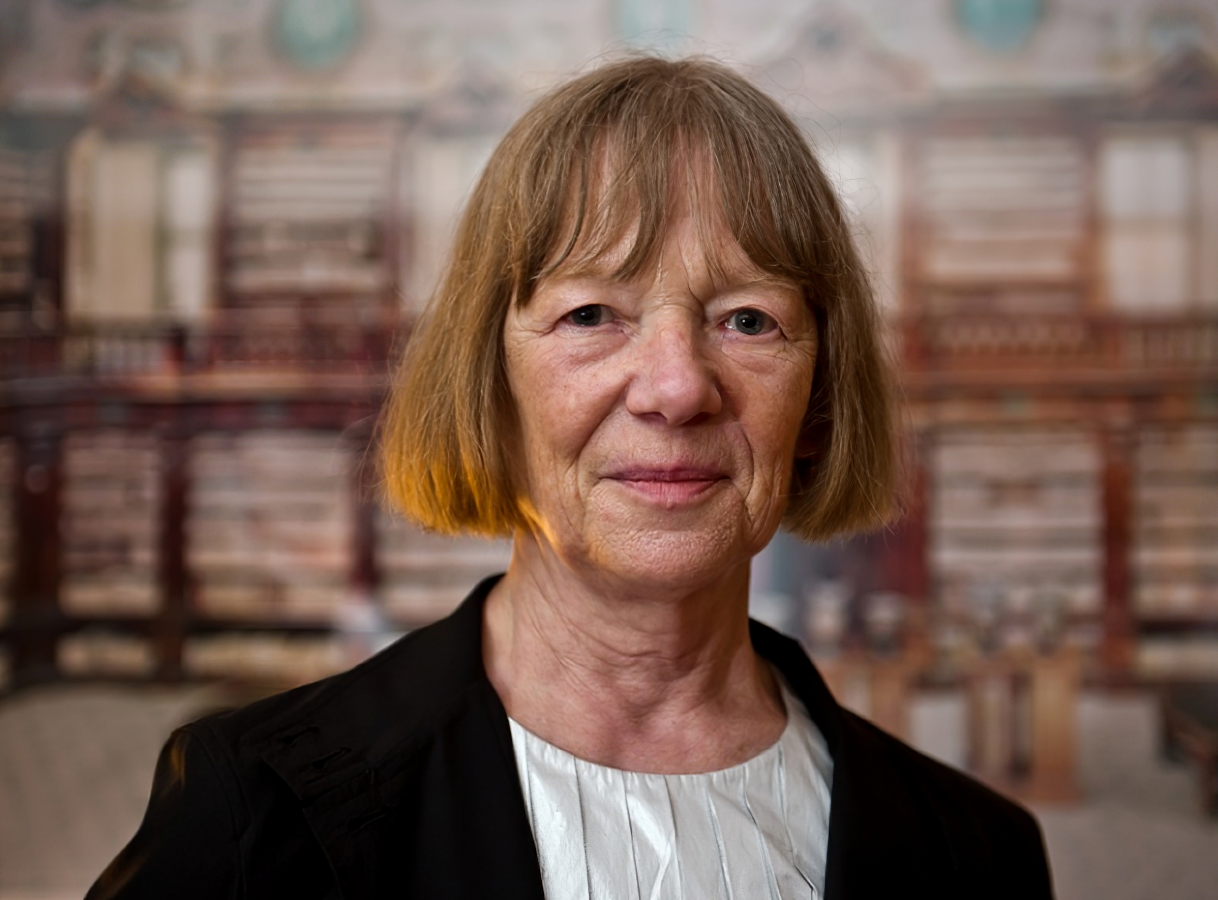
Candida Höfer is a German photographer. She is a former student of Bernd and Hilla Becher. Like other Becher students, Höfer's work is known for technical perfection and a strictly conceptual approach. From 1997 to 2000, she taught as professor at the Hochschule für Gestaltung, Karlsruhe. Höfer is the recipient of the 2018 Outstanding Contribution to Photography award, as part of the Sony World Photography awards. She is based in Cologne.