voitures &




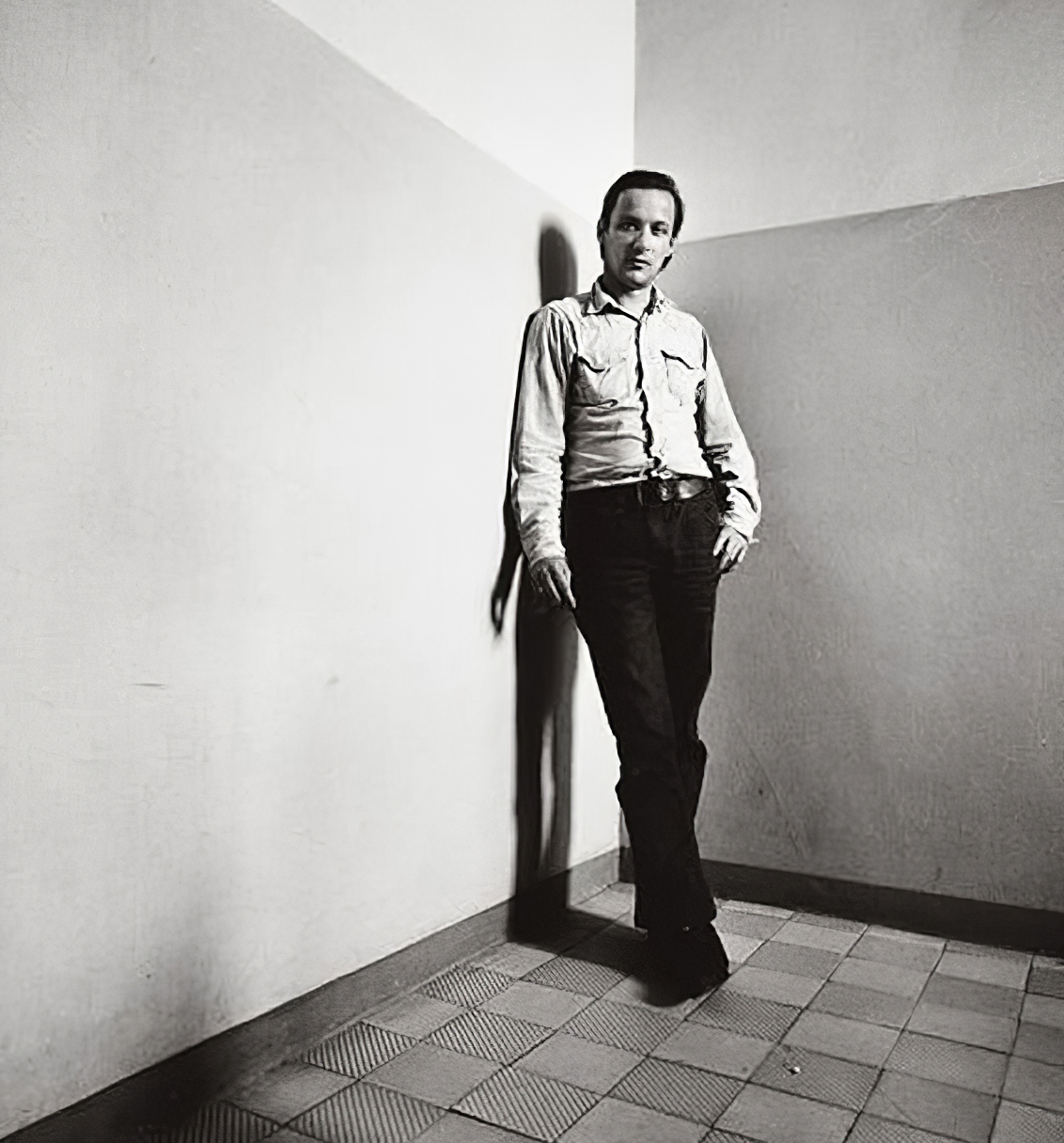
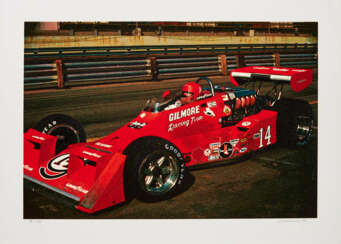


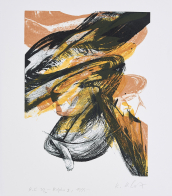


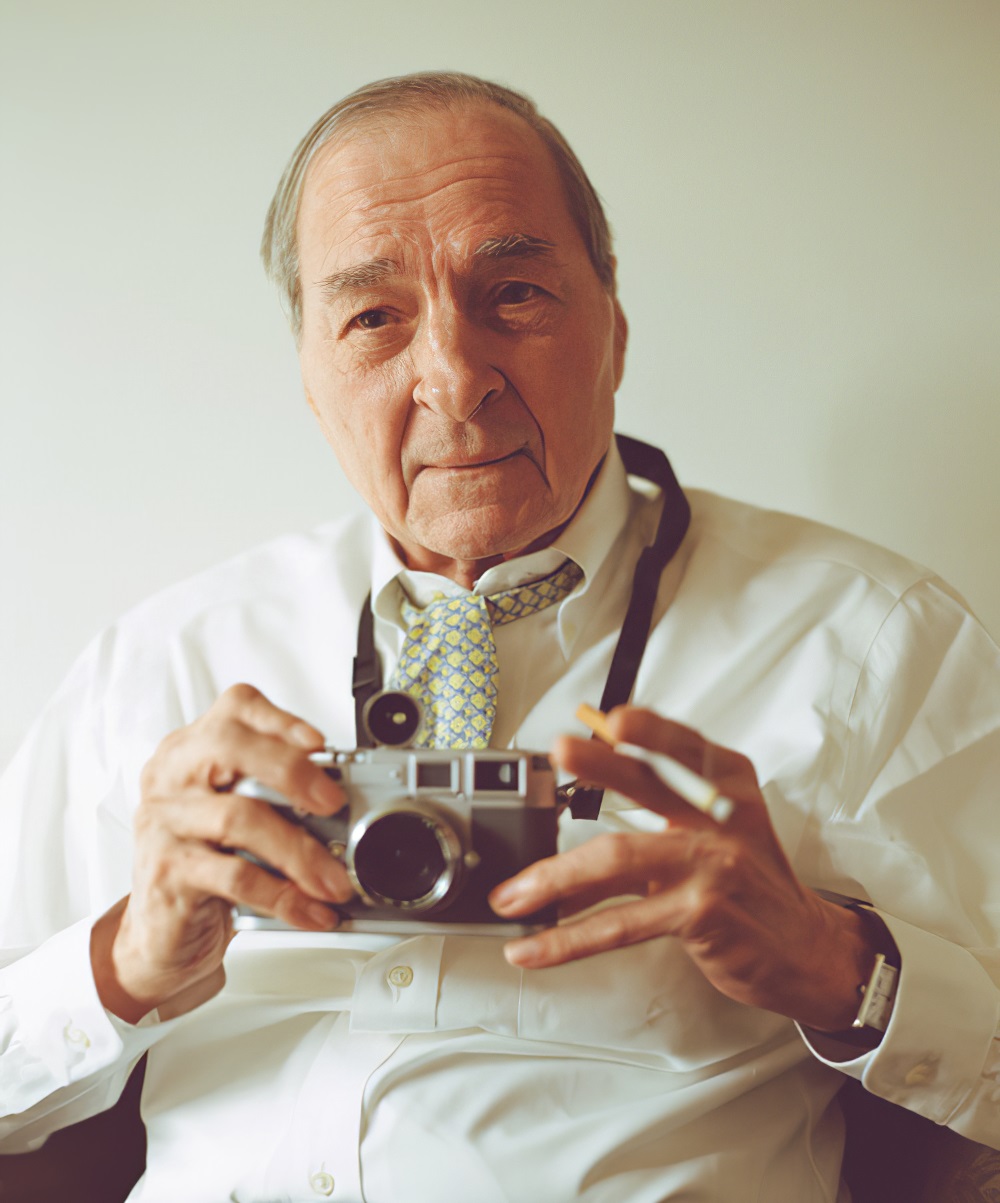
William Eggleston is an American photographer. He is widely credited with increasing recognition for color photography as a legitimate artistic medium. Eggleston's books include William Eggleston's Guide (1976) and The Democratic Forest (1989).


Stephan Balkenhol is a German artist known for his sculptures capturing the human form. Based in France and Germany, he specializes in wood sculptures, reliefs, drawings, and graphic techniques like lithography, woodcuts, and stencils. His distinct style features roughly carved and vibrantly painted wooden sculptures, often depicting people, animals, and architecture.
Balkenhol's subjects lack emotions, often gazing into emptiness, resulting in a distant and enigmatic aura. Wood is his primary medium, with softer woods allowing precise facial details while maintaining imperfections like chips, knots, and tool marks. The artist adds paint as a finishing touch, accentuating anatomy and vitality. The textured surfaces beneath the paint layer amplify the sense of life in Balkenhol's works.

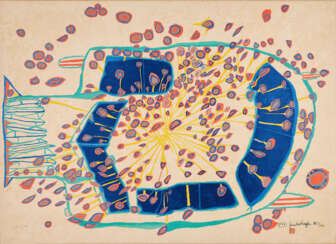

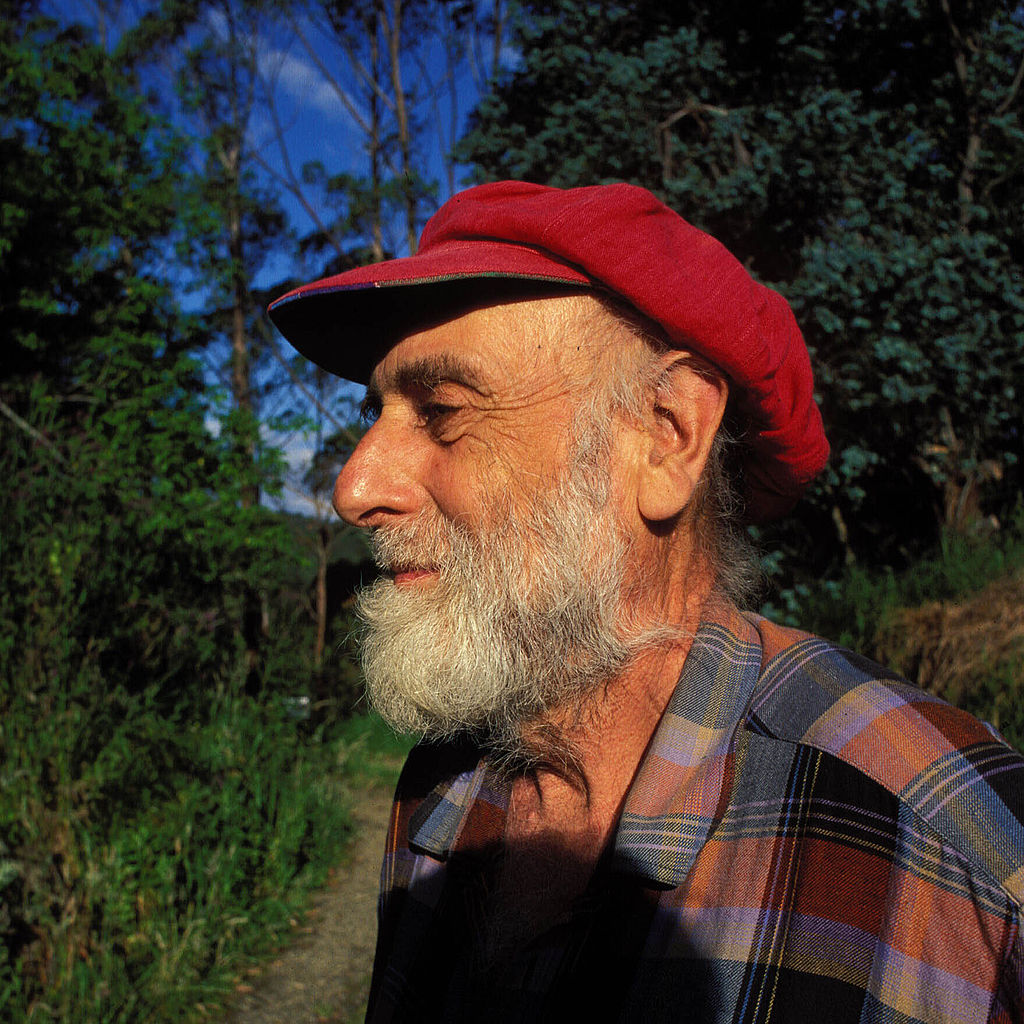
Friedensreich Regentag Dunkelbunt Hundertwasser was an Austrian visual artist and architect who also worked in the field of environmental protection.
Hundertwasser stood out as an opponent of "a straight line" and any standardization, expressing this concept in the field of building design. His best known work is the Hundertwasserhaus in Vienna, which has become a notable place of interest in the Austrian capital, characterised by imaginative vitality and uniqueness.
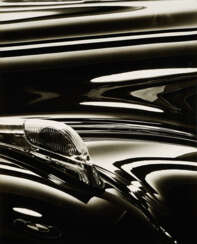

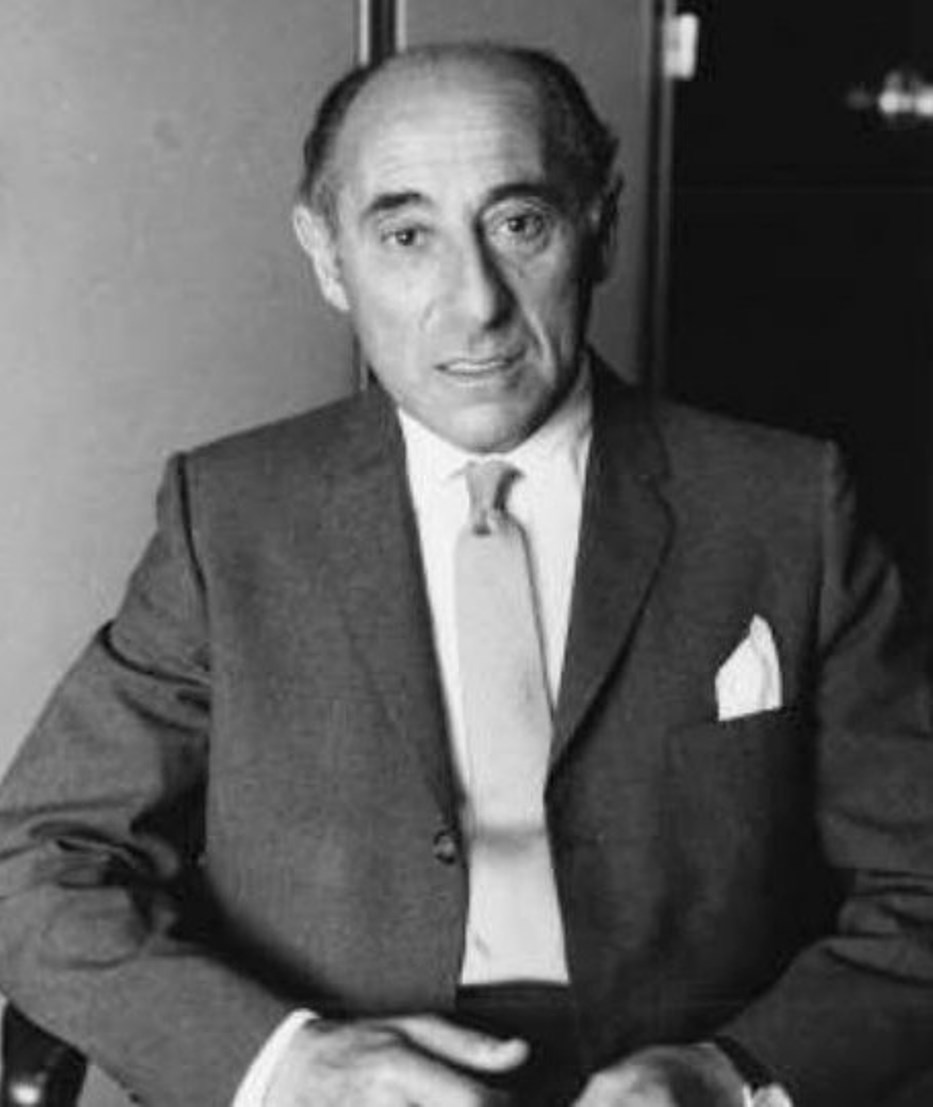


Wolf Vostell was a German artist who is considered a pioneer of video and installation art, and a key figure in the Fluxus movement. He studied at the Academy of Fine Arts in Wuppertal and later at the École Nationale Supérieure des Beaux-Arts in Paris.
Vostell's art was heavily influenced by the horrors of World War II, and he often incorporated themes of violence and destruction in his work. He was interested in exploring the relationship between art and technology, and he experimented with new media such as television, video, and sound.
One of Vostell's most famous works is "Concrete Traffic," a 1970 installation in which he placed a Cadillac in a block of concrete. The piece was intended to comment on the impact of automobile culture on society and the environment.
Another notable work is "TV-Burying," a performance piece in which Vostell buried a television set in the ground, with only the screen visible. The work was a commentary on the pervasive influence of television on modern life.
Vostell's work has been exhibited extensively around the world, including at the Museum of Modern Art in New York, the Venice Biennale, and the Centre Georges Pompidou in Paris.

















.jfif)
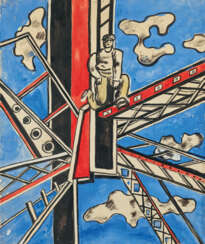
Joseph Fernand Henri Léger was a French artist renowned for his innovative approach to Cubism and his transition towards a figurative, populist style. Born in Argentan, Orne, Lower Normandy, Léger's early career was marked by a stint as an architectural draftsman and a series of educational pursuits that eventually led him to Paris, where he embraced painting seriously. His artistic journey was significantly influenced by the bold abstractions of Cubism, characterized by geometric shapes and a vibrant palette, distinguishing his work from his contemporaries with what came to be known as "Tubism".
Léger's service in World War I profoundly impacted his artistic direction, leading him to adopt a 'mechanical' style that depicted the modern industrial world with sleek, tubular forms. This period saw creations like "Soldier with a Pipe" and "The Card Players," reflecting his war experiences and the mechanical aesthetics of the time. The post-war era encouraged Léger to explore the mechanical style further, evident in works like "The Bargeman" and "Mechanical Elements," highlighting the pace of technological advancement.
Throughout his career, Léger's work evolved, notably in the 1920s, where he aligned with Purist ideas, blending classicism with modernity. This phase is exemplified in "Woman with a Cat," showcasing a classical form with a modern, polished finish. By the 1930s, Léger's art took a more figurative, populist turn, aiming to democratize contemporary art and make it more accessible. His commitment to art education, especially for the common worker, underscored his belief in the social role of art.
For those intrigued by Joseph Fernand Henri Léger's groundbreaking contributions to modern art, his works can be found in prestigious museums worldwide. His legacy continues to inspire art collectors and enthusiasts alike. To stay updated on exhibitions and auction events featuring Léger's work, sign up for updates and embrace the unique opportunity to explore the richness of his artistic endeavors.




Stephan Balkenhol is a German artist known for his sculptures capturing the human form. Based in France and Germany, he specializes in wood sculptures, reliefs, drawings, and graphic techniques like lithography, woodcuts, and stencils. His distinct style features roughly carved and vibrantly painted wooden sculptures, often depicting people, animals, and architecture.
Balkenhol's subjects lack emotions, often gazing into emptiness, resulting in a distant and enigmatic aura. Wood is his primary medium, with softer woods allowing precise facial details while maintaining imperfections like chips, knots, and tool marks. The artist adds paint as a finishing touch, accentuating anatomy and vitality. The textured surfaces beneath the paint layer amplify the sense of life in Balkenhol's works.
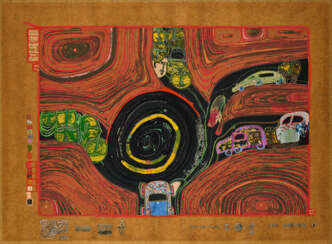

Friedensreich Regentag Dunkelbunt Hundertwasser was an Austrian visual artist and architect who also worked in the field of environmental protection.
Hundertwasser stood out as an opponent of "a straight line" and any standardization, expressing this concept in the field of building design. His best known work is the Hundertwasserhaus in Vienna, which has become a notable place of interest in the Austrian capital, characterised by imaginative vitality and uniqueness.