work in parys free state



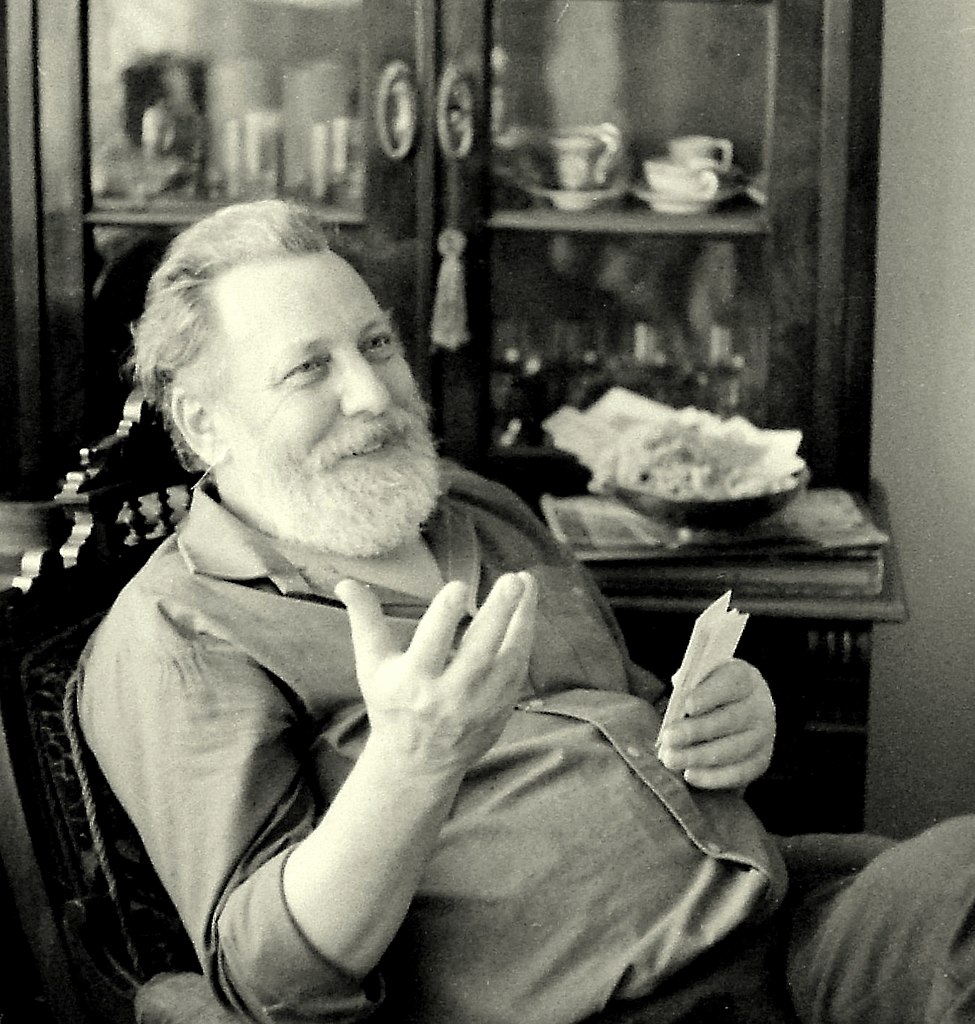
Kurt-Hermann Kühn is a German painter and graphic artist. He trained as a decorator and studied from 1946 to 1952 at the Academy of Graphic Arts and Printing in Leipzig and in Berlin at the Academy of Fine and Applied Arts.
Kurt-Hermann Kühn travelled to Syria and Egypt. These journeys are reflected in many of his paintings. In addition to his extensive painting and graphic work, he created many large-format murals, mainly frescoes. His portraits of women and erotic drawings have also attracted much critical attention.


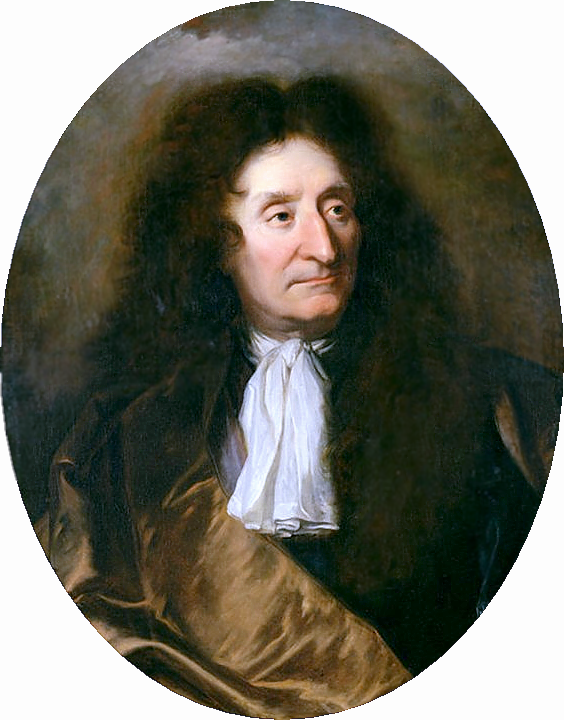
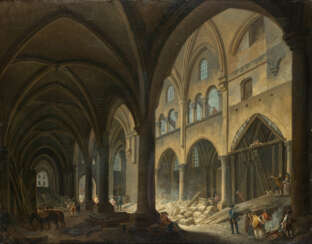

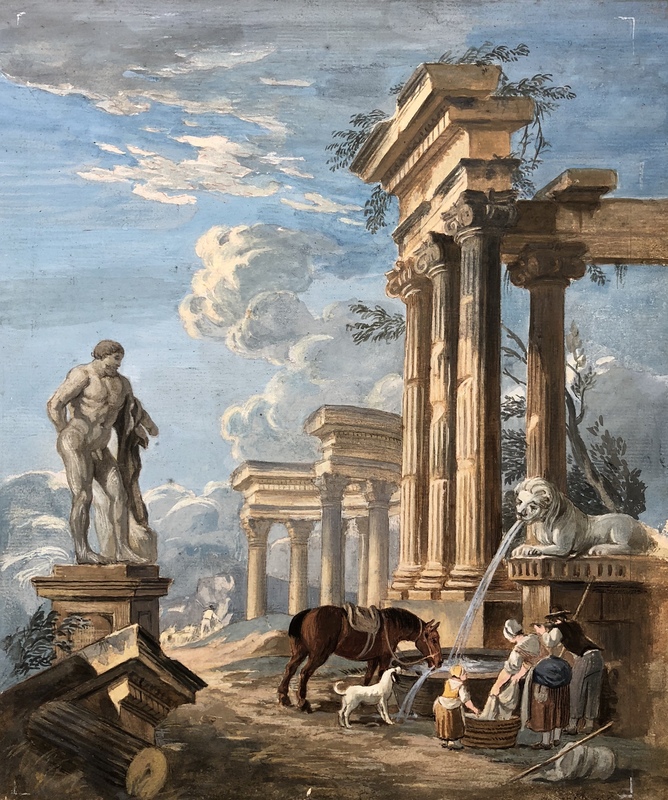
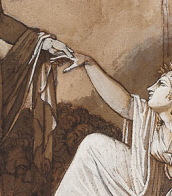
Pierre-Antoine Demachy was a French painter and master of architectural landscapes.
He studied architecture at the Royal Academy of Painting and Sculpture and specialized in drawing ruins, architectural structures and scenery. Due to his success in his art, he became a royal master of architectural decorations for entertaining events. Demachy also taught students of painting at the Louvre Palace.
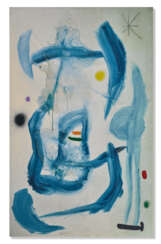

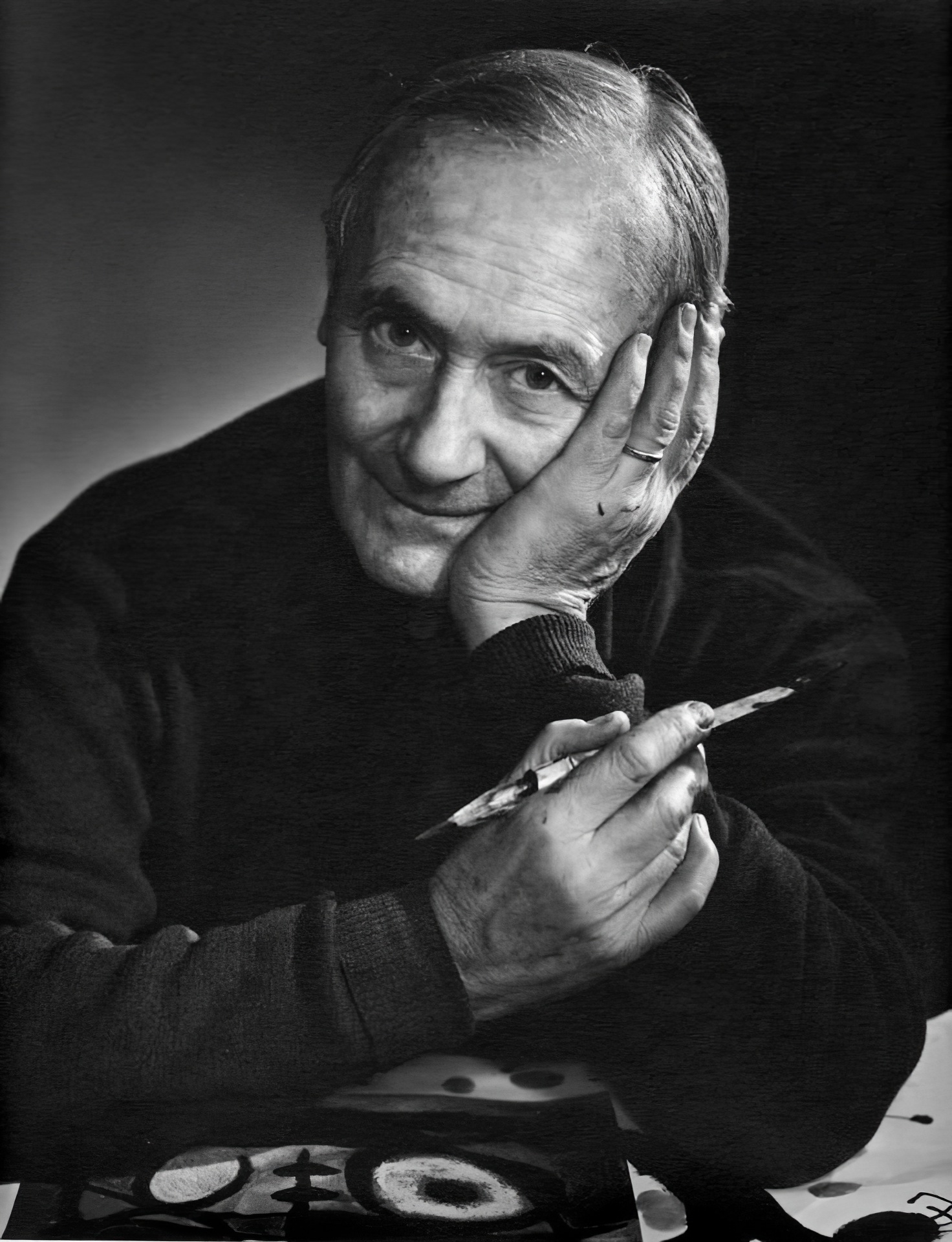
Joan Miró, a celebrated Spanish artist, was a master in painting, sculpture, and ceramics, renowned for his unique style that blurred the lines between Surrealism, Fauvism, and Expressionism. Born in Barcelona to a family of a goldsmith and a watchmaker, Miró grew up immersed in the rich cultural heritage of the Barri Gòtic neighborhood. His artistic journey began with drawing classes at the age of seven and continued at the prestigious La Llotja art academy. Despite an initial venture into the business world, Miró's passion for art prevailed, leading him to abandon his clerical career after a nervous breakdown.
Miró's work is noted for its exploration of the subconscious, often depicting a childlike perspective. This approach was both a critique of traditional painting methods and a means of expressing Catalan pride. His art, challenging to categorize, often featured symbolic elements and nationalistic qualities. One of his notable early works, "The Farm," reflects a transition to a more individual style, blending elements of his Catalan roots with broader artistic influences. This piece, later purchased by Ernest Hemingway, encapsulated the essence of Spain in its imagery.
In Paris, Miró joined the Surrealist movement in 1924, where his work began to reflect the influence of automatism, emphasizing spontaneous, automatic, or subconscious creation. He experimented with various mediums, including painting-poetry and collage, and even ventured into set and costume design for Sergei Diaghilev's Ballets Russes.
During World War II, Miró remained in Spain, and his work from this period, including the 22 Constellations series, reflected an interest in the night, music, and stars. His forms became increasingly abstracted, and he experimented with various techniques, often incorporating primary colors and evocative titles.
Miró's career spanned several decades, during which he continually evolved his style and explored new mediums. His contributions to art were recognized with numerous awards and retrospectives, including a major career retrospective at MoMA in 1941 and the Spanish Gold Medal for Fine Arts in 1980. Among his last major works was a tapestry for the World Trade Center in New York City, created in 1974.
For art collectors and enthusiasts, Joan Miró remains a figure of immense interest, not only for his distinct style and contributions to Surrealism but also for his ability to blend poetic imagery with political commentary. To stay updated on new product sales and auction events related to Joan Miró, sign up for our updates and immerse yourself in the world of this extraordinary artist.
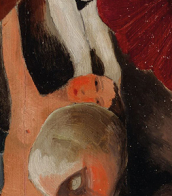


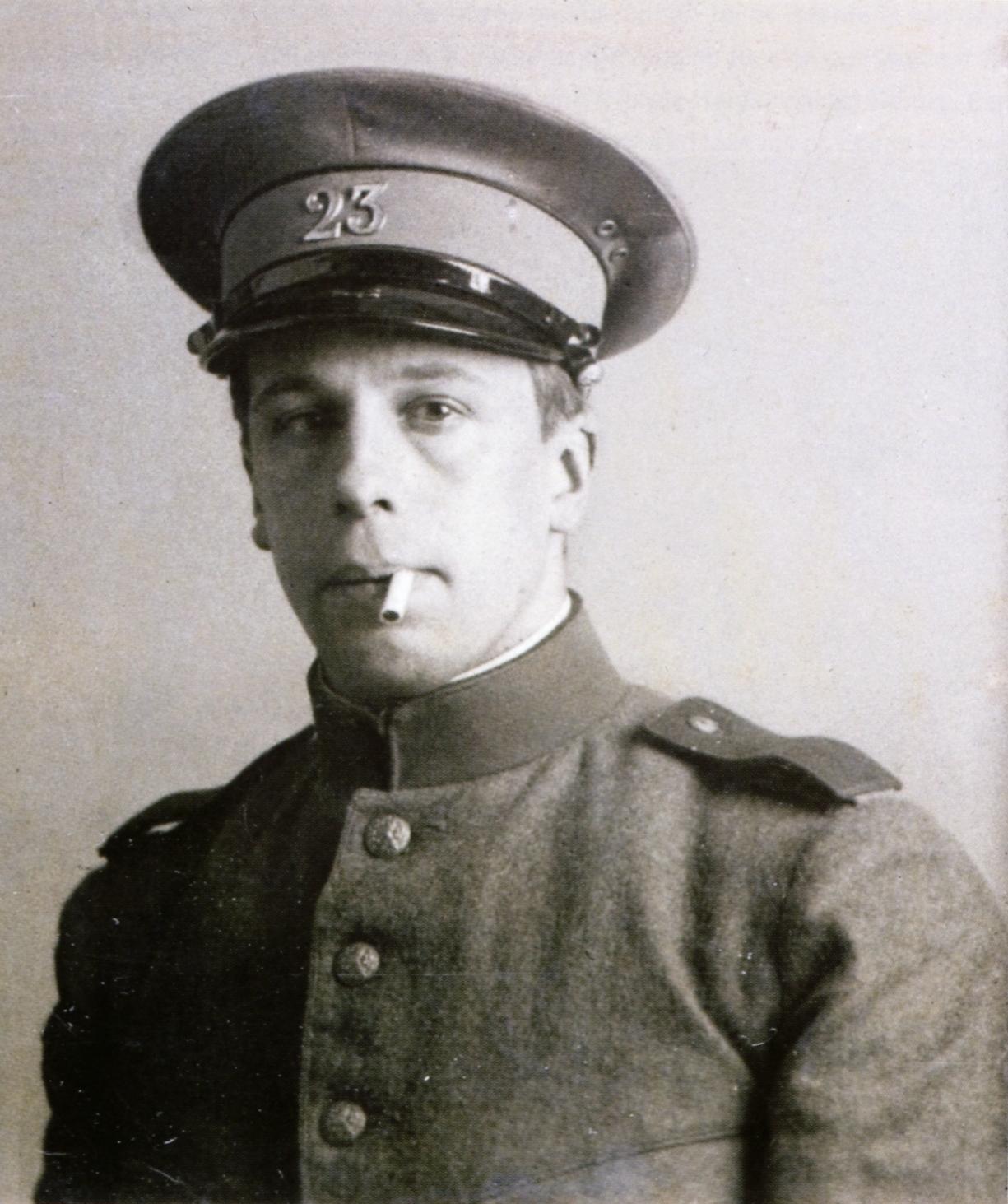
Theo van Doesburg, real name Christian Emil Marie Küpper, is a Dutch painter, architect and sculptor, art theorist, co-founder of the Style Group and of Neoplasticism.
Theo van Doesburg co-founded with Piet Mondrian the De Stijl abstract art movement. The basis of van Doesburg's views was the attempt to reduce all forms of objective harmony in a work of art to certain geometric elements. These new principles soon had a significant influence on the development of architecture, literature, graphics and music.



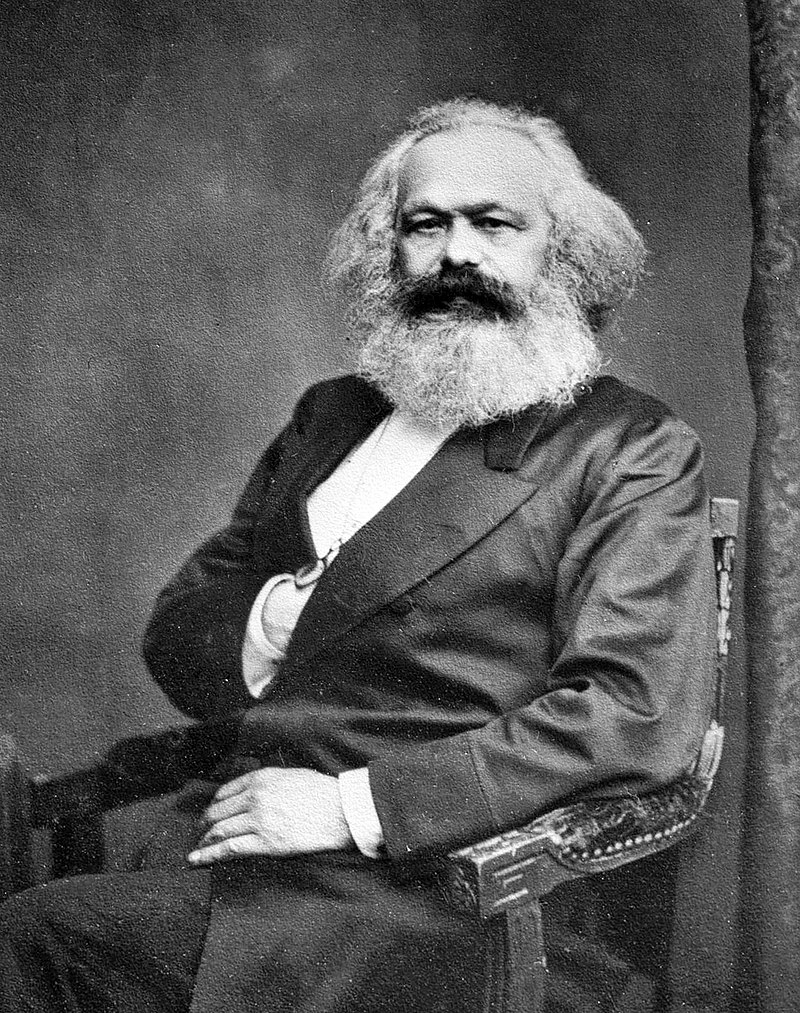
Karl Marx, full name Karl Heinrich Marx, was a German philosopher, sociologist, historian and economist, social activist, and journalist. One of the most significant political figures in the world, his works have had a great influence on the course of human history.
Karl Heinrich Marx was born into a large Jewish family of rabbinic dynasty, but his father and Karl himself were baptized. The young Karl received a liberal arts education at the University of Bonn and the University of Berlin and was actively involved in the turbulent political life of Germany and France in the 19th century. For his political activities in 1849 he was expelled from Germany, moved with his family to Paris and then to London, where he lived and worked until the end of his life.
In 1844 he met the German socialist Friedrich Engels, who became his friend and collaborator for the rest of his life. Together they had already published the Manifesto of the Communist Party (1848), the most famous pamphlet in the history of the socialist movement. Karl Marx was also the author of the movement's most important book, Das Kapital (Capital). These and other writings of Marx and Engels formed the basis of the system of views and beliefs known as Marxism.
Marx examined the very different versions of socialism that existed in the early nineteenth century and combined them into a doctrine that remained the dominant version of socialism for half a century after his death. His emphasis on the influence of economic structure on historical development was of enduring importance.


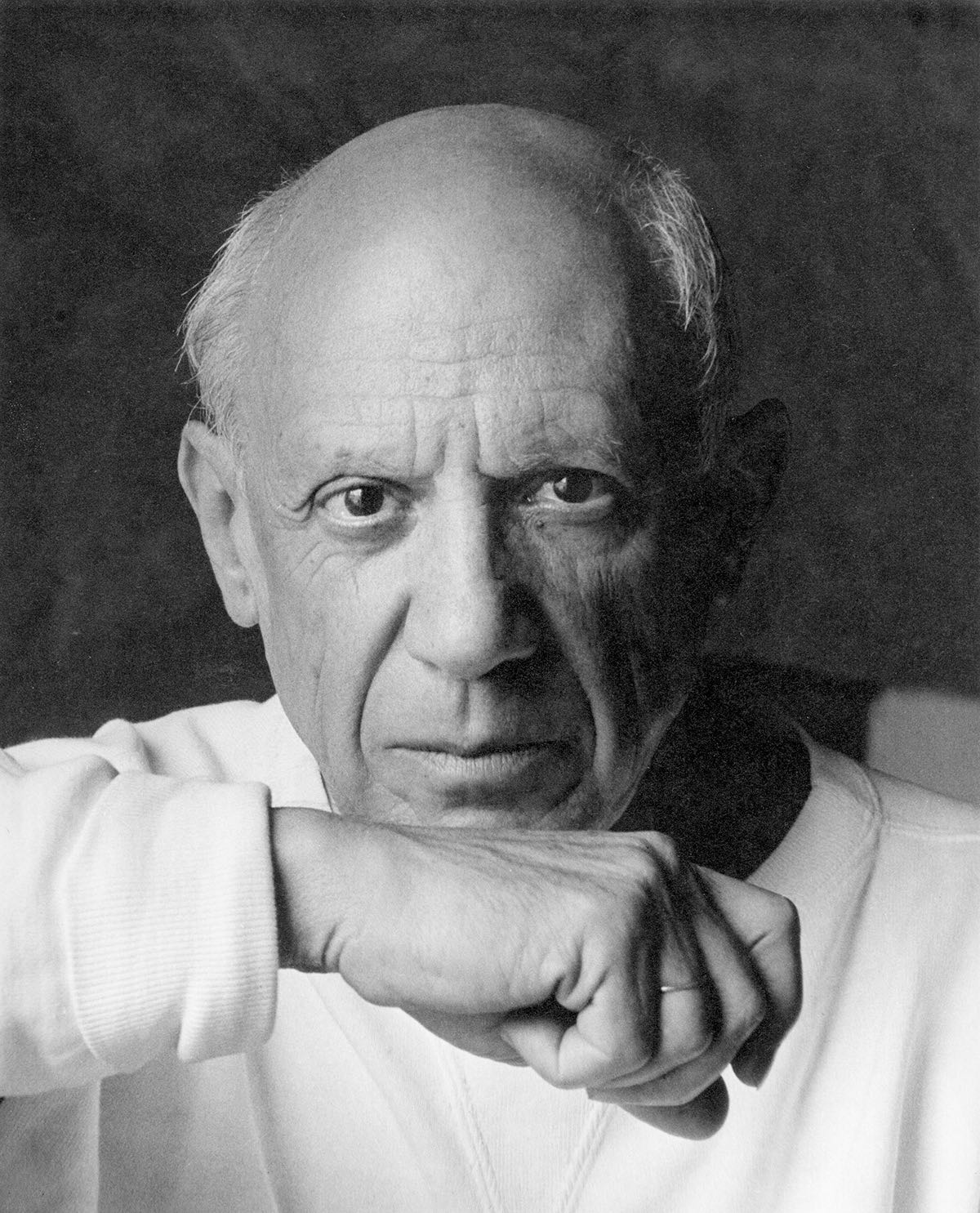
Pablo Ruiz Picasso, a Spanish artist renowned for his revolutionary contributions to the 20th-century art scene, is a figure that resonates profoundly with collectors and art experts. His unique blend of talents in painting, sculpture, printmaking, and ceramic art, infused with his time in France, positioned him as a pivotal character in modern art history.
Picasso's artistic journey was marked by distinct periods, each showcasing his evolving style and genius. His early years were characterized by the Blue Period (1901-1904), followed by the Rose Period (1904-1906), and then the African-influenced Period (1907-1909). Picasso's name is synonymous with Cubism, a movement he co-founded, which significantly altered artistic perspectives and methods. Works like "Les Demoiselles d'Avignon" (1907) and "Guernica" (1937) are emblematic of his cubist legacy, the latter being a poignant anti-war statement that remains influential.
His later years saw a return to more traditional styles, with neoclassical and surrealist influences becoming evident. Works from these phases reflect a deep engagement with mythological themes, as seen in "Faun with Stars" (1955), symbolizing his late-life romance with Jacqueline Roque, his second wife.
Picasso's prolific output and innovative spirit made him a legend in his own time, a status that only grew after his death. His works, housed in major museums and private collections worldwide, continue to captivate and inspire.
As a collector or expert in art and antiques, staying informed about Picasso's works, their auction events, and sales is essential. To stay updated on the latest developments and opportunities related to Pablo Picasso, sign up for our specialized updates. Rest assured, this subscription will focus solely on new product sales and auction events pertaining to Picasso's art, ensuring that you receive only the most relevant and valuable information.

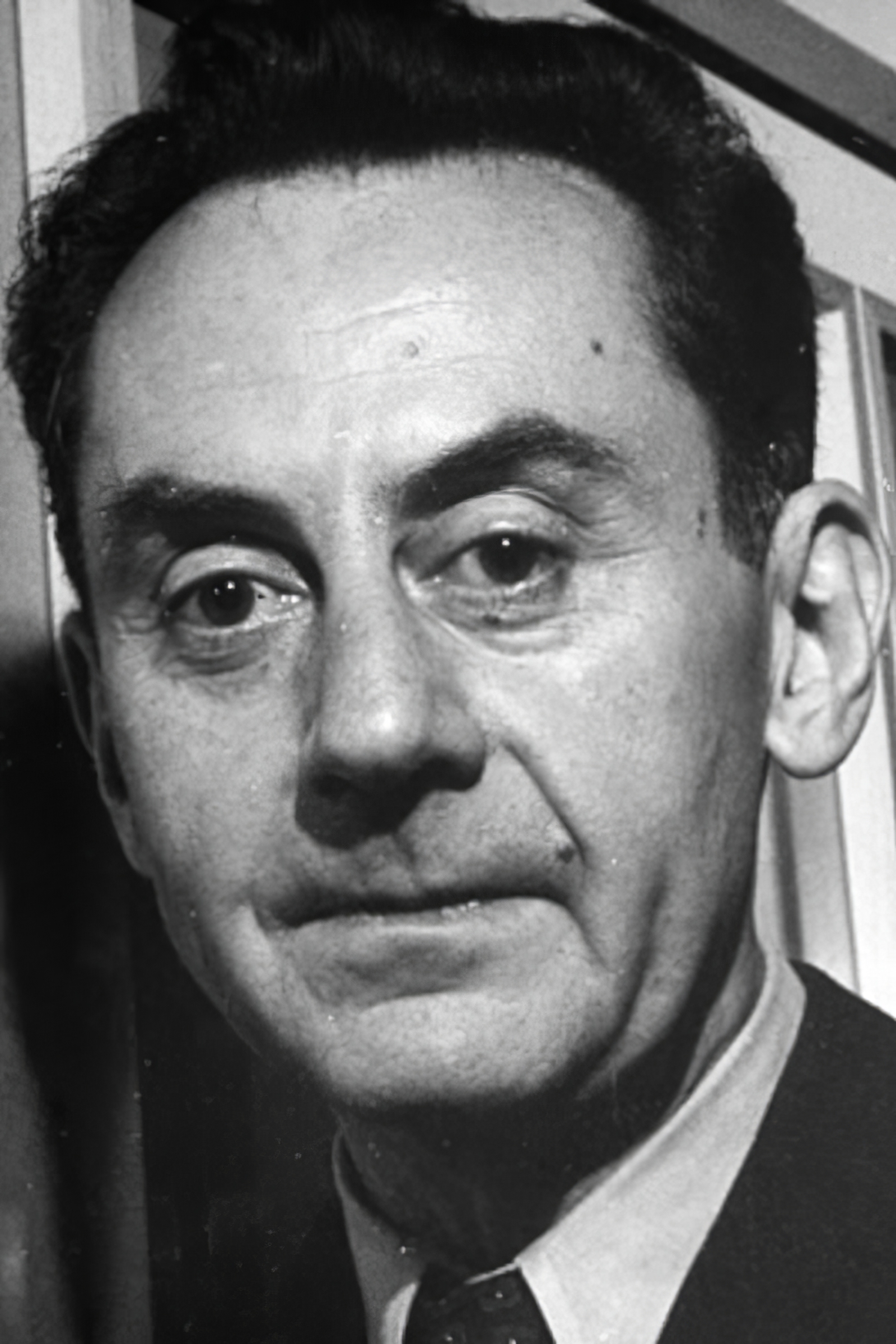
Man Ray, born Emmanuel Radnitzky, was an American visual artist who played a significant role in the Dada and Surrealist movements. His pioneering efforts in photography, alongside his work in painting and sculpture, have cemented his place as a major figure in modern art. Known for his innovative techniques and the ability to convey complex ideas through simple, striking visuals, Man Ray's contribution to the art world is profound.
Throughout his career, Man Ray was celebrated for his avant-garde approach and his ability to transcend traditional boundaries between different artistic mediums. His photography, characterized by experimental techniques such as solarization and rayographs (cameraless photographs), challenged conventional perceptions of photography as merely a means of representation. These artistic innovations made him a central figure in both Parisian and American art circles.
Man Ray's works are housed in some of the world's most prestigious museums and galleries, including the Museum of Modern Art in New York and the Centre Pompidou in Paris. His pieces, such as "Le Violon d'Ingres" and "Noire et Blanche," are iconic images that continue to influence artists today. His ability to blend the abstract with the realistic, and the humorous with the serious, has left a lasting legacy in the world of art.
For collectors and experts in art and antiques, the work of Man Ray offers a glimpse into the revolutionary changes that shaped the visual arts in the 20th century. His unique perspective and pioneering techniques continue to inspire and challenge those interested in the boundaries of creativity and expression.
If you're passionate about the avant-garde, or simply wish to explore the fascinating world of Man Ray further, sign up for our updates. You'll receive alerts on new product sales and auction events related to Man Ray, ensuring you never miss an opportunity to engage with the legacy of this extraordinary artist.


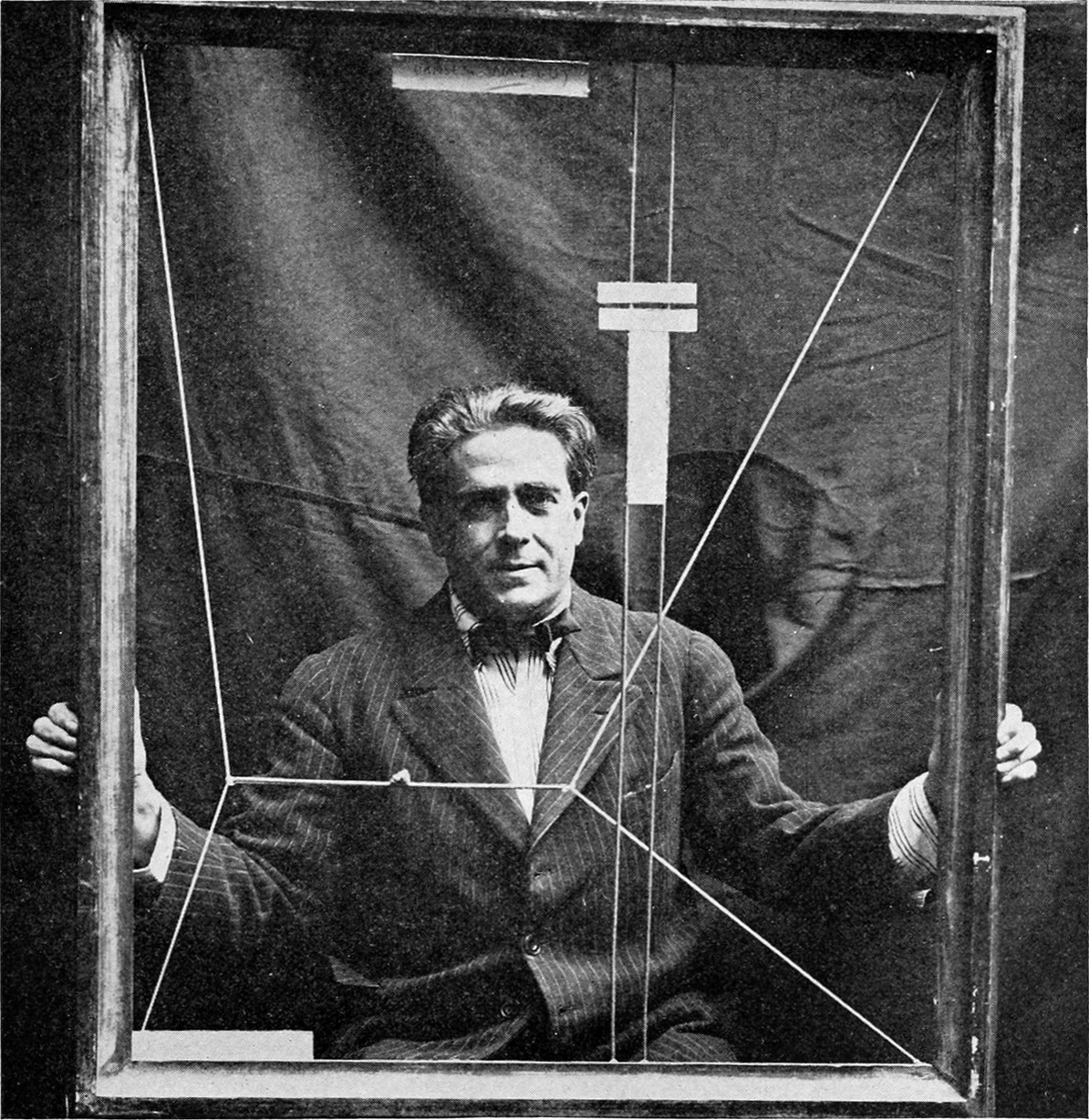
Francis Picabia, born Francis-Marie Martinez de Picabia, was a French avant-garde painter, poet, and typographist, whose work is celebrated for its diversity and innovation. His journey through various art movements, including Impressionism, Cubism, Dadaism, and Surrealism, showcases his refusal to be confined by any one style. Picabia's art is known for its eclectic nature, often blending mechanical elements with organic forms, thereby challenging traditional perceptions of art and beauty.
Picabia's significant contribution to the art world lies not just in his varied artistic output but also in his philosophical approach to creation. He believed in the freedom of expression, often using his art to critique societal norms and the art establishment itself. This rebellious spirit made him a pivotal figure in the Dada movement, where his works were celebrated for their irony and disdain for conventional art values.
Among his notable works, "Amorous Parade" and "I See Again in Memory My Dear Udnie" stand out, housed in prestigious institutions like the Museum of Modern Art in New York. These pieces exemplify Picabia's mastery over blending different elements of art movements, creating works that remain influential to this day. His legacy is not just in the pieces he created but also in his attitude towards art, encouraging future generations to challenge and redefine the boundaries of creativity.
For collectors and experts in art and antiques, Picabia's works represent not only significant artistic achievements but also valuable insights into the evolution of modern art. To stay informed about new product sales and auction events related to Francis Picabia, sign up for updates. This subscription is an essential resource for enthusiasts looking to enrich their collections with pieces from one of the most innovative artists of the 20th century.

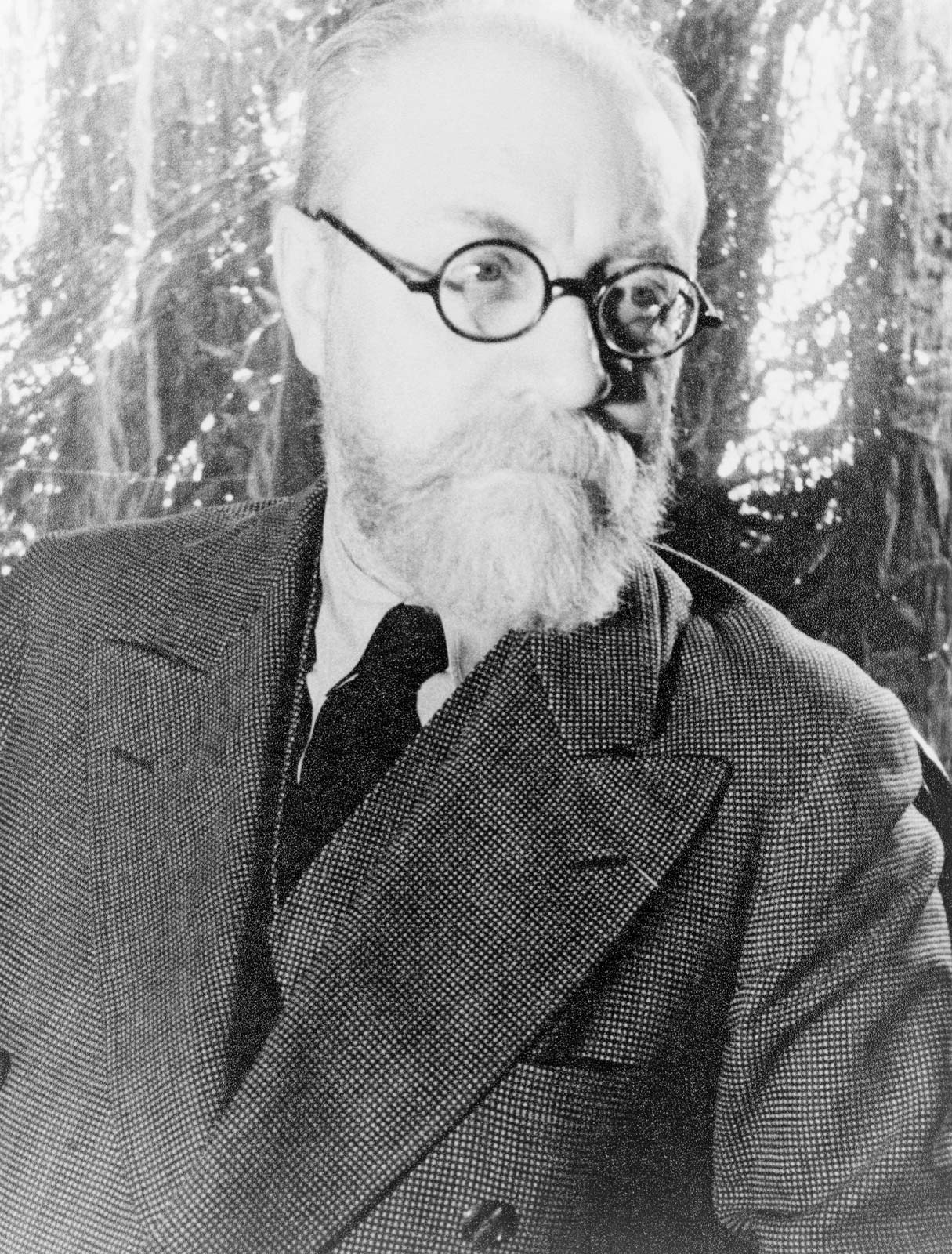
Henri Matisse, a renowned French visual artist, was celebrated for his vibrant use of color and fluid, original draughtsmanship. Born on December 31, 1869, in Le Cateau-Cambrésis, France, Matisse initially pursued a career in law before turning to art. He first began painting in 1889, a change inspired by convalescence art supplies his mother provided. This marked the beginning of a journey that would see him become a leading figure in modern art.
Matisse's career is notable for its stylistic evolution yet consistent aim to capture the "essential character of things." His early works, characterized by intense colorism, earned him recognition as one of the Fauves, or "wild beasts." The period from 1908 to 1913 was marked by significant developments, with works like "Reclining Odalisque" and "The Red Studio" showcasing his mastery in balance and serenity. In the 1920s, his style evolved to more relaxed forms, with a focus on light, color, and decorative patterns in paintings like his odalisque series.
Matisse's exploration of various mediums, including sculpture and paper collage, reflects his innovative spirit. His later years were dominated by cut paper collages, as health challenges limited his ability to paint. These works, alongside his bold drawings and sculptures, cemented his status as a pioneer in visual art.
For collectors and art experts, Matisse's work remains a testament to creative evolution and expressive use of color and form. His masterpieces can be found in prominent museums and galleries worldwide, continuing to inspire and fascinate art enthusiasts.
To stay updated on new product sales and auction events related to Henri Matisse's art, sign up for our updates. This subscription will keep you informed about opportunities to appreciate and acquire works connected to this iconic artist.
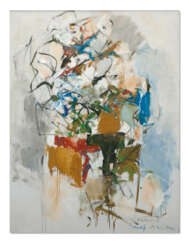

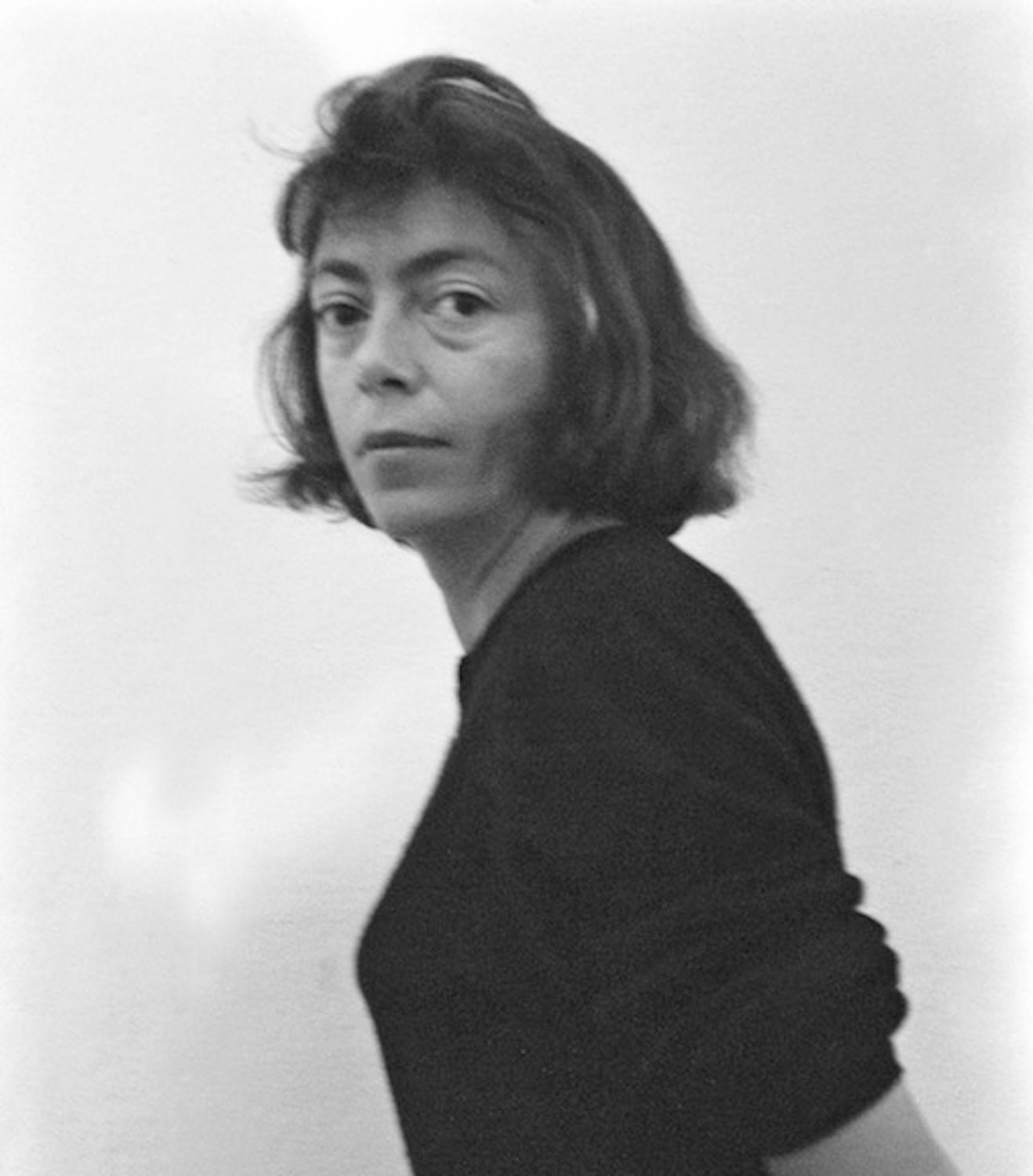
Joan Mitchell was an American painter, celebrated for her pivotal role in the Abstract Expressionist movement. Born in Chicago in 1925, Mitchell's work transcends the traditional boundaries of art, blending intense emotion with a deeply personal use of color and gesture. Her canvases are vast arenas where light, color, and texture merge to evoke landscapes, memories, and emotions. Unlike many of her contemporaries, Mitchell's art was not just about the act of painting but about capturing the essence of her experiences and emotions, making her a unique voice in 20th-century art.
Mitchell's paintings, characterized by their vibrant colors and dynamic brushstrokes, have been exhibited in some of the world's most prestigious museums and galleries. Notable works like "Hudson River Day Line" and "Bracket" found homes in institutions such as the Denver Art Museum and the San Francisco Museum of Modern Art (SFMOMA), respectively. These pieces exemplify Mitchell's ability to convey the complexity of nature and emotion, bridging the gap between abstract expressionism and the lyrical landscapes that inspired her.
Despite her critical acclaim, Mitchell's work was initially overshadowed by her male peers, selling for a fraction of their value. However, the 21st century has seen a significant reassessment of her contributions, with her paintings now commanding millions at auction. This shift is part of a broader reevaluation of women and minority artists in the art historical canon, reflecting changing perspectives on gender and creativity. Collectors and experts in art and antiques now recognize Joan Mitchell as a titan of post-war American painting, whose works continue to inspire and captivate audiences worldwide.
For those intrigued by the legacy of Joan Mitchell and the dynamic world of abstract expressionism, we invite you to sign up for updates. Our subscription service will keep you informed about new product sales and auction events related to Joan Mitchell's art, offering exclusive insights into one of the most influential artists of the 20th century.




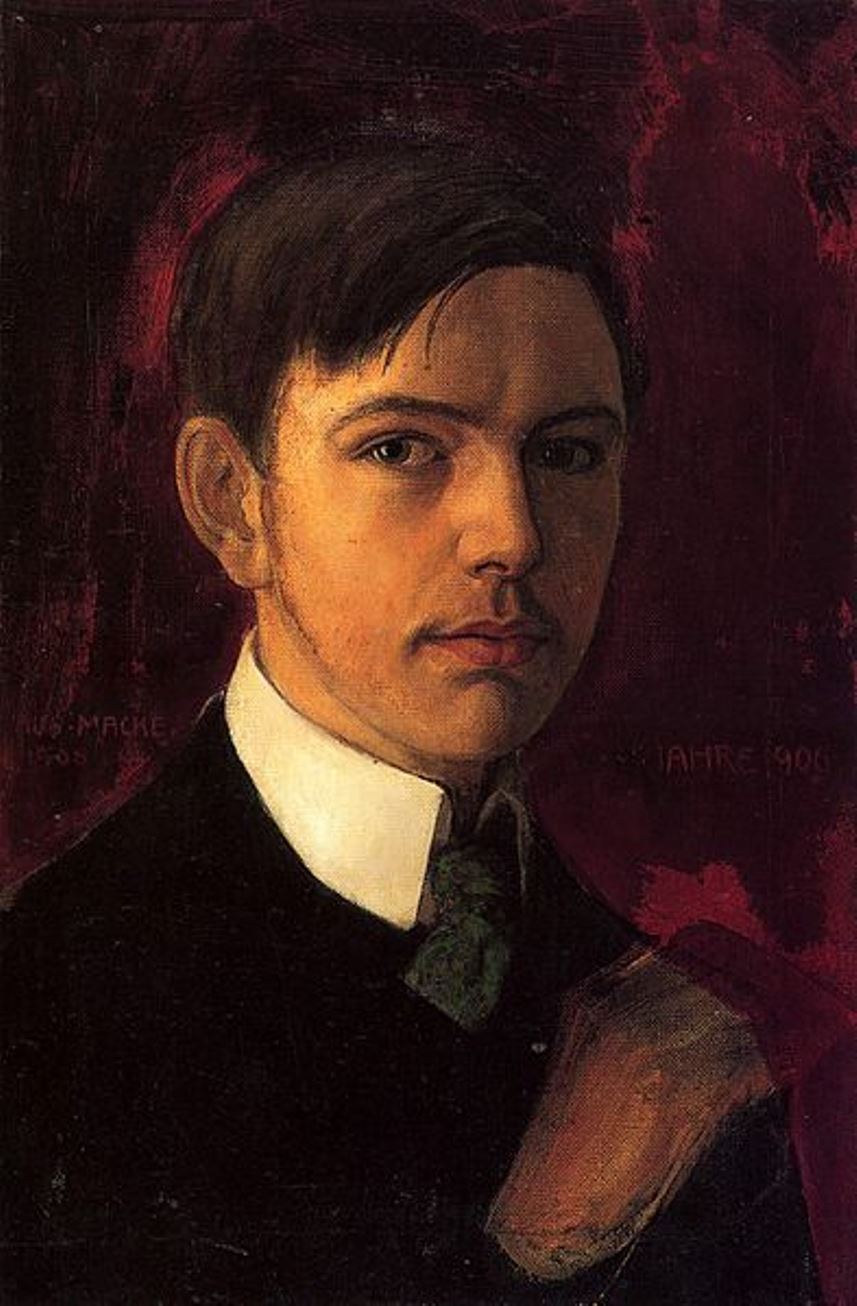
August Robert Ludwig Macke was an eminent German expressionist painter, founder and member of the Blue Rider association. His very colorful and individual style is today referred to as the Macke style, characterized by a harmonious combination of colors and the play of light effects. His favorite subjects of his works were sketches from the life of the city, as well as nature and man. The paintings of August Macke give an impression of joy and lightness.
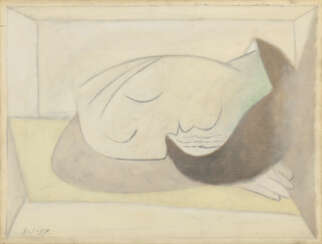

Pablo Ruiz Picasso, a Spanish artist renowned for his revolutionary contributions to the 20th-century art scene, is a figure that resonates profoundly with collectors and art experts. His unique blend of talents in painting, sculpture, printmaking, and ceramic art, infused with his time in France, positioned him as a pivotal character in modern art history.
Picasso's artistic journey was marked by distinct periods, each showcasing his evolving style and genius. His early years were characterized by the Blue Period (1901-1904), followed by the Rose Period (1904-1906), and then the African-influenced Period (1907-1909). Picasso's name is synonymous with Cubism, a movement he co-founded, which significantly altered artistic perspectives and methods. Works like "Les Demoiselles d'Avignon" (1907) and "Guernica" (1937) are emblematic of his cubist legacy, the latter being a poignant anti-war statement that remains influential.
His later years saw a return to more traditional styles, with neoclassical and surrealist influences becoming evident. Works from these phases reflect a deep engagement with mythological themes, as seen in "Faun with Stars" (1955), symbolizing his late-life romance with Jacqueline Roque, his second wife.
Picasso's prolific output and innovative spirit made him a legend in his own time, a status that only grew after his death. His works, housed in major museums and private collections worldwide, continue to captivate and inspire.
As a collector or expert in art and antiques, staying informed about Picasso's works, their auction events, and sales is essential. To stay updated on the latest developments and opportunities related to Pablo Picasso, sign up for our specialized updates. Rest assured, this subscription will focus solely on new product sales and auction events pertaining to Picasso's art, ensuring that you receive only the most relevant and valuable information.
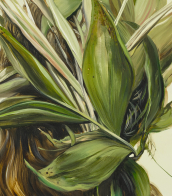
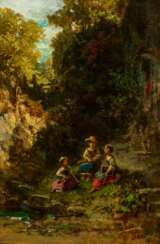

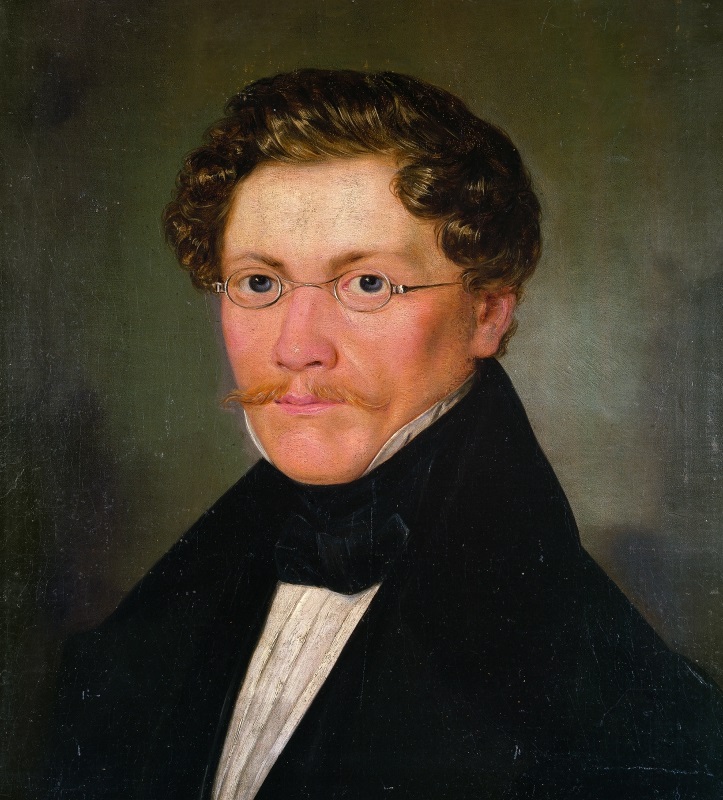
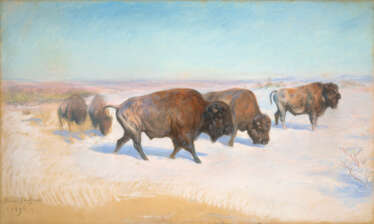
Carl Spitzweg was a German romanticist painter, especially of genre subjects. He is considered to be one of the most important artists of the Biedermeier era.
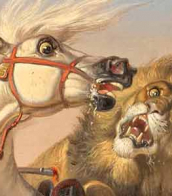

_-_Google_Art_Project.jpg)
Rosa Bonheur, born Marie-Rosalie Bonheur, was a French artist known best as a painter of animals (animalière). She also made sculpture in a realist style. Her paintings include Ploughing in the Nivernais, first exhibited at the Paris Salon of 1848, and now in the Musée d'Orsay in Paris, and The Horse Fair, which was exhibited at the Salon of 1853 (finished in 1855) and is now in the Metropolitan Museum of Art in New York City. Bonheur was widely considered to be the most famous female painter of the nineteenth century.
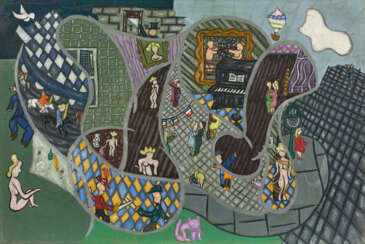

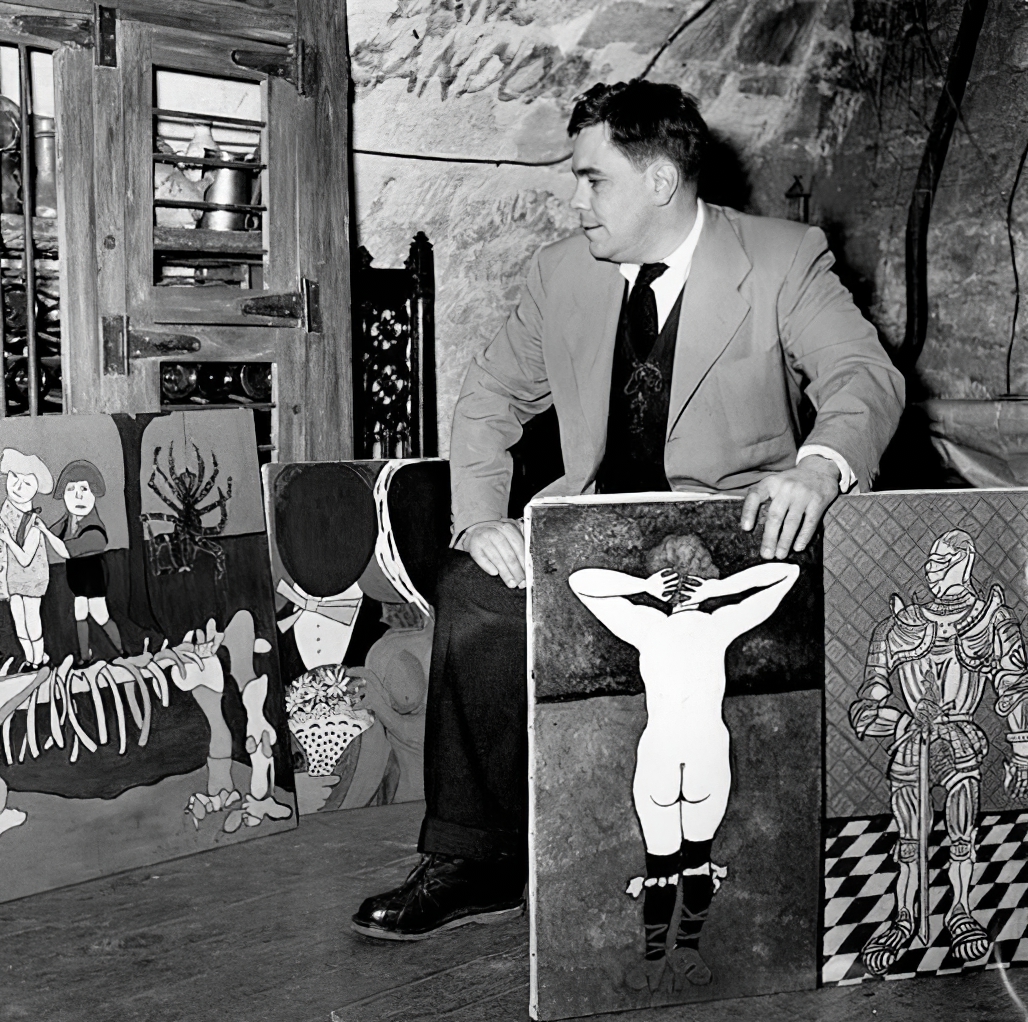
William Nelson Copley was an American painter, writer, gallerist, collector, patron, publisher and art entrepreneur. His works as an artist have been classified as late Surrealist and precursory to Pop Art.



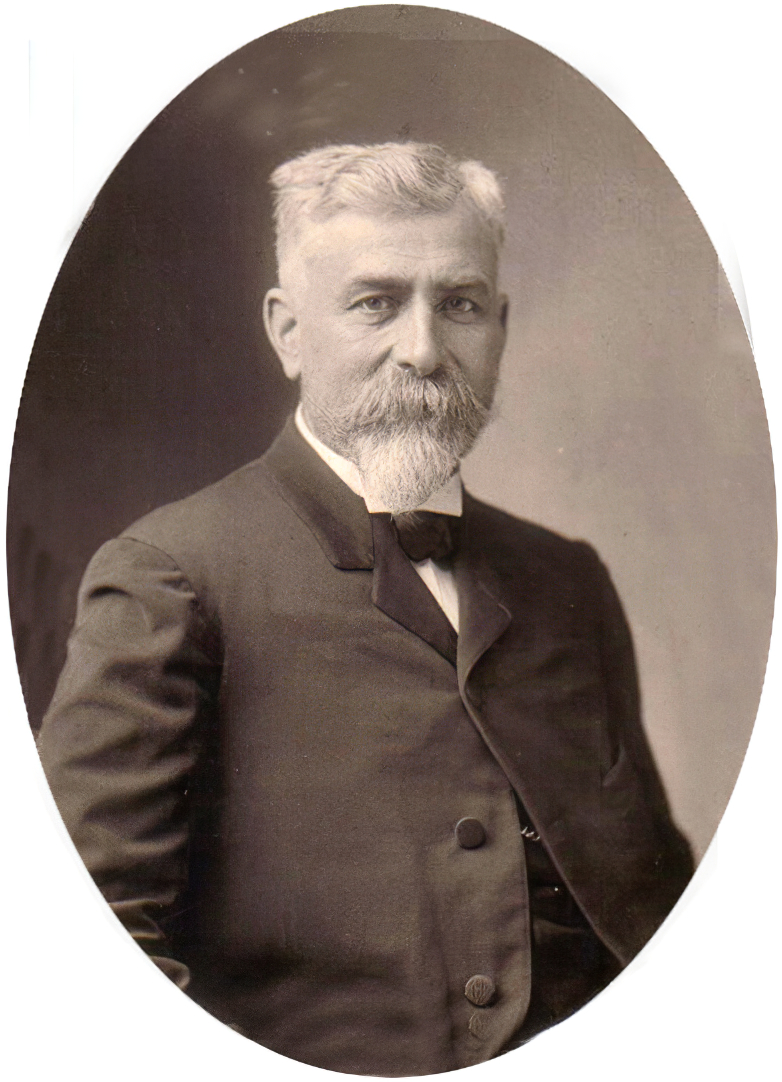
Julien Dupré, a distinguished French artist, emerged as a pivotal figure in the realm of painting, celebrated for his vivid and heartfelt portrayals of peasant life. Born into a family of jewelers in 1851, Dupré's artistic journey commenced in an unexpected turn of events when the Franco-Prussian war led him to pursue art, eventually studying at the École des Beaux-Arts under renowned teachers like Isidore Pils and Henri Lehmann.
Julien Dupré's oeuvre is renowned for its realistic depiction of rural scenes, particularly in Normandy and Brittany, capturing the essence of peasant life with a blend of romanticism and realism. His commitment to depicting the rustic life earned him prestigious accolades, including a gold medal at the Exposition Universelle in 1889 and the esteemed Legion of Honour in 1892.
Among his notable works are "The Hay Harvest" at the Chimei Museum, "Haying Scene" at the St. Louis Art Museum, and "The Haymakers" at the Worcester Art Museum. These paintings not only illustrate Julien Dupré's masterful depiction of rural life but also resonate with art enthusiasts and collectors worldwide for their historical and cultural significance.
For collectors and art aficionados, Julien Dupré's paintings are a testament to a bygone era, offering a window into the pastoral life of 19th-century France. His works are not merely artistic endeavors but historical narratives woven onto canvas, celebrating the unvarnished beauty of the countryside and its inhabitants.
If you're captivated by Julien Dupré's artistic legacy and wish to stay informed about upcoming sales and auction events featuring his works, consider signing up for updates. This subscription is your gateway to exploring the enchanting world of Dupré, ensuring you're abreast of the latest opportunities to own a piece of French art history.
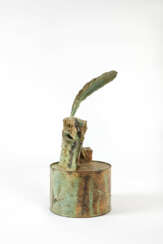

Joan Miró, a celebrated Spanish artist, was a master in painting, sculpture, and ceramics, renowned for his unique style that blurred the lines between Surrealism, Fauvism, and Expressionism. Born in Barcelona to a family of a goldsmith and a watchmaker, Miró grew up immersed in the rich cultural heritage of the Barri Gòtic neighborhood. His artistic journey began with drawing classes at the age of seven and continued at the prestigious La Llotja art academy. Despite an initial venture into the business world, Miró's passion for art prevailed, leading him to abandon his clerical career after a nervous breakdown.
Miró's work is noted for its exploration of the subconscious, often depicting a childlike perspective. This approach was both a critique of traditional painting methods and a means of expressing Catalan pride. His art, challenging to categorize, often featured symbolic elements and nationalistic qualities. One of his notable early works, "The Farm," reflects a transition to a more individual style, blending elements of his Catalan roots with broader artistic influences. This piece, later purchased by Ernest Hemingway, encapsulated the essence of Spain in its imagery.
In Paris, Miró joined the Surrealist movement in 1924, where his work began to reflect the influence of automatism, emphasizing spontaneous, automatic, or subconscious creation. He experimented with various mediums, including painting-poetry and collage, and even ventured into set and costume design for Sergei Diaghilev's Ballets Russes.
During World War II, Miró remained in Spain, and his work from this period, including the 22 Constellations series, reflected an interest in the night, music, and stars. His forms became increasingly abstracted, and he experimented with various techniques, often incorporating primary colors and evocative titles.
Miró's career spanned several decades, during which he continually evolved his style and explored new mediums. His contributions to art were recognized with numerous awards and retrospectives, including a major career retrospective at MoMA in 1941 and the Spanish Gold Medal for Fine Arts in 1980. Among his last major works was a tapestry for the World Trade Center in New York City, created in 1974.
For art collectors and enthusiasts, Joan Miró remains a figure of immense interest, not only for his distinct style and contributions to Surrealism but also for his ability to blend poetic imagery with political commentary. To stay updated on new product sales and auction events related to Joan Miró, sign up for our updates and immerse yourself in the world of this extraordinary artist.
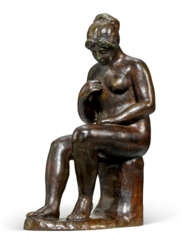

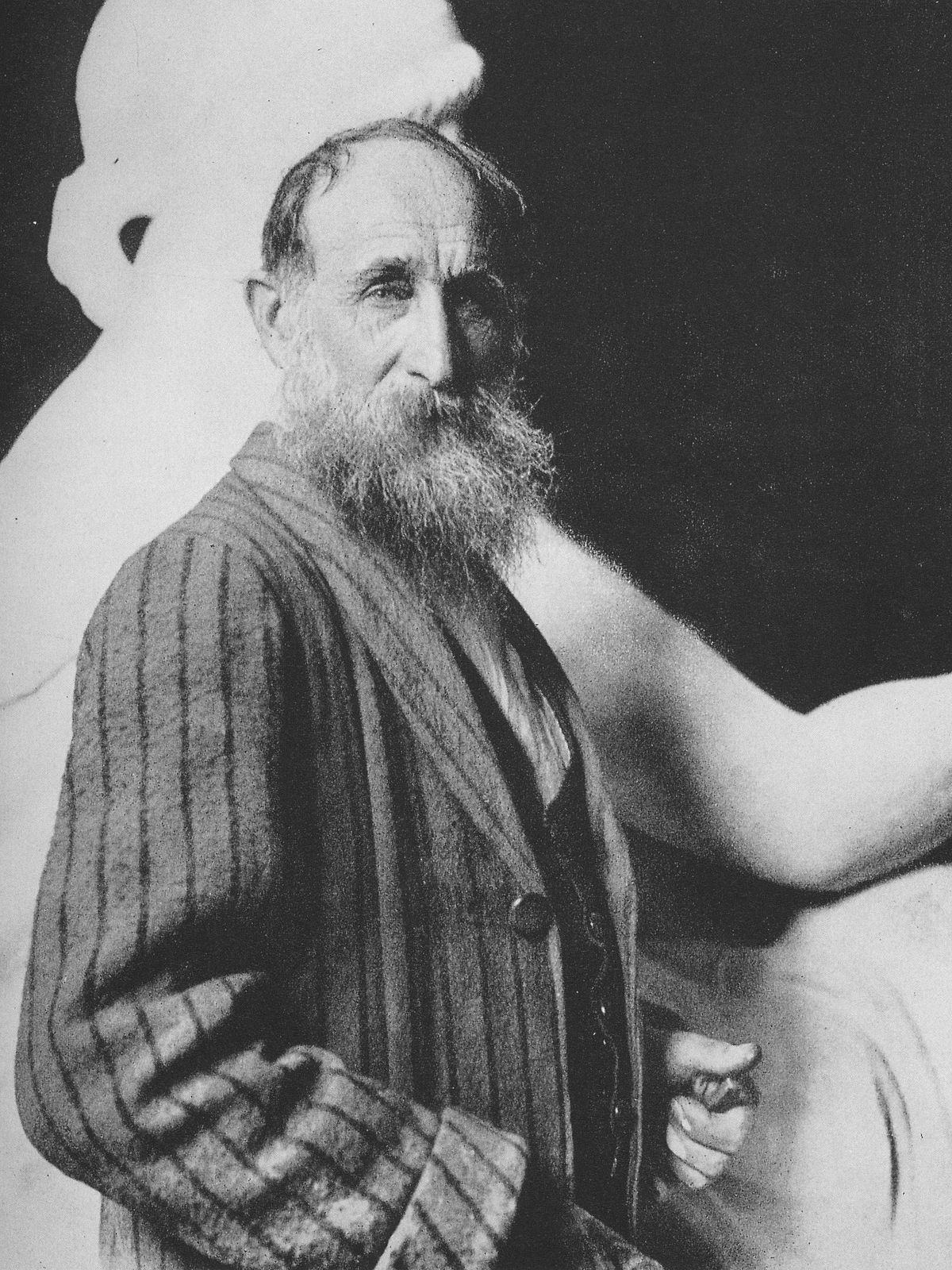
Aristide Maillol was a French artist. He was a painter, sculptor, and printmaker, and is best known for his sculptural works.
Maillol initially worked as a painter, but after seeing Auguste Rodin's sculptures in the early 1890s, he turned to sculpture himself. His early sculptures were influenced by the classical tradition, and often depicted female figures in a simplified, stylized form.
Maillol's sculptures are characterized by their smooth surfaces and simplified forms, which reflect his interest in the pure and timeless beauty of the human body. He often worked in bronze, and his sculptures were typically larger than life size.
In addition to his sculptures, Maillol also created prints, including lithographs and woodcuts. His prints were often based on his sculptural works, and reflected his interest in simplifying form and line.
Maillol continued to work and exhibit his art throughout his life, and his work was shown in galleries and museums around the world. Today, his sculptures are held in the collections of many prestigious institutions, including the Musée d'Orsay in Paris, the Museum of Modern Art in New York, and the Tate Gallery in London.


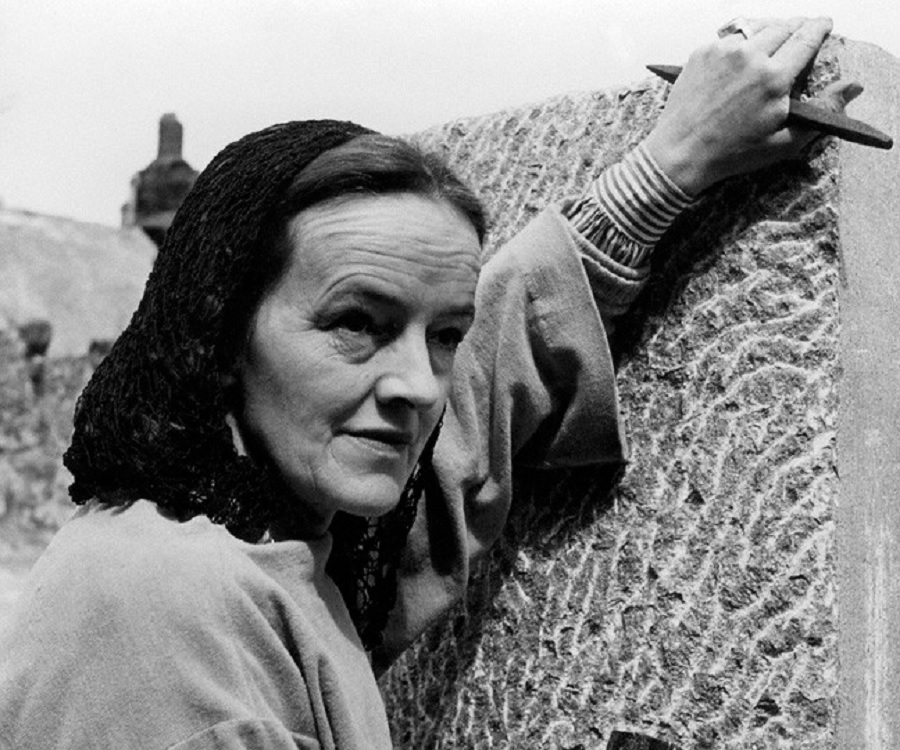
Barbara Hepworth was an English artist and sculptor. Her work exemplifies Modernism and in particular modern sculpture. Along with artists such as Ben Nicholson and Naum Gabo, Hepworth was a leading figure in the colony of artists who resided in St Ives during the Second World War.

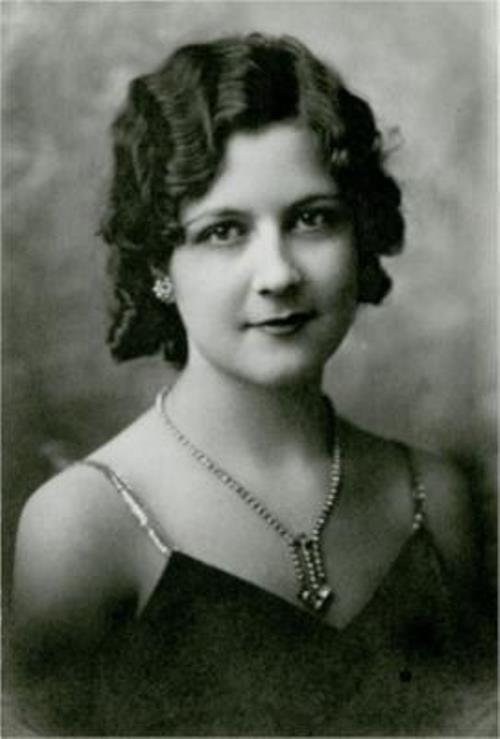
Dorothea Margaret Tanning was an American surrealist painter, printmaker, sculptor, writer and poet.
In 1935 Dorothea came to New York and worked as an advertising artist until she was inspired by the paintings of the famous Surrealists at an exhibition. She began to paint and exhibit and made numerous acquaintances among contemporary artists. In 1946 she married the artist Max Ernst, and this marriage lasted 30 years. They lived in Paris for a long time, and after his death in 1976, she returned to New York.
As an artist, Dorothea Tanning was self-taught, and her style was constantly changing. At first close to surrealism, by the late 1960s her paintings had become almost entirely abstract. Among her artistic accomplishments are paintings, prints, sculpture, stage design, costume and set designs for ballets, and her work has been exhibited at the Guggenheim Museum, the Metropolitan Museum of Art, the Tate Modern, and the Philadelphia Museum of Art.
In the late 1980s, Tanning began writing poetry, and her work has subsequently been published in various publications. Her first collection of poems, A Table of Content, was published in 2004. The multifaceted and versatile artist died in New York City at the age of 101.


.jfif)
Joseph Fernand Henri Léger was a French artist renowned for his innovative approach to Cubism and his transition towards a figurative, populist style. Born in Argentan, Orne, Lower Normandy, Léger's early career was marked by a stint as an architectural draftsman and a series of educational pursuits that eventually led him to Paris, where he embraced painting seriously. His artistic journey was significantly influenced by the bold abstractions of Cubism, characterized by geometric shapes and a vibrant palette, distinguishing his work from his contemporaries with what came to be known as "Tubism".
Léger's service in World War I profoundly impacted his artistic direction, leading him to adopt a 'mechanical' style that depicted the modern industrial world with sleek, tubular forms. This period saw creations like "Soldier with a Pipe" and "The Card Players," reflecting his war experiences and the mechanical aesthetics of the time. The post-war era encouraged Léger to explore the mechanical style further, evident in works like "The Bargeman" and "Mechanical Elements," highlighting the pace of technological advancement.
Throughout his career, Léger's work evolved, notably in the 1920s, where he aligned with Purist ideas, blending classicism with modernity. This phase is exemplified in "Woman with a Cat," showcasing a classical form with a modern, polished finish. By the 1930s, Léger's art took a more figurative, populist turn, aiming to democratize contemporary art and make it more accessible. His commitment to art education, especially for the common worker, underscored his belief in the social role of art.
For those intrigued by Joseph Fernand Henri Léger's groundbreaking contributions to modern art, his works can be found in prestigious museums worldwide. His legacy continues to inspire art collectors and enthusiasts alike. To stay updated on exhibitions and auction events featuring Léger's work, sign up for updates and embrace the unique opportunity to explore the richness of his artistic endeavors.


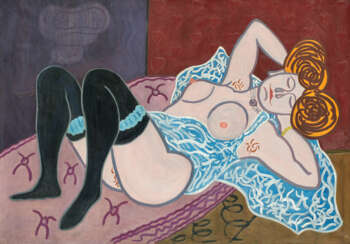

William Nelson Copley was an American painter, writer, gallerist, collector, patron, publisher and art entrepreneur. His works as an artist have been classified as late Surrealist and precursory to Pop Art.