1790







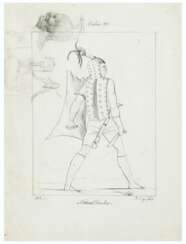


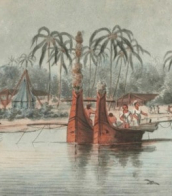


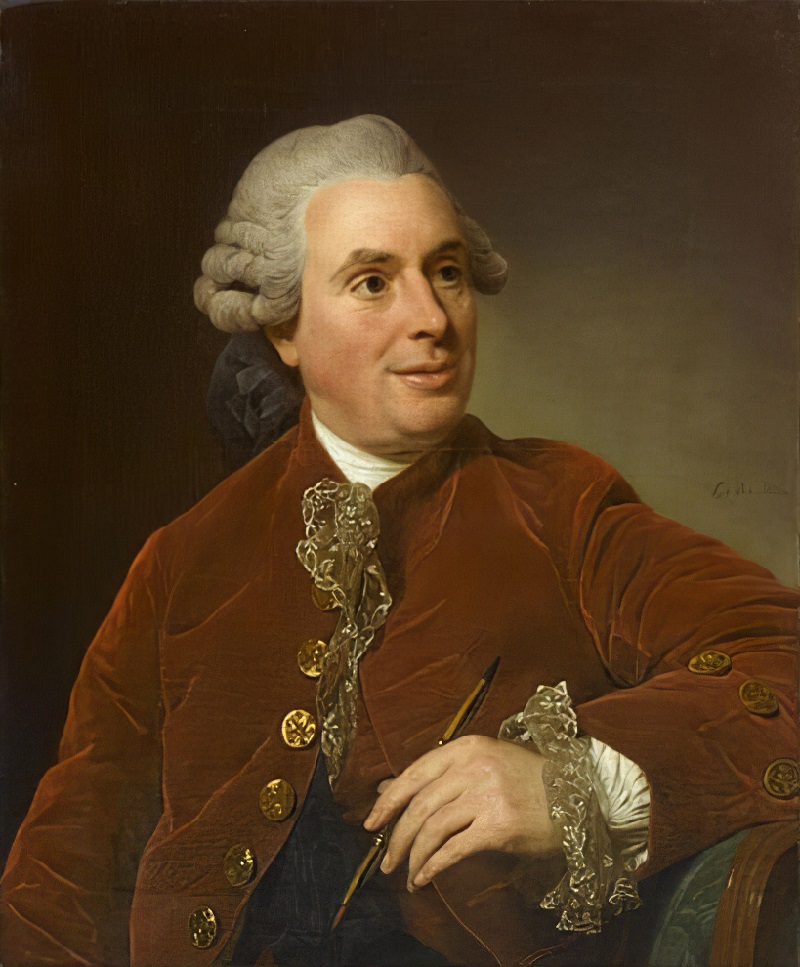
Charles-Nicolas Cochin was a French engraver, designer, writer, and art critic. To distinguish him from his father of the same name, he is variously called Charles-Nicolas Cochin the Younger, Charles-Nicolas Cochin the son, or Charles-Nicolas Cochin II.
More than fifteen hundred works by Cochin can be identified. They include historical subjects, book illustrations, and portraits in pencil and crayon. The richest collection of his engravings, apparently selected by himself, is in the Royal Library, now part of the Bibliothèque nationale.








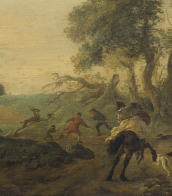

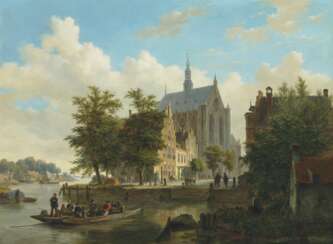

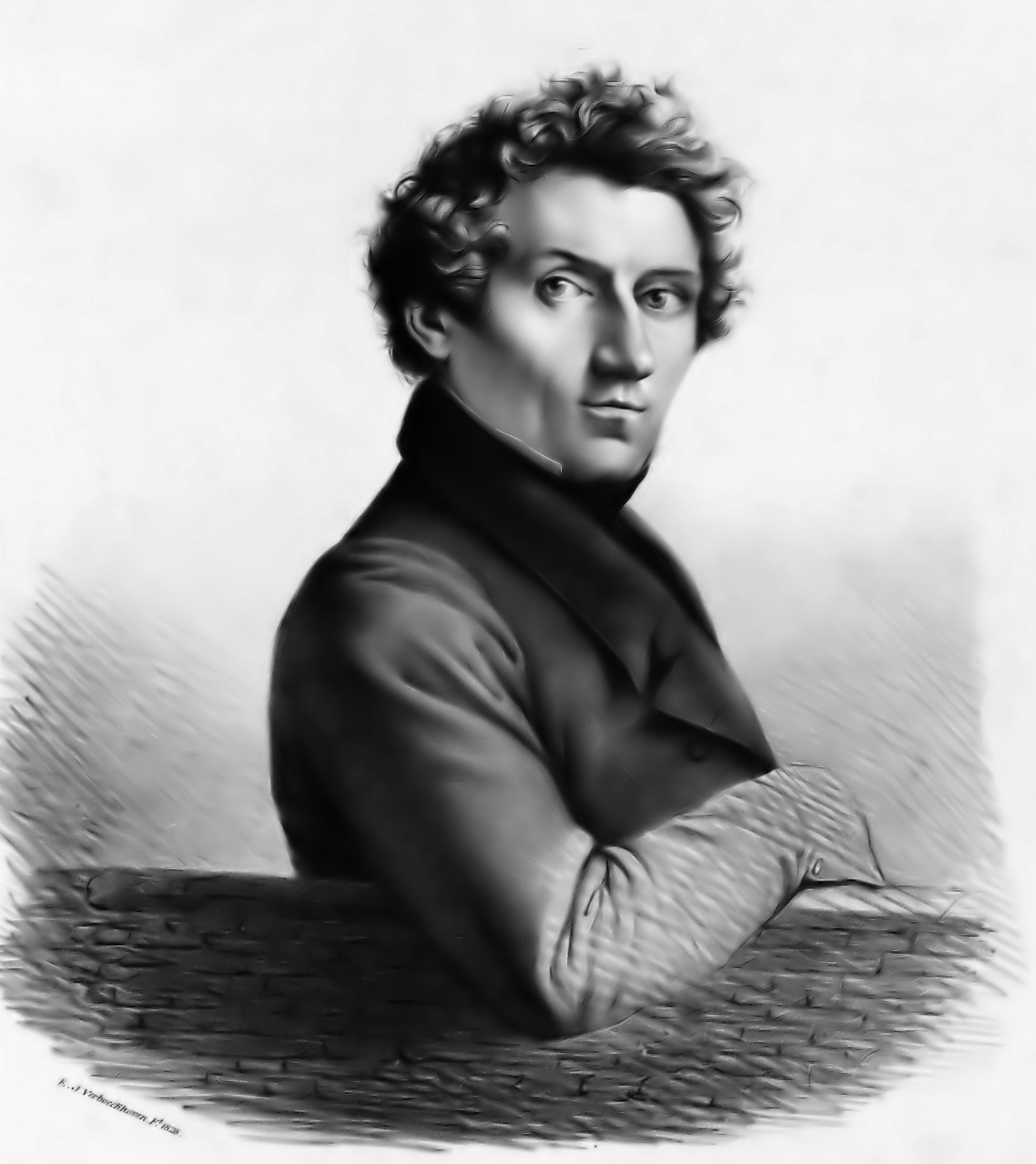
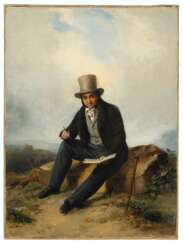
Bartholomeus Johannes van Hove was a Dutch painter and the father of Hubertus van Hove. He played an important role in the development of 19th-century painting by his many disciples. He was able to teach his skills to a large group of artists, of whom especially Johannes Bosboom and Jan Hendrik Weissenbruch would rise to great heights.
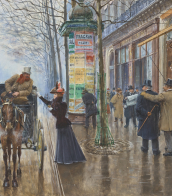


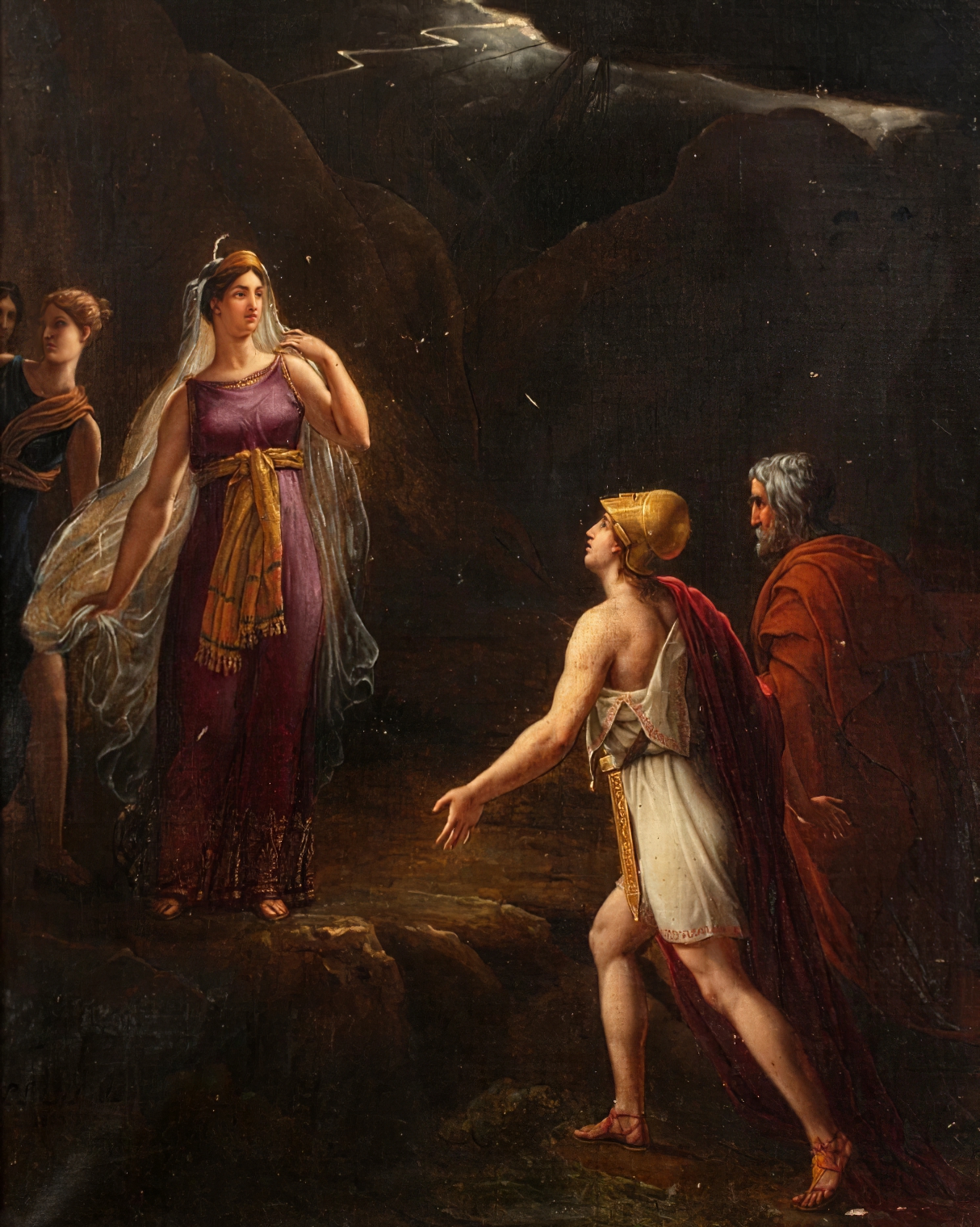
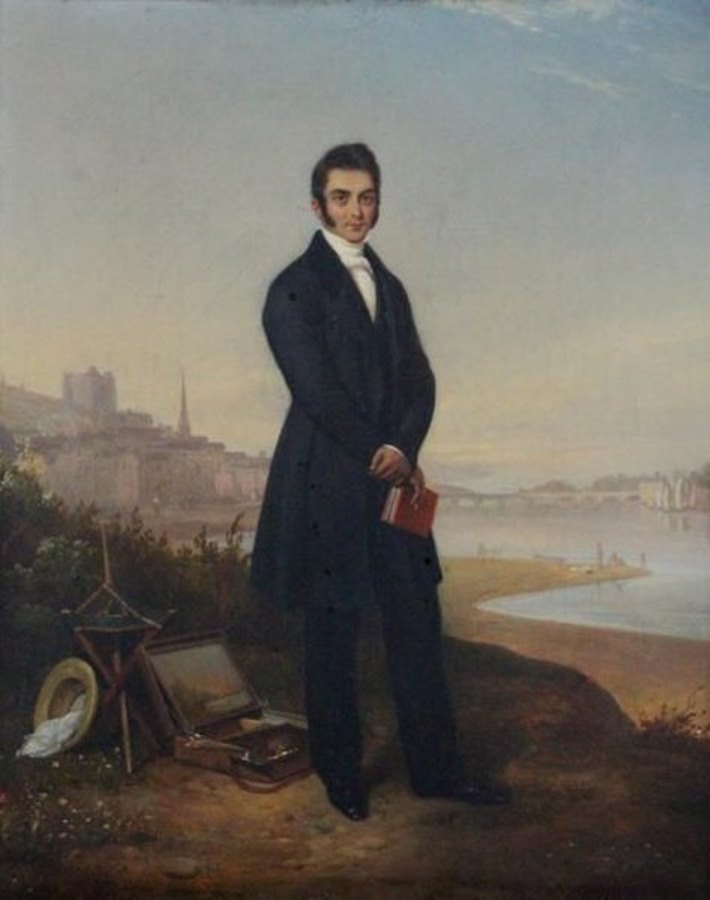
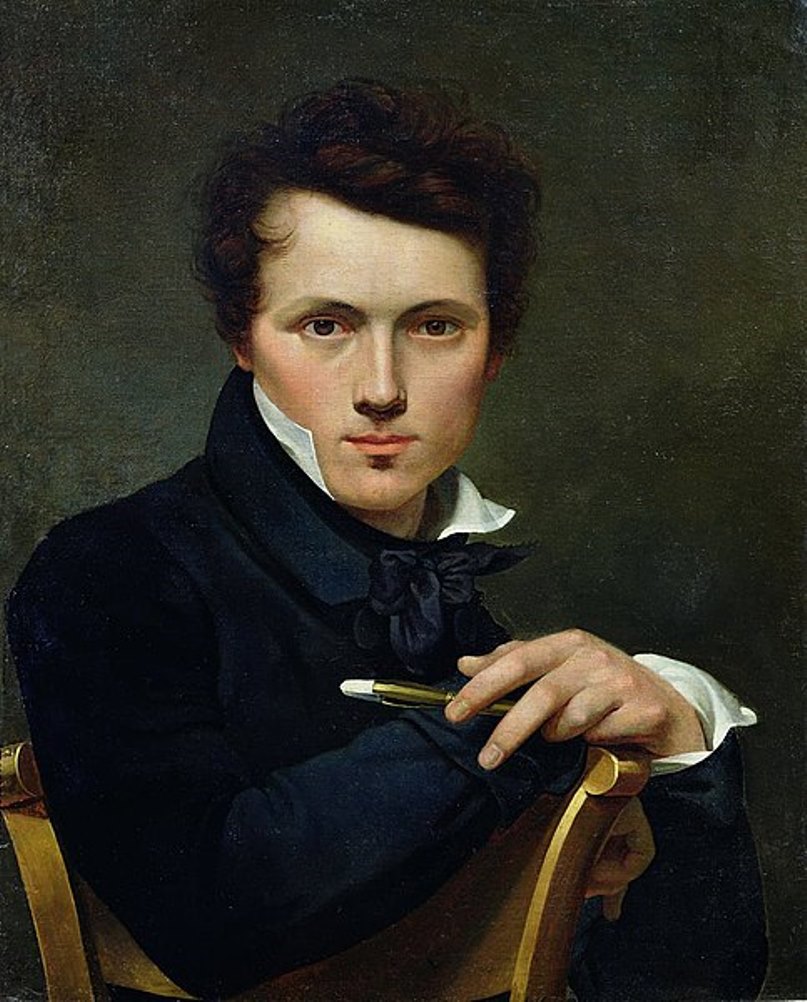
Pierre-Louis Delaval was a French artist, best known for his painting Can Gao, Chinese from Cayenne.
Early in his career the artist imitated Giroud-Triozon in his work, but later showed himself as a brilliant colourist and designer, though without much talent or originality.
His contemporaries felt that he was best suited to historical and religious subjects. Portraits are now considered the most valuable part of Pierre-Louis Delaval's legacy.
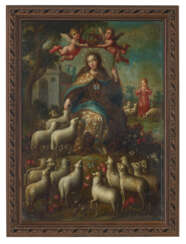



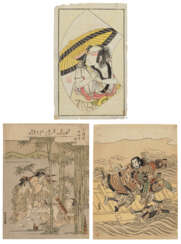

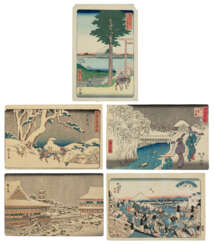

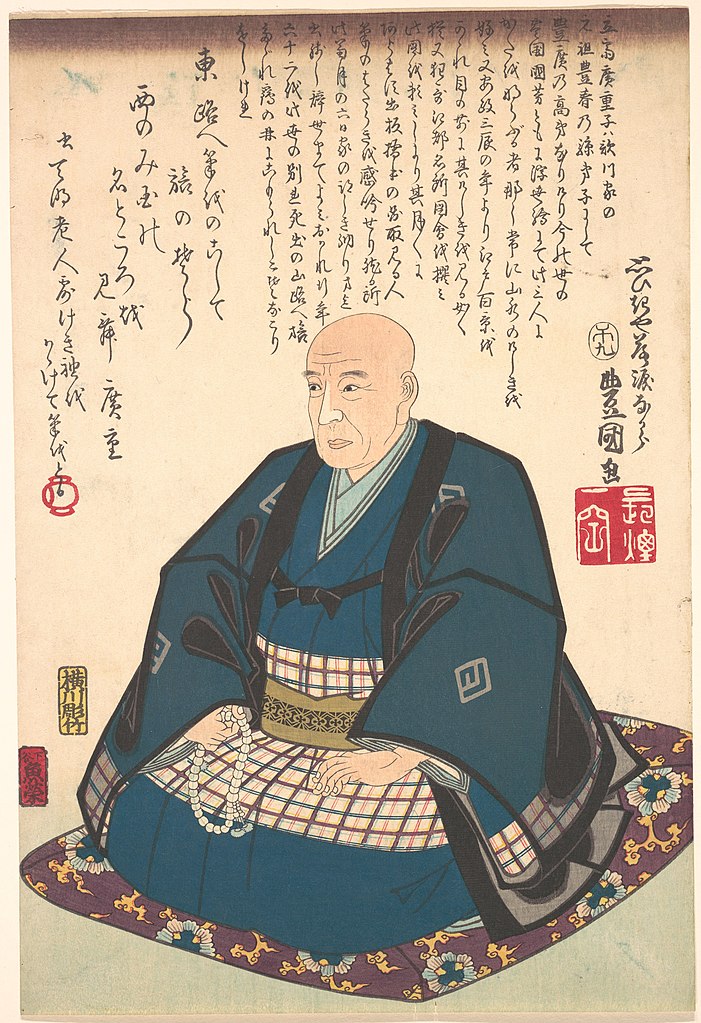
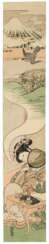
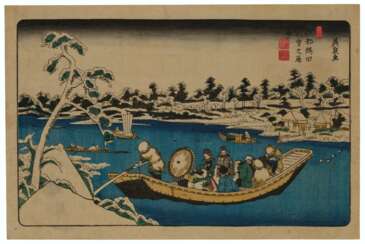
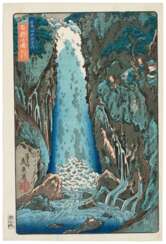
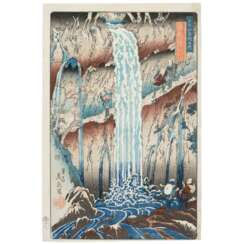
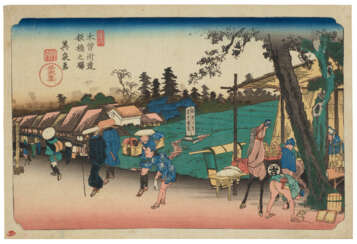
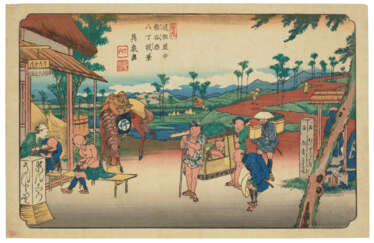
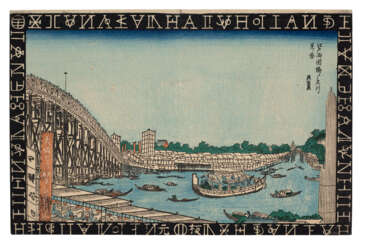
Utagawa Hiroshige (Japanese: 歌川 広重) was a Japanese ukiyo-e artist, considered the last great master of that tradition. Hiroshige is best known for his horizontal-format landscape series The Fifty-three Stations of the Tōkaidō and for his vertical-format landscape series One Hundred Famous Views of Edo. The subjects of his work were atypical of the ukiyo-e genre, whose typical focus was on beautiful women, popular actors, and other scenes of the urban pleasure districts of Japan's Edo period (1603–1868). The popular series Thirty-six Views of Mount Fuji by Hokusai was a strong influence on Hiroshige's choice of subject, though Hiroshige's approach was more poetic and ambient than Hokusai's bolder, more formal prints. Subtle use of color was essential in Hiroshige's prints, often printed with multiple impressions in the same area and with extensive use of bokashi (color gradation), both of which were rather labor-intensive techniques.






Charles-Nicolas Cochin was a French engraver, designer, writer, and art critic. To distinguish him from his father of the same name, he is variously called Charles-Nicolas Cochin the Younger, Charles-Nicolas Cochin the son, or Charles-Nicolas Cochin II.
More than fifteen hundred works by Cochin can be identified. They include historical subjects, book illustrations, and portraits in pencil and crayon. The richest collection of his engravings, apparently selected by himself, is in the Royal Library, now part of the Bibliothèque nationale.

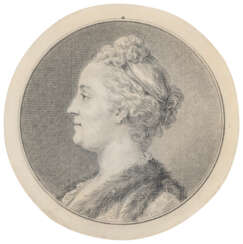

Charles-Nicolas Cochin was a French engraver, designer, writer, and art critic. To distinguish him from his father of the same name, he is variously called Charles-Nicolas Cochin the Younger, Charles-Nicolas Cochin the son, or Charles-Nicolas Cochin II.
More than fifteen hundred works by Cochin can be identified. They include historical subjects, book illustrations, and portraits in pencil and crayon. The richest collection of his engravings, apparently selected by himself, is in the Royal Library, now part of the Bibliothèque nationale.