arte moderna &amp


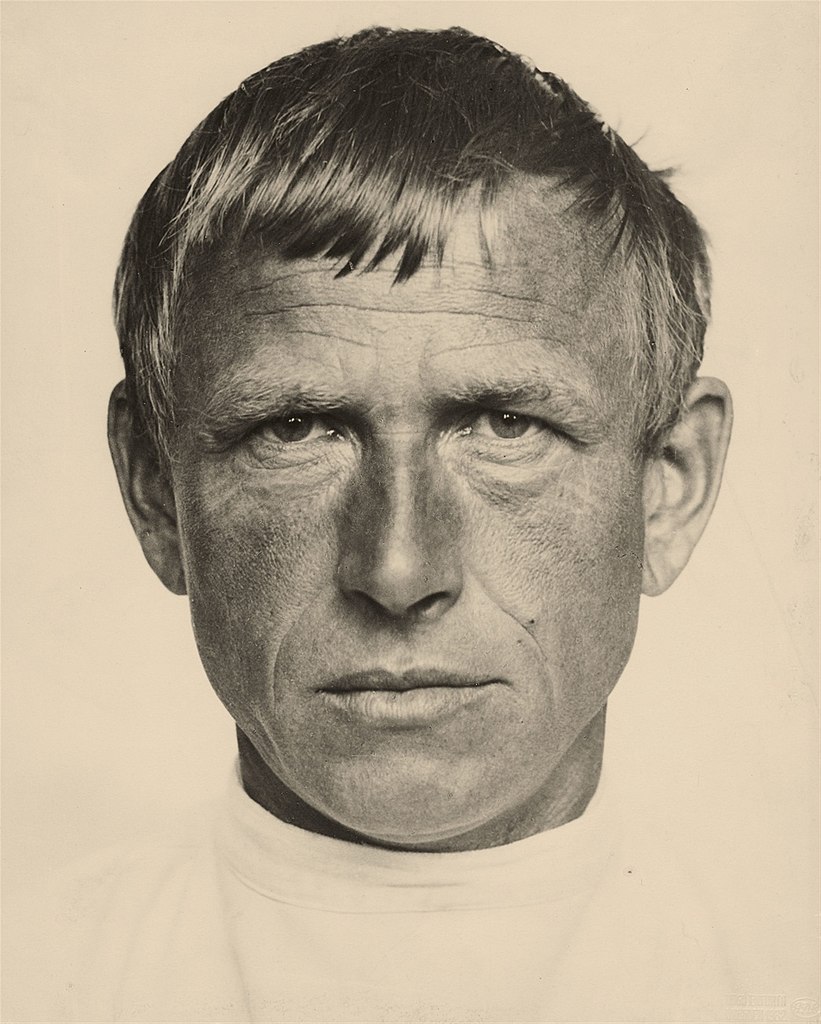
Wilhelm Heinrich Otto Dix was a German artist whose work stands as a stark, unyielding reflection of the societal tumult and trauma of the early 20th century. Born in 1891 in Untermhaus, Germany, Dix's early life was steeped in the arts, his ambition to become an artist nurtured by both familial influence and formal education in Dresden. His experiences as a soldier in World War I deeply influenced his artistic direction, leading him to vividly depict the horrors of war and the decay of the Weimar Republic with a brutal realism that became his signature style.
Dix's association with the Dada movement and the New Objectivity (Neue Sachlichkeit) further honed his critical, often cynical portrayal of post-war society. His works, such as "The Trench" and "War Cripples," expose the visceral aftermath of conflict, while his engagement with the Dadaists imbued his art with a disruptive, confrontational energy against societal norms and the art establishment.
Perhaps most notable is Dix's ability to capture the psychological depth and societal critiques through his portraits and landscapes, which ranged from the grotesque to the surreal. Paintings like "Portrait of the Journalist Sylvia von Harden" and the triptychs "Metropolis" and "War" are emblematic of his keen observation and stark depiction of the era's social and political unrest.
Despite facing significant adversity, including being labeled a degenerate artist by the Nazi regime and facing professional and personal setbacks, Dix's legacy as a painter and printmaker endures. His works are not only historical documents but also profound reflections on humanity, war, and society, resonating with collectors and art experts alike.
For enthusiasts of culture, art, and history, Dix's oeuvre offers an unflinching look into the human condition under the strain of societal and political upheaval. His contributions to painting and printmaking continue to be celebrated in museums and galleries worldwide, underscoring the enduring relevance of his work.
For those interested in exploring the profound depth and historical significance of Otto Dix's work, signing up for updates on new product sales and auction events related to his art can provide invaluable insights. This subscription is a gateway to staying informed about opportunities to engage with the tangible pieces of Dix's enduring legacy.




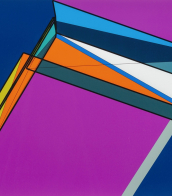
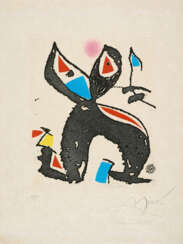

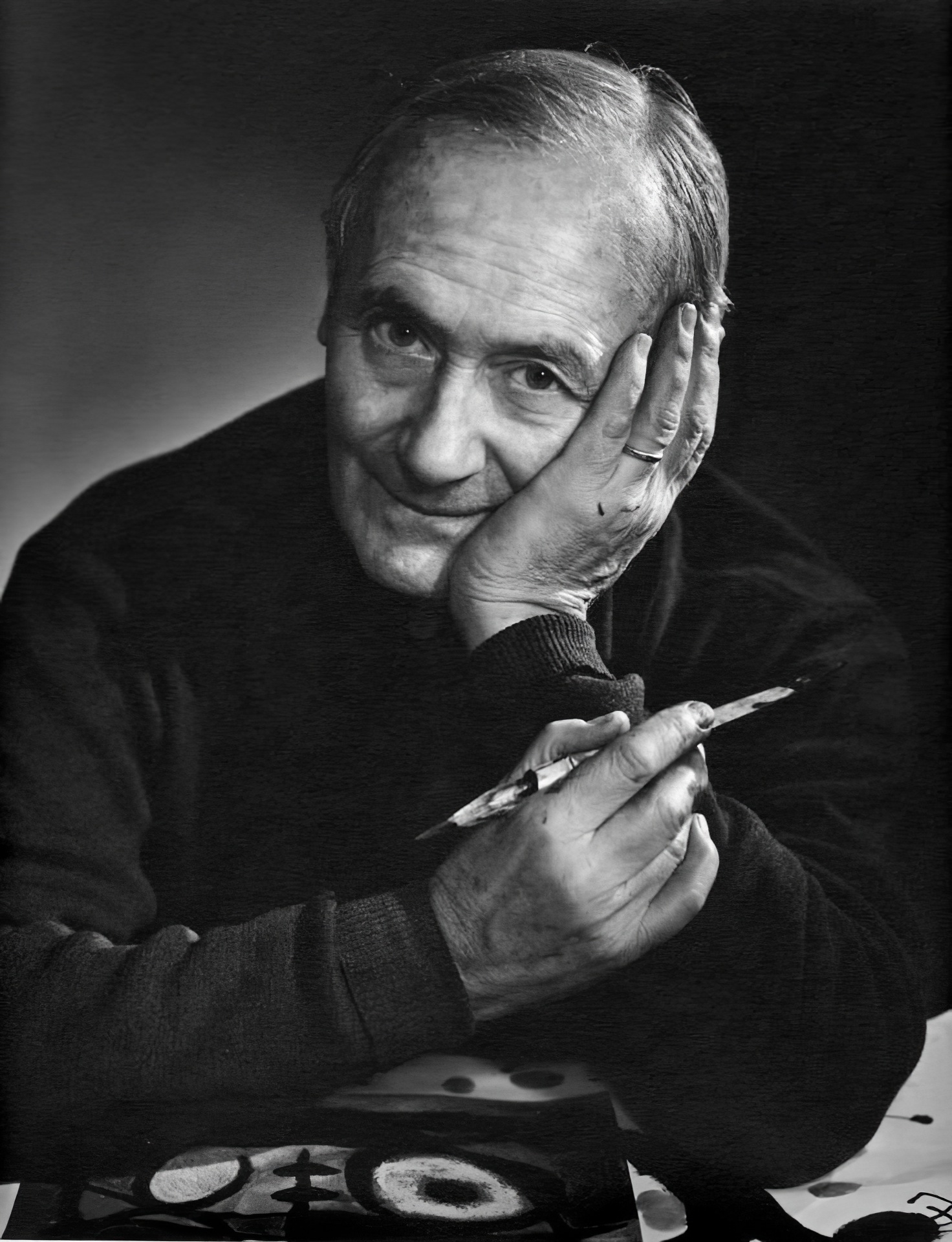
Joan Miró, a celebrated Spanish artist, was a master in painting, sculpture, and ceramics, renowned for his unique style that blurred the lines between Surrealism, Fauvism, and Expressionism. Born in Barcelona to a family of a goldsmith and a watchmaker, Miró grew up immersed in the rich cultural heritage of the Barri Gòtic neighborhood. His artistic journey began with drawing classes at the age of seven and continued at the prestigious La Llotja art academy. Despite an initial venture into the business world, Miró's passion for art prevailed, leading him to abandon his clerical career after a nervous breakdown.
Miró's work is noted for its exploration of the subconscious, often depicting a childlike perspective. This approach was both a critique of traditional painting methods and a means of expressing Catalan pride. His art, challenging to categorize, often featured symbolic elements and nationalistic qualities. One of his notable early works, "The Farm," reflects a transition to a more individual style, blending elements of his Catalan roots with broader artistic influences. This piece, later purchased by Ernest Hemingway, encapsulated the essence of Spain in its imagery.
In Paris, Miró joined the Surrealist movement in 1924, where his work began to reflect the influence of automatism, emphasizing spontaneous, automatic, or subconscious creation. He experimented with various mediums, including painting-poetry and collage, and even ventured into set and costume design for Sergei Diaghilev's Ballets Russes.
During World War II, Miró remained in Spain, and his work from this period, including the 22 Constellations series, reflected an interest in the night, music, and stars. His forms became increasingly abstracted, and he experimented with various techniques, often incorporating primary colors and evocative titles.
Miró's career spanned several decades, during which he continually evolved his style and explored new mediums. His contributions to art were recognized with numerous awards and retrospectives, including a major career retrospective at MoMA in 1941 and the Spanish Gold Medal for Fine Arts in 1980. Among his last major works was a tapestry for the World Trade Center in New York City, created in 1974.
For art collectors and enthusiasts, Joan Miró remains a figure of immense interest, not only for his distinct style and contributions to Surrealism but also for his ability to blend poetic imagery with political commentary. To stay updated on new product sales and auction events related to Joan Miró, sign up for our updates and immerse yourself in the world of this extraordinary artist.
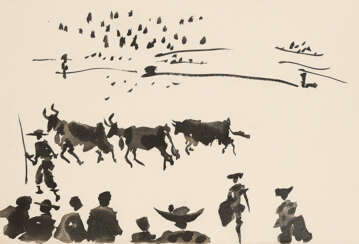

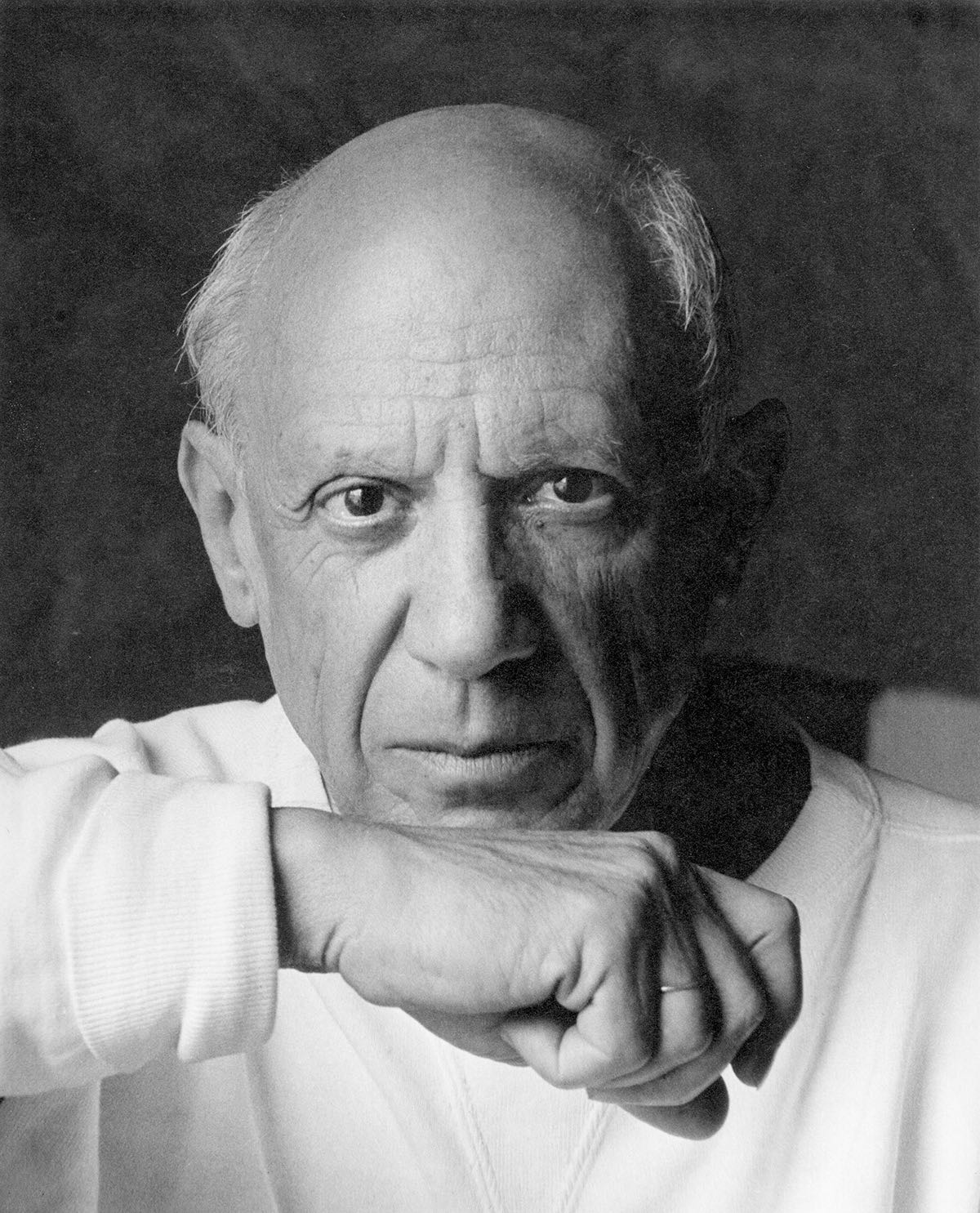
Pablo Ruiz Picasso, a Spanish artist renowned for his revolutionary contributions to the 20th-century art scene, is a figure that resonates profoundly with collectors and art experts. His unique blend of talents in painting, sculpture, printmaking, and ceramic art, infused with his time in France, positioned him as a pivotal character in modern art history.
Picasso's artistic journey was marked by distinct periods, each showcasing his evolving style and genius. His early years were characterized by the Blue Period (1901-1904), followed by the Rose Period (1904-1906), and then the African-influenced Period (1907-1909). Picasso's name is synonymous with Cubism, a movement he co-founded, which significantly altered artistic perspectives and methods. Works like "Les Demoiselles d'Avignon" (1907) and "Guernica" (1937) are emblematic of his cubist legacy, the latter being a poignant anti-war statement that remains influential.
His later years saw a return to more traditional styles, with neoclassical and surrealist influences becoming evident. Works from these phases reflect a deep engagement with mythological themes, as seen in "Faun with Stars" (1955), symbolizing his late-life romance with Jacqueline Roque, his second wife.
Picasso's prolific output and innovative spirit made him a legend in his own time, a status that only grew after his death. His works, housed in major museums and private collections worldwide, continue to captivate and inspire.
As a collector or expert in art and antiques, staying informed about Picasso's works, their auction events, and sales is essential. To stay updated on the latest developments and opportunities related to Pablo Picasso, sign up for our specialized updates. Rest assured, this subscription will focus solely on new product sales and auction events pertaining to Picasso's art, ensuring that you receive only the most relevant and valuable information.


Pablo Ruiz Picasso, a Spanish artist renowned for his revolutionary contributions to the 20th-century art scene, is a figure that resonates profoundly with collectors and art experts. His unique blend of talents in painting, sculpture, printmaking, and ceramic art, infused with his time in France, positioned him as a pivotal character in modern art history.
Picasso's artistic journey was marked by distinct periods, each showcasing his evolving style and genius. His early years were characterized by the Blue Period (1901-1904), followed by the Rose Period (1904-1906), and then the African-influenced Period (1907-1909). Picasso's name is synonymous with Cubism, a movement he co-founded, which significantly altered artistic perspectives and methods. Works like "Les Demoiselles d'Avignon" (1907) and "Guernica" (1937) are emblematic of his cubist legacy, the latter being a poignant anti-war statement that remains influential.
His later years saw a return to more traditional styles, with neoclassical and surrealist influences becoming evident. Works from these phases reflect a deep engagement with mythological themes, as seen in "Faun with Stars" (1955), symbolizing his late-life romance with Jacqueline Roque, his second wife.
Picasso's prolific output and innovative spirit made him a legend in his own time, a status that only grew after his death. His works, housed in major museums and private collections worldwide, continue to captivate and inspire.
As a collector or expert in art and antiques, staying informed about Picasso's works, their auction events, and sales is essential. To stay updated on the latest developments and opportunities related to Pablo Picasso, sign up for our specialized updates. Rest assured, this subscription will focus solely on new product sales and auction events pertaining to Picasso's art, ensuring that you receive only the most relevant and valuable information.
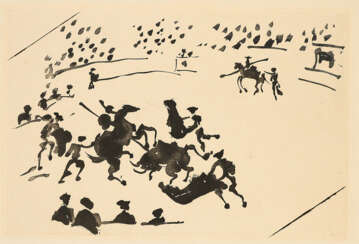

Pablo Ruiz Picasso, a Spanish artist renowned for his revolutionary contributions to the 20th-century art scene, is a figure that resonates profoundly with collectors and art experts. His unique blend of talents in painting, sculpture, printmaking, and ceramic art, infused with his time in France, positioned him as a pivotal character in modern art history.
Picasso's artistic journey was marked by distinct periods, each showcasing his evolving style and genius. His early years were characterized by the Blue Period (1901-1904), followed by the Rose Period (1904-1906), and then the African-influenced Period (1907-1909). Picasso's name is synonymous with Cubism, a movement he co-founded, which significantly altered artistic perspectives and methods. Works like "Les Demoiselles d'Avignon" (1907) and "Guernica" (1937) are emblematic of his cubist legacy, the latter being a poignant anti-war statement that remains influential.
His later years saw a return to more traditional styles, with neoclassical and surrealist influences becoming evident. Works from these phases reflect a deep engagement with mythological themes, as seen in "Faun with Stars" (1955), symbolizing his late-life romance with Jacqueline Roque, his second wife.
Picasso's prolific output and innovative spirit made him a legend in his own time, a status that only grew after his death. His works, housed in major museums and private collections worldwide, continue to captivate and inspire.
As a collector or expert in art and antiques, staying informed about Picasso's works, their auction events, and sales is essential. To stay updated on the latest developments and opportunities related to Pablo Picasso, sign up for our specialized updates. Rest assured, this subscription will focus solely on new product sales and auction events pertaining to Picasso's art, ensuring that you receive only the most relevant and valuable information.
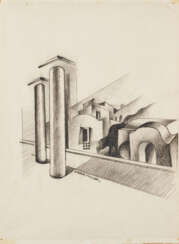

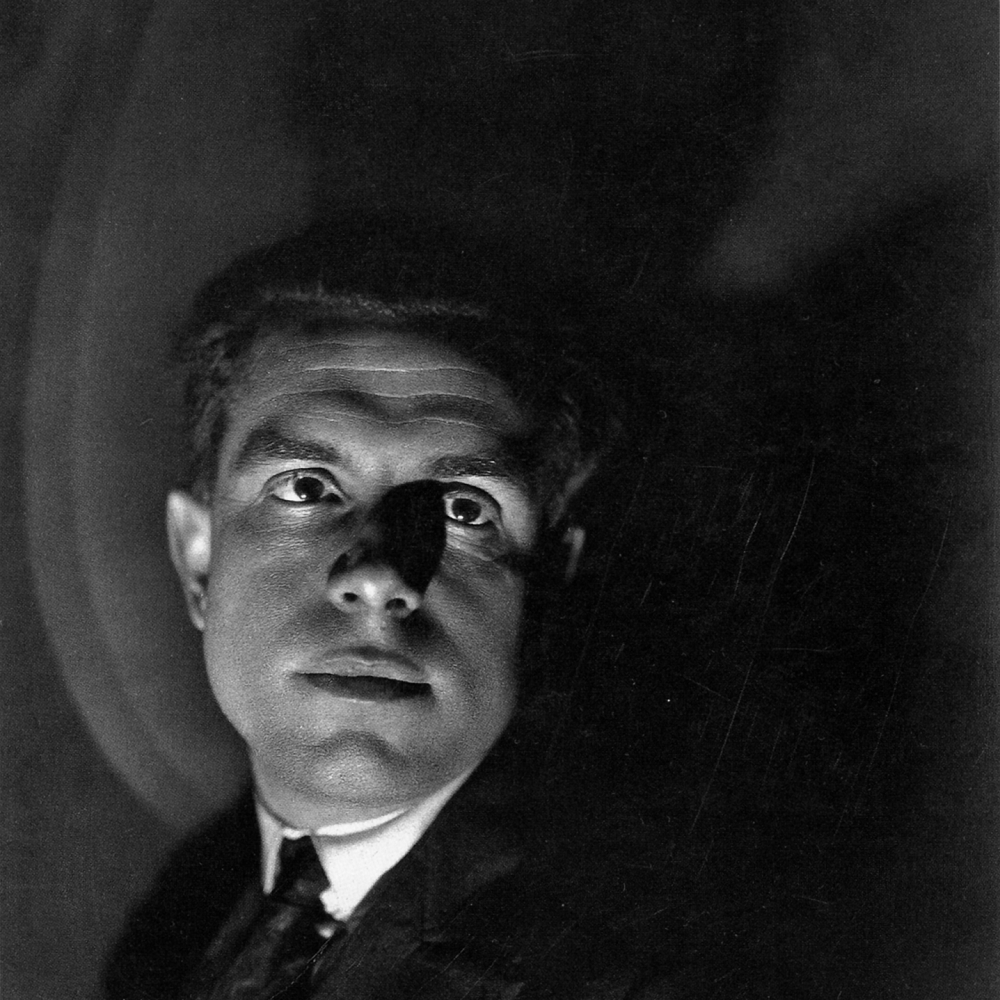
Enrico Prampolini was an Italian futurist painter and sculptor.
Enrico Prampolini published his manifesto Scenografia e coreografia futurista (Futuristic scenography and choreography) in 1915; in the same year he began working as a theatre artist and theatre costume designer.
In 1925 Enrico Prampolini was awarded an honorary diploma at the World Exhibition in Paris, the second most important award in the class of theatrical art.
When Mussolini came to power in Italy, Enrico Prampolini, like many other futurist artists, supported the new regime. In 1932 he, together with Gerardo Dottori and Mario Sironi, leads and implements in a futuristic style the decoration of the grandiose "Exhibition of the Fascist Revolution" (Mostra della Rivoluzione Fascista) in Rome.



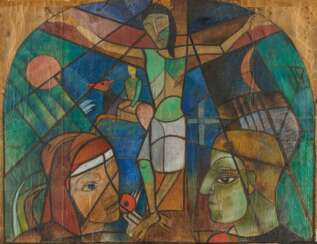

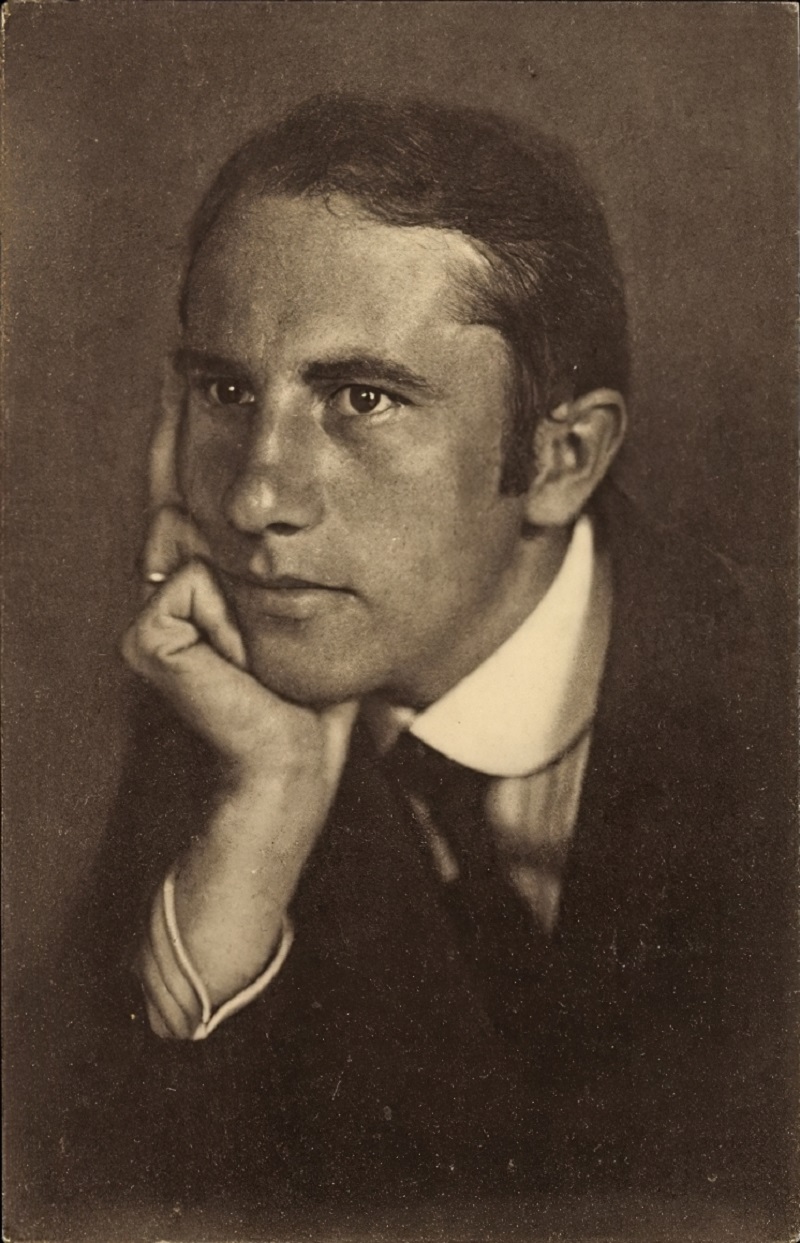
Heinrich Mathias Ernst Campendonk was a painter and graphic designer born in Germany who became a naturalized Dutch citizen.
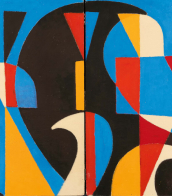





Enrico Prampolini was an Italian futurist painter and sculptor.
Enrico Prampolini published his manifesto Scenografia e coreografia futurista (Futuristic scenography and choreography) in 1915; in the same year he began working as a theatre artist and theatre costume designer.
In 1925 Enrico Prampolini was awarded an honorary diploma at the World Exhibition in Paris, the second most important award in the class of theatrical art.
When Mussolini came to power in Italy, Enrico Prampolini, like many other futurist artists, supported the new regime. In 1932 he, together with Gerardo Dottori and Mario Sironi, leads and implements in a futuristic style the decoration of the grandiose "Exhibition of the Fascist Revolution" (Mostra della Rivoluzione Fascista) in Rome.


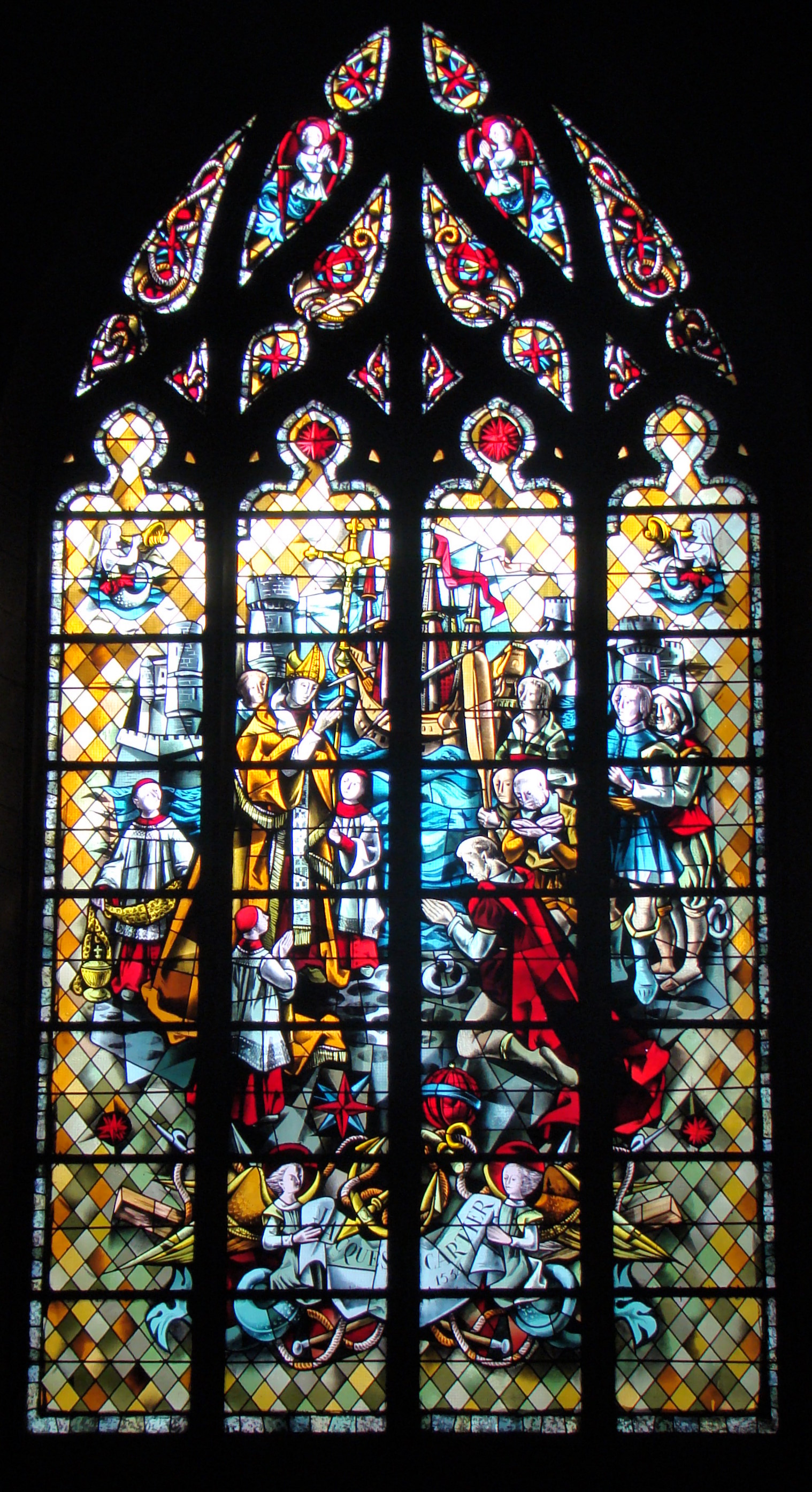
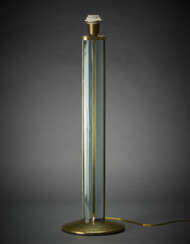
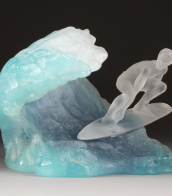
Maurice Max Ingrand, better known as Max Ingrand was a French artist and decorator, known for his work in studio glass and his stained glass windows.
Ingrand created numerous church stained glass windows during the late 1940s to 1960s. In the aftermath of World War II, he was tasked with replacing 47 of the stained glass windows destroyed at Notre-Dame de Paris.
Max Ingrand was noted for his modern designs.
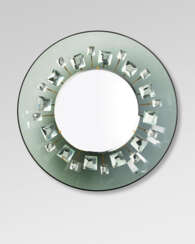

Maurice Max Ingrand, better known as Max Ingrand was a French artist and decorator, known for his work in studio glass and his stained glass windows.
Ingrand created numerous church stained glass windows during the late 1940s to 1960s. In the aftermath of World War II, he was tasked with replacing 47 of the stained glass windows destroyed at Notre-Dame de Paris.
Max Ingrand was noted for his modern designs.
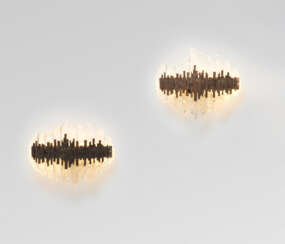

Maurice Max Ingrand, better known as Max Ingrand was a French artist and decorator, known for his work in studio glass and his stained glass windows.
Ingrand created numerous church stained glass windows during the late 1940s to 1960s. In the aftermath of World War II, he was tasked with replacing 47 of the stained glass windows destroyed at Notre-Dame de Paris.
Max Ingrand was noted for his modern designs.


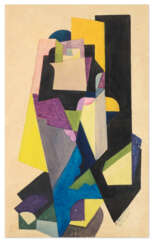

Enrico Prampolini was an Italian futurist painter and sculptor.
Enrico Prampolini published his manifesto Scenografia e coreografia futurista (Futuristic scenography and choreography) in 1915; in the same year he began working as a theatre artist and theatre costume designer.
In 1925 Enrico Prampolini was awarded an honorary diploma at the World Exhibition in Paris, the second most important award in the class of theatrical art.
When Mussolini came to power in Italy, Enrico Prampolini, like many other futurist artists, supported the new regime. In 1932 he, together with Gerardo Dottori and Mario Sironi, leads and implements in a futuristic style the decoration of the grandiose "Exhibition of the Fascist Revolution" (Mostra della Rivoluzione Fascista) in Rome.
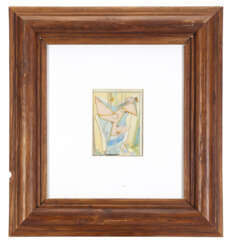

Enrico Prampolini was an Italian futurist painter and sculptor.
Enrico Prampolini published his manifesto Scenografia e coreografia futurista (Futuristic scenography and choreography) in 1915; in the same year he began working as a theatre artist and theatre costume designer.
In 1925 Enrico Prampolini was awarded an honorary diploma at the World Exhibition in Paris, the second most important award in the class of theatrical art.
When Mussolini came to power in Italy, Enrico Prampolini, like many other futurist artists, supported the new regime. In 1932 he, together with Gerardo Dottori and Mario Sironi, leads and implements in a futuristic style the decoration of the grandiose "Exhibition of the Fascist Revolution" (Mostra della Rivoluzione Fascista) in Rome.
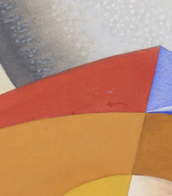



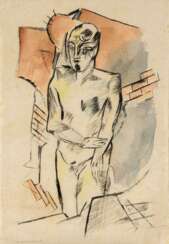

Heinrich Mathias Ernst Campendonk was a painter and graphic designer born in Germany who became a naturalized Dutch citizen.
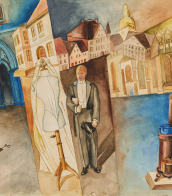






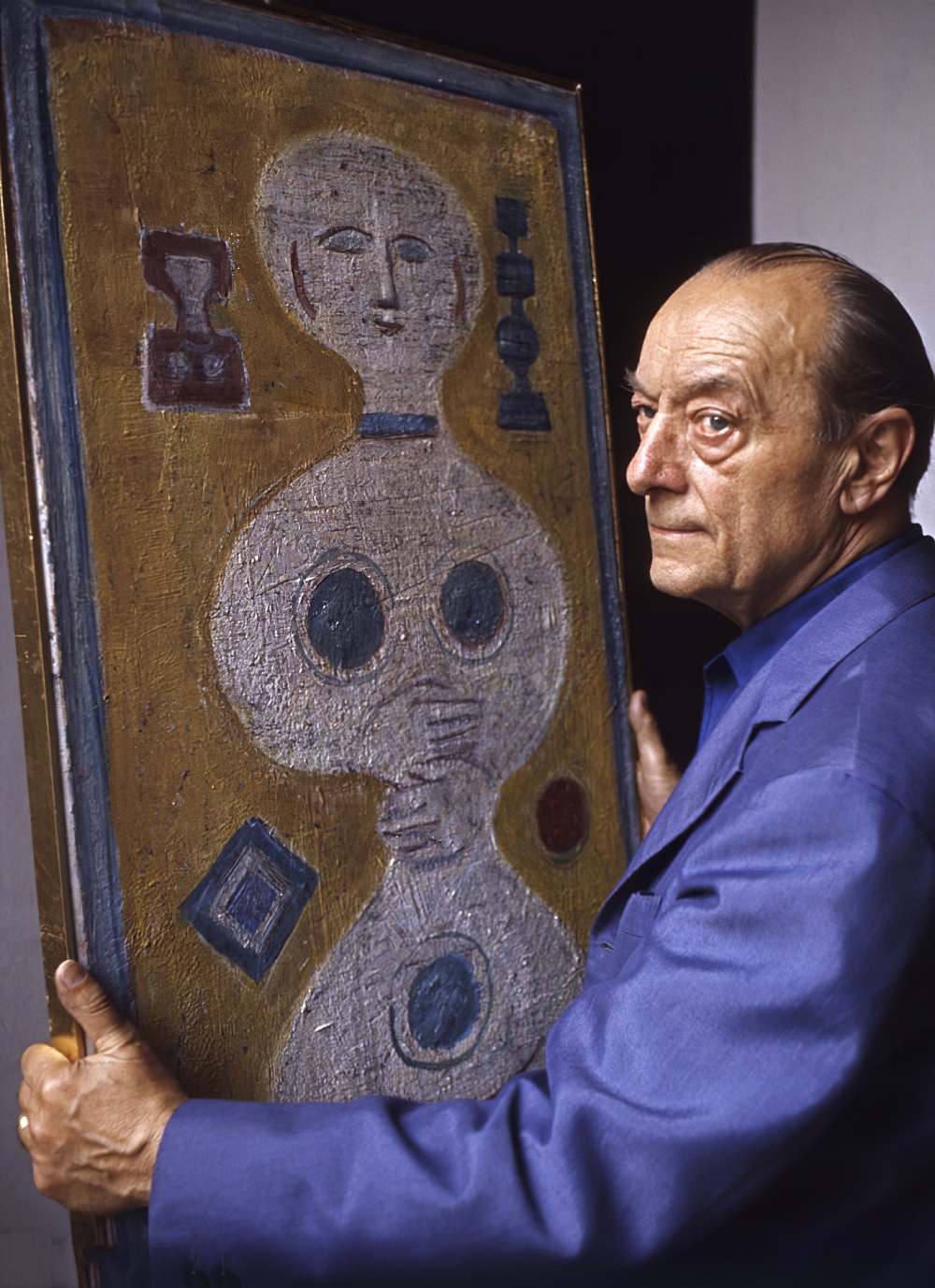
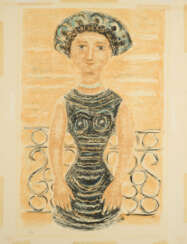
Massimo Campigli was an Italian painter and writer. He was studied art in Florence and Paris.
Campigli's art was heavily influenced by the Cubist and Surrealist movements, and his paintings often featured bold, geometric shapes and stylized figures. He was known for his use of bright colors and flat planes of color, which gave his work a sense of depth and dimension.
In addition to his art, Campigli was also a writer, and published several books and essays on art and literature throughout his career. He was a member of the Italian Communist Party, and his political beliefs often informed his work.
Campigli's art was widely exhibited throughout Europe and the United States during his lifetime, and he received numerous awards and honors for his contributions to the arts.
Today, Campigli is considered one of the most important Italian painters of the 20th century, and his work continues to be studied and exhibited around the world. His legacy has had a significant impact on the development of modern and contemporary art.