see


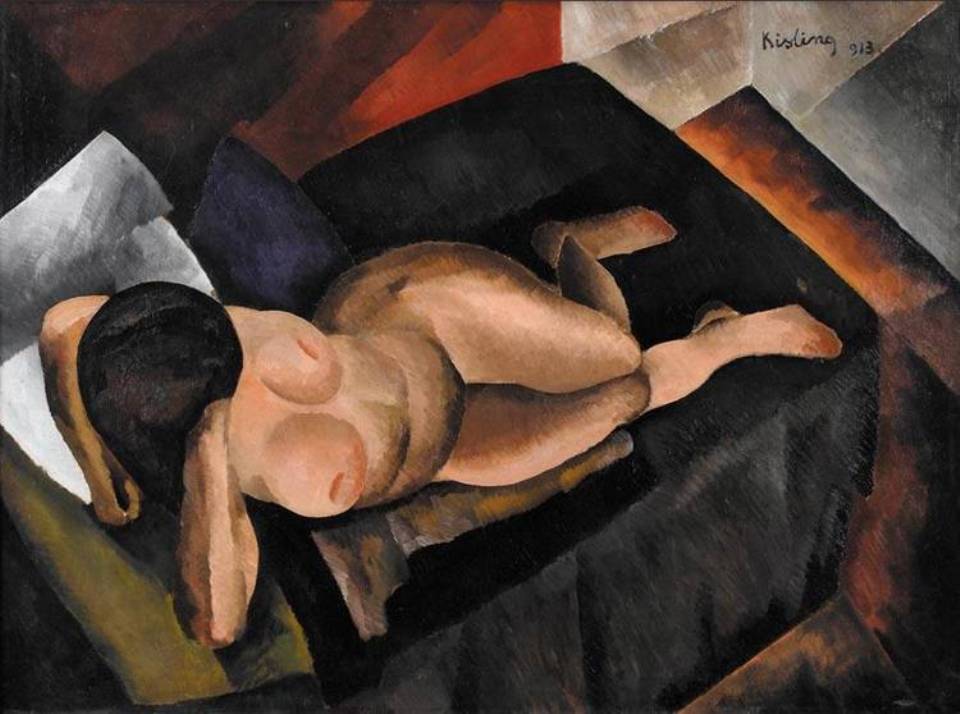
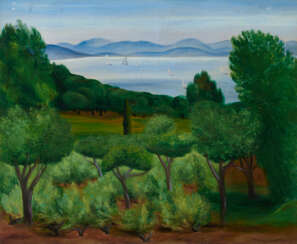
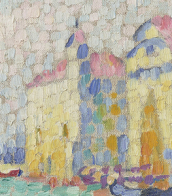
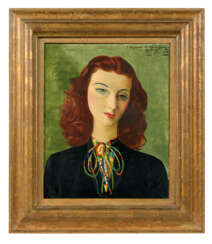
Moïse Kisling was a Polish-born French painter renowned for his contributions to modern art, particularly his highly stylized and evocative portraits. Born in Kraków in 1891, Kisling moved to Paris at the age of 19, quickly immersing himself in the vibrant artistic community of Montmartre and Montparnasse. His work, characterized by bold colors and dynamic compositions, spans a variety of themes, including landscapes, still lifes, and nudes, reflecting influences from Cubism and Post-Impressionism.
Kisling's artistry is celebrated for its unique blend of realism and abstraction, marked by a fluid, colorful style that evolved from his early influences, including Cezanne and Cubism. He was a central figure in the School of Paris, engaging with contemporaries such as Pablo Picasso, Georges Braque, and Amedeo Modigliani, the latter of whom he shared a close friendship and mutual artistic admiration. Modigliani's portraits of Kisling underscore their deep personal and professional bond. Notable works by Kisling include "La Sieste à Saint-Tropez," "Portrait du peintre (Autoportrait)," and "Le pêcheur," showcasing his versatility and skill in capturing the essence of his subjects.
During World War II, Kisling's Jewish heritage forced him to flee to the United States, where he continued to exhibit his work in New York City and California before returning to France after the war. His legacy is preserved in numerous public collections, including the Metropolitan Museum of Art, the National Gallery of Art, and the Brooklyn Museum, among others. This wide recognition attests to his significant impact on the development of modern art.
For collectors and experts in art and antiques, Kisling's work represents a pivotal intersection of cultural and artistic movements of the early 20th century. His paintings are not only visually stunning but also historically significant, embodying the spirit of an era marked by innovation and experimentation. The Musée du Petit Palais in Geneva holds a large collection of his works, offering a comprehensive overview of his artistic journey.
We invite enthusiasts and collectors to stay updated on new discoveries, sales, and auction events related to Moïse Kisling's work. Subscribing to updates ensures you won't miss the opportunity to engage with the rich legacy of this remarkable artist. This subscription is a gateway to exploring the vibrant world of Kisling's art, from his captivating portraits to his lush landscapes and still lifes, all of which continue to enchant and inspire.
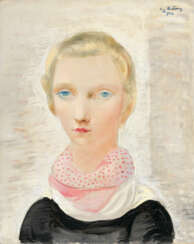

Moïse Kisling was a Polish-born French painter renowned for his contributions to modern art, particularly his highly stylized and evocative portraits. Born in Kraków in 1891, Kisling moved to Paris at the age of 19, quickly immersing himself in the vibrant artistic community of Montmartre and Montparnasse. His work, characterized by bold colors and dynamic compositions, spans a variety of themes, including landscapes, still lifes, and nudes, reflecting influences from Cubism and Post-Impressionism.
Kisling's artistry is celebrated for its unique blend of realism and abstraction, marked by a fluid, colorful style that evolved from his early influences, including Cezanne and Cubism. He was a central figure in the School of Paris, engaging with contemporaries such as Pablo Picasso, Georges Braque, and Amedeo Modigliani, the latter of whom he shared a close friendship and mutual artistic admiration. Modigliani's portraits of Kisling underscore their deep personal and professional bond. Notable works by Kisling include "La Sieste à Saint-Tropez," "Portrait du peintre (Autoportrait)," and "Le pêcheur," showcasing his versatility and skill in capturing the essence of his subjects.
During World War II, Kisling's Jewish heritage forced him to flee to the United States, where he continued to exhibit his work in New York City and California before returning to France after the war. His legacy is preserved in numerous public collections, including the Metropolitan Museum of Art, the National Gallery of Art, and the Brooklyn Museum, among others. This wide recognition attests to his significant impact on the development of modern art.
For collectors and experts in art and antiques, Kisling's work represents a pivotal intersection of cultural and artistic movements of the early 20th century. His paintings are not only visually stunning but also historically significant, embodying the spirit of an era marked by innovation and experimentation. The Musée du Petit Palais in Geneva holds a large collection of his works, offering a comprehensive overview of his artistic journey.
We invite enthusiasts and collectors to stay updated on new discoveries, sales, and auction events related to Moïse Kisling's work. Subscribing to updates ensures you won't miss the opportunity to engage with the rich legacy of this remarkable artist. This subscription is a gateway to exploring the vibrant world of Kisling's art, from his captivating portraits to his lush landscapes and still lifes, all of which continue to enchant and inspire.


Moïse Kisling was a Polish-born French painter renowned for his contributions to modern art, particularly his highly stylized and evocative portraits. Born in Kraków in 1891, Kisling moved to Paris at the age of 19, quickly immersing himself in the vibrant artistic community of Montmartre and Montparnasse. His work, characterized by bold colors and dynamic compositions, spans a variety of themes, including landscapes, still lifes, and nudes, reflecting influences from Cubism and Post-Impressionism.
Kisling's artistry is celebrated for its unique blend of realism and abstraction, marked by a fluid, colorful style that evolved from his early influences, including Cezanne and Cubism. He was a central figure in the School of Paris, engaging with contemporaries such as Pablo Picasso, Georges Braque, and Amedeo Modigliani, the latter of whom he shared a close friendship and mutual artistic admiration. Modigliani's portraits of Kisling underscore their deep personal and professional bond. Notable works by Kisling include "La Sieste à Saint-Tropez," "Portrait du peintre (Autoportrait)," and "Le pêcheur," showcasing his versatility and skill in capturing the essence of his subjects.
During World War II, Kisling's Jewish heritage forced him to flee to the United States, where he continued to exhibit his work in New York City and California before returning to France after the war. His legacy is preserved in numerous public collections, including the Metropolitan Museum of Art, the National Gallery of Art, and the Brooklyn Museum, among others. This wide recognition attests to his significant impact on the development of modern art.
For collectors and experts in art and antiques, Kisling's work represents a pivotal intersection of cultural and artistic movements of the early 20th century. His paintings are not only visually stunning but also historically significant, embodying the spirit of an era marked by innovation and experimentation. The Musée du Petit Palais in Geneva holds a large collection of his works, offering a comprehensive overview of his artistic journey.
We invite enthusiasts and collectors to stay updated on new discoveries, sales, and auction events related to Moïse Kisling's work. Subscribing to updates ensures you won't miss the opportunity to engage with the rich legacy of this remarkable artist. This subscription is a gateway to exploring the vibrant world of Kisling's art, from his captivating portraits to his lush landscapes and still lifes, all of which continue to enchant and inspire.

Moïse Kisling was a Polish-born French painter renowned for his contributions to modern art, particularly his highly stylized and evocative portraits. Born in Kraków in 1891, Kisling moved to Paris at the age of 19, quickly immersing himself in the vibrant artistic community of Montmartre and Montparnasse. His work, characterized by bold colors and dynamic compositions, spans a variety of themes, including landscapes, still lifes, and nudes, reflecting influences from Cubism and Post-Impressionism.
Kisling's artistry is celebrated for its unique blend of realism and abstraction, marked by a fluid, colorful style that evolved from his early influences, including Cezanne and Cubism. He was a central figure in the School of Paris, engaging with contemporaries such as Pablo Picasso, Georges Braque, and Amedeo Modigliani, the latter of whom he shared a close friendship and mutual artistic admiration. Modigliani's portraits of Kisling underscore their deep personal and professional bond. Notable works by Kisling include "La Sieste à Saint-Tropez," "Portrait du peintre (Autoportrait)," and "Le pêcheur," showcasing his versatility and skill in capturing the essence of his subjects.
During World War II, Kisling's Jewish heritage forced him to flee to the United States, where he continued to exhibit his work in New York City and California before returning to France after the war. His legacy is preserved in numerous public collections, including the Metropolitan Museum of Art, the National Gallery of Art, and the Brooklyn Museum, among others. This wide recognition attests to his significant impact on the development of modern art.
For collectors and experts in art and antiques, Kisling's work represents a pivotal intersection of cultural and artistic movements of the early 20th century. His paintings are not only visually stunning but also historically significant, embodying the spirit of an era marked by innovation and experimentation. The Musée du Petit Palais in Geneva holds a large collection of his works, offering a comprehensive overview of his artistic journey.
We invite enthusiasts and collectors to stay updated on new discoveries, sales, and auction events related to Moïse Kisling's work. Subscribing to updates ensures you won't miss the opportunity to engage with the rich legacy of this remarkable artist. This subscription is a gateway to exploring the vibrant world of Kisling's art, from his captivating portraits to his lush landscapes and still lifes, all of which continue to enchant and inspire.

Moïse Kisling was a Polish-born French painter renowned for his contributions to modern art, particularly his highly stylized and evocative portraits. Born in Kraków in 1891, Kisling moved to Paris at the age of 19, quickly immersing himself in the vibrant artistic community of Montmartre and Montparnasse. His work, characterized by bold colors and dynamic compositions, spans a variety of themes, including landscapes, still lifes, and nudes, reflecting influences from Cubism and Post-Impressionism.
Kisling's artistry is celebrated for its unique blend of realism and abstraction, marked by a fluid, colorful style that evolved from his early influences, including Cezanne and Cubism. He was a central figure in the School of Paris, engaging with contemporaries such as Pablo Picasso, Georges Braque, and Amedeo Modigliani, the latter of whom he shared a close friendship and mutual artistic admiration. Modigliani's portraits of Kisling underscore their deep personal and professional bond. Notable works by Kisling include "La Sieste à Saint-Tropez," "Portrait du peintre (Autoportrait)," and "Le pêcheur," showcasing his versatility and skill in capturing the essence of his subjects.
During World War II, Kisling's Jewish heritage forced him to flee to the United States, where he continued to exhibit his work in New York City and California before returning to France after the war. His legacy is preserved in numerous public collections, including the Metropolitan Museum of Art, the National Gallery of Art, and the Brooklyn Museum, among others. This wide recognition attests to his significant impact on the development of modern art.
For collectors and experts in art and antiques, Kisling's work represents a pivotal intersection of cultural and artistic movements of the early 20th century. His paintings are not only visually stunning but also historically significant, embodying the spirit of an era marked by innovation and experimentation. The Musée du Petit Palais in Geneva holds a large collection of his works, offering a comprehensive overview of his artistic journey.
We invite enthusiasts and collectors to stay updated on new discoveries, sales, and auction events related to Moïse Kisling's work. Subscribing to updates ensures you won't miss the opportunity to engage with the rich legacy of this remarkable artist. This subscription is a gateway to exploring the vibrant world of Kisling's art, from his captivating portraits to his lush landscapes and still lifes, all of which continue to enchant and inspire.
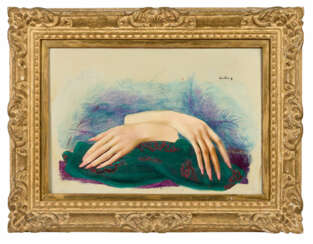

Moïse Kisling was a Polish-born French painter renowned for his contributions to modern art, particularly his highly stylized and evocative portraits. Born in Kraków in 1891, Kisling moved to Paris at the age of 19, quickly immersing himself in the vibrant artistic community of Montmartre and Montparnasse. His work, characterized by bold colors and dynamic compositions, spans a variety of themes, including landscapes, still lifes, and nudes, reflecting influences from Cubism and Post-Impressionism.
Kisling's artistry is celebrated for its unique blend of realism and abstraction, marked by a fluid, colorful style that evolved from his early influences, including Cezanne and Cubism. He was a central figure in the School of Paris, engaging with contemporaries such as Pablo Picasso, Georges Braque, and Amedeo Modigliani, the latter of whom he shared a close friendship and mutual artistic admiration. Modigliani's portraits of Kisling underscore their deep personal and professional bond. Notable works by Kisling include "La Sieste à Saint-Tropez," "Portrait du peintre (Autoportrait)," and "Le pêcheur," showcasing his versatility and skill in capturing the essence of his subjects.
During World War II, Kisling's Jewish heritage forced him to flee to the United States, where he continued to exhibit his work in New York City and California before returning to France after the war. His legacy is preserved in numerous public collections, including the Metropolitan Museum of Art, the National Gallery of Art, and the Brooklyn Museum, among others. This wide recognition attests to his significant impact on the development of modern art.
For collectors and experts in art and antiques, Kisling's work represents a pivotal intersection of cultural and artistic movements of the early 20th century. His paintings are not only visually stunning but also historically significant, embodying the spirit of an era marked by innovation and experimentation. The Musée du Petit Palais in Geneva holds a large collection of his works, offering a comprehensive overview of his artistic journey.
We invite enthusiasts and collectors to stay updated on new discoveries, sales, and auction events related to Moïse Kisling's work. Subscribing to updates ensures you won't miss the opportunity to engage with the rich legacy of this remarkable artist. This subscription is a gateway to exploring the vibrant world of Kisling's art, from his captivating portraits to his lush landscapes and still lifes, all of which continue to enchant and inspire.
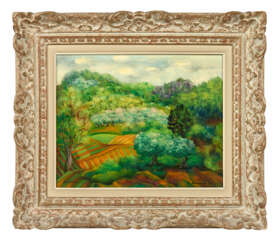

Moïse Kisling was a Polish-born French painter renowned for his contributions to modern art, particularly his highly stylized and evocative portraits. Born in Kraków in 1891, Kisling moved to Paris at the age of 19, quickly immersing himself in the vibrant artistic community of Montmartre and Montparnasse. His work, characterized by bold colors and dynamic compositions, spans a variety of themes, including landscapes, still lifes, and nudes, reflecting influences from Cubism and Post-Impressionism.
Kisling's artistry is celebrated for its unique blend of realism and abstraction, marked by a fluid, colorful style that evolved from his early influences, including Cezanne and Cubism. He was a central figure in the School of Paris, engaging with contemporaries such as Pablo Picasso, Georges Braque, and Amedeo Modigliani, the latter of whom he shared a close friendship and mutual artistic admiration. Modigliani's portraits of Kisling underscore their deep personal and professional bond. Notable works by Kisling include "La Sieste à Saint-Tropez," "Portrait du peintre (Autoportrait)," and "Le pêcheur," showcasing his versatility and skill in capturing the essence of his subjects.
During World War II, Kisling's Jewish heritage forced him to flee to the United States, where he continued to exhibit his work in New York City and California before returning to France after the war. His legacy is preserved in numerous public collections, including the Metropolitan Museum of Art, the National Gallery of Art, and the Brooklyn Museum, among others. This wide recognition attests to his significant impact on the development of modern art.
For collectors and experts in art and antiques, Kisling's work represents a pivotal intersection of cultural and artistic movements of the early 20th century. His paintings are not only visually stunning but also historically significant, embodying the spirit of an era marked by innovation and experimentation. The Musée du Petit Palais in Geneva holds a large collection of his works, offering a comprehensive overview of his artistic journey.
We invite enthusiasts and collectors to stay updated on new discoveries, sales, and auction events related to Moïse Kisling's work. Subscribing to updates ensures you won't miss the opportunity to engage with the rich legacy of this remarkable artist. This subscription is a gateway to exploring the vibrant world of Kisling's art, from his captivating portraits to his lush landscapes and still lifes, all of which continue to enchant and inspire.
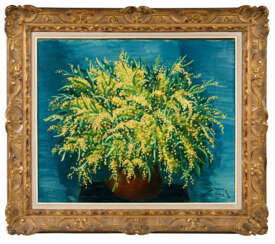

Moïse Kisling was a Polish-born French painter renowned for his contributions to modern art, particularly his highly stylized and evocative portraits. Born in Kraków in 1891, Kisling moved to Paris at the age of 19, quickly immersing himself in the vibrant artistic community of Montmartre and Montparnasse. His work, characterized by bold colors and dynamic compositions, spans a variety of themes, including landscapes, still lifes, and nudes, reflecting influences from Cubism and Post-Impressionism.
Kisling's artistry is celebrated for its unique blend of realism and abstraction, marked by a fluid, colorful style that evolved from his early influences, including Cezanne and Cubism. He was a central figure in the School of Paris, engaging with contemporaries such as Pablo Picasso, Georges Braque, and Amedeo Modigliani, the latter of whom he shared a close friendship and mutual artistic admiration. Modigliani's portraits of Kisling underscore their deep personal and professional bond. Notable works by Kisling include "La Sieste à Saint-Tropez," "Portrait du peintre (Autoportrait)," and "Le pêcheur," showcasing his versatility and skill in capturing the essence of his subjects.
During World War II, Kisling's Jewish heritage forced him to flee to the United States, where he continued to exhibit his work in New York City and California before returning to France after the war. His legacy is preserved in numerous public collections, including the Metropolitan Museum of Art, the National Gallery of Art, and the Brooklyn Museum, among others. This wide recognition attests to his significant impact on the development of modern art.
For collectors and experts in art and antiques, Kisling's work represents a pivotal intersection of cultural and artistic movements of the early 20th century. His paintings are not only visually stunning but also historically significant, embodying the spirit of an era marked by innovation and experimentation. The Musée du Petit Palais in Geneva holds a large collection of his works, offering a comprehensive overview of his artistic journey.
We invite enthusiasts and collectors to stay updated on new discoveries, sales, and auction events related to Moïse Kisling's work. Subscribing to updates ensures you won't miss the opportunity to engage with the rich legacy of this remarkable artist. This subscription is a gateway to exploring the vibrant world of Kisling's art, from his captivating portraits to his lush landscapes and still lifes, all of which continue to enchant and inspire.


Moïse Kisling was a Polish-born French painter renowned for his contributions to modern art, particularly his highly stylized and evocative portraits. Born in Kraków in 1891, Kisling moved to Paris at the age of 19, quickly immersing himself in the vibrant artistic community of Montmartre and Montparnasse. His work, characterized by bold colors and dynamic compositions, spans a variety of themes, including landscapes, still lifes, and nudes, reflecting influences from Cubism and Post-Impressionism.
Kisling's artistry is celebrated for its unique blend of realism and abstraction, marked by a fluid, colorful style that evolved from his early influences, including Cezanne and Cubism. He was a central figure in the School of Paris, engaging with contemporaries such as Pablo Picasso, Georges Braque, and Amedeo Modigliani, the latter of whom he shared a close friendship and mutual artistic admiration. Modigliani's portraits of Kisling underscore their deep personal and professional bond. Notable works by Kisling include "La Sieste à Saint-Tropez," "Portrait du peintre (Autoportrait)," and "Le pêcheur," showcasing his versatility and skill in capturing the essence of his subjects.
During World War II, Kisling's Jewish heritage forced him to flee to the United States, where he continued to exhibit his work in New York City and California before returning to France after the war. His legacy is preserved in numerous public collections, including the Metropolitan Museum of Art, the National Gallery of Art, and the Brooklyn Museum, among others. This wide recognition attests to his significant impact on the development of modern art.
For collectors and experts in art and antiques, Kisling's work represents a pivotal intersection of cultural and artistic movements of the early 20th century. His paintings are not only visually stunning but also historically significant, embodying the spirit of an era marked by innovation and experimentation. The Musée du Petit Palais in Geneva holds a large collection of his works, offering a comprehensive overview of his artistic journey.
We invite enthusiasts and collectors to stay updated on new discoveries, sales, and auction events related to Moïse Kisling's work. Subscribing to updates ensures you won't miss the opportunity to engage with the rich legacy of this remarkable artist. This subscription is a gateway to exploring the vibrant world of Kisling's art, from his captivating portraits to his lush landscapes and still lifes, all of which continue to enchant and inspire.
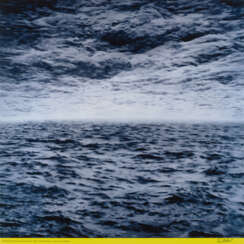

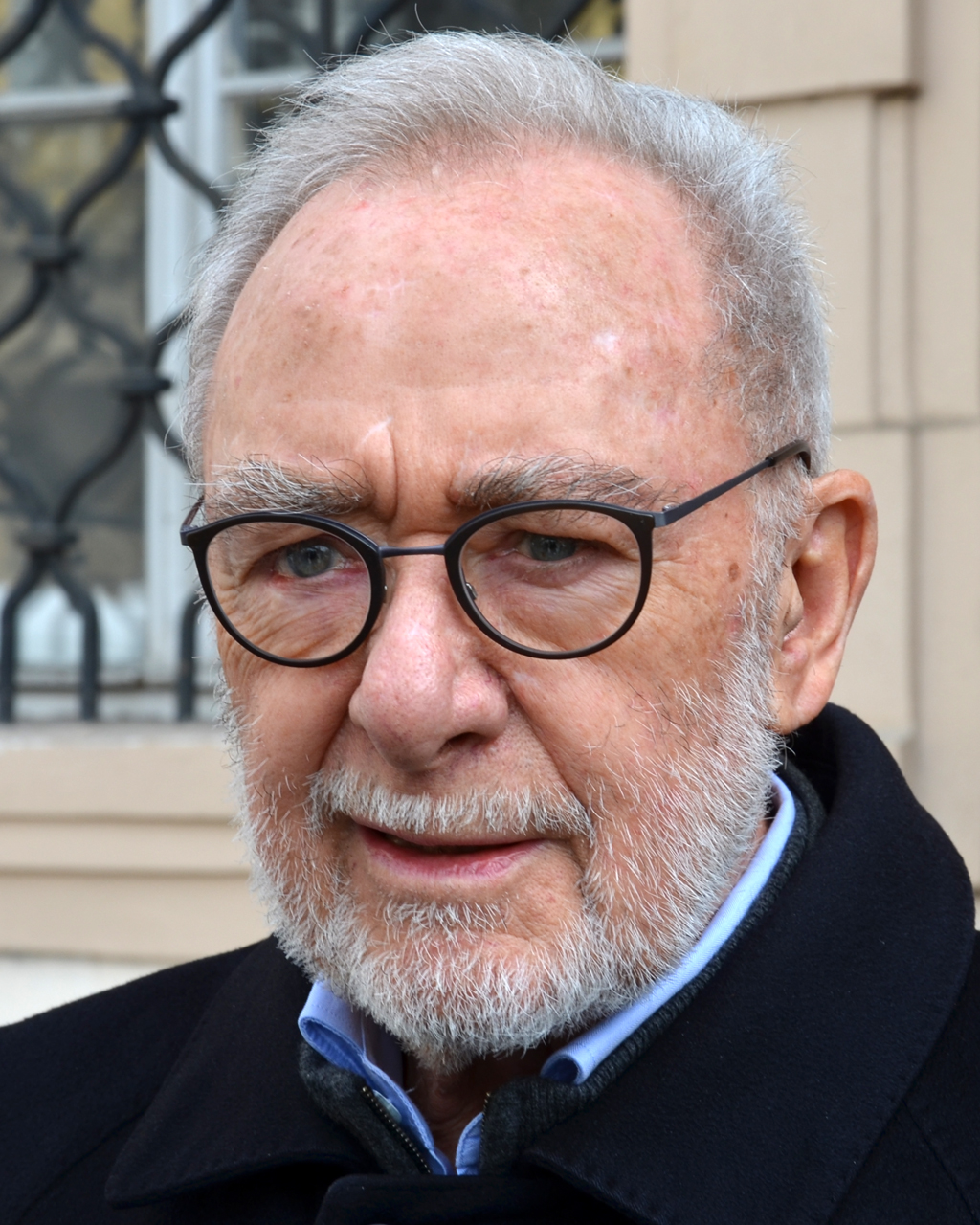
Gerhard Richter is a German visual artist. Richter has produced abstract as well as photorealistic paintings, and also photographs and glass pieces. He is widely regarded as one of the most important contemporary German artists and several of his works have set record prices at auction.

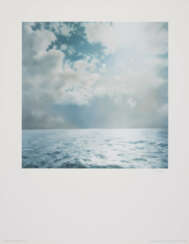

Gerhard Richter is a German visual artist. Richter has produced abstract as well as photorealistic paintings, and also photographs and glass pieces. He is widely regarded as one of the most important contemporary German artists and several of his works have set record prices at auction.


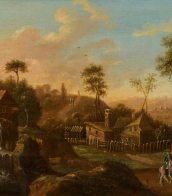
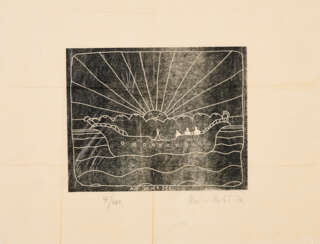

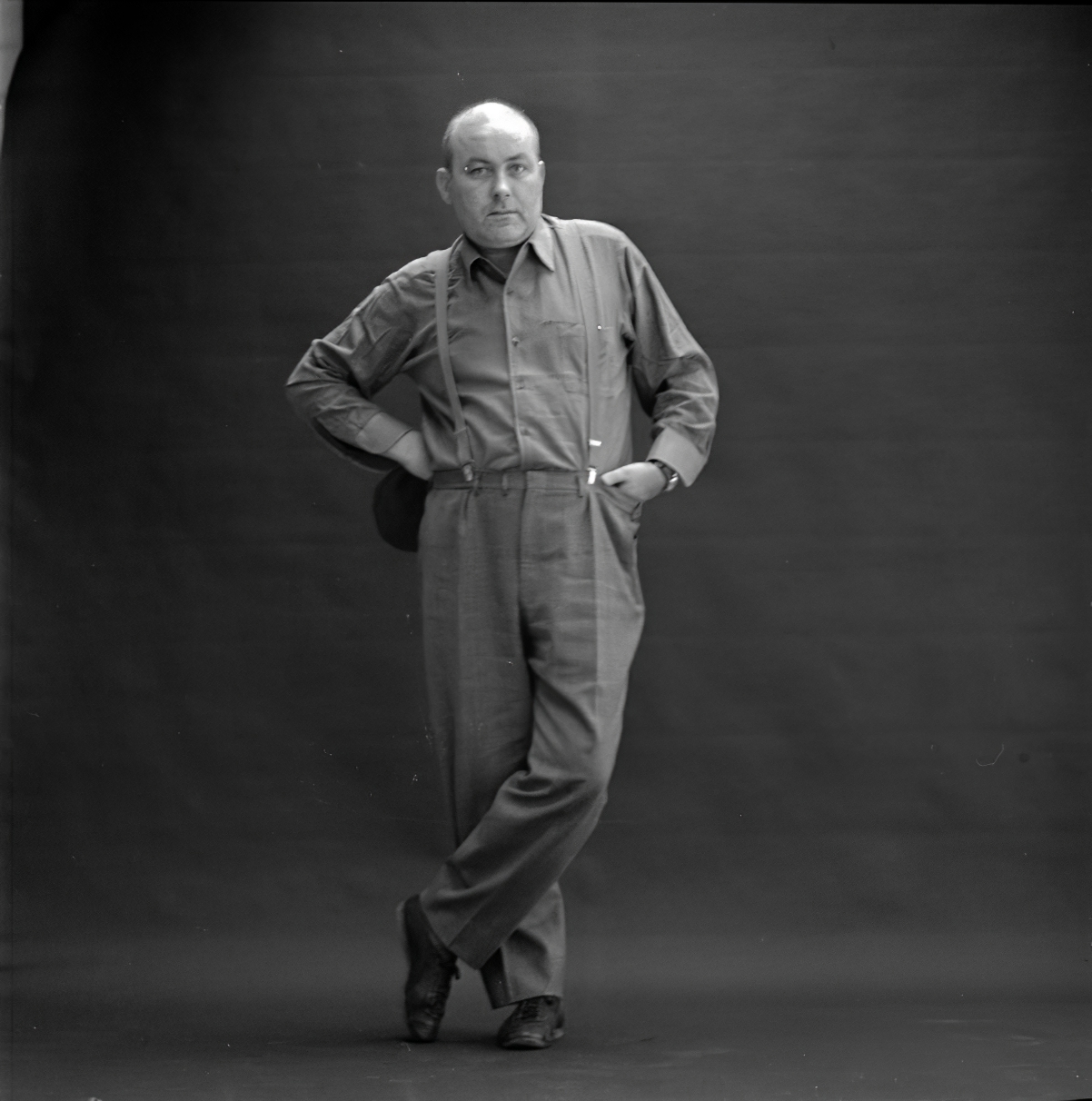
Karl-Dietrich Roth was a Swiss artist best known for his artist's books, editioned prints, sculptures, and works made of found materials, including rotting food stuffs.
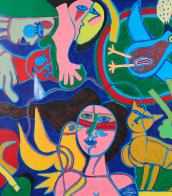




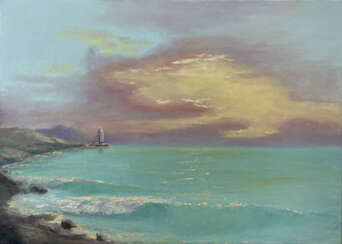



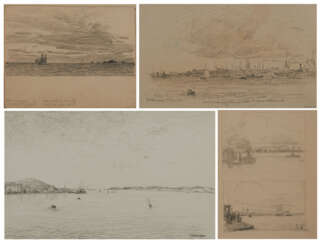

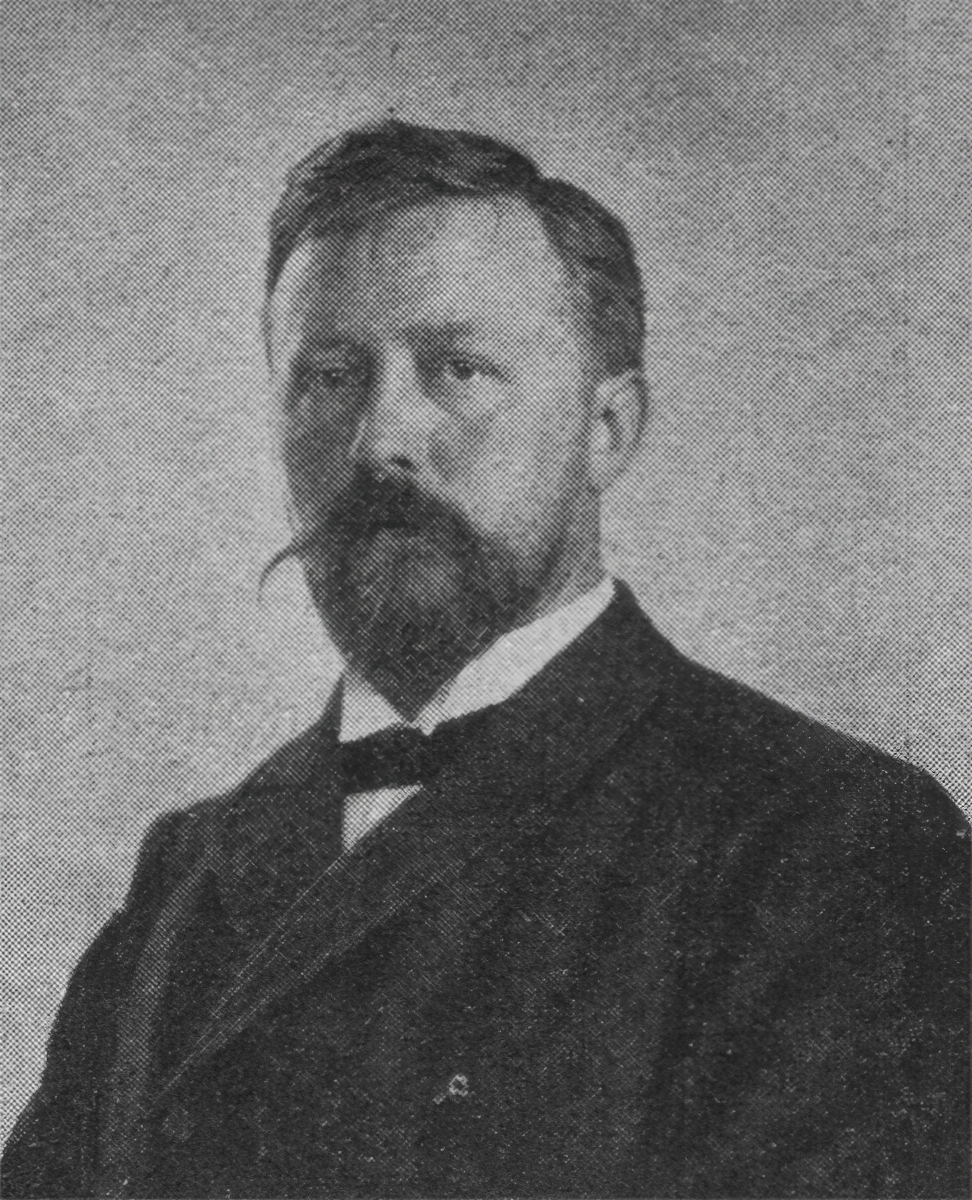
Friedrich Kallmorgen was a German Impressionist painter who specialized in landscapes and cityscapes.
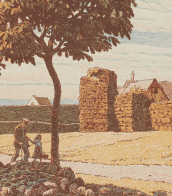


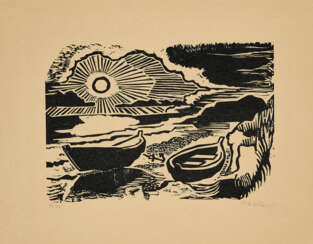

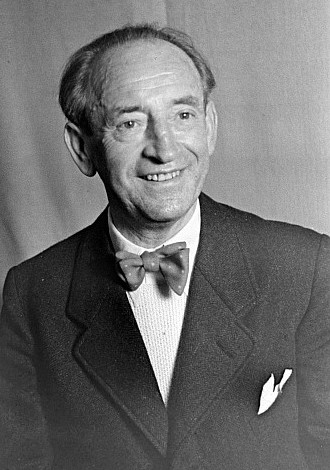
Max Pechstein, a German Expressionist painter and printmaker, was a significant figure in the art world known for his vibrant use of color and dynamic compositions. Born in Zwickau in 1881, Pechstein's journey into the realms of expressionism began with his training as a decorator's apprentice before moving to Dresden to further his studies at the Kunstgewerbeschule. His career took a pivotal turn in 1906 when he met Erich Heckel and joined the Die Brücke group, alongside other notable artists such as Ernst Ludwig Kirchner and Karl Schmidt-Rottluff, which marked the beginning of his foray into revolutionary art and expressionism.
Pechstein's art was not just confined to painting; he was also a master printmaker, with a prolific output that included 421 lithographs, 315 woodcuts and linocuts, and 165 intaglio prints, predominantly etchings. His works often depicted scenes from nature, social gatherings, and elements of primitive art, reflecting his interest in the raw and unrefined aspects of culture and humanity. This diverse body of work was recognized for its bold innovation and unique perspective, which significantly contributed to the expressionist movement.
The Nazis' rise to power in 1933 had a profound impact on Pechstein's career. His works were deemed degenerate, and he faced severe repression, including the removal of 326 of his paintings from German museums and his dismissal from his teaching position at the Preussische Akademie der Künste. Despite these challenges, Pechstein's legacy endured, and after World War II, he was reinstated to his teaching post and received numerous accolades for his contributions to art.
Pechstein's works are held in high esteem in museums and galleries worldwide. Notably, his etchings, which depicted the grim realities of war, are housed in the Imperial War Museum in London, showcasing his ability to convey profound emotional and psychological experiences through art. Additionally, his painting "Summer in Nidden," which captures the idyllic beauty of the Baltic coast, is part of the collection at the Museo Nacional Thyssen-Bornemisza in Madrid, illustrating his love for natural landscapes and vibrant, expressive use of color.
For collectors and experts in art and antiques, Hermann Max Pechstein's works offer a fascinating glimpse into the early 20th-century expressionist movement, characterized by a bold exploration of color, form, and social commentary. His contributions to modern art are invaluable, providing insight into the cultural and historical context of his time.
To stay informed about new product sales and auction events related to Hermann Max Pechstein, we invite you to sign up for updates. This subscription will ensure that you are the first to know about opportunities to acquire works by this influential artist, allowing you to add to your collection of significant expressionist art.
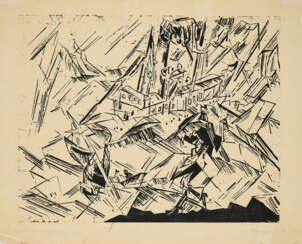

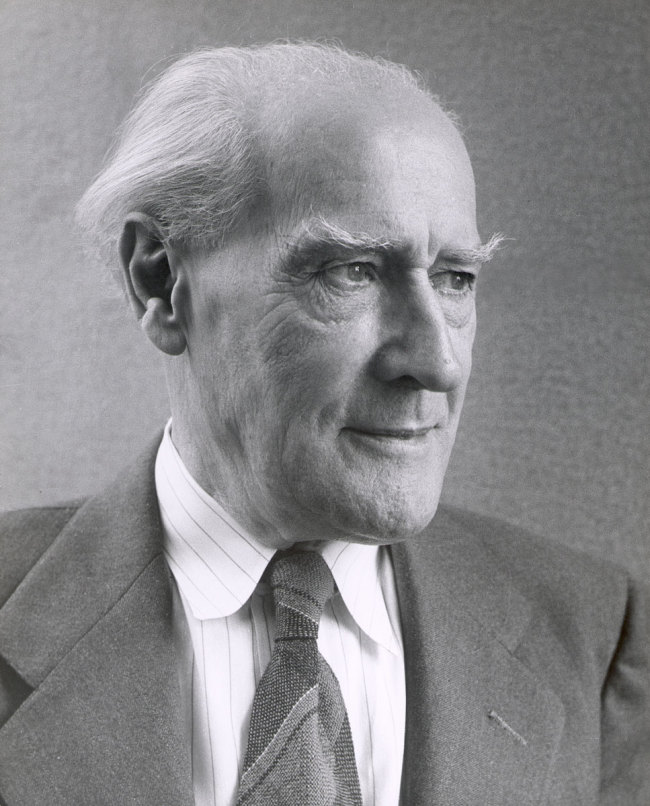
Lyonel Charles Adrian Feininger was an American-German artist renowned for his unique integration of Expressionism, Cubism, and Bauhaus principles. His body of work, which spans several critical decades in modernism's development, is celebrated for its distinctive blend of architectural and nautical motifs, articulated through planar shifts and jagged lines of Cubism, with a vibrant Orphist color palette.
Lyonel Feininger's journey as an artist began in earnest when he was 36, becoming a pivotal figure in various German expressionist groups and a founding member of the Bauhaus, where he led the printmaking workshop. His art, which also includes significant contributions to caricature and photography, explores the intricate relationship between humanity and industrialization, evident in his depictions of architectural and mechanized forms.
His work was subject to Nazi criticism, being labeled as "degenerate," which led to his return to the United States, where he continued to evolve his artistic style. Posthumously, Lyonel Feininger's art has been the focus of several retrospectives, and his pieces, like "Jesuits III," continue to fetch high figures at auctions, underscoring his lasting impact on the art world.
Notably, Lyonel Feininger's "Cathedral" woodcut, representing the Bauhaus's utopian vision, remains one of his most iconic works, symbolizing the integration of art and craftsmanship with its avant-garde yet traditional approach. His legacy is further carried by his sons, Andreas and T. Lux Feininger, who also made their marks in the arts.
For collectors and art and antiques experts, Feininger's work represents a fascinating intersection of various art movements and a testament to the enduring nature of expressive and innovative artistry. To stay updated on new product sales and auction events related to Lyonel Feininger, consider signing up for updates, ensuring you're informed about the latest opportunities to engage with his enduring legacy.
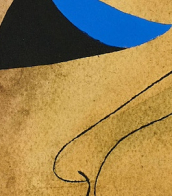
Gerhard Richter is a German visual artist. Richter has produced abstract as well as photorealistic paintings, and also photographs and glass pieces. He is widely regarded as one of the most important contemporary German artists and several of his works have set record prices at auction.



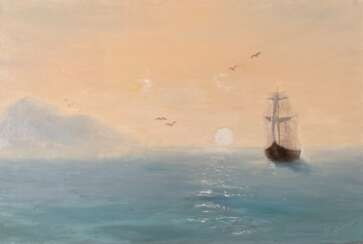

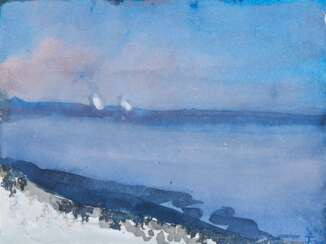

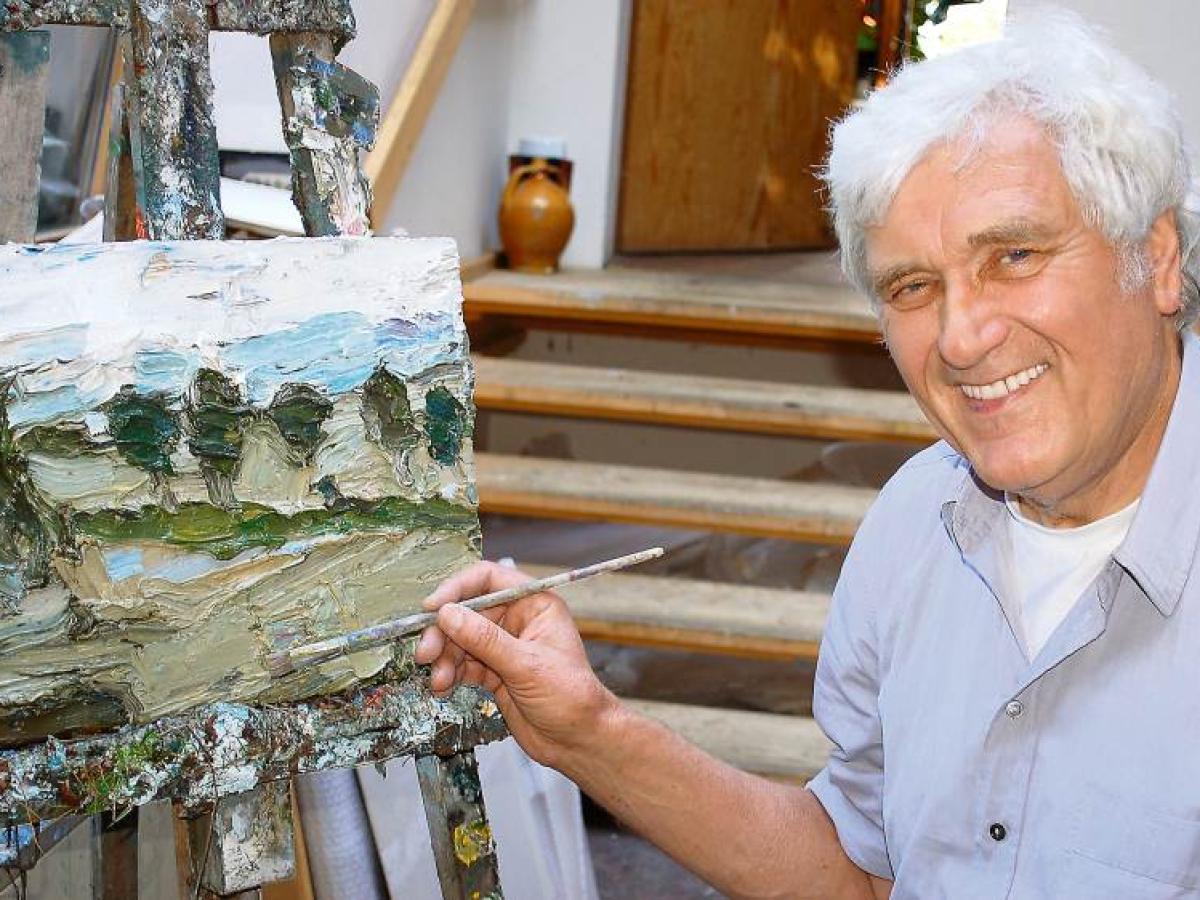
Klaus Fußmann is a contemporary German painter. He studied from 1957 to 1961 at the Folkwang University of the Arts in Essen and from 1962 to 1966 at the Berlin University of the Arts. From 1974 to 2005, he was a professor at the Berlin University of the Arts. His work has won several awards, such as the Villa Romana prize in 1972 and the Art Award of Darmstadt in 1979. Major presentations of his work include exhibitions at the Neue Nationalgalerie in Berlin, 1972; the Mathildenhöhe in Darmstadt, 1982; the Kunsthalle Emden, 1988; the Kunsthalle Bremen, 1992; and the Museum Ostwall in Dortmund, 2003. In 2005 Fußmann completed a monumental ceiling painting in the Mirror Hall of the Museum für Kunst und Gewerbe Hamburg.
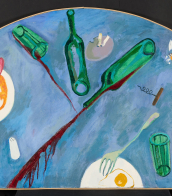
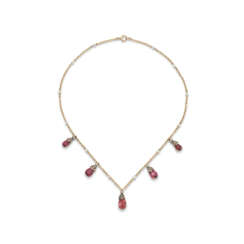

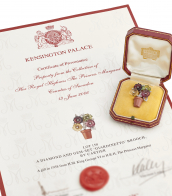
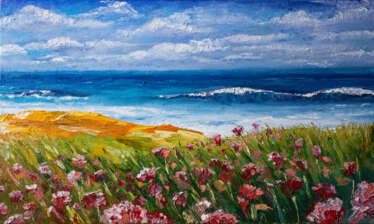



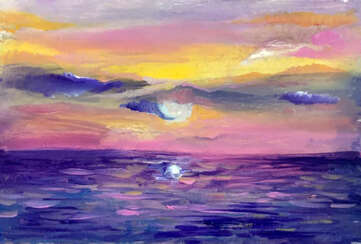


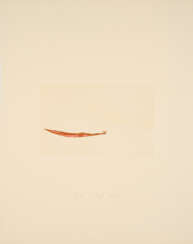

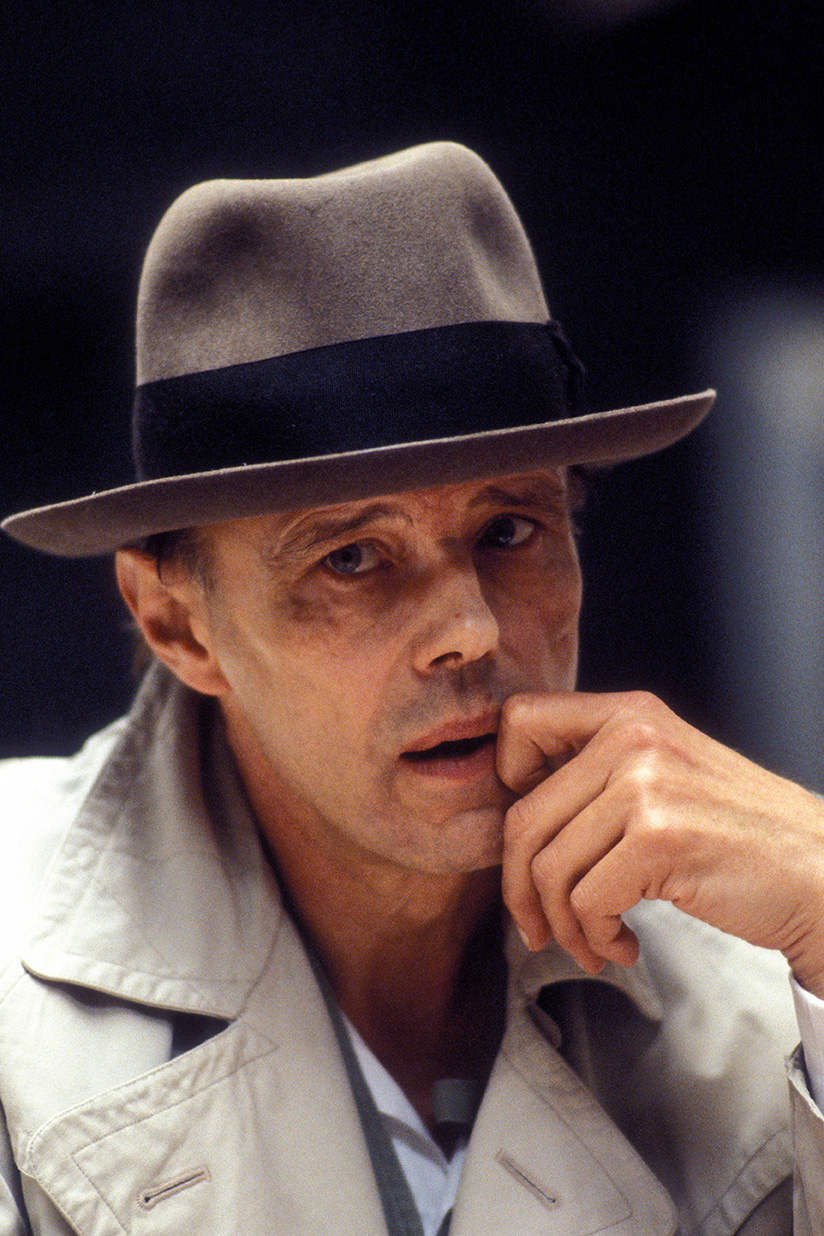
Joseph Heinrich Beuys was a German artist, renowned for his significant contributions to the realms of sculpture, painting, and installation art, which have left a lasting impact on the culture and art world. His work transcended traditional boundaries, merging art with social theory and politics, thus redefining the role of the artist in society. Beuys's unique approach to materials, incorporating substances like fat and felt, symbolized healing and insulation, reflecting his broader philosophical and ecological concerns.
Beuys's art was deeply influenced by his experiences during World War II and his academic background in natural sciences and sculpture. His concept of "social sculpture" proposed that art could transform society, emphasizing creativity as a fundamental component of human existence. This vision led him to use his performances, or "actions," as a medium to communicate his ideas, making him a pivotal figure in the Fluxus movement. Notable works such as "How to Explain Pictures to a Dead Hare" and "7000 Oaks" exemplify his innovative use of performance and environmental art to engage and challenge the public.
His legacy is preserved in major museums and galleries worldwide, including the Museum of Modern Art in New York and the Tate Modern in London. These institutions house key pieces that exemplify Beuys's diverse artistic output, from his early drawings and sculptures to his later installations and public interventions. His influence extends beyond the art world, impacting environmental activism and educational reform, underscoring his belief in the transformative power of art.
For collectors and experts in art and antiques, Joseph Heinrich Beuys remains a figure of immense interest, not only for his groundbreaking artworks but also for his profound impact on contemporary art theory and practice. To stay informed about new product sales and auction events related to Beuys, we invite you to sign up for updates. This subscription ensures you are always in the loop regarding opportunities to engage with the enduring legacy of one of the most influential artists of the 20th century.
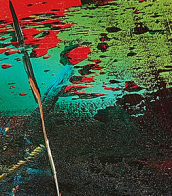


Joseph Heinrich Beuys was a German artist, renowned for his significant contributions to the realms of sculpture, painting, and installation art, which have left a lasting impact on the culture and art world. His work transcended traditional boundaries, merging art with social theory and politics, thus redefining the role of the artist in society. Beuys's unique approach to materials, incorporating substances like fat and felt, symbolized healing and insulation, reflecting his broader philosophical and ecological concerns.
Beuys's art was deeply influenced by his experiences during World War II and his academic background in natural sciences and sculpture. His concept of "social sculpture" proposed that art could transform society, emphasizing creativity as a fundamental component of human existence. This vision led him to use his performances, or "actions," as a medium to communicate his ideas, making him a pivotal figure in the Fluxus movement. Notable works such as "How to Explain Pictures to a Dead Hare" and "7000 Oaks" exemplify his innovative use of performance and environmental art to engage and challenge the public.
His legacy is preserved in major museums and galleries worldwide, including the Museum of Modern Art in New York and the Tate Modern in London. These institutions house key pieces that exemplify Beuys's diverse artistic output, from his early drawings and sculptures to his later installations and public interventions. His influence extends beyond the art world, impacting environmental activism and educational reform, underscoring his belief in the transformative power of art.
For collectors and experts in art and antiques, Joseph Heinrich Beuys remains a figure of immense interest, not only for his groundbreaking artworks but also for his profound impact on contemporary art theory and practice. To stay informed about new product sales and auction events related to Beuys, we invite you to sign up for updates. This subscription ensures you are always in the loop regarding opportunities to engage with the enduring legacy of one of the most influential artists of the 20th century.
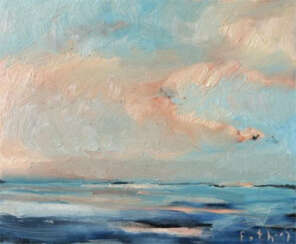

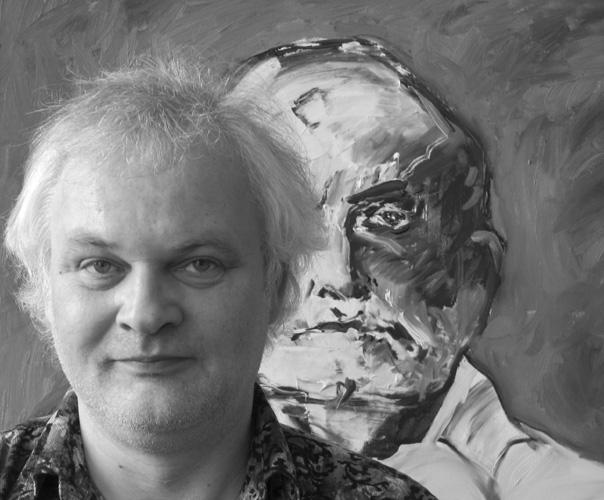
Detlev James Foth is a German painter. He studied free painting at the Düsseldorf Art Academy from 1979 to 1985. During the second semester his first solo exhibition took place at the Galeria de Arte Sala Goya in Palma de Mallorca, Spain. In 2001 he received an invitation from the Foreign Office in Berlin to hold a solo exhibition at the German Business Club in São Paulo, Brazil. He was the first German artist to have a solo exhibition at the Portuguese Cultural Institute (Instituto Camões) in Luanda, Angola. In 2012 the painter had, among other things, a solo exhibition at the Arthropologie Gallery, Cairo, Egypt. His works can be found in private collections and in public spaces. In addition to painting, Detlev Foth deals with literature and has published numerous plays, novels, short stories and poems.