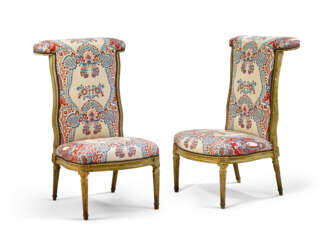
val d&amp
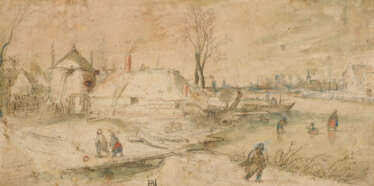

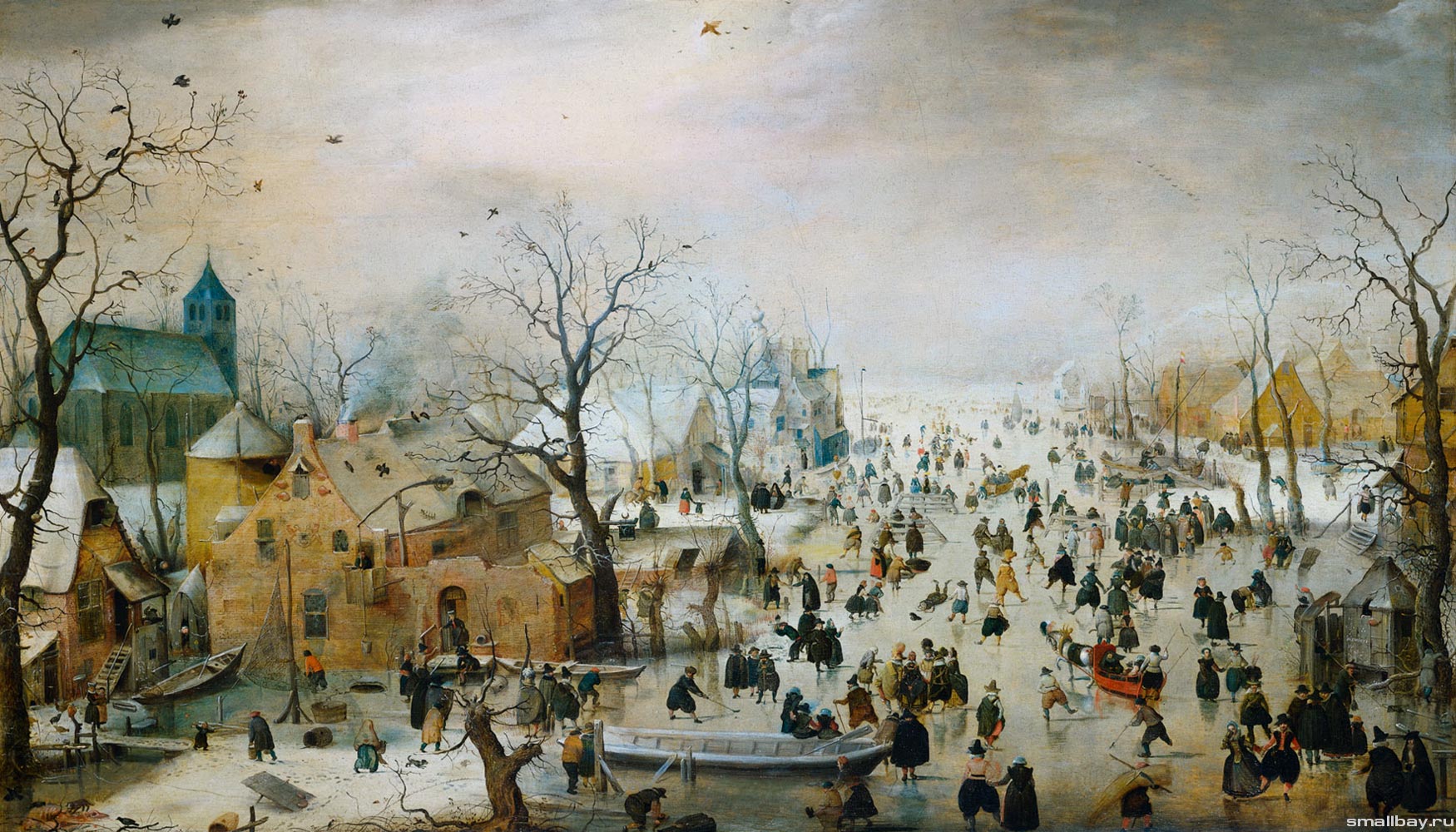
Hendrick Avercamp was a seminal Dutch painter during the Dutch Golden Age. He is celebrated as one of the earliest landscape painters of the 17th-century Dutch school, specializing in vibrant winter scenes of the Netherlands. His paintings are filled with colorful and lively depictions of people engaging in various activities against the backdrop of the Dutch winter landscape.
Educated by the Danish-born portrait painter Pieter Isaacsz, Hendrick Avercamp's work reflects a strong influence from the Flemish painting tradition, especially evident in the landscapes reminiscent of Pieter Bruegel the Elder. His technique of aerial perspective, where objects in the foreground are painted with richer colors than those in the distance, creates a remarkable impression of depth in his paintings.
Hendrick Avercamp's most ambitious and acclaimed work, 'Winter Landscape with Ice Skaters', painted around 1608, is a detailed panorama of human and animal activities during a harsh winter. This painting, along with others like 'Winter Landscape with a Frozen River and Figures' and 'Winter Landscape with Skates and People Playing Golf', showcase his knack for narrative, capturing various facets of 17th-century Dutch society enjoying the winter season.
Despite being mute and probably deaf, Hendrick Avercamp's keen observation skills are evident in his works, where he intricately portrays diverse classes engaging in various winter activities. He produced about a hundred paintings, many of which can be seen in the Rijksmuseum in Amsterdam and the Mauritshuis in The Hague. His work was also celebrated for its historical quality, providing a glimpse into the life of different societal levels in the Netherlands at that time.
For collectors and enthusiasts of art and antiques, Hendrick Avercamp's paintings offer a fascinating window into the Dutch Golden Age, with their vivid portrayal of life and activities in a winter setting. His works, characterized by meticulous detail and a cheerful narrative, remain an integral part of the conversation in the history of Dutch art.
To stay updated on the latest insights and collections related to Hendrick Avercamp's works, consider subscribing to our updates. Stay informed about new sales, exhibitions, and auction events featuring this master of Dutch winter landscapes.
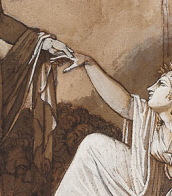


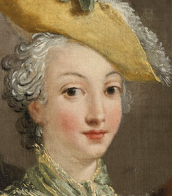


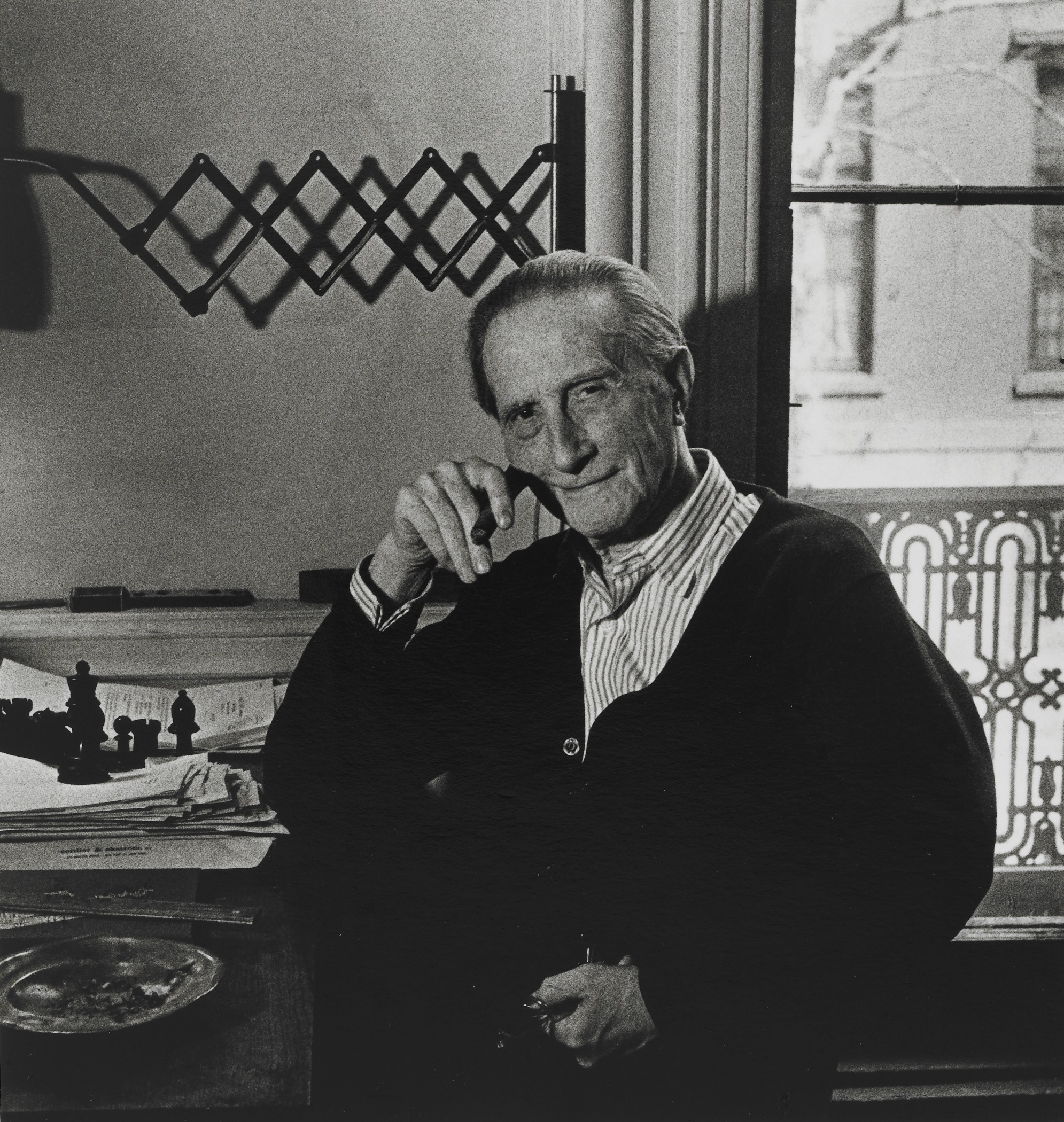
Henri-Robert-Marcel Duchamp, a pioneering French artist, is celebrated for his profound influence on 20th-century art and culture. Duchamp's work transcended traditional mediums, embracing painting, sculpture, and conceptual art, thereby redefining the very nature of artistic creation. His audacious approach to art, marked by intellectualism and wit, challenged conventional perceptions of beauty and utility, making him a central figure in the development of modern and postmodern art.
Duchamp's most notable contributions include his ready-mades—ordinary manufactured objects that he selected and presented as art. This innovative concept questioned the role of the artist and the creation process, exemplified by his famous piece, "Fountain," a porcelain urinal that radically altered the landscape of art by its mere presentation in 1917. His other significant works, like "Nude Descending a Staircase, No. 2," showcased his fascination with movement and mechanization, further cementing his legacy as a visionary.
Duchamp's influence extends beyond his creations, as he played a vital role in shaping the Dada movement and conceptual art. His ideas and artworks continue to inspire artists, collectors, and experts in the fields of art and antiques. Museums and galleries worldwide, including the Philadelphia Museum of Art and the Museum of Modern Art in New York, proudly house his works, attesting to his enduring relevance.
For those keen on exploring the intersections of art, culture, and history, Duchamp offers a rich tapestry of innovation and controversy. Collectors and art enthusiasts are invited to sign up for updates on new product sales and auction events related to Henri-Robert-Marcel Duchamp, ensuring they remain at the forefront of developments in this captivating domain.

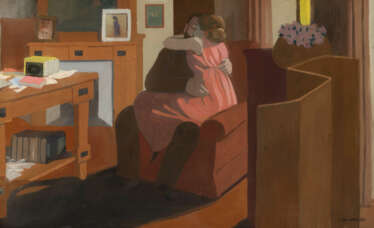

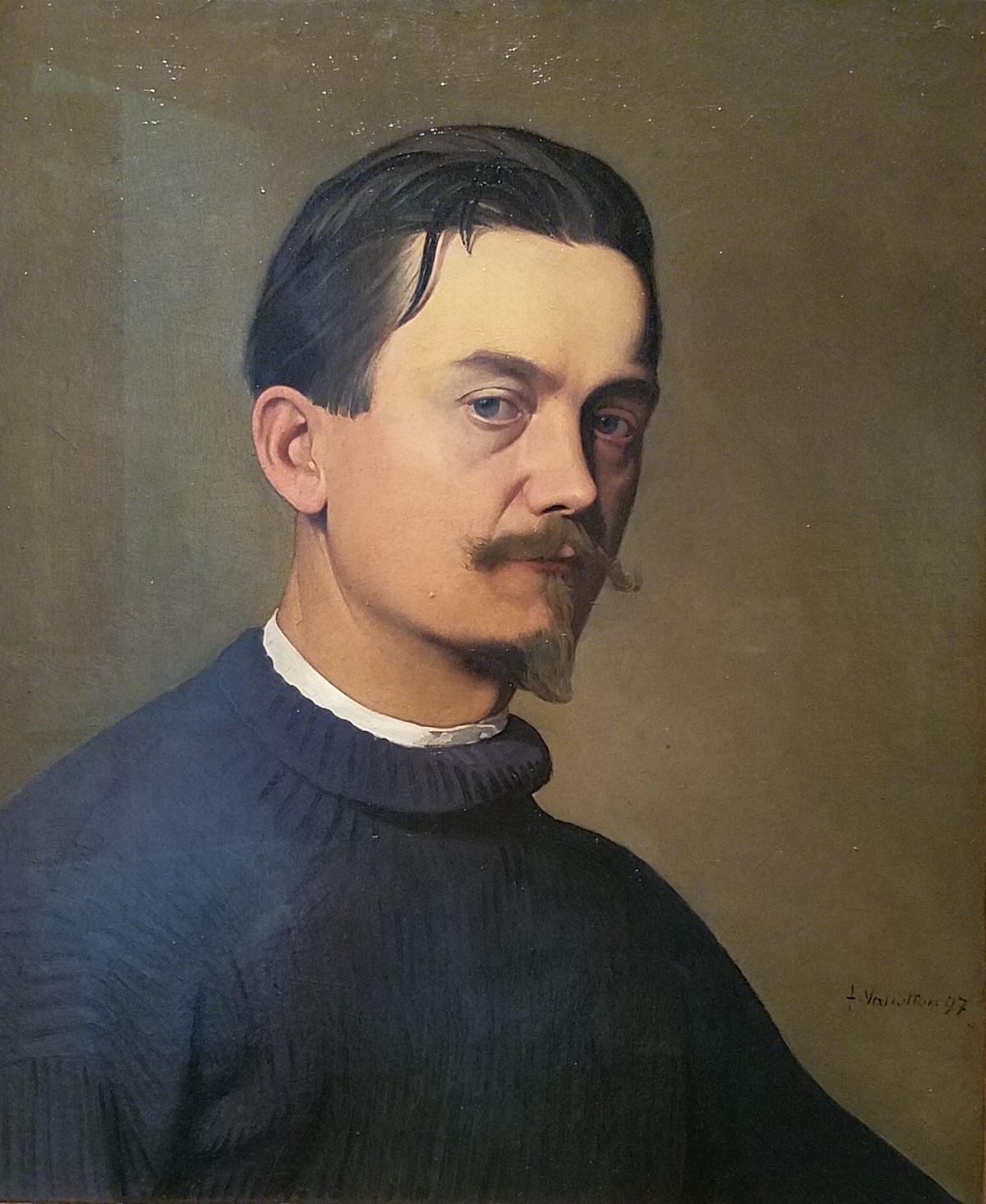
Félix Vallotton, a Swiss-born French graphic artist and painter, is recognized for his distinctive woodcuts and paintings of nudes and interiors. Vallotton's journey into art began in Paris, where he attended the Académie Julian, fostering a unique style that broke from traditional norms. His early works, characterized by extreme realism, were showcased at the Salon des Artistes Français and the Paris Universal Exposition of 1889. This period also marked Vallotton's encounter with Japanese prints, notably those by Hokusai, profoundly influencing his artistic direction.
In 1892, Vallotton joined Les Nabis, a group of avant-garde artists including Pierre Bonnard, Maurice Denis, and Édouard Vuillard, which led to a significant evolution in his style. His paintings from this era, such as "Bathers on a Summer Evening" and "Moonlight," exhibited at the Kunsthaus Zürich and the Musée d'Orsay respectively, reveal a departure from realism towards a more symbolic and abstract representation. The works from this period are characterized by flat areas of color, hard edges, and simplified details, mirroring the style he developed in his woodcuts.
Vallotton's woodcuts, like "Intimités" (Intimacies), a series published in 1898, showcased his mastery in capturing the nuances of human relationships, particularly the tensions between men and women. His graphic art, which included depictions of domestic scenes, bathing women, and street crowds, was not just celebrated in Europe but also influenced artists like Edvard Munch, Aubrey Beardsley, and Ernst Ludwig Kirchner.
Towards the end of his career, Vallotton continued to innovate, combining elements of realism and abstraction, evident in paintings like "La Malade" (The Sick Girl) and "Clair de lune" (Moonlight). His works remain a testament to his ability to merge technical precision with a poignant exploration of human emotions and societal themes.
For art collectors and experts, Vallotton's body of work offers a rich and diverse exploration of early 20th-century art movements, especially his role in the development of modern woodcut techniques and his contribution to the Nabis movement. His works are a study in the fusion of realism and symbolism, marked by a distinctive style that makes his art enduringly relevant and compelling.
For those interested in discovering more about Félix Vallotton and staying updated on related product sales and auction events, signing up for updates is a great opportunity. This subscription will exclusively alert you to new sales and events pertaining to Vallotton's works, ensuring you remain informed in the dynamic world of art and antiques.
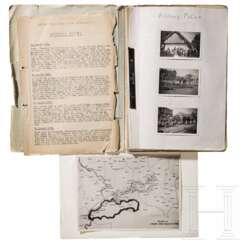

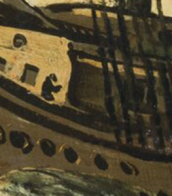
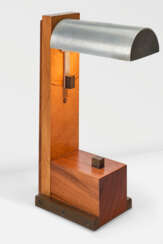

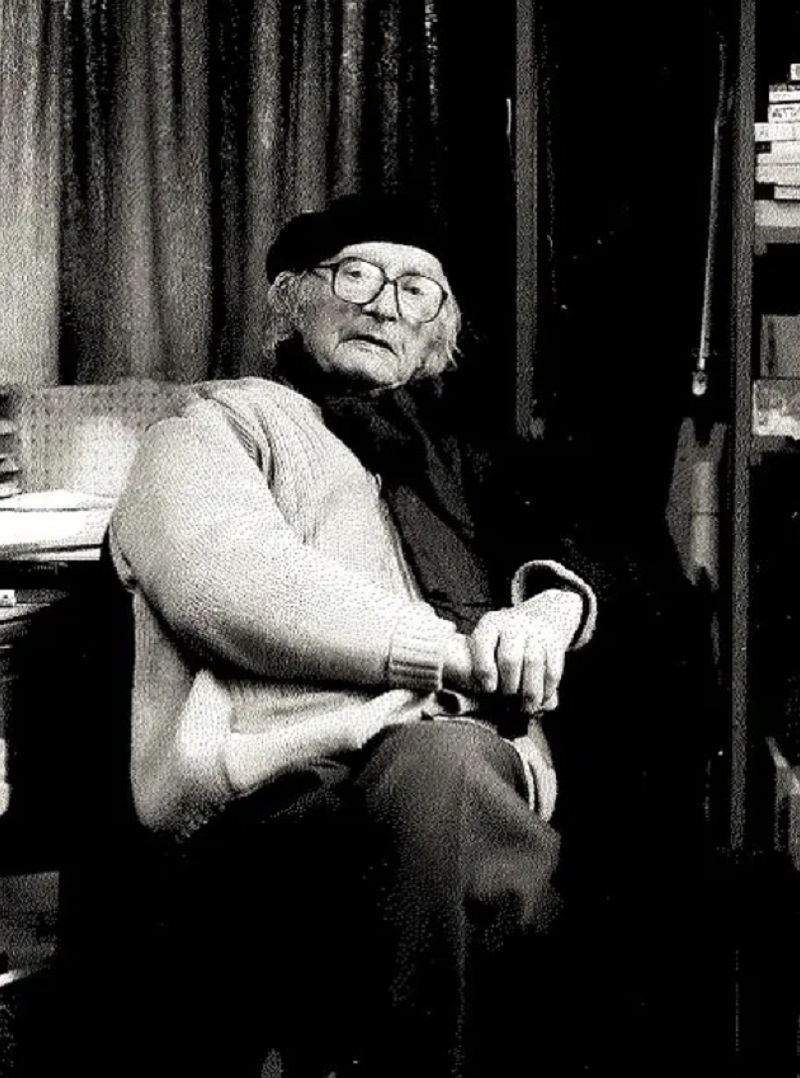
Jacques Le Chevallier was a French glassmaker, decorative artist, illustrator, and engraver. He was mobilized during World War I; after the war he became a master artisan in the studio of Louis Barillet, with whom he remained until 1945. His collaborators there included Théodore-Gérard Hanssen.
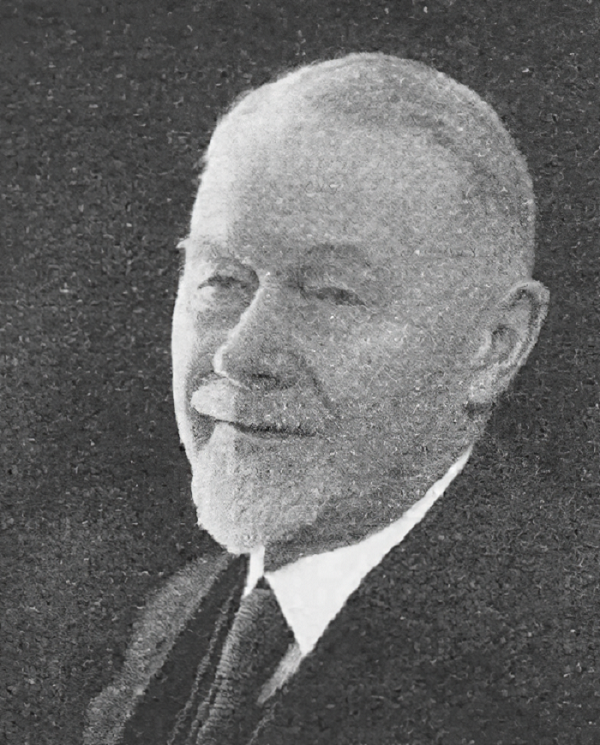
René Koechlin was a Franco-Swiss engineer, specialised in the production of electricity by hydraulic power.
René Koechlin was also a traveller, painter and art collector.



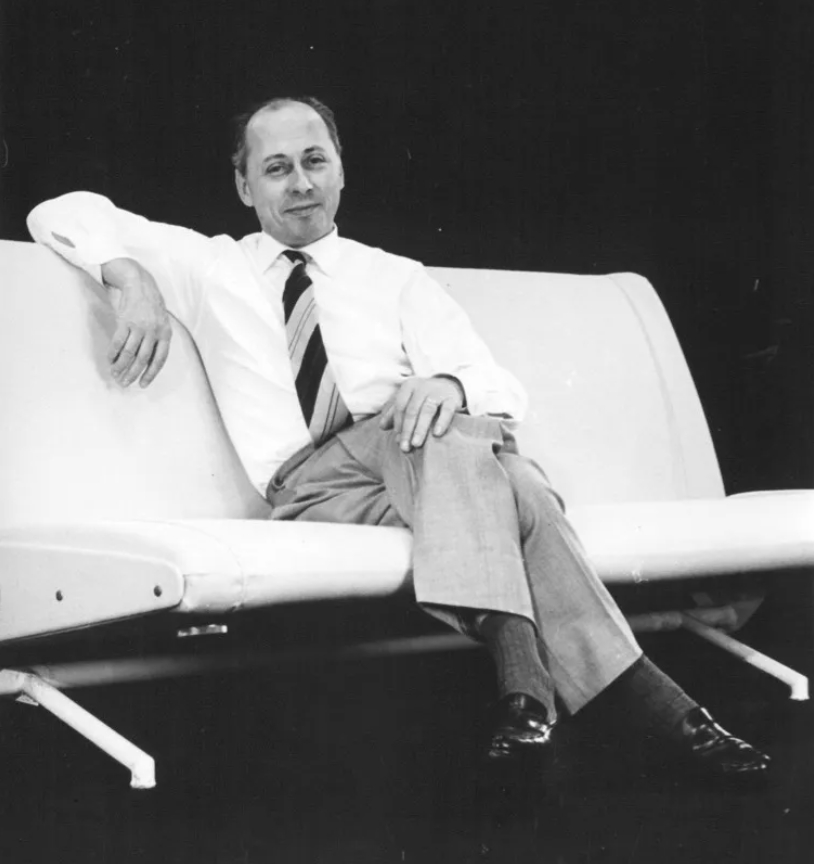
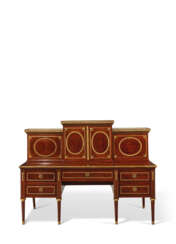
Osvaldo Borsani was an Italian architect and furniture designer.
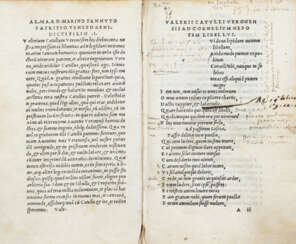

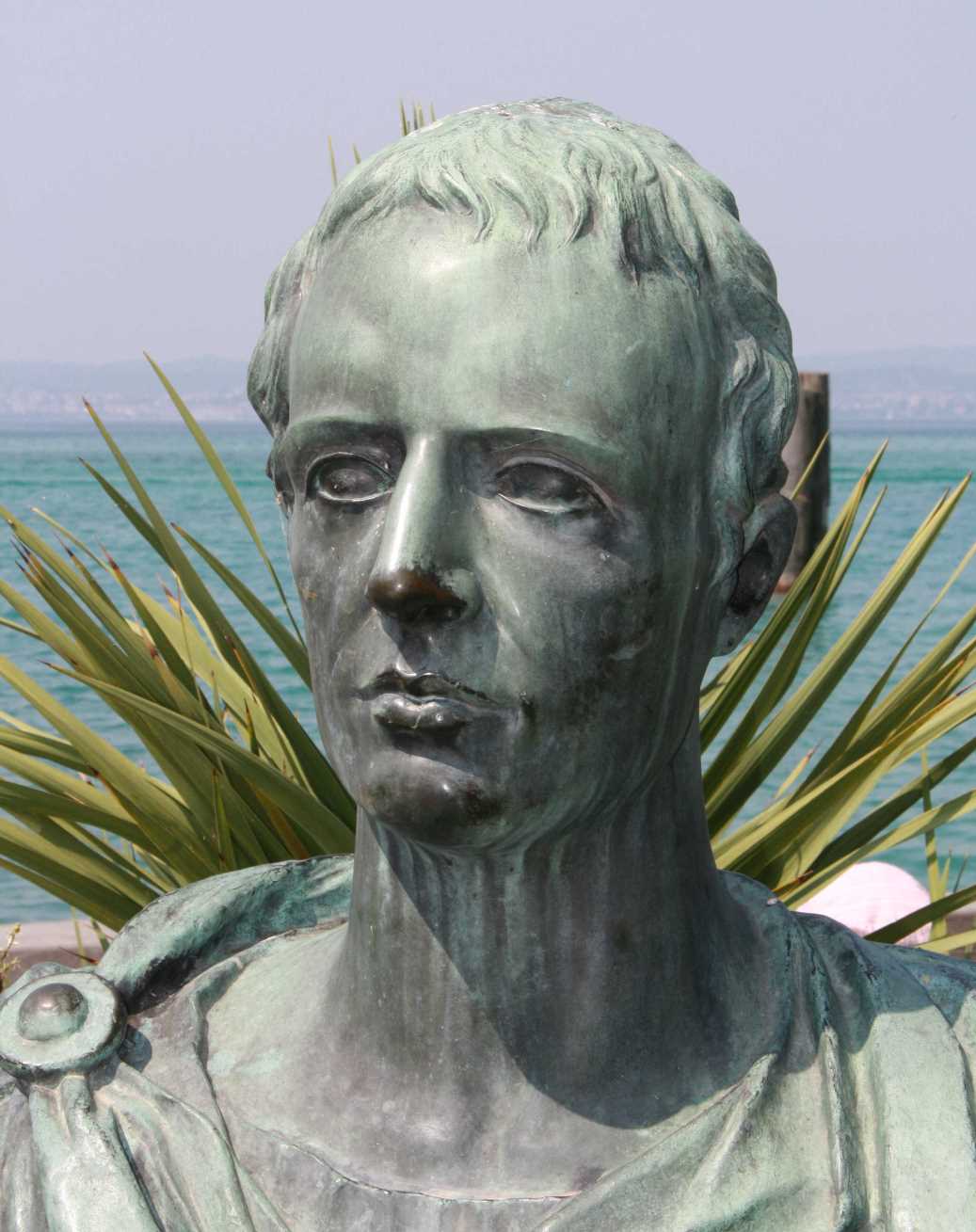
Gaius Valerius Catullus, often called Catullus, was a Roman poet whose statements on love and hate are considered the best lyrical poetry of ancient Rome.
Scholars have concluded from existing sources that Catullus was a contemporary of the statesmen Cicero, Pompey, and Caesar, whom he addresses in various ways in his poems. In 25 poems he speaks of his love for a woman he calls Lesbia. In other poems Catullus speaks sarcastically or contemptuously of Julius Caesar and other politicians.
Catullus' poems have been praised by modern poets, notably Ovid and Virgil.

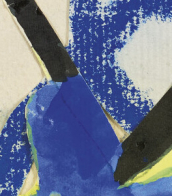


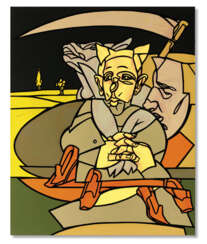

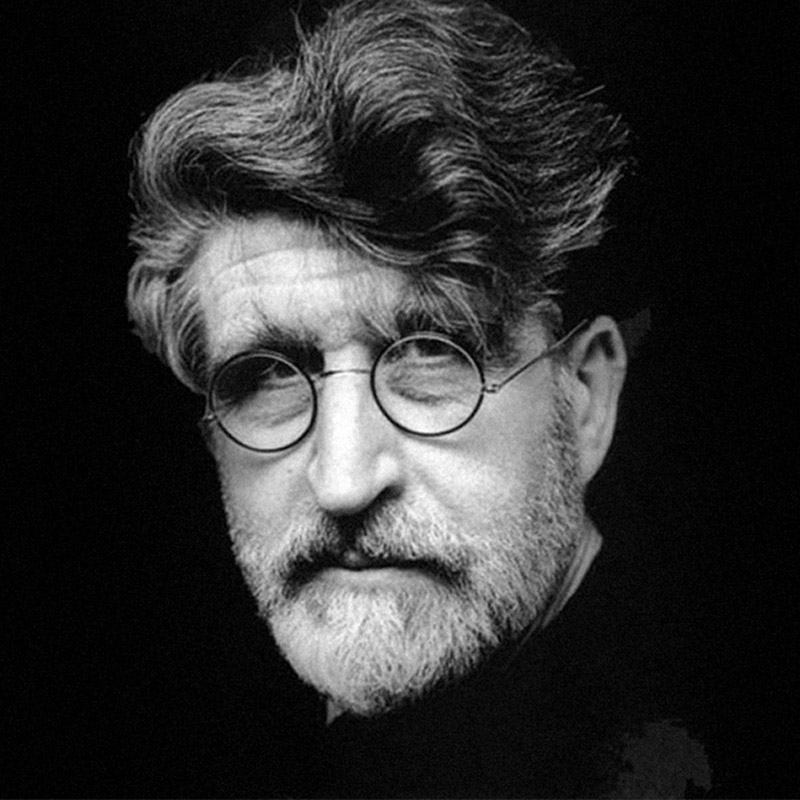
Valerio Adami is an Italian painter. Educated at the Accademia di Brera in Milan, he has since worked in both London and Paris. His art is influenced by Pop Art.

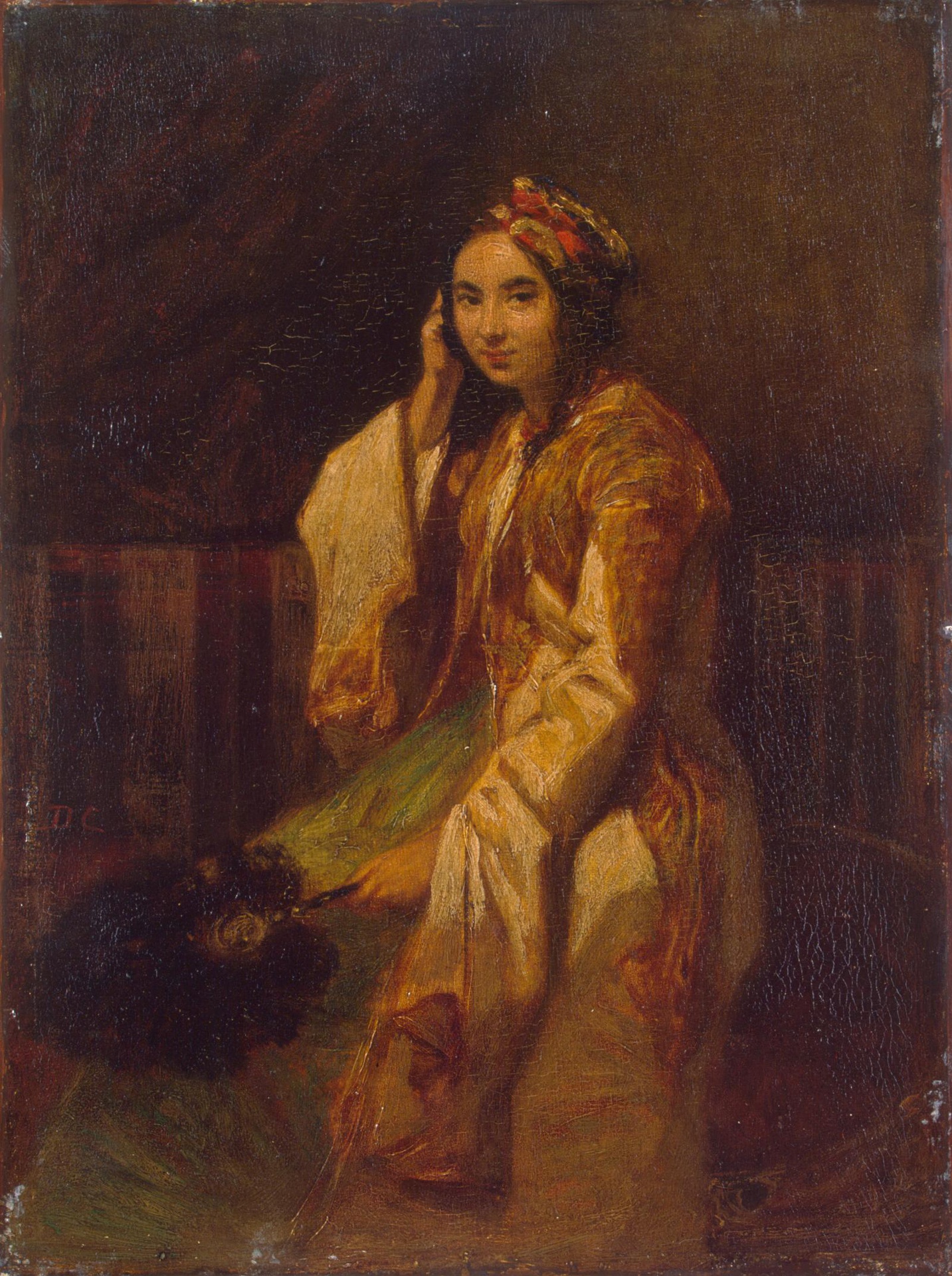
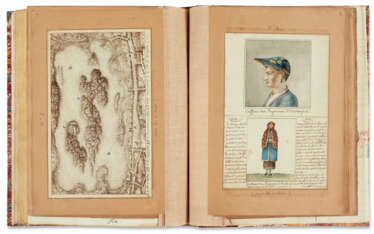

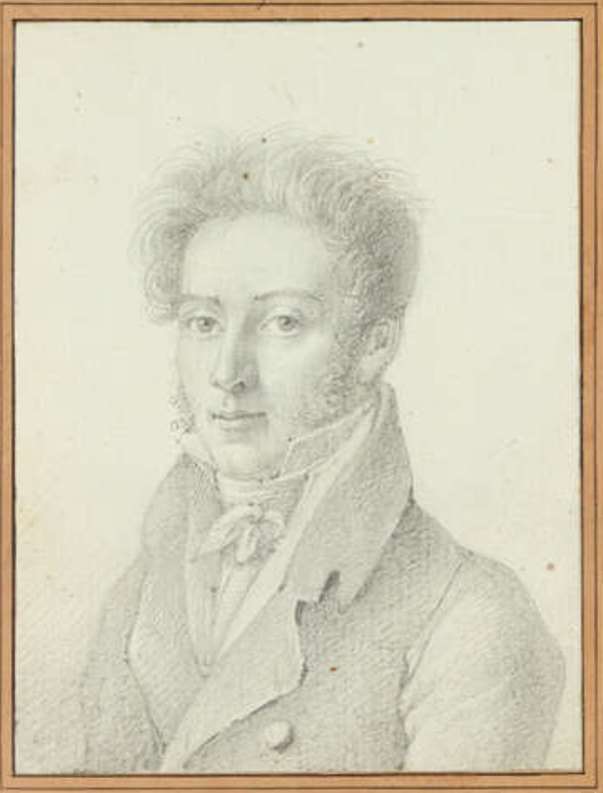

Osvaldo Borsani was an Italian architect and furniture designer.
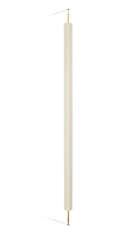

Osvaldo Borsani was an Italian architect and furniture designer.
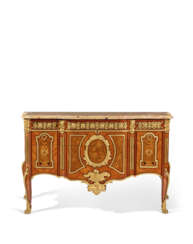





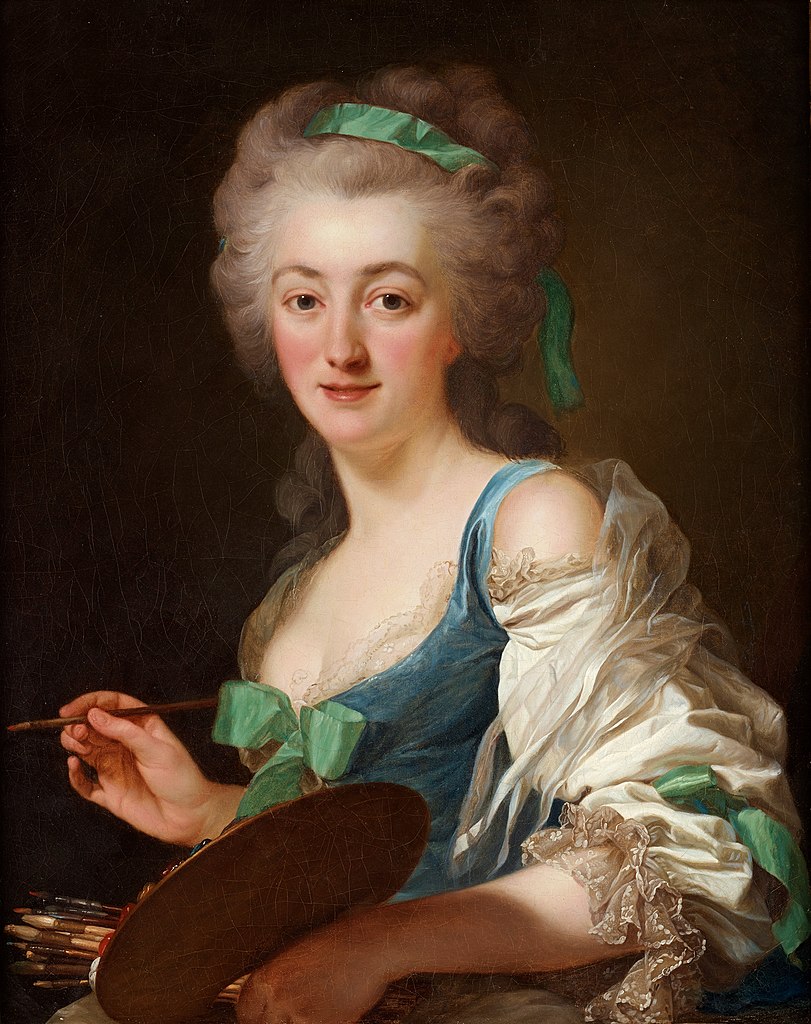
Anne Vallayer-Coster was a renowned French artist, celebrated for her exceptional still-life paintings that captivated 18th-century art enthusiasts, including the French Queen Marie Antoinette. Born into an artistic family in 1744, Vallayer-Coster's talent was evident early on, leading to her unanimous election into the prestigious Académie Royale at just 26 years old. Her works, characterized by their vibrant color, meticulous detail, and textural precision, often depicted bowls of fruit, game, shells, and flowers, showcasing the opulence of French aristocracy before the Revolution.
Vallayer-Coster's career was notable not only for her artistic achievements but also for her ability to navigate the male-dominated art world of her time. Despite the societal constraints on women artists, she gained the patronage of influential figures like Marie Antoinette and was one of the few women admitted to the Royal Academy of Painting and Sculpture. Her work received critical acclaim at the Salon, where she exhibited regularly from 1771 until 1817, and her still-lifes were praised for their sensuality, illusionistic perfection, and the rich, indulgent luxury they portrayed.
One of Vallayer-Coster's most ambitious works, Still Life with Flowers in an Alabaster Vase and Fruit (1783), exemplifies her unparalleled skill in capturing the soft textures of flowers and their harmonious arrangement. This masterpiece was hailed as such at the Salon of 1783 and is considered by Vallayer-Coster herself as her finest painting. Lost for nearly two centuries, it was recently rediscovered in an almost pristine state and is now part of the National Gallery of Art's collection, highlighting Vallayer-Coster's significant contributions to European art history.
Throughout her career, Vallayer-Coster produced more than 120 still lifes, always with a distinctive brilliance in color, earning her a place among the elite artists of her time. Despite facing challenges during the French Revolution due to her close association with the monarchy, she continued to exhibit her work and contribute to the art world until her death in 1818.
For collectors and experts in art and antiques, Anne Vallayer-Coster's legacy is a testament to her skill, resilience, and the impact of her work on the history of art. To stay updated on new product sales and auction events related to Anne Vallayer-Coster, sign up for updates that focus solely on this exceptional artist's contributions to the art world.

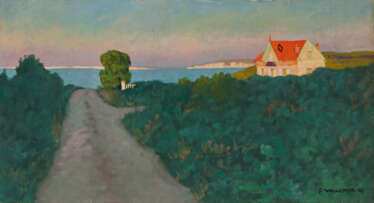

Félix Vallotton, a Swiss-born French graphic artist and painter, is recognized for his distinctive woodcuts and paintings of nudes and interiors. Vallotton's journey into art began in Paris, where he attended the Académie Julian, fostering a unique style that broke from traditional norms. His early works, characterized by extreme realism, were showcased at the Salon des Artistes Français and the Paris Universal Exposition of 1889. This period also marked Vallotton's encounter with Japanese prints, notably those by Hokusai, profoundly influencing his artistic direction.
In 1892, Vallotton joined Les Nabis, a group of avant-garde artists including Pierre Bonnard, Maurice Denis, and Édouard Vuillard, which led to a significant evolution in his style. His paintings from this era, such as "Bathers on a Summer Evening" and "Moonlight," exhibited at the Kunsthaus Zürich and the Musée d'Orsay respectively, reveal a departure from realism towards a more symbolic and abstract representation. The works from this period are characterized by flat areas of color, hard edges, and simplified details, mirroring the style he developed in his woodcuts.
Vallotton's woodcuts, like "Intimités" (Intimacies), a series published in 1898, showcased his mastery in capturing the nuances of human relationships, particularly the tensions between men and women. His graphic art, which included depictions of domestic scenes, bathing women, and street crowds, was not just celebrated in Europe but also influenced artists like Edvard Munch, Aubrey Beardsley, and Ernst Ludwig Kirchner.
Towards the end of his career, Vallotton continued to innovate, combining elements of realism and abstraction, evident in paintings like "La Malade" (The Sick Girl) and "Clair de lune" (Moonlight). His works remain a testament to his ability to merge technical precision with a poignant exploration of human emotions and societal themes.
For art collectors and experts, Vallotton's body of work offers a rich and diverse exploration of early 20th-century art movements, especially his role in the development of modern woodcut techniques and his contribution to the Nabis movement. His works are a study in the fusion of realism and symbolism, marked by a distinctive style that makes his art enduringly relevant and compelling.
For those interested in discovering more about Félix Vallotton and staying updated on related product sales and auction events, signing up for updates is a great opportunity. This subscription will exclusively alert you to new sales and events pertaining to Vallotton's works, ensuring you remain informed in the dynamic world of art and antiques.