

Auction price


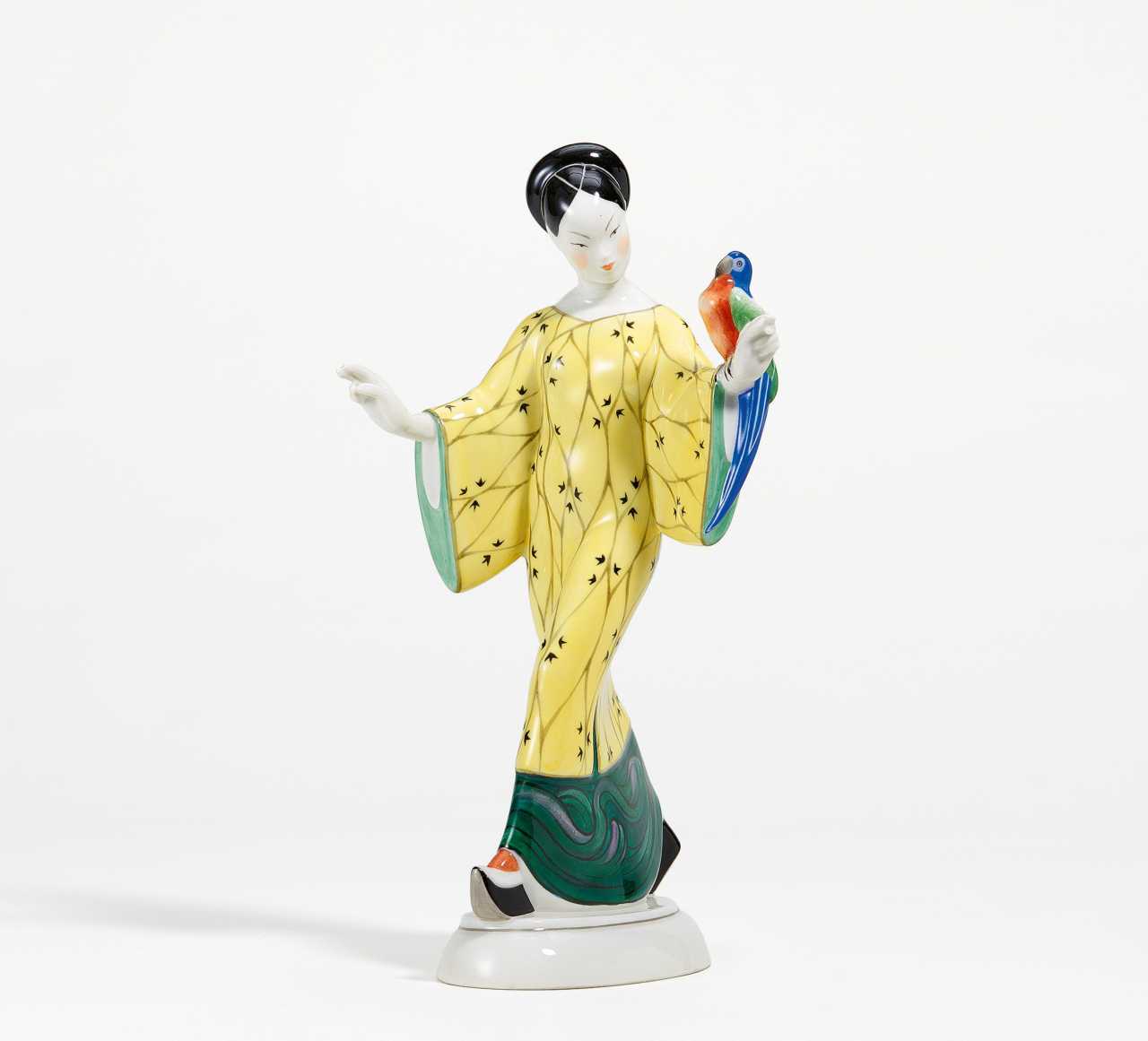


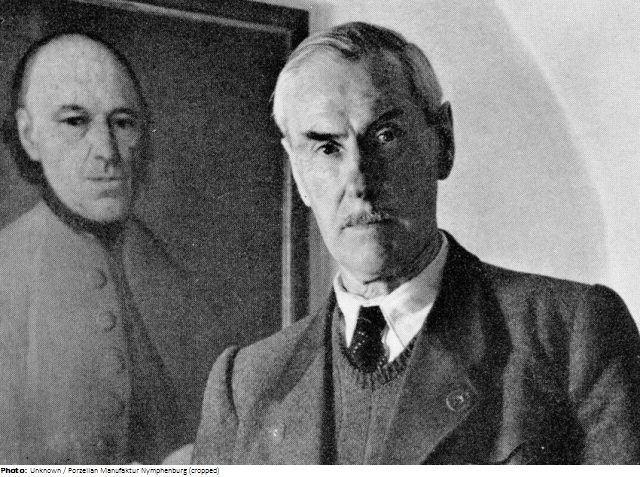
Josef Wackerle was a German sculptor. Educated in Munich, he became the artistic director of the Nymphenburg Porcelain Manufactory at a young age. Wackerle's influence extended beyond porcelain, as he contributed significantly to public art and architecture, particularly in his hometown. His works include various monuments, sculptures, and reliefs that demonstrate his commitment to integrating art within public spaces and everyday life.
Josef Wackerle's talent was recognized internationally, and his sculptures played a part in the art competitions at the 1928 and 1932 Summer Olympics. Despite the complex historical context in which he worked, including the Nazi era, Wackerle continued to receive commissions after World War II, demonstrating his art's enduring appeal. He contributed to the architectural and cultural fabric of Garmisch-Partenkirchen through numerous public artworks, including fountains, monuments, and building decorations.
For collectors and art experts, Josef Wackerle's work represents a blend of technical skill and a deep connection to Bavarian cultural identity. His contributions to porcelain art, particularly with Nymphenburg, highlight his versatility and innovation in working with various mediums.
If you're interested in staying updated on Josef Wackerle's works, particularly in the context of auctions and new discoveries, consider signing up for updates. This subscription will ensure you're informed about new sales and auction events related to Wackerle's art, providing valuable insights for collectors and enthusiasts alike.


Josef Wackerle was a German sculptor. Educated in Munich, he became the artistic director of the Nymphenburg Porcelain Manufactory at a young age. Wackerle's influence extended beyond porcelain, as he contributed significantly to public art and architecture, particularly in his hometown. His works include various monuments, sculptures, and reliefs that demonstrate his commitment to integrating art within public spaces and everyday life.
Josef Wackerle's talent was recognized internationally, and his sculptures played a part in the art competitions at the 1928 and 1932 Summer Olympics. Despite the complex historical context in which he worked, including the Nazi era, Wackerle continued to receive commissions after World War II, demonstrating his art's enduring appeal. He contributed to the architectural and cultural fabric of Garmisch-Partenkirchen through numerous public artworks, including fountains, monuments, and building decorations.
For collectors and art experts, Josef Wackerle's work represents a blend of technical skill and a deep connection to Bavarian cultural identity. His contributions to porcelain art, particularly with Nymphenburg, highlight his versatility and innovation in working with various mediums.
If you're interested in staying updated on Josef Wackerle's works, particularly in the context of auctions and new discoveries, consider signing up for updates. This subscription will ensure you're informed about new sales and auction events related to Wackerle's art, providing valuable insights for collectors and enthusiasts alike.


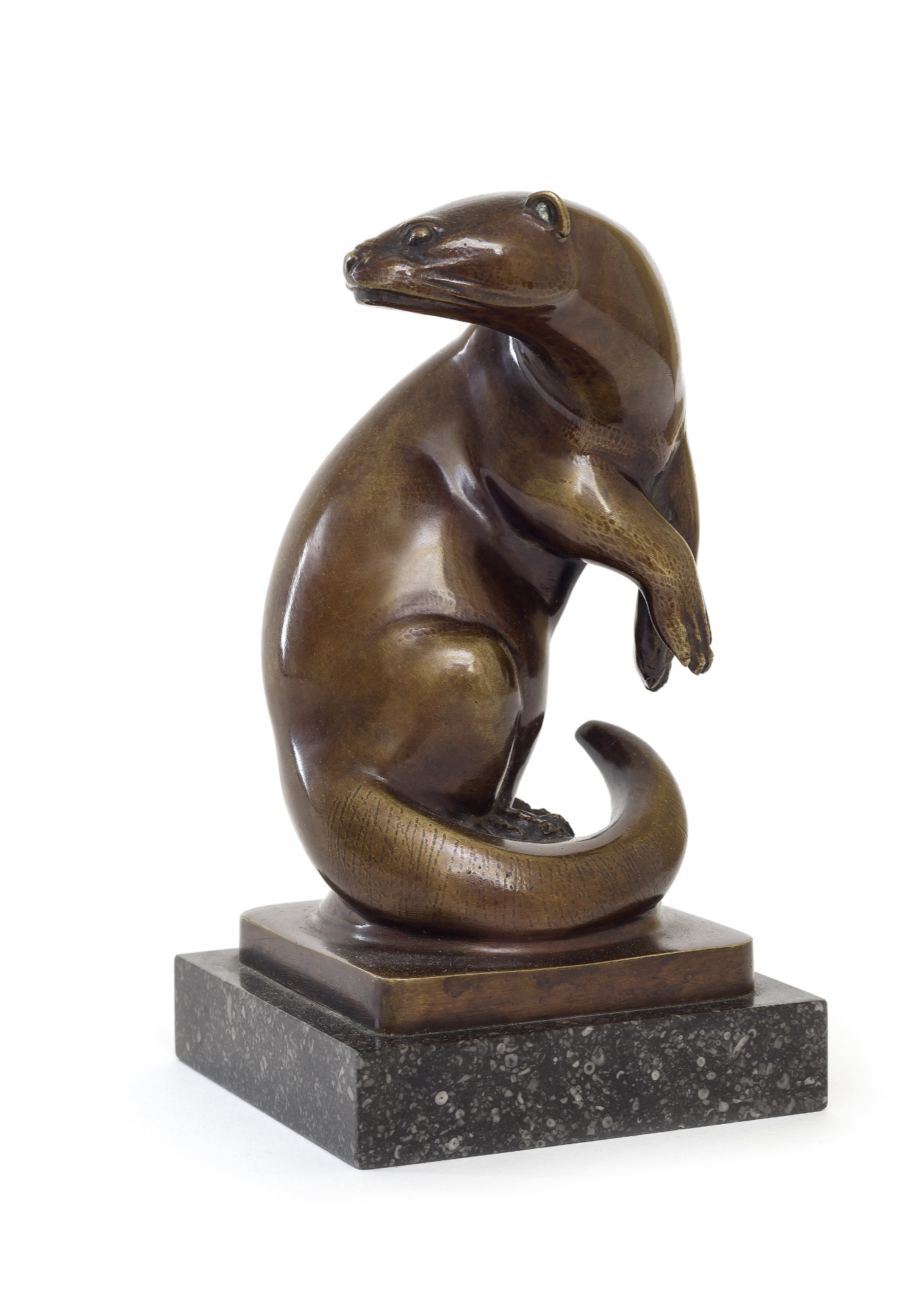
Max Esser was a German sculptor and designer, celebrated for his intricate animal sculptures and porcelain figurines. Born in 1885, Esser's career was marked by his detailed and lifelike representations of animals, which garnered significant acclaim and recognition in the art world.
Max Esser's education at the Kunstgewerbemuseum Berlin and the Berlin Art Academy honed his skills in sculpture, leading to regular exhibitions at the Great Berlin Art Exhibition from 1906. His works, often characterized by their expressive nature and technical precision, reflect his deep understanding of animal anatomy and movement.
Several of Max Esser's works are held in prestigious collections, such as the Metropolitan Museum of Art. Notably, his chess set at the Met, featuring materials like silver, ivory, and ebony, showcases his versatility and craftsmanship. This set is adorned with zodiac and astrological symbols, adding a layer of depth and intrigue to each piece.
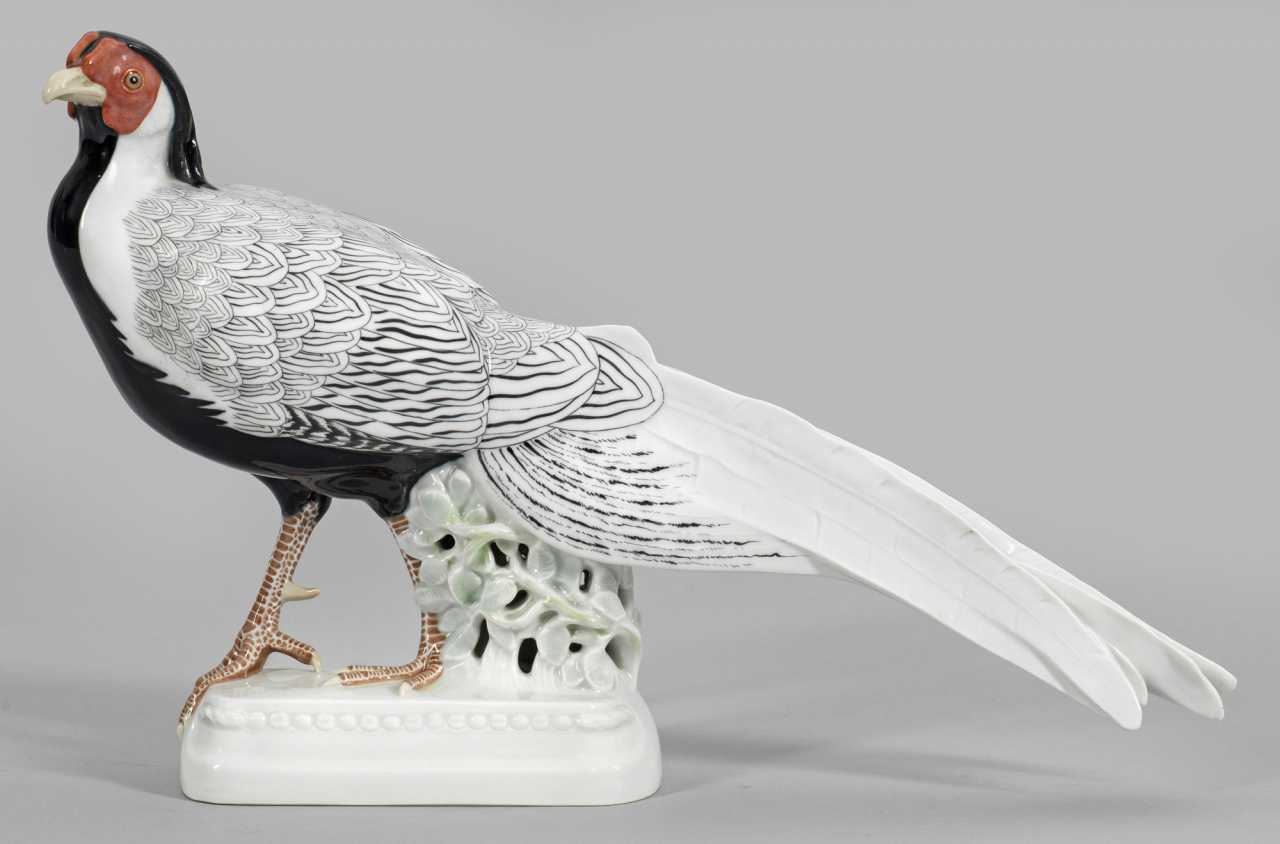
Max Esser's works have also been featured in numerous auctions, with pieces like his bronze birds and Meissen porcelain figurines achieving significant attention and high bids. His 'Eagle' figurine for Meissen, made in 1931, is a testament to his skill with porcelain, capturing the majesty and fierceness of the eagle in a delicate medium.
For collectors and experts in art and antiques, the works of Max Esser offer a blend of historical value and exquisite artistry. His contributions to porcelain art and animal sculpture remain influential, continuing to inspire admiration and scholarly interest.
To stay informed about upcoming sales and auction events featuring Max Esser's work, sign up for our newsletter. This subscription is an essential resource for collectors keen on acquiring pieces by renowned artists like Esser.








Oskar Erich Hösel, a German sculptor and modeler, was renowned for his distinctive contributions to art and culture. His work is celebrated for its innovation and mastery in sculpture and modeling, with notable creations that include various sculptures and models for the Meissen Porcelain Manufactory. Hösel's talents were recognized early in his career, evidenced by awards such as the small silver medal from the Dresden Academy of Fine Arts in 1891 for his group "In the Desert".
His sculptures, such as "Hunne zu Pferde" and "Entlaufener Negersklave im Kampfe mit einem Bluthund," highlight his ability to capture dynamic and dramatic scenes in his art. Besides his sculptural work, Oskar Erich Hösel contributed significantly to porcelain design, creating pieces that are still celebrated today.
Oskar Erich Hösel's artistry extended beyond conventional sculpture, incorporating elements of realism and a keen observation of nature, evident in his various animal figures and other works. His legacy continues to influence the fields of sculpture and porcelain art, with his works serving as a testament to his skill and creativity.
For collectors and art and antique experts, Hösel's works represent a unique blend of artistic innovation and traditional craftsmanship. If you're keen on staying updated about Oskar Erich Hösel's art, including sales and auction events, consider signing up for updates. This subscription offers a focused way to engage with the ongoing appreciation and study of Hösel's contributions to art and culture.


Oskar Erich Hösel, a German sculptor and modeler, was renowned for his distinctive contributions to art and culture. His work is celebrated for its innovation and mastery in sculpture and modeling, with notable creations that include various sculptures and models for the Meissen Porcelain Manufactory. Hösel's talents were recognized early in his career, evidenced by awards such as the small silver medal from the Dresden Academy of Fine Arts in 1891 for his group "In the Desert".
His sculptures, such as "Hunne zu Pferde" and "Entlaufener Negersklave im Kampfe mit einem Bluthund," highlight his ability to capture dynamic and dramatic scenes in his art. Besides his sculptural work, Oskar Erich Hösel contributed significantly to porcelain design, creating pieces that are still celebrated today.
Oskar Erich Hösel's artistry extended beyond conventional sculpture, incorporating elements of realism and a keen observation of nature, evident in his various animal figures and other works. His legacy continues to influence the fields of sculpture and porcelain art, with his works serving as a testament to his skill and creativity.
For collectors and art and antique experts, Hösel's works represent a unique blend of artistic innovation and traditional craftsmanship. If you're keen on staying updated about Oskar Erich Hösel's art, including sales and auction events, consider signing up for updates. This subscription offers a focused way to engage with the ongoing appreciation and study of Hösel's contributions to art and culture.


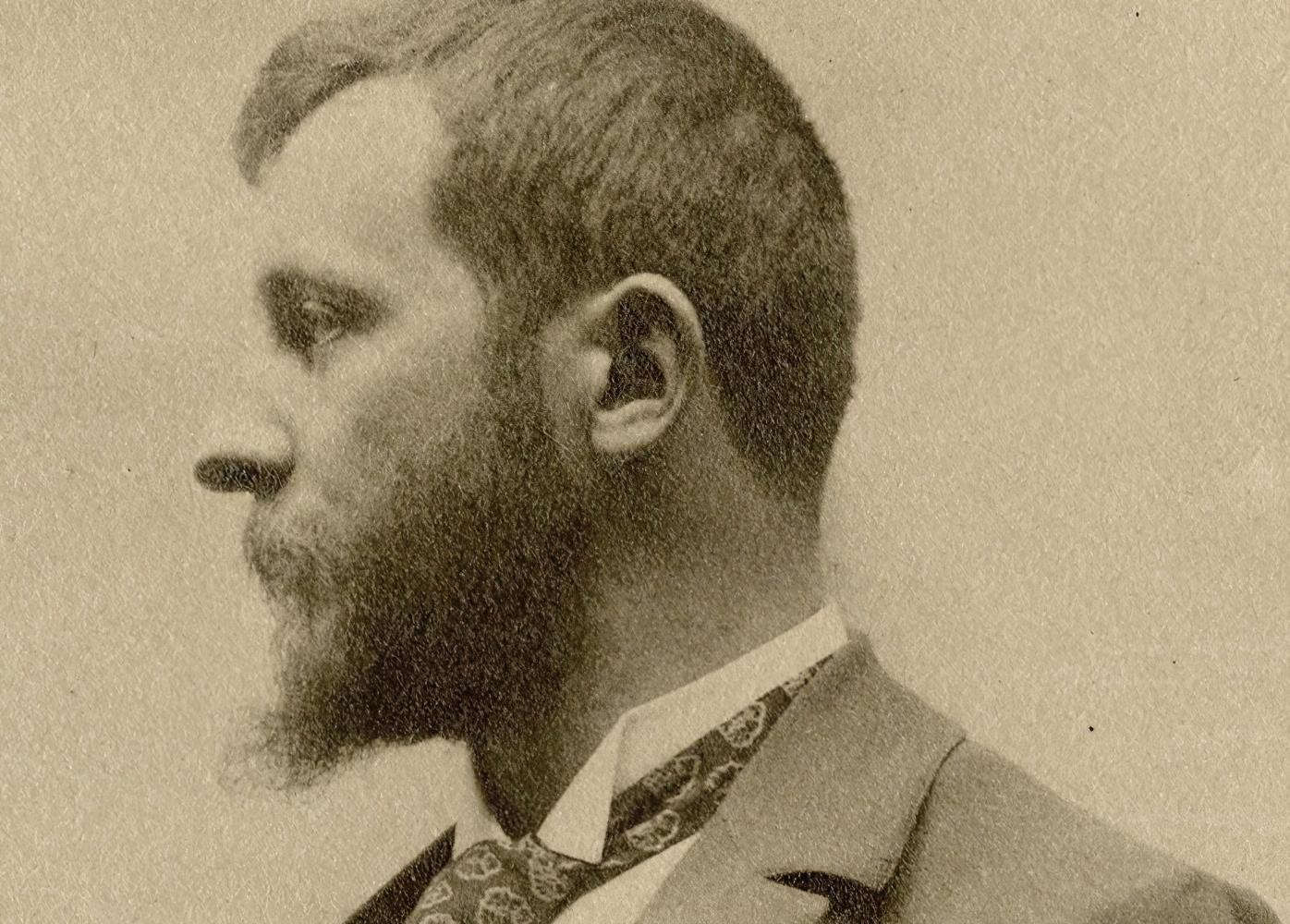






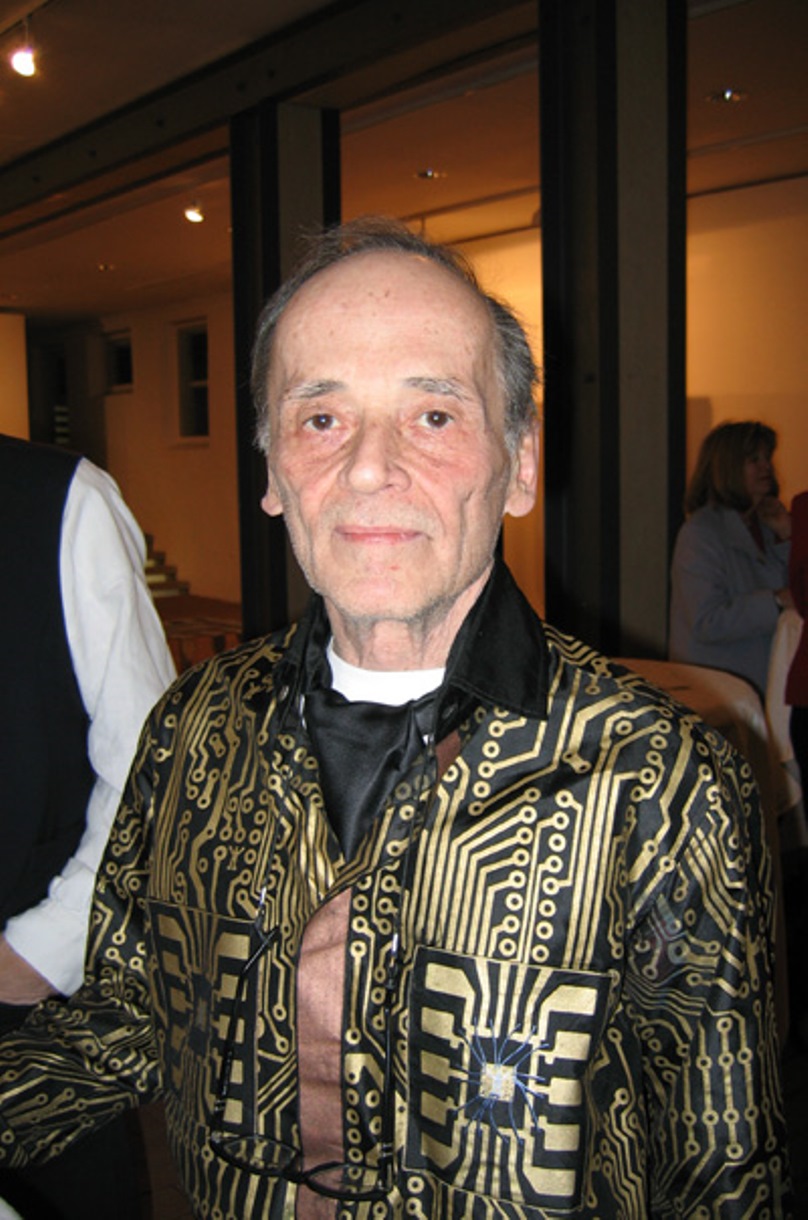
Petrus Wandrey (German: Petrus Wandrey, full name Ulrich Carl Peter Wandrey) is a German digital artist.
In his youth he was influenced by Surrealism, the Pop Art movement and Dadaism. But later Wandrey became so impressed by the culture of science, technology and digital images that he became one of the pioneers of the digitalization movement. In his work, Wandrey often uses digital combinations, pixel sequences and even computer trash.


Petrus Wandrey (German: Petrus Wandrey, full name Ulrich Carl Peter Wandrey) is a German digital artist.
In his youth he was influenced by Surrealism, the Pop Art movement and Dadaism. But later Wandrey became so impressed by the culture of science, technology and digital images that he became one of the pioneers of the digitalization movement. In his work, Wandrey often uses digital combinations, pixel sequences and even computer trash.


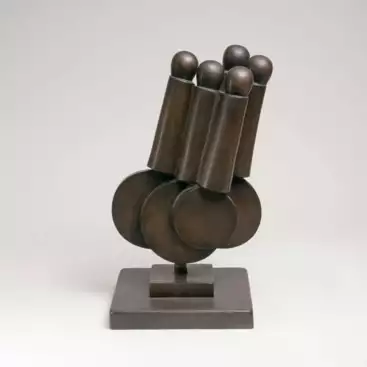
Georg Engst was a German sculptor.
Engst preferred to work in wood, stone and bronze, but also in aluminium, concrete and glass. Much of his artistic work from the mid-1950s onwards is abstract-geometric in character, initially in the form of inlaid panels and inlaid walls made of wood, for example for a commission for the conference room of the Regional Church Office in Hanover in 1957.


Georg Engst was a German sculptor.
Engst preferred to work in wood, stone and bronze, but also in aluminium, concrete and glass. Much of his artistic work from the mid-1950s onwards is abstract-geometric in character, initially in the form of inlaid panels and inlaid walls made of wood, for example for a commission for the conference room of the Regional Church Office in Hanover in 1957.


Georg Engst was a German sculptor.
Engst preferred to work in wood, stone and bronze, but also in aluminium, concrete and glass. Much of his artistic work from the mid-1950s onwards is abstract-geometric in character, initially in the form of inlaid panels and inlaid walls made of wood, for example for a commission for the conference room of the Regional Church Office in Hanover in 1957.


Georg Engst was a German sculptor.
Engst preferred to work in wood, stone and bronze, but also in aluminium, concrete and glass. Much of his artistic work from the mid-1950s onwards is abstract-geometric in character, initially in the form of inlaid panels and inlaid walls made of wood, for example for a commission for the conference room of the Regional Church Office in Hanover in 1957.


Georg Engst was a German sculptor.
Engst preferred to work in wood, stone and bronze, but also in aluminium, concrete and glass. Much of his artistic work from the mid-1950s onwards is abstract-geometric in character, initially in the form of inlaid panels and inlaid walls made of wood, for example for a commission for the conference room of the Regional Church Office in Hanover in 1957.


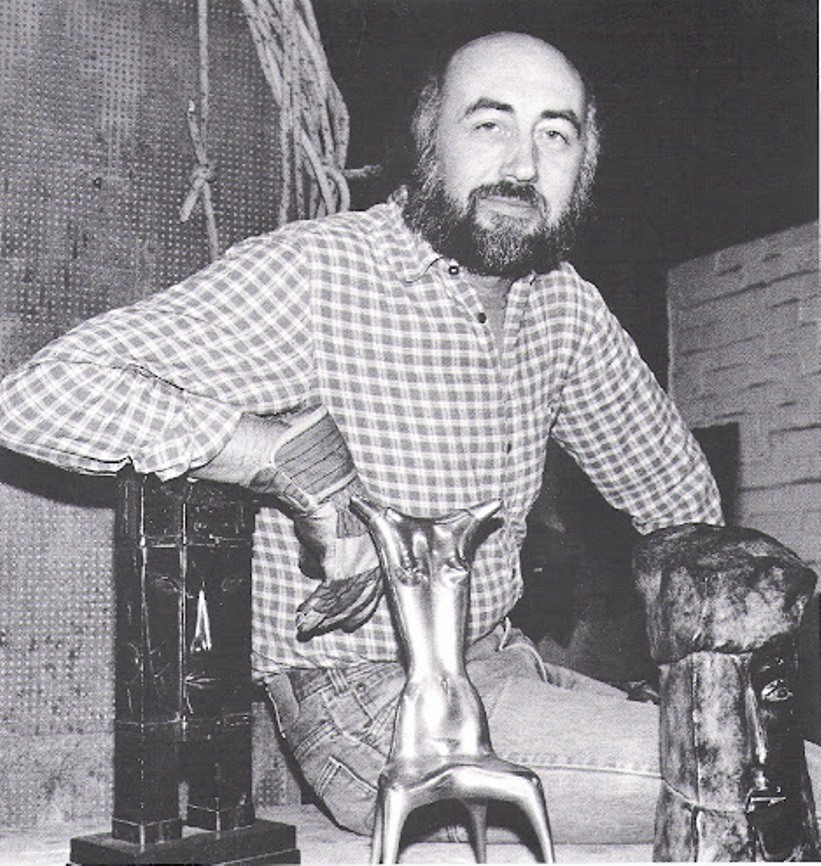


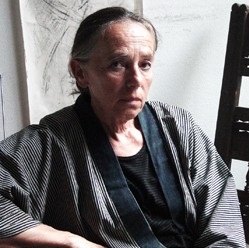


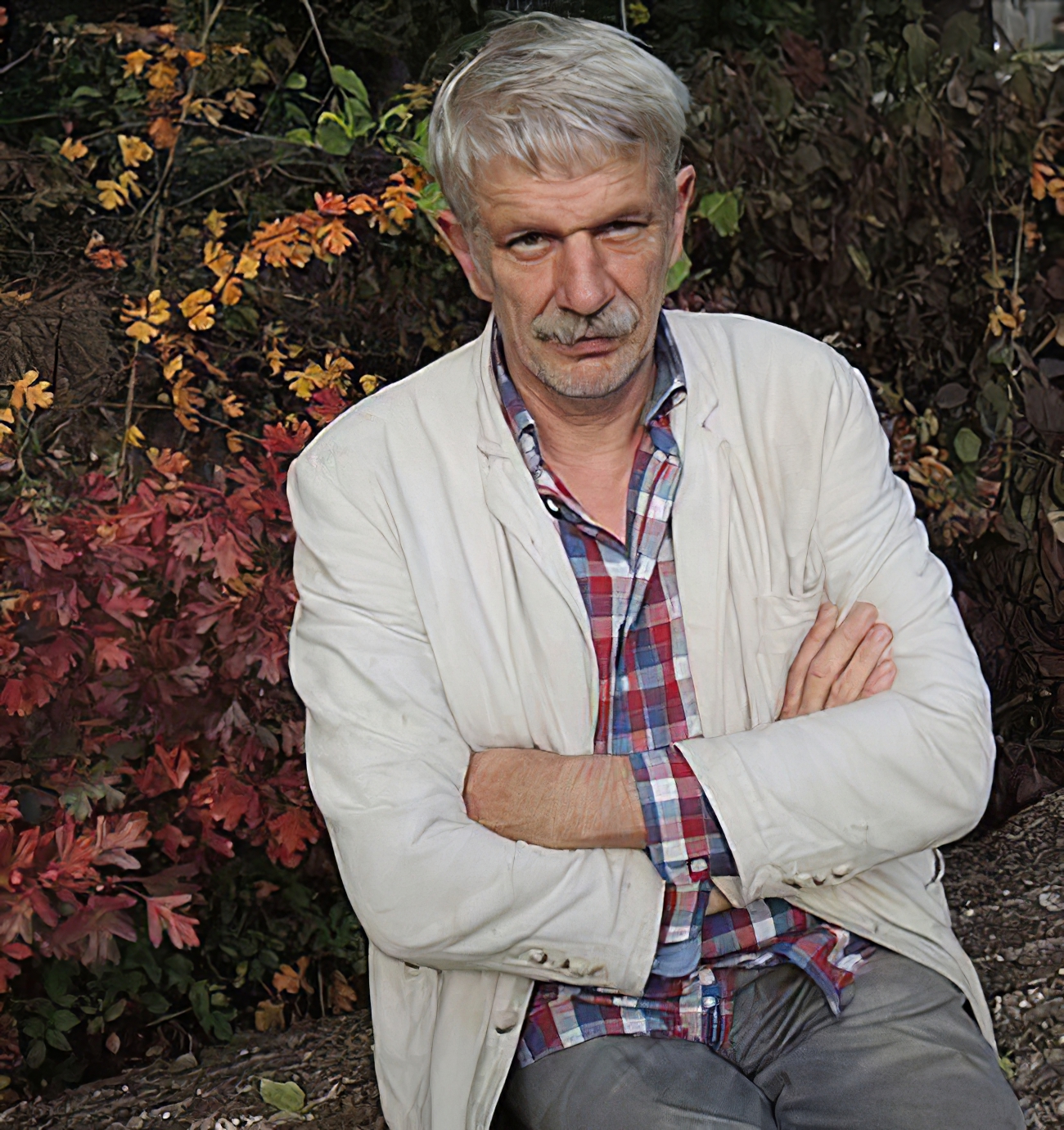
Dietrich Klinge is a German painter and sculptor.
He studied freehand drawing and sculpture at the Stuttgart State Academy of Fine Arts.
Dietrich Klinge became world famous primarily for his uniquely sculpted human figures. With his abstract-shaped forms he creates a peculiar pictorial world of solid figures, busts, heads and reliefs, the powerful presence of which derives from their existential expressiveness. Klinge brings to life, with great artistic originality, the timeless feelings and contradictory mental states of man.


.jpg)
Michael Schwarze is a German sculptor.