


Paintings — Old Masters to Modern Day Sale: Paintings, Drawings, Sculpture


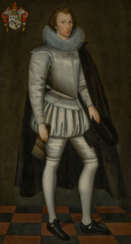

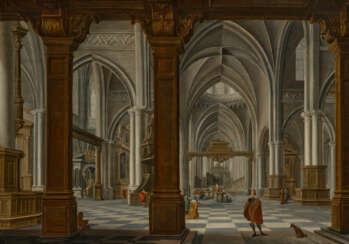

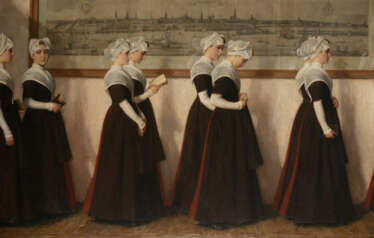

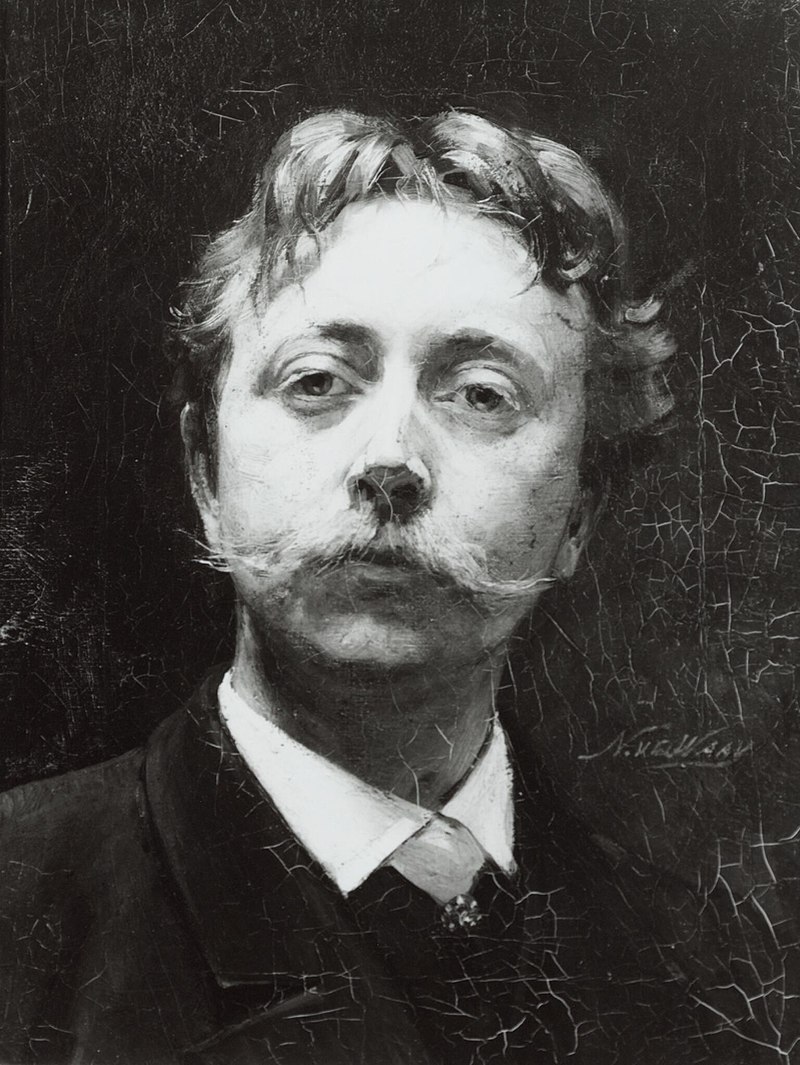
Nicolaas van der Waay was a Dutch decorative artist, watercolorist and lithographer. He worked in many genres, including stamp, coin and banknote designs. He is perhaps best known for the allegorical illustrations he created for the Golden Coach and a series of paintings depicting the lives of girls from the Amsterdam Orphanage. His work was also part of the painting event in the art competition at the 1928 Summer Olympics.
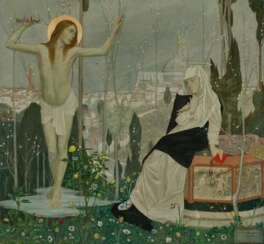

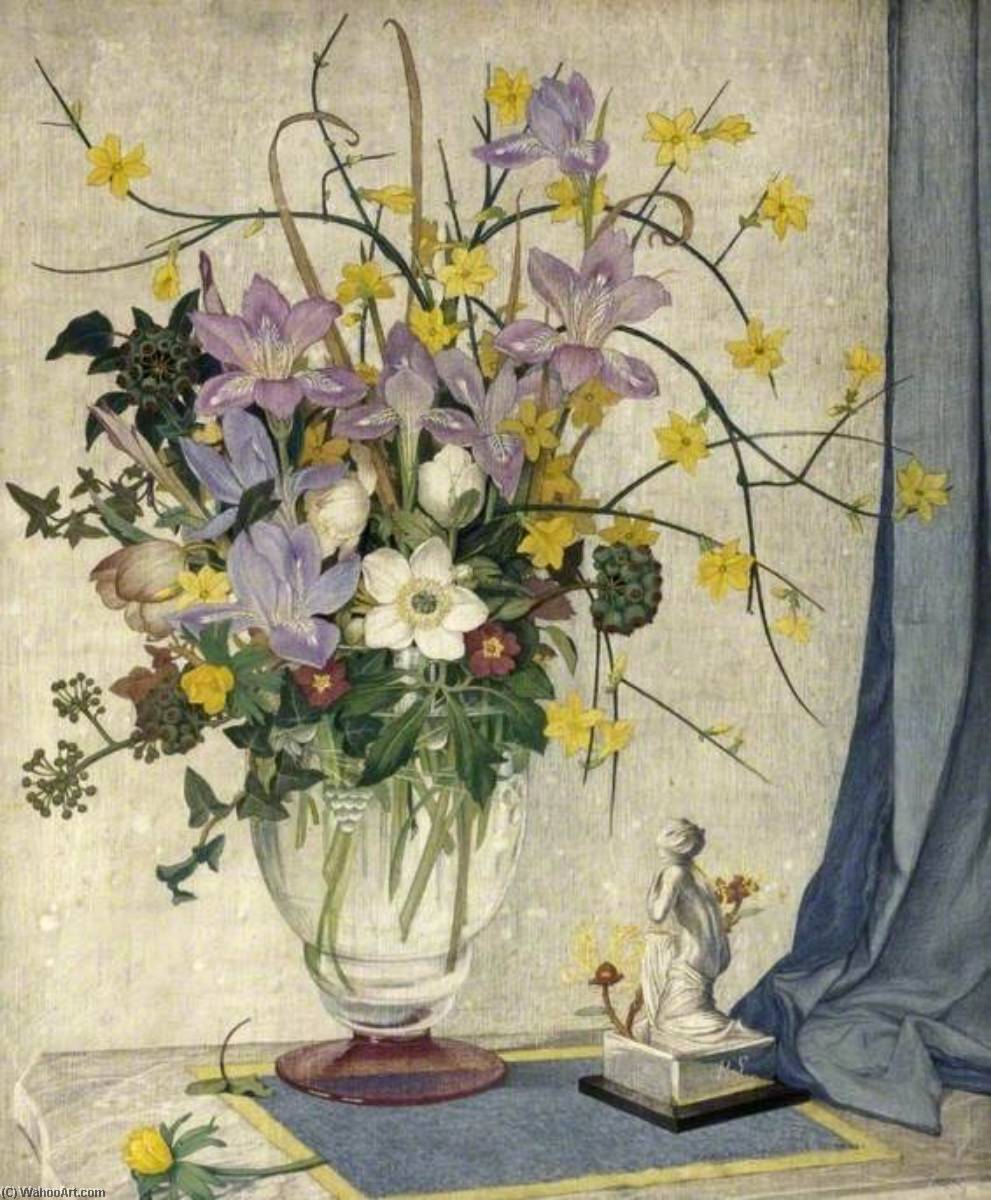
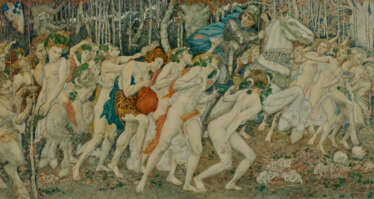

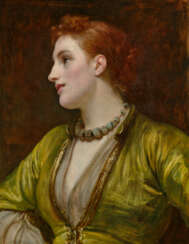

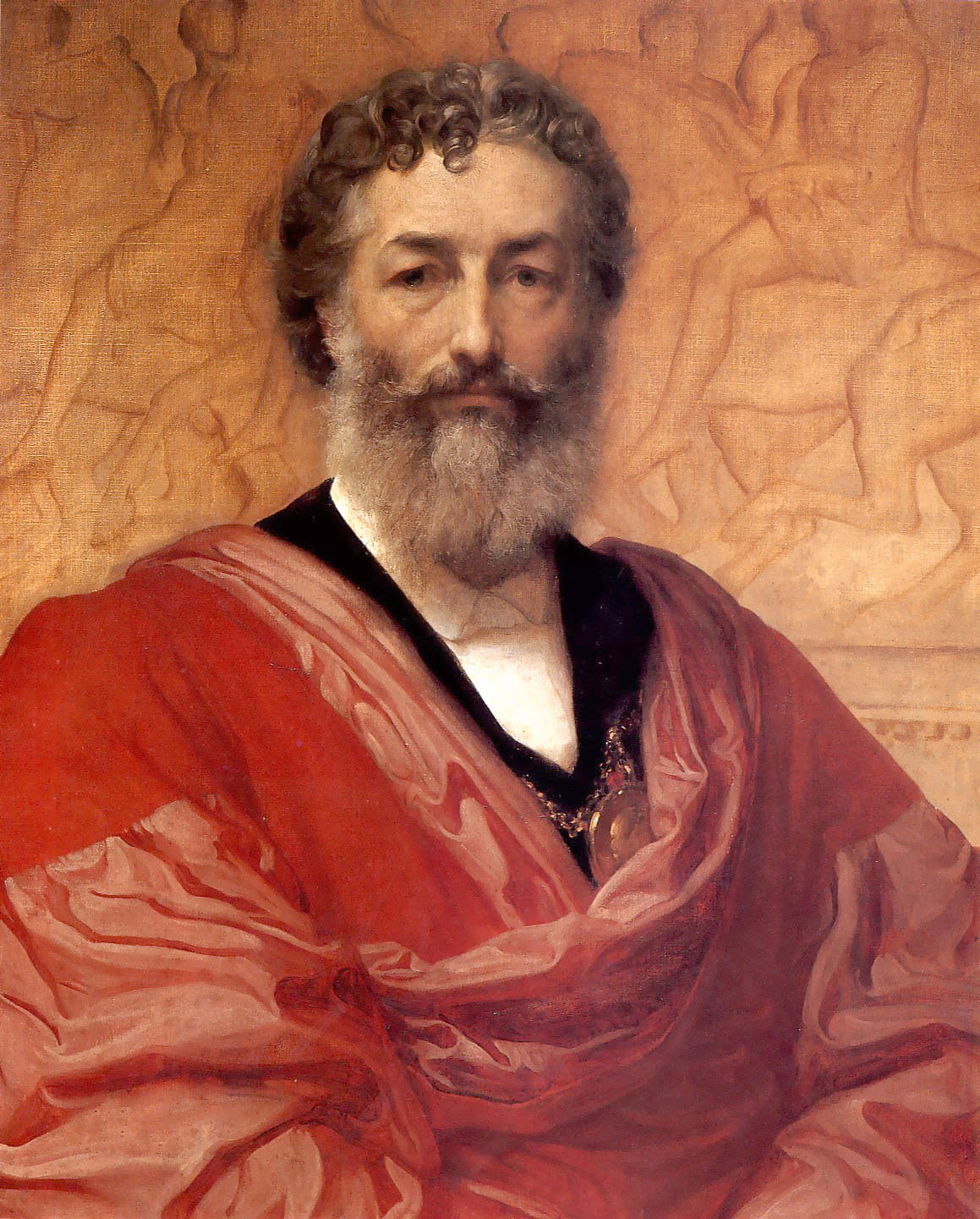
Frederic Leighton was a distinguished British artist renowned for his contributions to painting and sculpture during the Victorian era. His works, characterized by their classical themes and meticulous detail, have garnered appreciation from art collectors and historians alike. Notable for being the first painter to receive a peerage, Leighton's legacy in the art world is significant.
Frederic Leighton's art, particularly his paintings like "Flaming June" and "The Return of Persephone," showcases his mastery in depicting classical and mythological subjects with a unique blend of realism and idealism. His sculptures, such as "An Athlete Wrestling with a Python" and "The Sluggard," played a pivotal role in initiating the New Sculpture movement, emphasizing naturalism and dynamic forms.
Despite his illustrious career, Frederic Leighton's personal life remained private, with ongoing debates about his relationships and sexuality. His London home, now the Leighton House Museum, offers a glimpse into his artistic world, housing many of his works and collections that influenced his creations.
For art collectors and experts, Frederic Leighton's oeuvre represents a blend of academic tradition and innovative expression, making his works highly sought after in the realms of art and antiques. To stay informed about exhibitions and auction events featuring Frederic Leighton's art, subscribing to updates can be a valuable resource for enthusiasts eager to explore and acquire pieces from this influential Victorian artist.
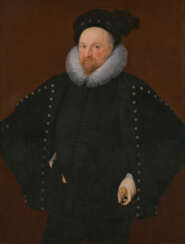



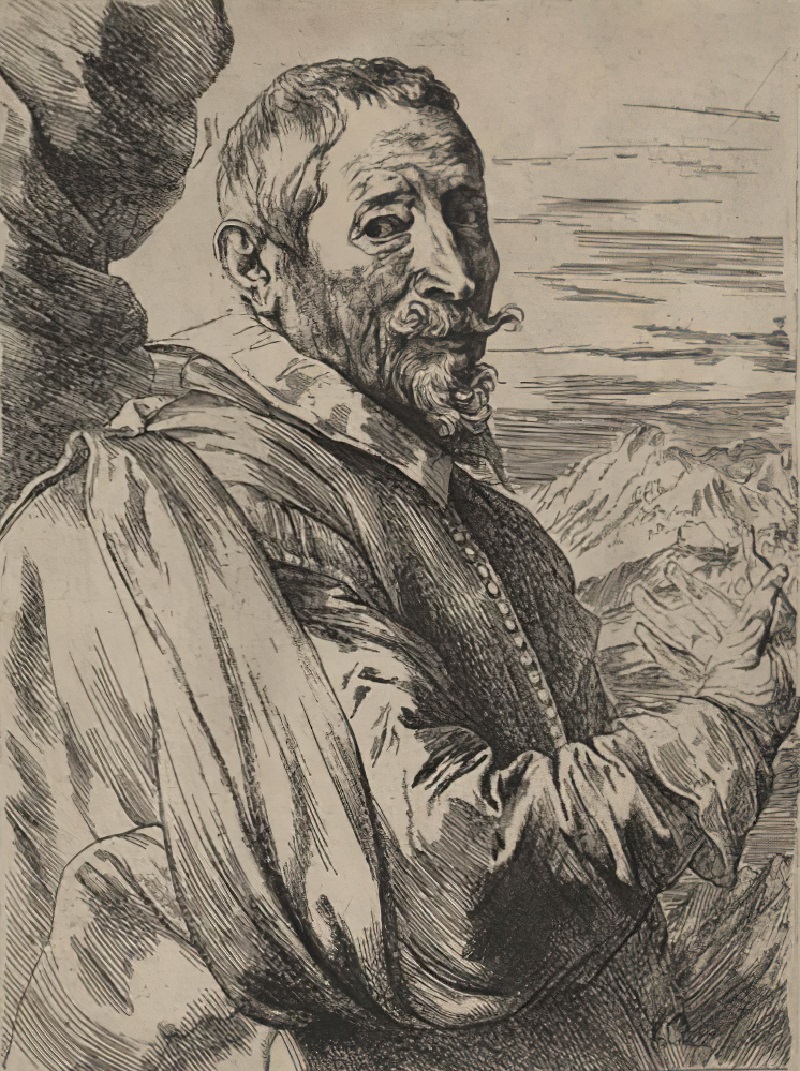
Joos de Momper the Younger was a Flemish landscape painter active in Antwerp between the late 16th century and the early 17th century. Brueghel's influence is clearly evident in many of de Momper's paintings. His work is situated at the transition from late 16th-century Mannerism to the greater realism in landscape painting that developed in the early 17th century. He achieved considerable success during his lifetime.
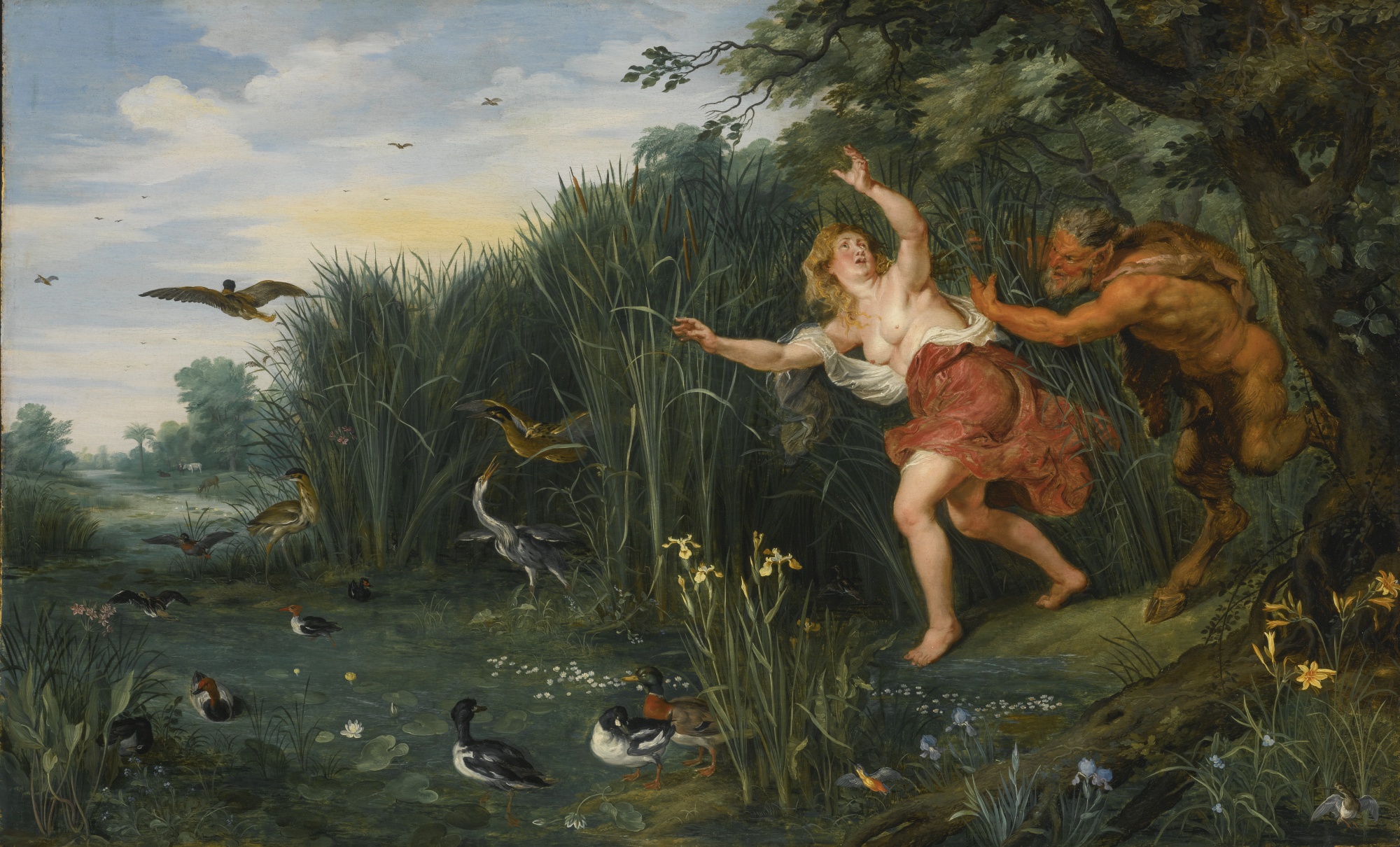
Jan Bruegel the Younger was a Flemish Baroque painter. He was the son of Jan Brueghel the Elder, and grandson of Pieter Bruegel the Elder, both prominent painters who contributed respectively to the development of Renaissance and Baroque painting in the Habsburg Netherlands. Taking over his father's workshop at an early age, he painted the same subjects as his father in a style which was similar to that of his father. He regularly collaborated with leading Flemish painters of his time.
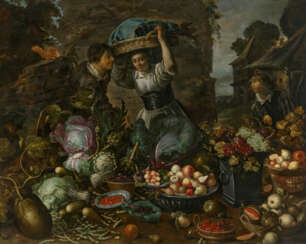

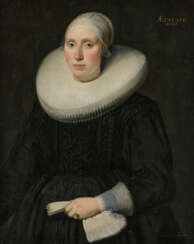



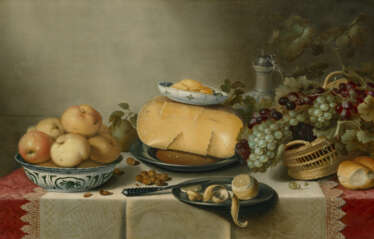

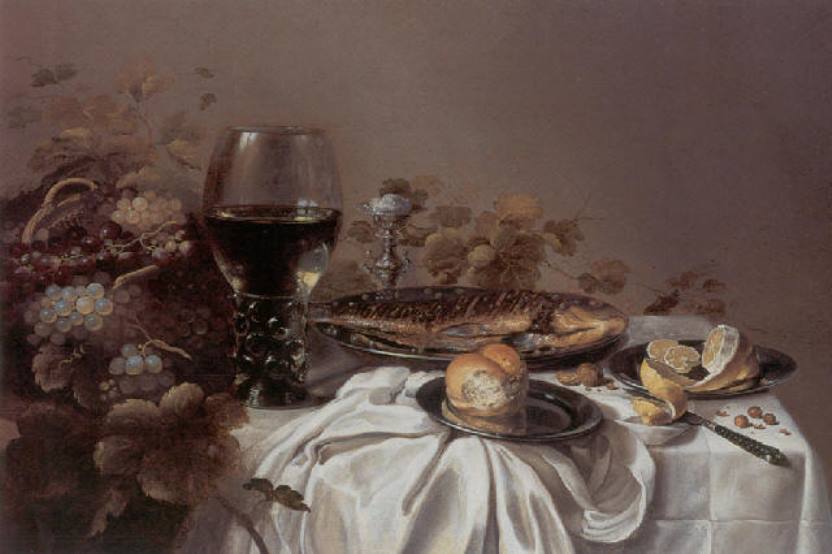
Roelof Koets I was a Dutch painter of the Golden Age of Dutch painting.
He was a member of the St. Luke's Guild in Haarlem, and his son was the painter Andries Koets. Roelof Koets was a master of still life with fish, utensils and fruit, most often bunches of grapes.
A little later, another artist with the same name, who painted portraits, lived and worked in Zwolle, Netherlands. To avoid confusion, he is called Roelof Koets II (1640-1725).


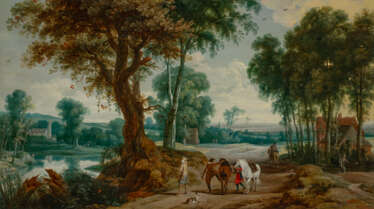

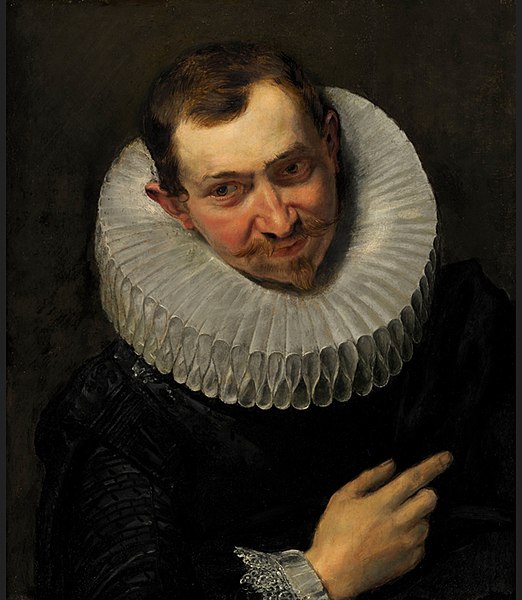
Jan Wildens was a Flemish painter, graphic artist, and draughtsman of the Baroque period, member of the Guild of St. Luke in Antwerp.
Wildens specialized in landscapes and collaborated with Rubens and other leading Flemish painters of his time.
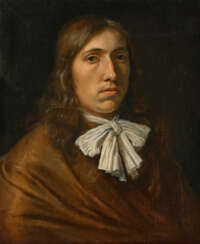



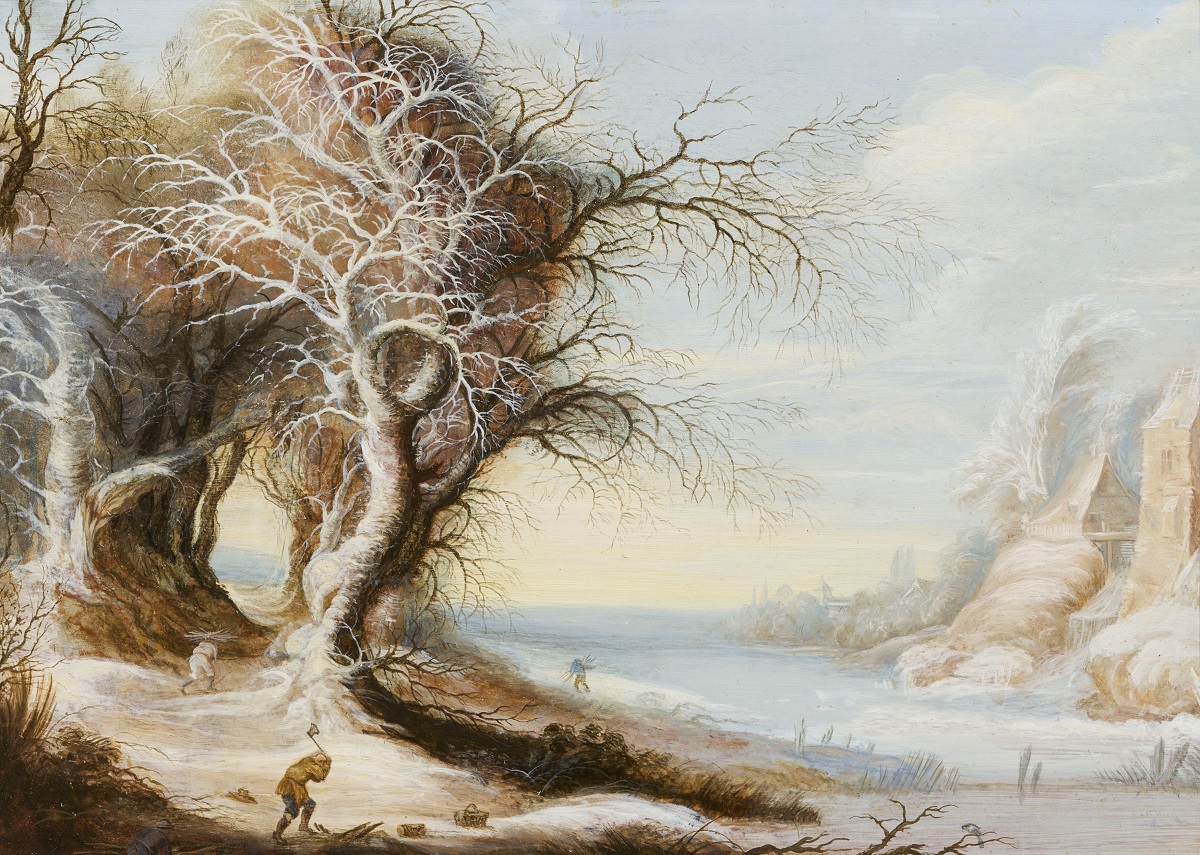
Gijsbrecht Leytens was a Flemish landscape painter of the Early Baroque period. He was famous for his depiction of winter landscapes, which were considered his speciality and were characterised by a highly individualised style. He is considered one of the least studied Flemish painters of the Antwerp School.
Geisbrecht Leitens became a member of the Guild of Saint Luke in Antwerp in 1611. From that time he was entitled to open his own workshop in the city and train apprentices.
The master carefully observed winter nature and birds and developed an individual manner which distinguished him from the philosophical generalisations of Pieter Bruegel the elder or the cosy details and findings of Lucas van Falkenborgh. Trees in his paintings are usually depicted covered in snow, often oddly shaped. The branches of the denuded trees are replete with representations of various birds. The artist's creative style may have been influenced by paintings from the Dutch Mannerism period.


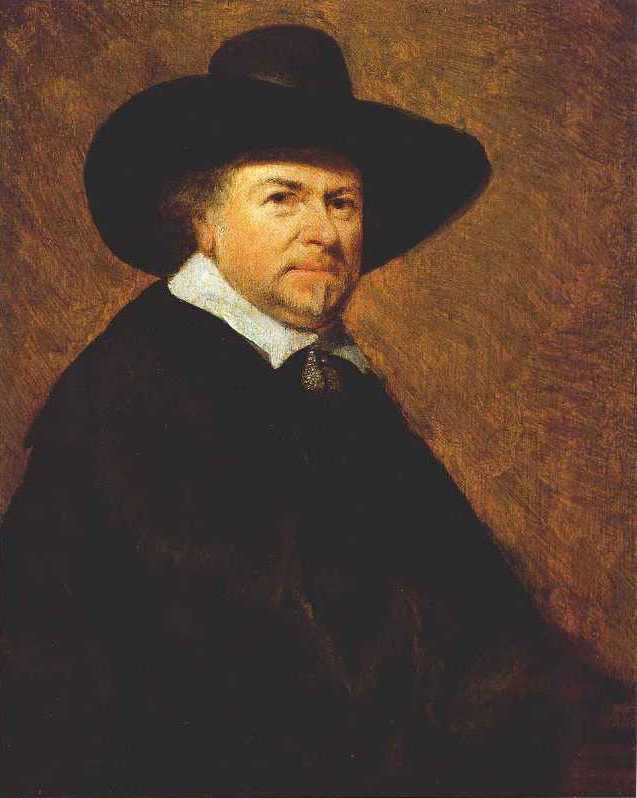
Jan Josephsz. van Goyen was a Dutch landscape painter and draftsman of the Golden Age, a member of the Guild of St. Luke of Leiden, and a representative of the so-called tonal landscape. Van Goyen specialized in landscape painting and left many paintings depicting forest paths, rivers, lakes, and canals. He also painted peasant huts and the outskirts of towns.
Jan van Goin was one of the most prolific painters of the 17th century: some 1,200 paintings he created and some 800 drawings have survived.


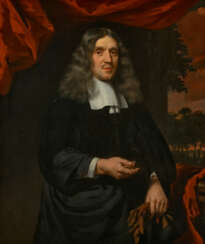

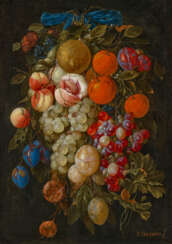



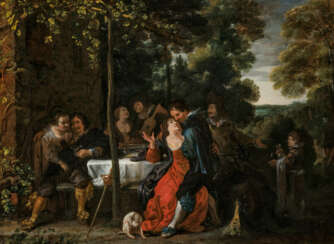

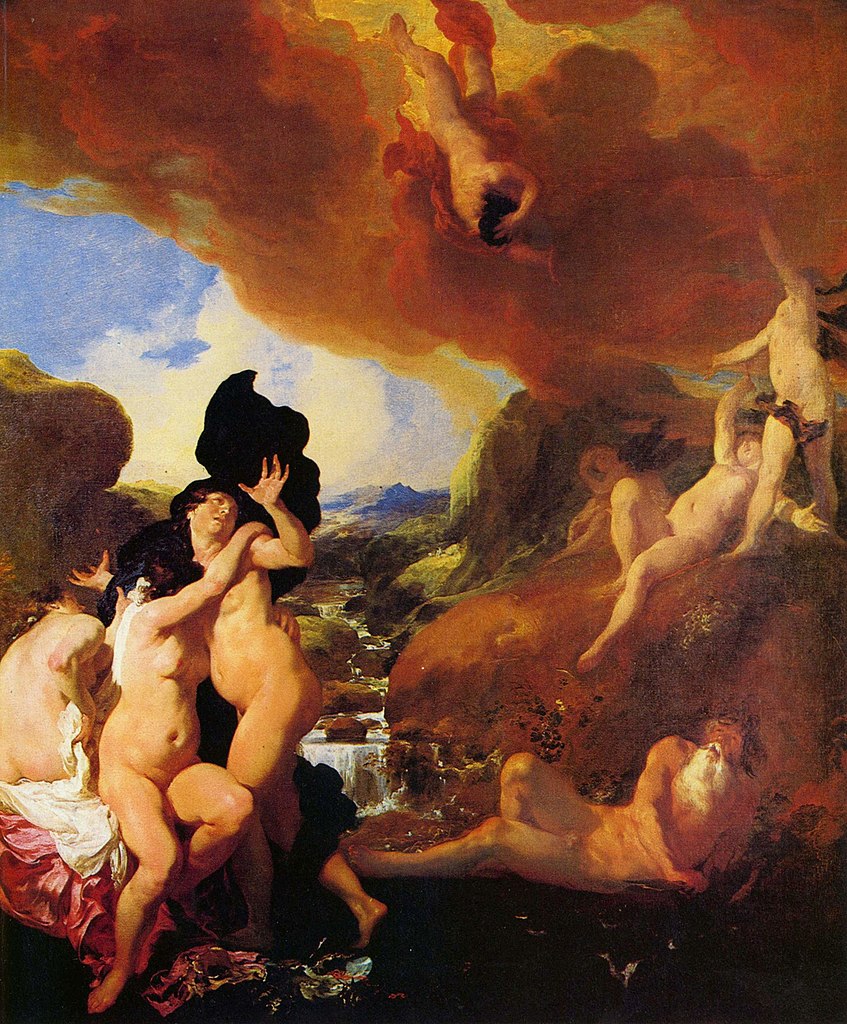
Johann Liss was a German painter of the first third of the 17th century. He is known as a painter, draughtsman and printmaker, who worked in Italy for much of his life, and as the son and namesake of Johann Liss, a painter at the court of the Dukes of Holstein.
Johann Liss worked primarily in the mythological genre. He is considered one of the key artists of the German Baroque and a prominent representative of the Venetian school. Early in his career, the artist traveled to the Netherlands, where he was influenced by a number of Dutch and Flemish masters. Italy inspired him to synthesize Dutch genre painting, Venetian style and Roman realism.
His paintings are in numerous European collections as well as in Russia and the United States.