

Auction


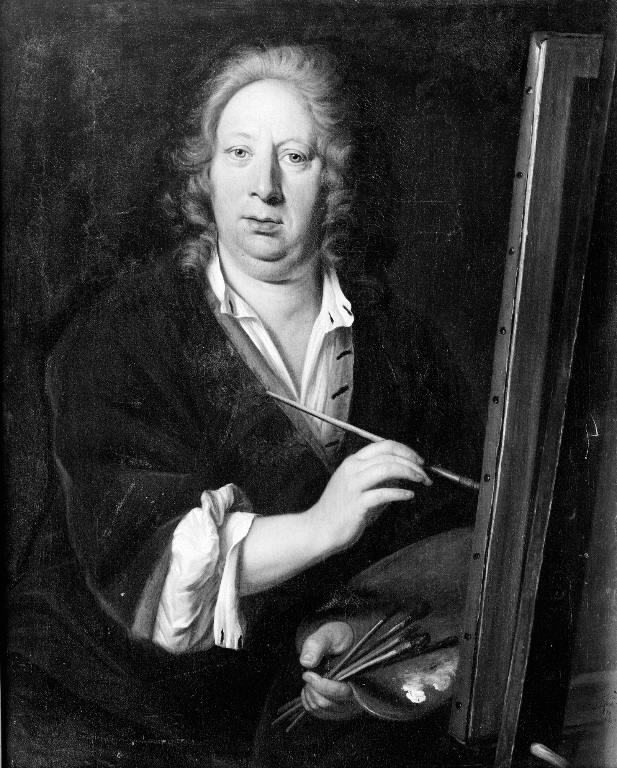
Franz Werner von Tamm, known as Dapper, was a German Baroque painter. One of the most famous masters of German still life in the late 17th and early 18th centuries.
Franz Werner von Tamm studied painting in Italy in the studio of Carlo Maratta. In 1701 he was invited to Vienna as court painter to Emperor Leopold I, where he remained until his death.
He painted with a soft brush live and dead poultry as well as flowers and animals, rather decoratively with an immediate mood.


Franz Werner von Tamm, known as Dapper, was a German Baroque painter. One of the most famous masters of German still life in the late 17th and early 18th centuries.
Franz Werner von Tamm studied painting in Italy in the studio of Carlo Maratta. In 1701 he was invited to Vienna as court painter to Emperor Leopold I, where he remained until his death.
He painted with a soft brush live and dead poultry as well as flowers and animals, rather decoratively with an immediate mood.


Franz Werner von Tamm, known as Dapper, was a German Baroque painter. One of the most famous masters of German still life in the late 17th and early 18th centuries.
Franz Werner von Tamm studied painting in Italy in the studio of Carlo Maratta. In 1701 he was invited to Vienna as court painter to Emperor Leopold I, where he remained until his death.
He painted with a soft brush live and dead poultry as well as flowers and animals, rather decoratively with an immediate mood.


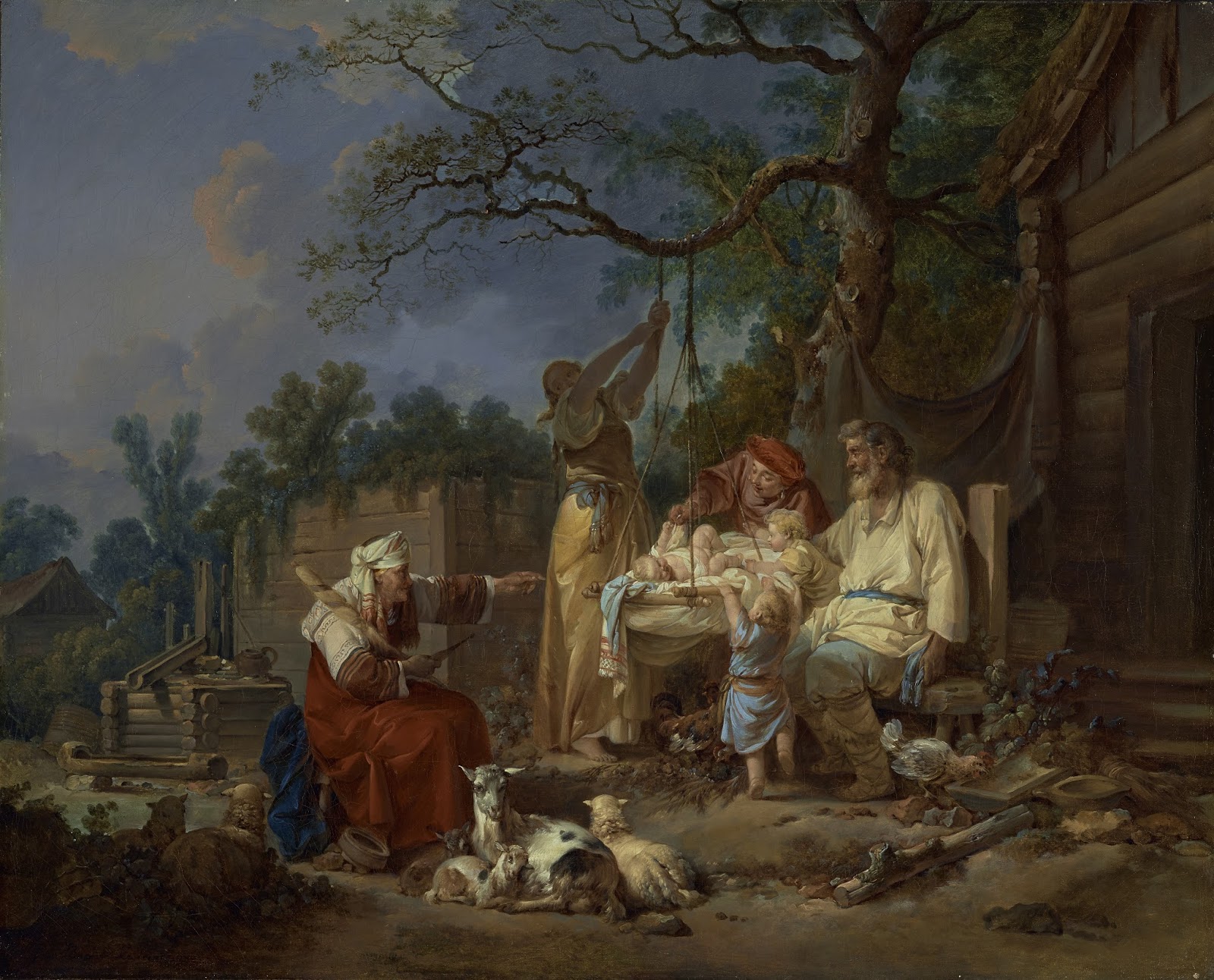
Jean-Baptiste Le Prince was an important French etcher and painter.


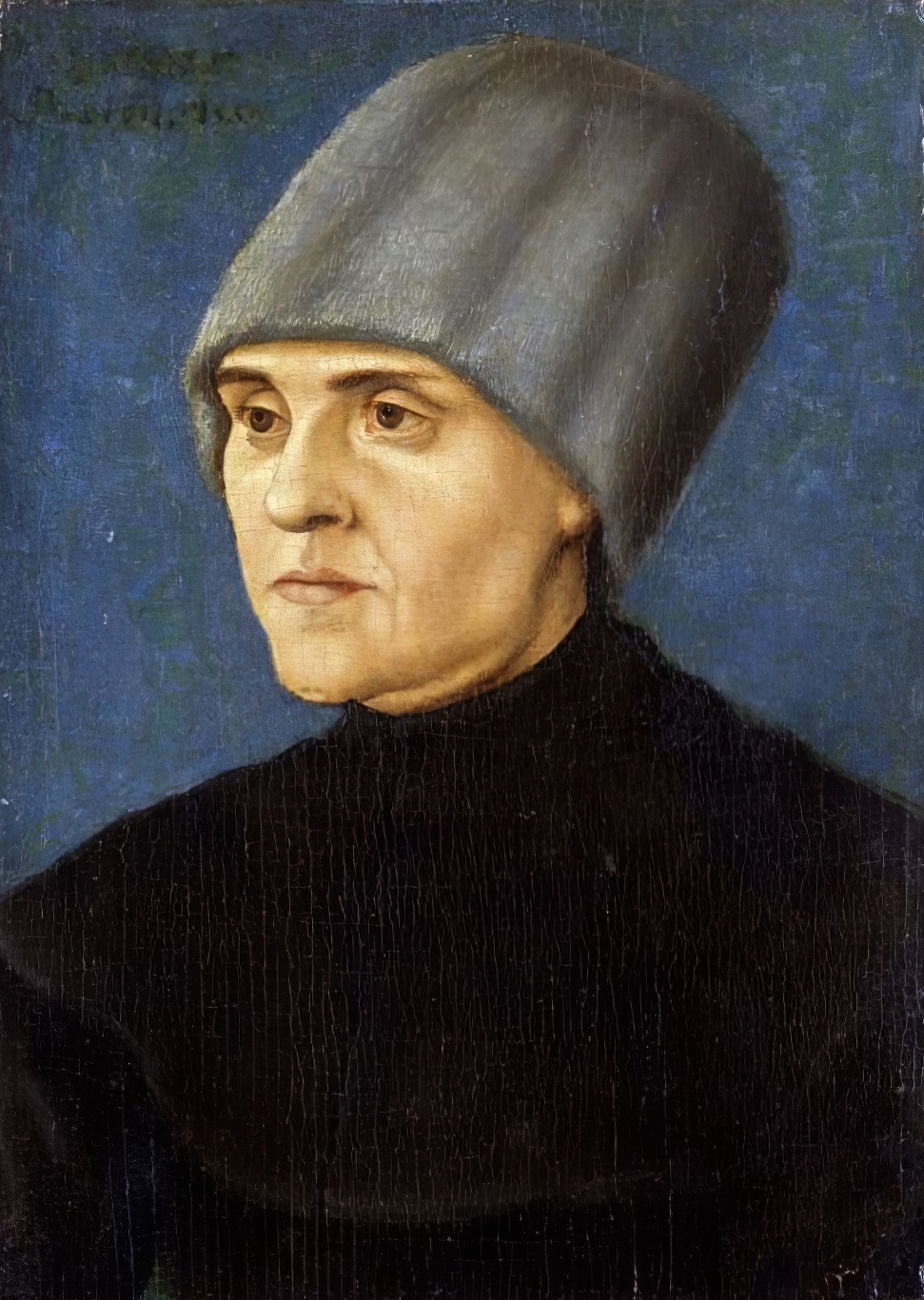
Hans Burgkmair the Elder was a German Renaissance painter, graphic artist and sculptor. He came from a family of painters. He studied painting with Martin Schongauer in Colmar from 1488.
Hans Burgkmayr was a versatile artist, working in various techniques including painting, woodcuts, stained glass designs and tapestries. He was known for his complex and detailed style, which included elements of naturalism and symbolism.
Burgkmayr's paintings often depicted religious and mythological themes, as well as historical events. His style is influenced by the Italian Renaissance, particularly in its attention to anatomical accuracy and use of perspective.
One of Hans Burgkmayr's significant contributions was in the field of engraving. His woodcuts were highly regarded for their technical skill and artistic quality.


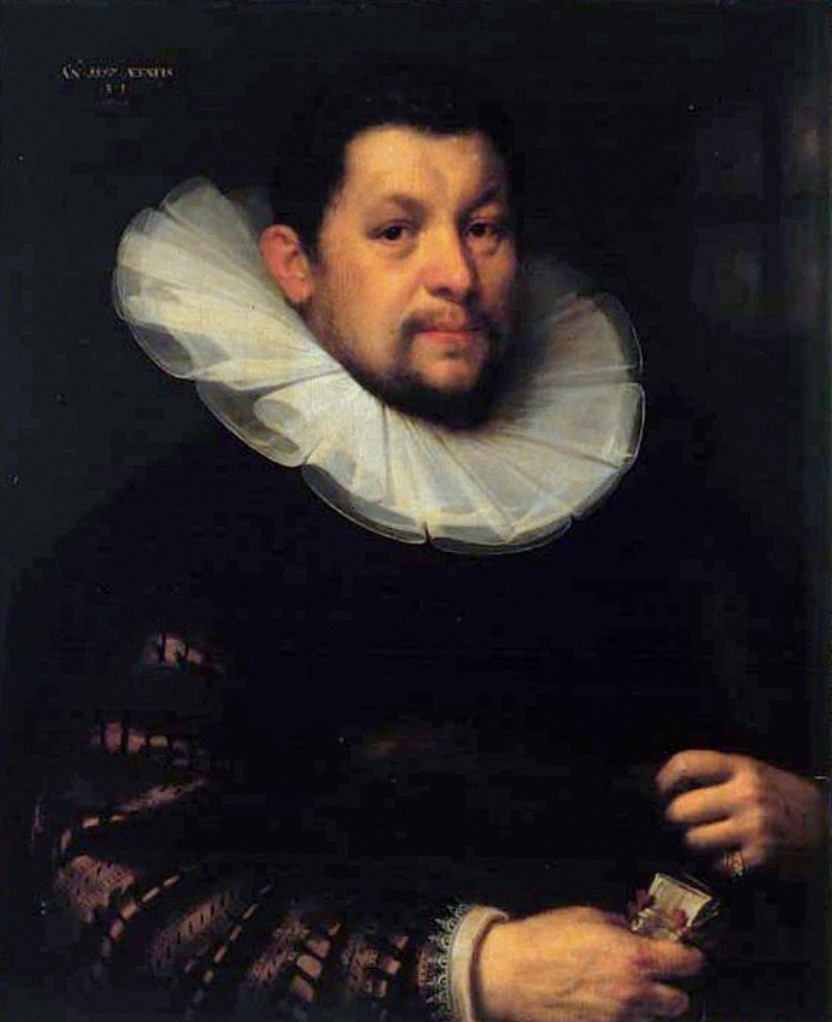
Gortzius Geldorp was a Flemish Renaissance painter who painted mainly portraits, including group portraits, and historical scenes. The painter Georg Geldorp was his son, who worked in England.


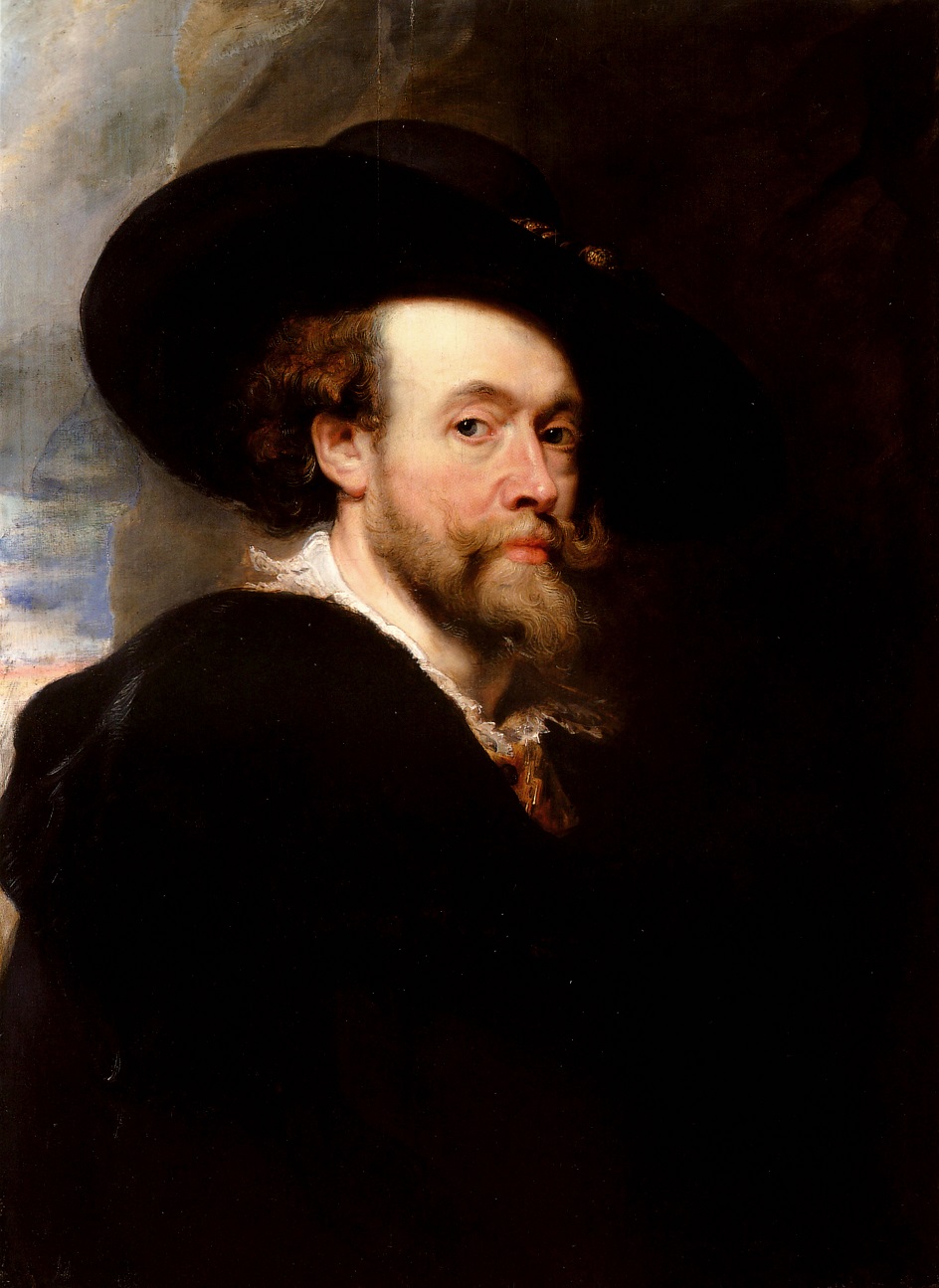
Peter Paul Rubens was a distinguished Flemish Baroque painter, renowned for his dynamic, vibrant, and sensuous paintings. Born on June 28, 1577, in Siegen, Westphalia, Germany, Rubens' family moved back to Antwerp in the Spanish Netherlands (now Belgium) after his father's death. He was raised in his mother’s Roman Catholic faith and received a classical education. He began his artistic training in 1591 and later traveled to Italy, where he was profoundly influenced by Renaissance masters like Titian, Tintoretto, and Veronese. This experience significantly shaped his artistic style.
Rubens' art is celebrated for its emphasis on movement, color, and sensuality. He was particularly skilled in depicting religious and mythological scenes, portraits, and landscapes. Some of his notable works include "The Descent from the Cross" and "The Raising of the Cross," which are prime examples of Baroque religious art, showcasing his unique style that blended influences from Italian Renaissance and his own innovations.
Rubens was not just a painter but also a diplomat, serving at various European courts. He was knighted by both Philip IV of Spain and Charles I of England. His diplomatic missions often intertwined with his artistic endeavors, as seen during his travels to Spain and Italy. In addition to painting, he was involved in designing tapestries, prints, and book title-pages. He ran a large workshop in Antwerp, producing works that were popular with nobility and art collectors across Europe. His studio was in his home, the Rubenshuis, now a museum.
His influence extended to his students, notably Anthony van Dyck, and his collaborative works with other artists like Jan Brueghel the Elder. Rubens' work continued to be celebrated for its vitality and influence on the Baroque style, making him one of the most influential artists of his time.
For those interested in the work and life of Peter Paul Rubens, many of his works can be found in museums and galleries worldwide, including the National Gallery in London, which houses several of his paintings like "A View of Het Steen in the Early Morning" and "Minerva protects Pax from Mars ('Peace and War')".
To stay updated on new product sales, auction events, and more related to Peter Paul Rubens, sign up for our updates. We provide essential information tailored for collectors and experts in art and antiques, focusing on the magnificent work of Rubens and his enduring legacy in the world of art.


