


A1287: Collecting with an Exquiste Eye. From a Private Collection Cologne


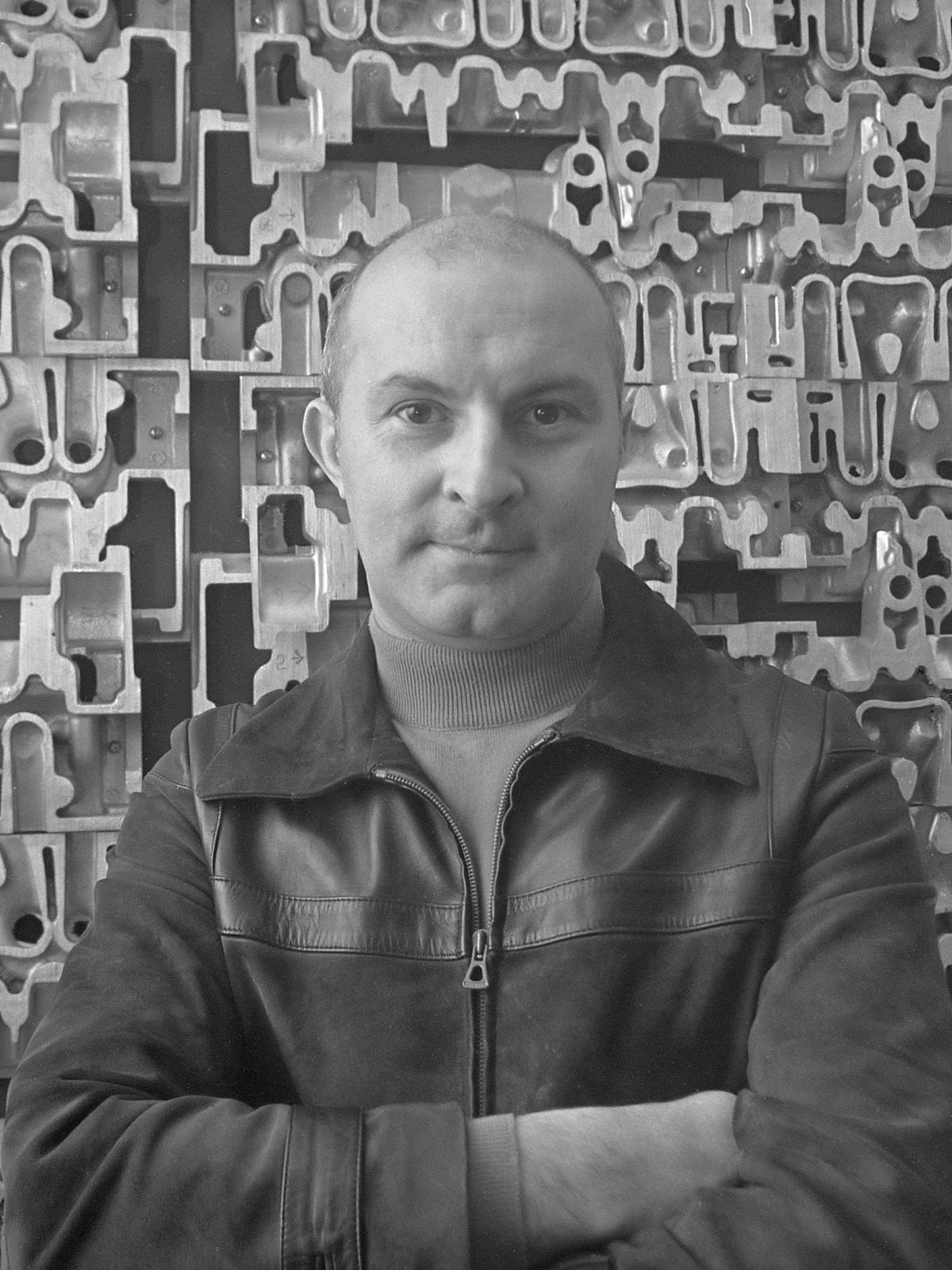
Armand Pierre Fernandez, widely known by his mononym Arman, was a French-born American artist celebrated for his innovative contributions to the Nouveau Réalisme movement and his radical use of everyday objects in art. Born in Nice, France, on November 17, 1928, Arman's early exposure to art came from his father, an antiques dealer and amateur artist, which deeply influenced his later artistic endeavors.
Arman moved beyond traditional painting techniques early in his career, instead creating his signature "Accumulations" and "Poubelles" (trash) sculptures. These works involved assembling and compacting everyday items like watches, clocks, and even automobiles, embedding these objects in layers of concrete or encasing them in Plexiglas. One of his most notable large-scale works is "Long Term Parking," a 60-foot high sculpture made of concrete-encased cars, situated in Jouy-en-Josas, France.
His work is an essential bridge between European and American trends in Pop art and has been widely exhibited in major institutions like the Metropolitan Museum of Art in New York, the Tate Gallery in London, and the Centre Pompidou in Paris. Arman's innovative techniques and philosophical approach to materials challenged conventional categorizations of art and inspired future generations of artists.
For collectors and enthusiasts interested in staying updated on exhibitions and sales related to Arman's work, signing up for updates can provide essential insights and opportunities related to this influential artist. Join our community to ensure you don't miss out on new discoveries and auction events associated with Arman's legacy.


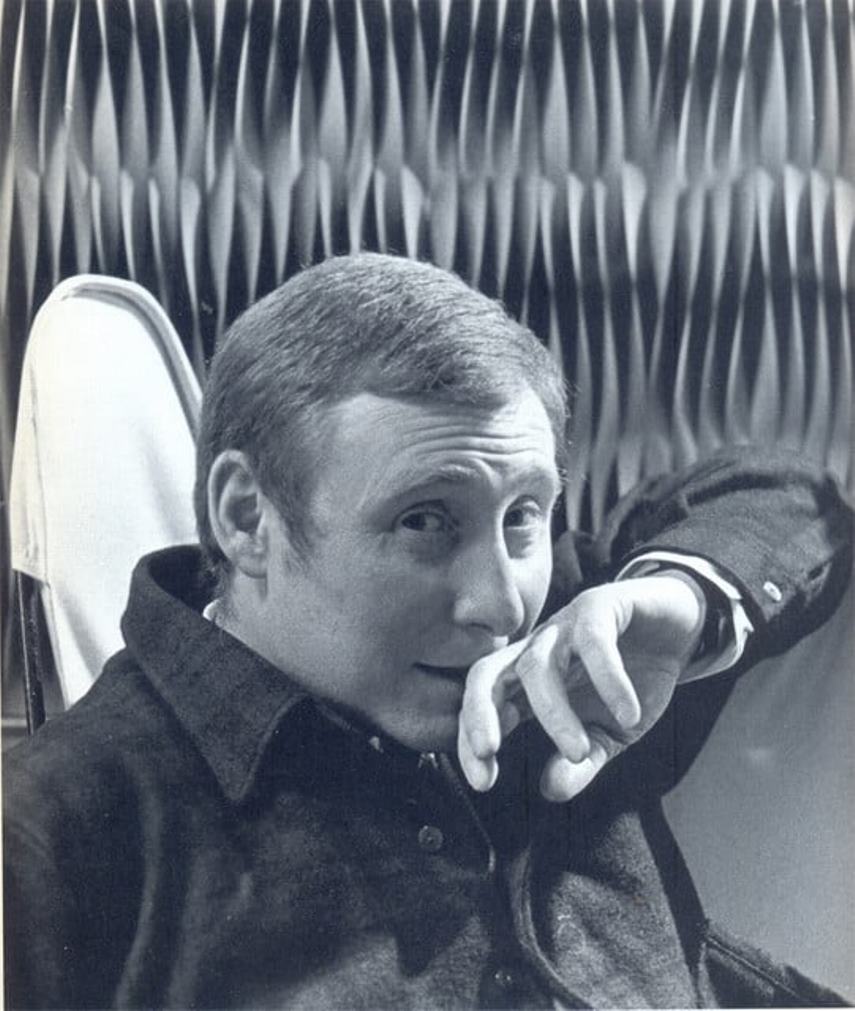
Walter Leblanc is a Belgian artist, one of the most important representatives of kinetic and optical art.
He studied at the Royal Academy of Fine Arts and the Higher Institute of Fine Arts in Antwerp.
Walter Leblanc gained international recognition as one of the founders and active participants in the avant-garde movements Nouvelle Tendance, ZERO, op art, kinetic art, concrete art. One of his famous works is the series "Twist Schemes".


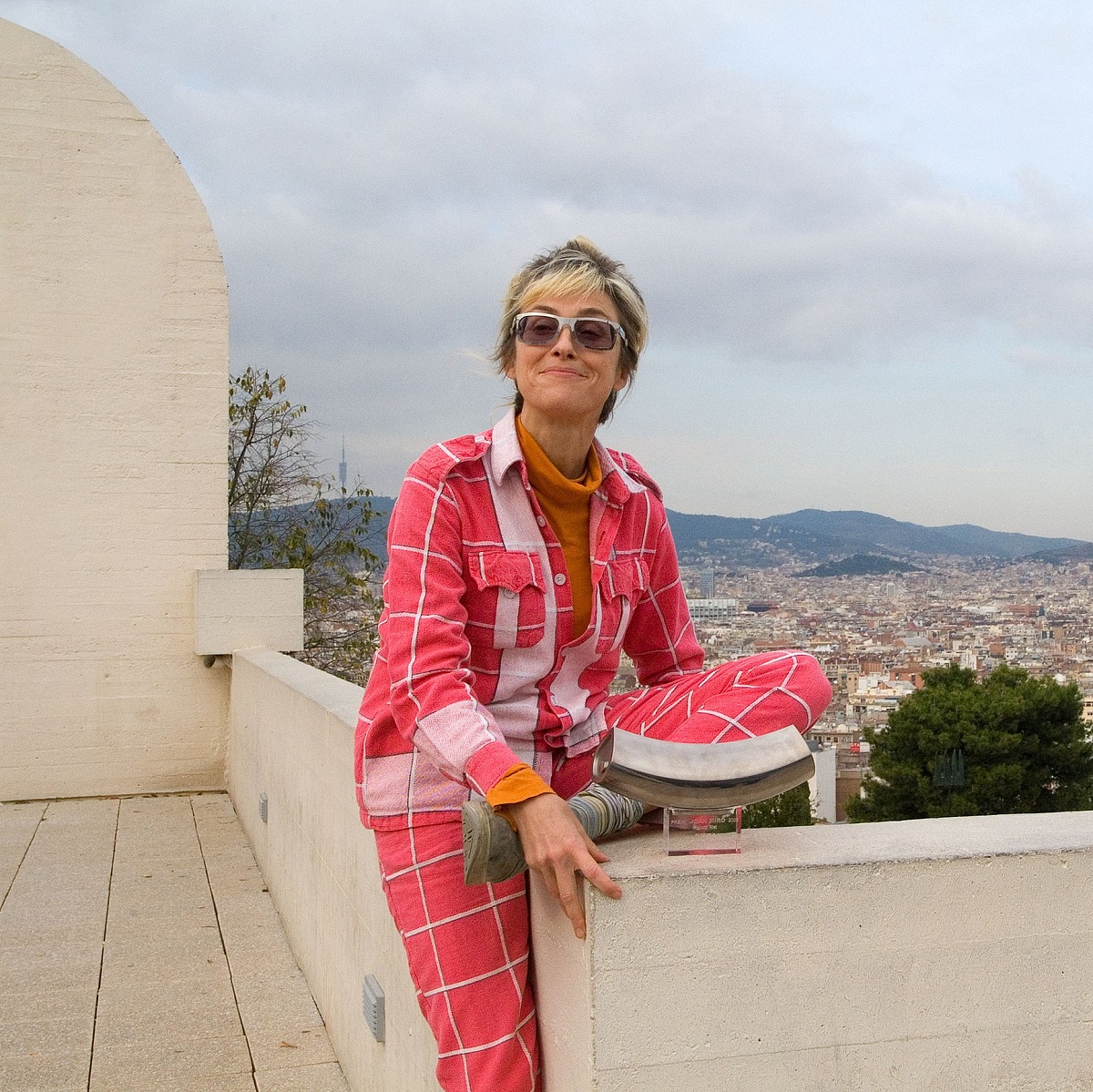
Pipilotti Elisabeth Rist is a Swiss visual artist best known for creating experimental video art and installation art. Her work is often described as surreal, intimate, abstract art, having a preoccupation with the female body. Her artwork is often categorized as feminist art.
Rist's work is known for its multi-sensory qualities, with overlapping projected imagery that is highly saturated with color, paired with sound components that are part of a larger environment with spaces for viewers to rest or lounge. Rist's work often transforms the architecture or environment of a white cube gallery into a more tactile, auditory and visual experience.


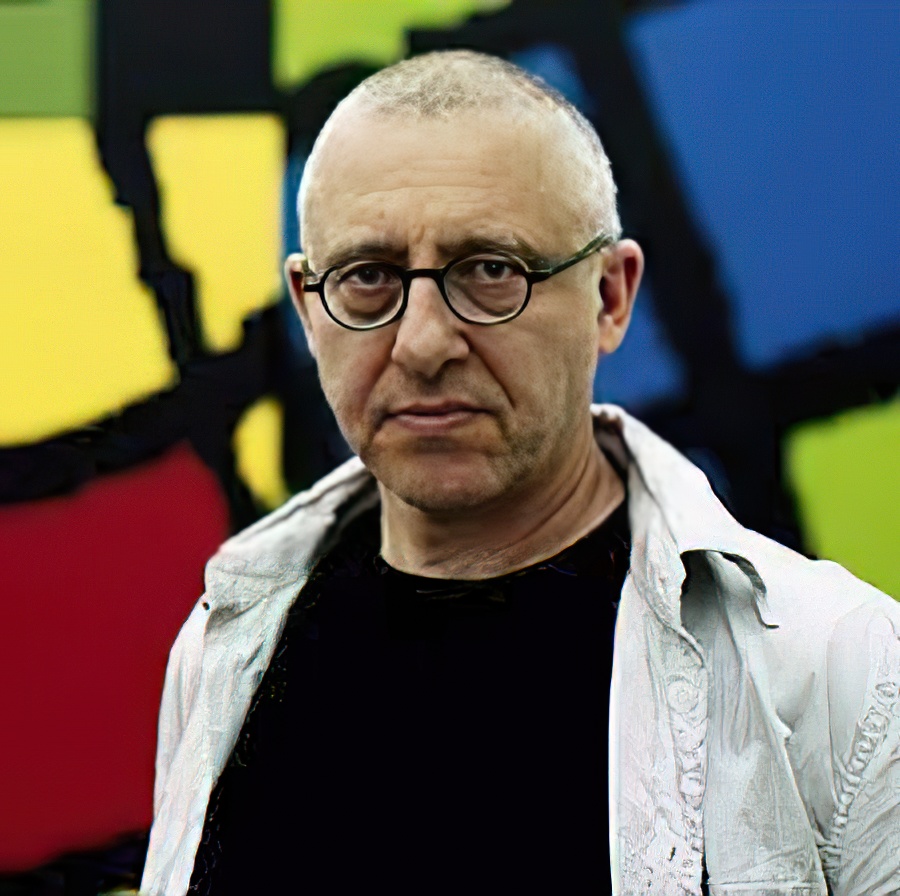




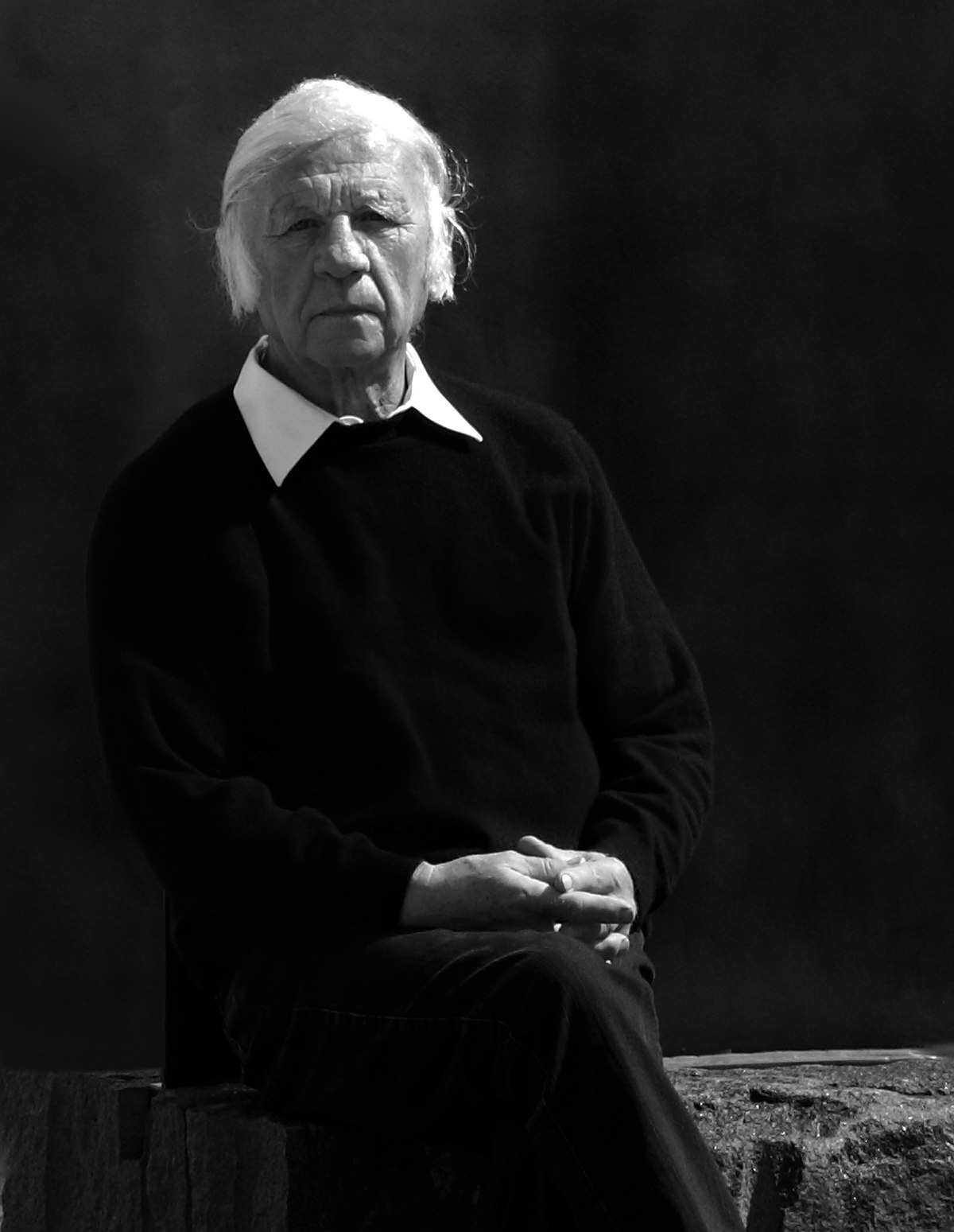
Heinz Mack is a German artist. Together with Otto Piene he founded the ZERO movement in 1957. He exhibited works at documenta in 1964 and 1977 and he represented Germany at the 1970 Venice Biennale. He is best known for his contributions to op art, light art and kinetic art.


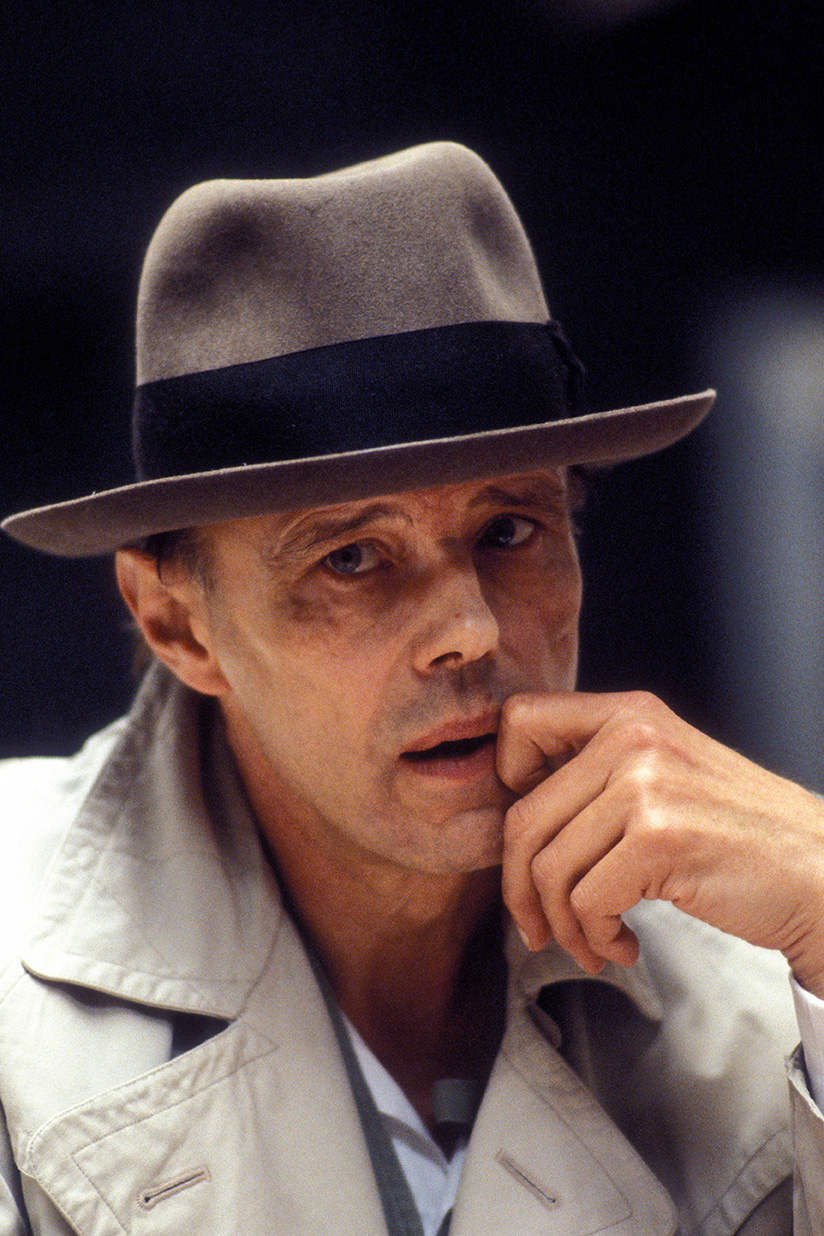
Joseph Heinrich Beuys was a German artist, renowned for his significant contributions to the realms of sculpture, painting, and installation art, which have left a lasting impact on the culture and art world. His work transcended traditional boundaries, merging art with social theory and politics, thus redefining the role of the artist in society. Beuys's unique approach to materials, incorporating substances like fat and felt, symbolized healing and insulation, reflecting his broader philosophical and ecological concerns.
Beuys's art was deeply influenced by his experiences during World War II and his academic background in natural sciences and sculpture. His concept of "social sculpture" proposed that art could transform society, emphasizing creativity as a fundamental component of human existence. This vision led him to use his performances, or "actions," as a medium to communicate his ideas, making him a pivotal figure in the Fluxus movement. Notable works such as "How to Explain Pictures to a Dead Hare" and "7000 Oaks" exemplify his innovative use of performance and environmental art to engage and challenge the public.
His legacy is preserved in major museums and galleries worldwide, including the Museum of Modern Art in New York and the Tate Modern in London. These institutions house key pieces that exemplify Beuys's diverse artistic output, from his early drawings and sculptures to his later installations and public interventions. His influence extends beyond the art world, impacting environmental activism and educational reform, underscoring his belief in the transformative power of art.
For collectors and experts in art and antiques, Joseph Heinrich Beuys remains a figure of immense interest, not only for his groundbreaking artworks but also for his profound impact on contemporary art theory and practice. To stay informed about new product sales and auction events related to Beuys, we invite you to sign up for updates. This subscription ensures you are always in the loop regarding opportunities to engage with the enduring legacy of one of the most influential artists of the 20th century.




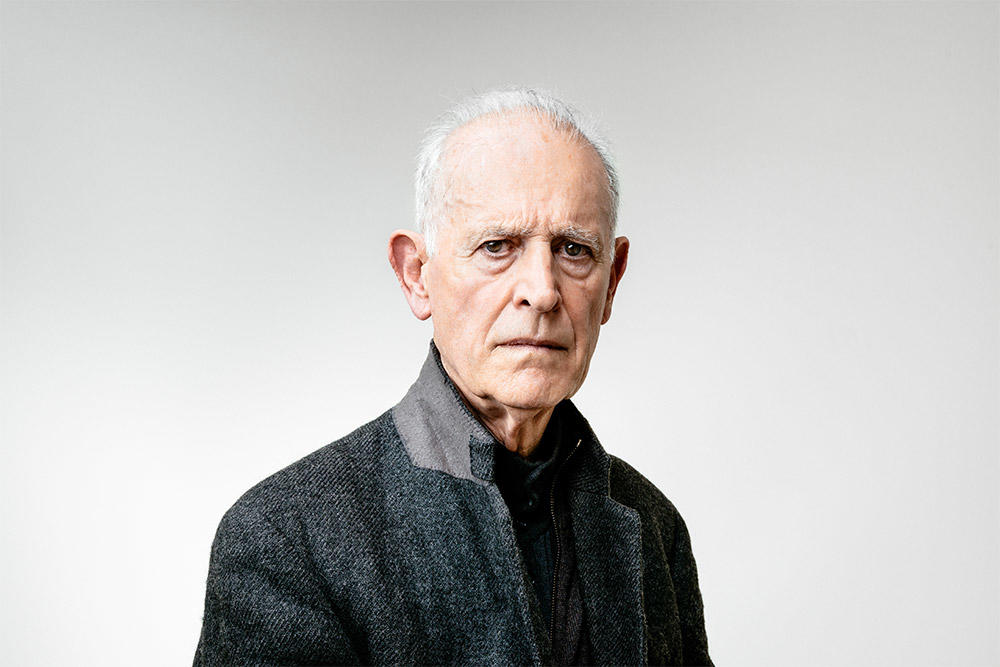


Joseph Heinrich Beuys was a German artist, renowned for his significant contributions to the realms of sculpture, painting, and installation art, which have left a lasting impact on the culture and art world. His work transcended traditional boundaries, merging art with social theory and politics, thus redefining the role of the artist in society. Beuys's unique approach to materials, incorporating substances like fat and felt, symbolized healing and insulation, reflecting his broader philosophical and ecological concerns.
Beuys's art was deeply influenced by his experiences during World War II and his academic background in natural sciences and sculpture. His concept of "social sculpture" proposed that art could transform society, emphasizing creativity as a fundamental component of human existence. This vision led him to use his performances, or "actions," as a medium to communicate his ideas, making him a pivotal figure in the Fluxus movement. Notable works such as "How to Explain Pictures to a Dead Hare" and "7000 Oaks" exemplify his innovative use of performance and environmental art to engage and challenge the public.
His legacy is preserved in major museums and galleries worldwide, including the Museum of Modern Art in New York and the Tate Modern in London. These institutions house key pieces that exemplify Beuys's diverse artistic output, from his early drawings and sculptures to his later installations and public interventions. His influence extends beyond the art world, impacting environmental activism and educational reform, underscoring his belief in the transformative power of art.
For collectors and experts in art and antiques, Joseph Heinrich Beuys remains a figure of immense interest, not only for his groundbreaking artworks but also for his profound impact on contemporary art theory and practice. To stay informed about new product sales and auction events related to Beuys, we invite you to sign up for updates. This subscription ensures you are always in the loop regarding opportunities to engage with the enduring legacy of one of the most influential artists of the 20th century.


Heinz Mack is a German artist. Together with Otto Piene he founded the ZERO movement in 1957. He exhibited works at documenta in 1964 and 1977 and he represented Germany at the 1970 Venice Biennale. He is best known for his contributions to op art, light art and kinetic art.


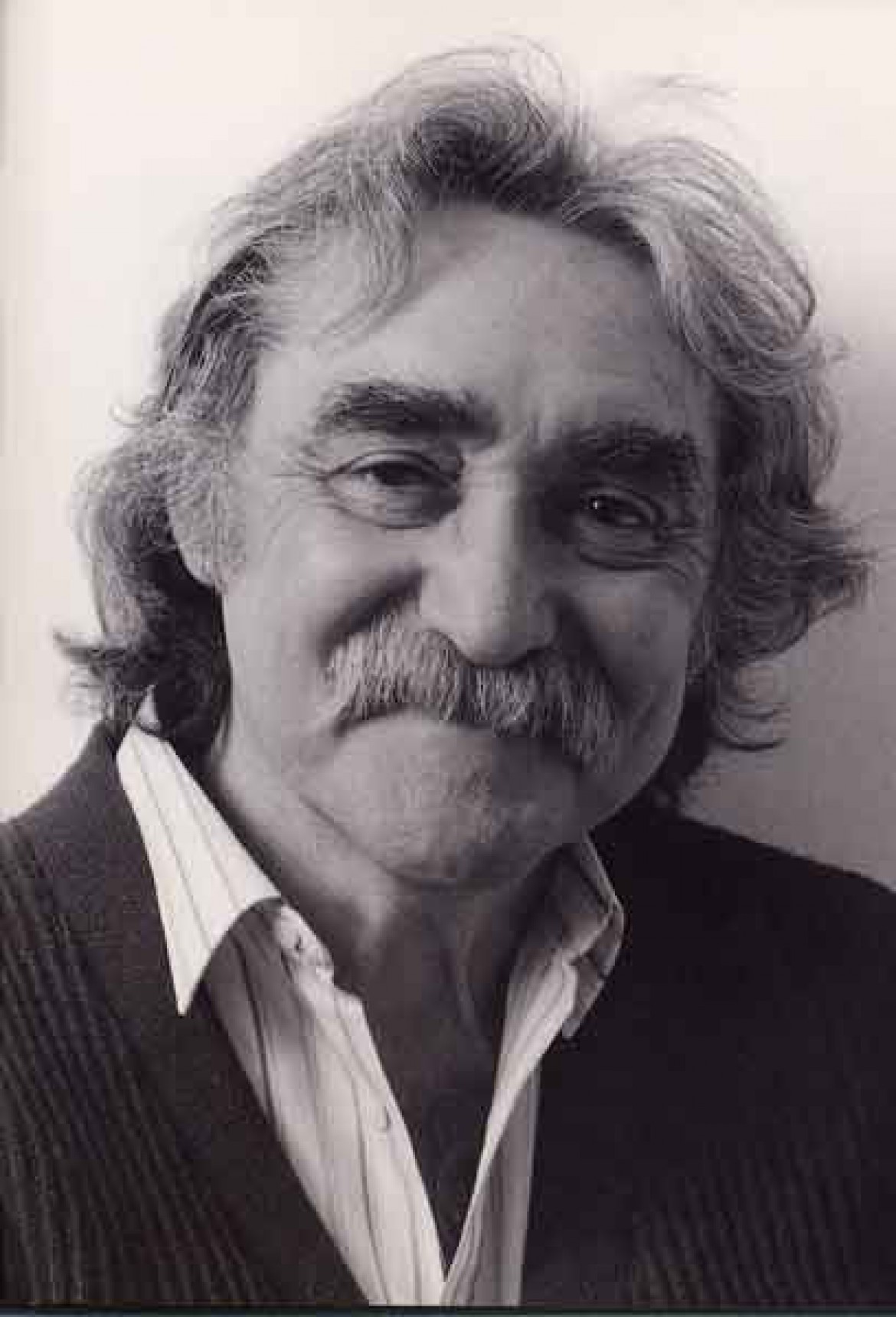
Jesús Rafael García Soto was a Venezuelan artist, renowned for his pioneering work in kinetic and op art, which sought to create an immersive experience that blurred the lines between the artwork and the viewer. Born in 1923, Soto embarked on a journey that would see him at the forefront of a movement that emphasized the visual dynamics of art, integrating sculpture, painting, and viewer participation in novel ways. His exploration of geometric abstraction and optical effects led to the development of his distinctive style, characterized by the use of materials such as plexiglass to create engaging optical illusions and vibrant, moving sculptures.
Soto's journey into the realms of kinetic art was marked by significant milestones, including his participation in the groundbreaking 1955 exhibition, Le Mouvement, at the Denise René gallery in Paris. This event was instrumental in defining the kinetic art movement, with Soto alongside artists like Yaacov Agam, Marcel Duchamp, and Victor Vasarely, presenting works that invited viewers to experience art in a dynamic, interactive manner. His quest for a new visual language led him to experiment with the dematerialization of form, creating artworks that seemed to dissolve into their surroundings, thereby challenging the viewer's perceptions of space and form.
Throughout his career, Soto remained dedicated to exploring the intrinsic relationships between space, movement, and viewer perception. His creations, ranging from the "Penetrables" series—immersive environments made of hanging strands that visitors could walk through—to large-scale murals and public sculptures, have been celebrated worldwide. His works are part of major collections and have been exhibited extensively, including at institutions such as the Museum of Modern Art in New York and the Tate Gallery in London, demonstrating his lasting influence on contemporary art.
For art collectors and enthusiasts intrigued by the fusion of art and motion, Jesús Rafael García Soto's work offers a profound exploration of the kinetic art movement's possibilities. His contributions to art are not just visual spectacles but invitations to engage directly with the kinetic energy and vibrancy of the world.
To stay updated on exhibitions and sales featuring Jesús Rafael García Soto's work, sign up for updates. This subscription ensures you're informed about new product sales and auction events related to this visionary artist, offering unique opportunities to experience the dynamism of kinetic art firsthand.