museum


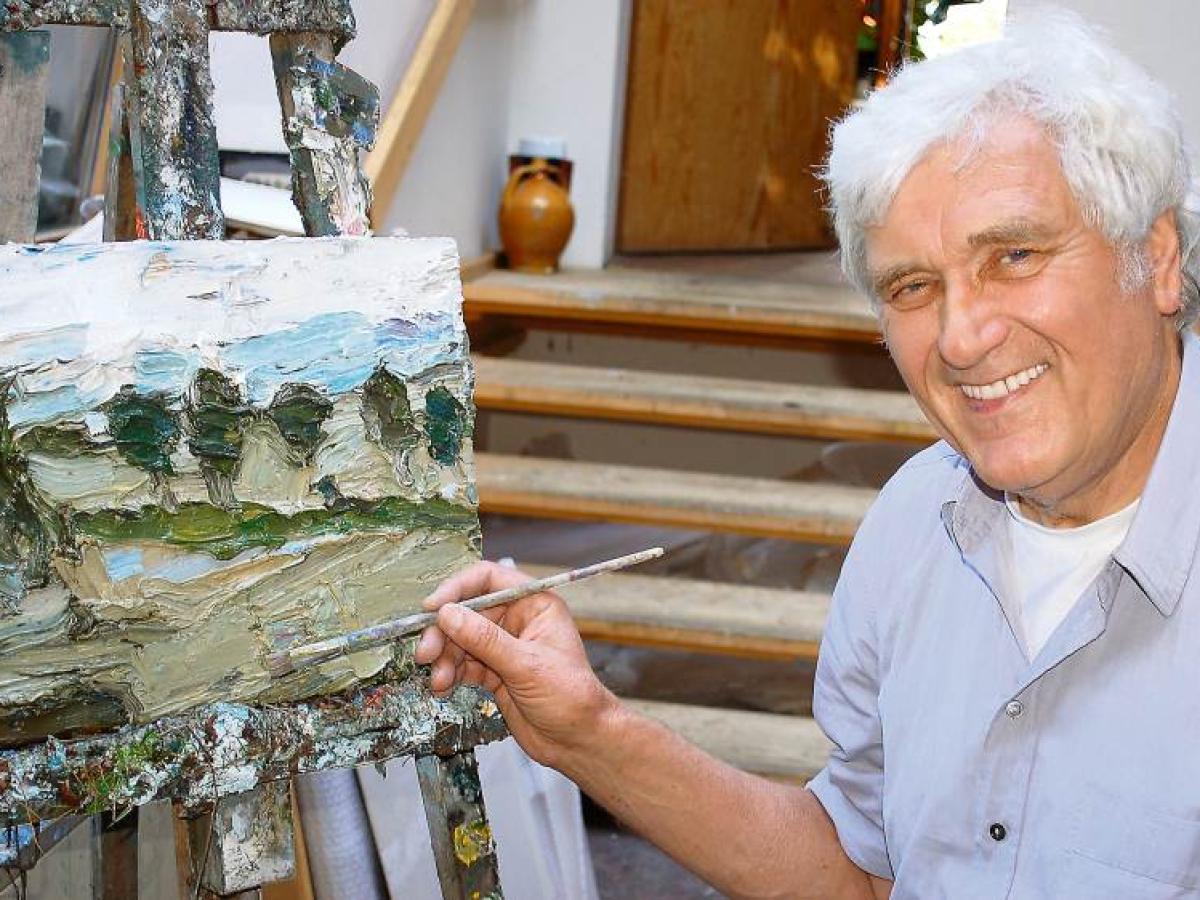
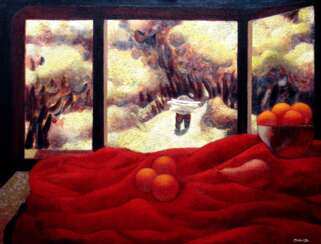
Klaus Fußmann is a contemporary German painter. He studied from 1957 to 1961 at the Folkwang University of the Arts in Essen and from 1962 to 1966 at the Berlin University of the Arts. From 1974 to 2005, he was a professor at the Berlin University of the Arts. His work has won several awards, such as the Villa Romana prize in 1972 and the Art Award of Darmstadt in 1979. Major presentations of his work include exhibitions at the Neue Nationalgalerie in Berlin, 1972; the Mathildenhöhe in Darmstadt, 1982; the Kunsthalle Emden, 1988; the Kunsthalle Bremen, 1992; and the Museum Ostwall in Dortmund, 2003. In 2005 Fußmann completed a monumental ceiling painting in the Mirror Hall of the Museum für Kunst und Gewerbe Hamburg.





Fritz Fleer is a German painter and sculptor. He studied at the Hamburg University of Fine Arts in the class of Edwin Paul Scharf.
As independent artist, Fritz Fleer has been creating works for urban planning since the 1950s; in Hamburg he was commissioned for 17 sculptures by the municipal housing company SAGA.
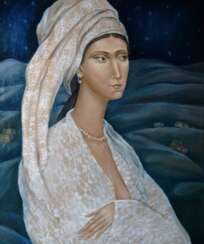













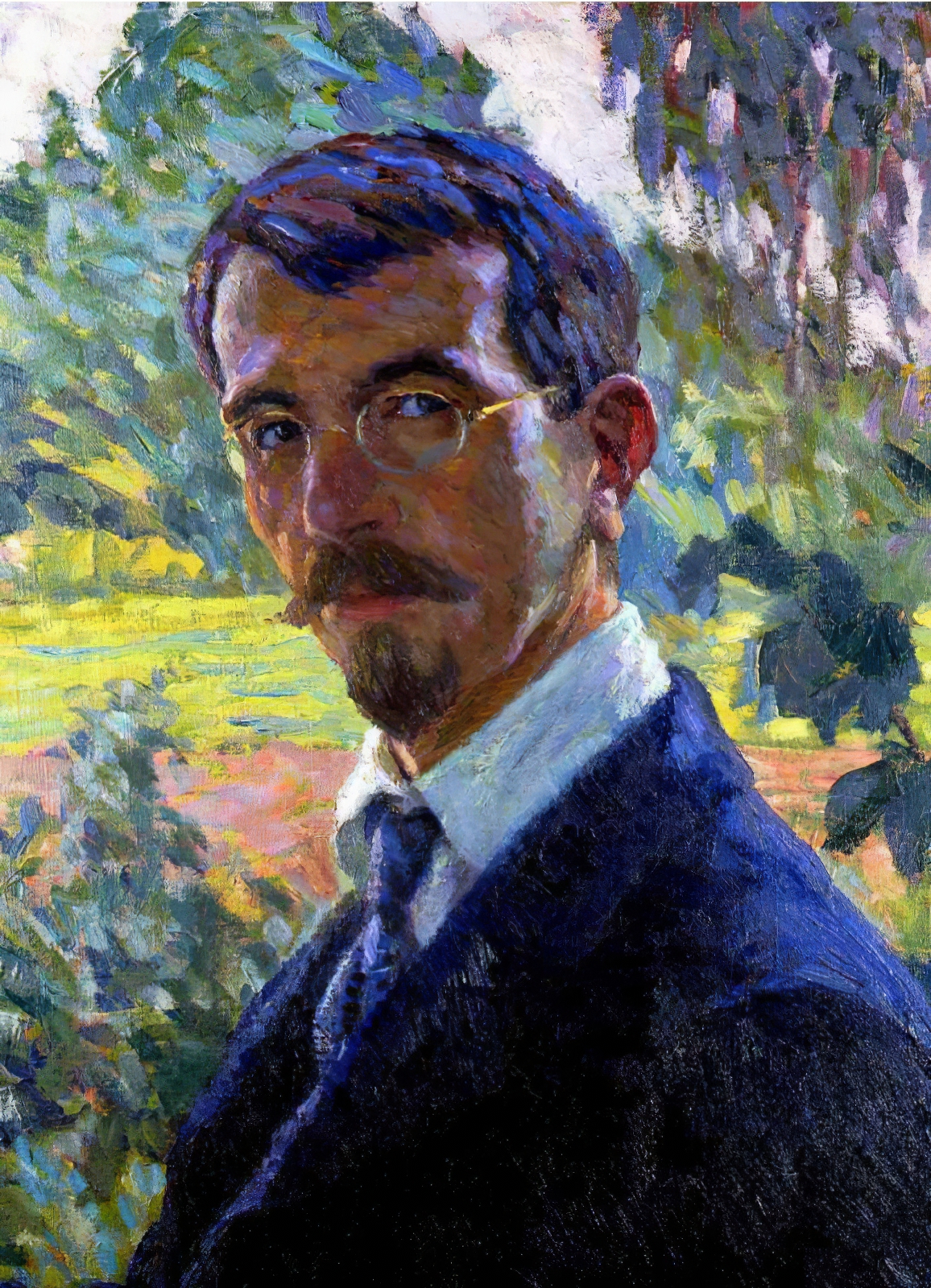
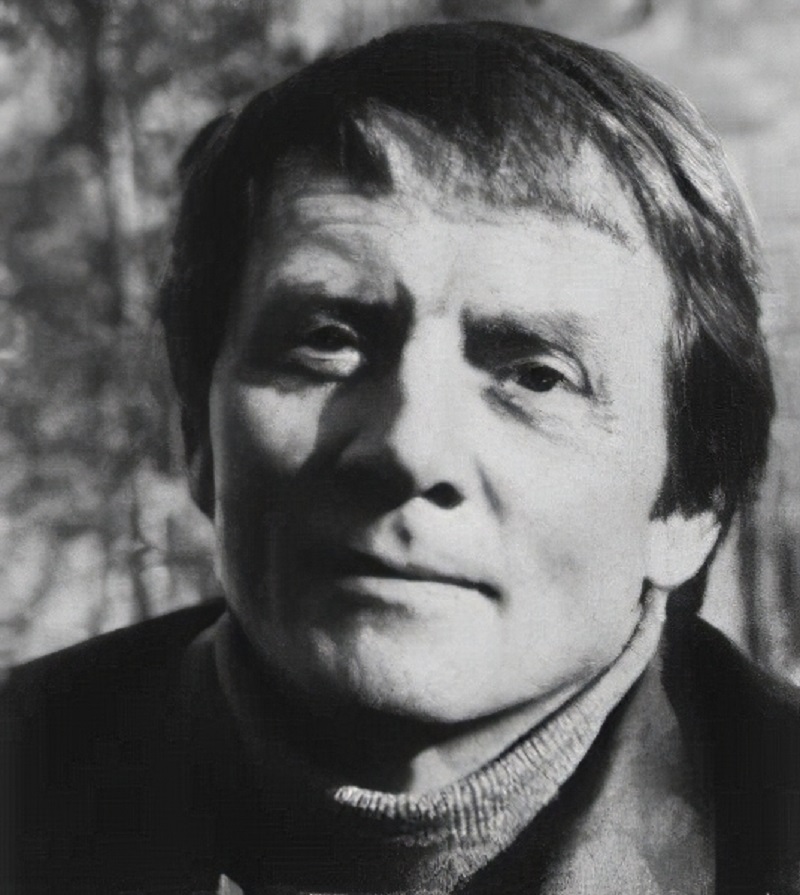
Wilhelm Heinrich Ernst Eitner was a German painter of the late nineteenth and first half of the twentieth centuries. He is known as an impressionist painter and teacher.
Eitner produced portraits, landscapes, and woodcuts in a style reminiscent of Japanese art. Despite initial rejection in German society of his impressionist style of painting, over the years he gained recognition and even the title "Claude Monet of the North." Eitner was a member of numerous art associations. His works are preserved in the Hamburg Kunsthalle.


Wilhelm Heinrich Ernst Eitner was a German painter of the late nineteenth and first half of the twentieth centuries. He is known as an impressionist painter and teacher.
Eitner produced portraits, landscapes, and woodcuts in a style reminiscent of Japanese art. Despite initial rejection in German society of his impressionist style of painting, over the years he gained recognition and even the title "Claude Monet of the North." Eitner was a member of numerous art associations. His works are preserved in the Hamburg Kunsthalle.


Wilhelm Heinrich Ernst Eitner was a German painter of the late nineteenth and first half of the twentieth centuries. He is known as an impressionist painter and teacher.
Eitner produced portraits, landscapes, and woodcuts in a style reminiscent of Japanese art. Despite initial rejection in German society of his impressionist style of painting, over the years he gained recognition and even the title "Claude Monet of the North." Eitner was a member of numerous art associations. His works are preserved in the Hamburg Kunsthalle.


Wilhelm Heinrich Ernst Eitner was a German painter of the late nineteenth and first half of the twentieth centuries. He is known as an impressionist painter and teacher.
Eitner produced portraits, landscapes, and woodcuts in a style reminiscent of Japanese art. Despite initial rejection in German society of his impressionist style of painting, over the years he gained recognition and even the title "Claude Monet of the North." Eitner was a member of numerous art associations. His works are preserved in the Hamburg Kunsthalle.


Wilhelm Heinrich Ernst Eitner was a German painter of the late nineteenth and first half of the twentieth centuries. He is known as an impressionist painter and teacher.
Eitner produced portraits, landscapes, and woodcuts in a style reminiscent of Japanese art. Despite initial rejection in German society of his impressionist style of painting, over the years he gained recognition and even the title "Claude Monet of the North." Eitner was a member of numerous art associations. His works are preserved in the Hamburg Kunsthalle.


Wilhelm Heinrich Ernst Eitner was a German painter of the late nineteenth and first half of the twentieth centuries. He is known as an impressionist painter and teacher.
Eitner produced portraits, landscapes, and woodcuts in a style reminiscent of Japanese art. Despite initial rejection in German society of his impressionist style of painting, over the years he gained recognition and even the title "Claude Monet of the North." Eitner was a member of numerous art associations. His works are preserved in the Hamburg Kunsthalle.



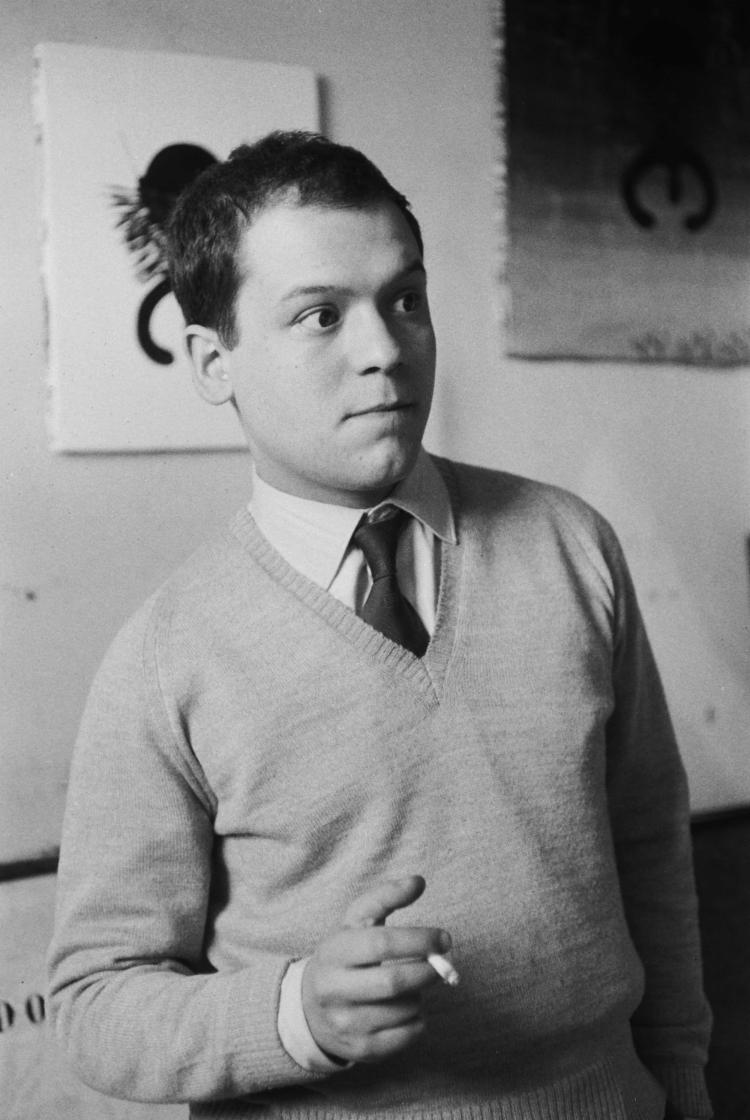
Piero Manzoni was an Italian artist. He was a leading figure in the Italian avant-garde movement of the 1950s and 1960s, and is best known for his conceptual and performance artworks.
Manzoni's works often involved the use of unconventional materials, such as his famous series of "Artist's Shit" cans, which were filled with his own excrement and sealed with a label that declared "Artist's Shit". He also created works using cotton balls, balloons, and even human hair.
One of Manzoni's most famous performances was "Living Sculptures," in which he covered himself in gold paint and posed as a living statue in a gallery. He also created a "Base of the World," a pedestal labeled with that phrase, and invited people to stand on it, thereby declaring themselves the center of the world.
Manzoni's works challenged traditional notions of art and pushed the boundaries of what was considered acceptable as artistic expression.