

hebe


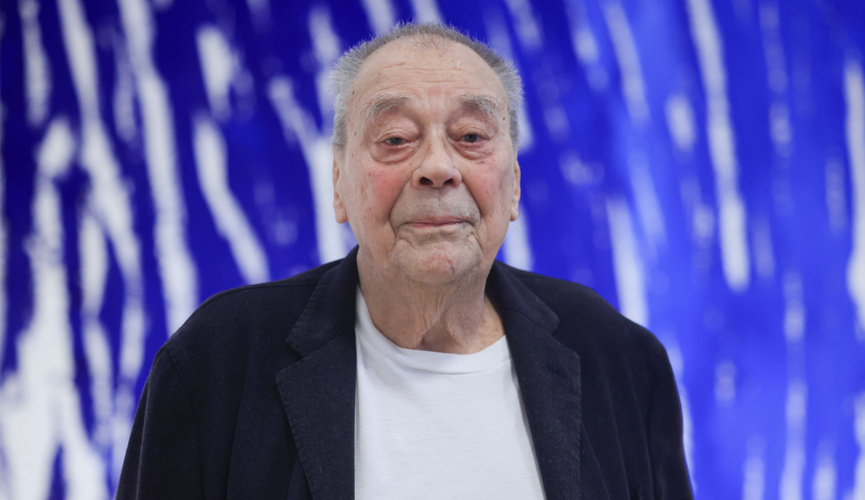
Günther Uecker is a German sculptor, op artist and installation artist.



Günther Uecker is a German sculptor, op artist and installation artist.


Günther Uecker is a German sculptor, op artist and installation artist.


Günther Uecker is a German sculptor, op artist and installation artist.


Günther Uecker is a German sculptor, op artist and installation artist.


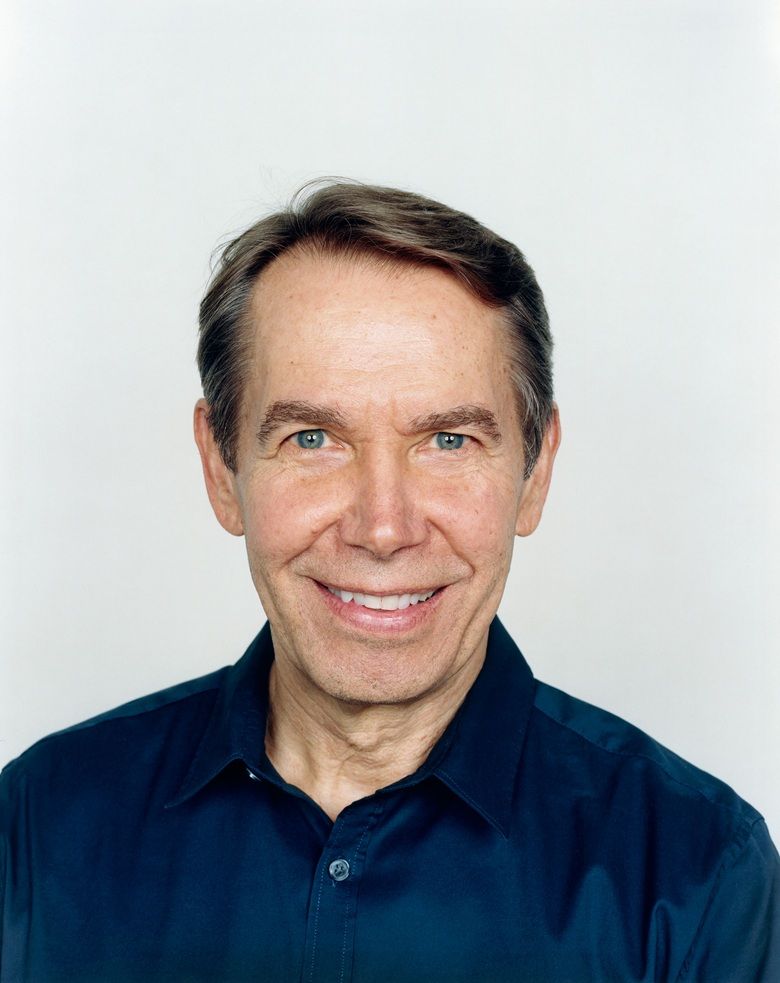
Jeffrey Lynn Koons is an American artist recognized for his work dealing with popular culture and his sculptures depicting everyday objects, including balloon animals produced in stainless steel with mirror-finish surfaces. He lives and works in both New York City and his hometown of York, Pennsylvania. His works have sold for substantial sums, including at least two record auction prices for a work by a living artist: US$58.4 million for Balloon Dog (Orange) in 2013 and US$91.1 million for Rabbit in 2019.
Critics are sharply divided in their views of Koons. Some view his work as pioneering and of major art-historical importance. Others dismiss his work as kitsch, crass, and based on cynical self-merchandising. Koons has stated that there are no hidden meanings and critiques in his works.


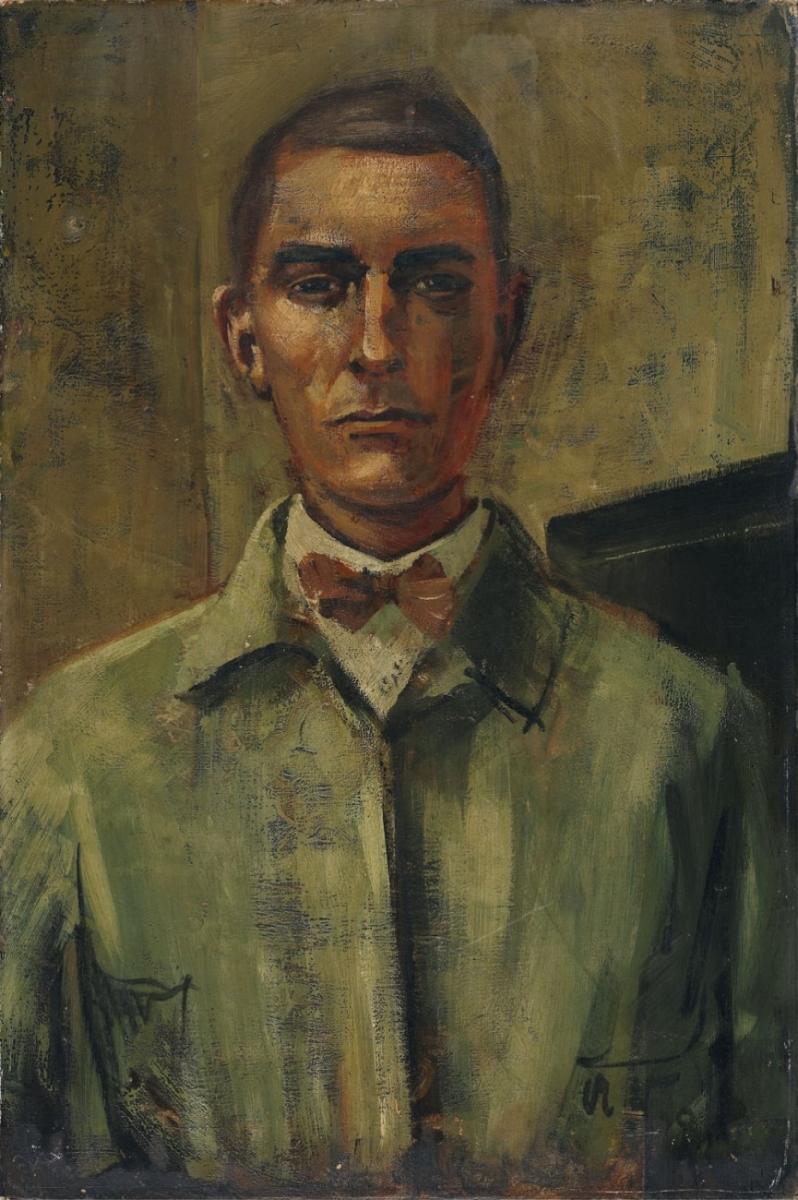
Anton Räderscheidt was a German painter who was a leading figure of the New Objectivity. Räderscheidt was born in Cologne. His father was a schoolmaster who also wrote poetry. From 1910 to 1914, Räderscheidt studied at the Academy of Düsseldorf. He was severely wounded in the First World War, during which he fought at Verdun. After the war he returned to Cologne, where in 1919 he cofounded the artists' group Stupid with other members of the local constructivist and Dada scene. The group was short-lived, as Räderscheidt was by 1920 abandoning constructivism for a magic realist style. In 1925 he participated in the Neue Sachlichkeit ("New Objectivity") exhibition at the Mannheim Kunsthalle.


Anton Räderscheidt was a German painter who was a leading figure of the New Objectivity. Räderscheidt was born in Cologne. His father was a schoolmaster who also wrote poetry. From 1910 to 1914, Räderscheidt studied at the Academy of Düsseldorf. He was severely wounded in the First World War, during which he fought at Verdun. After the war he returned to Cologne, where in 1919 he cofounded the artists' group Stupid with other members of the local constructivist and Dada scene. The group was short-lived, as Räderscheidt was by 1920 abandoning constructivism for a magic realist style. In 1925 he participated in the Neue Sachlichkeit ("New Objectivity") exhibition at the Mannheim Kunsthalle.


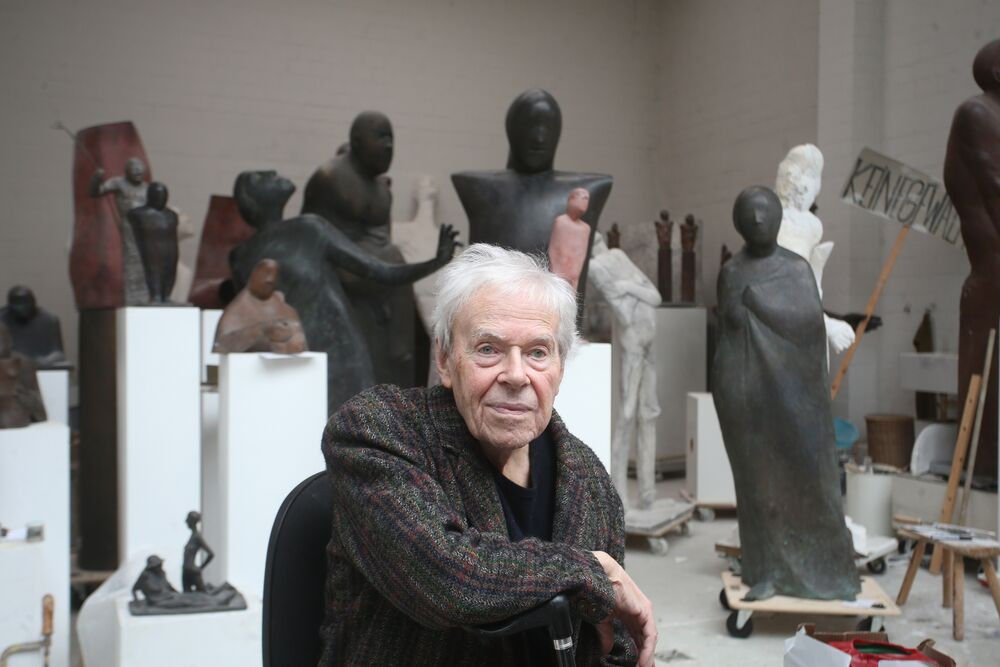
Waldemar Otto is a German sculptor of Polish descent.
Otto studied sculpture at the Academy of Fine Arts in Berlin, won the 1957 Grosse Berliner Kunstausst Prize, lived with his family in the United States, and moved to Bremen in 1973, accepting a professorship at the University of the Arts. He founded the Bremer School of Sculpture there and then moved to Worpswede.
Waldemar Otto practiced figurative sculpture in the form of torsos, creating his figurative human images in wood, granite, bronze and cast stone. Many of his works can be seen in public spaces in various German cities.


Anton Räderscheidt was a German painter who was a leading figure of the New Objectivity. Räderscheidt was born in Cologne. His father was a schoolmaster who also wrote poetry. From 1910 to 1914, Räderscheidt studied at the Academy of Düsseldorf. He was severely wounded in the First World War, during which he fought at Verdun. After the war he returned to Cologne, where in 1919 he cofounded the artists' group Stupid with other members of the local constructivist and Dada scene. The group was short-lived, as Räderscheidt was by 1920 abandoning constructivism for a magic realist style. In 1925 he participated in the Neue Sachlichkeit ("New Objectivity") exhibition at the Mannheim Kunsthalle.
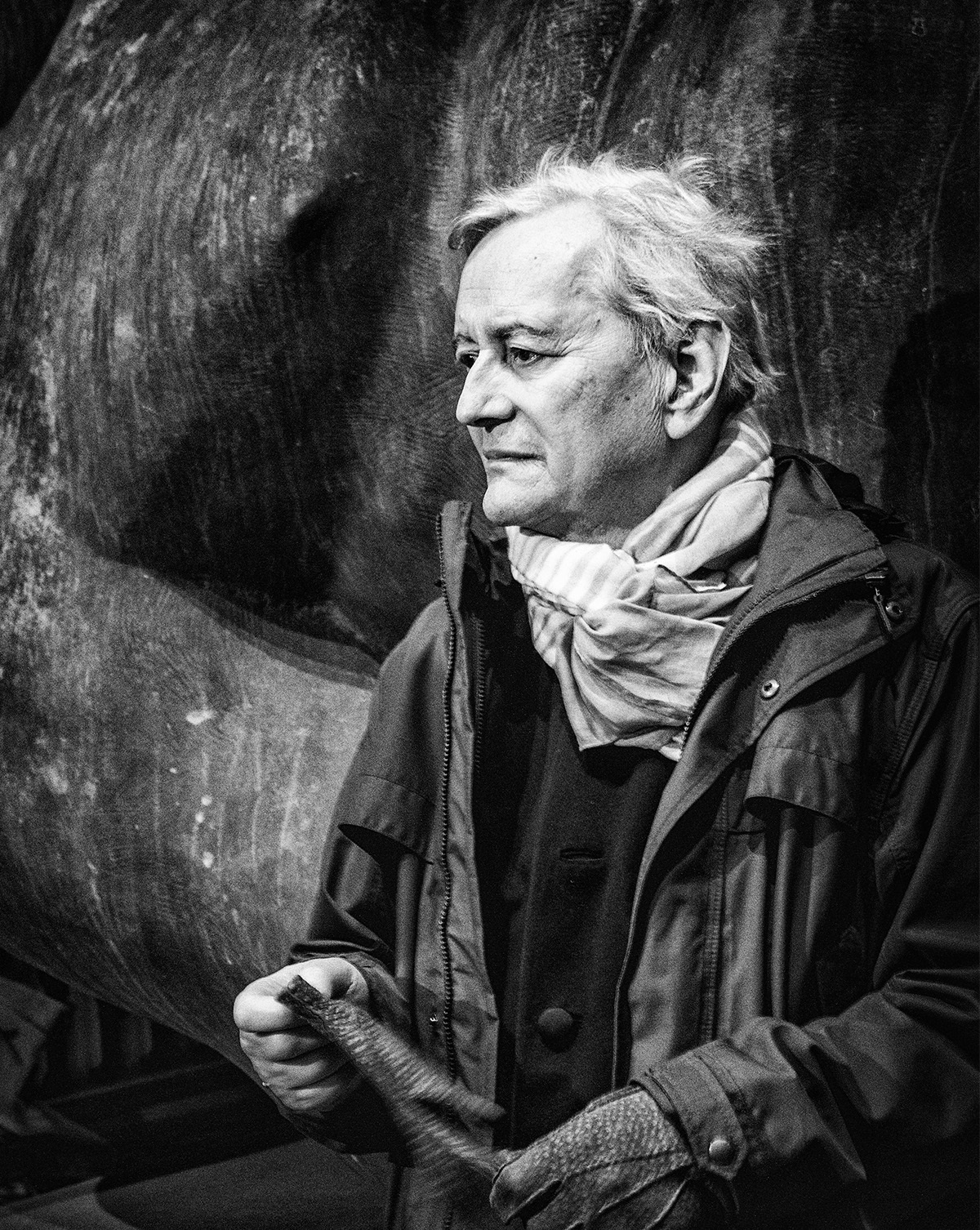
Igor Mitoraj, a renowned Polish sculptor, was celebrated for his unique approach to sculptural art, which combined classical techniques with modernist interpretations. Igor Mitoraj's artistic journey led him across Europe, studying under notable figures such as Tadeusz Kantor at the Krakow Academy of Fine Arts before expanding his horizons in Paris and Italy.
Igor Mitoraj's works are distinguished by their classical inspiration, often focusing on the human body's beauty and fragility. Yet, he introduced a contemporary twist by presenting his figures as fragmented or truncated, a nod to the imperfections and vulnerabilities inherent in human nature. This stylistic choice not only set him apart in the art world but also allowed him to explore deeper themes of human experience and existential reflection.
His sculptures, often large-scale, are displayed in public spaces across the globe, from the streets of European cities to the ruins of Pompeii, where his piece "Daedalus" stands as a testament to his artistic legacy. Igor Mitoraj's influence extends beyond public installations, with his works featured in various prestigious exhibitions and collections, illustrating a career marked by a commitment to exploring the human condition through art.
For art collectors and enthusiasts interested in Mitoraj's work, staying informed about upcoming sales and auction events can provide unique opportunities to acquire pieces by this influential artist. Subscribing to updates related to Igor Mitoraj can ensure you're always in the know about new offerings and events celebrating his artistic contributions.
Igor Mitoraj, a renowned Polish sculptor, was celebrated for his unique approach to sculptural art, which combined classical techniques with modernist interpretations. Igor Mitoraj's artistic journey led him across Europe, studying under notable figures such as Tadeusz Kantor at the Krakow Academy of Fine Arts before expanding his horizons in Paris and Italy.
Igor Mitoraj's works are distinguished by their classical inspiration, often focusing on the human body's beauty and fragility. Yet, he introduced a contemporary twist by presenting his figures as fragmented or truncated, a nod to the imperfections and vulnerabilities inherent in human nature. This stylistic choice not only set him apart in the art world but also allowed him to explore deeper themes of human experience and existential reflection.
His sculptures, often large-scale, are displayed in public spaces across the globe, from the streets of European cities to the ruins of Pompeii, where his piece "Daedalus" stands as a testament to his artistic legacy. Igor Mitoraj's influence extends beyond public installations, with his works featured in various prestigious exhibitions and collections, illustrating a career marked by a commitment to exploring the human condition through art.
For art collectors and enthusiasts interested in Mitoraj's work, staying informed about upcoming sales and auction events can provide unique opportunities to acquire pieces by this influential artist. Subscribing to updates related to Igor Mitoraj can ensure you're always in the know about new offerings and events celebrating his artistic contributions.
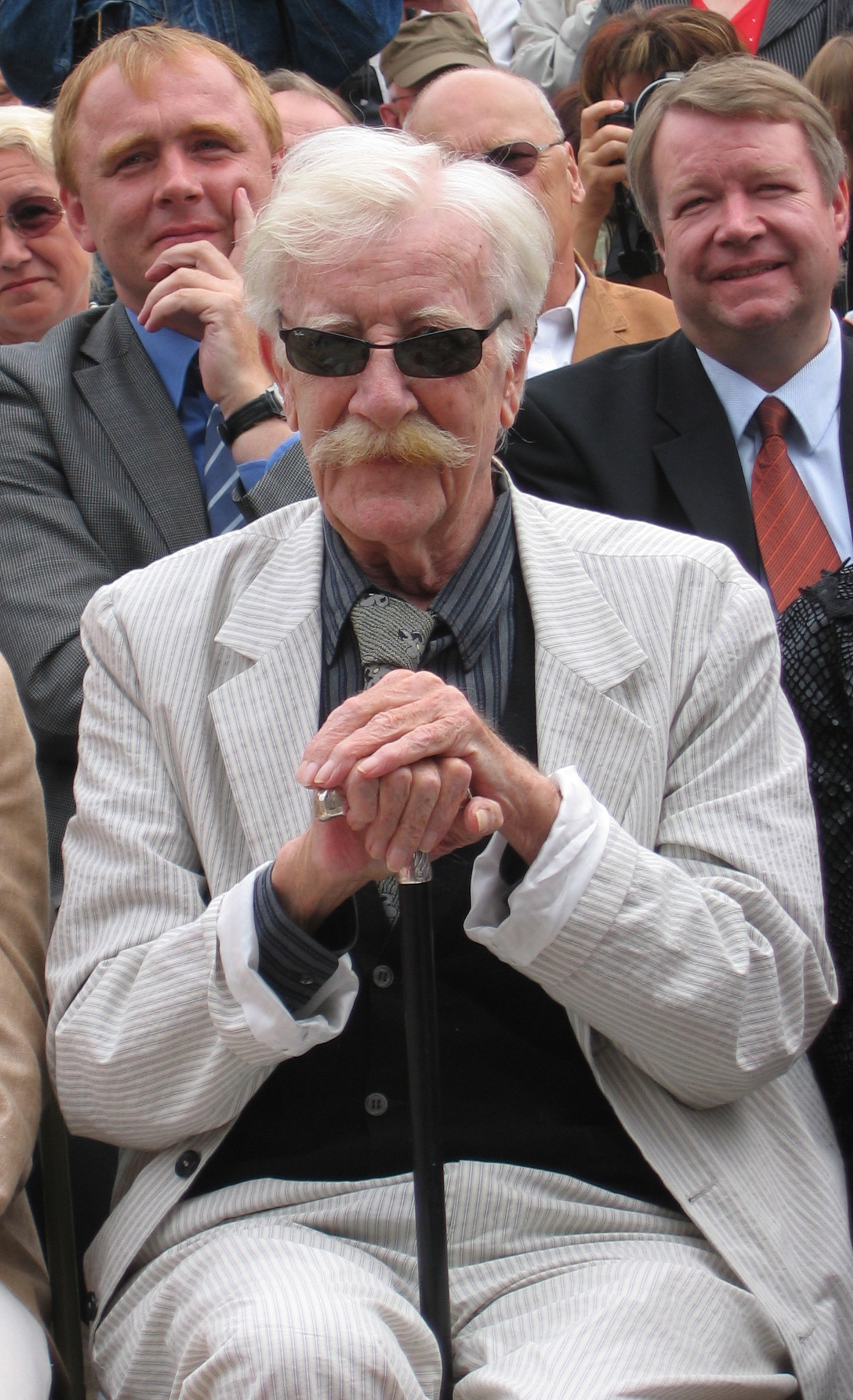
Paul Wunderlich was a German painter, sculptor and graphic artist. He designed Surrealist paintings and erotic sculptures. He often created paintings which referred to mythological legends.


Waldemar Otto is a German sculptor of Polish descent.
Otto studied sculpture at the Academy of Fine Arts in Berlin, won the 1957 Grosse Berliner Kunstausst Prize, lived with his family in the United States, and moved to Bremen in 1973, accepting a professorship at the University of the Arts. He founded the Bremer School of Sculpture there and then moved to Worpswede.
Waldemar Otto practiced figurative sculpture in the form of torsos, creating his figurative human images in wood, granite, bronze and cast stone. Many of his works can be seen in public spaces in various German cities.


Waldemar Otto is a German sculptor of Polish descent.
Otto studied sculpture at the Academy of Fine Arts in Berlin, won the 1957 Grosse Berliner Kunstausst Prize, lived with his family in the United States, and moved to Bremen in 1973, accepting a professorship at the University of the Arts. He founded the Bremer School of Sculpture there and then moved to Worpswede.
Waldemar Otto practiced figurative sculpture in the form of torsos, creating his figurative human images in wood, granite, bronze and cast stone. Many of his works can be seen in public spaces in various German cities.


Waldemar Otto is a German sculptor of Polish descent.
Otto studied sculpture at the Academy of Fine Arts in Berlin, won the 1957 Grosse Berliner Kunstausst Prize, lived with his family in the United States, and moved to Bremen in 1973, accepting a professorship at the University of the Arts. He founded the Bremer School of Sculpture there and then moved to Worpswede.
Waldemar Otto practiced figurative sculpture in the form of torsos, creating his figurative human images in wood, granite, bronze and cast stone. Many of his works can be seen in public spaces in various German cities.
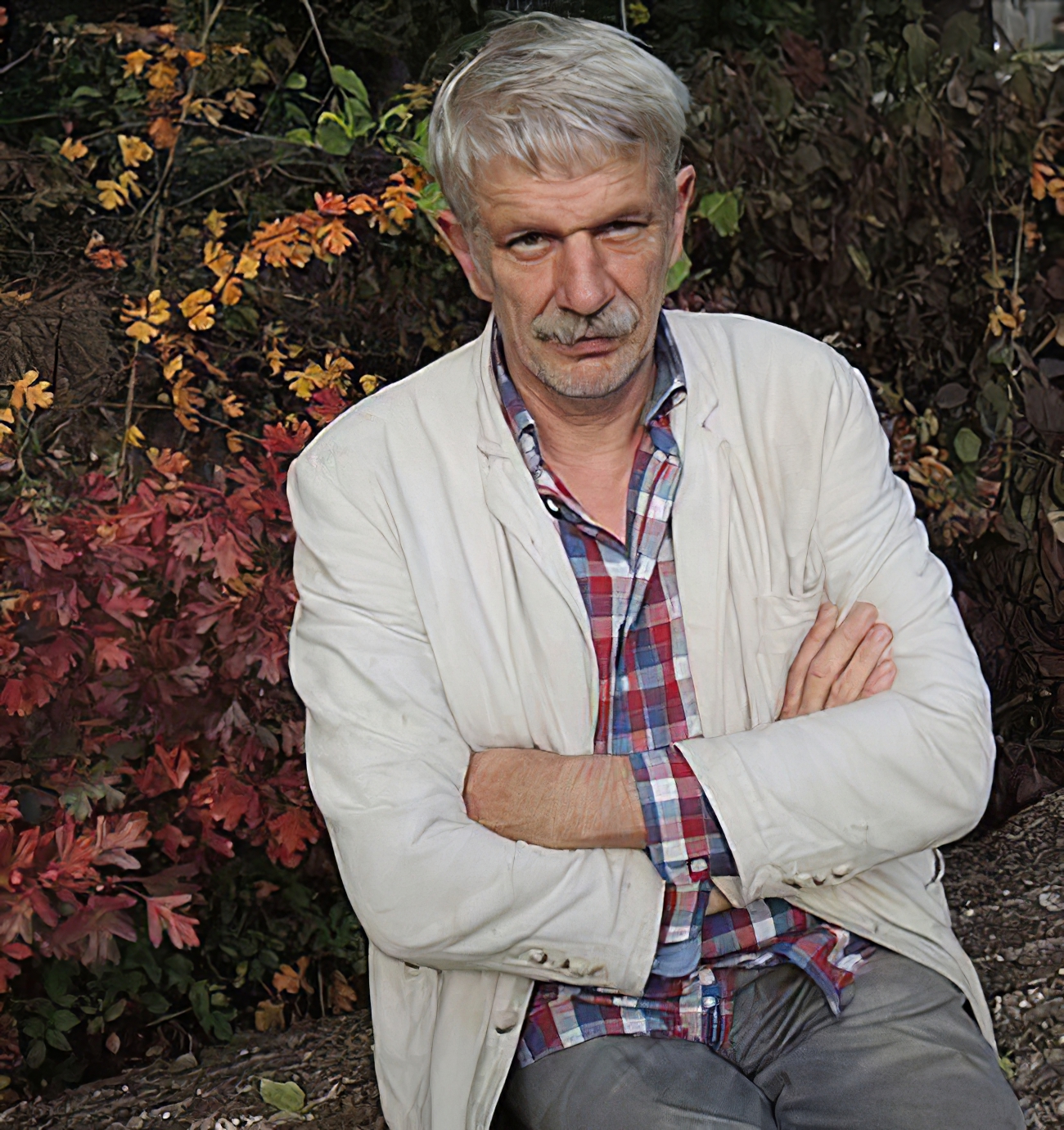
Dietrich Klinge is a German painter and sculptor.
He studied freehand drawing and sculpture at the Stuttgart State Academy of Fine Arts.
Dietrich Klinge became world famous primarily for his uniquely sculpted human figures. With his abstract-shaped forms he creates a peculiar pictorial world of solid figures, busts, heads and reliefs, the powerful presence of which derives from their existential expressiveness. Klinge brings to life, with great artistic originality, the timeless feelings and contradictory mental states of man.


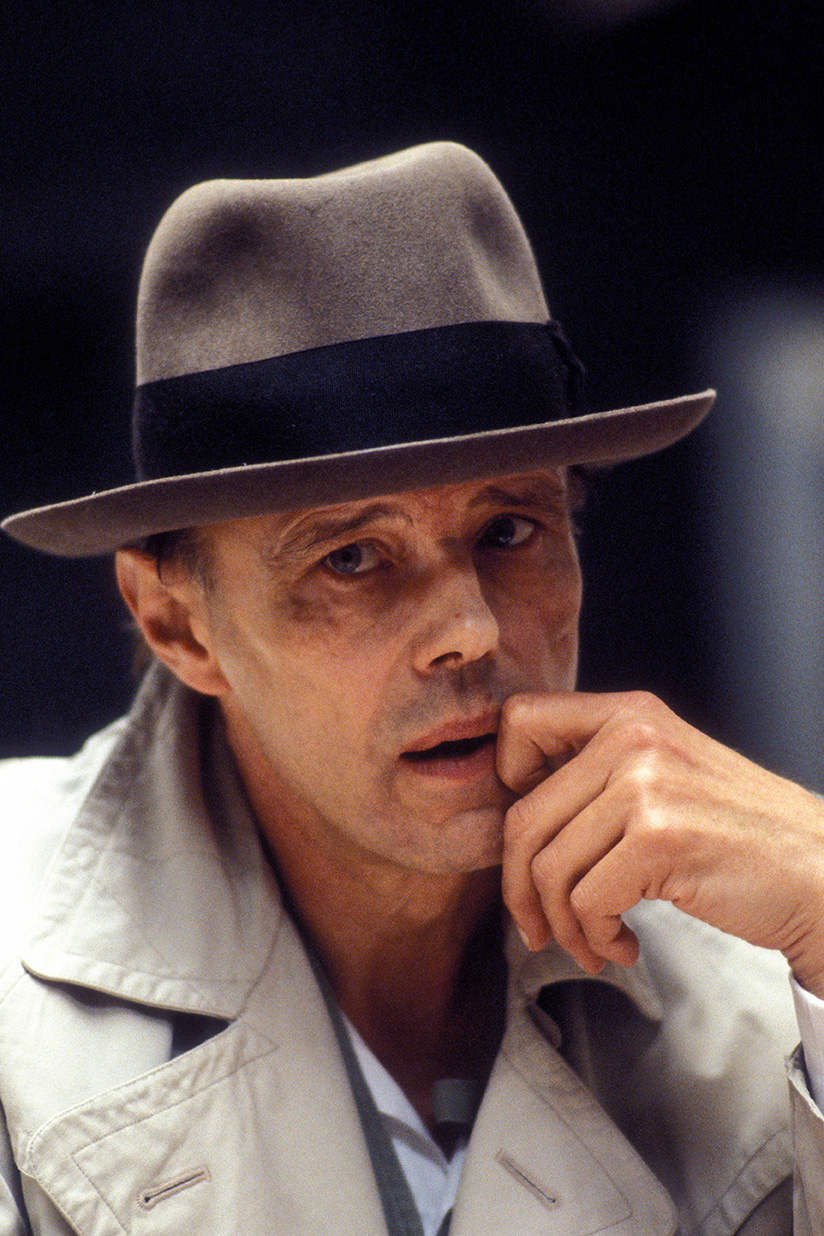
Joseph Heinrich Beuys was a German artist, renowned for his significant contributions to the realms of sculpture, painting, and installation art, which have left a lasting impact on the culture and art world. His work transcended traditional boundaries, merging art with social theory and politics, thus redefining the role of the artist in society. Beuys's unique approach to materials, incorporating substances like fat and felt, symbolized healing and insulation, reflecting his broader philosophical and ecological concerns.
Beuys's art was deeply influenced by his experiences during World War II and his academic background in natural sciences and sculpture. His concept of "social sculpture" proposed that art could transform society, emphasizing creativity as a fundamental component of human existence. This vision led him to use his performances, or "actions," as a medium to communicate his ideas, making him a pivotal figure in the Fluxus movement. Notable works such as "How to Explain Pictures to a Dead Hare" and "7000 Oaks" exemplify his innovative use of performance and environmental art to engage and challenge the public.
His legacy is preserved in major museums and galleries worldwide, including the Museum of Modern Art in New York and the Tate Modern in London. These institutions house key pieces that exemplify Beuys's diverse artistic output, from his early drawings and sculptures to his later installations and public interventions. His influence extends beyond the art world, impacting environmental activism and educational reform, underscoring his belief in the transformative power of art.
For collectors and experts in art and antiques, Joseph Heinrich Beuys remains a figure of immense interest, not only for his groundbreaking artworks but also for his profound impact on contemporary art theory and practice. To stay informed about new product sales and auction events related to Beuys, we invite you to sign up for updates. This subscription ensures you are always in the loop regarding opportunities to engage with the enduring legacy of one of the most influential artists of the 20th century.


Joseph Heinrich Beuys was a German artist, renowned for his significant contributions to the realms of sculpture, painting, and installation art, which have left a lasting impact on the culture and art world. His work transcended traditional boundaries, merging art with social theory and politics, thus redefining the role of the artist in society. Beuys's unique approach to materials, incorporating substances like fat and felt, symbolized healing and insulation, reflecting his broader philosophical and ecological concerns.
Beuys's art was deeply influenced by his experiences during World War II and his academic background in natural sciences and sculpture. His concept of "social sculpture" proposed that art could transform society, emphasizing creativity as a fundamental component of human existence. This vision led him to use his performances, or "actions," as a medium to communicate his ideas, making him a pivotal figure in the Fluxus movement. Notable works such as "How to Explain Pictures to a Dead Hare" and "7000 Oaks" exemplify his innovative use of performance and environmental art to engage and challenge the public.
His legacy is preserved in major museums and galleries worldwide, including the Museum of Modern Art in New York and the Tate Modern in London. These institutions house key pieces that exemplify Beuys's diverse artistic output, from his early drawings and sculptures to his later installations and public interventions. His influence extends beyond the art world, impacting environmental activism and educational reform, underscoring his belief in the transformative power of art.
For collectors and experts in art and antiques, Joseph Heinrich Beuys remains a figure of immense interest, not only for his groundbreaking artworks but also for his profound impact on contemporary art theory and practice. To stay informed about new product sales and auction events related to Beuys, we invite you to sign up for updates. This subscription ensures you are always in the loop regarding opportunities to engage with the enduring legacy of one of the most influential artists of the 20th century.


Günther Uecker is a German sculptor, op artist and installation artist.


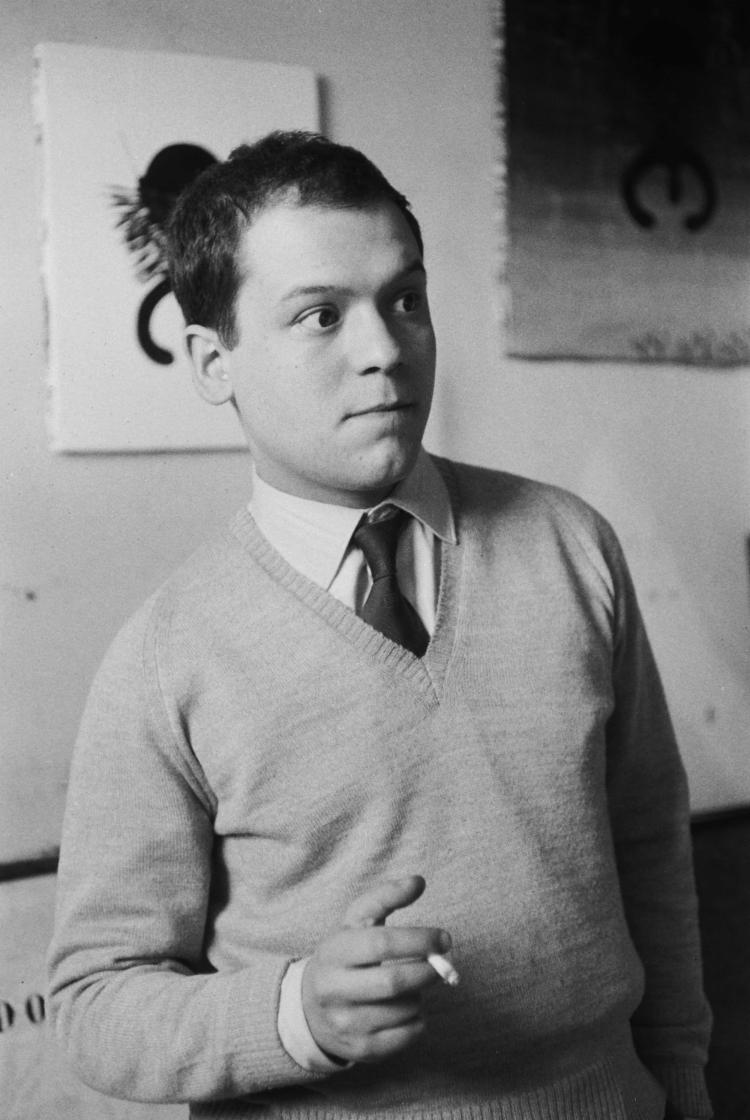
Piero Manzoni was an Italian artist. He was a leading figure in the Italian avant-garde movement of the 1950s and 1960s, and is best known for his conceptual and performance artworks.
Manzoni's works often involved the use of unconventional materials, such as his famous series of "Artist's Shit" cans, which were filled with his own excrement and sealed with a label that declared "Artist's Shit". He also created works using cotton balls, balloons, and even human hair.
One of Manzoni's most famous performances was "Living Sculptures," in which he covered himself in gold paint and posed as a living statue in a gallery. He also created a "Base of the World," a pedestal labeled with that phrase, and invited people to stand on it, thereby declaring themselves the center of the world.
Manzoni's works challenged traditional notions of art and pushed the boundaries of what was considered acceptable as artistic expression.


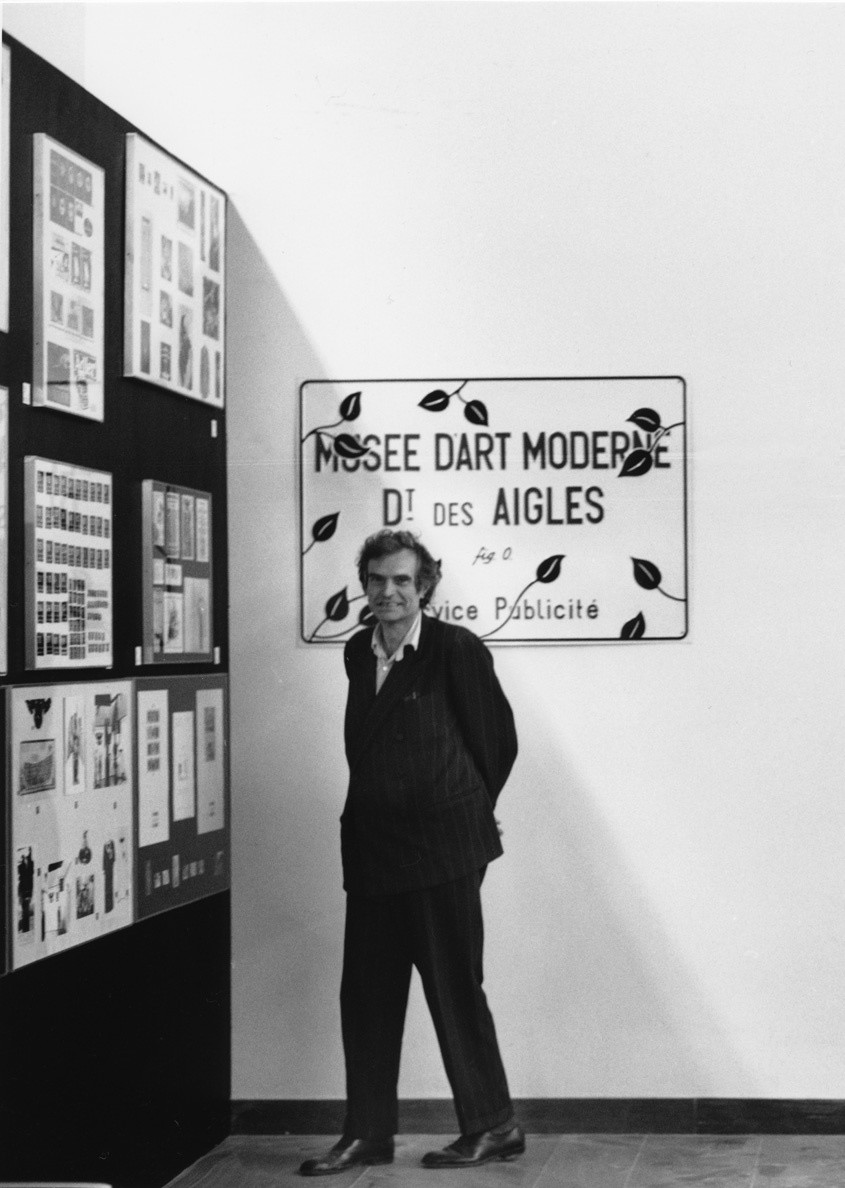


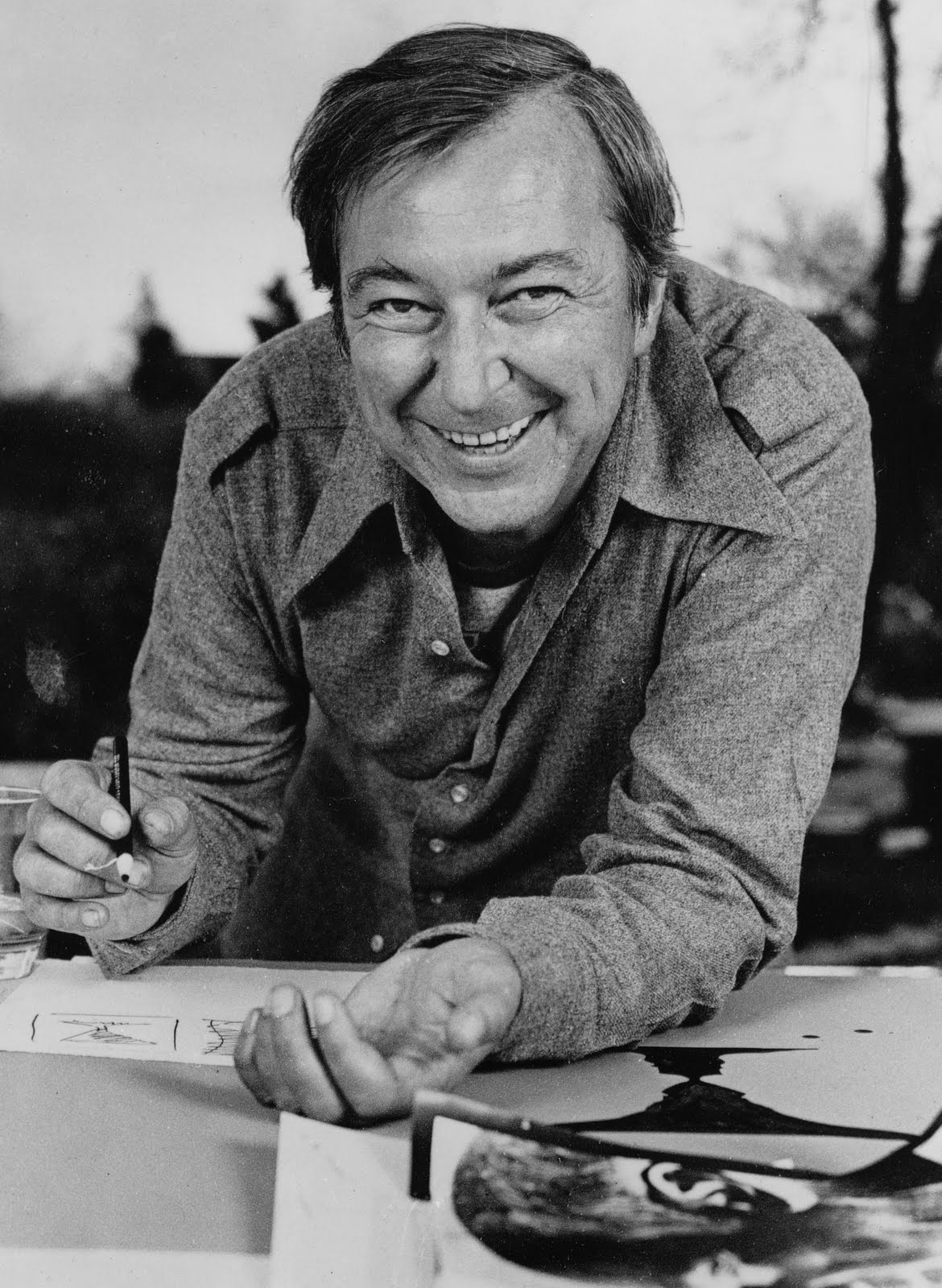
Jasper Johns, an American artist, has been a pivotal figure in the art world, celebrated for his innovative contributions to painting, sculpture, and printmaking. Johns, born in 1930, has challenged and expanded the boundaries of contemporary art with his unique approach to visual expression, blending elements of Abstract Expressionism, Neo-Dada, and Pop Art. He is perhaps best known for his iconic depictions of everyday objects and symbols, such as flags, maps, numbers, and targets, which he transforms into complex, layered works that invite contemplation on themes of identity, perception, and memory.
Johns' art is distinguished by its masterful use of texture, symbolism, and an exploration of the materiality of the medium. His technique of incorporating textural elements and found objects into his canvases blurs the lines between painting and sculpture, challenging traditional distinctions in art. For instance, his piece "Flag" (1954-55) reimagines the American flag with a surface rich in encaustic paint and newspaper clippings, creating a work that is both a familiar symbol and a deeply personal expression. Similarly, "Painted Bronze" (Ale Cans) (1960) playfully interrogates the nature of representation and the art object by presenting a lifelike bronze sculpture of beer cans, furthering the dialogue on art's relationship with the everyday.
Johns' work is held in high esteem and can be found in major museums and galleries worldwide, including the Museum of Modern Art in New York and the Tate Modern in London. His influence extends beyond his own oeuvre, impacting the development of several art movements, including Pop Art and Conceptual Art. Johns' exploration of language and semiotics, particularly in works like "According to What" (1964), prefigured the Conceptual Art movement's interest in the role of language and ideas in art.
For collectors and experts in art and antiques, Jasper Johns' work represents a critical junction in the evolution of post-war American art, offering rich insights into the interplay between cultural symbols and artistic innovation. His enduring relevance and the intellectual depth of his work continue to inspire and challenge audiences, making him a central figure in discussions of contemporary art.
To stay informed about new sales, auction events, and updates related to Jasper Johns, we invite you to sign up for our newsletter. This subscription is an excellent resource for enthusiasts and collectors eager to engage with the dynamic market for Jasper Johns' works and related artistic developments.


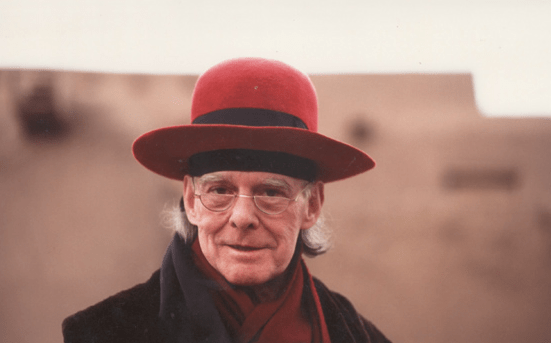
James Lee Byars was an American conceptual artist and performance artist specializing in installations and sculptures, as well as a self-considered mystic. He was best known for his use of personal esoteric motifs, and his creative persona that has been described as "half dandified trickster and half minimalist seer".
Byars' notable performance works include The Death of James Lee Byars and The Perfect Smile, and in terms of multiple sculptures, the many letters he wrote that were composed as decorated sculptures.



Jenny Holzer is an American neo-conceptual artist, based in Hoosick, New York. The main focus of her work is the delivery of words and ideas in public spaces and includes large-scale installations, advertising billboards, projections on buildings and other structures, and illuminated electronic displays.
Holzer belongs to the feminist branch of a generation of artists that emerged around 1980, and was an active member of Colab during this time, participating in the famous The Times Square Show.


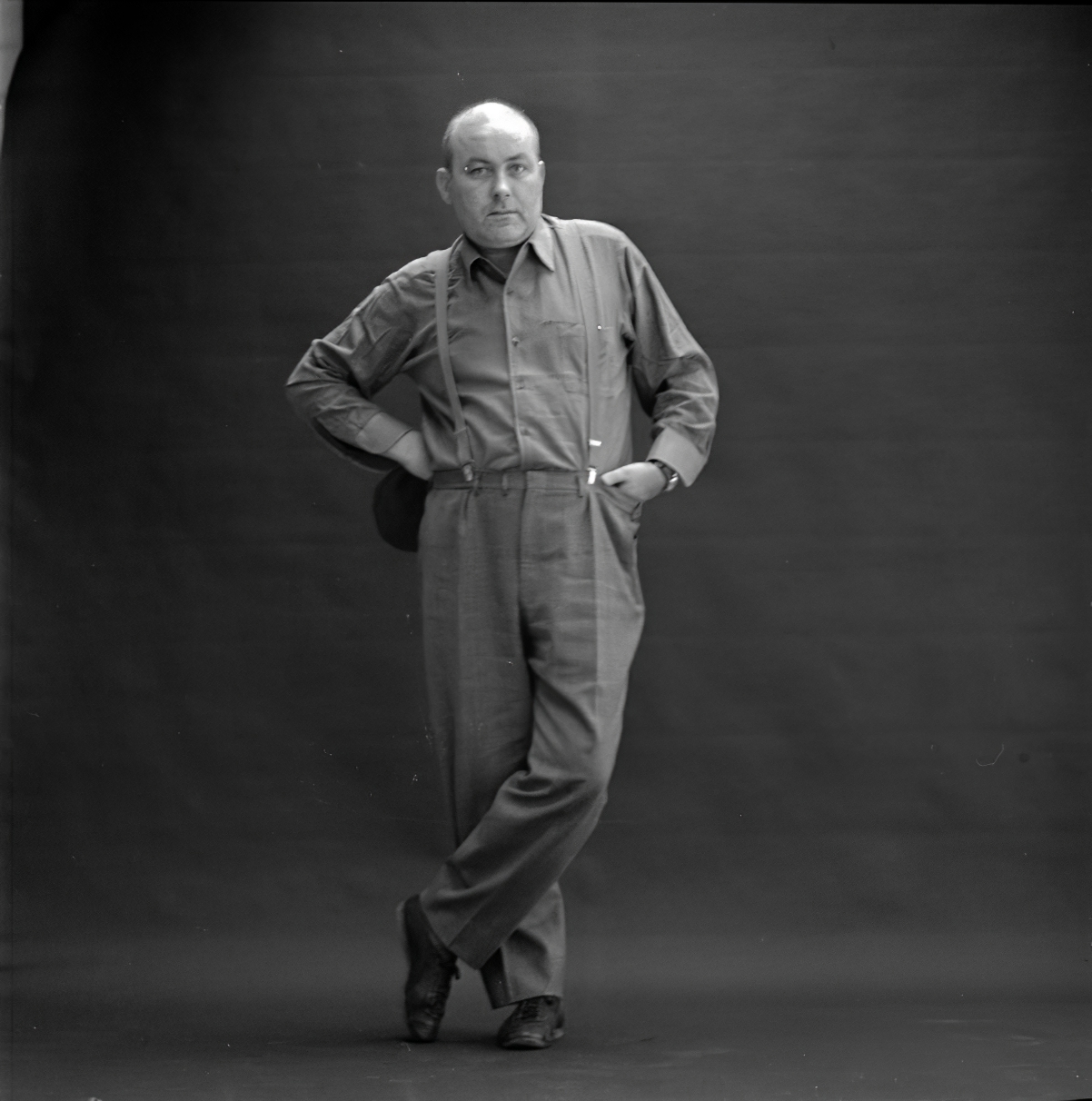
Karl-Dietrich Roth was a Swiss artist best known for his artist's books, editioned prints, sculptures, and works made of found materials, including rotting food stuffs.


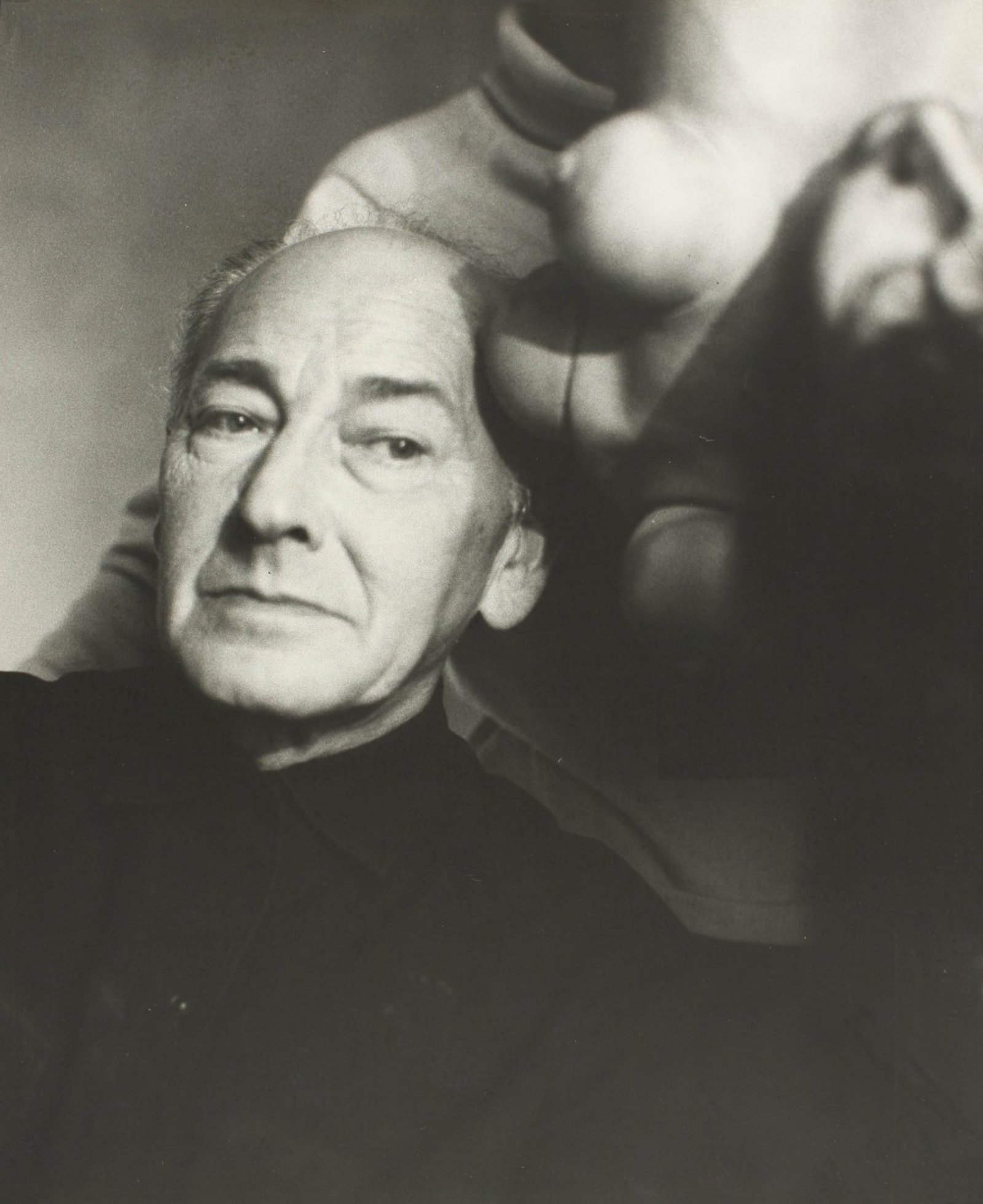
Hans Bellmer was a German graphic artist, sculptor, photographic artist, illustrator, and writer who spent most of his life in France.
In the 1930s Bellmer began working on the eroticized image of the deformed doll, contrasting it with the aesthetics of the "classical" body in Hitler's Germany. His graphic and literary explorations focus on the dismemberment and liberation of bodies. Bellmer's surrealist works are violent and provocative: they include puppet sculptures composed of the bodies of nude models, photographs, and prints.
In 1934, 18 photographs of dolls were published in the Parisian surrealist magazine Minotaur, and the Nazi regime declared Bellmer's art degenerate. In 1938, Bellmer emigrated to France.
After the end of the war, the artist continued his work, adding poetry to painting. He also authored illustrations for many works, particularly on erotic themes.