animale



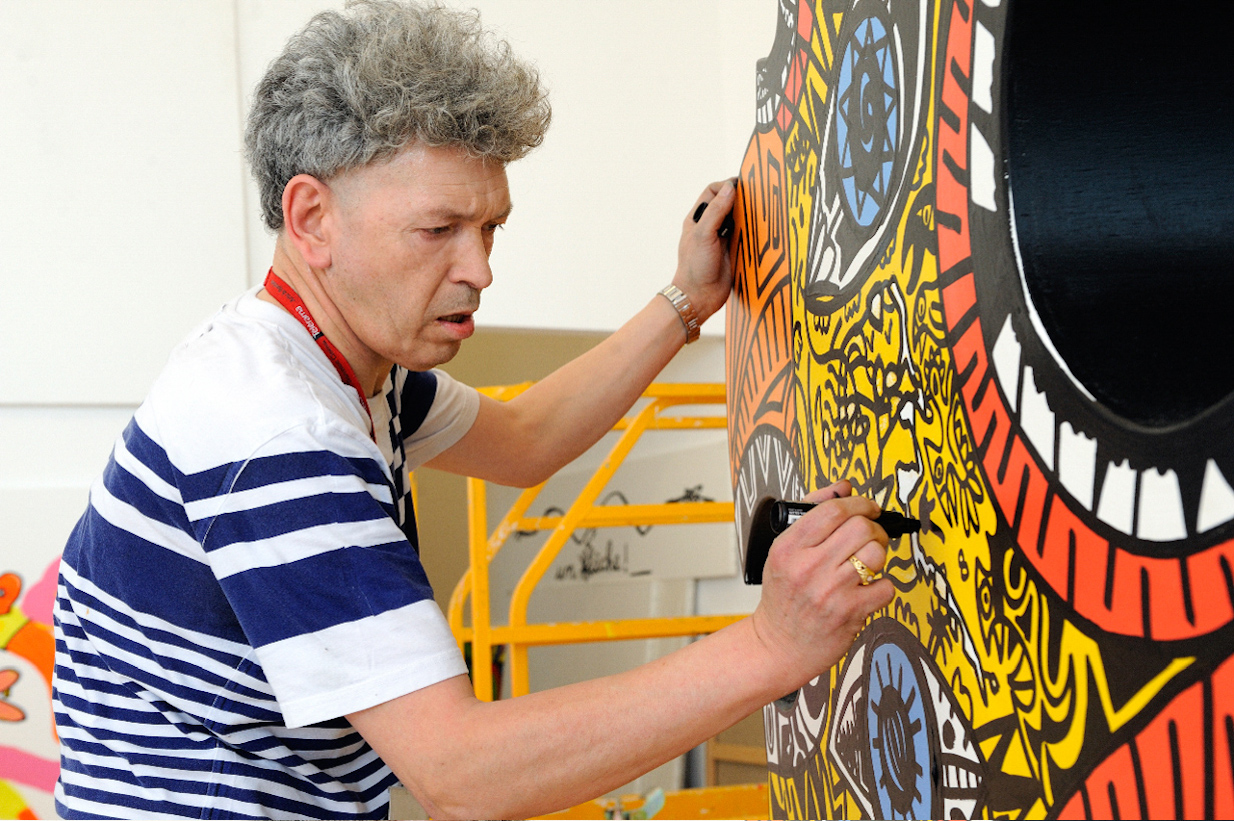
Robert Combas is a French painter and sculptor. He lives and works in Paris.
He is widely recognized as a progenitor of the figuration libre movement that began in Paris around 1980 as a reaction to the art establishment in general and minimalism and conceptual art in particular.
Figuration libre is often regarded as having roots in Fauvism and Expressionism and is linked to contemporary movements such as Bad Painting and Neo-expressionism. It draws on pop cultural influences such as graffiti, cartoons and rock music in an attempt to produce a more varied, direct and honest reflection of contemporary society, often satirizing or critiquing its excesses.

















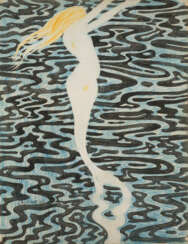

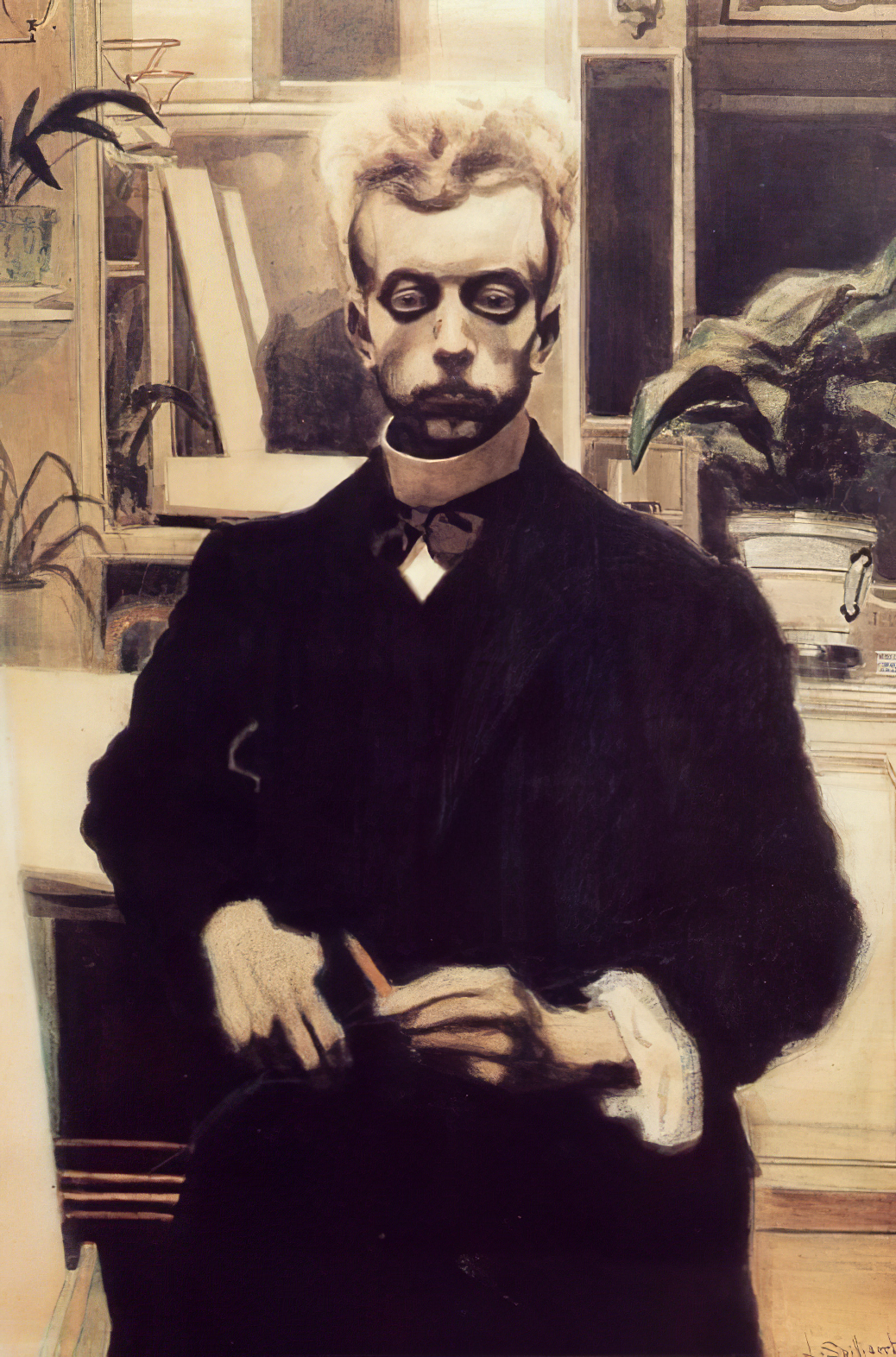
Léon Spilliaert was a Belgian artist. He is known for his unique style of symbolism, with many of his works featuring dream-like landscapes, eerie still lifes, and enigmatic figures.
Spilliaert grew up in a wealthy family, and he initially studied architecture before turning to art. He was largely self-taught, and his work was heavily influenced by the Belgian symbolist movement, as well as the works of artists such as James Ensor and Edvard Munch.
Spilliaert was particularly interested in exploring the mysteries of the human psyche, and many of his works reflect a sense of unease or uncertainty. He often used strong contrasts of light and shadow to create a sense of drama and tension in his works, and his use of color was often muted and subdued.
Despite his success as an artist, Spilliaert was a deeply private individual, and he rarely exhibited his work during his lifetime. He continued to work throughout his life, however, producing a large body of haunting and enigmatic works that continue to captivate audiences today.
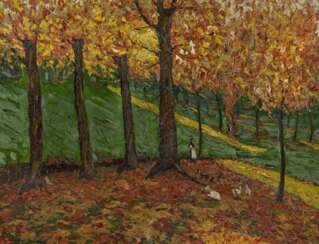

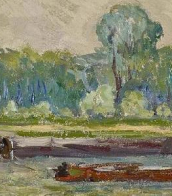


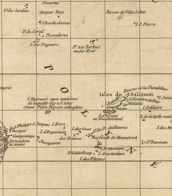
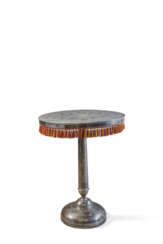

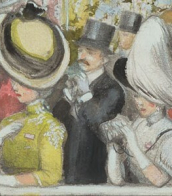


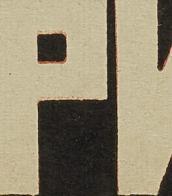
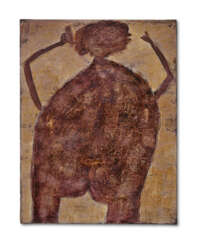

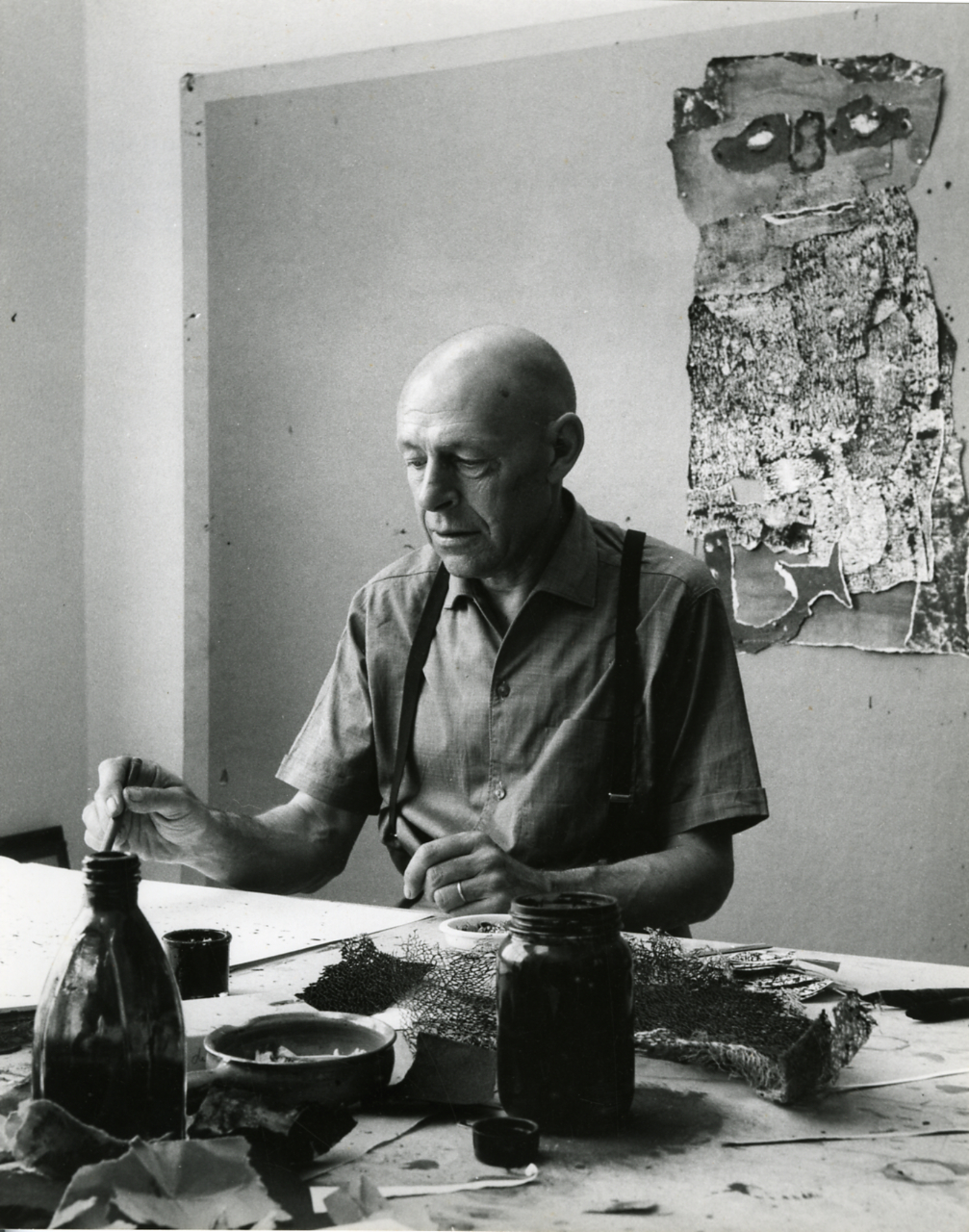
Jean Philippe Arthur Dubuffet, a pioneering French painter and sculptor, revolutionized the post-war art scene with his radical Matterism movement. He defied the conventional aesthetics of his time, championing "low art" and propelling a more genuine, humanistic image-making approach.
Dubuffet, born in Le Havre, France, in 1901, was a prominent figure at the Ecole de Paris and an advocate for Art Brut, or "raw art", which sought to capture art's purest form. His works were characterized by a rough, unrefined aesthetic, which eschewed academic norms in favor of spontaneity and authenticity.
Art enthusiasts and experts can view Dubuffet's innovative works at institutions like the Museum of Modern Art, where his legacy as a groundbreaking artist continues to be celebrated. His Matterism philosophy has left an indelible mark on the art world, inspiring generations of artists to embrace the beauty in the unconventional.
For those interested in the avant-garde and the legacy of Jean Philippe Arthur Dubuffet, sign up for our exclusive updates. This service is designed for connoisseurs and professionals in the art and antique sector, promising alerts on new insights and events strictly related to Dubuffet's profound influence.
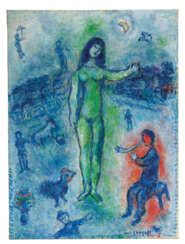


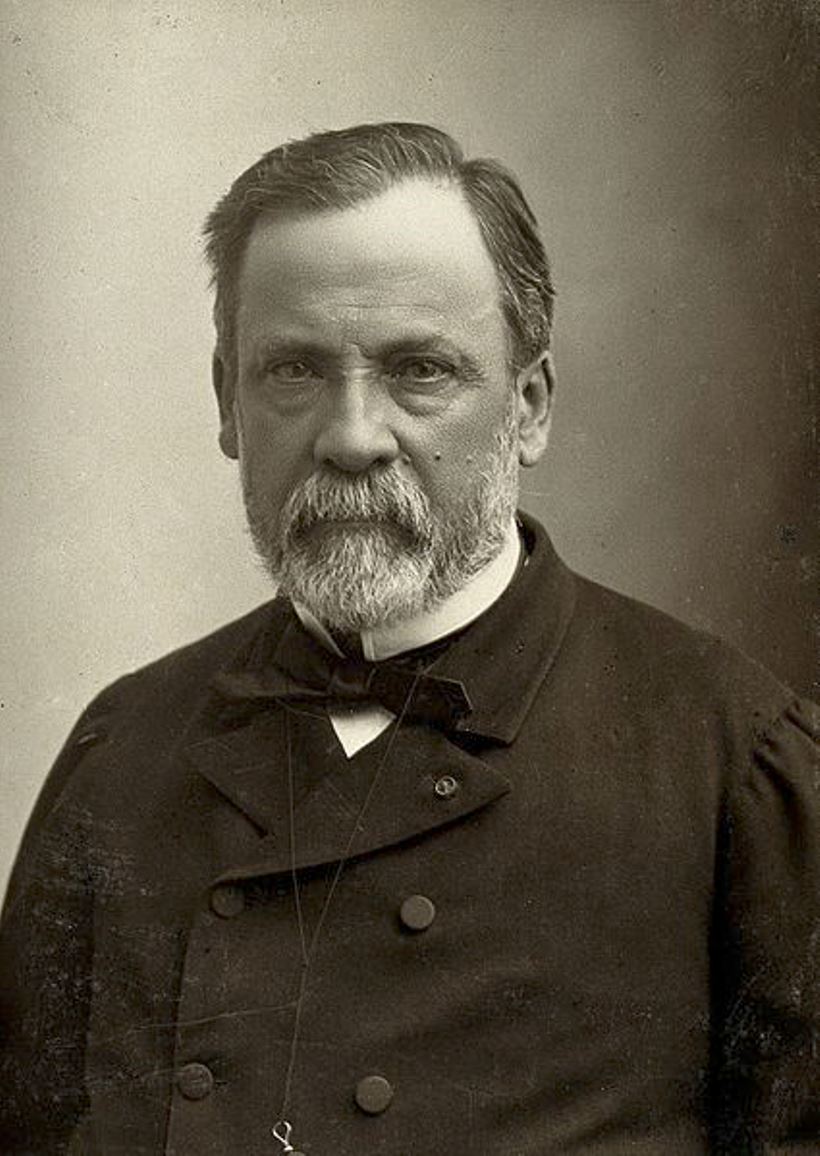
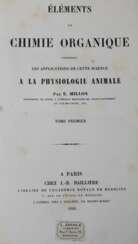
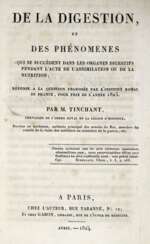
Louis Pasteur was a French chemist and the founder of microbiology and vaccination.
Pasteur received a bachelor of arts and sciences from the Royal College of Besançon and a doctorate from the École Normale in Paris, then spent several years as a researcher and teacher at the Lycée de Dijon. In 1848 he became professor of chemistry at the University of Strasbourg, and in the following year began to study the nature of wine fermentation, which began his revolutionary journey of most important scientific discoveries.
He invented a way to kill bacteria by boiling and then cooling the liquid, a process known today as pasteurization. Pasteur discovered the first vaccine in 1879 when he was exposed to a disease called chicken cholera. By accidentally exposing chickens to a weakened form of the culture, he demonstrated that they became resistant to the actual virus. Pasteur subsequently expanded his theory of germs and developed causes and vaccines against anthrax, cholera, tuberculosis, and smallpox, and the success of Pasteur's rabies vaccine in 1885 brought him worldwide fame.
Louis Pasteur's contribution to science, technology and medicine cannot be overemphasized. He pioneered the study of molecular asymmetry; discovered that microorganisms cause fermentation and disease; invented the process of pasteurization; saved the brewing, wine and silk industries in France; developed vaccines against the dreaded diseases anthrax and rabies, which saved millions of lives.
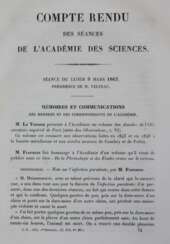
In 1873, Pasteur was elected an associate member of the Academy of Medicine, in 1882 - a member of the French Academy, and in 1888 in Paris was opened the Pasteur Institute. He was also awarded France's highest honor, the Legion of Honor.