multiple
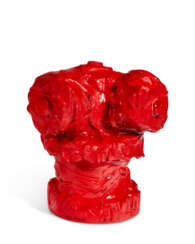


Claes Oldenburg was a Swedish-born American sculptor, celebrated for his groundbreaking contributions to the field of public art and sculpture. With a career spanning over several decades, Oldenburg redefined the boundaries between sculpture and everyday objects, bringing a whimsical yet profound commentary on consumer culture and the urban environment. His talent for transforming the mundane into the monumental made his work not only iconic but also a vital part of the conversation about the role of art in public spaces.
Oldenburg's sculptures are characterized by their colossal scale and imaginative designs, often inspired by everyday items. Perhaps his most famous works include "Clothespin" in Philadelphia and "Spoonbridge and Cherry" in Minneapolis. These pieces are emblematic of his unique approach to sculpture, where familiar objects are reimagined in unexpected contexts, challenging viewers to see the world around them in new ways. His ability to blur the lines between art and life, combined with his playful exploration of form and material, has left an indelible mark on the art world.
For collectors and experts in art and antiques, Oldenburg's works represent not just significant artistic achievements but also compelling investments. His sculptures and installations continue to be celebrated in museums and galleries worldwide, testament to his enduring influence and relevance in the contemporary art scene. For those interested in the intersection of culture, art, and urban life, Oldenburg's legacy offers rich insights and inspiration.
To stay informed about new product sales and auction events related to Claes Oldenburg, we invite you to sign up for updates. This subscription service is designed for collectors and art enthusiasts eager to keep abreast of the latest developments and opportunities in the world of art and antiques. Join us in exploring the remarkable contributions of Claes Oldenburg to the art world.
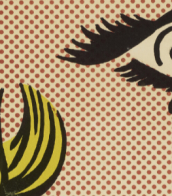
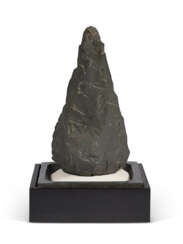

Claes Oldenburg was a Swedish-born American sculptor, celebrated for his groundbreaking contributions to the field of public art and sculpture. With a career spanning over several decades, Oldenburg redefined the boundaries between sculpture and everyday objects, bringing a whimsical yet profound commentary on consumer culture and the urban environment. His talent for transforming the mundane into the monumental made his work not only iconic but also a vital part of the conversation about the role of art in public spaces.
Oldenburg's sculptures are characterized by their colossal scale and imaginative designs, often inspired by everyday items. Perhaps his most famous works include "Clothespin" in Philadelphia and "Spoonbridge and Cherry" in Minneapolis. These pieces are emblematic of his unique approach to sculpture, where familiar objects are reimagined in unexpected contexts, challenging viewers to see the world around them in new ways. His ability to blur the lines between art and life, combined with his playful exploration of form and material, has left an indelible mark on the art world.
For collectors and experts in art and antiques, Oldenburg's works represent not just significant artistic achievements but also compelling investments. His sculptures and installations continue to be celebrated in museums and galleries worldwide, testament to his enduring influence and relevance in the contemporary art scene. For those interested in the intersection of culture, art, and urban life, Oldenburg's legacy offers rich insights and inspiration.
To stay informed about new product sales and auction events related to Claes Oldenburg, we invite you to sign up for updates. This subscription service is designed for collectors and art enthusiasts eager to keep abreast of the latest developments and opportunities in the world of art and antiques. Join us in exploring the remarkable contributions of Claes Oldenburg to the art world.
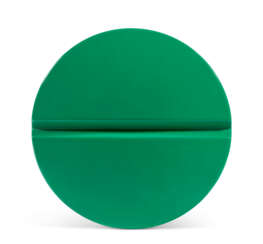

Claes Oldenburg was a Swedish-born American sculptor, celebrated for his groundbreaking contributions to the field of public art and sculpture. With a career spanning over several decades, Oldenburg redefined the boundaries between sculpture and everyday objects, bringing a whimsical yet profound commentary on consumer culture and the urban environment. His talent for transforming the mundane into the monumental made his work not only iconic but also a vital part of the conversation about the role of art in public spaces.
Oldenburg's sculptures are characterized by their colossal scale and imaginative designs, often inspired by everyday items. Perhaps his most famous works include "Clothespin" in Philadelphia and "Spoonbridge and Cherry" in Minneapolis. These pieces are emblematic of his unique approach to sculpture, where familiar objects are reimagined in unexpected contexts, challenging viewers to see the world around them in new ways. His ability to blur the lines between art and life, combined with his playful exploration of form and material, has left an indelible mark on the art world.
For collectors and experts in art and antiques, Oldenburg's works represent not just significant artistic achievements but also compelling investments. His sculptures and installations continue to be celebrated in museums and galleries worldwide, testament to his enduring influence and relevance in the contemporary art scene. For those interested in the intersection of culture, art, and urban life, Oldenburg's legacy offers rich insights and inspiration.
To stay informed about new product sales and auction events related to Claes Oldenburg, we invite you to sign up for updates. This subscription service is designed for collectors and art enthusiasts eager to keep abreast of the latest developments and opportunities in the world of art and antiques. Join us in exploring the remarkable contributions of Claes Oldenburg to the art world.
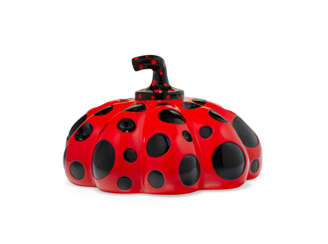

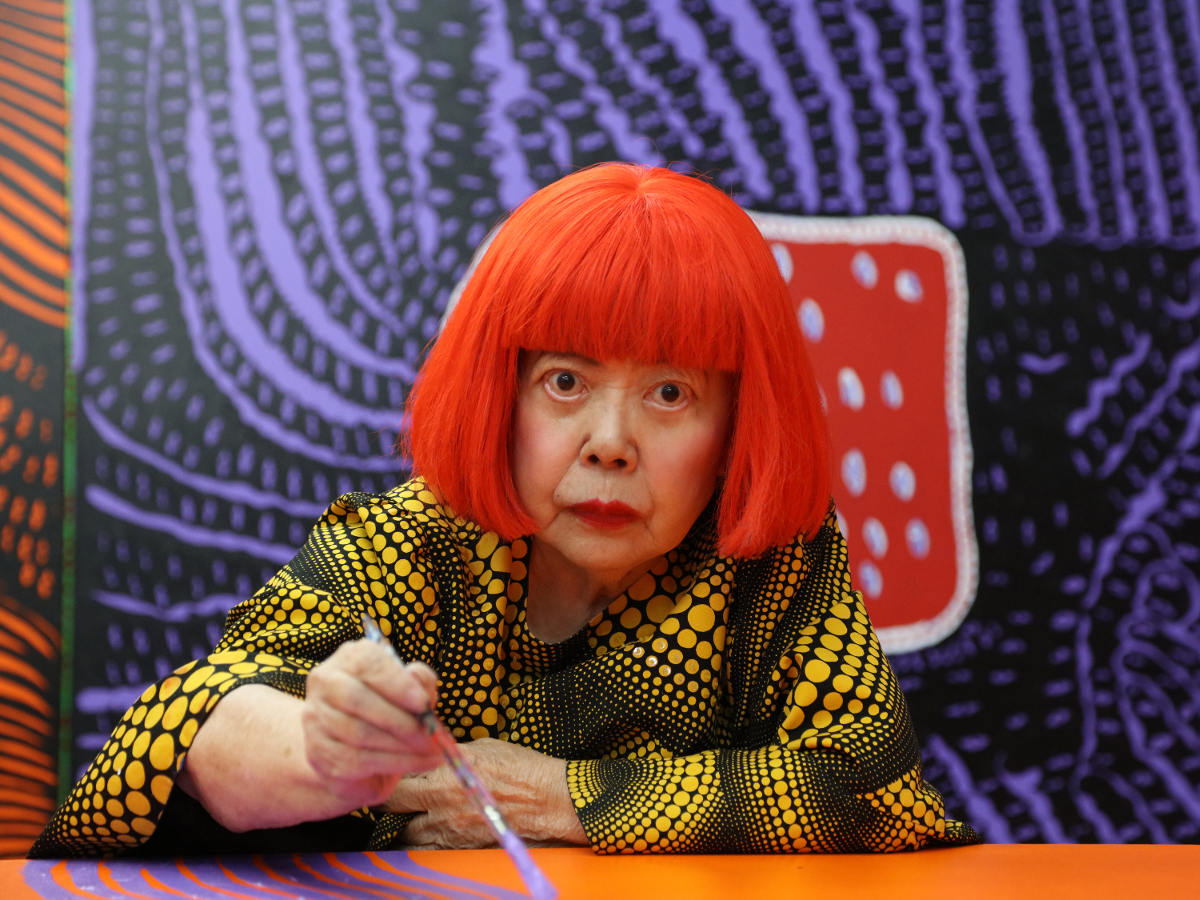
Yayoi Kusama is a Japanese contemporary artist who works primarily in sculpture and installation, but is also active in painting, performance, video art, fashion, poetry, fiction, and other arts. Her work is based in conceptual art and shows some attributes of feminism, minimalism, surrealism, Art Brut, pop art, and abstract expressionism, and is infused with autobiographical, psychological, and sexual content. She has been acknowledged as one of the most important living artists to come out of Japan.

.jpg)
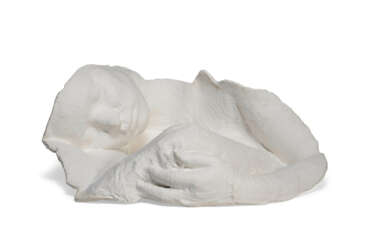
George Segal was an American painter and sculptor associated with the pop art movement. He was presented with the United States National Medal of Arts in 1999.


George Segal was an American painter and sculptor associated with the pop art movement. He was presented with the United States National Medal of Arts in 1999.



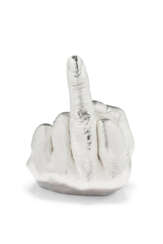


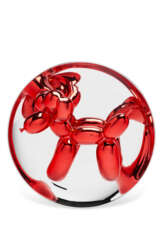


Jeffrey Lynn Koons is an American artist recognized for his work dealing with popular culture and his sculptures depicting everyday objects, including balloon animals produced in stainless steel with mirror-finish surfaces. He lives and works in both New York City and his hometown of York, Pennsylvania. His works have sold for substantial sums, including at least two record auction prices for a work by a living artist: US$58.4 million for Balloon Dog (Orange) in 2013 and US$91.1 million for Rabbit in 2019.
Critics are sharply divided in their views of Koons. Some view his work as pioneering and of major art-historical importance. Others dismiss his work as kitsch, crass, and based on cynical self-merchandising. Koons has stated that there are no hidden meanings and critiques in his works.
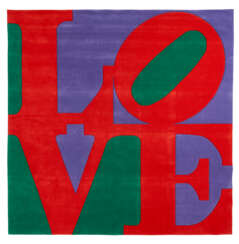


Robert Indiana (born Robert Clark) was an American artist associated with the pop art movement.
His iconic image LOVE was first created in 1964 in the form of a card which he sent to several friends and acquaintances in the art world. In 1965, Robert Indiana was invited to propose an artwork to be featured on the Museum of Modern Art's annual Christmas card. Indiana submitted several 12” square oil on canvas variations based on his LOVE image. The museum selected the most intense color combination in red, blue, and green. It became one of the most popular cards the museum has ever offered. Indiana continued to develop his LOVE series, and in 1966, worked with Marian Goodman of Multiples, Inc. to make his first LOVE sculpture in aluminum. In 1970, Indiana completed his first monumental LOVE sculpture in Cor-Ten steel which is in the collection of the Indianapolis Museum of Art.
In addition to being a painter and sculptor, Indiana made posters and prints and also designed stage sets and costumes for the Virgil Thompson and Gertrude Stein opera The Mother of Us All. Indiana's artwork has been featured in numerous exhibitions around the world and is included in the permanent collections of many major museums including the Museum of Modern Art, New York; Tate Modern, London; and the San Francisco Museum of Modern Art.
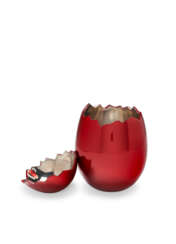

Jeffrey Lynn Koons is an American artist recognized for his work dealing with popular culture and his sculptures depicting everyday objects, including balloon animals produced in stainless steel with mirror-finish surfaces. He lives and works in both New York City and his hometown of York, Pennsylvania. His works have sold for substantial sums, including at least two record auction prices for a work by a living artist: US$58.4 million for Balloon Dog (Orange) in 2013 and US$91.1 million for Rabbit in 2019.
Critics are sharply divided in their views of Koons. Some view his work as pioneering and of major art-historical importance. Others dismiss his work as kitsch, crass, and based on cynical self-merchandising. Koons has stated that there are no hidden meanings and critiques in his works.
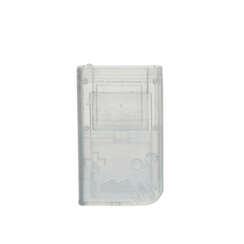

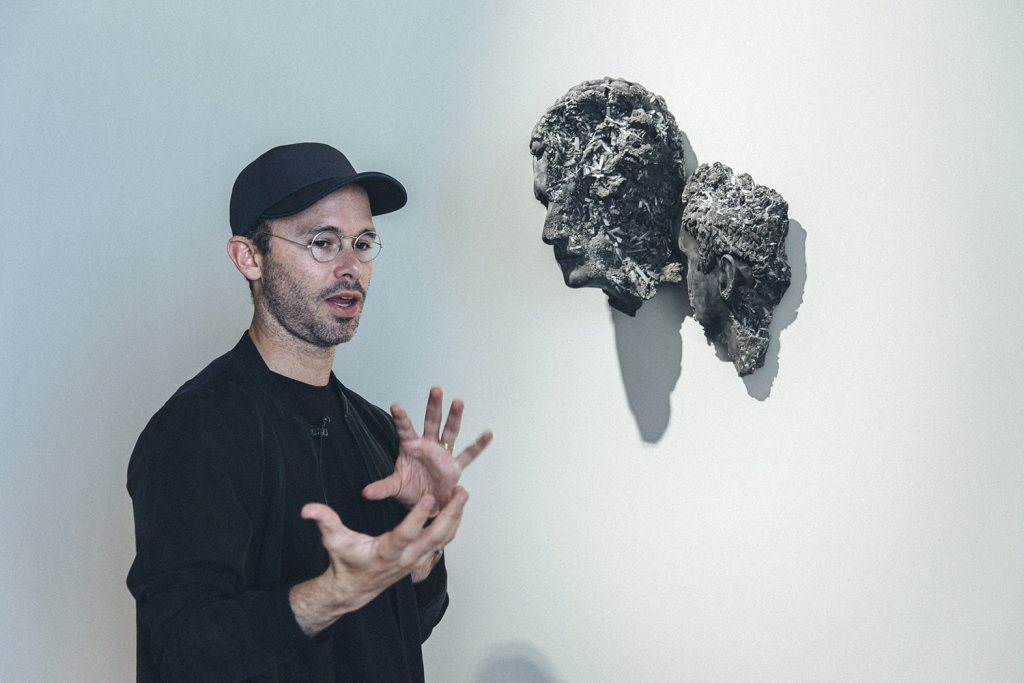
Daniel Arsham is an American artist and sculptor, co-founder and partner of the design firm Snarkitecture. Lives and works in New York. His projects include collaborations with James Franco, Hajime Sorayama, Merce Cunningham, Heidi Slimane and Pharrell Williams. He has also done commissions for brands such as Calvin Klein and Louis Vuitton.
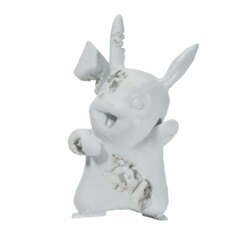

Daniel Arsham is an American artist and sculptor, co-founder and partner of the design firm Snarkitecture. Lives and works in New York. His projects include collaborations with James Franco, Hajime Sorayama, Merce Cunningham, Heidi Slimane and Pharrell Williams. He has also done commissions for brands such as Calvin Klein and Louis Vuitton.
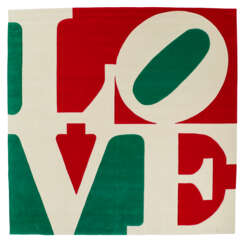

Robert Indiana (born Robert Clark) was an American artist associated with the pop art movement.
His iconic image LOVE was first created in 1964 in the form of a card which he sent to several friends and acquaintances in the art world. In 1965, Robert Indiana was invited to propose an artwork to be featured on the Museum of Modern Art's annual Christmas card. Indiana submitted several 12” square oil on canvas variations based on his LOVE image. The museum selected the most intense color combination in red, blue, and green. It became one of the most popular cards the museum has ever offered. Indiana continued to develop his LOVE series, and in 1966, worked with Marian Goodman of Multiples, Inc. to make his first LOVE sculpture in aluminum. In 1970, Indiana completed his first monumental LOVE sculpture in Cor-Ten steel which is in the collection of the Indianapolis Museum of Art.
In addition to being a painter and sculptor, Indiana made posters and prints and also designed stage sets and costumes for the Virgil Thompson and Gertrude Stein opera The Mother of Us All. Indiana's artwork has been featured in numerous exhibitions around the world and is included in the permanent collections of many major museums including the Museum of Modern Art, New York; Tate Modern, London; and the San Francisco Museum of Modern Art.
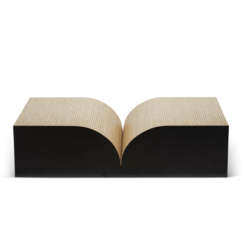

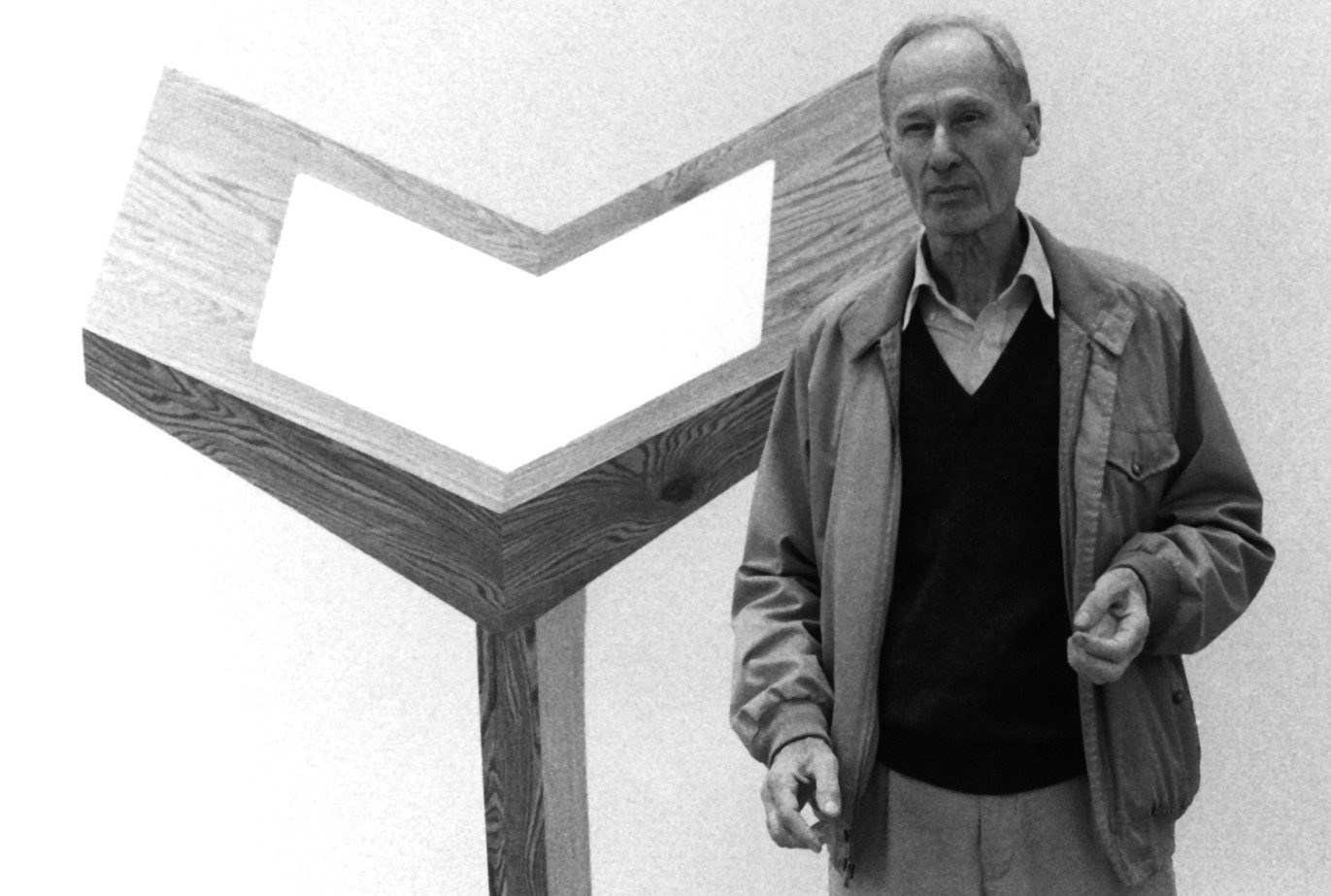
Richard Ernst Artschwager was an American painter, illustrator and sculptor. His work has associations with Pop Art, Conceptual art and Minimalism.

Daniel Arsham is an American artist and sculptor, co-founder and partner of the design firm Snarkitecture. Lives and works in New York. His projects include collaborations with James Franco, Hajime Sorayama, Merce Cunningham, Heidi Slimane and Pharrell Williams. He has also done commissions for brands such as Calvin Klein and Louis Vuitton.
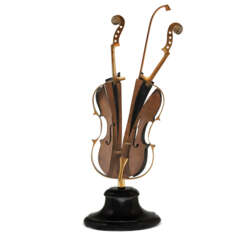

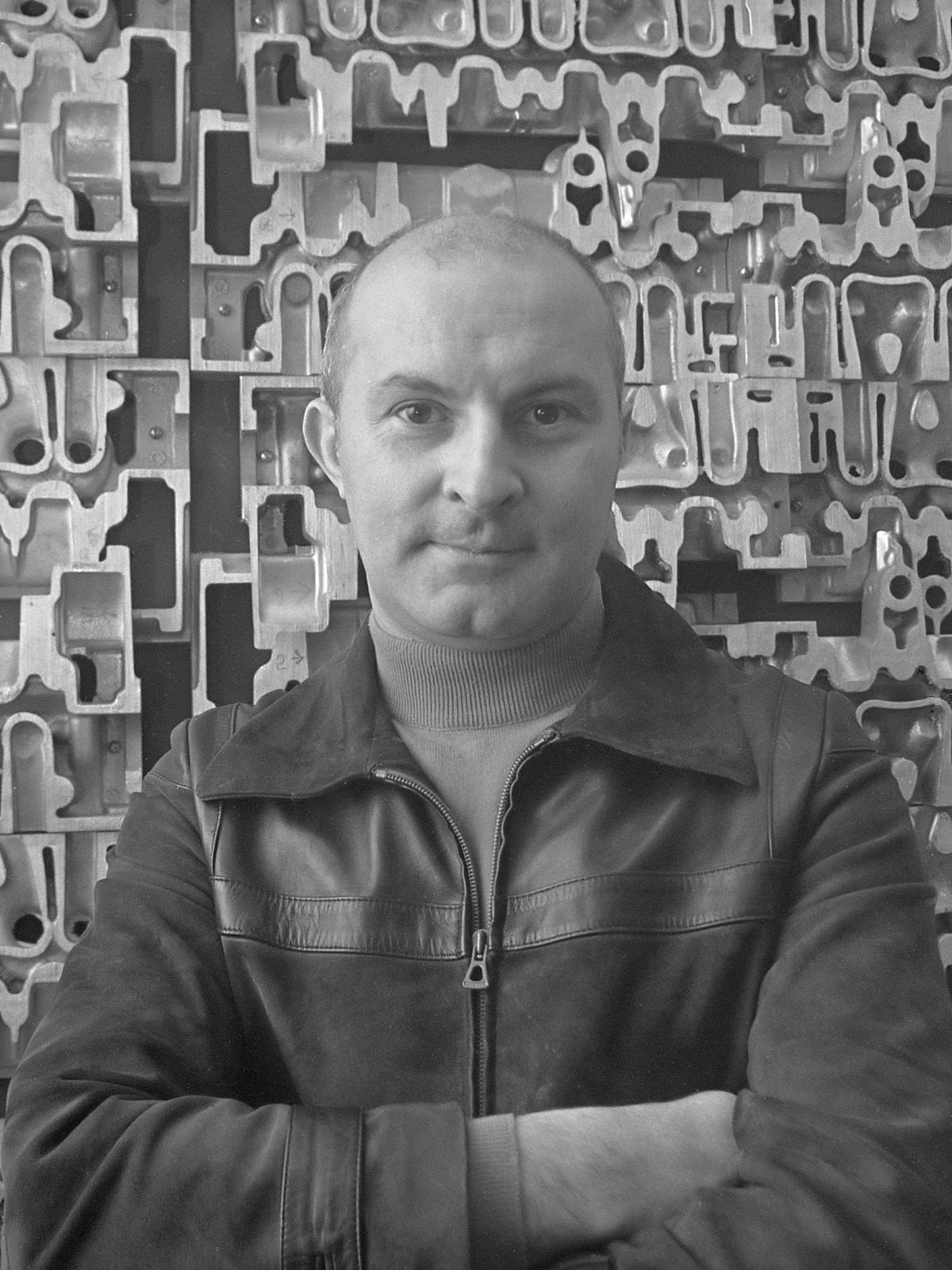
Armand Pierre Fernandez, widely known by his mononym Arman, was a French-born American artist celebrated for his innovative contributions to the Nouveau Réalisme movement and his radical use of everyday objects in art. Born in Nice, France, on November 17, 1928, Arman's early exposure to art came from his father, an antiques dealer and amateur artist, which deeply influenced his later artistic endeavors.
Arman moved beyond traditional painting techniques early in his career, instead creating his signature "Accumulations" and "Poubelles" (trash) sculptures. These works involved assembling and compacting everyday items like watches, clocks, and even automobiles, embedding these objects in layers of concrete or encasing them in Plexiglas. One of his most notable large-scale works is "Long Term Parking," a 60-foot high sculpture made of concrete-encased cars, situated in Jouy-en-Josas, France.
His work is an essential bridge between European and American trends in Pop art and has been widely exhibited in major institutions like the Metropolitan Museum of Art in New York, the Tate Gallery in London, and the Centre Pompidou in Paris. Arman's innovative techniques and philosophical approach to materials challenged conventional categorizations of art and inspired future generations of artists.
For collectors and enthusiasts interested in staying updated on exhibitions and sales related to Arman's work, signing up for updates can provide essential insights and opportunities related to this influential artist. Join our community to ensure you don't miss out on new discoveries and auction events associated with Arman's legacy.
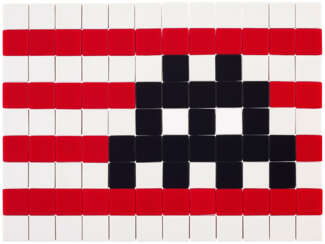


Invader is an anonymous French street artist. He is known for his ceramic tile mosaics modeled on the pixelated art of 1970s–1980s 8-bit video games, many of which depict the titular aliens from the arcade games Space Invaders, Pac-Man and Super Mario Bros. (the inspirations for his pseudonym). As of December 2020, his creations can be seen in highly-visible locations in 79 cities in 20 countries. To accompany his citywide installations, or "Invasions", Invader publishes books and maps as guides to the locations of his mosaics.
Invader also makes mosaics using QR codes and stacks of Rubik's Cubes (with the latter typically installed indoors).



William Kentridge is a South African artist best known for his prints, drawings, and animated films, especially noted for a sequence of hand-drawn animated films he produced during the 1990s. The latter are constructed by filming a drawing, making erasures and changes, and filming it again. He continues this process meticulously, giving each change to the drawing a quarter of a second to two seconds' screen time. A single drawing will be altered and filmed this way until the end of a scene. These palimpsest-like drawings are later displayed along with the films as finished pieces of art.
Kentridge has created art work as part of design of theatrical productions, both plays and operas. He has served as art director and overall director of numerous productions, collaborating with other artists, puppeteers and others in creating productions that combine drawings and multi-media combinations.
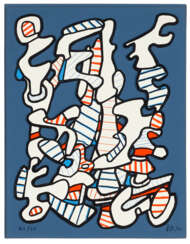

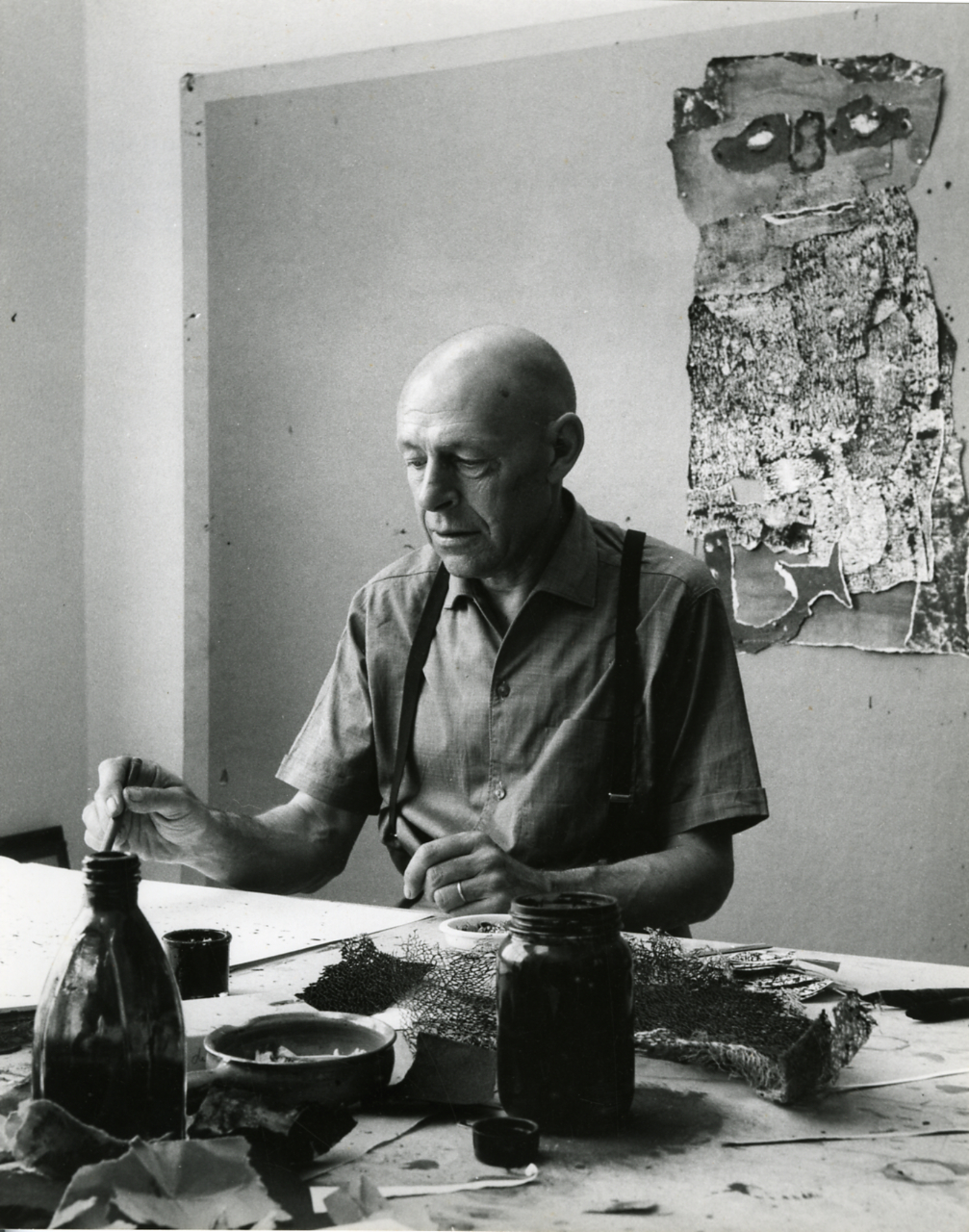
Jean Philippe Arthur Dubuffet, a pioneering French painter and sculptor, revolutionized the post-war art scene with his radical Matterism movement. He defied the conventional aesthetics of his time, championing "low art" and propelling a more genuine, humanistic image-making approach.
Dubuffet, born in Le Havre, France, in 1901, was a prominent figure at the Ecole de Paris and an advocate for Art Brut, or "raw art", which sought to capture art's purest form. His works were characterized by a rough, unrefined aesthetic, which eschewed academic norms in favor of spontaneity and authenticity.
Art enthusiasts and experts can view Dubuffet's innovative works at institutions like the Museum of Modern Art, where his legacy as a groundbreaking artist continues to be celebrated. His Matterism philosophy has left an indelible mark on the art world, inspiring generations of artists to embrace the beauty in the unconventional.
For those interested in the avant-garde and the legacy of Jean Philippe Arthur Dubuffet, sign up for our exclusive updates. This service is designed for connoisseurs and professionals in the art and antique sector, promising alerts on new insights and events strictly related to Dubuffet's profound influence.
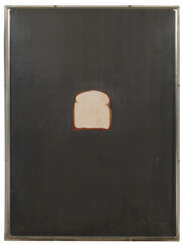

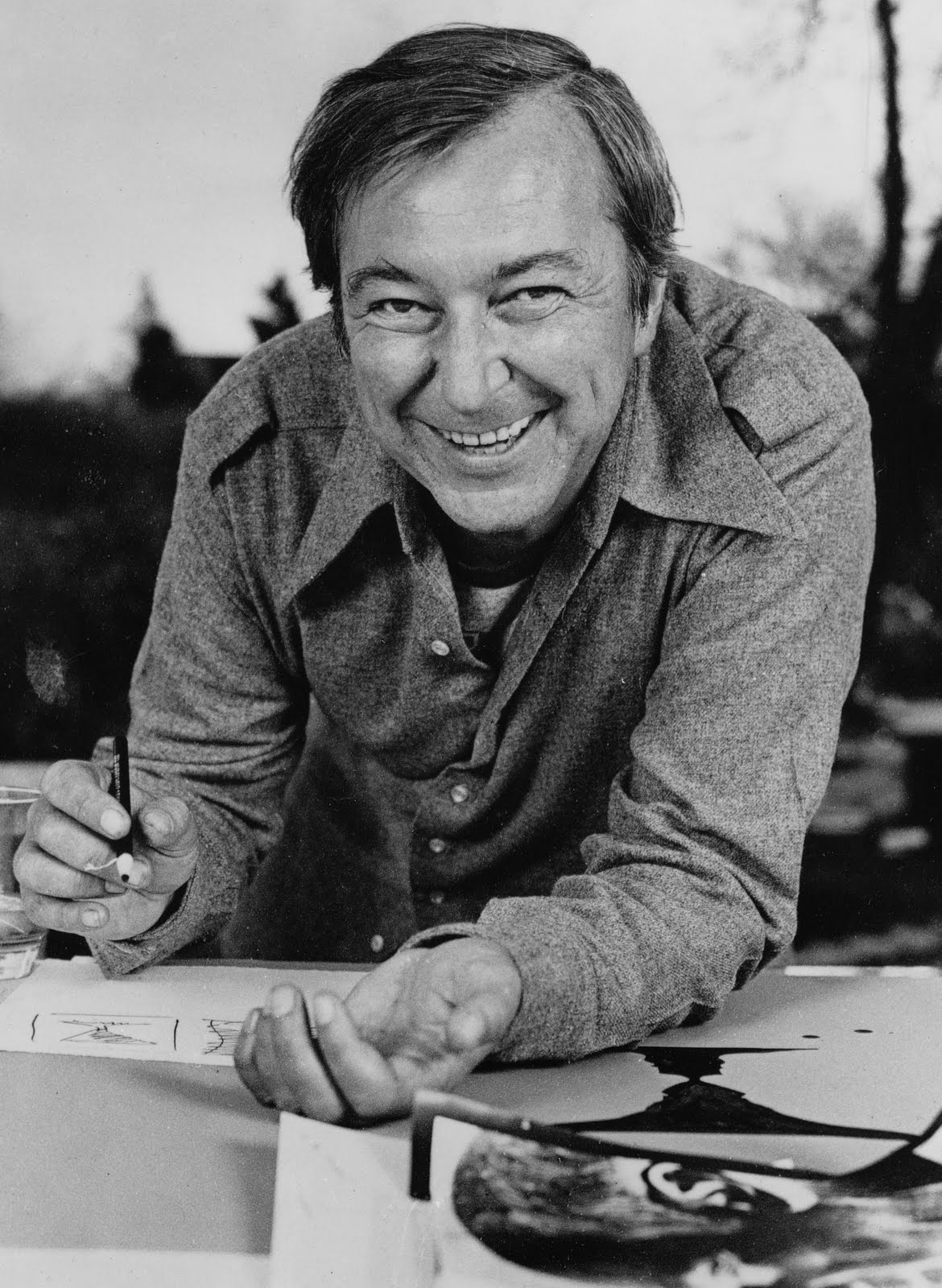
Jasper Johns, an American artist, has been a pivotal figure in the art world, celebrated for his innovative contributions to painting, sculpture, and printmaking. Johns, born in 1930, has challenged and expanded the boundaries of contemporary art with his unique approach to visual expression, blending elements of Abstract Expressionism, Neo-Dada, and Pop Art. He is perhaps best known for his iconic depictions of everyday objects and symbols, such as flags, maps, numbers, and targets, which he transforms into complex, layered works that invite contemplation on themes of identity, perception, and memory.
Johns' art is distinguished by its masterful use of texture, symbolism, and an exploration of the materiality of the medium. His technique of incorporating textural elements and found objects into his canvases blurs the lines between painting and sculpture, challenging traditional distinctions in art. For instance, his piece "Flag" (1954-55) reimagines the American flag with a surface rich in encaustic paint and newspaper clippings, creating a work that is both a familiar symbol and a deeply personal expression. Similarly, "Painted Bronze" (Ale Cans) (1960) playfully interrogates the nature of representation and the art object by presenting a lifelike bronze sculpture of beer cans, furthering the dialogue on art's relationship with the everyday.
Johns' work is held in high esteem and can be found in major museums and galleries worldwide, including the Museum of Modern Art in New York and the Tate Modern in London. His influence extends beyond his own oeuvre, impacting the development of several art movements, including Pop Art and Conceptual Art. Johns' exploration of language and semiotics, particularly in works like "According to What" (1964), prefigured the Conceptual Art movement's interest in the role of language and ideas in art.
For collectors and experts in art and antiques, Jasper Johns' work represents a critical junction in the evolution of post-war American art, offering rich insights into the interplay between cultural symbols and artistic innovation. His enduring relevance and the intellectual depth of his work continue to inspire and challenge audiences, making him a central figure in discussions of contemporary art.
To stay informed about new sales, auction events, and updates related to Jasper Johns, we invite you to sign up for our newsletter. This subscription is an excellent resource for enthusiasts and collectors eager to engage with the dynamic market for Jasper Johns' works and related artistic developments.
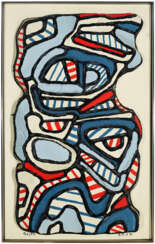

Jean Philippe Arthur Dubuffet, a pioneering French painter and sculptor, revolutionized the post-war art scene with his radical Matterism movement. He defied the conventional aesthetics of his time, championing "low art" and propelling a more genuine, humanistic image-making approach.
Dubuffet, born in Le Havre, France, in 1901, was a prominent figure at the Ecole de Paris and an advocate for Art Brut, or "raw art", which sought to capture art's purest form. His works were characterized by a rough, unrefined aesthetic, which eschewed academic norms in favor of spontaneity and authenticity.
Art enthusiasts and experts can view Dubuffet's innovative works at institutions like the Museum of Modern Art, where his legacy as a groundbreaking artist continues to be celebrated. His Matterism philosophy has left an indelible mark on the art world, inspiring generations of artists to embrace the beauty in the unconventional.
For those interested in the avant-garde and the legacy of Jean Philippe Arthur Dubuffet, sign up for our exclusive updates. This service is designed for connoisseurs and professionals in the art and antique sector, promising alerts on new insights and events strictly related to Dubuffet's profound influence.


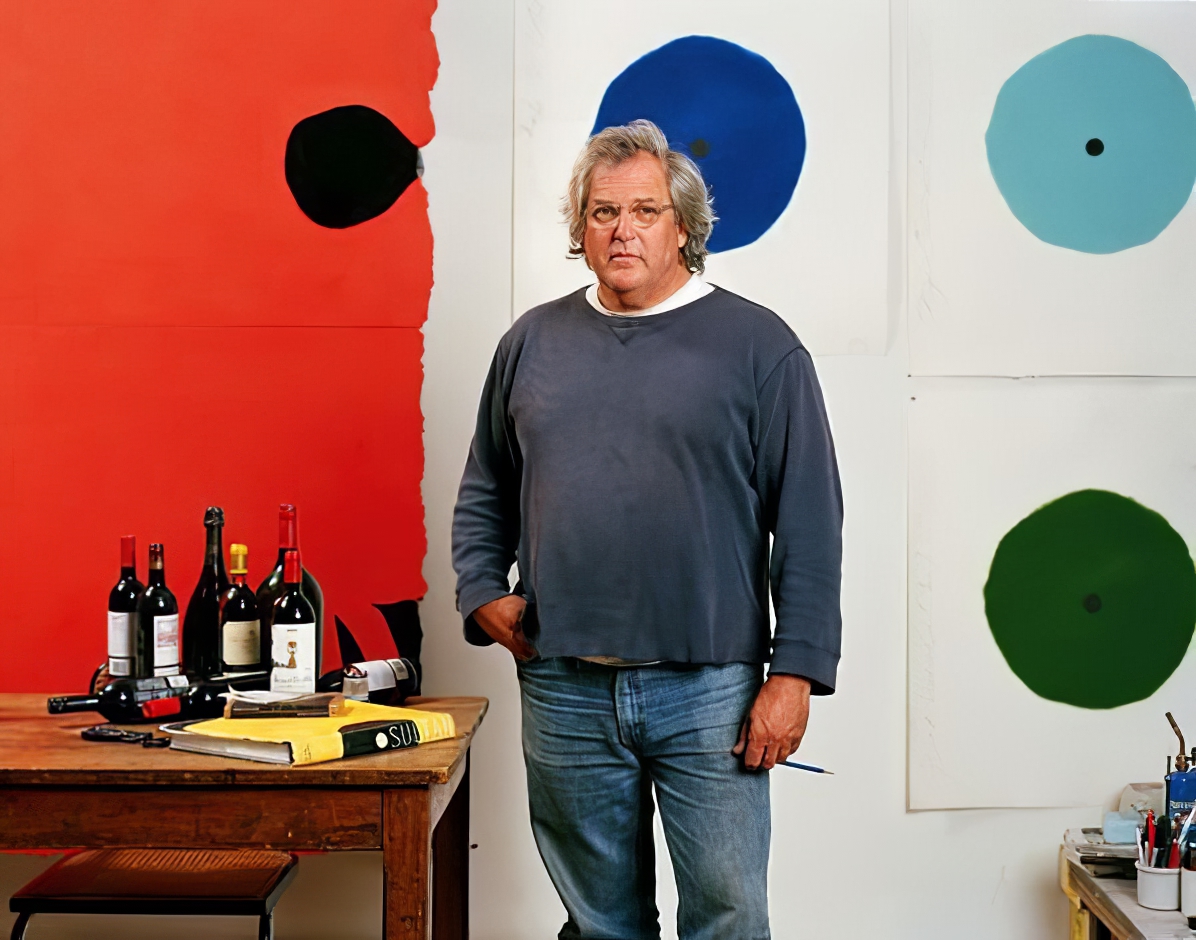
Donald K. Sultan is an American painter, sculptor, and printmaker, particularly well-known for large-scale still life paintings and the use of industrial materials such as tar, enamel, spackle and vinyl tiles. He has been exhibiting internationally in prominent museums and galleries, and his works are included in important museum collections all over the globe. Sultan is the recipient of numerous honors and awards for his artistic achievements.


Jasper Johns, an American artist, has been a pivotal figure in the art world, celebrated for his innovative contributions to painting, sculpture, and printmaking. Johns, born in 1930, has challenged and expanded the boundaries of contemporary art with his unique approach to visual expression, blending elements of Abstract Expressionism, Neo-Dada, and Pop Art. He is perhaps best known for his iconic depictions of everyday objects and symbols, such as flags, maps, numbers, and targets, which he transforms into complex, layered works that invite contemplation on themes of identity, perception, and memory.
Johns' art is distinguished by its masterful use of texture, symbolism, and an exploration of the materiality of the medium. His technique of incorporating textural elements and found objects into his canvases blurs the lines between painting and sculpture, challenging traditional distinctions in art. For instance, his piece "Flag" (1954-55) reimagines the American flag with a surface rich in encaustic paint and newspaper clippings, creating a work that is both a familiar symbol and a deeply personal expression. Similarly, "Painted Bronze" (Ale Cans) (1960) playfully interrogates the nature of representation and the art object by presenting a lifelike bronze sculpture of beer cans, furthering the dialogue on art's relationship with the everyday.
Johns' work is held in high esteem and can be found in major museums and galleries worldwide, including the Museum of Modern Art in New York and the Tate Modern in London. His influence extends beyond his own oeuvre, impacting the development of several art movements, including Pop Art and Conceptual Art. Johns' exploration of language and semiotics, particularly in works like "According to What" (1964), prefigured the Conceptual Art movement's interest in the role of language and ideas in art.
For collectors and experts in art and antiques, Jasper Johns' work represents a critical junction in the evolution of post-war American art, offering rich insights into the interplay between cultural symbols and artistic innovation. His enduring relevance and the intellectual depth of his work continue to inspire and challenge audiences, making him a central figure in discussions of contemporary art.
To stay informed about new sales, auction events, and updates related to Jasper Johns, we invite you to sign up for our newsletter. This subscription is an excellent resource for enthusiasts and collectors eager to engage with the dynamic market for Jasper Johns' works and related artistic developments.


.jfif)
Donald Clarence Judd was an American artist associated with minimalism (a term he nonetheless stridently disavowed). In his work, Judd sought autonomy and clarity for the constructed object and the space created by it, ultimately achieving a rigorously democratic presentation without compositional hierarchy. He is generally considered the leading international exponent of "minimalism," and its most important theoretician through such writings as "Specific Objects" (1964). Judd voiced his unorthodox perception of minimalism in Arts Yearbook 8, where he says, "The new three dimensional work doesn't constitute a movement, school, or style. The common aspects are too general and too little common to define a movement. The differences are greater than the similarities."


Jasper Johns, an American artist, has been a pivotal figure in the art world, celebrated for his innovative contributions to painting, sculpture, and printmaking. Johns, born in 1930, has challenged and expanded the boundaries of contemporary art with his unique approach to visual expression, blending elements of Abstract Expressionism, Neo-Dada, and Pop Art. He is perhaps best known for his iconic depictions of everyday objects and symbols, such as flags, maps, numbers, and targets, which he transforms into complex, layered works that invite contemplation on themes of identity, perception, and memory.
Johns' art is distinguished by its masterful use of texture, symbolism, and an exploration of the materiality of the medium. His technique of incorporating textural elements and found objects into his canvases blurs the lines between painting and sculpture, challenging traditional distinctions in art. For instance, his piece "Flag" (1954-55) reimagines the American flag with a surface rich in encaustic paint and newspaper clippings, creating a work that is both a familiar symbol and a deeply personal expression. Similarly, "Painted Bronze" (Ale Cans) (1960) playfully interrogates the nature of representation and the art object by presenting a lifelike bronze sculpture of beer cans, furthering the dialogue on art's relationship with the everyday.
Johns' work is held in high esteem and can be found in major museums and galleries worldwide, including the Museum of Modern Art in New York and the Tate Modern in London. His influence extends beyond his own oeuvre, impacting the development of several art movements, including Pop Art and Conceptual Art. Johns' exploration of language and semiotics, particularly in works like "According to What" (1964), prefigured the Conceptual Art movement's interest in the role of language and ideas in art.
For collectors and experts in art and antiques, Jasper Johns' work represents a critical junction in the evolution of post-war American art, offering rich insights into the interplay between cultural symbols and artistic innovation. His enduring relevance and the intellectual depth of his work continue to inspire and challenge audiences, making him a central figure in discussions of contemporary art.
To stay informed about new sales, auction events, and updates related to Jasper Johns, we invite you to sign up for our newsletter. This subscription is an excellent resource for enthusiasts and collectors eager to engage with the dynamic market for Jasper Johns' works and related artistic developments.


Jeffrey Lynn Koons is an American artist recognized for his work dealing with popular culture and his sculptures depicting everyday objects, including balloon animals produced in stainless steel with mirror-finish surfaces. He lives and works in both New York City and his hometown of York, Pennsylvania. His works have sold for substantial sums, including at least two record auction prices for a work by a living artist: US$58.4 million for Balloon Dog (Orange) in 2013 and US$91.1 million for Rabbit in 2019.
Critics are sharply divided in their views of Koons. Some view his work as pioneering and of major art-historical importance. Others dismiss his work as kitsch, crass, and based on cynical self-merchandising. Koons has stated that there are no hidden meanings and critiques in his works.
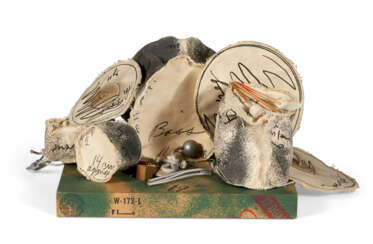

Claes Oldenburg was a Swedish-born American sculptor, celebrated for his groundbreaking contributions to the field of public art and sculpture. With a career spanning over several decades, Oldenburg redefined the boundaries between sculpture and everyday objects, bringing a whimsical yet profound commentary on consumer culture and the urban environment. His talent for transforming the mundane into the monumental made his work not only iconic but also a vital part of the conversation about the role of art in public spaces.
Oldenburg's sculptures are characterized by their colossal scale and imaginative designs, often inspired by everyday items. Perhaps his most famous works include "Clothespin" in Philadelphia and "Spoonbridge and Cherry" in Minneapolis. These pieces are emblematic of his unique approach to sculpture, where familiar objects are reimagined in unexpected contexts, challenging viewers to see the world around them in new ways. His ability to blur the lines between art and life, combined with his playful exploration of form and material, has left an indelible mark on the art world.
For collectors and experts in art and antiques, Oldenburg's works represent not just significant artistic achievements but also compelling investments. His sculptures and installations continue to be celebrated in museums and galleries worldwide, testament to his enduring influence and relevance in the contemporary art scene. For those interested in the intersection of culture, art, and urban life, Oldenburg's legacy offers rich insights and inspiration.
To stay informed about new product sales and auction events related to Claes Oldenburg, we invite you to sign up for updates. This subscription service is designed for collectors and art enthusiasts eager to keep abreast of the latest developments and opportunities in the world of art and antiques. Join us in exploring the remarkable contributions of Claes Oldenburg to the art world.
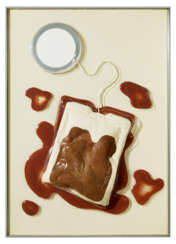

Claes Oldenburg was a Swedish-born American sculptor, celebrated for his groundbreaking contributions to the field of public art and sculpture. With a career spanning over several decades, Oldenburg redefined the boundaries between sculpture and everyday objects, bringing a whimsical yet profound commentary on consumer culture and the urban environment. His talent for transforming the mundane into the monumental made his work not only iconic but also a vital part of the conversation about the role of art in public spaces.
Oldenburg's sculptures are characterized by their colossal scale and imaginative designs, often inspired by everyday items. Perhaps his most famous works include "Clothespin" in Philadelphia and "Spoonbridge and Cherry" in Minneapolis. These pieces are emblematic of his unique approach to sculpture, where familiar objects are reimagined in unexpected contexts, challenging viewers to see the world around them in new ways. His ability to blur the lines between art and life, combined with his playful exploration of form and material, has left an indelible mark on the art world.
For collectors and experts in art and antiques, Oldenburg's works represent not just significant artistic achievements but also compelling investments. His sculptures and installations continue to be celebrated in museums and galleries worldwide, testament to his enduring influence and relevance in the contemporary art scene. For those interested in the intersection of culture, art, and urban life, Oldenburg's legacy offers rich insights and inspiration.
To stay informed about new product sales and auction events related to Claes Oldenburg, we invite you to sign up for updates. This subscription service is designed for collectors and art enthusiasts eager to keep abreast of the latest developments and opportunities in the world of art and antiques. Join us in exploring the remarkable contributions of Claes Oldenburg to the art world.
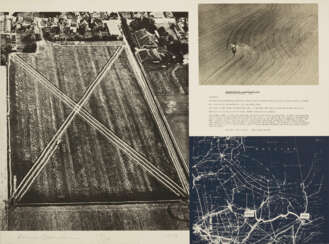

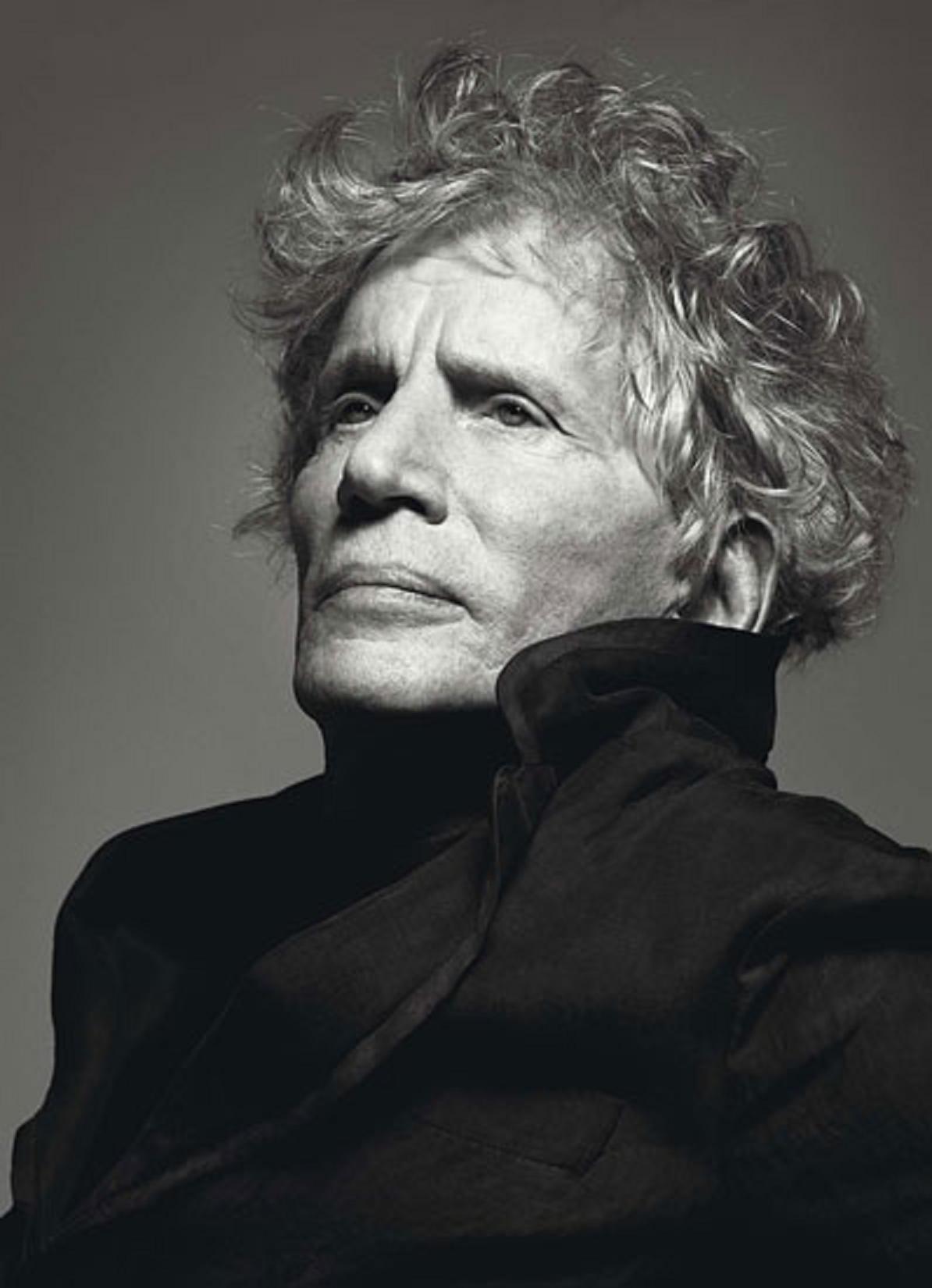
Dennis Oppenheim was an American conceptual artist, performance artist, earth artist, sculptor and photographer. Dennis Oppenheim's early artistic practice is an epistemological questioning about the nature of art, the making of art and the definition of art: a meta-art that arose when strategies of the Minimalists were expanded to focus on site and context. As well as an aesthetic agenda, the work progressed from perceptions of the physical properties of the gallery to the social and political context, largely taking the form of permanent public sculpture in the last two decades of a highly prolific career, whose diversity could exasperate his critics.