

1990s
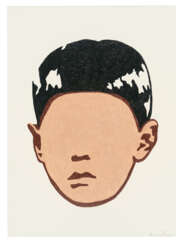





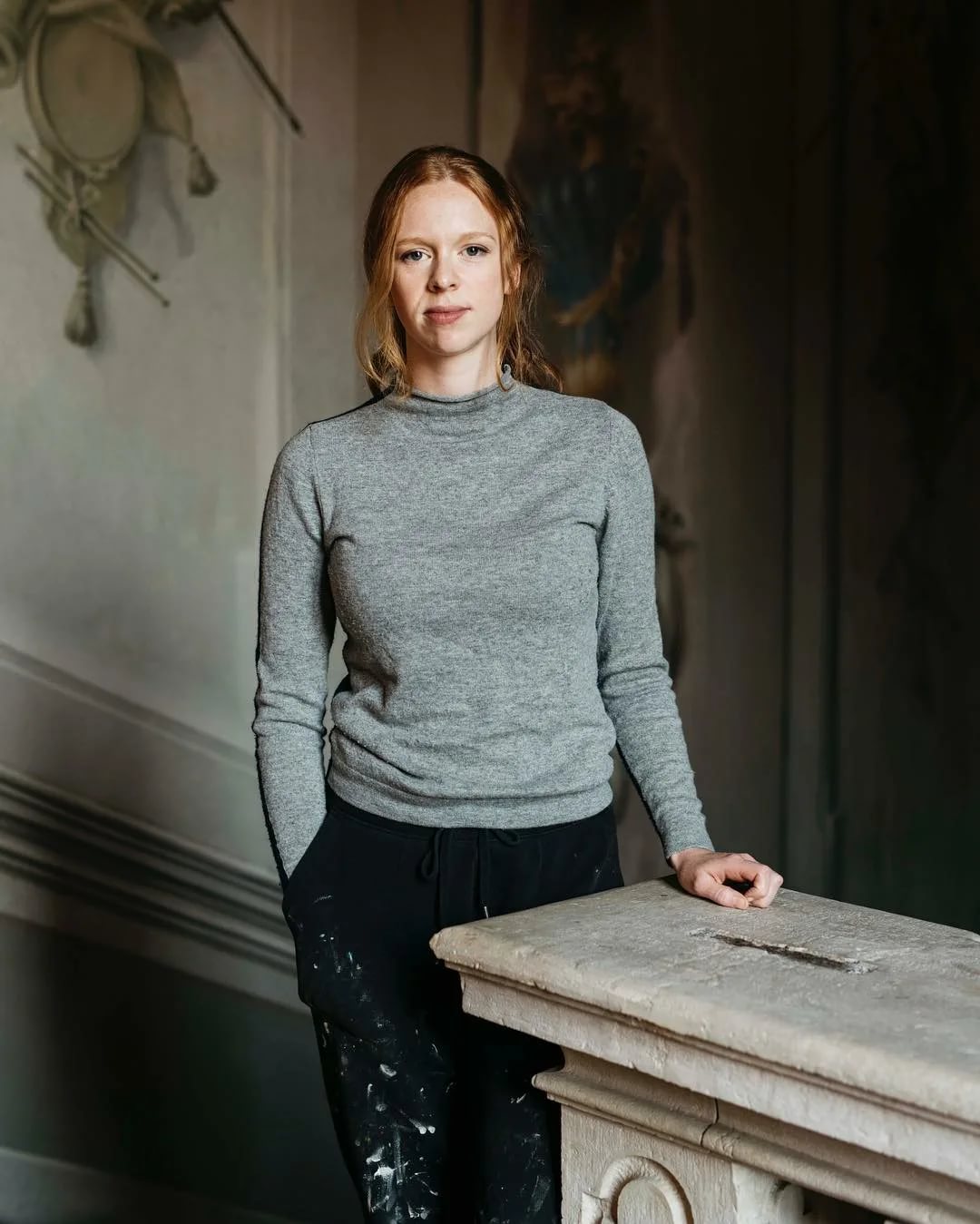
Flora Yukhnovich is a British painter. Yukhnovich is known for her contemporary interpretation of the Rococo painting style.





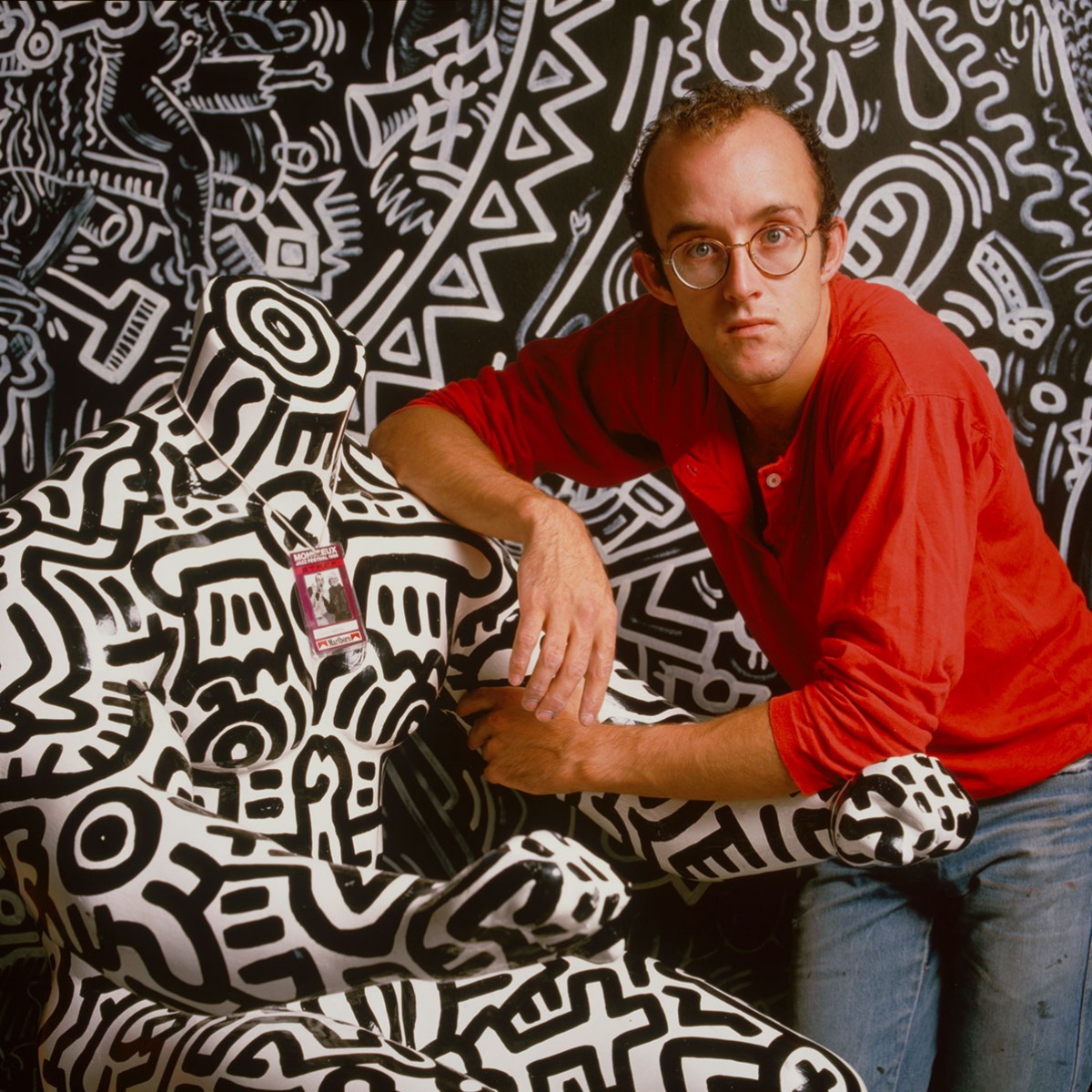
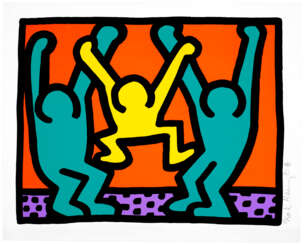
Keith Allen Haring was an iconic American artist, recognized globally for his distinctive contributions to painting, sculpture, and art culture. Haring's work is celebrated for its vibrant, dynamic imagery and its profound social activism, which addressed critical themes such as AIDS awareness, racial inequality, and the empowerment of communities through art. His art transcends conventional galleries, marking its presence in public spaces, museums, and collections worldwide, thereby democratizing art access and engagement.
Haring's unique approach to art was characterized by bold lines, vivid colors, and animated figures, which not only attracted art collectors and experts but also resonated with a broader audience. His ability to blend art with activism, using public spaces as his canvas, was revolutionary. Works like the "Crack is Wack" mural and the untitled piece on the Berlin Wall stand testament to his commitment to societal issues, making him a pioneer in using art as a tool for social change.
Keith Haring's legacy continues through the Keith Haring Foundation, established by the artist in 1989 to support children's programs and organizations dedicated to raising AIDS awareness. The Foundation ensures that Haring's artistic and philanthropic vision persists, facilitating exhibitions and educational initiatives. For collectors and art experts keen on exploring Haring's influential body of work and its impact on contemporary art and culture, his creations offer profound insights into the intersection of art, social activism, and community engagement.
For those interested in staying informed about new product sales, auction events, and exhibitions related to Keith Allen Haring, signing up for updates is a straightforward way to remain connected with the ongoing celebration of his art and humanitarian legacy. This subscription ensures direct access to the latest on Haring's impactful contributions to the world of art and culture.


Keith Allen Haring was an iconic American artist, recognized globally for his distinctive contributions to painting, sculpture, and art culture. Haring's work is celebrated for its vibrant, dynamic imagery and its profound social activism, which addressed critical themes such as AIDS awareness, racial inequality, and the empowerment of communities through art. His art transcends conventional galleries, marking its presence in public spaces, museums, and collections worldwide, thereby democratizing art access and engagement.
Haring's unique approach to art was characterized by bold lines, vivid colors, and animated figures, which not only attracted art collectors and experts but also resonated with a broader audience. His ability to blend art with activism, using public spaces as his canvas, was revolutionary. Works like the "Crack is Wack" mural and the untitled piece on the Berlin Wall stand testament to his commitment to societal issues, making him a pioneer in using art as a tool for social change.
Keith Haring's legacy continues through the Keith Haring Foundation, established by the artist in 1989 to support children's programs and organizations dedicated to raising AIDS awareness. The Foundation ensures that Haring's artistic and philanthropic vision persists, facilitating exhibitions and educational initiatives. For collectors and art experts keen on exploring Haring's influential body of work and its impact on contemporary art and culture, his creations offer profound insights into the intersection of art, social activism, and community engagement.
For those interested in staying informed about new product sales, auction events, and exhibitions related to Keith Allen Haring, signing up for updates is a straightforward way to remain connected with the ongoing celebration of his art and humanitarian legacy. This subscription ensures direct access to the latest on Haring's impactful contributions to the world of art and culture.

Keith Allen Haring was an iconic American artist, recognized globally for his distinctive contributions to painting, sculpture, and art culture. Haring's work is celebrated for its vibrant, dynamic imagery and its profound social activism, which addressed critical themes such as AIDS awareness, racial inequality, and the empowerment of communities through art. His art transcends conventional galleries, marking its presence in public spaces, museums, and collections worldwide, thereby democratizing art access and engagement.
Haring's unique approach to art was characterized by bold lines, vivid colors, and animated figures, which not only attracted art collectors and experts but also resonated with a broader audience. His ability to blend art with activism, using public spaces as his canvas, was revolutionary. Works like the "Crack is Wack" mural and the untitled piece on the Berlin Wall stand testament to his commitment to societal issues, making him a pioneer in using art as a tool for social change.
Keith Haring's legacy continues through the Keith Haring Foundation, established by the artist in 1989 to support children's programs and organizations dedicated to raising AIDS awareness. The Foundation ensures that Haring's artistic and philanthropic vision persists, facilitating exhibitions and educational initiatives. For collectors and art experts keen on exploring Haring's influential body of work and its impact on contemporary art and culture, his creations offer profound insights into the intersection of art, social activism, and community engagement.
For those interested in staying informed about new product sales, auction events, and exhibitions related to Keith Allen Haring, signing up for updates is a straightforward way to remain connected with the ongoing celebration of his art and humanitarian legacy. This subscription ensures direct access to the latest on Haring's impactful contributions to the world of art and culture.
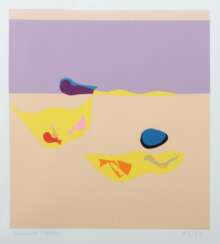


Vincent Weber was a German painter.
Weber's work was initially influenced by the avant-garde views of his teachers at the Bauhaus. His early experimental material collages attacked conventional ways of seeing and challenged the traditions of the institution of art. Later, he turned to more conventional representations that did not even stop at the decorative.
Weber's work stands in contrast to the development of art in the 20th century: while 20th century art takes the path from aestheticism to the anarchic avant-garde, Weber takes this path back: from anarchic-avant-garde aesthetic opposition to aesthetic-decorative art.



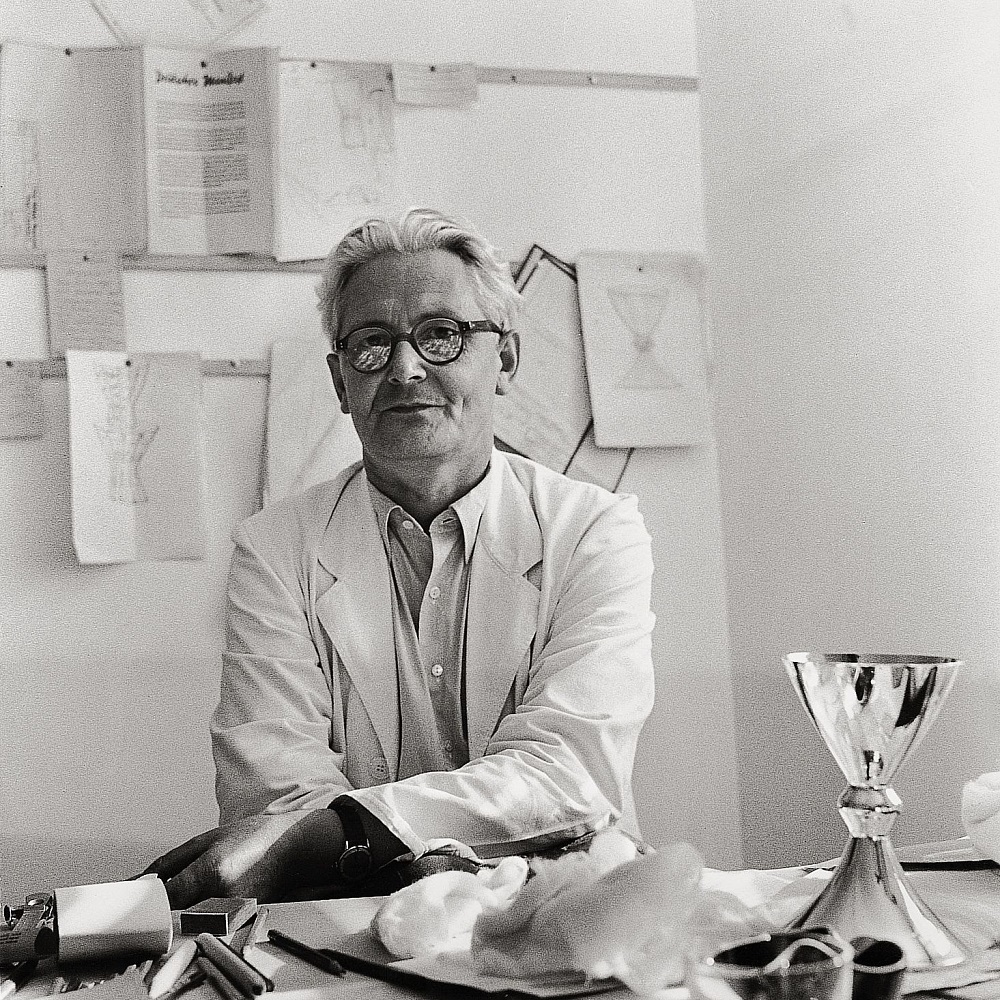
Wilhelm Wagenfeld was a German industrial designer and former student of the Bauhaus art school. He designed glass and metal works for the Jenaer Glaswerk Schott & Gen., the Vereinigte Lausitzer Glaswerke in Weißwasser, Rosenthal, Braun GmbH and WMF. Some of his designs are still produced to this day.




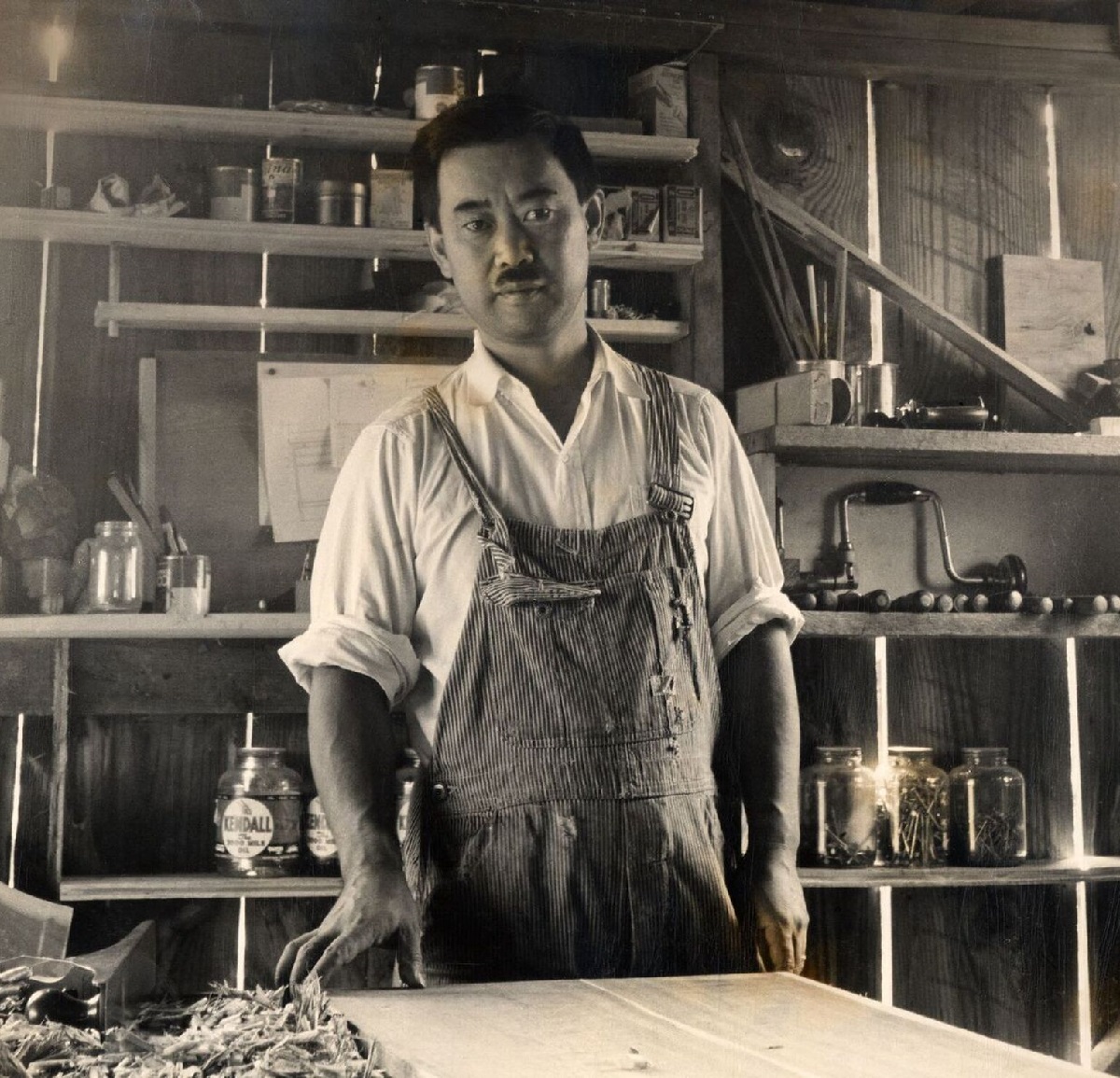
George Nakashima (Japanese: 中島勝寿) was an influential Japanese-American artist, architect, and furniture maker. He is renowned for his mastery of woodworking and his philosophy of incorporating natural materials and traditional craftsmanship into his designs.
Nakashima's furniture designs emphasized simplicity, functionality, and the integration of nature into the living space. He believed in the spiritual essence of the materials he used and aimed to create pieces that harmonized with their surroundings and brought a sense of peace and tranquility to the users.
His signature designs often featured clean lines, elegant proportions, and meticulous joinery techniques. Nakashima's work showcased a blend of Japanese aesthetics, American modernism, and his own unique artistic vision.


George Nakashima (Japanese: 中島勝寿) was an influential Japanese-American artist, architect, and furniture maker. He is renowned for his mastery of woodworking and his philosophy of incorporating natural materials and traditional craftsmanship into his designs.
Nakashima's furniture designs emphasized simplicity, functionality, and the integration of nature into the living space. He believed in the spiritual essence of the materials he used and aimed to create pieces that harmonized with their surroundings and brought a sense of peace and tranquility to the users.
His signature designs often featured clean lines, elegant proportions, and meticulous joinery techniques. Nakashima's work showcased a blend of Japanese aesthetics, American modernism, and his own unique artistic vision.


George Nakashima (Japanese: 中島勝寿) was an influential Japanese-American artist, architect, and furniture maker. He is renowned for his mastery of woodworking and his philosophy of incorporating natural materials and traditional craftsmanship into his designs.
Nakashima's furniture designs emphasized simplicity, functionality, and the integration of nature into the living space. He believed in the spiritual essence of the materials he used and aimed to create pieces that harmonized with their surroundings and brought a sense of peace and tranquility to the users.
His signature designs often featured clean lines, elegant proportions, and meticulous joinery techniques. Nakashima's work showcased a blend of Japanese aesthetics, American modernism, and his own unique artistic vision.


George Nakashima (Japanese: 中島勝寿) was an influential Japanese-American artist, architect, and furniture maker. He is renowned for his mastery of woodworking and his philosophy of incorporating natural materials and traditional craftsmanship into his designs.
Nakashima's furniture designs emphasized simplicity, functionality, and the integration of nature into the living space. He believed in the spiritual essence of the materials he used and aimed to create pieces that harmonized with their surroundings and brought a sense of peace and tranquility to the users.
His signature designs often featured clean lines, elegant proportions, and meticulous joinery techniques. Nakashima's work showcased a blend of Japanese aesthetics, American modernism, and his own unique artistic vision.


George Nakashima (Japanese: 中島勝寿) was an influential Japanese-American artist, architect, and furniture maker. He is renowned for his mastery of woodworking and his philosophy of incorporating natural materials and traditional craftsmanship into his designs.
Nakashima's furniture designs emphasized simplicity, functionality, and the integration of nature into the living space. He believed in the spiritual essence of the materials he used and aimed to create pieces that harmonized with their surroundings and brought a sense of peace and tranquility to the users.
His signature designs often featured clean lines, elegant proportions, and meticulous joinery techniques. Nakashima's work showcased a blend of Japanese aesthetics, American modernism, and his own unique artistic vision.


George Nakashima (Japanese: 中島勝寿) was an influential Japanese-American artist, architect, and furniture maker. He is renowned for his mastery of woodworking and his philosophy of incorporating natural materials and traditional craftsmanship into his designs.
Nakashima's furniture designs emphasized simplicity, functionality, and the integration of nature into the living space. He believed in the spiritual essence of the materials he used and aimed to create pieces that harmonized with their surroundings and brought a sense of peace and tranquility to the users.
His signature designs often featured clean lines, elegant proportions, and meticulous joinery techniques. Nakashima's work showcased a blend of Japanese aesthetics, American modernism, and his own unique artistic vision.


George Nakashima (Japanese: 中島勝寿) was an influential Japanese-American artist, architect, and furniture maker. He is renowned for his mastery of woodworking and his philosophy of incorporating natural materials and traditional craftsmanship into his designs.
Nakashima's furniture designs emphasized simplicity, functionality, and the integration of nature into the living space. He believed in the spiritual essence of the materials he used and aimed to create pieces that harmonized with their surroundings and brought a sense of peace and tranquility to the users.
His signature designs often featured clean lines, elegant proportions, and meticulous joinery techniques. Nakashima's work showcased a blend of Japanese aesthetics, American modernism, and his own unique artistic vision.
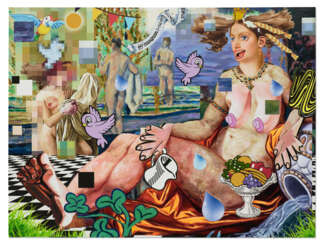


Allison Zuckerman is an American contemporary artist and painter. Zuckerman's pop-surrealist work fuses painting with digital printing techniques and appropriates various art historical tropes and references to "recast the submissive, romanticized female muses painted by male artists throughout Western art history as commanding, empowered figures." Zuckerman creates an alternative narrative by remixing the female sitters of prominent male artists into a feminist 21st century.
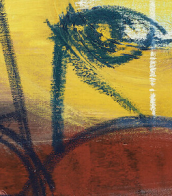


Keith Allen Haring was an iconic American artist, recognized globally for his distinctive contributions to painting, sculpture, and art culture. Haring's work is celebrated for its vibrant, dynamic imagery and its profound social activism, which addressed critical themes such as AIDS awareness, racial inequality, and the empowerment of communities through art. His art transcends conventional galleries, marking its presence in public spaces, museums, and collections worldwide, thereby democratizing art access and engagement.
Haring's unique approach to art was characterized by bold lines, vivid colors, and animated figures, which not only attracted art collectors and experts but also resonated with a broader audience. His ability to blend art with activism, using public spaces as his canvas, was revolutionary. Works like the "Crack is Wack" mural and the untitled piece on the Berlin Wall stand testament to his commitment to societal issues, making him a pioneer in using art as a tool for social change.
Keith Haring's legacy continues through the Keith Haring Foundation, established by the artist in 1989 to support children's programs and organizations dedicated to raising AIDS awareness. The Foundation ensures that Haring's artistic and philanthropic vision persists, facilitating exhibitions and educational initiatives. For collectors and art experts keen on exploring Haring's influential body of work and its impact on contemporary art and culture, his creations offer profound insights into the intersection of art, social activism, and community engagement.
For those interested in staying informed about new product sales, auction events, and exhibitions related to Keith Allen Haring, signing up for updates is a straightforward way to remain connected with the ongoing celebration of his art and humanitarian legacy. This subscription ensures direct access to the latest on Haring's impactful contributions to the world of art and culture.
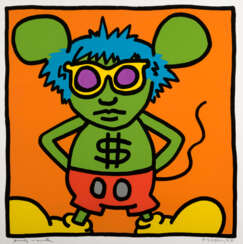

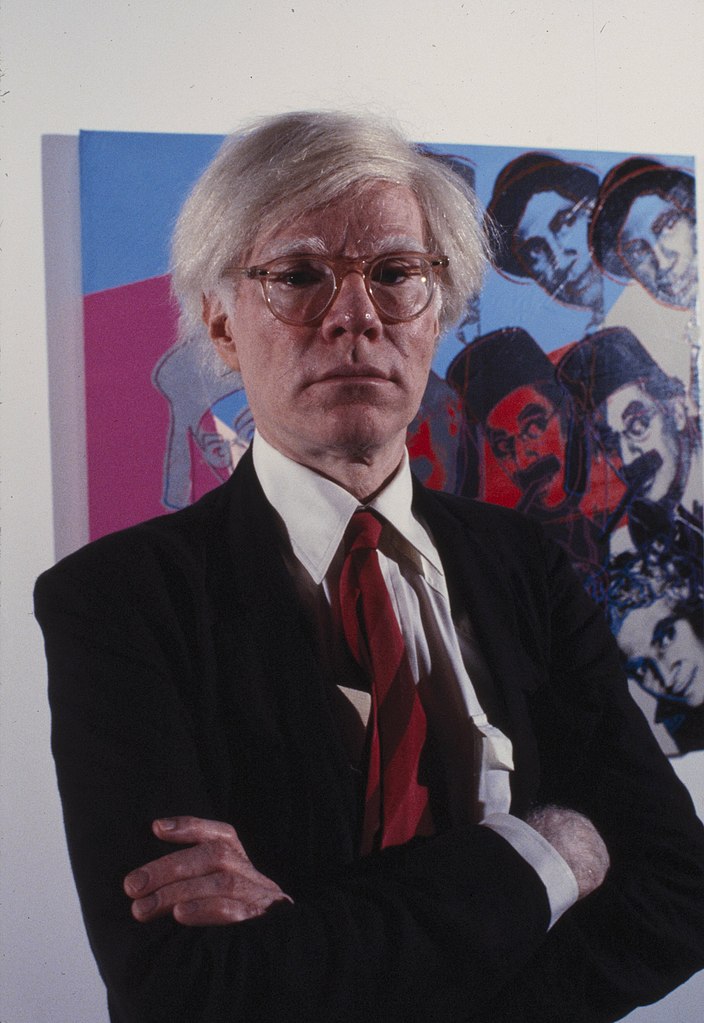
Andy Warhol, born as Andrew Warhola Jr., was an American visual artist, film director, and producer, who played a pivotal role in the development of the Pop Art movement. His art delved into the interplay between artistic expression, advertising, and celebrity culture, especially prevalent in the 1960s. Warhol was renowned for his diverse range of media, which included painting, silkscreening, photography, film, and sculpture.
Warhol's journey began in Pittsburgh, where he was born and raised, initially making a name for himself as a commercial illustrator. His New York studio, "The Factory," became a famous hub for intellectuals, celebrities, and various artistic minds. He was known for creating the notion of "Warhol superstars" and popularized the phrase "15 minutes of fame."
His contribution to the art world is significant, with notable works like "Campbell's Soup Cans" (1962) and "Marilyn Diptych" (1962), as well as his experimental films like "Empire" (1964) and "Chelsea Girls" (1966). These works not only define his career but also underscore the essence of the Pop Art movement.
Warhol's influence extended beyond his artwork. He managed and produced the experimental rock band The Velvet Underground, founded Interview magazine, and wrote several books, including "The Philosophy of Andy Warhol" and "Popism: The Warhol Sixties." Living openly as a gay man before the gay liberation movement, Warhol's personal life was as influential as his professional endeavors.
Tragically, Warhol's life was nearly cut short in 1968 when he was shot by radical feminist Valerie Solanas. He eventually passed away in 1987 due to cardiac arrhythmia following gallbladder surgery. His legacy continues, with The Andy Warhol Museum in Pittsburgh standing as the largest U.S. museum dedicated to a single artist.
Warhol's art remains highly collectible and valuable. His works, like the "Silver Car Crash (Double Disaster)" and "Shot Sage Blue Marilyn," have fetched staggering amounts at auctions, signifying his enduring impact on the art market.
For art collectors and experts, Andy Warhol's work represents a crucial intersection of pop culture and fine art, offering a unique perspective on consumerism and celebrity. His pieces are not just art; they are historical landmarks that capture a transformative era in both art and society.
To stay updated on new products, sales, and auction events related to Andy Warhol, sign up for our updates. This subscription will keep you informed about all things Warhol without overwhelming you with unnecessary information.
Keith Allen Haring was an iconic American artist, recognized globally for his distinctive contributions to painting, sculpture, and art culture. Haring's work is celebrated for its vibrant, dynamic imagery and its profound social activism, which addressed critical themes such as AIDS awareness, racial inequality, and the empowerment of communities through art. His art transcends conventional galleries, marking its presence in public spaces, museums, and collections worldwide, thereby democratizing art access and engagement.
Haring's unique approach to art was characterized by bold lines, vivid colors, and animated figures, which not only attracted art collectors and experts but also resonated with a broader audience. His ability to blend art with activism, using public spaces as his canvas, was revolutionary. Works like the "Crack is Wack" mural and the untitled piece on the Berlin Wall stand testament to his commitment to societal issues, making him a pioneer in using art as a tool for social change.
Keith Haring's legacy continues through the Keith Haring Foundation, established by the artist in 1989 to support children's programs and organizations dedicated to raising AIDS awareness. The Foundation ensures that Haring's artistic and philanthropic vision persists, facilitating exhibitions and educational initiatives. For collectors and art experts keen on exploring Haring's influential body of work and its impact on contemporary art and culture, his creations offer profound insights into the intersection of art, social activism, and community engagement.
For those interested in staying informed about new product sales, auction events, and exhibitions related to Keith Allen Haring, signing up for updates is a straightforward way to remain connected with the ongoing celebration of his art and humanitarian legacy. This subscription ensures direct access to the latest on Haring's impactful contributions to the world of art and culture.




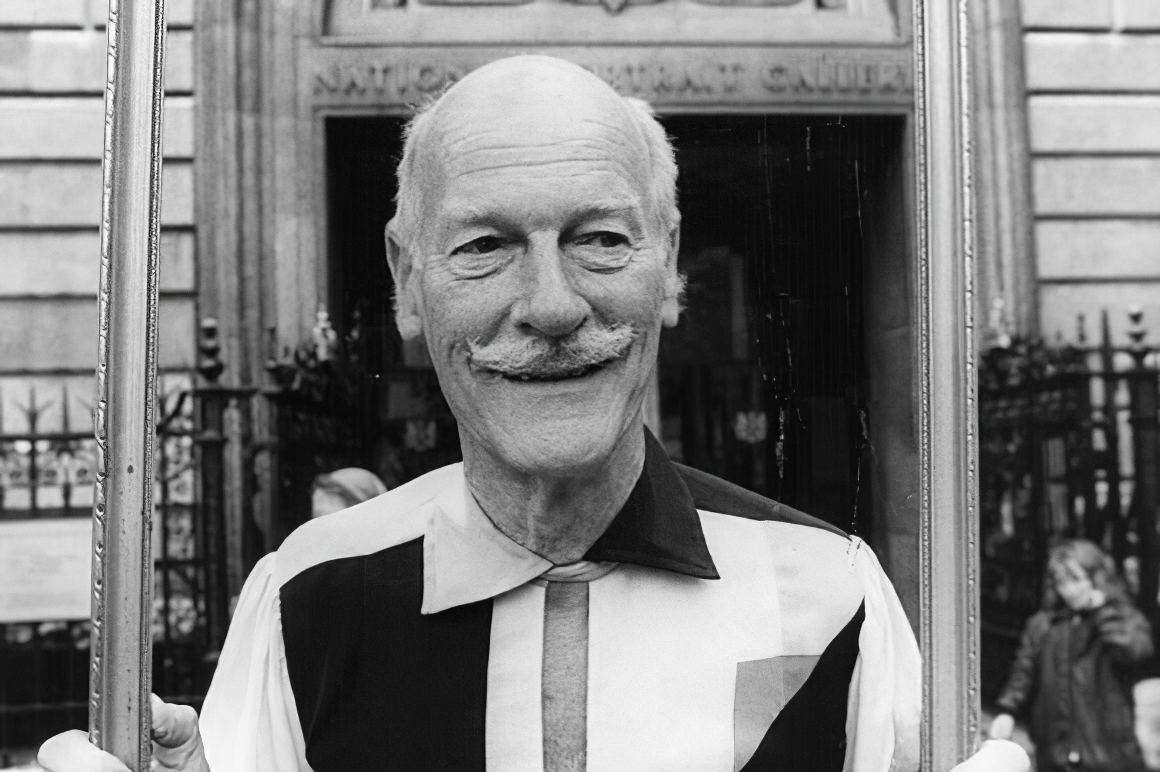
Norman Parkinson was a renowned British photographer who is considered one of the most influential fashion photographers of the 20th century. Parkinson began his career in the 1930s and continued to work until his death.
Throughout his career, Parkinson worked for numerous fashion magazines, including Vogue, Harper's Bazaar, and Queen. He was known for his use of vibrant colors and his ability to capture his subjects in dynamic poses and interesting settings. Parkinson's photographs often had a sense of humor and playfulness, and he was known for his ability to put his models at ease, resulting in natural and spontaneous photographs.
Parkinson's work has been exhibited in galleries and museums around the world, and he has been the subject of numerous books and documentaries. He received numerous awards throughout his career, including the Royal Photographic Society's Centenary Medal in 1985.

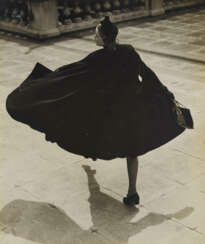

Norman Parkinson was a renowned British photographer who is considered one of the most influential fashion photographers of the 20th century. Parkinson began his career in the 1930s and continued to work until his death.
Throughout his career, Parkinson worked for numerous fashion magazines, including Vogue, Harper's Bazaar, and Queen. He was known for his use of vibrant colors and his ability to capture his subjects in dynamic poses and interesting settings. Parkinson's photographs often had a sense of humor and playfulness, and he was known for his ability to put his models at ease, resulting in natural and spontaneous photographs.
Parkinson's work has been exhibited in galleries and museums around the world, and he has been the subject of numerous books and documentaries. He received numerous awards throughout his career, including the Royal Photographic Society's Centenary Medal in 1985.
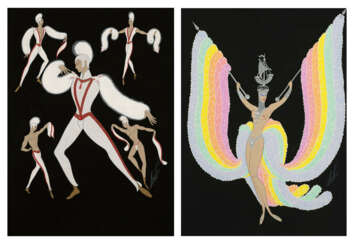

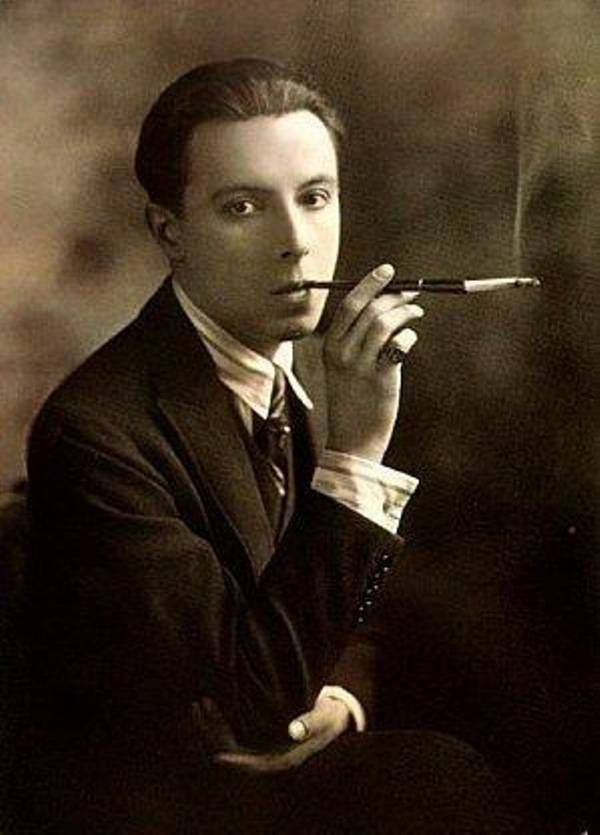
Roman Petrovich Tirtoff, pseudonym Erté, was a Russian-born artist, graphic artist, illustrator, stage designer, fashion designer and sculptor of the Art Deco era who worked in Paris and Hollywood. His pseudonym, which he took "so as not to disgrace his family", was made up of the first letters of his first and last name.
Herthe is best known for his elegant fashion illustrations, costume designs and set designs for the theatre.
Erte's work was not limited to the realm of fashion and theatre. He created jewellery, perfume bottles, furniture and furnishings, infusing them with his unique sense of style and elegance. His work often utilised elements of Egyptian, Byzantine and Oriental art, combining historical traditions with contemporary aesthetics


Roman Petrovich Tirtoff, pseudonym Erté, was a Russian-born artist, graphic artist, illustrator, stage designer, fashion designer and sculptor of the Art Deco era who worked in Paris and Hollywood. His pseudonym, which he took "so as not to disgrace his family", was made up of the first letters of his first and last name.
Herthe is best known for his elegant fashion illustrations, costume designs and set designs for the theatre.
Erte's work was not limited to the realm of fashion and theatre. He created jewellery, perfume bottles, furniture and furnishings, infusing them with his unique sense of style and elegance. His work often utilised elements of Egyptian, Byzantine and Oriental art, combining historical traditions with contemporary aesthetics
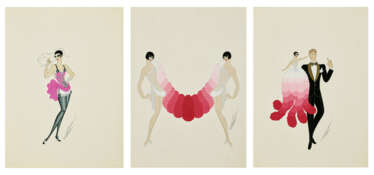

Roman Petrovich Tirtoff, pseudonym Erté, was a Russian-born artist, graphic artist, illustrator, stage designer, fashion designer and sculptor of the Art Deco era who worked in Paris and Hollywood. His pseudonym, which he took "so as not to disgrace his family", was made up of the first letters of his first and last name.
Herthe is best known for his elegant fashion illustrations, costume designs and set designs for the theatre.
Erte's work was not limited to the realm of fashion and theatre. He created jewellery, perfume bottles, furniture and furnishings, infusing them with his unique sense of style and elegance. His work often utilised elements of Egyptian, Byzantine and Oriental art, combining historical traditions with contemporary aesthetics
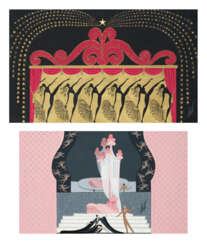

Roman Petrovich Tirtoff, pseudonym Erté, was a Russian-born artist, graphic artist, illustrator, stage designer, fashion designer and sculptor of the Art Deco era who worked in Paris and Hollywood. His pseudonym, which he took "so as not to disgrace his family", was made up of the first letters of his first and last name.
Herthe is best known for his elegant fashion illustrations, costume designs and set designs for the theatre.
Erte's work was not limited to the realm of fashion and theatre. He created jewellery, perfume bottles, furniture and furnishings, infusing them with his unique sense of style and elegance. His work often utilised elements of Egyptian, Byzantine and Oriental art, combining historical traditions with contemporary aesthetics


Keith Allen Haring was an iconic American artist, recognized globally for his distinctive contributions to painting, sculpture, and art culture. Haring's work is celebrated for its vibrant, dynamic imagery and its profound social activism, which addressed critical themes such as AIDS awareness, racial inequality, and the empowerment of communities through art. His art transcends conventional galleries, marking its presence in public spaces, museums, and collections worldwide, thereby democratizing art access and engagement.
Haring's unique approach to art was characterized by bold lines, vivid colors, and animated figures, which not only attracted art collectors and experts but also resonated with a broader audience. His ability to blend art with activism, using public spaces as his canvas, was revolutionary. Works like the "Crack is Wack" mural and the untitled piece on the Berlin Wall stand testament to his commitment to societal issues, making him a pioneer in using art as a tool for social change.
Keith Haring's legacy continues through the Keith Haring Foundation, established by the artist in 1989 to support children's programs and organizations dedicated to raising AIDS awareness. The Foundation ensures that Haring's artistic and philanthropic vision persists, facilitating exhibitions and educational initiatives. For collectors and art experts keen on exploring Haring's influential body of work and its impact on contemporary art and culture, his creations offer profound insights into the intersection of art, social activism, and community engagement.
For those interested in staying informed about new product sales, auction events, and exhibitions related to Keith Allen Haring, signing up for updates is a straightforward way to remain connected with the ongoing celebration of his art and humanitarian legacy. This subscription ensures direct access to the latest on Haring's impactful contributions to the world of art and culture.


Keith Allen Haring was an iconic American artist, recognized globally for his distinctive contributions to painting, sculpture, and art culture. Haring's work is celebrated for its vibrant, dynamic imagery and its profound social activism, which addressed critical themes such as AIDS awareness, racial inequality, and the empowerment of communities through art. His art transcends conventional galleries, marking its presence in public spaces, museums, and collections worldwide, thereby democratizing art access and engagement.
Haring's unique approach to art was characterized by bold lines, vivid colors, and animated figures, which not only attracted art collectors and experts but also resonated with a broader audience. His ability to blend art with activism, using public spaces as his canvas, was revolutionary. Works like the "Crack is Wack" mural and the untitled piece on the Berlin Wall stand testament to his commitment to societal issues, making him a pioneer in using art as a tool for social change.
Keith Haring's legacy continues through the Keith Haring Foundation, established by the artist in 1989 to support children's programs and organizations dedicated to raising AIDS awareness. The Foundation ensures that Haring's artistic and philanthropic vision persists, facilitating exhibitions and educational initiatives. For collectors and art experts keen on exploring Haring's influential body of work and its impact on contemporary art and culture, his creations offer profound insights into the intersection of art, social activism, and community engagement.
For those interested in staying informed about new product sales, auction events, and exhibitions related to Keith Allen Haring, signing up for updates is a straightforward way to remain connected with the ongoing celebration of his art and humanitarian legacy. This subscription ensures direct access to the latest on Haring's impactful contributions to the world of art and culture.


Keith Allen Haring was an iconic American artist, recognized globally for his distinctive contributions to painting, sculpture, and art culture. Haring's work is celebrated for its vibrant, dynamic imagery and its profound social activism, which addressed critical themes such as AIDS awareness, racial inequality, and the empowerment of communities through art. His art transcends conventional galleries, marking its presence in public spaces, museums, and collections worldwide, thereby democratizing art access and engagement.
Haring's unique approach to art was characterized by bold lines, vivid colors, and animated figures, which not only attracted art collectors and experts but also resonated with a broader audience. His ability to blend art with activism, using public spaces as his canvas, was revolutionary. Works like the "Crack is Wack" mural and the untitled piece on the Berlin Wall stand testament to his commitment to societal issues, making him a pioneer in using art as a tool for social change.
Keith Haring's legacy continues through the Keith Haring Foundation, established by the artist in 1989 to support children's programs and organizations dedicated to raising AIDS awareness. The Foundation ensures that Haring's artistic and philanthropic vision persists, facilitating exhibitions and educational initiatives. For collectors and art experts keen on exploring Haring's influential body of work and its impact on contemporary art and culture, his creations offer profound insights into the intersection of art, social activism, and community engagement.
For those interested in staying informed about new product sales, auction events, and exhibitions related to Keith Allen Haring, signing up for updates is a straightforward way to remain connected with the ongoing celebration of his art and humanitarian legacy. This subscription ensures direct access to the latest on Haring's impactful contributions to the world of art and culture.