fleury






































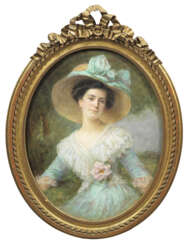



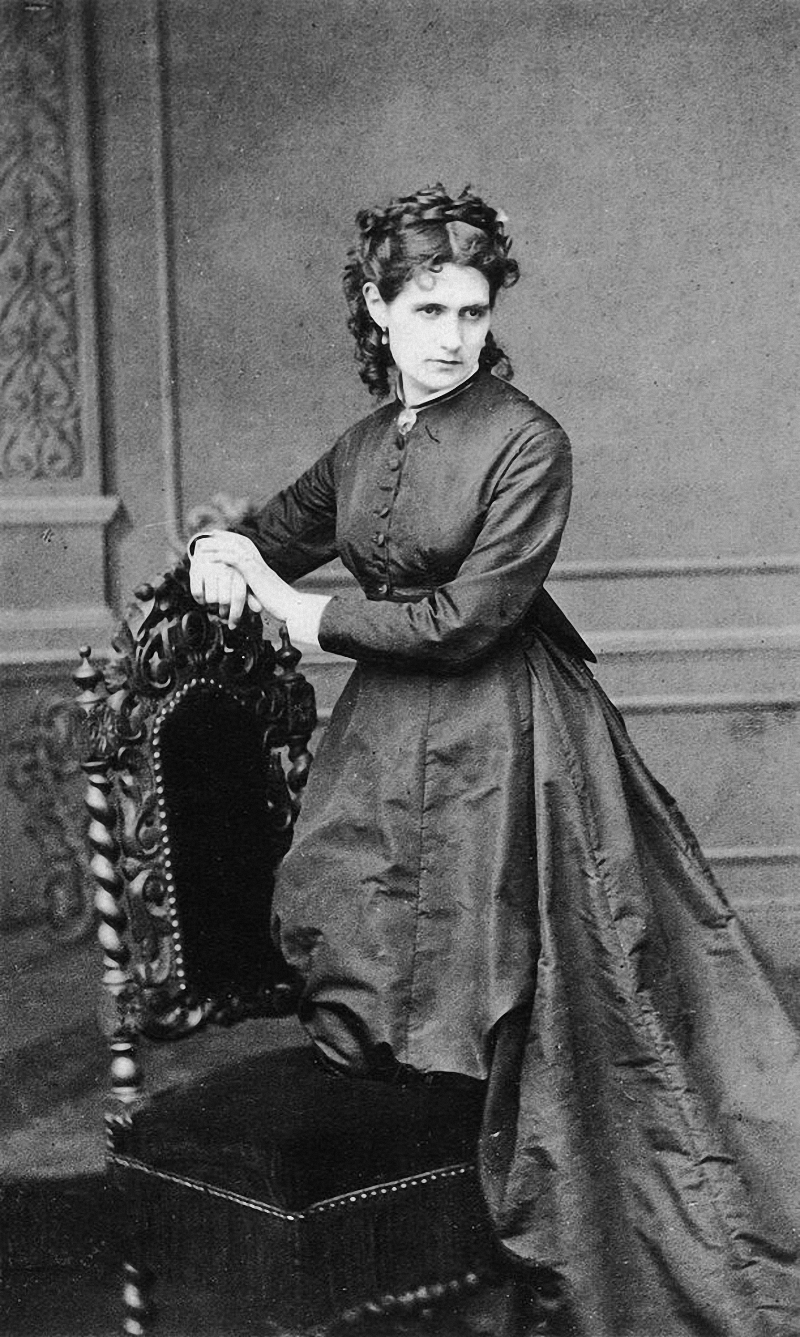
Berthe Morisot was a French painter, renowned for her pivotal role in the Impressionist movement. Born into an affluent family in 1841, Morisot's upbringing was steeped in culture, and she received a comprehensive art education alongside her sisters. Despite societal constraints, she pursued a career in art, initially exhibiting at Paris' salons before transitioning to the more avant-garde Impressionist exhibitions.
Berthe Morisot's artistry is characterized by a unique blend of color, light, and texture, embodying a distinctly "feminine" style that garnered admiration from her peers and critics alike. Her works, such as "The Cradle" and "Hanging the Laundry out to Dry," showcase her ability to capture the ephemeral qualities of everyday life with a tender and nuanced touch. Morisot's palette, dominated by pastel tones and an interplay of light, lends her paintings an ethereal quality, while her brushwork reflects a freedom and delicacy that became her signature.
Throughout her career, Berthe Morisot's evolving style reflected broader artistic trends, integrating influences from photography and Japanese prints. Yet, she remained faithful to the Impressionist ethos, capturing the transient moments of life with grace and sensitivity. Today, her works are celebrated in museums like the Musée d'Orsay, testament to her enduring influence in the realm of art and culture.
As we remember Berthe Morisot, her legacy continues to inspire art collectors and enthusiasts, reminding us of the profound impact one individual can have on the course of art history. For those captivated by Berthe Morisot's contribution to art and culture, we invite you to sign up for updates on upcoming sales and auction events featuring her works. Join us in celebrating the timeless beauty and historical significance of Morisot's artistry.


![[CHARLES LE BRUN (1619-1690)]](/assets/image/picture_2196355/b821a/4e1bc8ff80d6115249ebff990ca2e6fc1654678800jpg__fix_374_244.jpeg)
![[CHARLES LE BRUN (1619-1690)]](https://veryimportantlot.com/assets/image/picture_2196355/b821a/4e1bc8ff80d6115249ebff990ca2e6fc1654678800jpg__fix_374_244.jpeg)
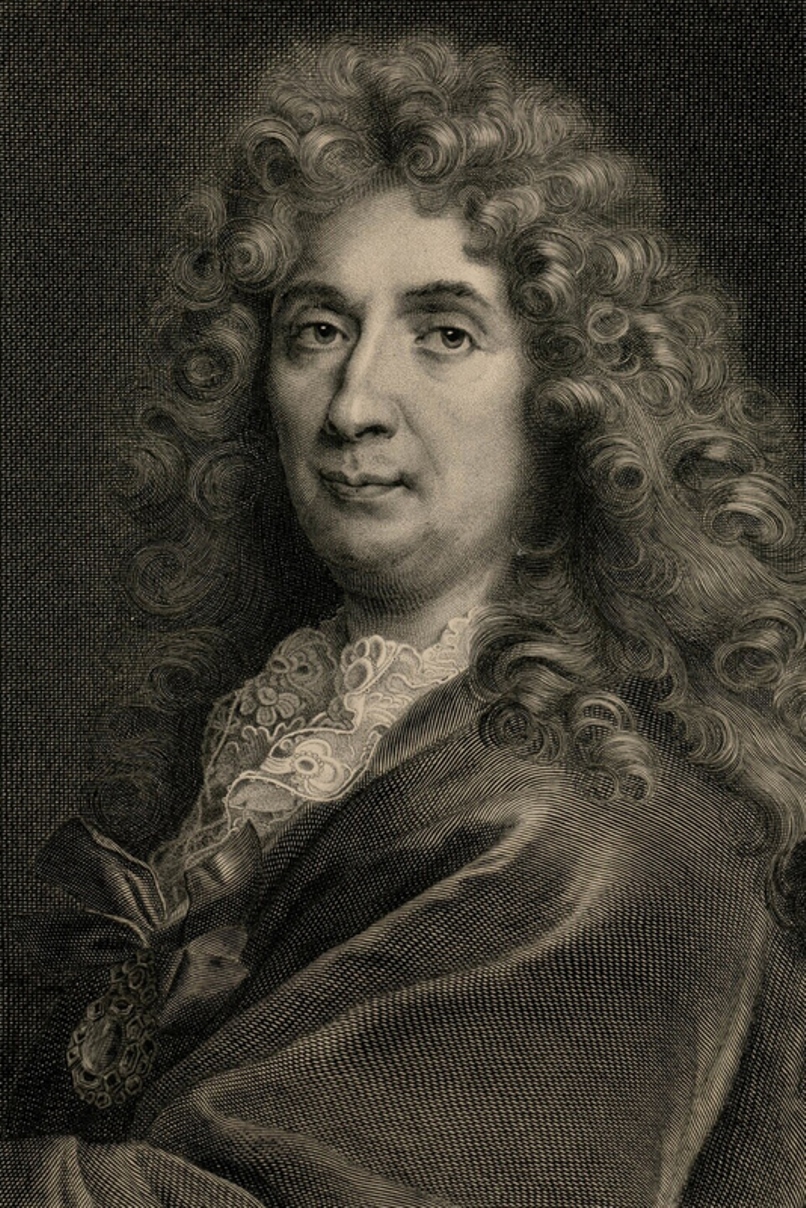
Charles Le Brun was a French painter, draftsman and chief decorator of the Palace of Versailles.
Charles came from an educated and respected family, trained in painting in Italy and very soon his talents were appreciated in the highest circles of France. In 1660 Le Brun painted "The Family of Darius before Alexander", which brought him the reputation of a brilliant French painter, and in 1664 he received the position of the first painter of the king. Thereafter he received more and more commissions and more honors.
From 1662 Le Brun controlled all the artistic projects of the royal court. In the Palace of Versailles, Lebrun created beautiful decorations: the Ambassadors' Staircase, the Hall of Mirrors, the Peace Room and the War Room. In each of his designs, he emphasized the king's achievements. He was also responsible for the decoration of the State Apartments, which was entrusted to the greatest artists of the time, who worked from his drawings. Le Brun also designed most of the statues in the park at Versailles. This enormous work cemented his reputation as a true seventeenth-century genius, as well as one of the founders, ideologues, and chief representatives of the classicist "grand style" of King Louis XIV's era.
In 1648 Le Brun became a founding member of the Royal Academy of Painting and Sculpture, and in 1663 - the manager of the Manufacture of tapestries.
Charles Le Brun was not only the creator of the "grand style", but also contributed to the rebirth of classicism into academism.