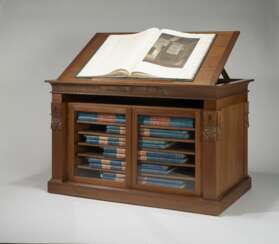
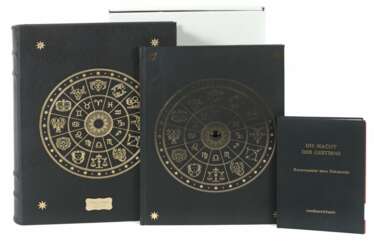
folio stand
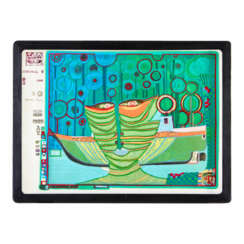

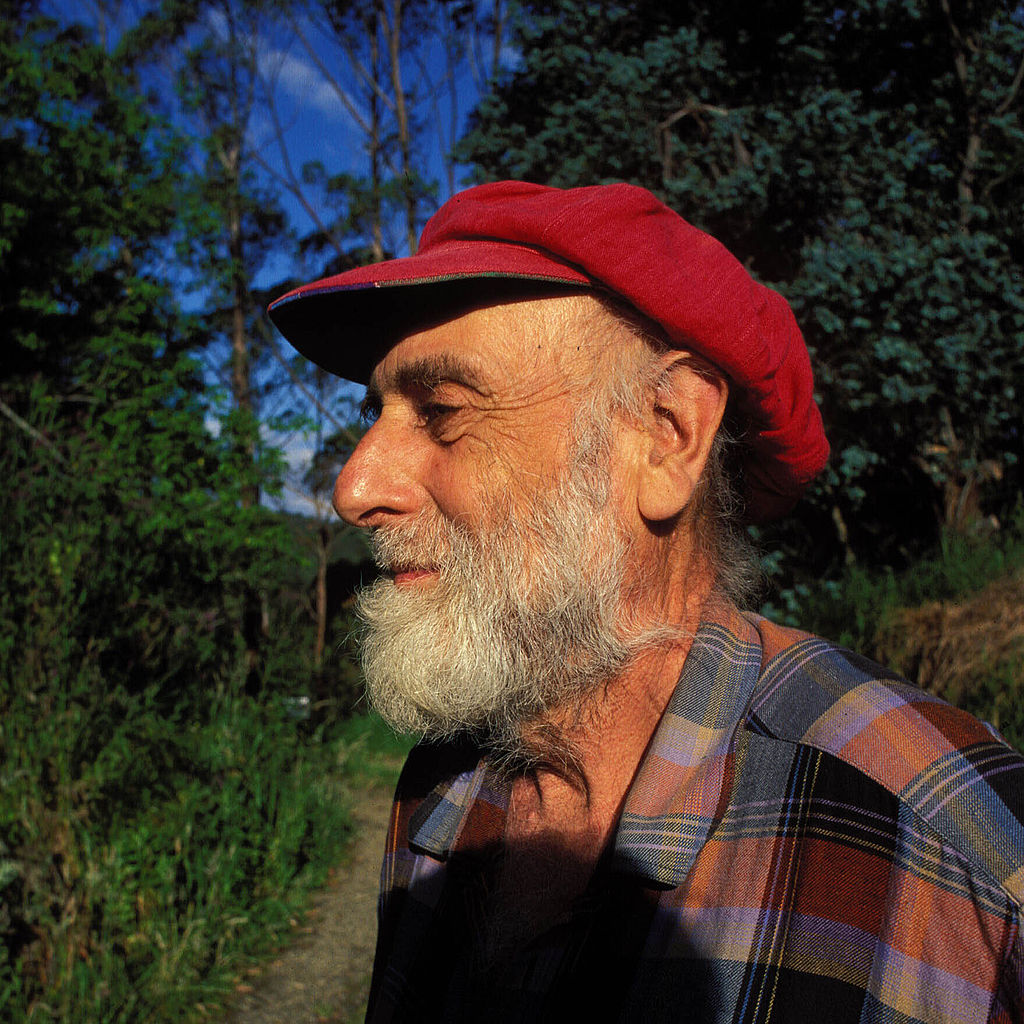
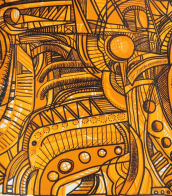
Friedensreich Regentag Dunkelbunt Hundertwasser was an Austrian visual artist and architect who also worked in the field of environmental protection.
Hundertwasser stood out as an opponent of "a straight line" and any standardization, expressing this concept in the field of building design. His best known work is the Hundertwasserhaus in Vienna, which has become a notable place of interest in the Austrian capital, characterised by imaginative vitality and uniqueness.

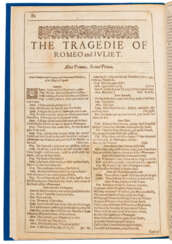

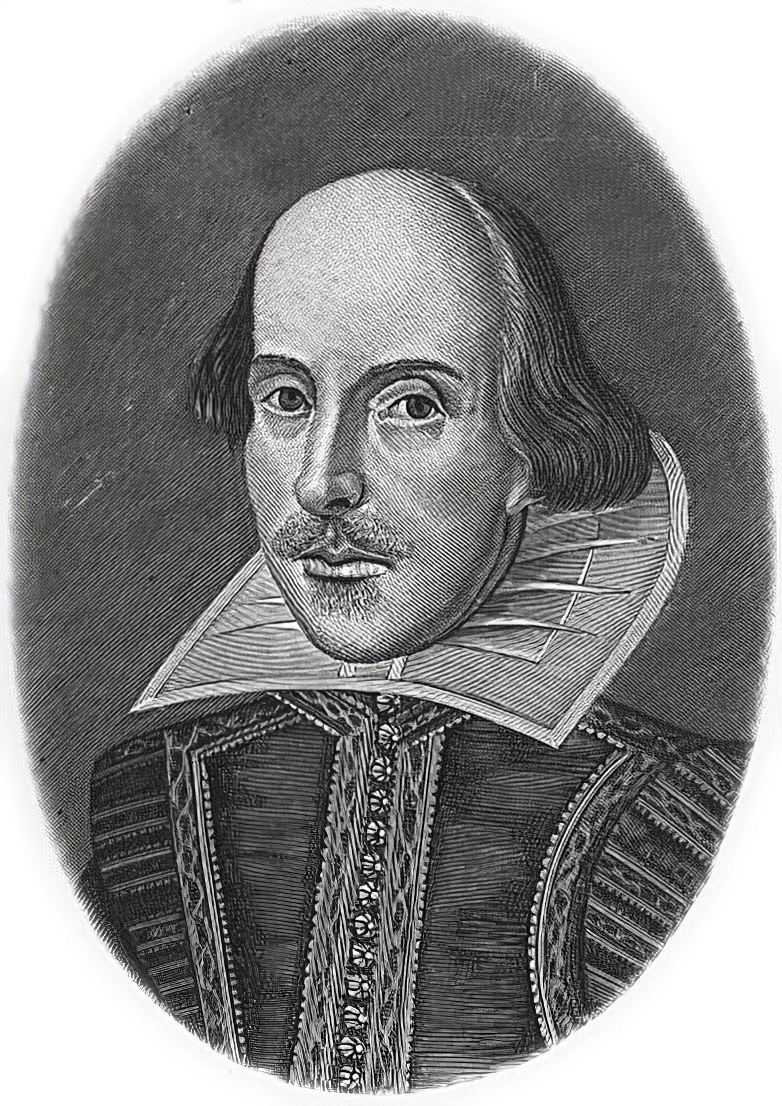
William Shakespeare was a British poet and playwright and writer.
William's father, John Shakespeare, was a merchant and official in Stratford. There are reports that he was a sailor for a time before joining a theater company in London. Beginning in the 1590s, Shakespeare began writing plays, and in 1593 he published a poem, Venus and Adonis, which became popular. He dedicated it to the Duke of Southampton, who was a philanthropist and patron of talent, and soon his business was booming.
From 1592 to 1600 Shakespeare wrote his dramas and romantic comedies "Richard III", "The Taming of the Shrew", "Romeo and Juliet", "A Midsummer Night's Dream" and "The Merchant of Venice", as well as the comedies "Much Ado About Nothing", "Twelfth Night" and the tragedy "Julius Caesar". The playwright's business was so successful that he even bought a large house in Stratford. In 1599, Shakespeare became one of the owners, playwright and actor of the new theater "Globe". In 1603 King James took Shakespeare's troupe under his direct patronage. In the mature period, the great playwright turned to tragedies, there were "Hamlet", "Othello", "King Lear", "Macbeth" and others.
Although in the 19th century researchers had some doubts about the authorship of many of these works, William Shakespeare is considered the greatest English playwright, one of the best playwrights in the world. His plays have been translated into all major languages and to this day form the basis of the world theatrical repertoire, most of them have been screened many times. According to the Guinness Book of Records, Shakespeare remains the world's best-selling playwright, and his plays and poems have sold more than 4 billion copies in the nearly 400 years since his death.

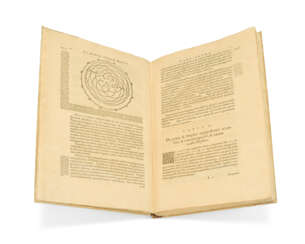

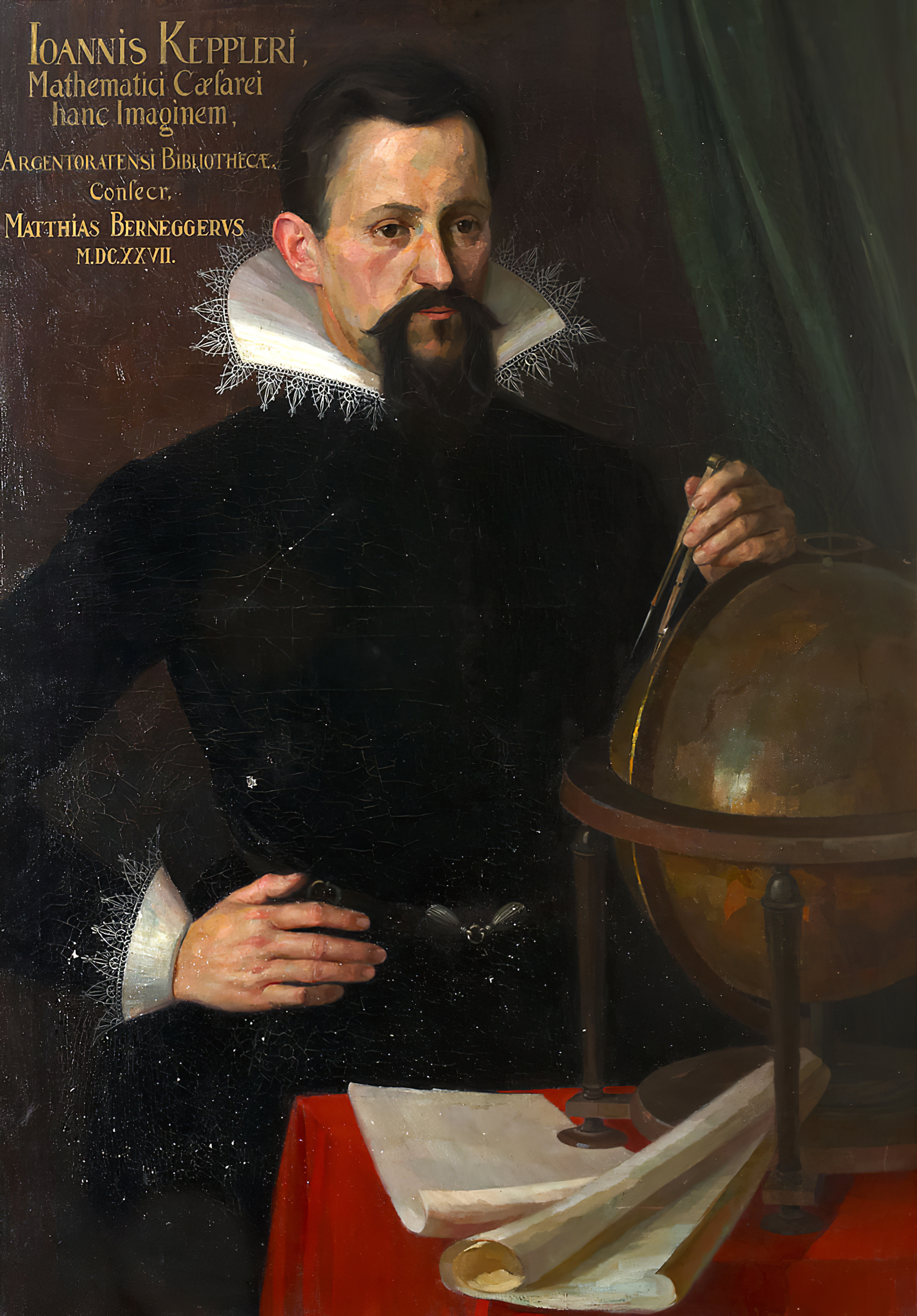
Johannes Kepler was a German mathematician and astronomer who discovered that the Earth and planets move around the Sun in elliptical orbits.
Kepler created the three fundamental laws of planetary motion. He also did seminal work in optics and geometry, calculated the most accurate astronomical tables, and made many inventions and discoveries in physics on which further scientific discoveries by advanced scientists were based.



Johannes Kepler was a German mathematician and astronomer who discovered that the Earth and planets move around the Sun in elliptical orbits.
Kepler created the three fundamental laws of planetary motion. He also did seminal work in optics and geometry, calculated the most accurate astronomical tables, and made many inventions and discoveries in physics on which further scientific discoveries by advanced scientists were based.



William Shakespeare was a British poet and playwright and writer.
William's father, John Shakespeare, was a merchant and official in Stratford. There are reports that he was a sailor for a time before joining a theater company in London. Beginning in the 1590s, Shakespeare began writing plays, and in 1593 he published a poem, Venus and Adonis, which became popular. He dedicated it to the Duke of Southampton, who was a philanthropist and patron of talent, and soon his business was booming.
From 1592 to 1600 Shakespeare wrote his dramas and romantic comedies "Richard III", "The Taming of the Shrew", "Romeo and Juliet", "A Midsummer Night's Dream" and "The Merchant of Venice", as well as the comedies "Much Ado About Nothing", "Twelfth Night" and the tragedy "Julius Caesar". The playwright's business was so successful that he even bought a large house in Stratford. In 1599, Shakespeare became one of the owners, playwright and actor of the new theater "Globe". In 1603 King James took Shakespeare's troupe under his direct patronage. In the mature period, the great playwright turned to tragedies, there were "Hamlet", "Othello", "King Lear", "Macbeth" and others.
Although in the 19th century researchers had some doubts about the authorship of many of these works, William Shakespeare is considered the greatest English playwright, one of the best playwrights in the world. His plays have been translated into all major languages and to this day form the basis of the world theatrical repertoire, most of them have been screened many times. According to the Guinness Book of Records, Shakespeare remains the world's best-selling playwright, and his plays and poems have sold more than 4 billion copies in the nearly 400 years since his death.
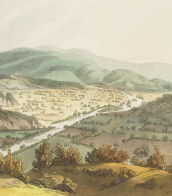


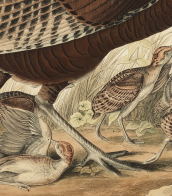










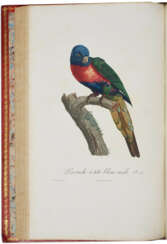

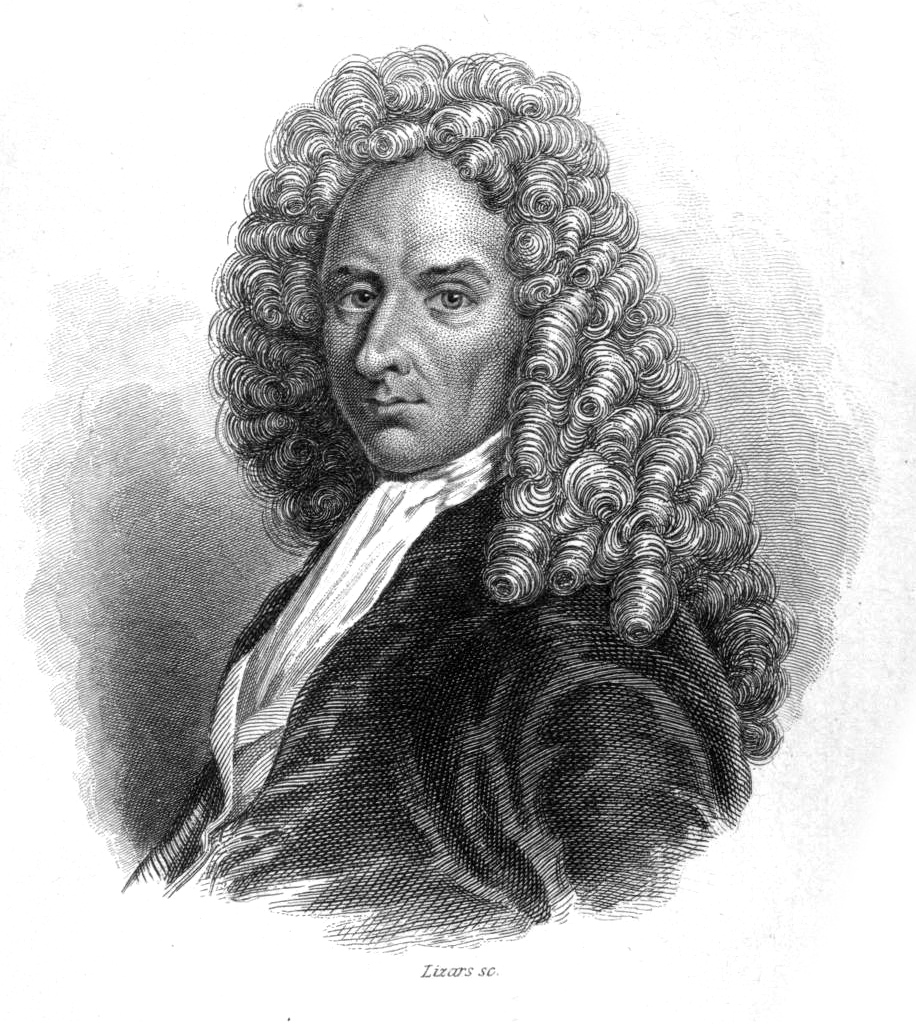
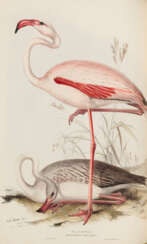
François Levaillant was a French ornithologist, traveler and writer.
Levaillant was born in Dutch Guiana, where his father was French consul. He returned with his family to France, where he eventually became a dealer in natural history specimens. At the age of 27, trained as an ornithologist, he traveled to southern Africa with the Dutch East India Company to collect specimens for his collection. Levaillant was one of the first naturalist explorers to venture into uncharted and dangerous Africa to see and study birds in their natural habitat.
Returning to France in 1785 after several years of traveling, he began writing ornithological works based on his diaries. His Histoire naturelle des perroquets (Natural History of Parrots) was published between 1801 and 1805, and his six-volume History of the Nature of Africa was published between 1799 and 1808. Levaillant also wrote the popular book Le Vaillant's Voyage to the Interior of Africa and others. He was one of the first Europeans to make ethnographic observations, empathizing with African peoples and treating them as equals.
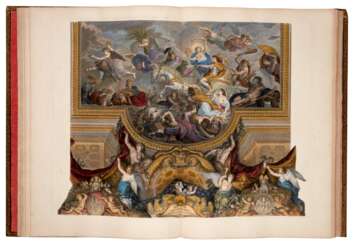

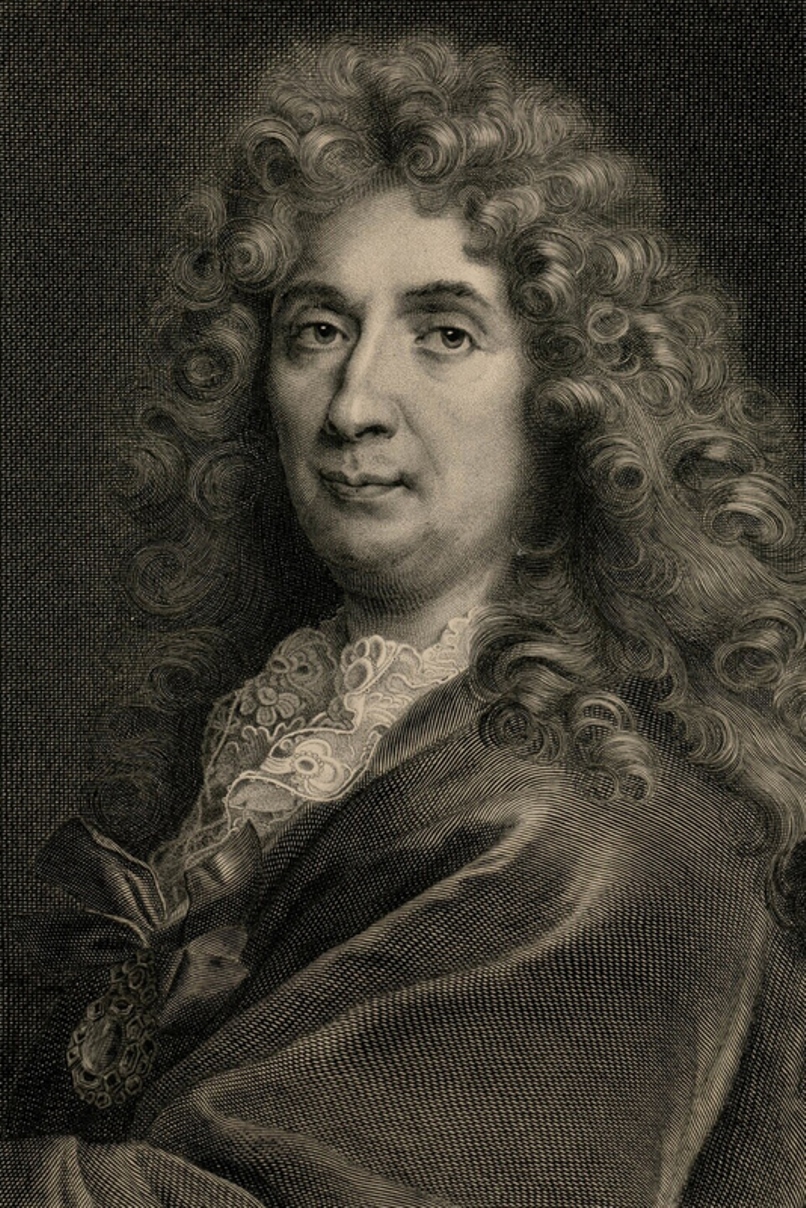
Charles Le Brun was a French painter, draftsman and chief decorator of the Palace of Versailles.
Charles came from an educated and respected family, trained in painting in Italy and very soon his talents were appreciated in the highest circles of France. In 1660 Le Brun painted "The Family of Darius before Alexander", which brought him the reputation of a brilliant French painter, and in 1664 he received the position of the first painter of the king. Thereafter he received more and more commissions and more honors.
From 1662 Le Brun controlled all the artistic projects of the royal court. In the Palace of Versailles, Lebrun created beautiful decorations: the Ambassadors' Staircase, the Hall of Mirrors, the Peace Room and the War Room. In each of his designs, he emphasized the king's achievements. He was also responsible for the decoration of the State Apartments, which was entrusted to the greatest artists of the time, who worked from his drawings. Le Brun also designed most of the statues in the park at Versailles. This enormous work cemented his reputation as a true seventeenth-century genius, as well as one of the founders, ideologues, and chief representatives of the classicist "grand style" of King Louis XIV's era.
In 1648 Le Brun became a founding member of the Royal Academy of Painting and Sculpture, and in 1663 - the manager of the Manufacture of tapestries.
Charles Le Brun was not only the creator of the "grand style", but also contributed to the rebirth of classicism into academism.
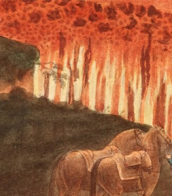
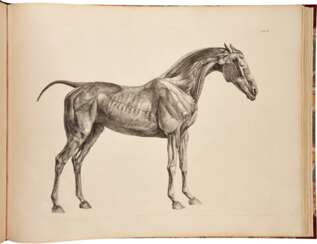

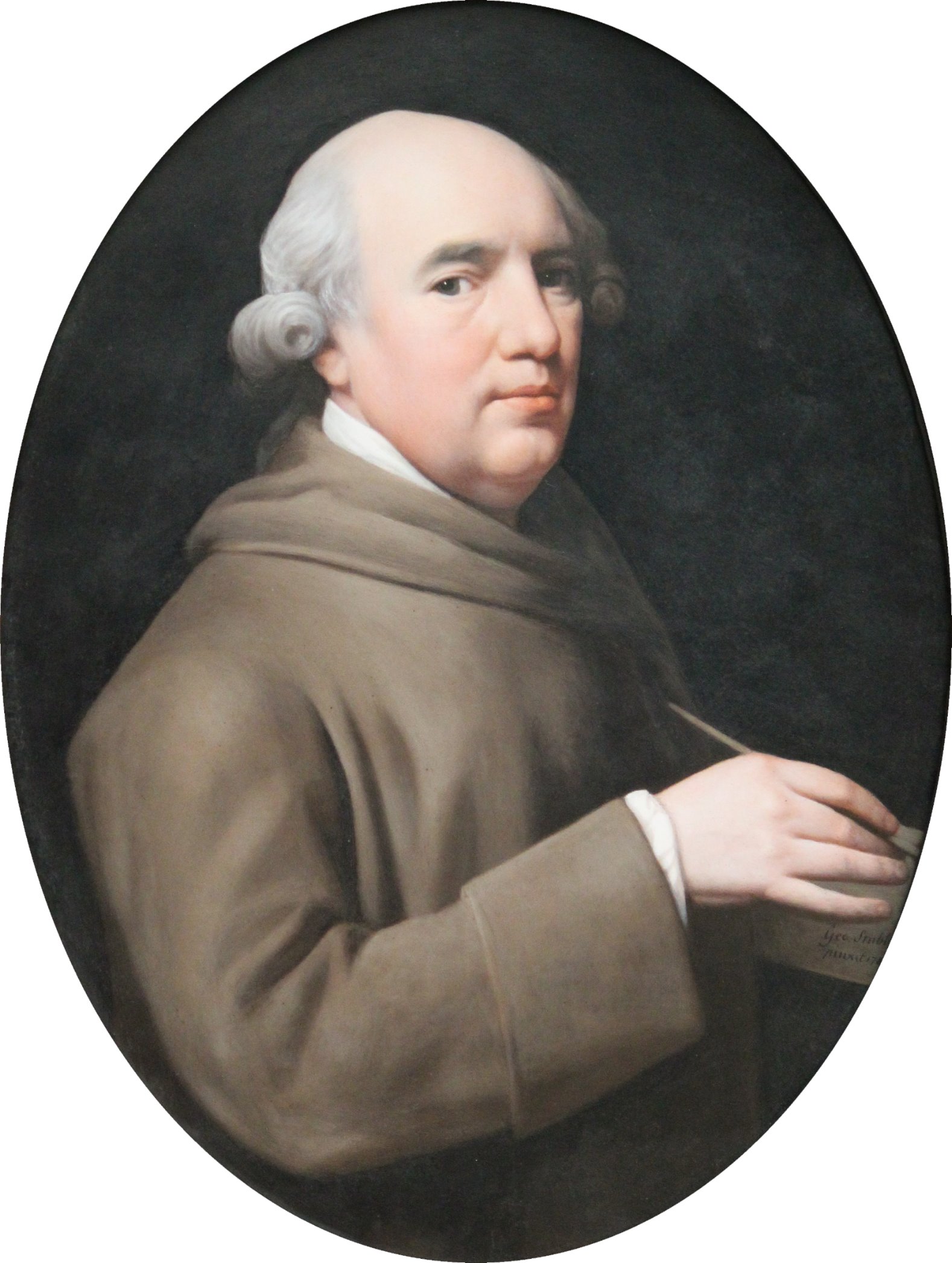
George Stubbs was an English painter, best known for his paintings of horses. Self-trained, Stubbs learnt his skills independently from other great artists of the 18th century such as Reynolds or Gainsborough. Stubbs' output includes history paintings, but his greatest skill was in painting animals, perhaps influenced by his love and study of anatomy. His series of paintings on the theme of a lion attacking a horse are early and significant examples of the Romantic movement that emerged in the late 18th century. His painting, Whistlejacket hangs in the National Gallery, London.








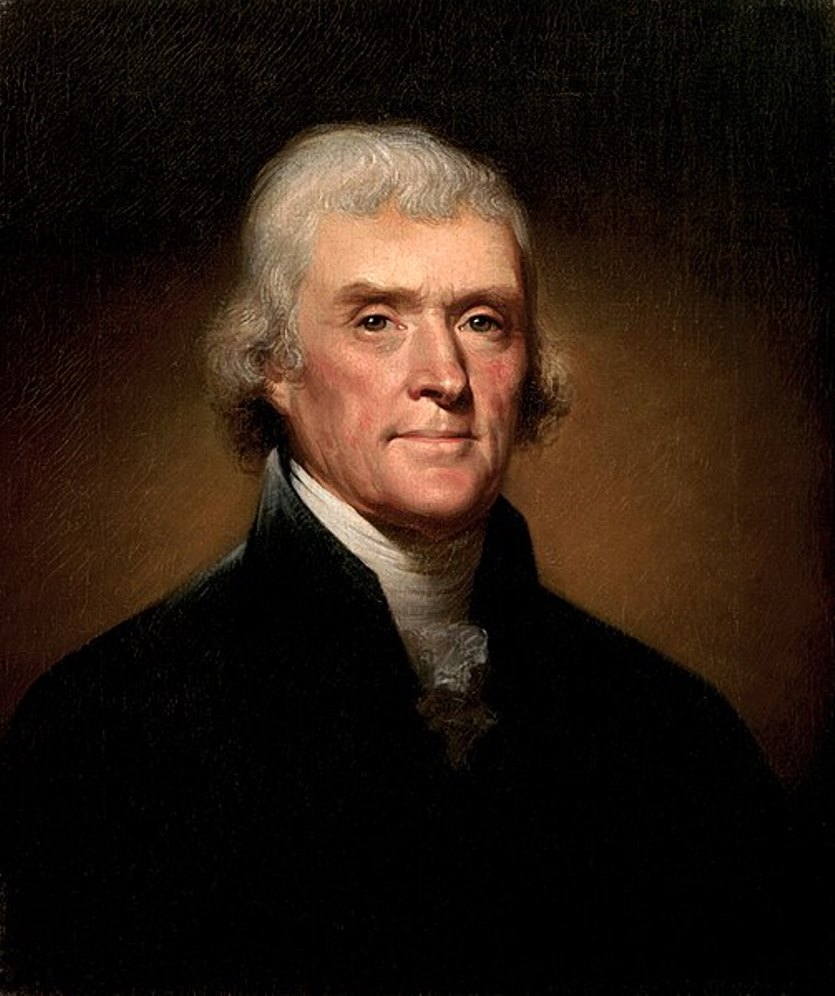
Thomas Jefferson was an American politician and statesman, the third President of the United States (March 4, 1801 - March 4, 1809).
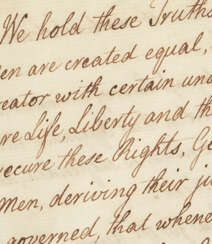
Jefferson was the son of a planter and received a law degree. In 1774, he wrote A Summary of the Rights of British America, which attracted public attention, and he soon gained a reputation as one of the first advocates of American independence from the authority of the British Parliament. In the spring of 1775, the Virginia legislature appointed him a delegate to the Second Conference of the Continental Congress. A year later he was appointed to a committee of five, which also included Adams and Benjamin Franklin, to draft a formal statement of reasons to justify a break with Great Britain. Jefferson thus became one of the authors of the Declaration of Independence. Jefferson succeeded Benjamin Franklin as minister to France in 1785, was secretary of state (1790-1793) under Washington, and vice president (1797-1801) under John Adams.
A Democratic-Republican, Jefferson, who believed that the national government should play a limited role in the lives of citizens, was elected president in 1800. One of the most significant accomplishments of Jefferson's first administration was the purchase of the Louisiana Territory from France for $15 million dollars in 1803 (from the Gulf of Mexico to present-day Canada), effectively doubling the size of the United States. During his second term, Jefferson was focused on trying to keep America out of the Napoleonic Wars in Europe. After his second term as president, he was succeeded by James Madison in 1808.
Upon leaving office, Jefferson retired to his plantation in Virginia, pursued his favorite pastimes, and helped found the University of Virginia. In addition to politics, he is known as a writer, farmer, horticulturist, inventor, book collector, art historian, architect, and scientist. He died at the age of 83 on July 4, 1826, the 50th anniversary of the Declaration of Independence.