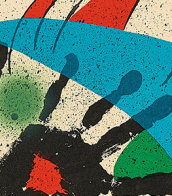
francis bott


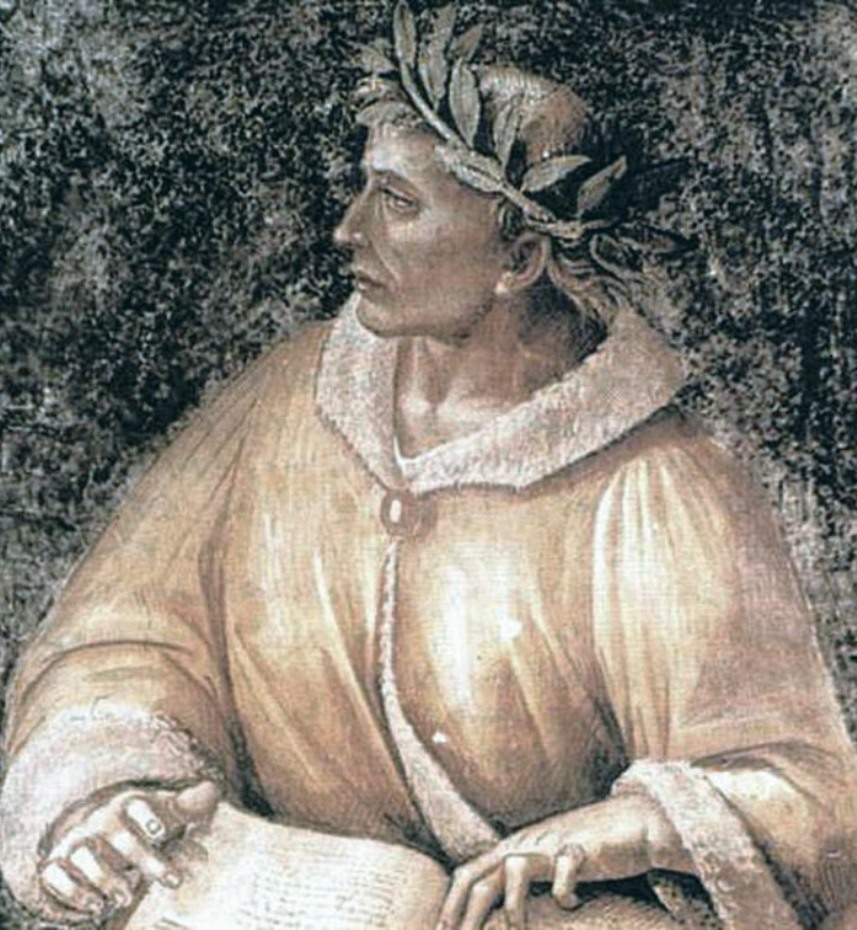
Publius Ovidius Naso, known as Ovidius (Ovid), was an ancient Roman poet who lived during the reign of Emperor Augustus.
Most of the information about the life and work of Ovid, scholars have drawn from his own works, as well as from the works of Seneca the Elder and Marcus Fabius Quintilianus. Ovid was from a fairly high class of "horsemen", studied rhetoric at the maestros of oratory of the ancient Roman Empire, and then went traveling, visiting Athens, Asia Minor and Sicily. As a young man, Ovid held minor public offices, was a member of the college of civil affairs, and served in an office that performed spiritual and secular duties at the state level.
However, Ovid was much more attracted to poetry, and he resigned and about 29-25 BC joined the circle of those chosen under the patronage of Marcus Valerius Messala Corvinus. After publishing Amores, a collection of love-erotic lyrics, around 15-16 BC, Ovid became one of Rome's most popular poets. He became famous for his works in the genre of elegy, as well as for his epic poem Metamorphoses (8 AD), which became one of the most important sources in the study of classical mythology.
For reasons unknown to us, in 8 A.D. Ovid was disgraced and exiled for the rest of his life to Tomes on the Black Sea, where he wrote his "Mournful Elegies" and a poem cycle entitled "Letters from Pontus". A contemporary of Virgil and Horace, Ovid was one of the three canonical representatives of Latin literature.





![[AURACH DE ARGENTINA, Georgius]](/assets/image/picture_2278759/9457c/9357016ab787366d84491e0387358db01657663200jpg__fix_374_244.jpeg)
![[AURACH DE ARGENTINA, Georgius]](https://veryimportantlot.com/assets/image/picture_2278759/9457c/9357016ab787366d84491e0387358db01657663200jpg__fix_374_244.jpeg)

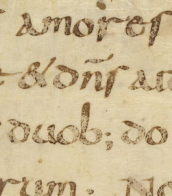
![[AURACH DE ARGENTINA, Georgius]](/assets/image/picture_3616055/bad31/b03c810ec12a6590da5b9da364e8fc261702422000jpg__fix_374_244.jpeg)
![[AURACH DE ARGENTINA, Georgius]](https://veryimportantlot.com/assets/image/picture_3616055/bad31/b03c810ec12a6590da5b9da364e8fc261702422000jpg__fix_374_244.jpeg)




Jeffrey Lynn Koons is an American artist recognized for his work dealing with popular culture and his sculptures depicting everyday objects, including balloon animals produced in stainless steel with mirror-finish surfaces. He lives and works in both New York City and his hometown of York, Pennsylvania. His works have sold for substantial sums, including at least two record auction prices for a work by a living artist: US$58.4 million for Balloon Dog (Orange) in 2013 and US$91.1 million for Rabbit in 2019.
Critics are sharply divided in their views of Koons. Some view his work as pioneering and of major art-historical importance. Others dismiss his work as kitsch, crass, and based on cynical self-merchandising. Koons has stated that there are no hidden meanings and critiques in his works.
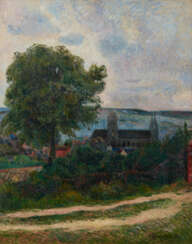


Paul Gauguin, a French artist born in Paris in 1848, is renowned for his significant contributions to Post-Impressionism, Primitivism, and Synthetism. Gauguin's art is distinguished by his experimental use of color and style, which set him apart from the traditional Impressionist movement.
Gauguin's early life was marked by a period in Peru, which influenced his artistic perspective. Initially, he pursued a career in stockbroking but soon turned to art, driven by financial necessity and a growing passion. His artistic journey began under the mentorship of Impressionist artist Camille Pissarro and through exposure to the works of other avant-garde artists.
The hallmark of Gauguin's work is his exploration of non-Western cultures, particularly during his time in Tahiti and the Marquesas Islands. This period saw the creation of some of his most famous works, including "Where Do We Come From? What Are We? Where Are We Going?" His paintings from this era, characterized by vivid colors and Symbolist themes, reflect a fusion of cultural influences and his quest for a "primitive" expression of spiritual and emotional states.
Despite his innovative style, Gauguin struggled with financial difficulties and health issues throughout his life. His work received little recognition during his lifetime, but posthumously, he gained acclaim for influencing modern artists like Pablo Picasso and Henri Matisse.
Today, Gauguin's works are celebrated in galleries and museums worldwide for their unique blend of cultural influences and artistic innovation. His enduring legacy is a testament to his unique vision and the profound impact he had on the art world.
Collectors and experts in art and antiques, stay updated on new product sales and auction events related to Paul Gauguin. Sign up now for exclusive updates and immerse yourself in the world of this visionary artist.








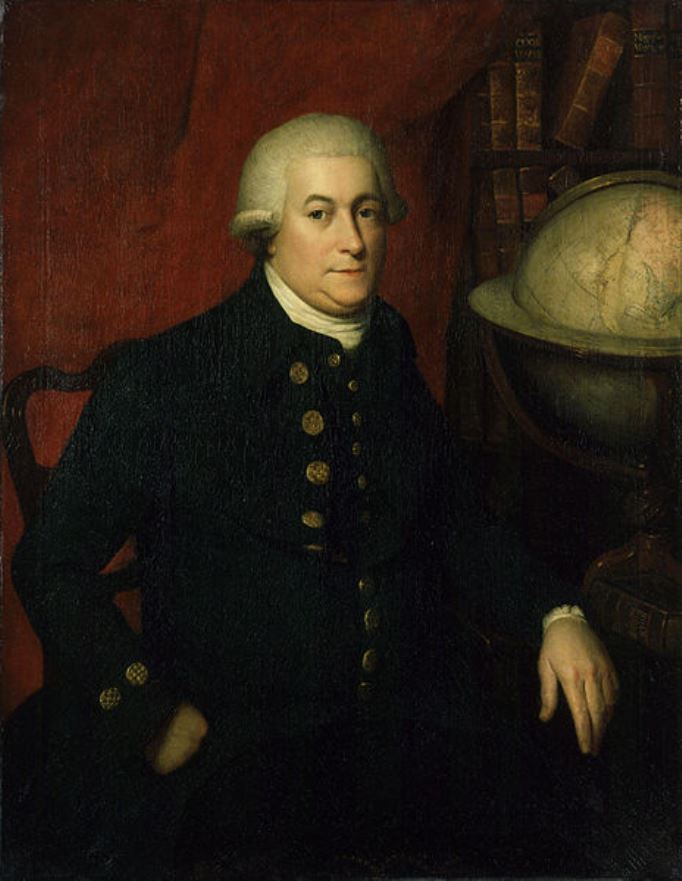












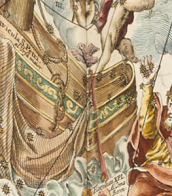


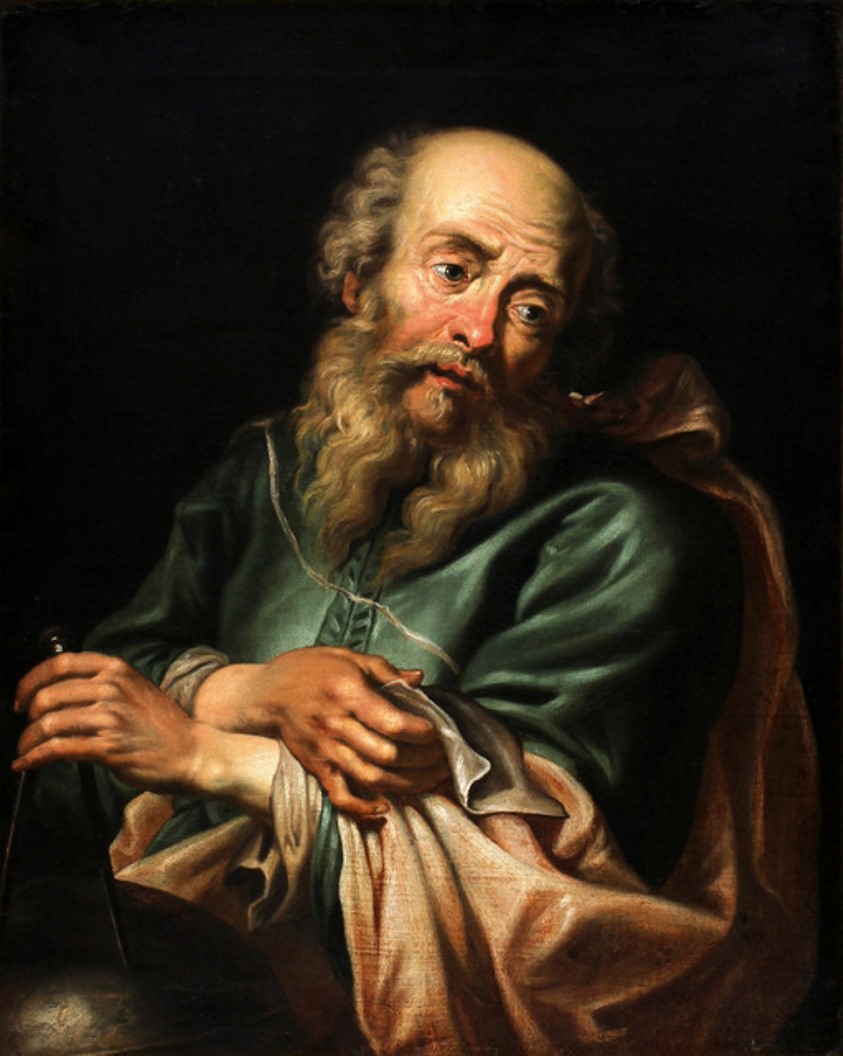
Galileo Galilei was an Italian naturalist, physicist, mechanic, astronomer, philosopher, and mathematician.
Using his own improved telescopes, Galileo Galilei observed the movements of the Moon, Earth's satellites, and the stars, making several breakthrough discoveries in astronomy. He was the first to see craters on the Moon, discovered sunspots and the rings of Saturn, and traced the phases of Venus. Galileo was a consistent and convinced supporter of the teachings of Copernicus and the heliocentric system of the world, for which he was subjected to the trial of the Inquisition.
Galileo is considered the founder of experimental and theoretical physics. He is also one of the founders of the principle of relativity in classical mechanics. Overall, the scientist had such a significant impact on the science of his time that he cannot be overemphasized.
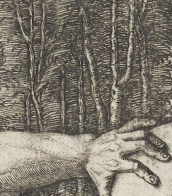
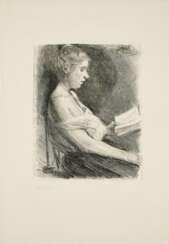

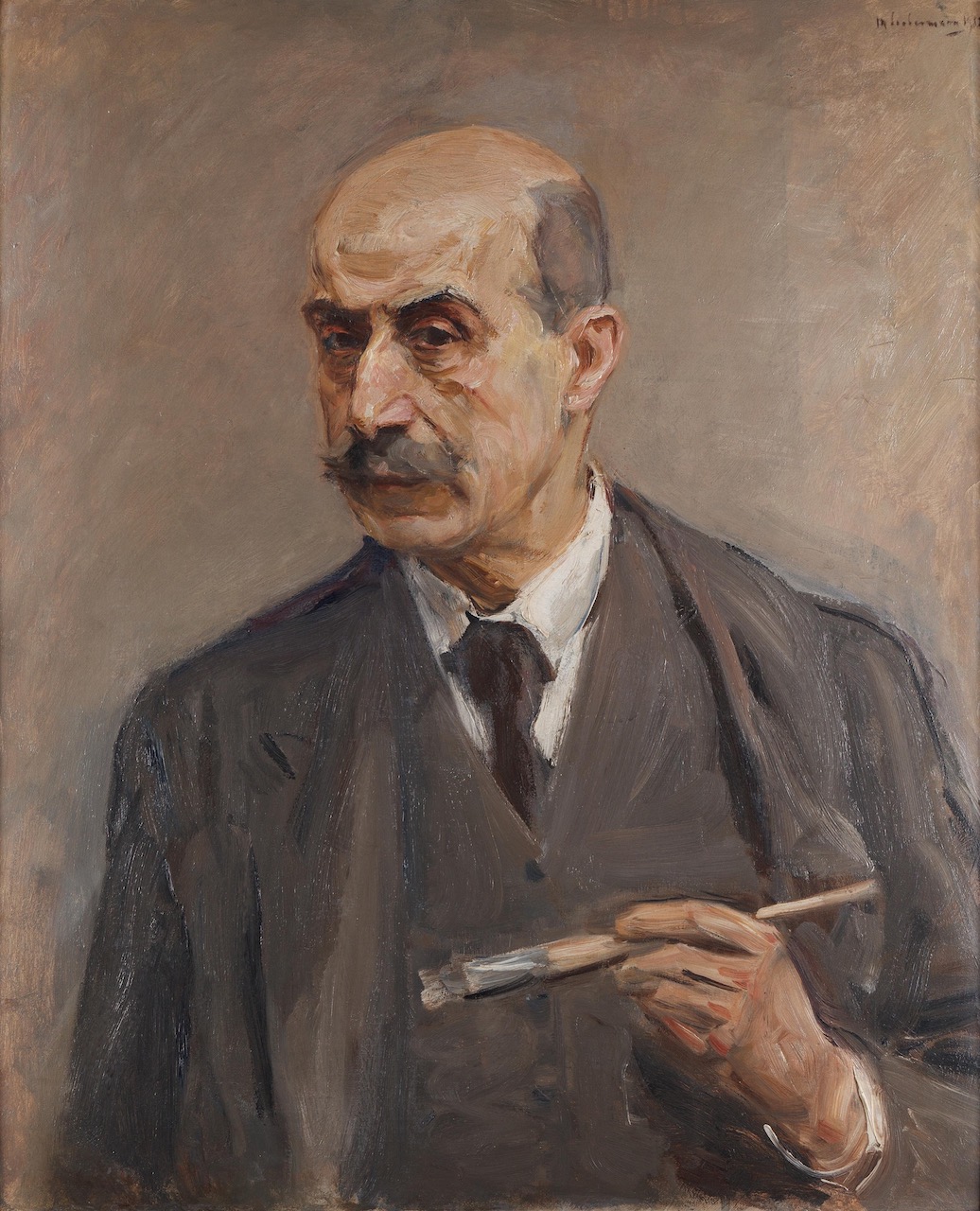
Max Liebermann was a German painter and printmaker, and one of the leading proponents of Impressionism in Germany and continental Europe. In addition to his activity as an artist, he also assembled an important collection of French Impressionist works.