marker
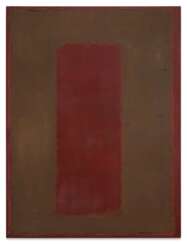

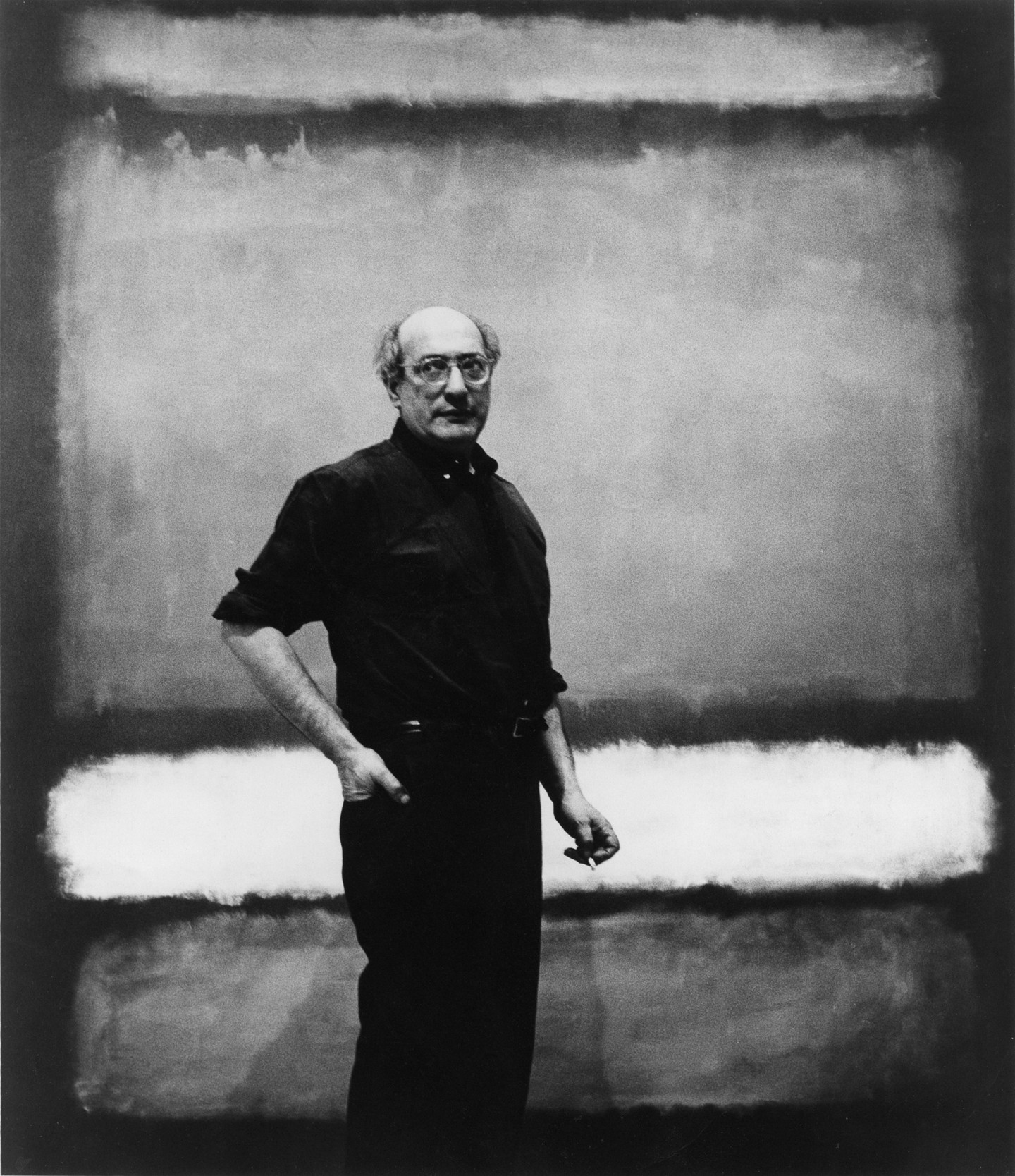
Mark Rothko, born Markus Yakovlevich Rothkowitz (Russian: Ма́ркус Я́ковлевич Ротко́вич) in what is now Daugavpils, Latvia, was a towering figure in the world of modern art, celebrated for his profound contributions to abstract expressionism. This American artist of Russian Jewish descent was known for his pioneering color field paintings, which are distinguished by their vibrant colors and emotional depth. Rothko's art transcends mere visual appeal, aiming to evoke deep emotional responses from viewers. His works are characterized by their simplicity, featuring soft, rectangular forms floating against a monochrome background. This unique style was not just about aesthetics; Rothko intended his paintings to be immersive experiences, reflecting his interest in human emotions and the existential conditions of life.
Rothko's journey from his birth in 1903 in the Russian Empire to becoming an iconic figure in American art is a testament to his enduring legacy. Despite facing challenges, including the early loss of his father and the struggle of immigrating to the United States, Rothko's passion for art and social issues saw him through. His early work was influenced by mythology and classical subjects, yet he evolved towards abstraction, insisting that his art was about expressing basic human emotions such as tragedy, ecstasy, and doom.
Significant works by Rothko include the Seagram Murals, initially commissioned for the Four Seasons Restaurant in New York but later donated to institutions like the Tate Modern, reflecting Rothko's disdain for the commercialization of art. The Rothko Chapel in Houston stands as a testament to his vision of art serving as a space for reflection and meditation.
Despite his tragic suicide in 1970, Rothko's influence remains undiminished. His paintings continue to command high prices at auctions, underscoring his lasting impact on the art world. For collectors and art and antiques experts, Rothko's work represents not only a high point in 20th-century art but also an investment in the transcendent power of color and form to evoke the deepest aspects of human experience.
For those interested in the transformative power of art, signing up for updates on new sales and auction events related to Mark Rothko can provide an opportunity to engage more deeply with his legacy. This is not just about acquiring art; it is about embracing the profound emotional and existential explorations that Rothko embarked upon through his work.
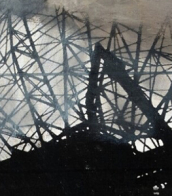


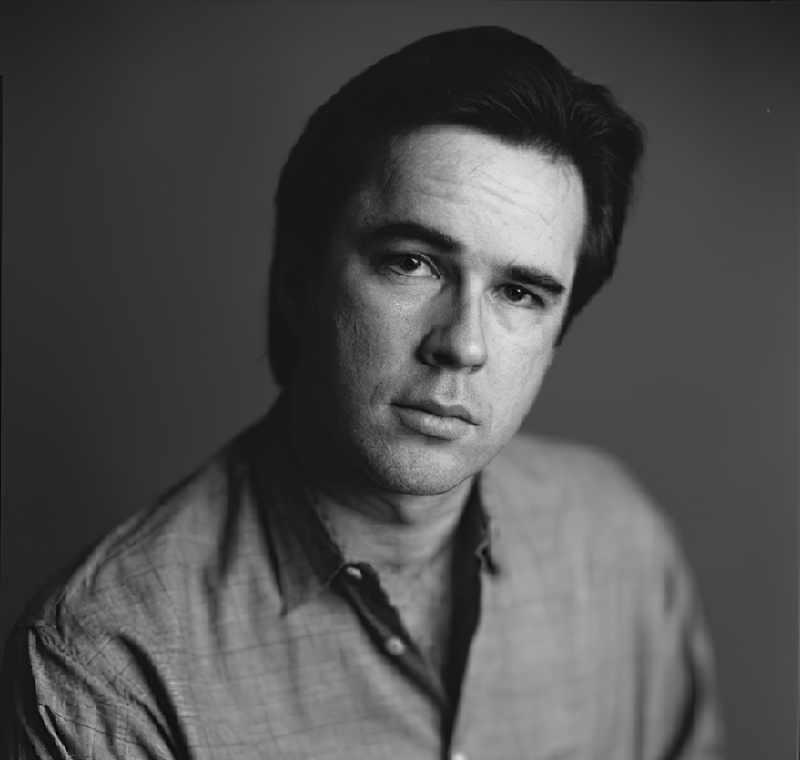
Mark Tansey is an American painter.
At first glance, Tansey's distinctive paintings appear to depict straight narrative scenes but closer scrutiny reveals an undercurrent of quirks and visual puns. By thus manipulating the conventions and structures of figurative painting, he creates corollaries for literary, philosophical, and historical concepts in visual allegories about the nature and implications of perception, meaning, and interpretation in art.


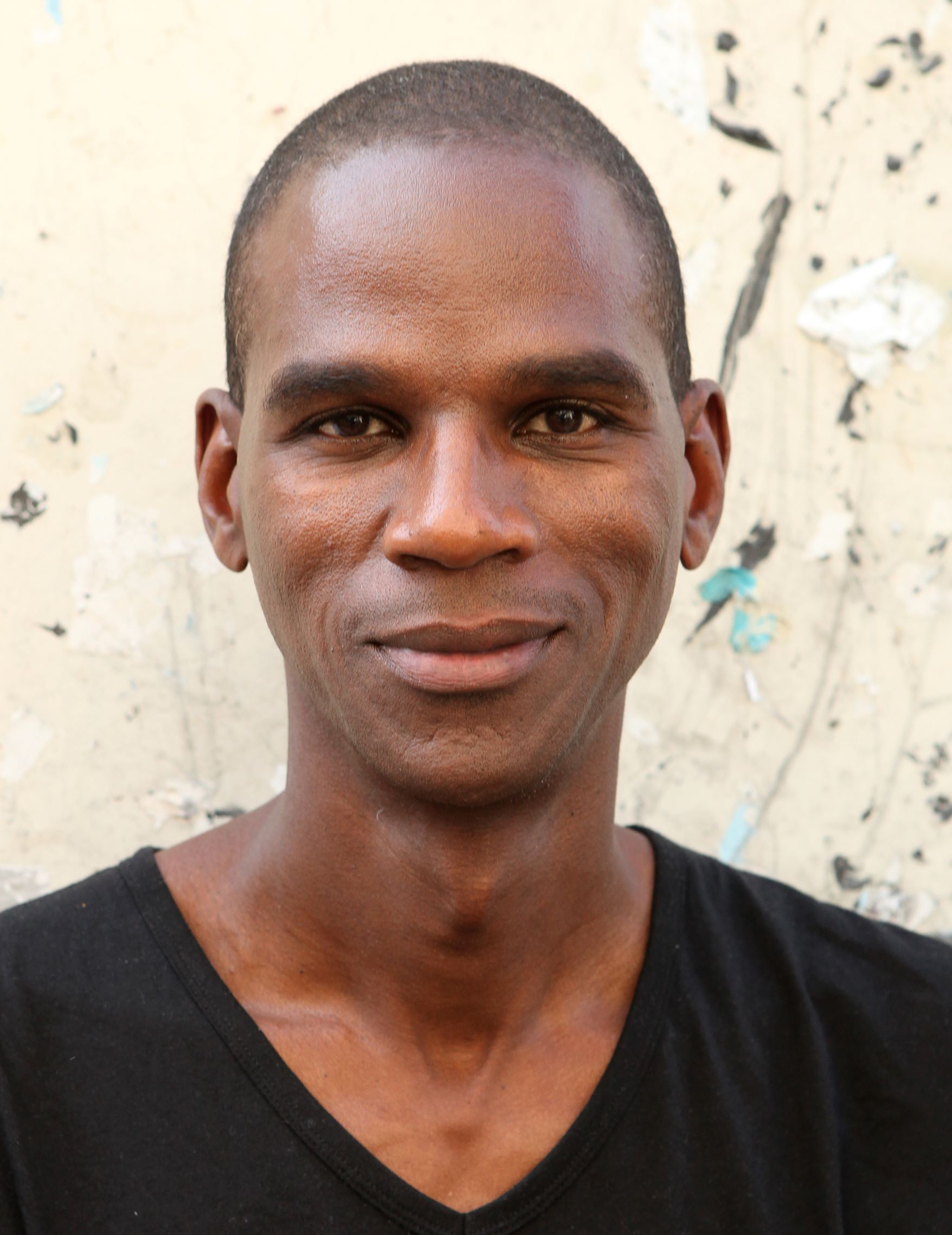
Mark Bradford is an American visual artist. Born in Los Angeles, Bradford studied at the California Institute of the Arts. Recognized for his collaged painting works, which have been shown internationally, his practice also encompasses video, print, and installation. Bradford was the U.S. representative for the 2017 Venice Biennale. He lives and works in Los Angeles.

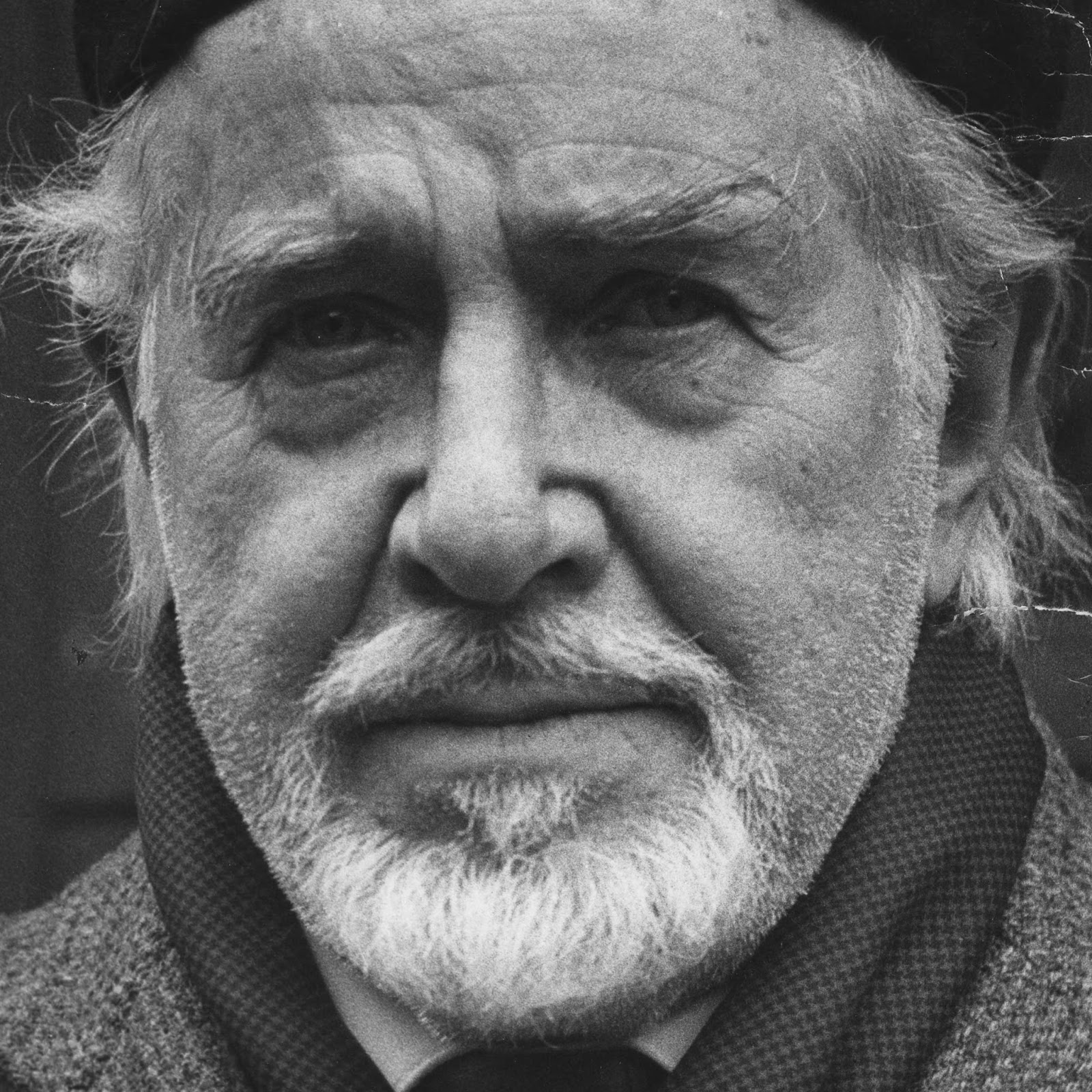
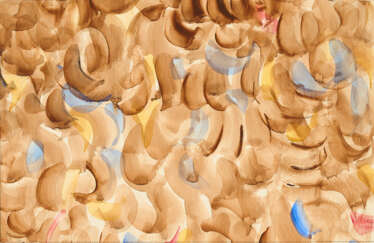
Mark Tobey was an American painter. His densely structured compositions, inspired by Asian calligraphy, resemble Abstract expressionism, although the motives for his compositions differ philosophically from most Abstract Expressionist painters. His work was widely recognized throughout the United States and Europe. Along with Guy Anderson, Kenneth Callahan, Morris Graves, and William Cumming, Tobey was a founder of the Northwest School. Senior in age and experience, he had a strong influence on the others; friend and mentor, Tobey shared their interest in philosophy and Eastern religions. Similar to others of the Northwest School, Tobey was mostly self-taught after early studies at the Art Institute of Chicago. In 1921, Tobey founded the art department at The Cornish School in Seattle, Washington.
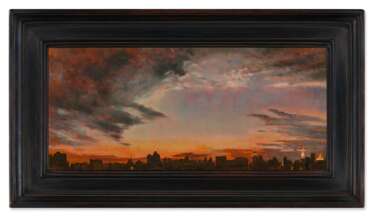

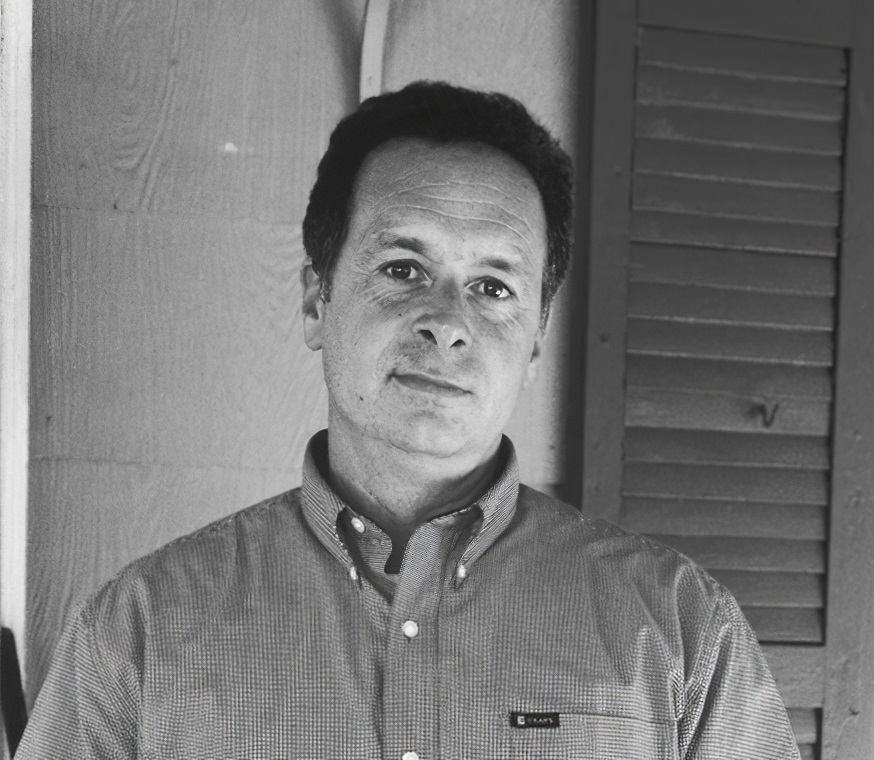
Mark Innerst is an American painter known for his luminous urban landscapes.
Innerst's work has been exhibited widely in the United States and abroad.
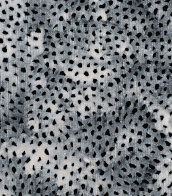
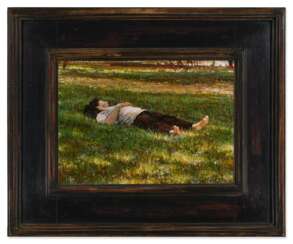

Mark Innerst is an American painter known for his luminous urban landscapes.
Innerst's work has been exhibited widely in the United States and abroad.
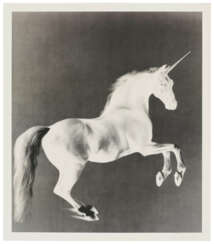


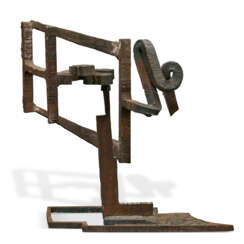

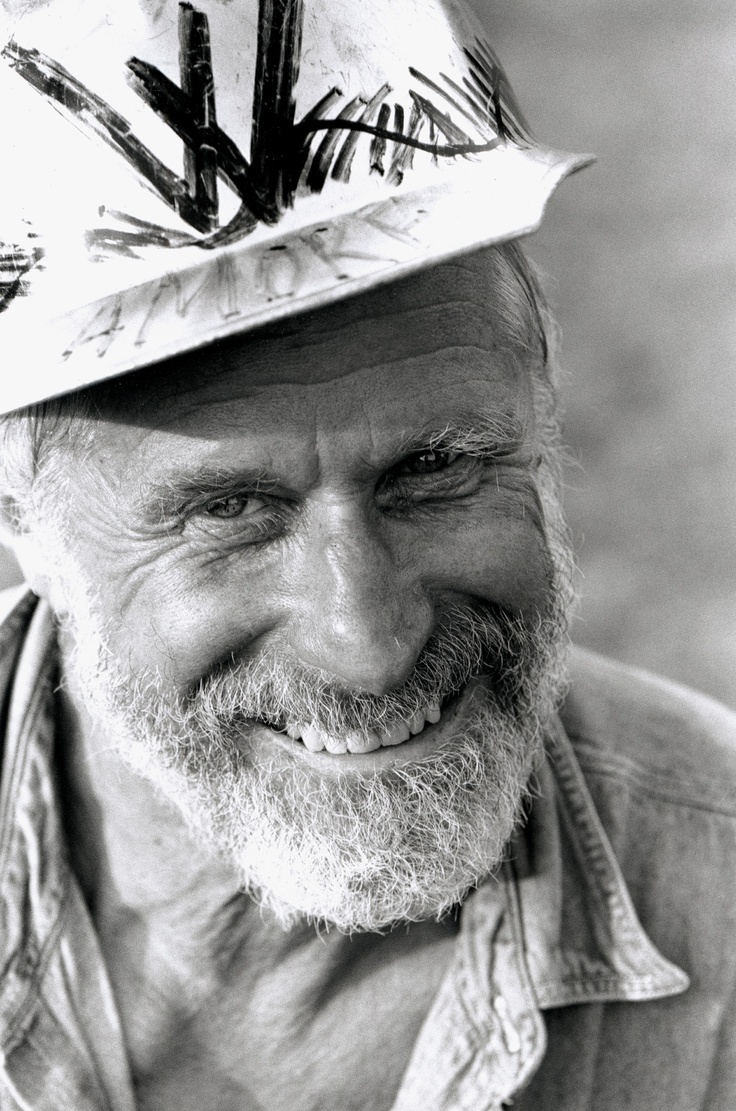
Marco Polo di Suvero, better known as Mark di Suvero, is an abstract expressionist sculptor and 2010 National Medal of Arts recipient.
Mark di Suvero gained an almost instant recognition among art critics with his first solo exhibit at the Green Gallery in the fall of 1960. His early works were large outdoor pieces that incorporated wooden timbers from demolition buildings, tires, scrap metal, and structural steel. This exploration has transformed over time into a focus on H-beams and heavy steel plates. Many of the pieces contain sections that are allowed to swing and rotate giving the overall forms a considerable degree of motion. Di Suvero pioneered the use of a crane as a sculptor's working tool.
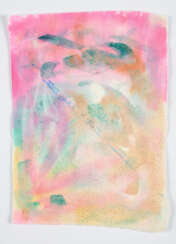

Mark Tobey was an American painter. His densely structured compositions, inspired by Asian calligraphy, resemble Abstract expressionism, although the motives for his compositions differ philosophically from most Abstract Expressionist painters. His work was widely recognized throughout the United States and Europe. Along with Guy Anderson, Kenneth Callahan, Morris Graves, and William Cumming, Tobey was a founder of the Northwest School. Senior in age and experience, he had a strong influence on the others; friend and mentor, Tobey shared their interest in philosophy and Eastern religions. Similar to others of the Northwest School, Tobey was mostly self-taught after early studies at the Art Institute of Chicago. In 1921, Tobey founded the art department at The Cornish School in Seattle, Washington.


Mark Tobey was an American painter. His densely structured compositions, inspired by Asian calligraphy, resemble Abstract expressionism, although the motives for his compositions differ philosophically from most Abstract Expressionist painters. His work was widely recognized throughout the United States and Europe. Along with Guy Anderson, Kenneth Callahan, Morris Graves, and William Cumming, Tobey was a founder of the Northwest School. Senior in age and experience, he had a strong influence on the others; friend and mentor, Tobey shared their interest in philosophy and Eastern religions. Similar to others of the Northwest School, Tobey was mostly self-taught after early studies at the Art Institute of Chicago. In 1921, Tobey founded the art department at The Cornish School in Seattle, Washington.

Mark Tobey was an American painter. His densely structured compositions, inspired by Asian calligraphy, resemble Abstract expressionism, although the motives for his compositions differ philosophically from most Abstract Expressionist painters. His work was widely recognized throughout the United States and Europe. Along with Guy Anderson, Kenneth Callahan, Morris Graves, and William Cumming, Tobey was a founder of the Northwest School. Senior in age and experience, he had a strong influence on the others; friend and mentor, Tobey shared their interest in philosophy and Eastern religions. Similar to others of the Northwest School, Tobey was mostly self-taught after early studies at the Art Institute of Chicago. In 1921, Tobey founded the art department at The Cornish School in Seattle, Washington.


Mark Tobey was an American painter. His densely structured compositions, inspired by Asian calligraphy, resemble Abstract expressionism, although the motives for his compositions differ philosophically from most Abstract Expressionist painters. His work was widely recognized throughout the United States and Europe. Along with Guy Anderson, Kenneth Callahan, Morris Graves, and William Cumming, Tobey was a founder of the Northwest School. Senior in age and experience, he had a strong influence on the others; friend and mentor, Tobey shared their interest in philosophy and Eastern religions. Similar to others of the Northwest School, Tobey was mostly self-taught after early studies at the Art Institute of Chicago. In 1921, Tobey founded the art department at The Cornish School in Seattle, Washington.


Mark Tobey was an American painter. His densely structured compositions, inspired by Asian calligraphy, resemble Abstract expressionism, although the motives for his compositions differ philosophically from most Abstract Expressionist painters. His work was widely recognized throughout the United States and Europe. Along with Guy Anderson, Kenneth Callahan, Morris Graves, and William Cumming, Tobey was a founder of the Northwest School. Senior in age and experience, he had a strong influence on the others; friend and mentor, Tobey shared their interest in philosophy and Eastern religions. Similar to others of the Northwest School, Tobey was mostly self-taught after early studies at the Art Institute of Chicago. In 1921, Tobey founded the art department at The Cornish School in Seattle, Washington.


Mark Tobey was an American painter. His densely structured compositions, inspired by Asian calligraphy, resemble Abstract expressionism, although the motives for his compositions differ philosophically from most Abstract Expressionist painters. His work was widely recognized throughout the United States and Europe. Along with Guy Anderson, Kenneth Callahan, Morris Graves, and William Cumming, Tobey was a founder of the Northwest School. Senior in age and experience, he had a strong influence on the others; friend and mentor, Tobey shared their interest in philosophy and Eastern religions. Similar to others of the Northwest School, Tobey was mostly self-taught after early studies at the Art Institute of Chicago. In 1921, Tobey founded the art department at The Cornish School in Seattle, Washington.
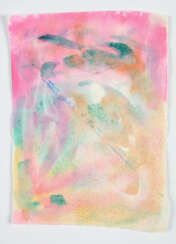

Mark Tobey was an American painter. His densely structured compositions, inspired by Asian calligraphy, resemble Abstract expressionism, although the motives for his compositions differ philosophically from most Abstract Expressionist painters. His work was widely recognized throughout the United States and Europe. Along with Guy Anderson, Kenneth Callahan, Morris Graves, and William Cumming, Tobey was a founder of the Northwest School. Senior in age and experience, he had a strong influence on the others; friend and mentor, Tobey shared their interest in philosophy and Eastern religions. Similar to others of the Northwest School, Tobey was mostly self-taught after early studies at the Art Institute of Chicago. In 1921, Tobey founded the art department at The Cornish School in Seattle, Washington.
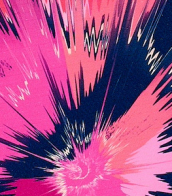
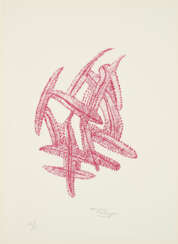

Mark Tobey was an American painter. His densely structured compositions, inspired by Asian calligraphy, resemble Abstract expressionism, although the motives for his compositions differ philosophically from most Abstract Expressionist painters. His work was widely recognized throughout the United States and Europe. Along with Guy Anderson, Kenneth Callahan, Morris Graves, and William Cumming, Tobey was a founder of the Northwest School. Senior in age and experience, he had a strong influence on the others; friend and mentor, Tobey shared their interest in philosophy and Eastern religions. Similar to others of the Northwest School, Tobey was mostly self-taught after early studies at the Art Institute of Chicago. In 1921, Tobey founded the art department at The Cornish School in Seattle, Washington.
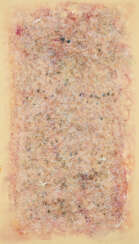

Mark Tobey was an American painter. His densely structured compositions, inspired by Asian calligraphy, resemble Abstract expressionism, although the motives for his compositions differ philosophically from most Abstract Expressionist painters. His work was widely recognized throughout the United States and Europe. Along with Guy Anderson, Kenneth Callahan, Morris Graves, and William Cumming, Tobey was a founder of the Northwest School. Senior in age and experience, he had a strong influence on the others; friend and mentor, Tobey shared their interest in philosophy and Eastern religions. Similar to others of the Northwest School, Tobey was mostly self-taught after early studies at the Art Institute of Chicago. In 1921, Tobey founded the art department at The Cornish School in Seattle, Washington.
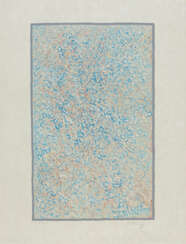

Mark Tobey was an American painter. His densely structured compositions, inspired by Asian calligraphy, resemble Abstract expressionism, although the motives for his compositions differ philosophically from most Abstract Expressionist painters. His work was widely recognized throughout the United States and Europe. Along with Guy Anderson, Kenneth Callahan, Morris Graves, and William Cumming, Tobey was a founder of the Northwest School. Senior in age and experience, he had a strong influence on the others; friend and mentor, Tobey shared their interest in philosophy and Eastern religions. Similar to others of the Northwest School, Tobey was mostly self-taught after early studies at the Art Institute of Chicago. In 1921, Tobey founded the art department at The Cornish School in Seattle, Washington.



Mark Tobey was an American painter. His densely structured compositions, inspired by Asian calligraphy, resemble Abstract expressionism, although the motives for his compositions differ philosophically from most Abstract Expressionist painters. His work was widely recognized throughout the United States and Europe. Along with Guy Anderson, Kenneth Callahan, Morris Graves, and William Cumming, Tobey was a founder of the Northwest School. Senior in age and experience, he had a strong influence on the others; friend and mentor, Tobey shared their interest in philosophy and Eastern religions. Similar to others of the Northwest School, Tobey was mostly self-taught after early studies at the Art Institute of Chicago. In 1921, Tobey founded the art department at The Cornish School in Seattle, Washington.


Mark Tobey was an American painter. His densely structured compositions, inspired by Asian calligraphy, resemble Abstract expressionism, although the motives for his compositions differ philosophically from most Abstract Expressionist painters. His work was widely recognized throughout the United States and Europe. Along with Guy Anderson, Kenneth Callahan, Morris Graves, and William Cumming, Tobey was a founder of the Northwest School. Senior in age and experience, he had a strong influence on the others; friend and mentor, Tobey shared their interest in philosophy and Eastern religions. Similar to others of the Northwest School, Tobey was mostly self-taught after early studies at the Art Institute of Chicago. In 1921, Tobey founded the art department at The Cornish School in Seattle, Washington.


Mark Tobey was an American painter. His densely structured compositions, inspired by Asian calligraphy, resemble Abstract expressionism, although the motives for his compositions differ philosophically from most Abstract Expressionist painters. His work was widely recognized throughout the United States and Europe. Along with Guy Anderson, Kenneth Callahan, Morris Graves, and William Cumming, Tobey was a founder of the Northwest School. Senior in age and experience, he had a strong influence on the others; friend and mentor, Tobey shared their interest in philosophy and Eastern religions. Similar to others of the Northwest School, Tobey was mostly self-taught after early studies at the Art Institute of Chicago. In 1921, Tobey founded the art department at The Cornish School in Seattle, Washington.
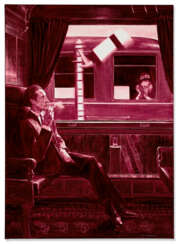

Mark Tansey is an American painter.
At first glance, Tansey's distinctive paintings appear to depict straight narrative scenes but closer scrutiny reveals an undercurrent of quirks and visual puns. By thus manipulating the conventions and structures of figurative painting, he creates corollaries for literary, philosophical, and historical concepts in visual allegories about the nature and implications of perception, meaning, and interpretation in art.
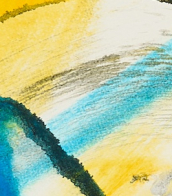


Mark Bradford is an American visual artist. Born in Los Angeles, Bradford studied at the California Institute of the Arts. Recognized for his collaged painting works, which have been shown internationally, his practice also encompasses video, print, and installation. Bradford was the U.S. representative for the 2017 Venice Biennale. He lives and works in Los Angeles.


Mark Tobey was an American painter. His densely structured compositions, inspired by Asian calligraphy, resemble Abstract expressionism, although the motives for his compositions differ philosophically from most Abstract Expressionist painters. His work was widely recognized throughout the United States and Europe. Along with Guy Anderson, Kenneth Callahan, Morris Graves, and William Cumming, Tobey was a founder of the Northwest School. Senior in age and experience, he had a strong influence on the others; friend and mentor, Tobey shared their interest in philosophy and Eastern religions. Similar to others of the Northwest School, Tobey was mostly self-taught after early studies at the Art Institute of Chicago. In 1921, Tobey founded the art department at The Cornish School in Seattle, Washington.
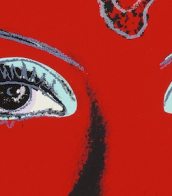


Mark Tobey was an American painter. His densely structured compositions, inspired by Asian calligraphy, resemble Abstract expressionism, although the motives for his compositions differ philosophically from most Abstract Expressionist painters. His work was widely recognized throughout the United States and Europe. Along with Guy Anderson, Kenneth Callahan, Morris Graves, and William Cumming, Tobey was a founder of the Northwest School. Senior in age and experience, he had a strong influence on the others; friend and mentor, Tobey shared their interest in philosophy and Eastern religions. Similar to others of the Northwest School, Tobey was mostly self-taught after early studies at the Art Institute of Chicago. In 1921, Tobey founded the art department at The Cornish School in Seattle, Washington.


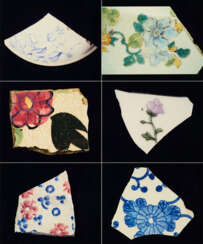

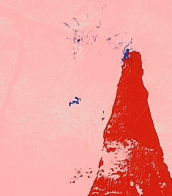


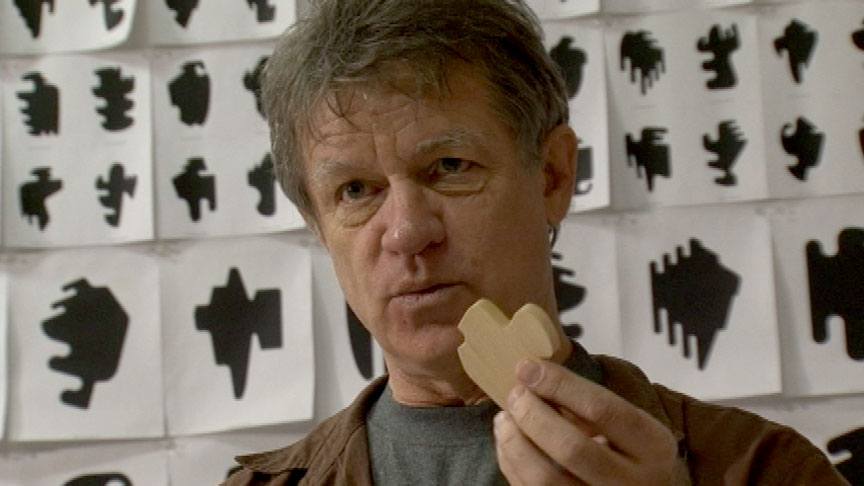
Allan McCollum is a contemporary American artist who lives and works in New York City. In 1975, his work was included in the Whitney Biennial, and he moved to New York City the same year. In the late 1970s he became especially well known for his series, Surrogate Paintings.
He has spent over fifty years exploring how objects achieve public and personal meaning in a world caught up in the contradictions made between unique handmade artworks and objects of mass production, and in the early 1990s, he began focusing most on collaborations with small regional communities and historical society museums in different parts of the world. His first solo exhibition was in 1970 and his first New York showing was in a group exhibition at the Sidney Janis Gallery in 1972.