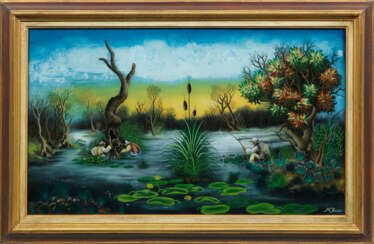
naive kunst
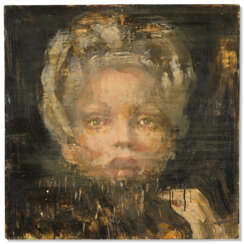

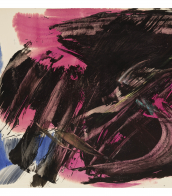


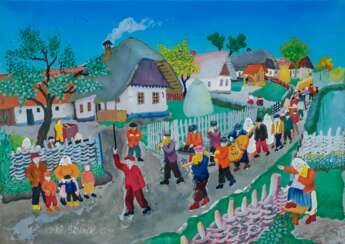
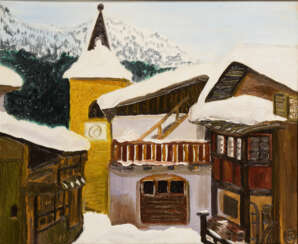
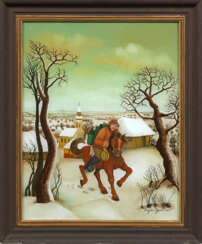
Henry Dieckmann was a German self-taught painter known for his genre naive paintings.
After World War II, Dieckmann worked at the German Federal Railroad factory in Verden and observed life around him. His paintings are imbued with nostalgia for the recent past; they illustrate the everyday life of ordinary people in their spare time with typical European cityscapes.
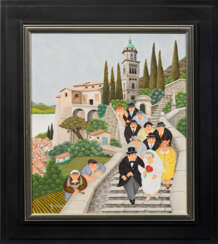

Henry Dieckmann was a German self-taught painter known for his genre naive paintings.
After World War II, Dieckmann worked at the German Federal Railroad factory in Verden and observed life around him. His paintings are imbued with nostalgia for the recent past; they illustrate the everyday life of ordinary people in their spare time with typical European cityscapes.
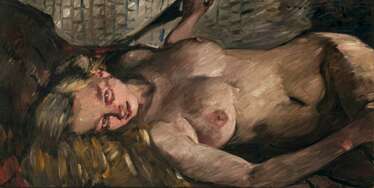

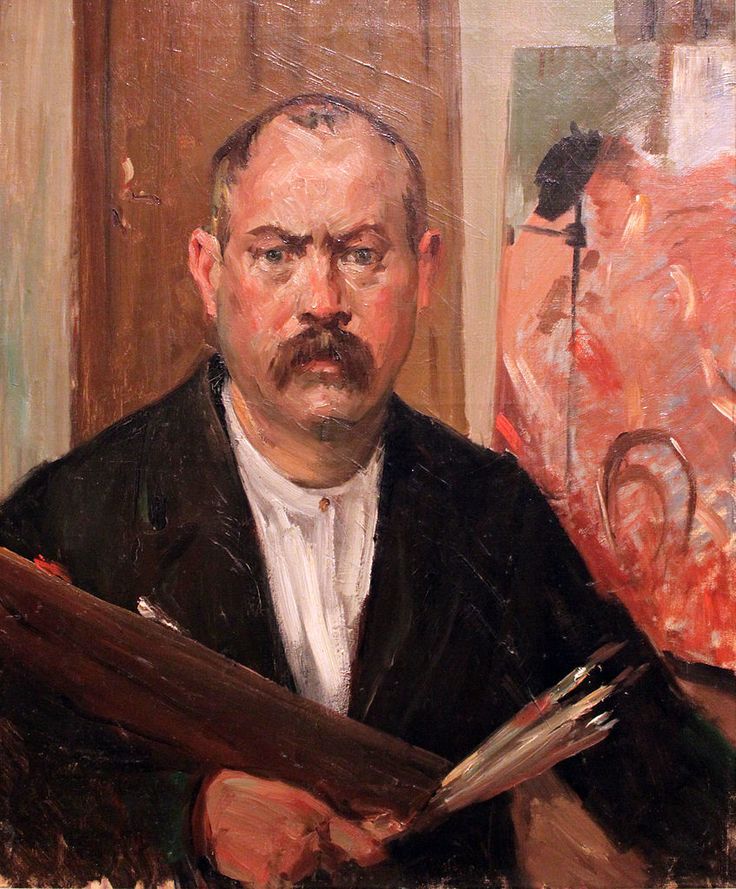
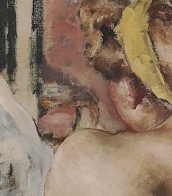
Lovis Corinth was a German artist and writer whose mature work as a painter and printmaker realized a synthesis of impressionism and expressionism.
Corinth studied in Paris and Munich, joined the Berlin Secession group, later succeeding Max Liebermann as the group's president. His early work was naturalistic in approach. Corinth was initially antagonistic towards the expressionist movement, but after a stroke in 1911 his style loosened and took on many expressionistic qualities. His use of color became more vibrant, and he created portraits and landscapes of extraordinary vitality and power. Corinth's subject matter also included nudes and biblical scenes.
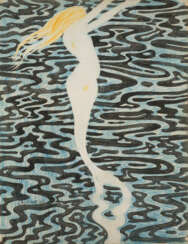

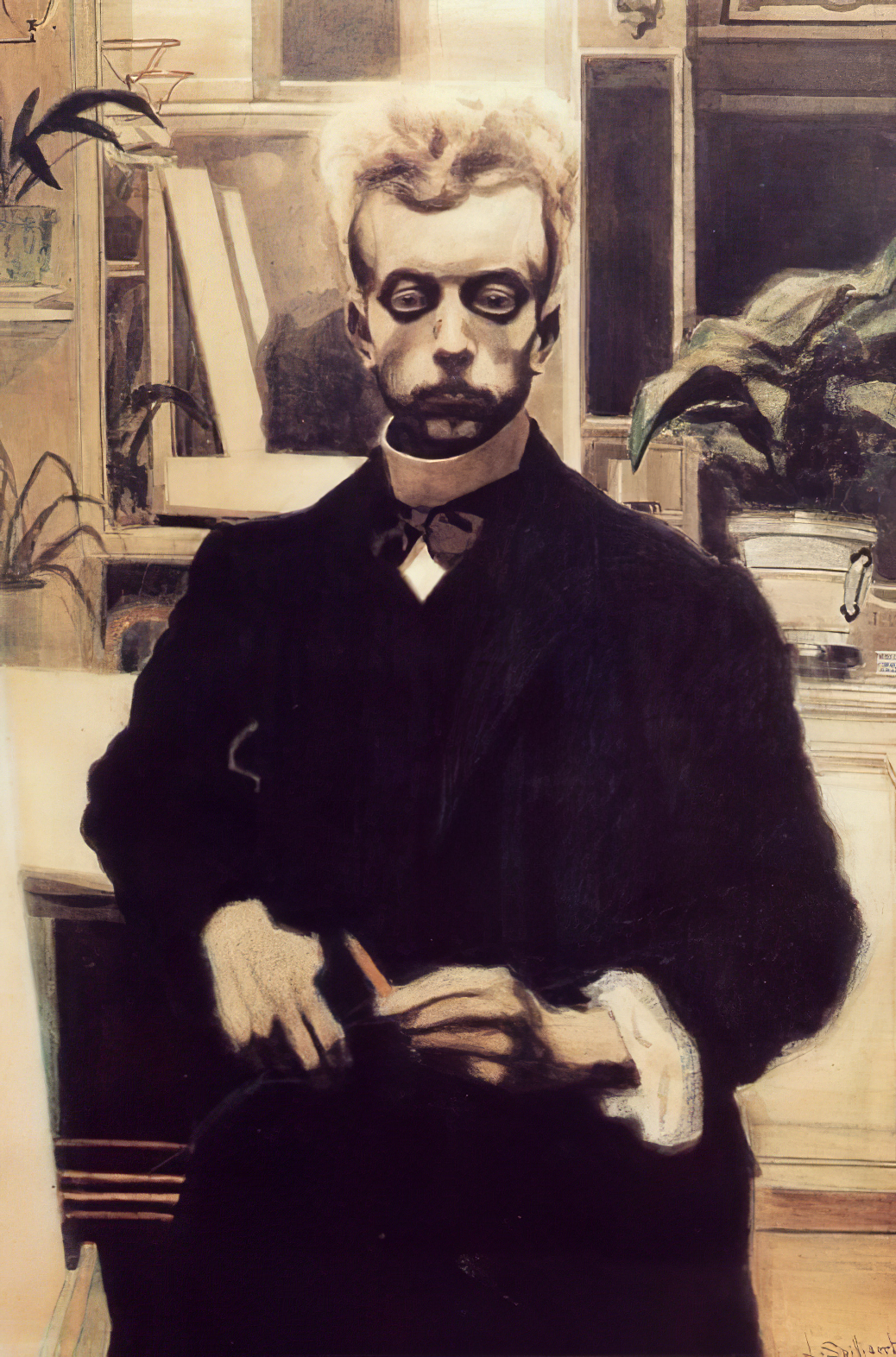
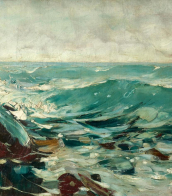
Léon Spilliaert was a Belgian artist. He is known for his unique style of symbolism, with many of his works featuring dream-like landscapes, eerie still lifes, and enigmatic figures.
Spilliaert grew up in a wealthy family, and he initially studied architecture before turning to art. He was largely self-taught, and his work was heavily influenced by the Belgian symbolist movement, as well as the works of artists such as James Ensor and Edvard Munch.
Spilliaert was particularly interested in exploring the mysteries of the human psyche, and many of his works reflect a sense of unease or uncertainty. He often used strong contrasts of light and shadow to create a sense of drama and tension in his works, and his use of color was often muted and subdued.
Despite his success as an artist, Spilliaert was a deeply private individual, and he rarely exhibited his work during his lifetime. He continued to work throughout his life, however, producing a large body of haunting and enigmatic works that continue to captivate audiences today.





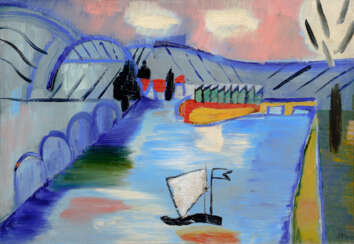





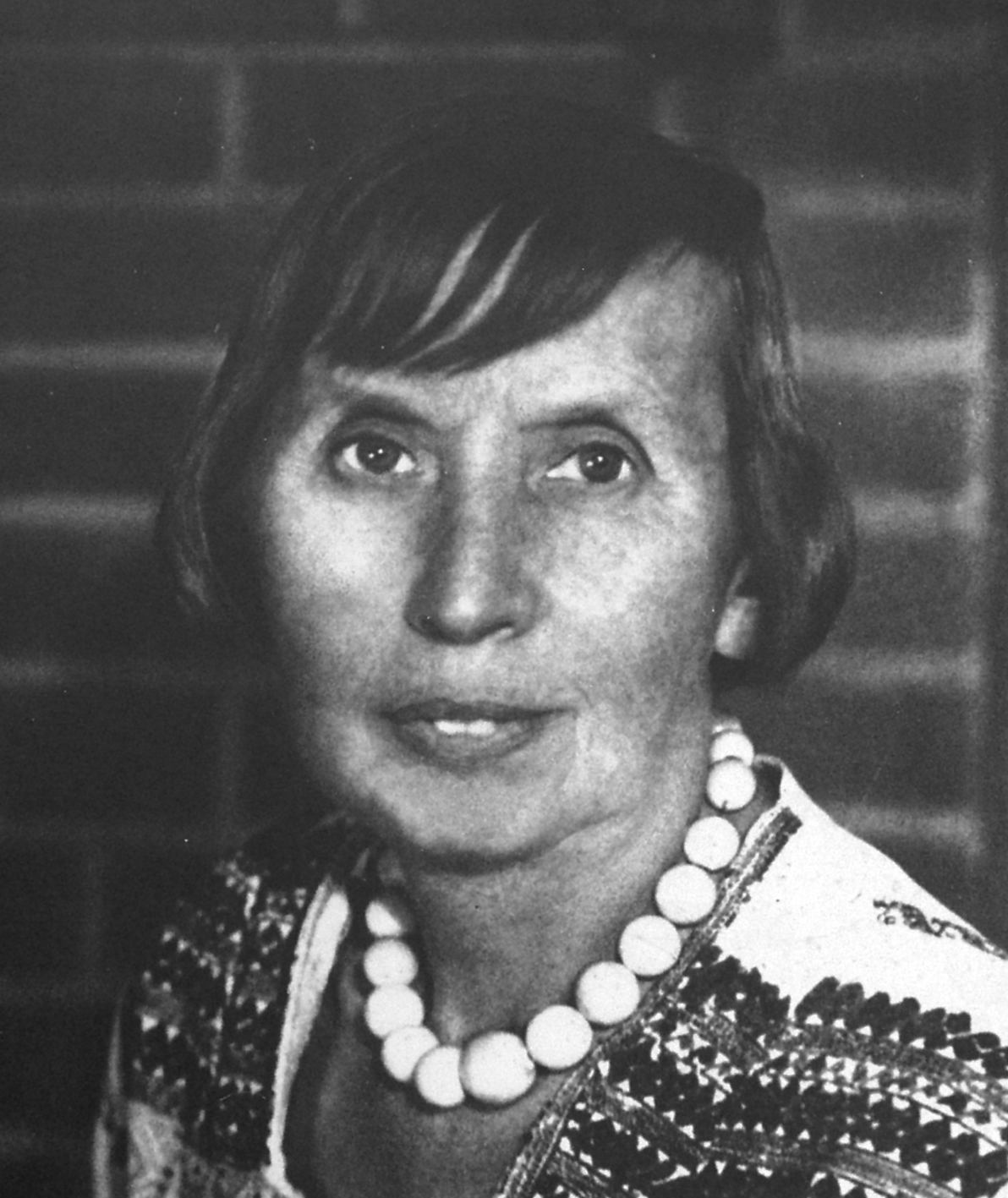
Ida Kerkovius was a Baltic German painter and weaver from Latvia.
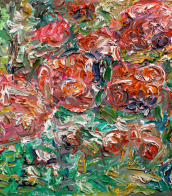
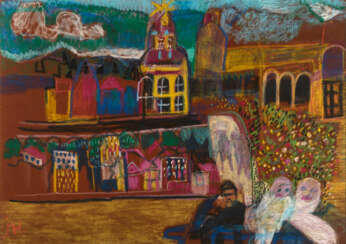

Ida Kerkovius was a Baltic German painter and weaver from Latvia.


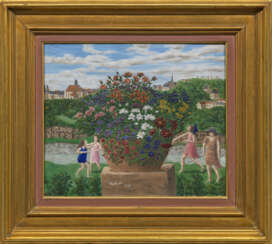





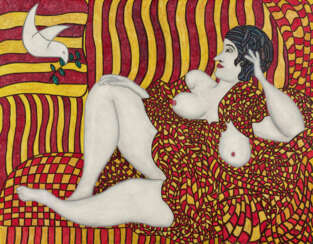

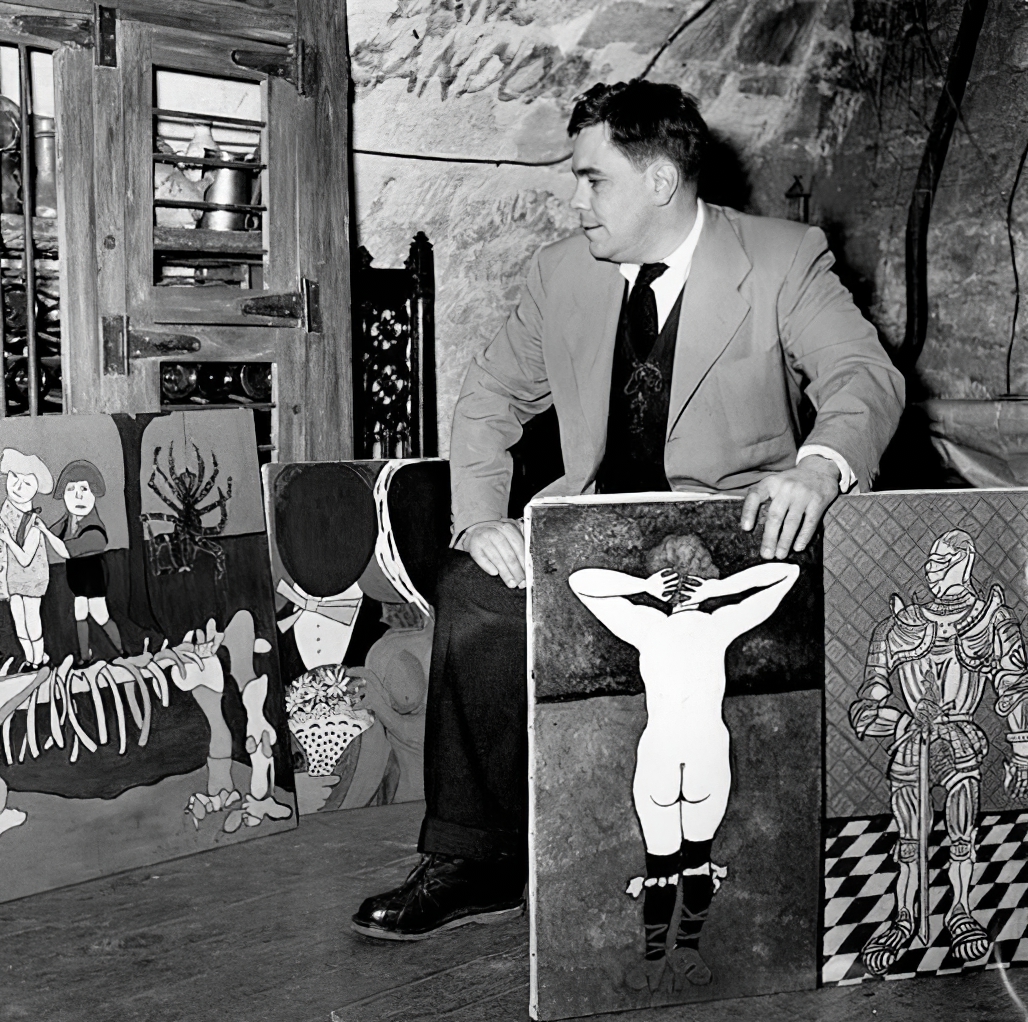
William Nelson Copley was an American painter, writer, gallerist, collector, patron, publisher and art entrepreneur. His works as an artist have been classified as late Surrealist and precursory to Pop Art.