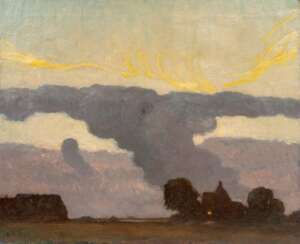
otto beyer
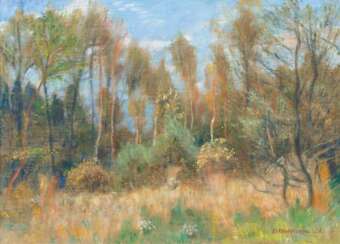

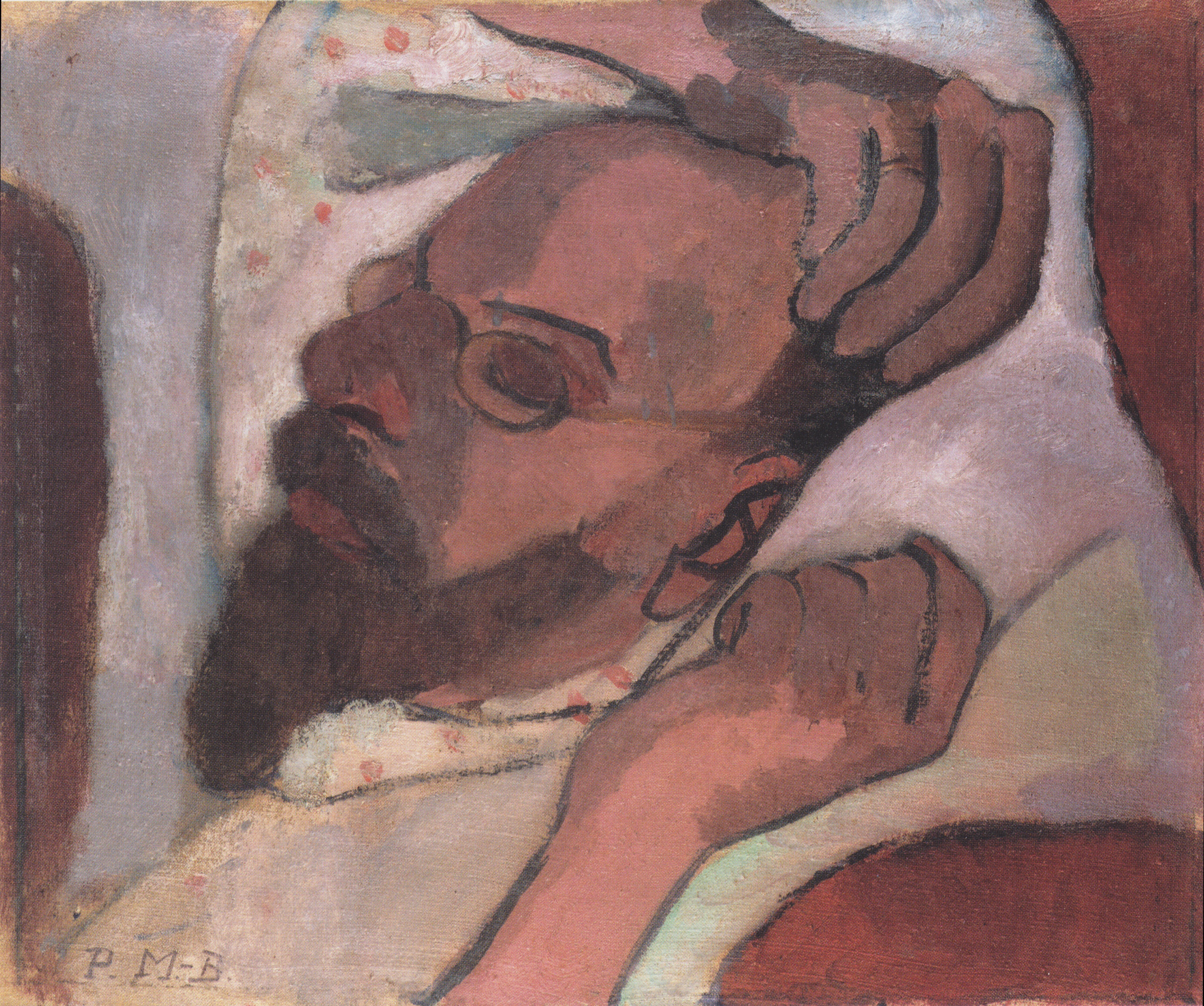
Friedrich Wilhelm Otto Modersohn was a German painter of the late 19th and first half of the 20th centuries. He is known as a landscape painter, a representative of the Barbizon School.
Otto Modersohn produced Barbizonian-style landscapes early in his career, but from about 1890 his style became more expressionist, with an emphasis on his choice of colors. The death of his second wife influenced his style: the colors became darker and the images more stark. Modersohn was one of the founders of the Worpswede artists' colony. A large collection of his works is kept in the Modersohn Museum in Fischerhude, and a street in Berlin is also named after him.


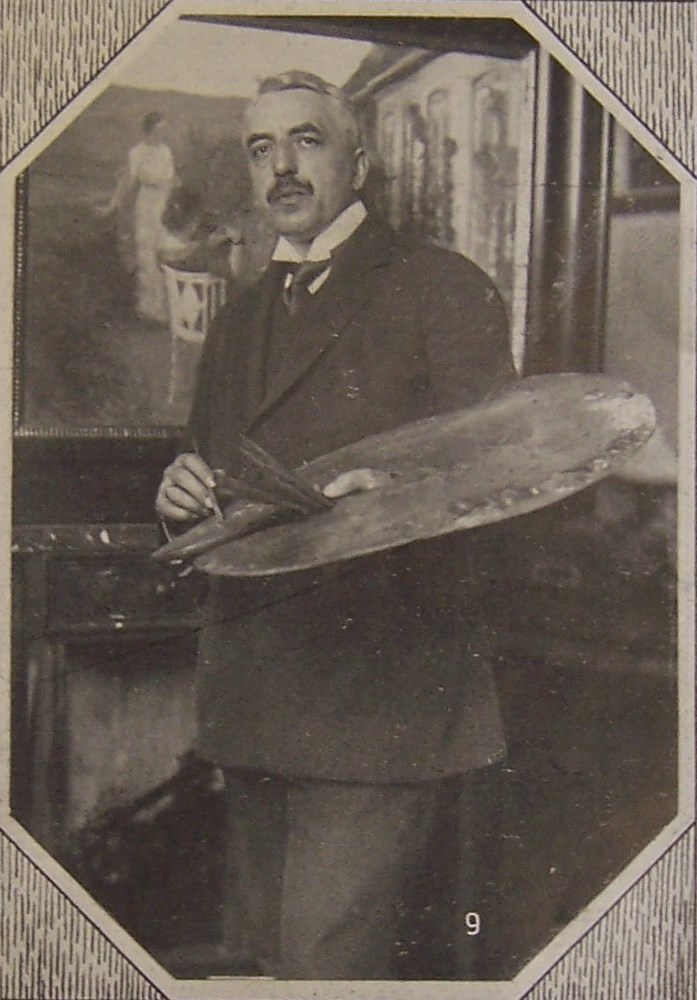


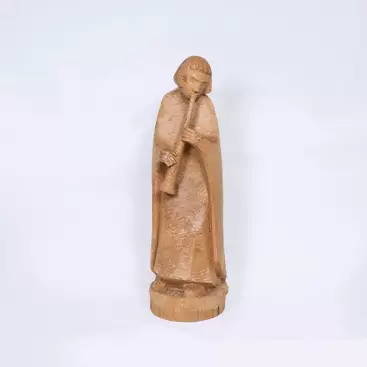


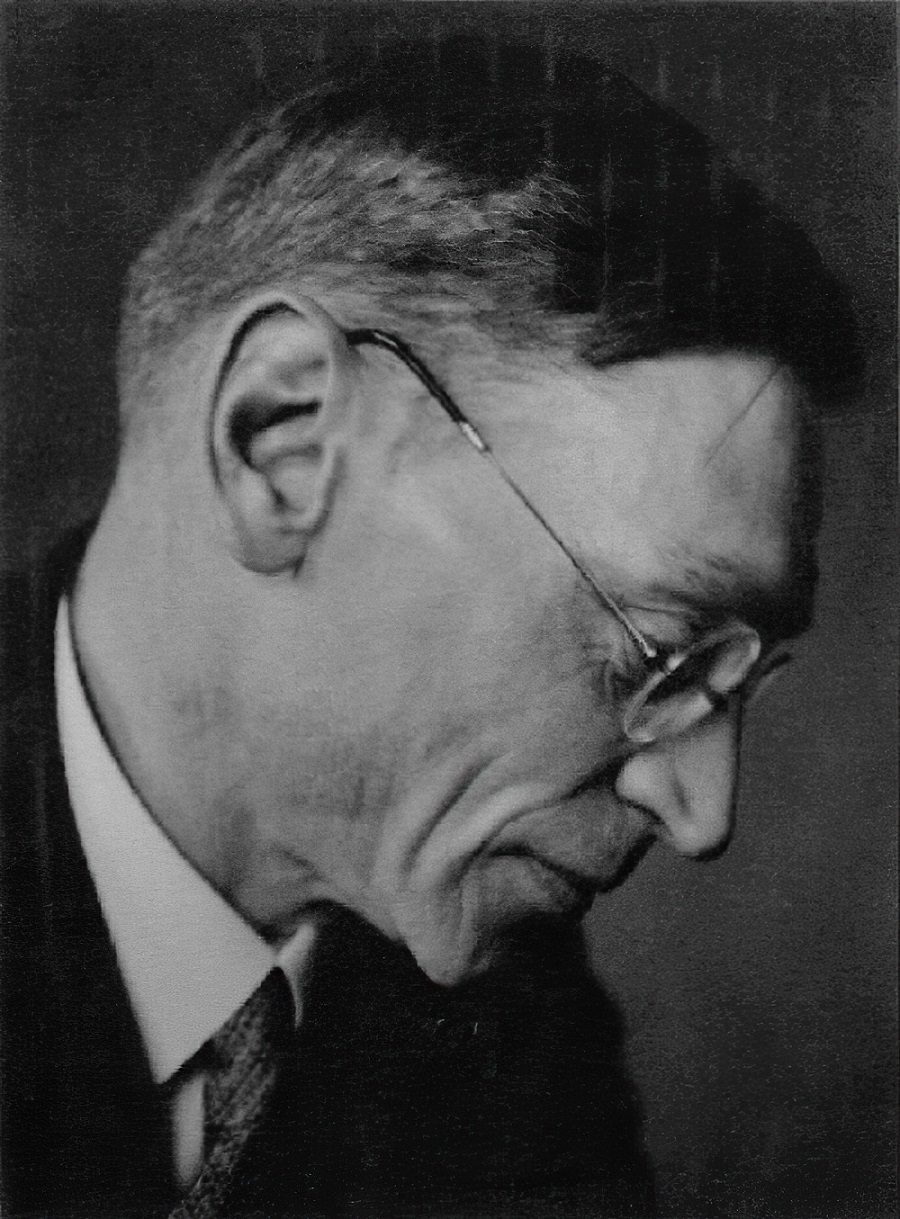
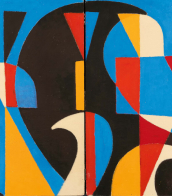
Otto Ritschl was a main representative of abstract art in Germany.
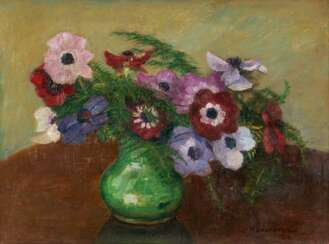

Friedrich Wilhelm Otto Modersohn was a German painter of the late 19th and first half of the 20th centuries. He is known as a landscape painter, a representative of the Barbizon School.
Otto Modersohn produced Barbizonian-style landscapes early in his career, but from about 1890 his style became more expressionist, with an emphasis on his choice of colors. The death of his second wife influenced his style: the colors became darker and the images more stark. Modersohn was one of the founders of the Worpswede artists' colony. A large collection of his works is kept in the Modersohn Museum in Fischerhude, and a street in Berlin is also named after him.
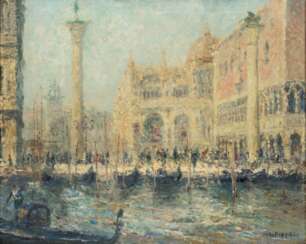

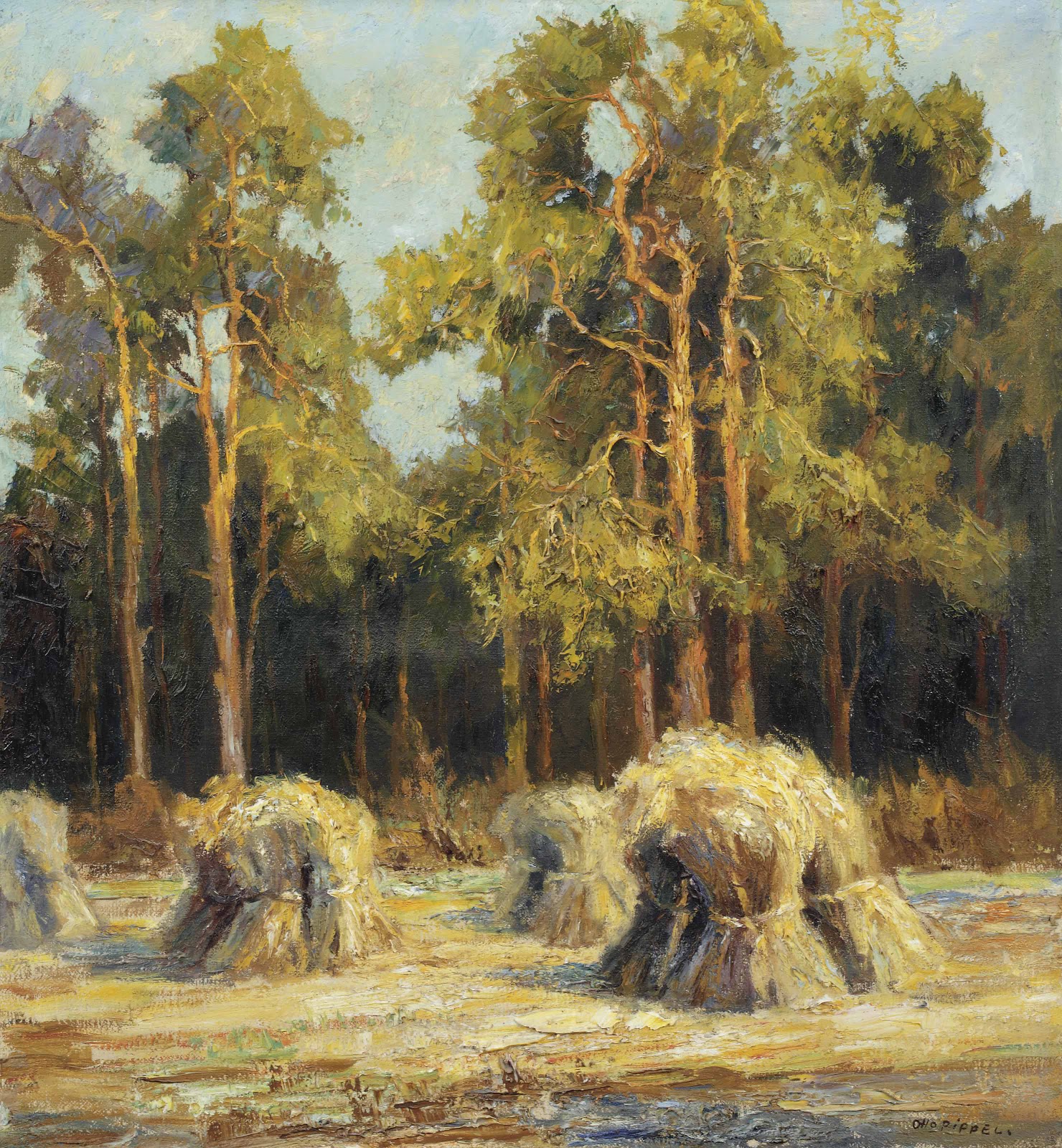
Otto Eduard Pippel was a German painter.
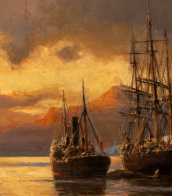


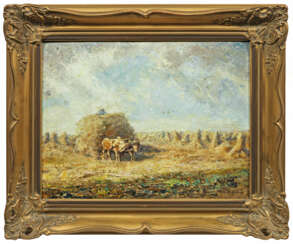

Otto Eduard Pippel was a German painter.
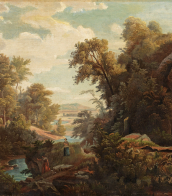
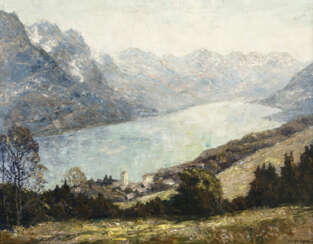

Otto Eduard Pippel was a German painter.
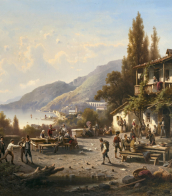
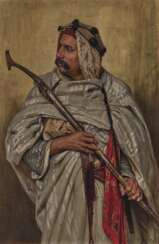

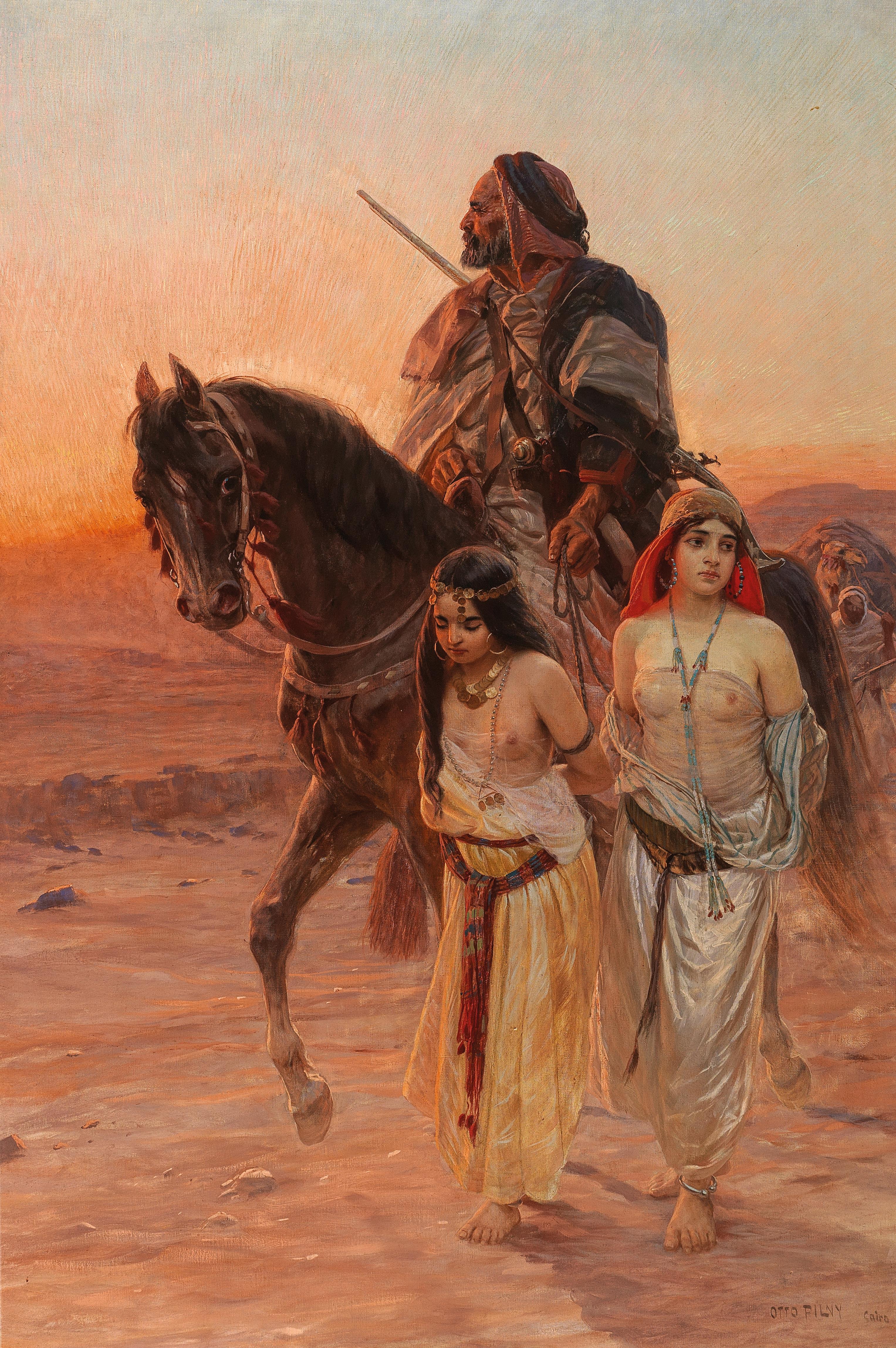
Otto Pilny was a Swiss painter who specialized in Orientalist genre scenes.
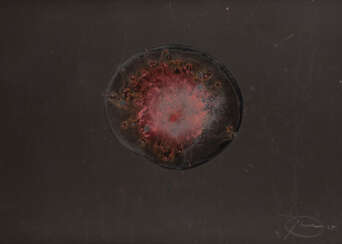

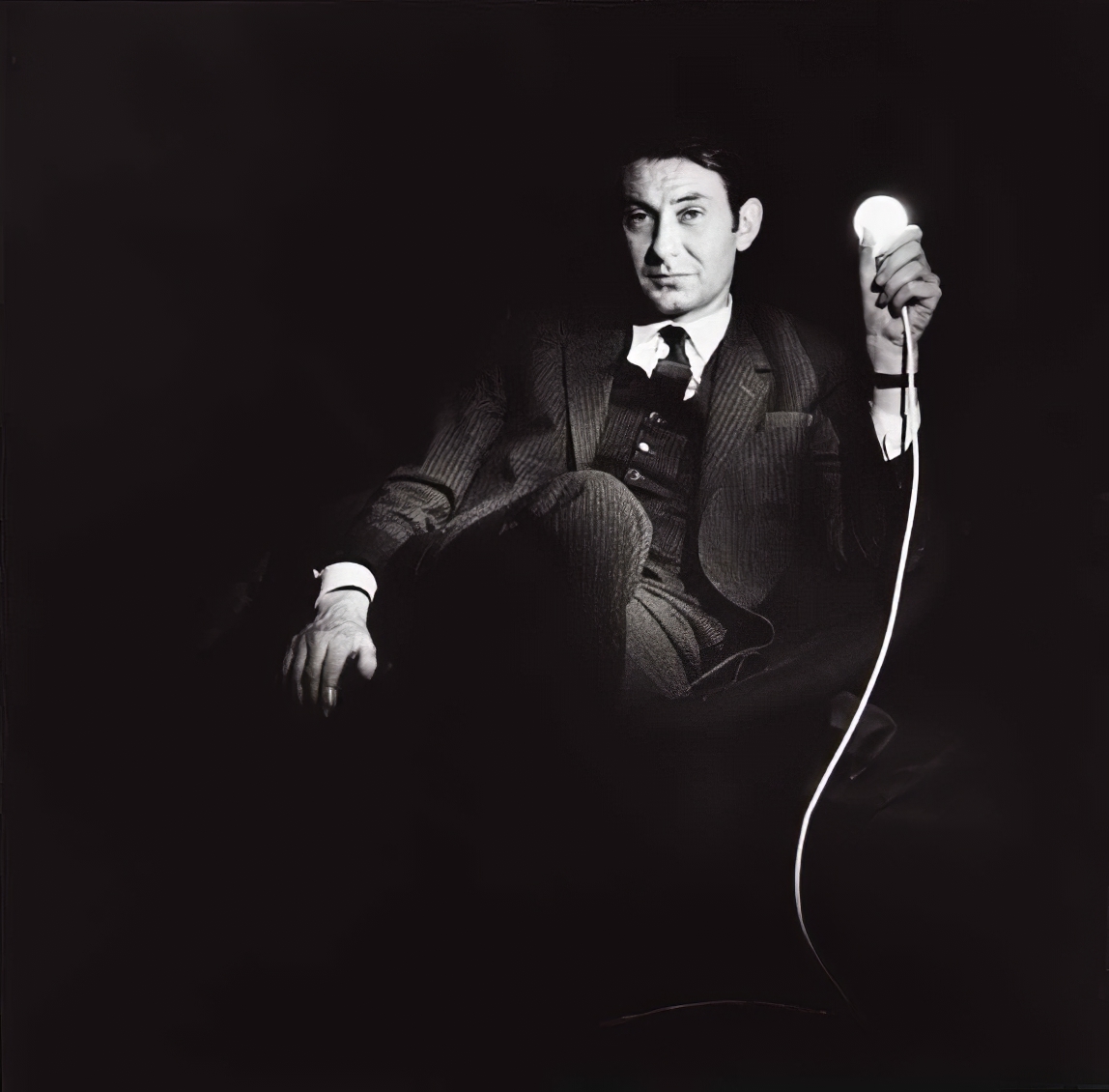
Otto Piene was a German-American artist specializing in kinetic and technology-based art, often working collaboratively.



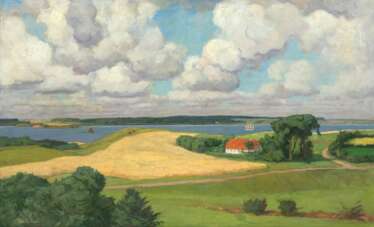

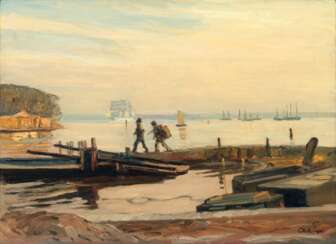

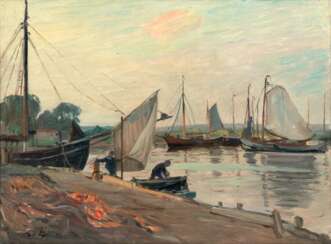

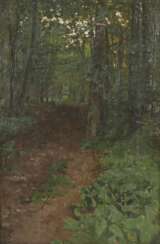


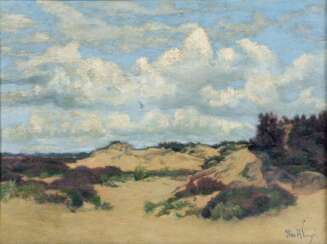
Otto Reiniger was a German artist. He was a painter and illustrator who is best known for his landscape paintings, which often depicted the natural beauty of the German countryside.
Reiniger studied art in Stuttgart, Munich, and Paris. He was heavily influenced by the Impressionist movement and often used vibrant colors and loose brushstrokes in his paintings. He exhibited his work at several exhibitions throughout Germany, including the Munich Secession in 1893 and the Great Berlin Art Exhibition in 1898.
Reiniger's paintings were highly regarded for their vivid depictions of nature and their ability to capture the essence of the German landscape. He was particularly drawn to the forests and mountains of southern Germany, and many of his paintings feature these natural landscapes.
Despite his relatively short career, Reiniger's work had a significant impact on the German art world. Today, his paintings are highly sought after by collectors and can be found in several museums and private collections around the world.
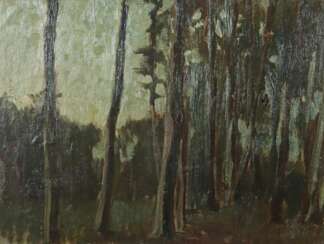

Otto Reiniger was a German artist. He was a painter and illustrator who is best known for his landscape paintings, which often depicted the natural beauty of the German countryside.
Reiniger studied art in Stuttgart, Munich, and Paris. He was heavily influenced by the Impressionist movement and often used vibrant colors and loose brushstrokes in his paintings. He exhibited his work at several exhibitions throughout Germany, including the Munich Secession in 1893 and the Great Berlin Art Exhibition in 1898.
Reiniger's paintings were highly regarded for their vivid depictions of nature and their ability to capture the essence of the German landscape. He was particularly drawn to the forests and mountains of southern Germany, and many of his paintings feature these natural landscapes.
Despite his relatively short career, Reiniger's work had a significant impact on the German art world. Today, his paintings are highly sought after by collectors and can be found in several museums and private collections around the world.
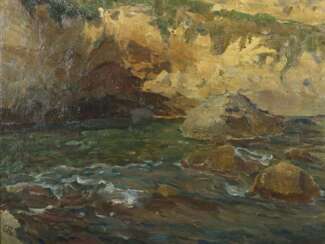

Otto Reiniger was a German artist. He was a painter and illustrator who is best known for his landscape paintings, which often depicted the natural beauty of the German countryside.
Reiniger studied art in Stuttgart, Munich, and Paris. He was heavily influenced by the Impressionist movement and often used vibrant colors and loose brushstrokes in his paintings. He exhibited his work at several exhibitions throughout Germany, including the Munich Secession in 1893 and the Great Berlin Art Exhibition in 1898.
Reiniger's paintings were highly regarded for their vivid depictions of nature and their ability to capture the essence of the German landscape. He was particularly drawn to the forests and mountains of southern Germany, and many of his paintings feature these natural landscapes.
Despite his relatively short career, Reiniger's work had a significant impact on the German art world. Today, his paintings are highly sought after by collectors and can be found in several museums and private collections around the world.
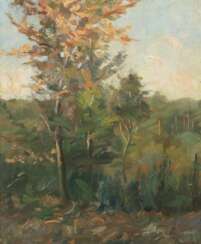

Otto Reiniger was a German artist. He was a painter and illustrator who is best known for his landscape paintings, which often depicted the natural beauty of the German countryside.
Reiniger studied art in Stuttgart, Munich, and Paris. He was heavily influenced by the Impressionist movement and often used vibrant colors and loose brushstrokes in his paintings. He exhibited his work at several exhibitions throughout Germany, including the Munich Secession in 1893 and the Great Berlin Art Exhibition in 1898.
Reiniger's paintings were highly regarded for their vivid depictions of nature and their ability to capture the essence of the German landscape. He was particularly drawn to the forests and mountains of southern Germany, and many of his paintings feature these natural landscapes.
Despite his relatively short career, Reiniger's work had a significant impact on the German art world. Today, his paintings are highly sought after by collectors and can be found in several museums and private collections around the world.


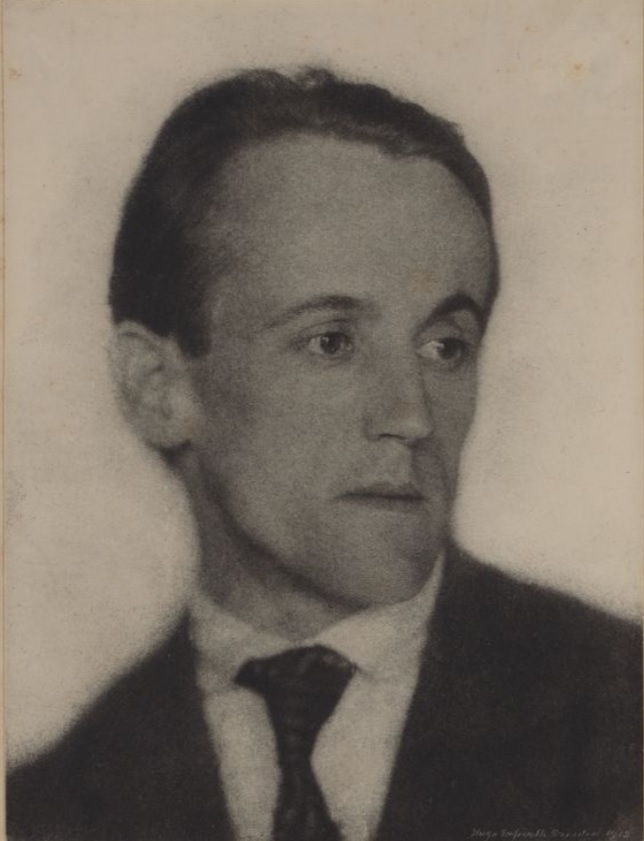
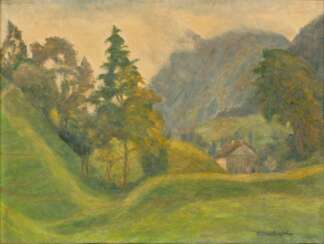

Friedrich Wilhelm Otto Modersohn was a German painter of the late 19th and first half of the 20th centuries. He is known as a landscape painter, a representative of the Barbizon School.
Otto Modersohn produced Barbizonian-style landscapes early in his career, but from about 1890 his style became more expressionist, with an emphasis on his choice of colors. The death of his second wife influenced his style: the colors became darker and the images more stark. Modersohn was one of the founders of the Worpswede artists' colony. A large collection of his works is kept in the Modersohn Museum in Fischerhude, and a street in Berlin is also named after him.