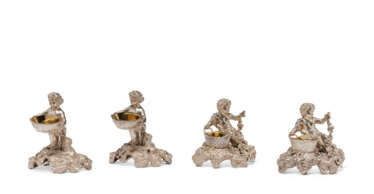
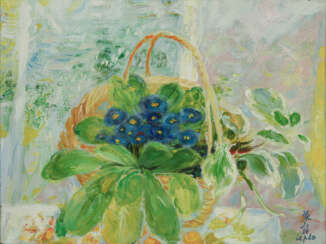
panier


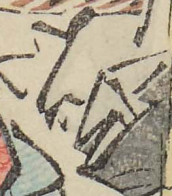






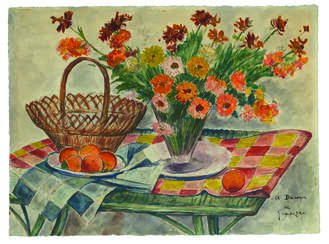

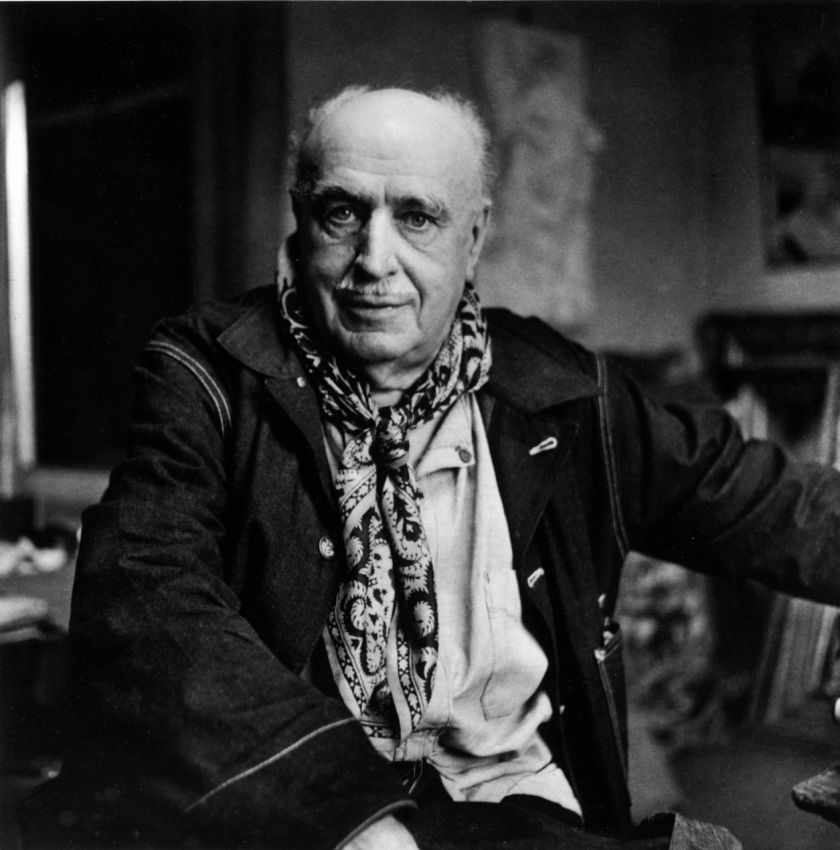
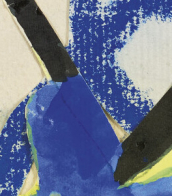
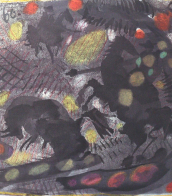
André Albert Marie Dunoyer de Segonzac was a French painter, graphic artist and illustrator known for his contribution to the Post-Impressionist and Fauvist movements.
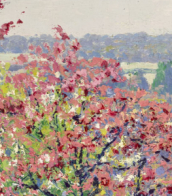
Dunoyer de Segonzac's style was defined by his bold use of colour, his expressive brushwork, and his desire to capture the essence of the subject. In his work, he explored a variety of subjects, including landscapes, still lifes and scenes of everyday life. His paintings often displayed a sense of vitality and energy, with vibrant hues and dynamic compositions. The master often used intense hues to evoke an emotional response. His palette was characterised by a bold and expressive use of colour, giving his works a sense of vibrancy and dynamism.
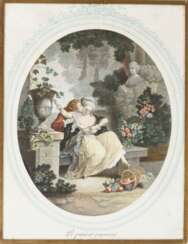






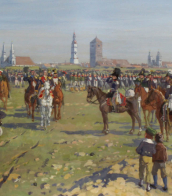


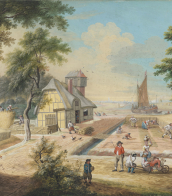



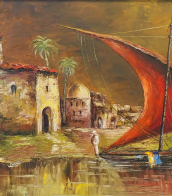


Claude Joseph Vernet was a French painter.
Vernet's work draws on natural themes, but in a way that is neither sentimental or emotive. The overall effect of his style is wholly decorative.

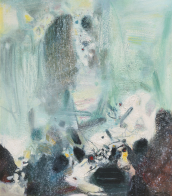
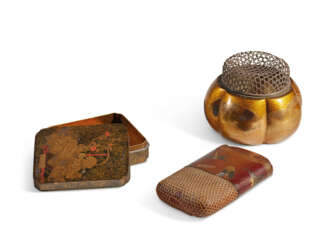

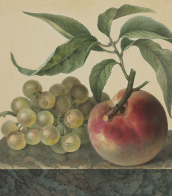
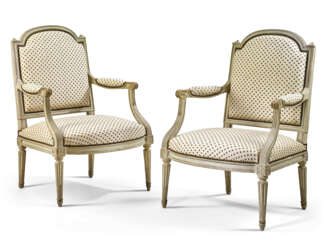









.jfif)
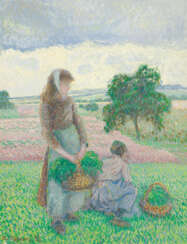
Camille Pissarro, a Danish-French artist, was a linchpin of the Impressionist and Neo-Impressionist movements. Born in 1830 on the island of St. Thomas, Pissarro's Jewish-Portuguese heritage and upbringing in the Danish West Indies infused his work with a unique perspective. He is celebrated for his depictions of rural and urban French life, particularly his landscapes that eschew artifice, highlighting the simple beauty of the natural world and the dignity of common people.
Pissarro's influence on the art world was profound. Not only was he a central figure in the Impressionist movement, helping to organize the collective's exhibitions, but he also mentored future Post-Impressionist masters like Cézanne, Gauguin, and van Gogh. His colleagues revered him for his wisdom, balance, and warmhearted nature. Pissarro's dedication to the Impressionist ethos was unparalleled; he was the only artist to exhibit in all eight Paris Impressionist exhibitions from 1874 to 1886.
Among his notable works, Pissarro's 'Hay Harvest at Eragny' (1887) exemplifies his shift towards Neo-Impressionism. This piece, housed at the Van Gogh Museum in Amsterdam, showcases his exploration of tonal values and pointillism. Another poignant work, 'Jeanne Holding a Fan', captures the fragile beauty of his young daughter during her illness, and is a testament to his ability to convey deep personal emotion through art. This work is displayed at The Ashmolean Museum in Oxford.
For art collectors and enthusiasts, Pissarro's works remain a testament to the transformative power of Impressionism and its impact on modern art. His paintings, characterized by their revolutionary depictions of everyday life and nature, continue to be celebrated in major museums around the world.
To stay informed about upcoming sales and auction events featuring works by Camille Pissarro, sign up for our updates. This subscription is an opportunity for collectors and art experts to connect with the enduring legacy of one of Impressionism's pivotal figures.
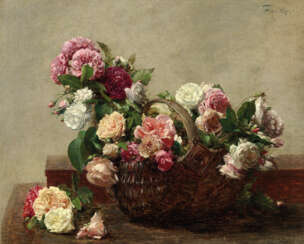

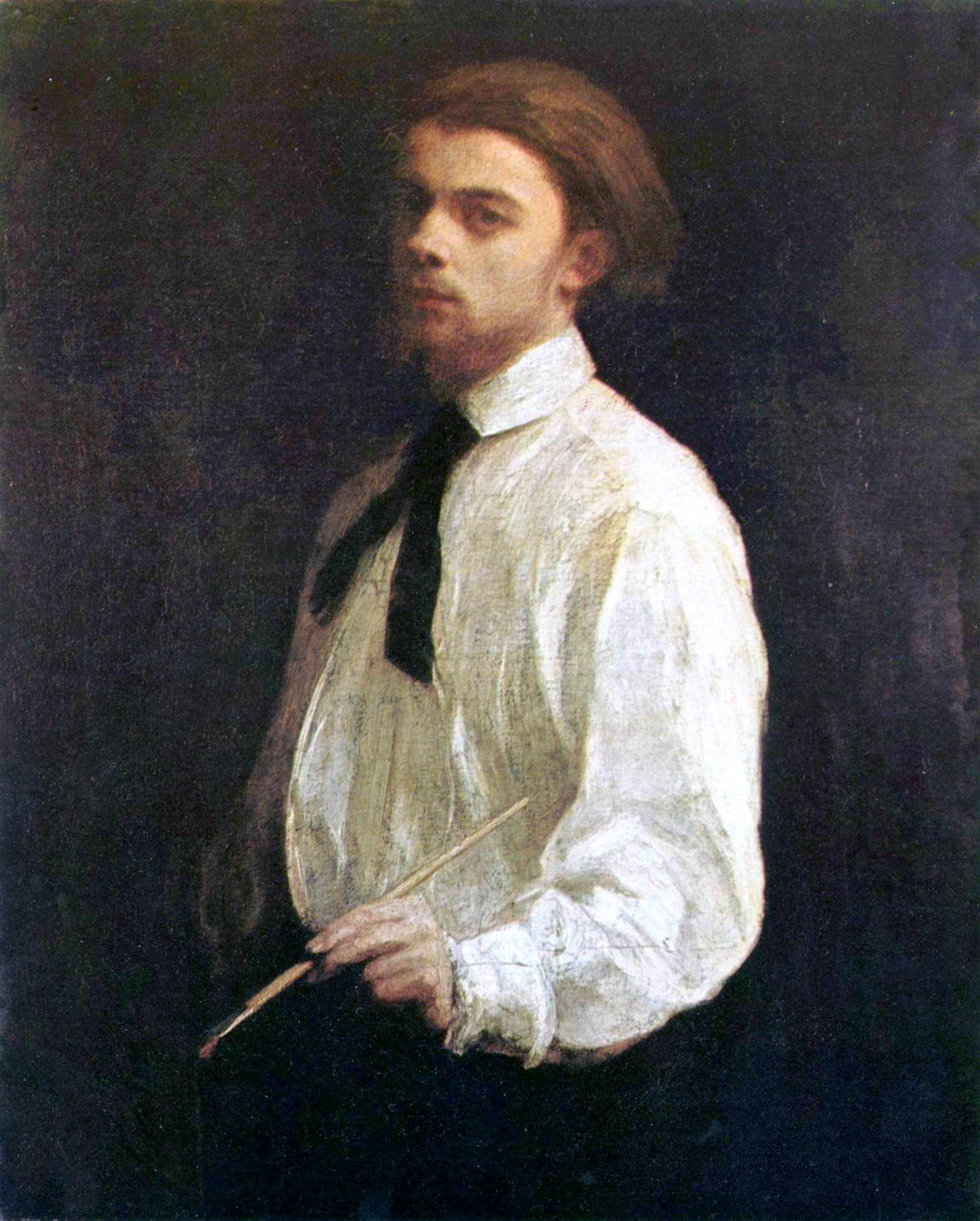
Henri Fantin-Latour was a French painter and lithographer renowned for his exquisite flower paintings and insightful group portraits of Parisian artists and writers. His artistic journey began in Grenoble, where he was born in 1836, but it flourished in Paris, where he moved at a young age to study art. Despite his associations with Impressionists like Édouard Manet and Claude Monet, Fantin-Latour carved his unique path, focusing on still life and portraiture rather than adopting the Impressionist style.
Henri Fantin-Latour's knack for capturing the essence of his subjects is evident in his group portraits, which were not just mere representations but insightful depictions of the artistic and literary circles of his time. His notable works like "A Studio at Les Batignolles" illustrate the camaraderie among artists like Manet, Renoir, and Monet, offering a window into the vibrant Parisian art scene of the 19th century. His still lifes, particularly his flower paintings, are celebrated for their realism and delicate precision, making them a favorite among collectors and art enthusiasts.
In addition to his painting, Henri Fantin-Latour's lithographs, inspired by classical music and imbued with a poetic and symbolic quality, reveal another dimension of his talent, showcasing his ability to transcend the boundaries of realism and delve into the realm of imagination.
For art collectors and experts, Henri Fantin-Latour's works offer a blend of technical mastery and a deep understanding of the interplay between art, music, and literature. His contributions to the art world are remembered and celebrated in museums around the globe, where his works continue to inspire and captivate audiences.
For those interested in exploring more about Henri Fantin-Latour's life and works, visiting exhibitions or keeping abreast of auctions featuring his art can provide valuable insights into his creative genius. To stay updated on related events and opportunities, consider subscribing to updates from art institutions or galleries specializing in 19th-century French art.