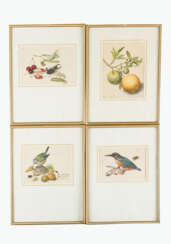
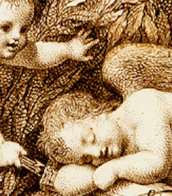
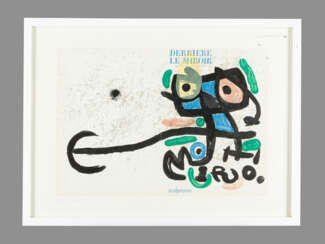
print graphics

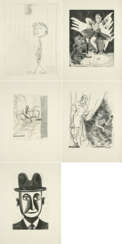


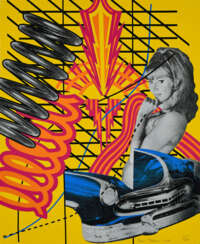

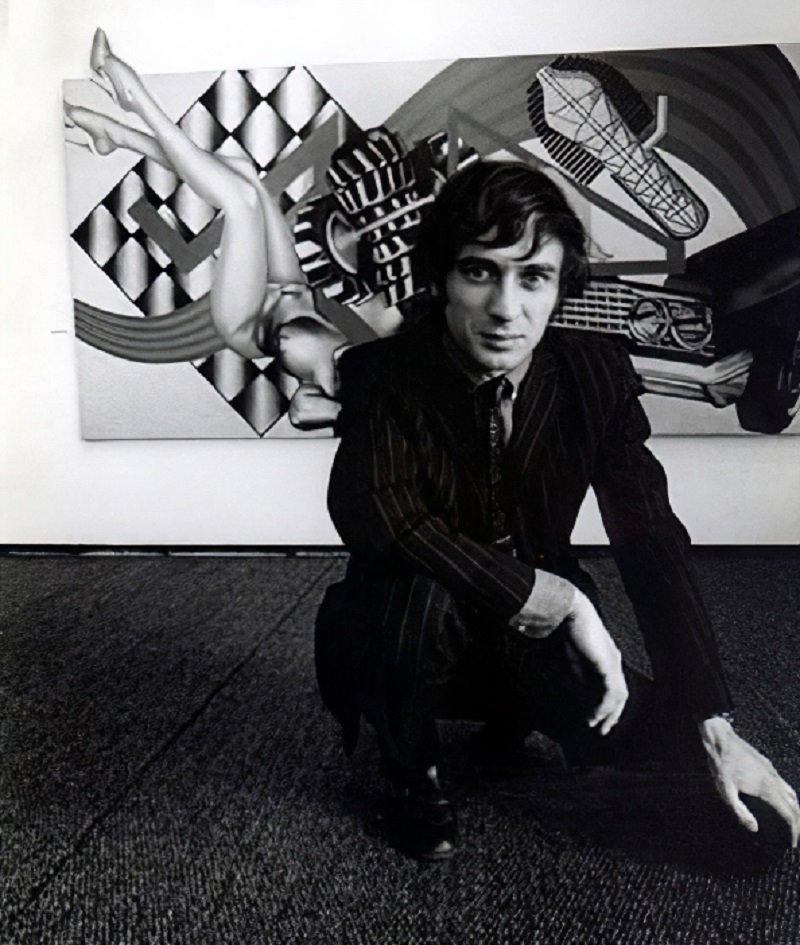
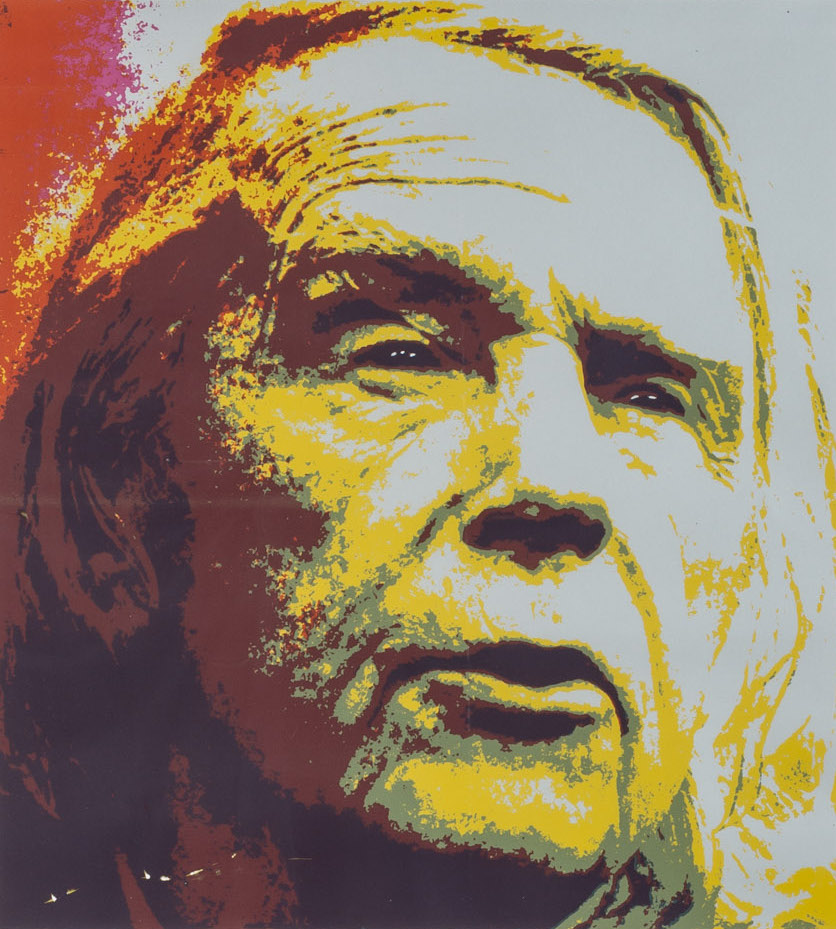
Peter Phillips is an English artist. His work ranges from conventional oils on canvas to multi-media compositions and collages to sculptures and architecture.
As an originator of Pop art, Phillips trained at the Royal College of Art with his contemporaries David Hockney, Allen Jones, R.B. Kitaj and others figures in British Pop Art. When he was awarded a Harkness Fellowship he moved to New York, where he exhibited alongside American counterparts Andy Warhol, Roy Lichtenstein and James Rosenquist. Phillips later returned to Europe, where he now resides and continues to paint and exhibit.





Max Ackermann was a German painter and graphic artist. He was a pupil of Adolf Hölzel and is considered a pioneer of abstract painting.




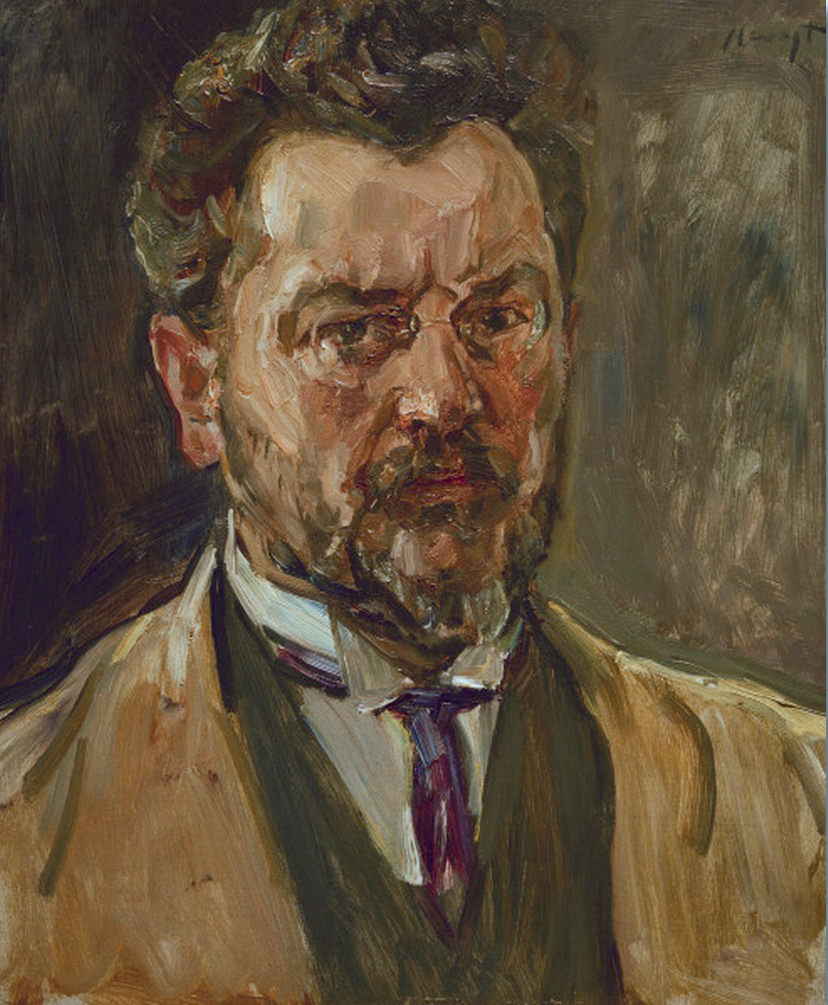
Max Slefogt was a German Impressionist painter and illustrator, best known for his landscapes. He was, together with Lovis Corinth and Max Liebermann, one of the foremost representatives in Germany of the plein air style.
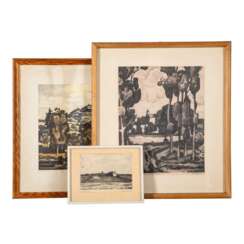

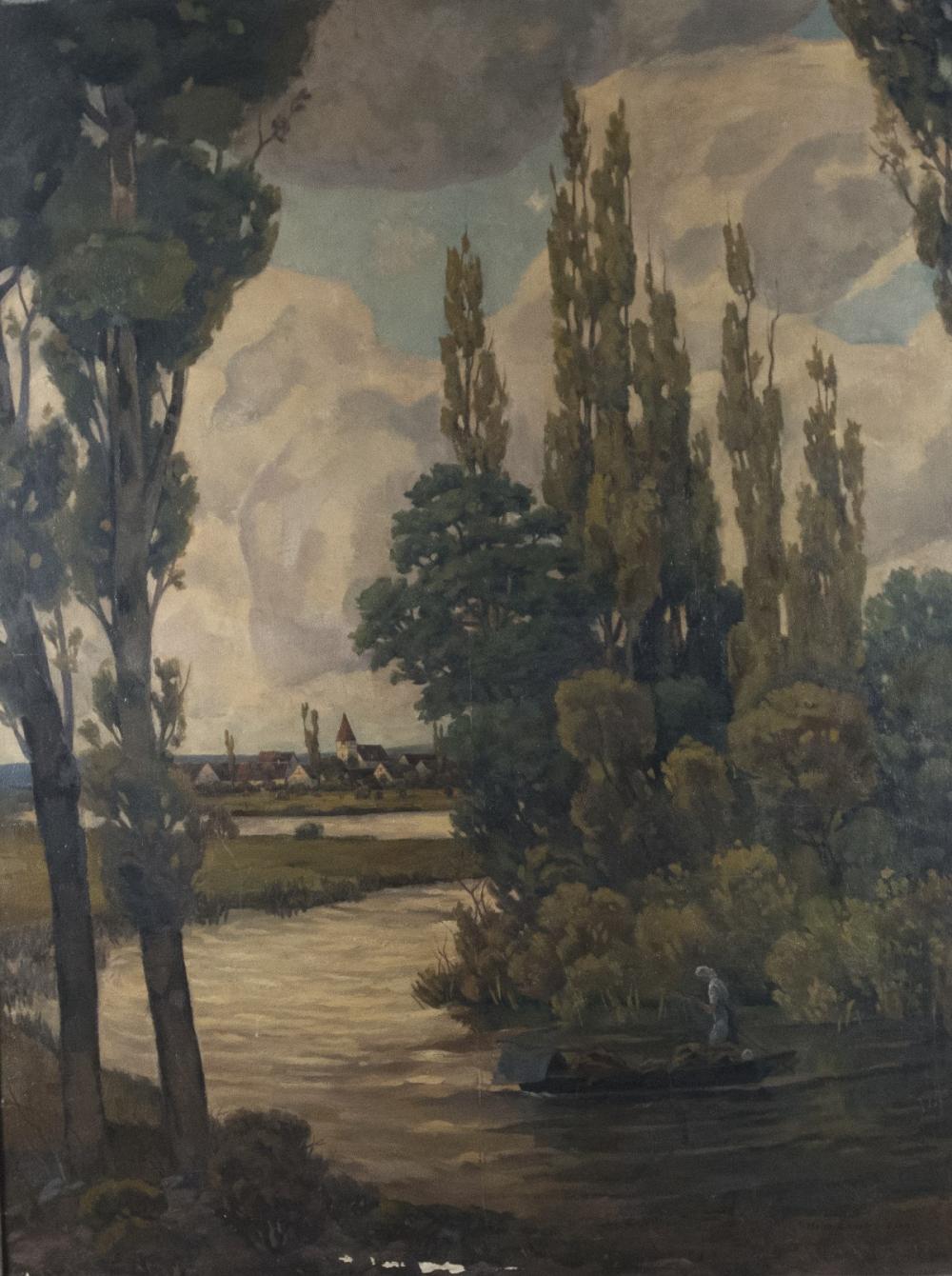
Heinrich Eberhard was a German modernist painter.
Eberhard studied at the Royal Academy of Fine Arts in Stuttgart, and was decisively influenced in his artistic development by the modernist pioneer Adolf Helzel (1853-1934). In 1920 he became a member of the Stuttgart "Üecht Group", which also included Willy Baumeister and Oskar Schlemmer, and was a member of the legendary Hölzelkreis.
Eberhard's oeuvre includes oil paintings, drawings, prints and stained glass windows and is characterized by a stylistic pluralism between expressive naturalism, cubist influences and abstraction.
During the Nazi "Degenerate Art" campaign in Germany in 1937, some of the artist's paintings were removed from galleries and destroyed, but in 1943 he was allowed to exhibit one canvas that met the tastes of the authorities. After the war, Eberhard continued to create with success, participating in exhibitions.


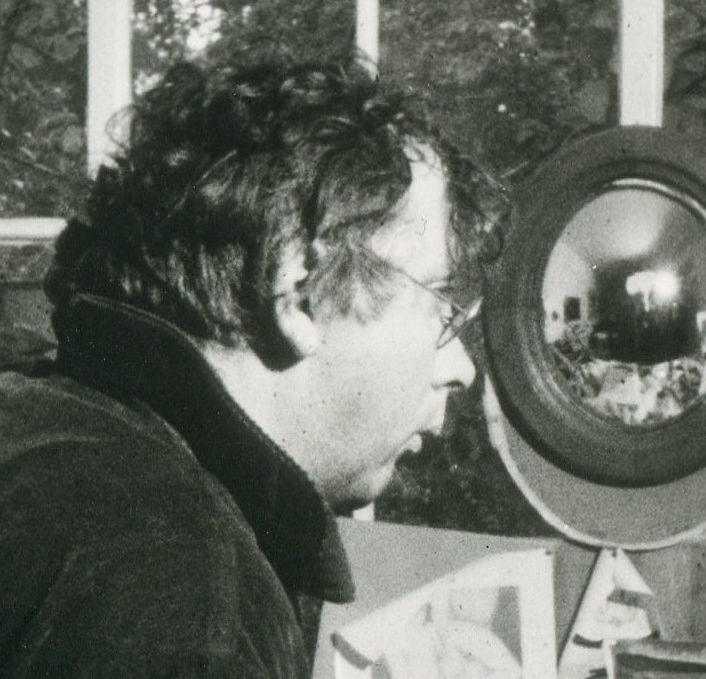
Horst Janssen was a German graphic artist, printmaker, poster and illustrator. He created many drawings, etchings, woodcuts, lithographs, and woodcuts.
There is a museum dedicated to his legacy in Horst Janssen's hometown of Oldenburg. His works are represented internationally in major museums.
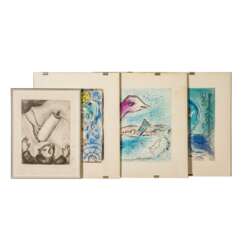



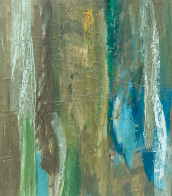


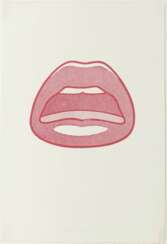




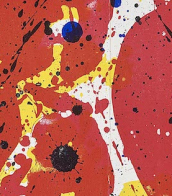
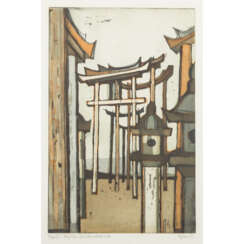

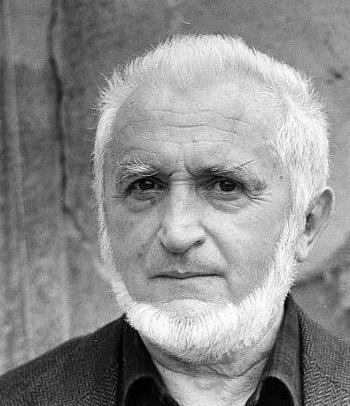
Otto Eglau was a German graphic artist.
During World War II he served in the Nazi army and was a prisoner of war. After his liberation, Eglau studied at the Berlin Academy of Art and taught free drawing and painting at the Technical University of Berlin. Between 1951 and 1970, Eglau made study trips around the world and taught etching technique at the International Summer Academy of Fine Arts in Salzburg. From 1983 until his death in 1988, he worked alternately in studios in Berlin and on the island of Sylt.
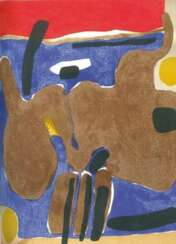







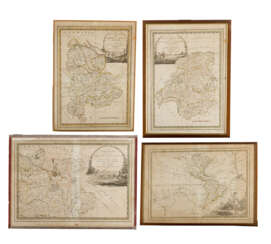

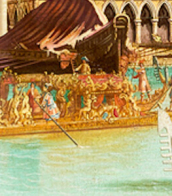
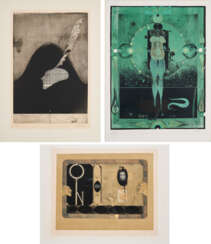

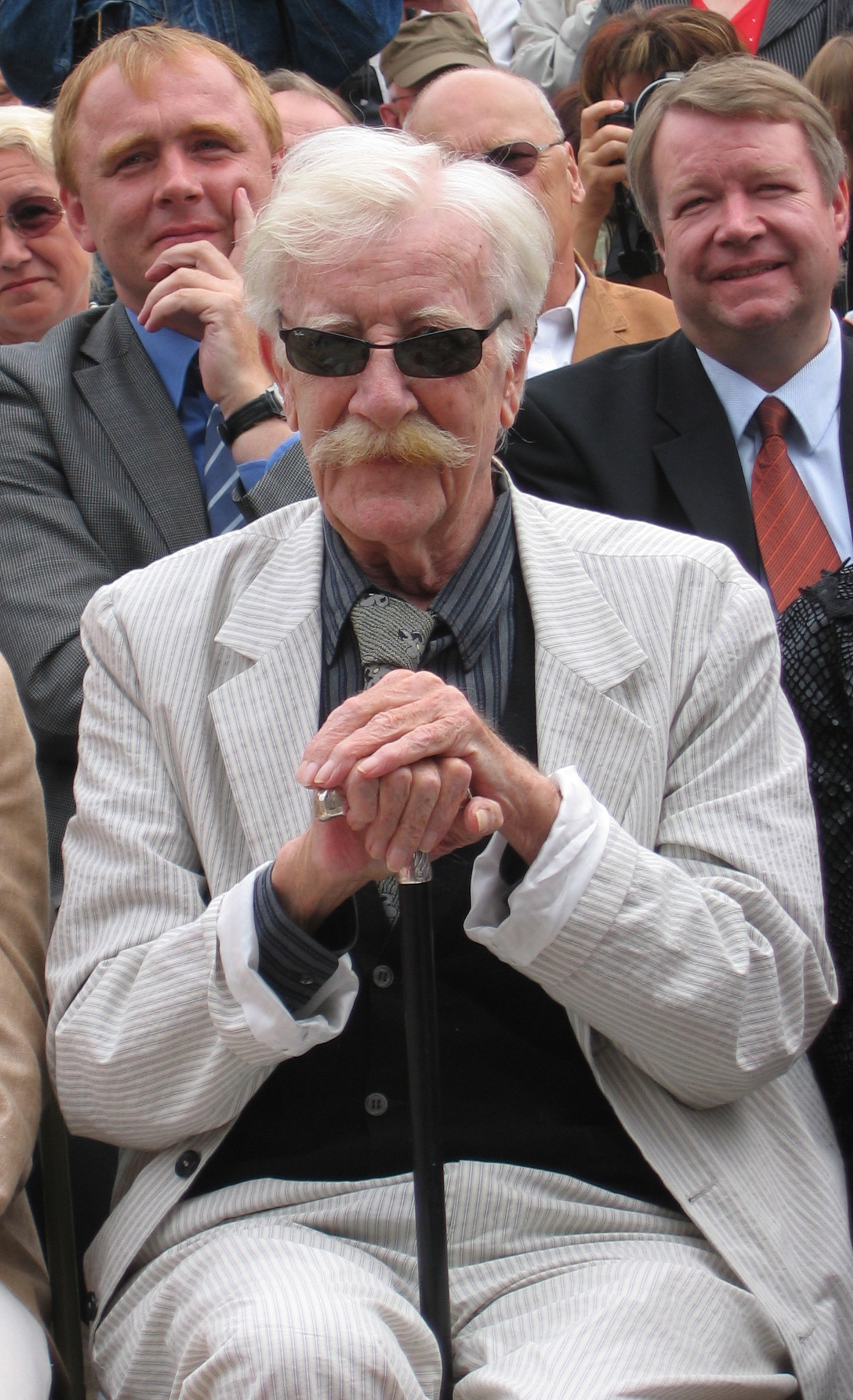
Paul Wunderlich was a German painter, sculptor and graphic artist. He designed Surrealist paintings and erotic sculptures. He often created paintings which referred to mythological legends.


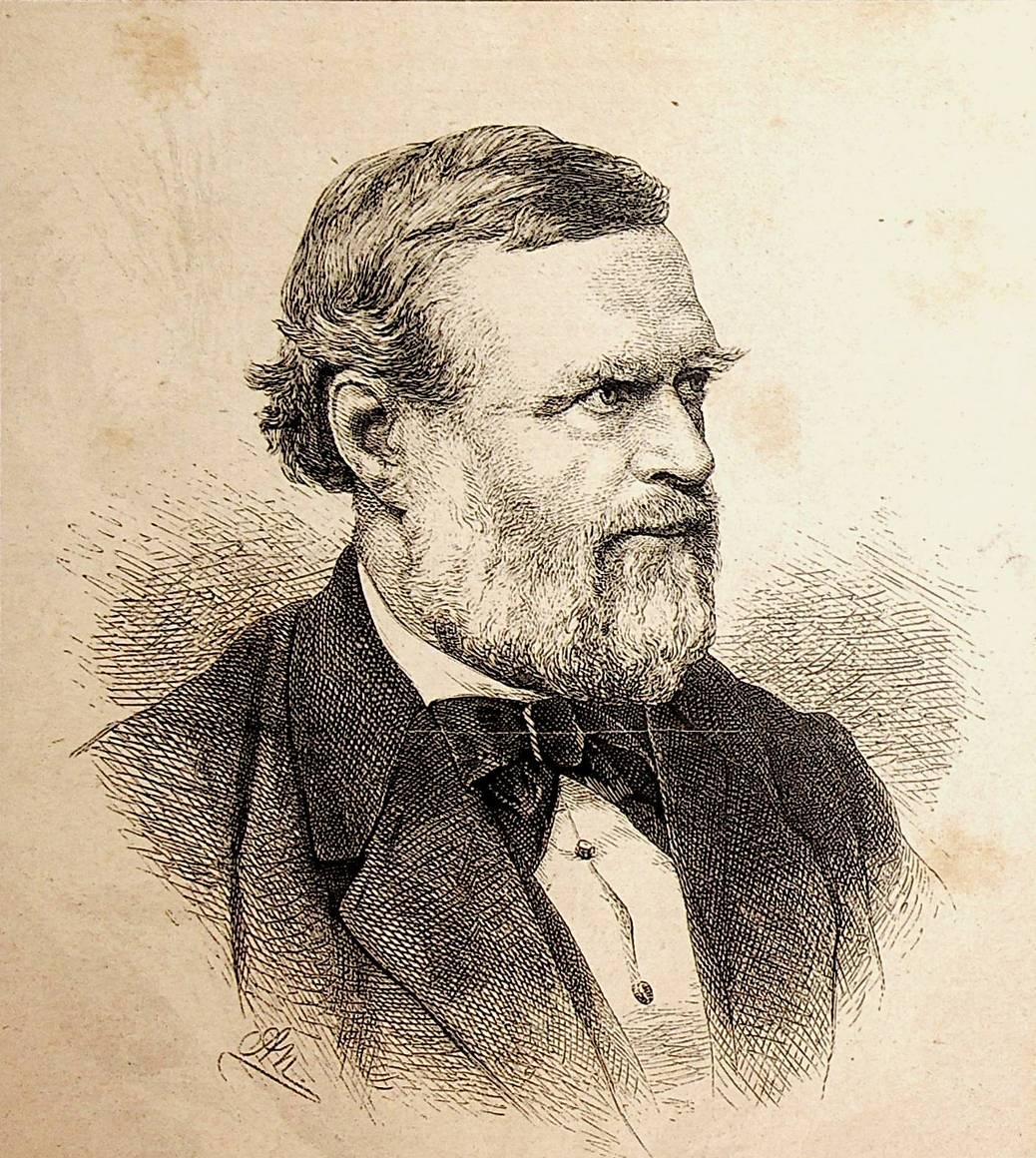
Carl Friedrich Heinrich Werner was a German watercolorist.
Carl Werner studied painting and architecture in Germany, then moved to Italy, where he painted watercolors for nearly twenty years and exhibited in London and other European cities. From 1862 to 1864 he traveled to Palestine and Egypt. He produced impressive paintings of the architectural monuments of that world. Among his works, the voluminous work "Jerusalem, Bethlehem and the Holy Places" with views of the Holy Land, containing 32 plates, is particularly notable. It is one of the rarest books with color plates on the Middle East.
Werner was one of the few non-Muslims given access to paint the interior of the Dome of the Rock, and there are also views of Bethlehem, Bethany, and the Dead Sea, while Jerusalem includes street scenes, the Greek and Armenian chapels, the Church of the Holy Sepulchre, the Street of David, and the Wailing Wall.