raum







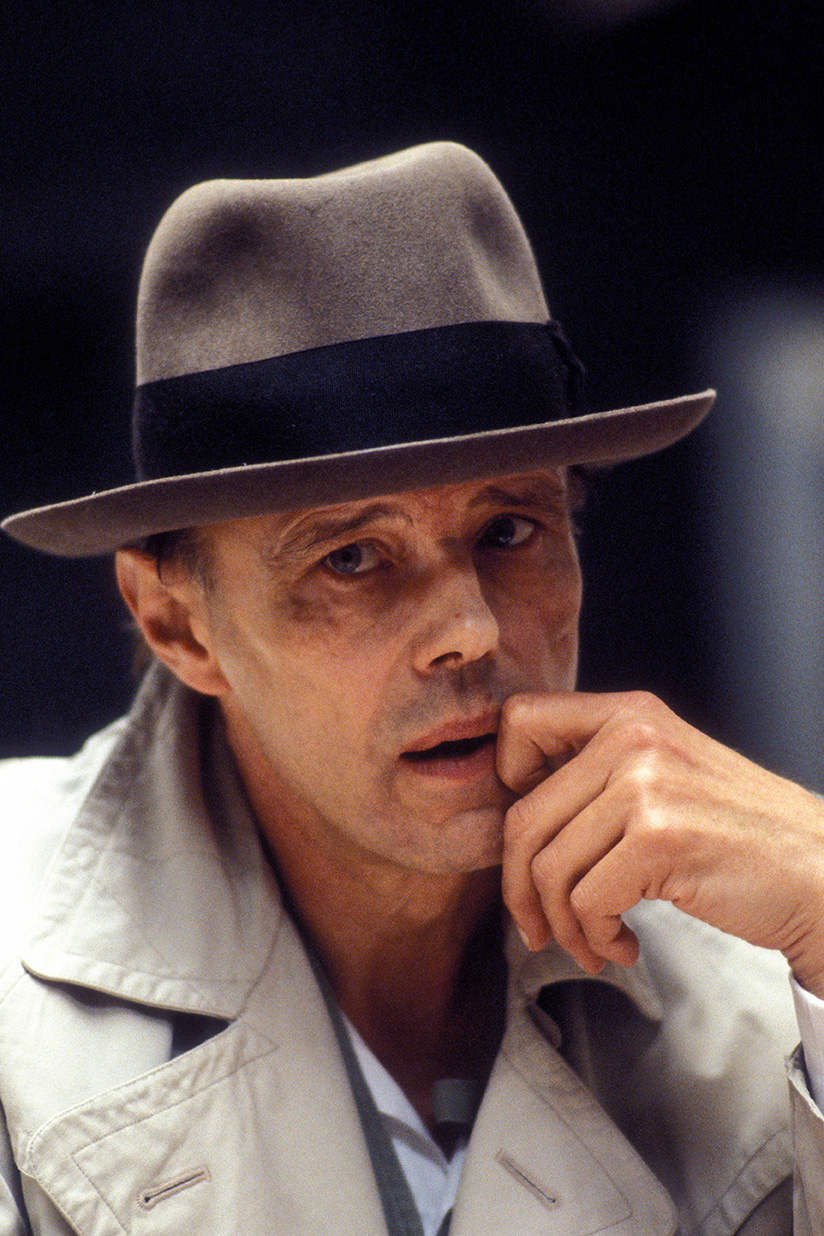
Joseph Heinrich Beuys was a German artist, renowned for his significant contributions to the realms of sculpture, painting, and installation art, which have left a lasting impact on the culture and art world. His work transcended traditional boundaries, merging art with social theory and politics, thus redefining the role of the artist in society. Beuys's unique approach to materials, incorporating substances like fat and felt, symbolized healing and insulation, reflecting his broader philosophical and ecological concerns.
Beuys's art was deeply influenced by his experiences during World War II and his academic background in natural sciences and sculpture. His concept of "social sculpture" proposed that art could transform society, emphasizing creativity as a fundamental component of human existence. This vision led him to use his performances, or "actions," as a medium to communicate his ideas, making him a pivotal figure in the Fluxus movement. Notable works such as "How to Explain Pictures to a Dead Hare" and "7000 Oaks" exemplify his innovative use of performance and environmental art to engage and challenge the public.
His legacy is preserved in major museums and galleries worldwide, including the Museum of Modern Art in New York and the Tate Modern in London. These institutions house key pieces that exemplify Beuys's diverse artistic output, from his early drawings and sculptures to his later installations and public interventions. His influence extends beyond the art world, impacting environmental activism and educational reform, underscoring his belief in the transformative power of art.
For collectors and experts in art and antiques, Joseph Heinrich Beuys remains a figure of immense interest, not only for his groundbreaking artworks but also for his profound impact on contemporary art theory and practice. To stay informed about new product sales and auction events related to Beuys, we invite you to sign up for updates. This subscription ensures you are always in the loop regarding opportunities to engage with the enduring legacy of one of the most influential artists of the 20th century.





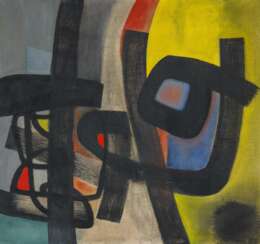








Karl Fred Dahmen is a German artist, one of the most important representatives of German post-war art and the Informel movement. In 1967 he took up the post of Professor of Fine Arts at the Munich Academy.
He painted expressive abstract pictures with a tectonic structure, and since the mid-1950s, relief paintings and collages on the damage to the local landscape caused by open-pit mining. Later in Dahmen's oeuvre, glazed object boxes appear, recounting the impressions of his daily working life.










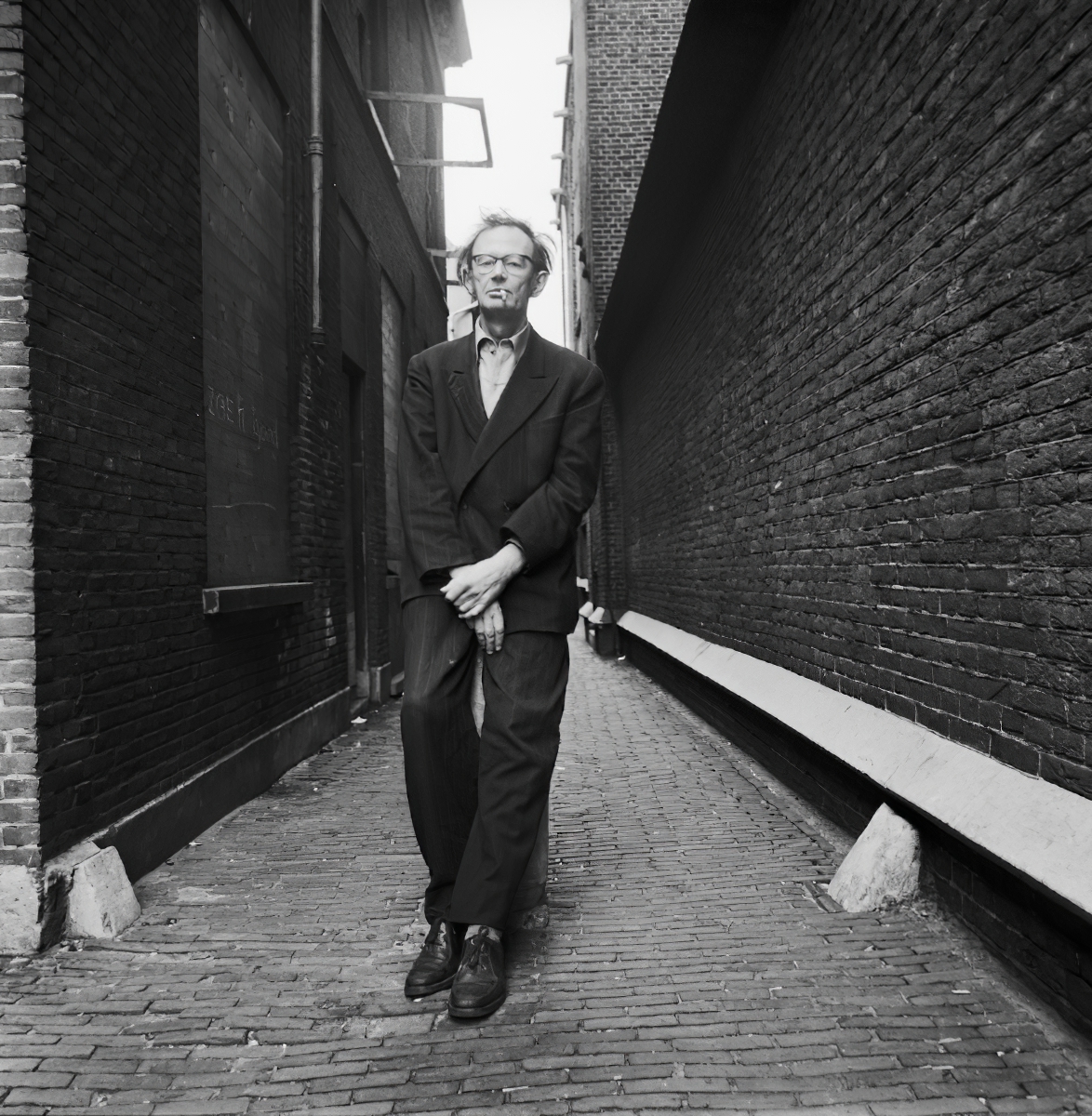
Jan Schoonhoven was a Dutch painter.


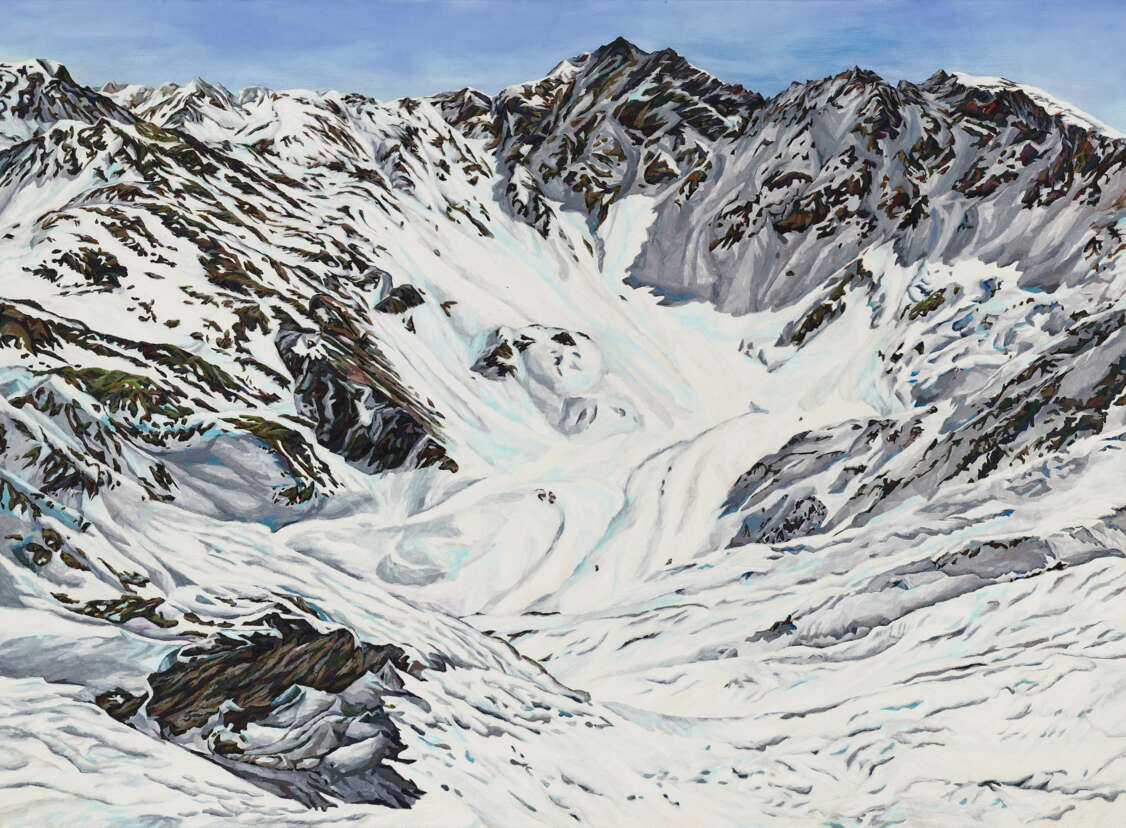
Seo Soo-Kyoung, known by the artist name SEO, is a South Korean contemporary artist who lives and works in Berlin, Germany. Her artist name comes from her family name Seo written in capital letters.


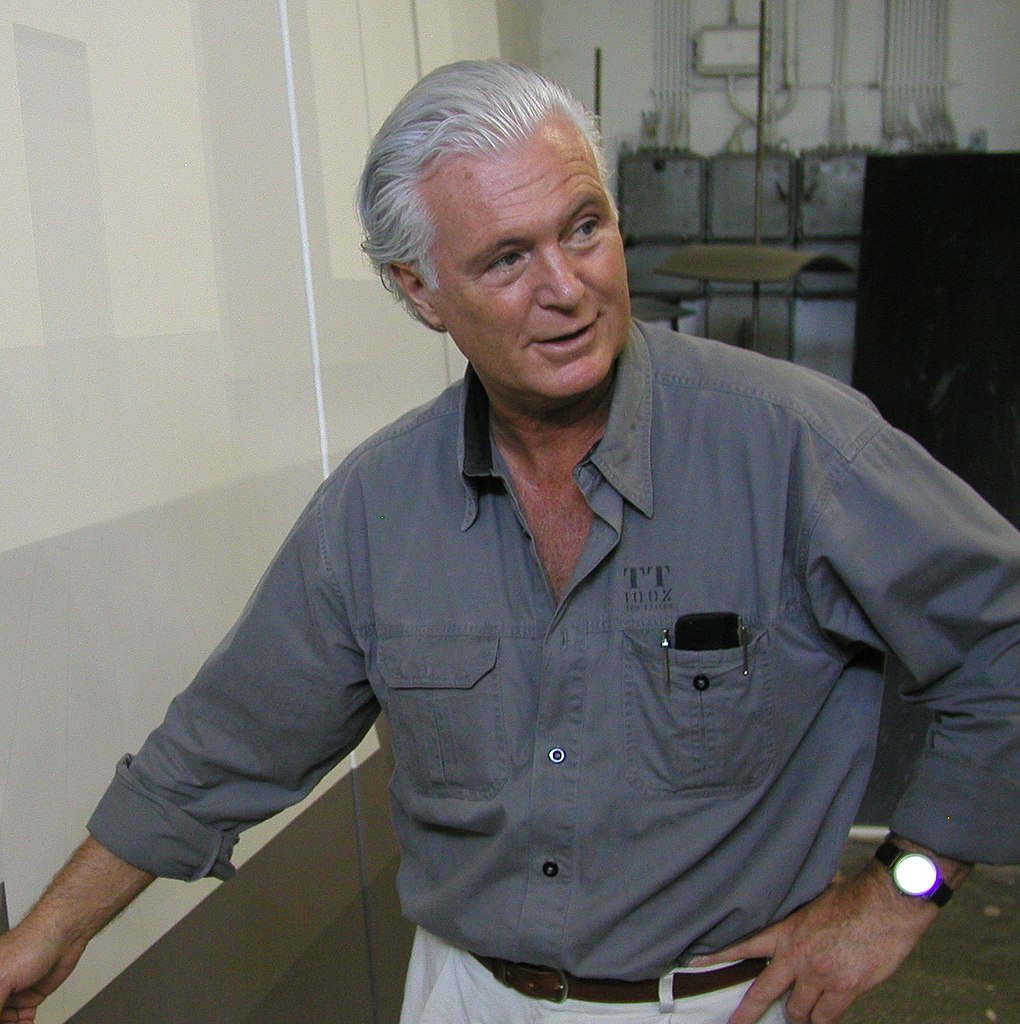
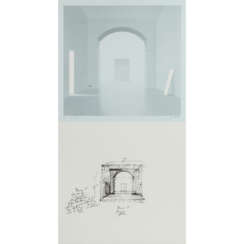
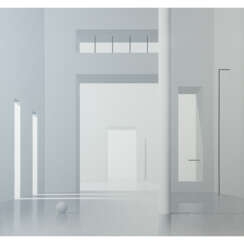
Ben Willikens (Eberhard-Günter Willikens) is a German artist. He is known for his rigorous spatial concepts in grey. Since 1985, he has also designed stage sets for various German opera houses.
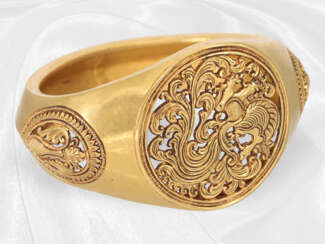



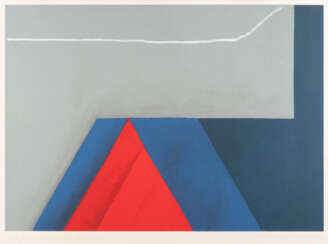

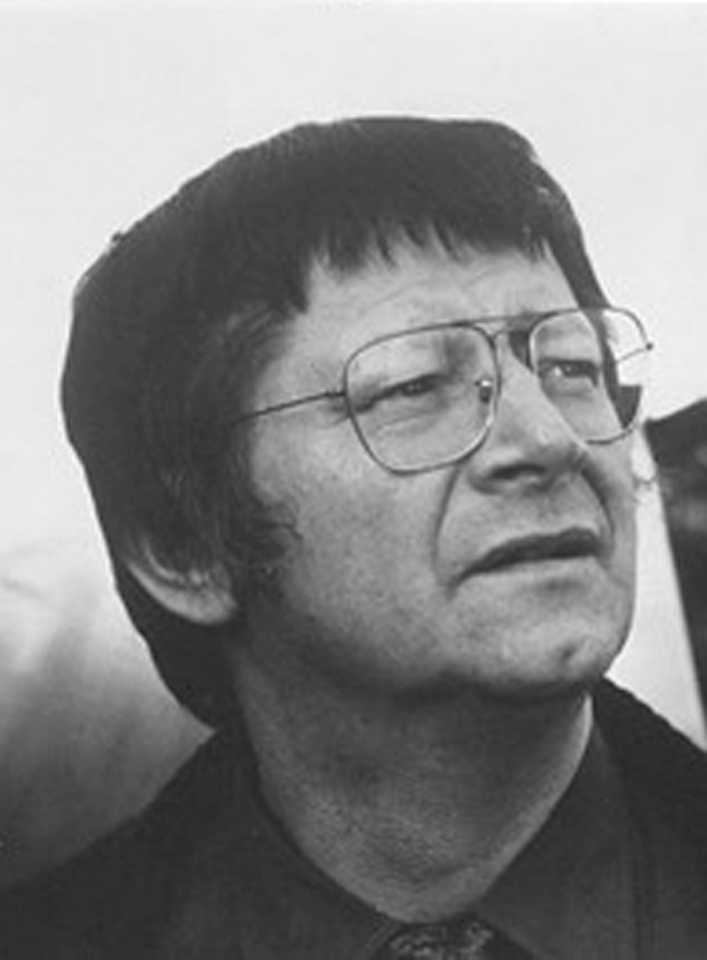
Otto Herbert Hajek was a German abstractionist painter, graphic artist and sculptor.
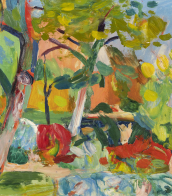


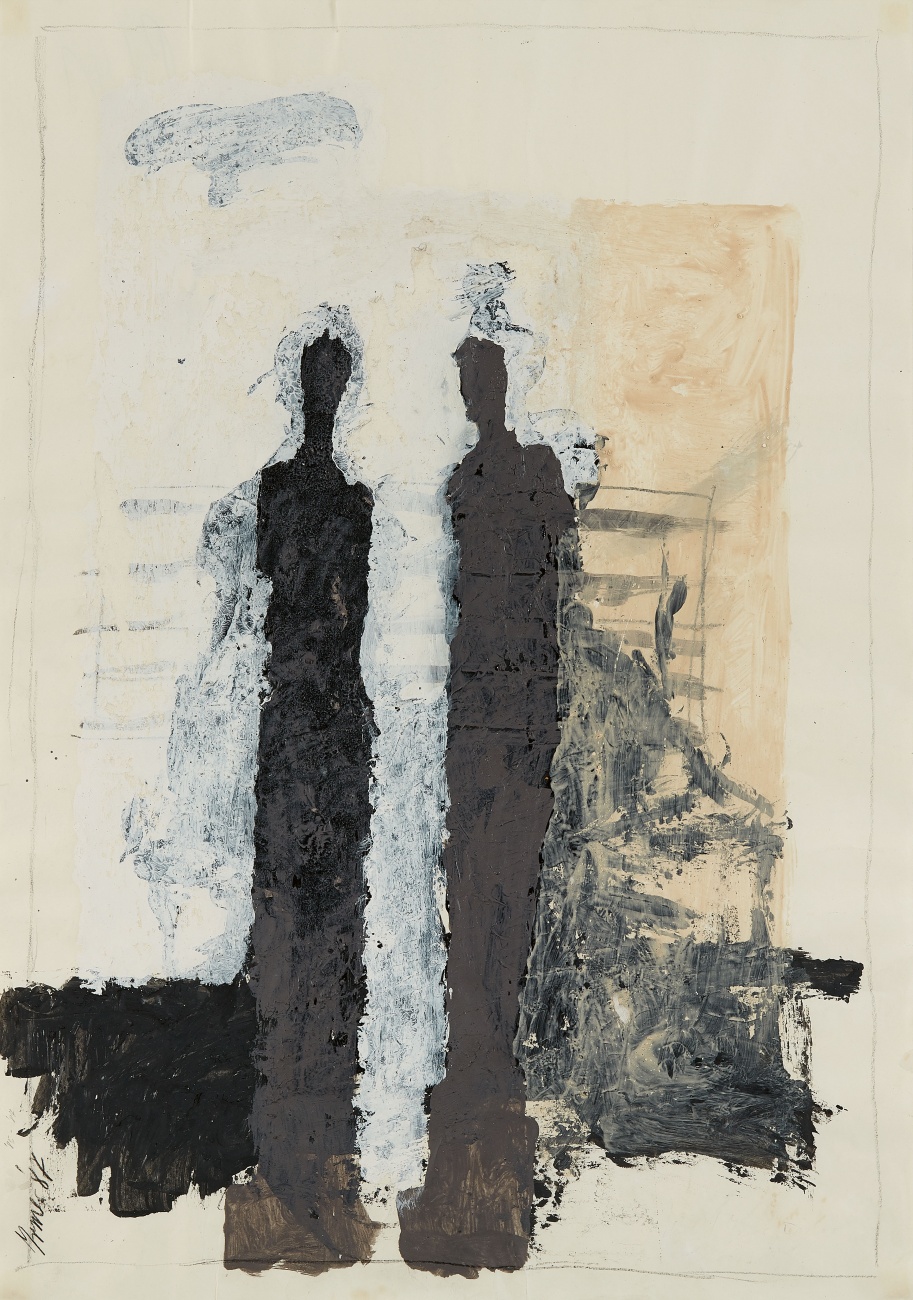
Michael Irmer is a German visual conceptual artist.
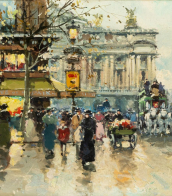


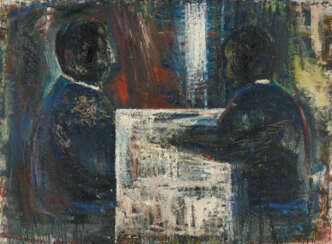

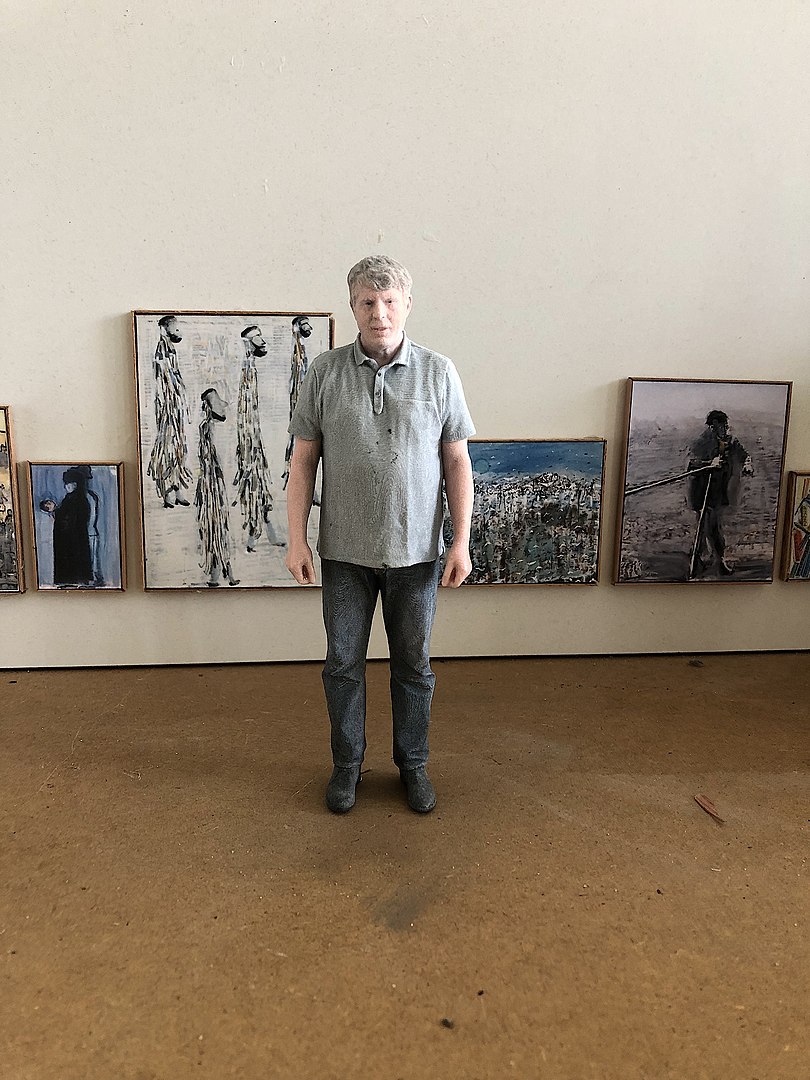
Thomas Hartmann is a German painter. He taught at the Nuremberg Art Academy until his retirement in 2018.
Thomas Hartmann is one of the most influential German painters of recent decades.
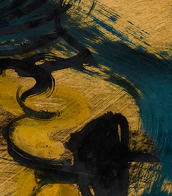
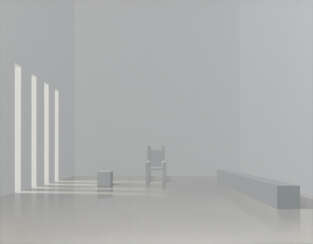




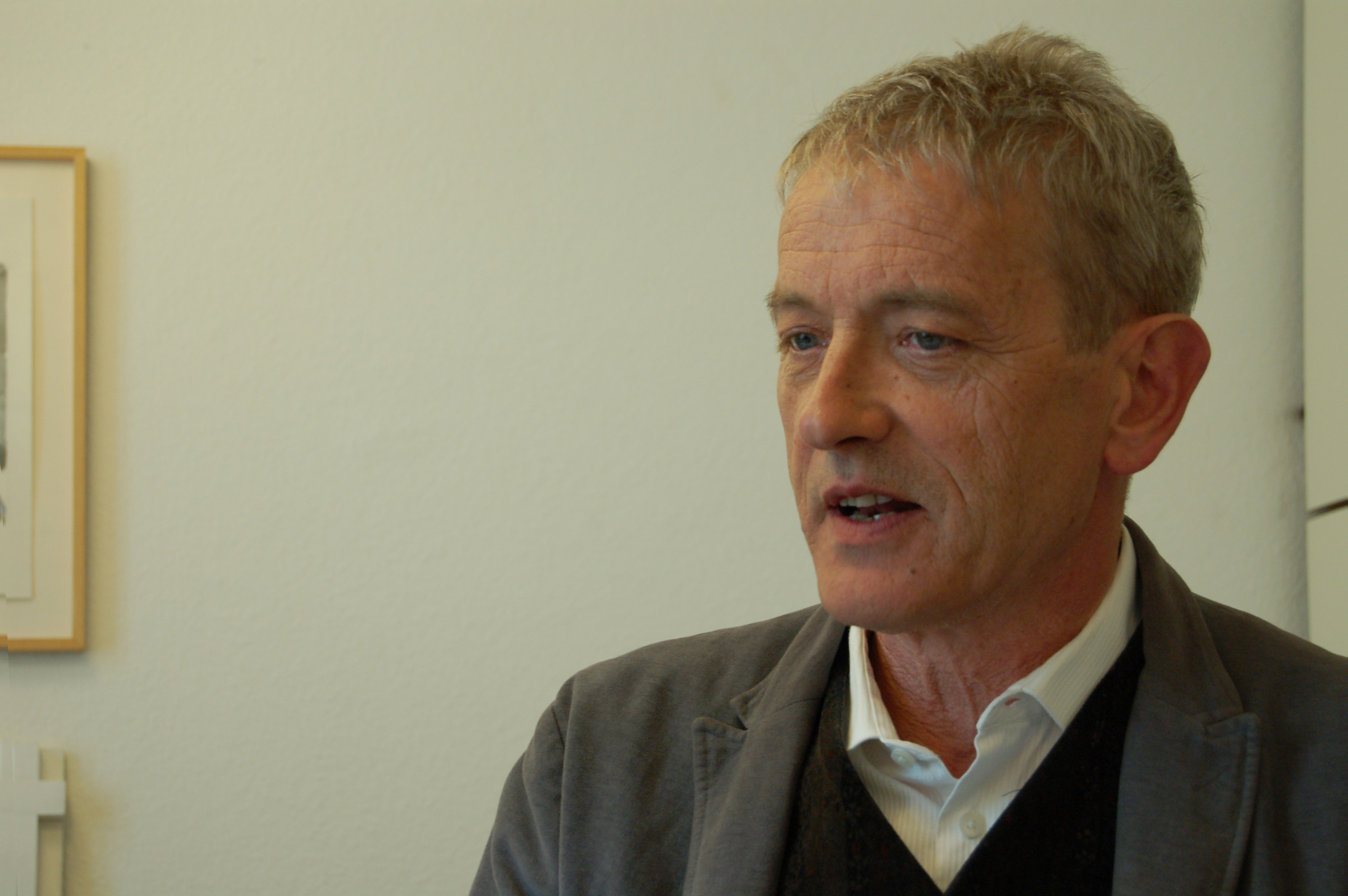
Thomas Huber is a Swiss contemporary artist renowned for his ability to weave metaphysical narratives and architectural elements into his figurative paintings. Thomas Huber has cultivated a unique artistic language that explores the relationship between space, reality, and perception through a blend of surreal scenarios and precise perspective.
Thomas Huber's work is characterized by its introspective quality, often described as "paintings about paintings," reflecting on the nature of art itself. His style, marked by clean lines and a cool, detached aesthetic, uses architecture and space to question the boundaries between illusion and reality. This approach has led to a body of work that is both ironic and timeless, inviting viewers into a fantasy world constructed from complex symbols and contradictory elements.
Throughout his career, Huber has received numerous accolades, including the prestigious Prix Meret Oppenheim in 2013 and the Art Prize of the Heitland Foundation in 2005. His works are part of significant collections in both Germany and France, and he has been featured in solo and group exhibitions worldwide.
One of Thomas Huber's recent exhibitions, "Lago Maggiore" at MASI Lugano, showcases a series of large-scale paintings and watercolors inspired by the breathtaking views of Lake Maggiore. This body of work represents a pictorial homecoming for Huber, reflecting a shift in his artistic focus towards nature and the landscapes of his youth. The exhibition not only highlights Huber's transition from architectural to natural themes but also maintains his signature exploration of the imaginary and real through meticulous composition and atmospheric depth.
For collectors and experts in art and antiques, Thomas Huber's oeuvre offers a rich exploration of the intersections between art, architecture, and the metaphysical. His ability to challenge and redefine perceptions of reality through his work makes him a significant figure in contemporary art.
To discover more about Thomas Huber's work and to stay updated on new sales and auction events related to his art, signing up for updates is highly recommended. This subscription is a valuable resource for anyone interested in the evolving landscape of contemporary art and the unique contributions of Thomas Huber.






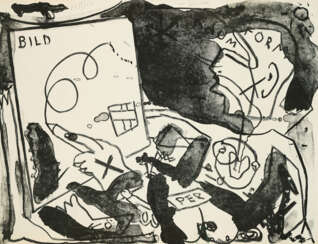

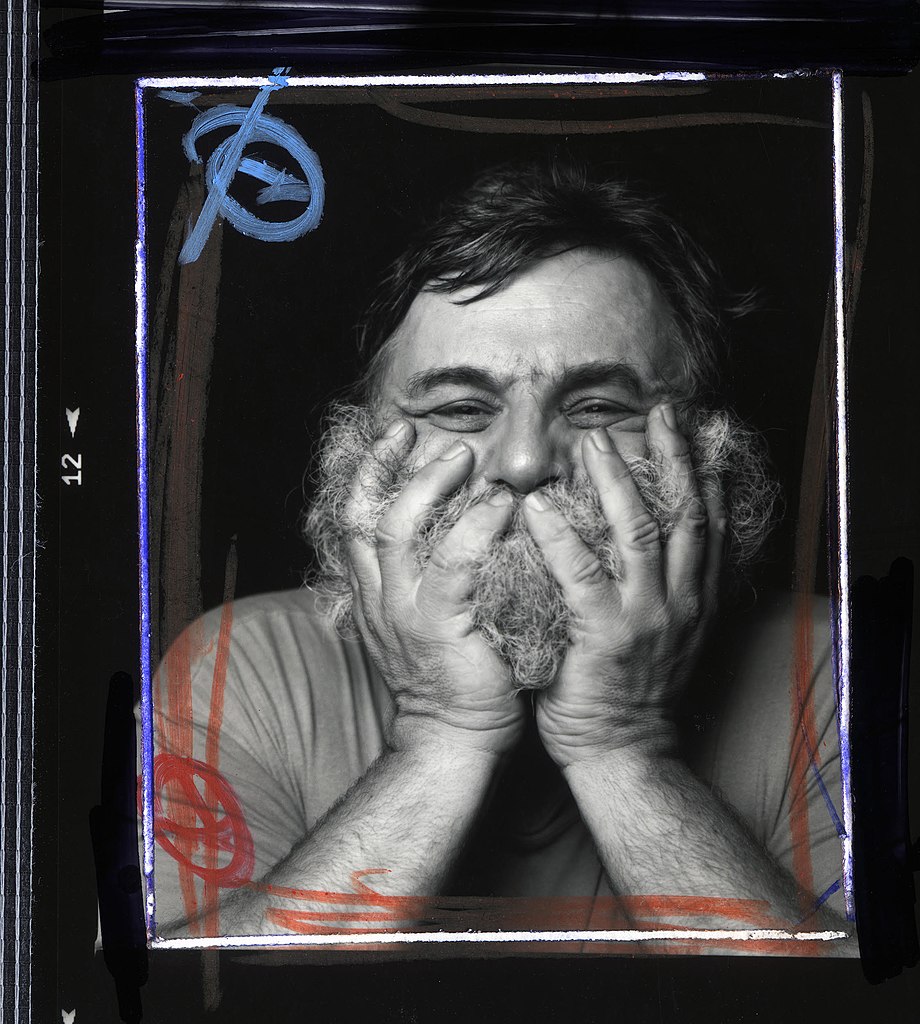
Ralf Winkler, alias A. R. Penck, was a German painter, printmaker, sculptor, and jazz drummer. A neo-expressionist, he became known for his visual style, reminiscent of the influence of primitive art.