simrock








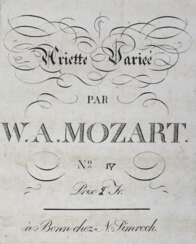








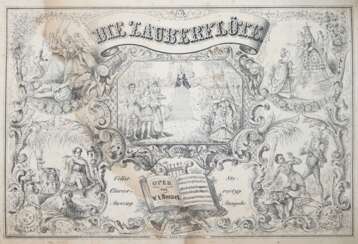

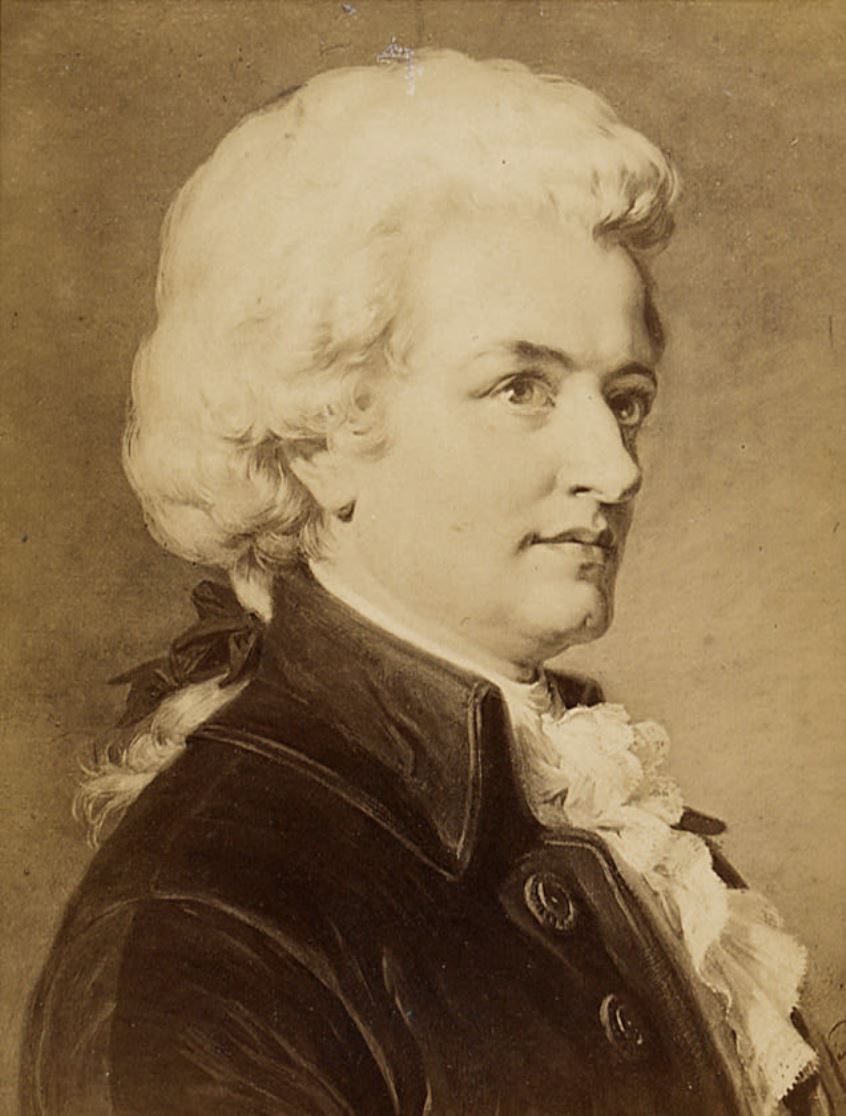
Wolfgang Amadeus Mozart, full name Johann Chrysostomus Wolfgang Amadeus Mozart, was an Austrian composer and virtuoso musician. Mozart is one of the greatest composers in music history on par with Beethoven and Haydn.
Wolfgang was born into the family of violinist and composer Leopold Mozart (1719-1787), at the age of five he had already begun composing and gave his first public performance. His older sister Maria Anna (1751-1829) was also a prodigy, and from 1763 Leopold and his children began traveling around Europe with performances.
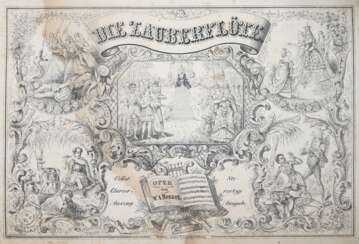
Mozart had a phenomenal musical ear, memory and was a superb improviser. Unlike any other composer in music history, he was versatile and wrote in all musical genres of his time. During his short life, Mozart composed more than 800 works, many of which are recognized as the pinnacle of the symphonic, concert, chamber, opera and choral repertoire. The general public is familiar with the composer's three operas: The Marriage of Figaro, Don Giovanni and The Magic Flute.
Society did not immediately appreciate the scale of Mozart's genius. It was only many years later that the vivid image of a prodigy, a refined salon composer who could miraculously think through an entire work in his head, gave way to the image of a serious, meticulous and brilliant creator of music.


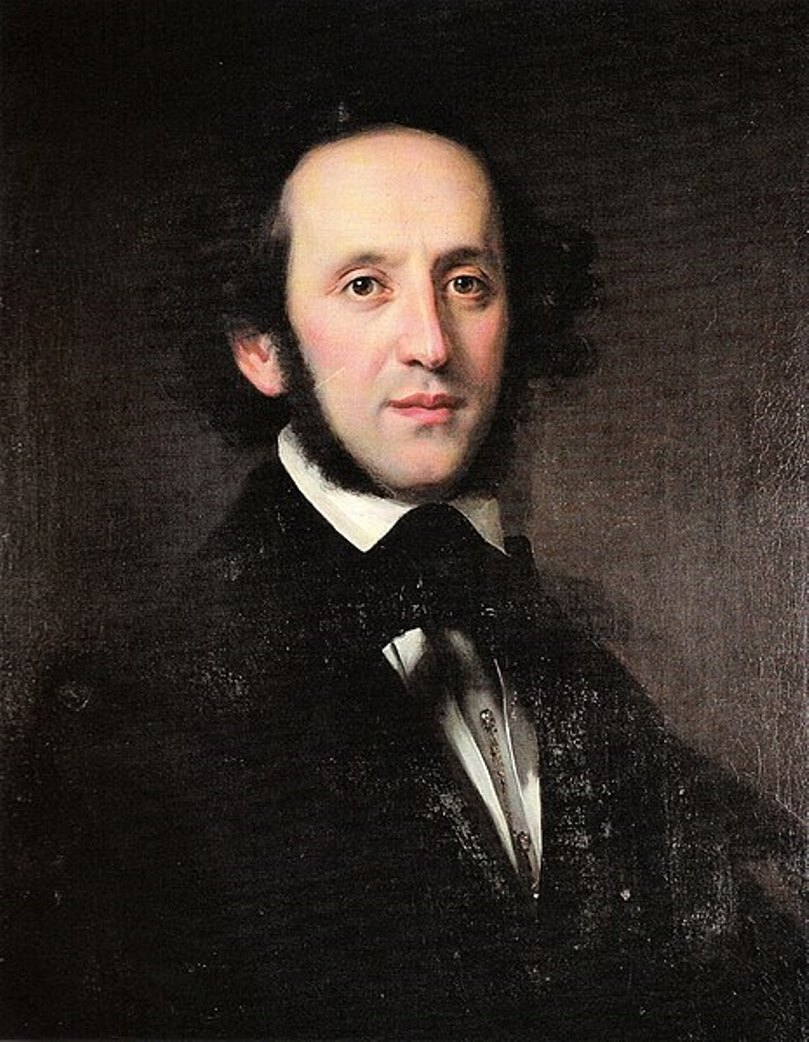
Felix Mendelssohn (full name Jakob Ludwig Felix Mendelssohn Bartholdy) was a German composer, pianist, conductor, teacher, and one of the greatest representatives of Romanticism in music.
Felix was born into a Jewish musical family that later converted to Christianity. He received a versatile education and already as a child wrote many musical compositions, including 5 operas, 11 symphonies for string orchestra, concertos, sonatas and fugues. Mendelssohn's first public performance took place in Berlin in 1818, when he was nine years old. In 1821 Mendelssohn was introduced to J.W. von Goethe, for whom he performed works by J.S. Bach and Mozart and to whom he dedicated his Piano Quartet No. 3 in B minor. A friendship developed between the famous wise poet and the 12-year-old musician.
A few years later, the talented musician began conducting in various orchestras in Europe, and became acquainted with Carl Weber. In England, where Mendelssohn visited very often, by the middle of the 19th century his music had become very popular, even with Queen Victoria he was the most favorite composer. He dedicated his Symphony No. 3 in A minor major (Scottish Symphony) to the Queen.
Among Mendelssohn's most famous works are A Midsummer Night's Dream (1826), the Italian Symphony (1833), a violin concerto (1844), two piano concertos (1831, 1837), the oratorio Elijah (1846) and several chamber pieces. The tradition of playing the "Wedding March" from A Midsummer Night's Dream in wedding processions dates back to its performance at the wedding of a royal princess in 1858, already after Mendelssohn's death.
In 1843, Mendelssohn founded a conservatory in Leipzig, where he taught composition with Schumann. Mendelssohn was one of the first great Romantic composers of the nineteenth century.

Wolfgang Amadeus Mozart, full name Johann Chrysostomus Wolfgang Amadeus Mozart, was an Austrian composer and virtuoso musician. Mozart is one of the greatest composers in music history on par with Beethoven and Haydn.
Wolfgang was born into the family of violinist and composer Leopold Mozart (1719-1787), at the age of five he had already begun composing and gave his first public performance. His older sister Maria Anna (1751-1829) was also a prodigy, and from 1763 Leopold and his children began traveling around Europe with performances.
Mozart had a phenomenal musical ear, memory and was a superb improviser. Unlike any other composer in music history, he was versatile and wrote in all musical genres of his time. During his short life, Mozart composed more than 800 works, many of which are recognized as the pinnacle of the symphonic, concert, chamber, opera and choral repertoire. The general public is familiar with the composer's three operas: The Marriage of Figaro, Don Giovanni and The Magic Flute.
Society did not immediately appreciate the scale of Mozart's genius. It was only many years later that the vivid image of a prodigy, a refined salon composer who could miraculously think through an entire work in his head, gave way to the image of a serious, meticulous and brilliant creator of music.




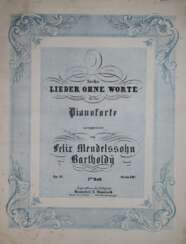

Felix Mendelssohn (full name Jakob Ludwig Felix Mendelssohn Bartholdy) was a German composer, pianist, conductor, teacher, and one of the greatest representatives of Romanticism in music.
Felix was born into a Jewish musical family that later converted to Christianity. He received a versatile education and already as a child wrote many musical compositions, including 5 operas, 11 symphonies for string orchestra, concertos, sonatas and fugues. Mendelssohn's first public performance took place in Berlin in 1818, when he was nine years old. In 1821 Mendelssohn was introduced to J.W. von Goethe, for whom he performed works by J.S. Bach and Mozart and to whom he dedicated his Piano Quartet No. 3 in B minor. A friendship developed between the famous wise poet and the 12-year-old musician.
A few years later, the talented musician began conducting in various orchestras in Europe, and became acquainted with Carl Weber. In England, where Mendelssohn visited very often, by the middle of the 19th century his music had become very popular, even with Queen Victoria he was the most favorite composer. He dedicated his Symphony No. 3 in A minor major (Scottish Symphony) to the Queen.
Among Mendelssohn's most famous works are A Midsummer Night's Dream (1826), the Italian Symphony (1833), a violin concerto (1844), two piano concertos (1831, 1837), the oratorio Elijah (1846) and several chamber pieces. The tradition of playing the "Wedding March" from A Midsummer Night's Dream in wedding processions dates back to its performance at the wedding of a royal princess in 1858, already after Mendelssohn's death.
In 1843, Mendelssohn founded a conservatory in Leipzig, where he taught composition with Schumann. Mendelssohn was one of the first great Romantic composers of the nineteenth century.
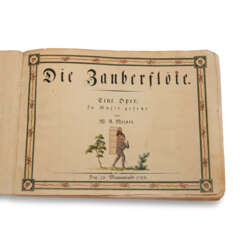

Wolfgang Amadeus Mozart, full name Johann Chrysostomus Wolfgang Amadeus Mozart, was an Austrian composer and virtuoso musician. Mozart is one of the greatest composers in music history on par with Beethoven and Haydn.
Wolfgang was born into the family of violinist and composer Leopold Mozart (1719-1787), at the age of five he had already begun composing and gave his first public performance. His older sister Maria Anna (1751-1829) was also a prodigy, and from 1763 Leopold and his children began traveling around Europe with performances.
Mozart had a phenomenal musical ear, memory and was a superb improviser. Unlike any other composer in music history, he was versatile and wrote in all musical genres of his time. During his short life, Mozart composed more than 800 works, many of which are recognized as the pinnacle of the symphonic, concert, chamber, opera and choral repertoire. The general public is familiar with the composer's three operas: The Marriage of Figaro, Don Giovanni and The Magic Flute.
Society did not immediately appreciate the scale of Mozart's genius. It was only many years later that the vivid image of a prodigy, a refined salon composer who could miraculously think through an entire work in his head, gave way to the image of a serious, meticulous and brilliant creator of music.


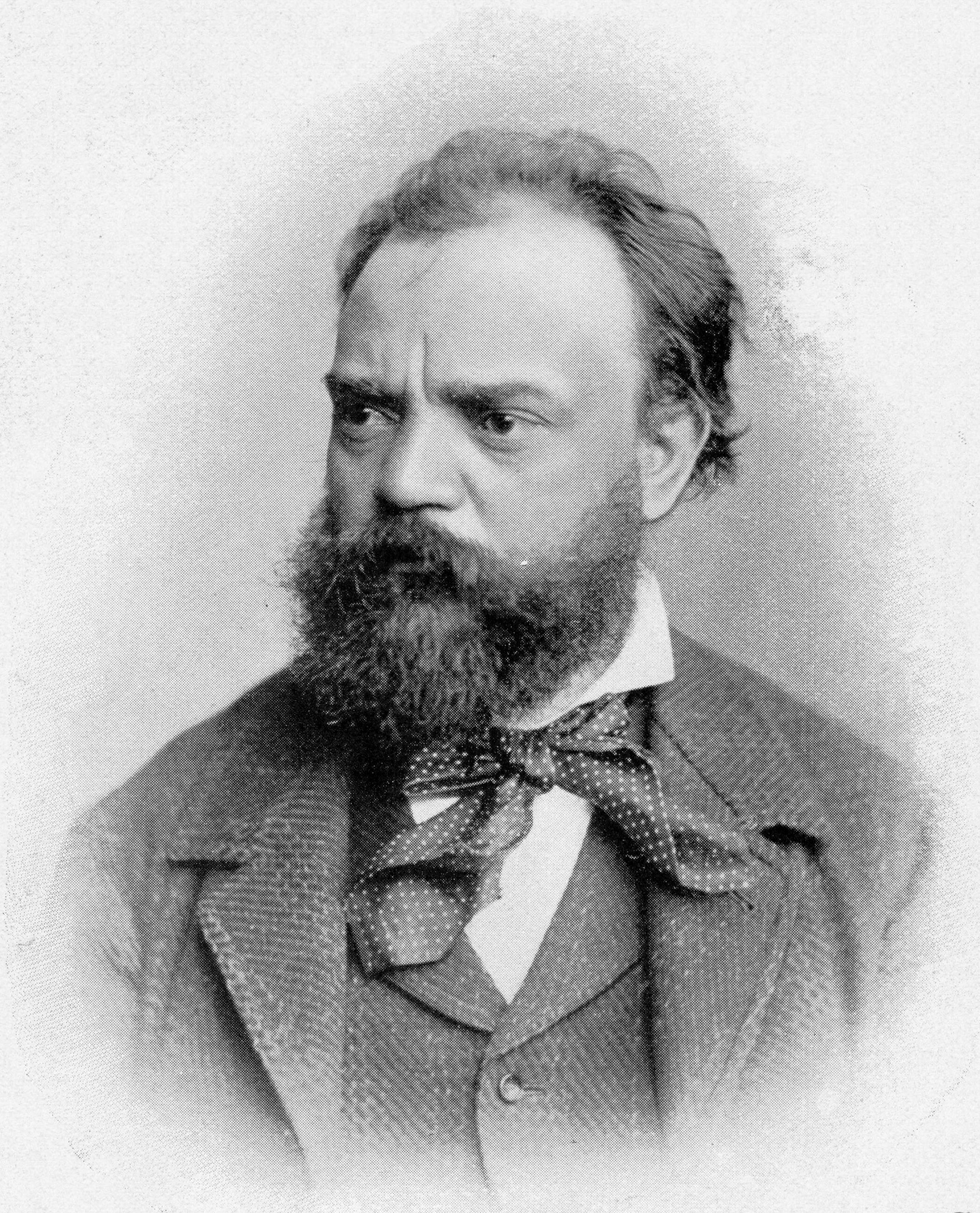
Antonín Leopold Dvořák was a Czech composer of the Romantic era and one of the founders of the Czech national school of music.
Dvořák showed musical talent early on and became an accomplished violinist. After graduating from the Institute of Church Music in Prague, he worked as a musician in various ensembles and taught, but lived very poorly. However, already in the 1860s he composed two symphonies, an opera, chamber music and many songs.
In 1875 Dvořák received a state scholarship from the Austrian government and met Johannes Brahms, with whom he developed a fruitful friendship. Dvořák's Moravian Duets (1876) for soprano and contralto and Slavonic Dances (1878) for piano duet first brought the composer and the music of his country to the world's attention. In 1884 he made a successful visit to England, and in 1890 the great composer Pyotr Ilyich Tchaikovsky arranged two concerts for him in Moscow. The following year Dvořák became an honorary doctor of music at Cambridge University.
In 1892 Dvořák accepted the post of director of the newly established National Conservatory in New York and, in addition to this work, traveled extensively in the United States, but in 1895 he returned to his homeland.
Through his work Dvořák expanded the path of the Czech national music school started by Bedřich Smetana. He composed in almost all classical music genres, and his symphonies and concertos, choruses and chamber compositions continue to be performed all over the world. Dvořák's best-known works include Symphony No. 9 "From the New World" (written in the USA), the opera Rusalka, the Concerto for Cello and Orchestra, the "American" String Quartet, Requiem, Stabat Mater and Slavonic Dances.

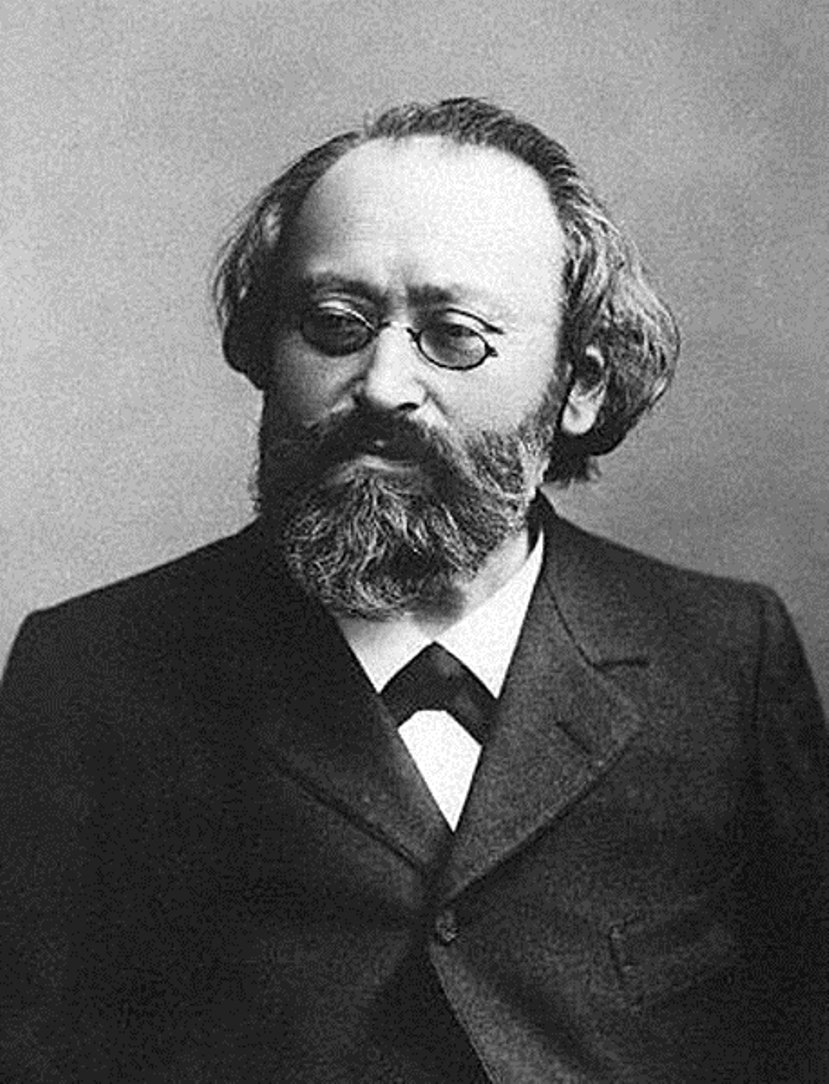
Max Bruch, full name Max Christian Friedrich Bruch, was a German composer and conductor, violinist and teacher of the late Romantic period.
Bruch studied with the composer and pianist Ferdinand Hiller (1853-1857), wrote a symphony at age 14, and won a scholarship that allowed him to study in Cologne. His first opera, Joke, Deceit and Revenge, was performed in 1858. He conducted orchestral and choral societies in Germany, England and Poland, and from 1890 to 1911 he was a professor at the Berlin Academy of Arts.
Bruch was an ambitious and prolific composer. His greatest success during his lifetime was his huge works for chorus and orchestra, Beautiful Ellen (1867) and Odysseus (1872). He was also the author of string concertos and pieces for violin and orchestra. His Violin Concerto No. 1 in G minor (1866) is one of the most popular Romantic violin concertos.



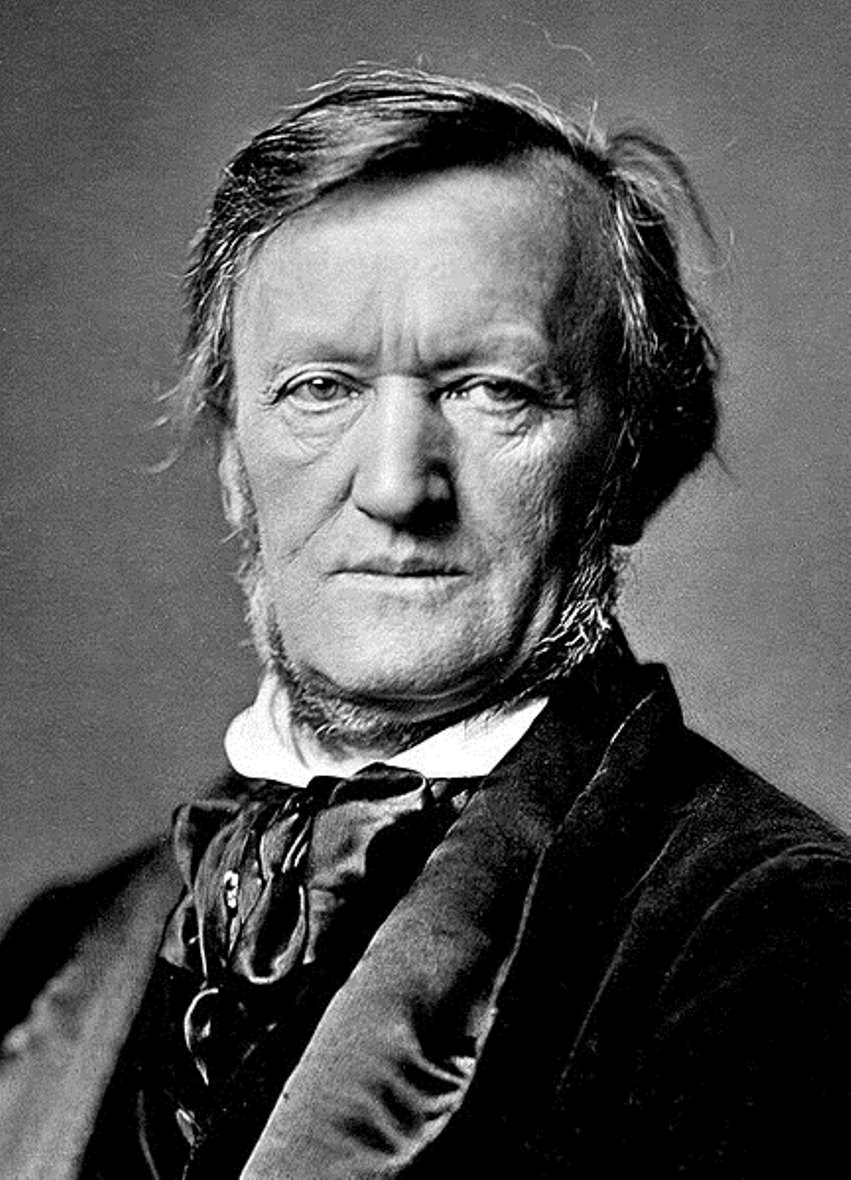
Wilhelm Richard Wagner was a German pioneering composer, conductor and opera reformer.
His first proper Symphony in C major was performed at the Leipzig Gewandhaus concerts in 1833. Wagner lived in a colony of poor German artists and made his living in music journalism. Nevertheless, in 1841 he wrote his first representative opera, The Flying Dutchman, based on the legend of a ship captain doomed to sail forever. In 1842 his Rienzi was triumphantly performed in Dresden, after which Wagner was appointed conductor of the court opera and held this position until 1849.
In 1848-49 Wagner became involved in the German Revolution, wrote a number of articles in support of it, and took an active part in the Dresden Uprising of 1849. When the uprising failed, he was forced to flee Germany. His subsequent years were occupied mainly with writing theoretical treatises on philosophy and music. Wagner held anti-Semitic and Nazi views. And reflecting on the future of music, he predicted the disappearance of opera as an artificial entertainment for the elite and the emergence of a new kind of musical stage work for the people, expressing the self-realization of free humanity. This new work was later called "musical drama."
By 1857 his style had been enriched with new interpretations, and Wagner had composed "Rheingold," "Die Walküre," and two acts of "Siegfried." By 1864, however, unwise financial habits had driven him into debt and ruin, and he was forced to flee from prison to Stuttgart. He was rescued by King Louis II, an ardent admirer of Wagner's work. Under his patronage for six years in Munich, the composer's operas were successfully staged. The King also practically ensured him a trouble-free life, thanks to his support Wagner built his own opera house (Bayreuther Festspielhaus), in which many new constructive ideas were realized. The premiere of "The Ring" and "Parsifal" took place here.
As a result of all Wagner's creative innovations and methods, a new kind of art emerged, the distinctive feature of which was a deep and complex symbolism, operating in three inseparable planes - dramatic, verbal and musical. He had a significant influence on European musical culture, especially on the development of opera and symphonic genres.
Richard Wagner's major works include The Flying Dutchman (1843), Tannhäuser (1845), Lohengrin (1850), Tristan und Isolde (1865), Parsifal (1882), and his great tetralogy, The Ring of the Nibelung (1869-76).