studio bar
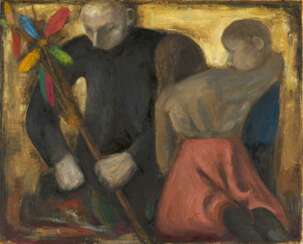

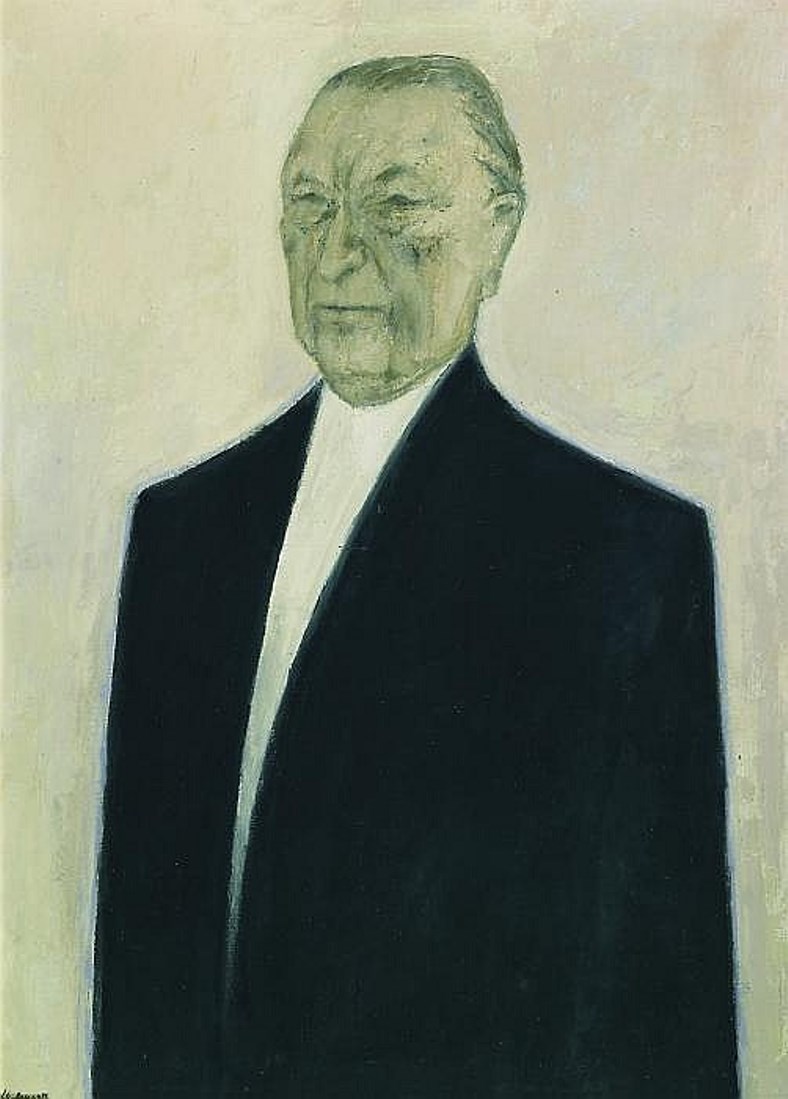
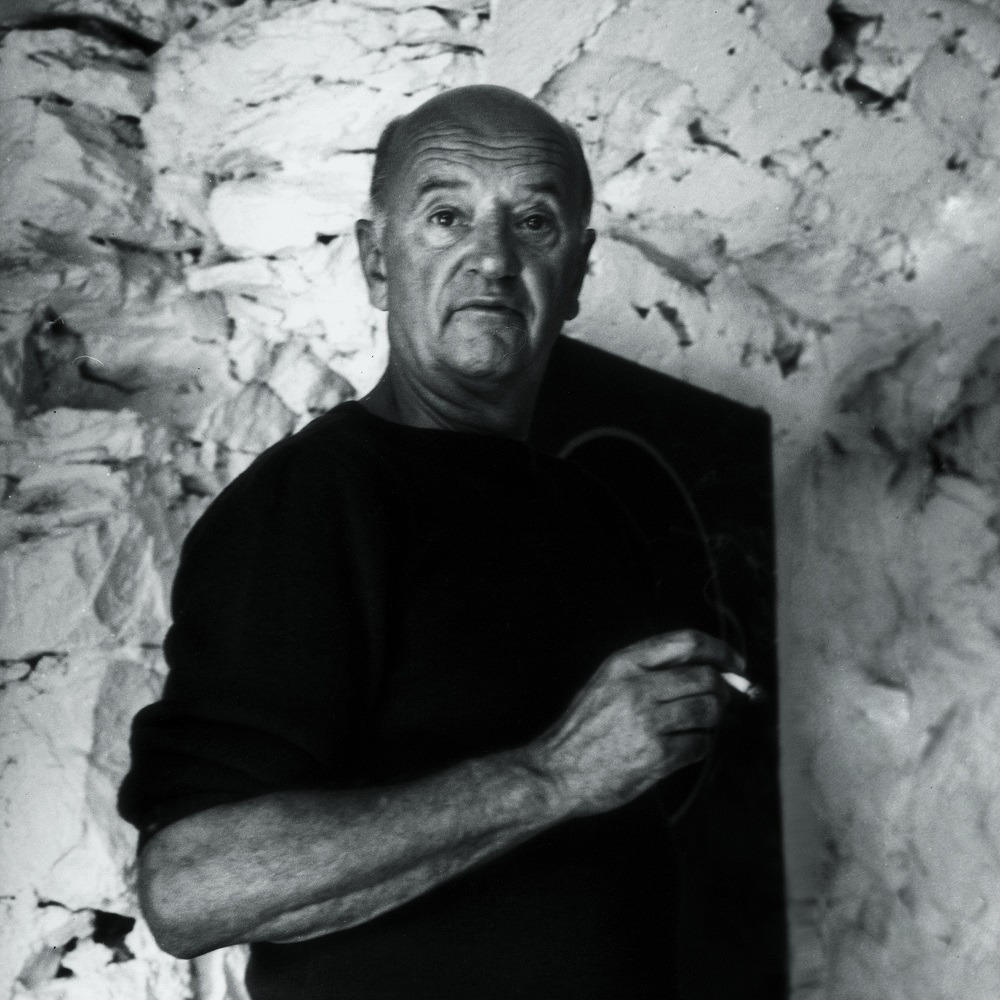
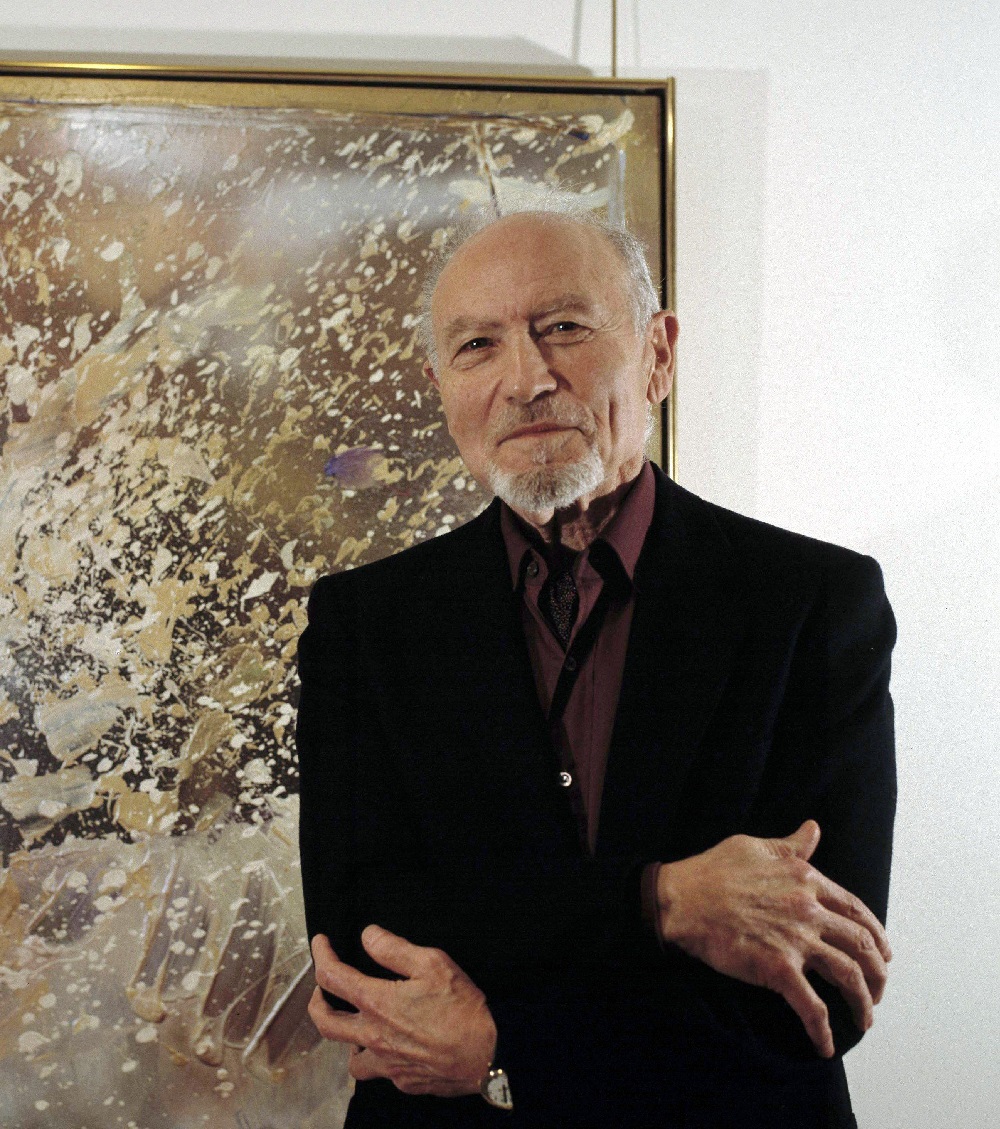
Peter Herkenrath was a German self-taught artist, one of the brightest representatives of abstract art after World War II.
He created what he called "wall paintings": he applied thick layers of paint in relief with spatulas and brushes. Herkenrath painted many portraits of his famous contemporaries, domestic scenes and still lifes.
Peter Herkenrath was a member of the Association of West German Artists and the Association of German Artists.
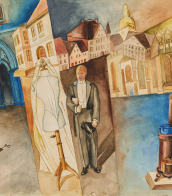
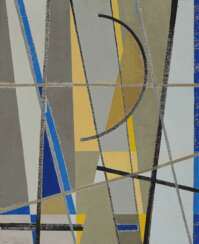

Jean Leppien (born Kurt Leppien) was a German-French painter.
From 1929, Leppien studied at the Bauhaus Dessau with Josef Albers, Wassily Kandinsky and Paul Klee. He lived in France since 1933, from where he was deported in 1944. After the war he stayed in France as Jean Leppien, where he exhibited at the Salon des Réalités Nouvelles. Leppien is one of the most important representatives of the Geometric abstraction in France. Stylistically, he is close to painters such as Alberto Magnelli, Jean Deyrolle, Michel Seuphor, Emile Gilioli and Aurélie Nemours.


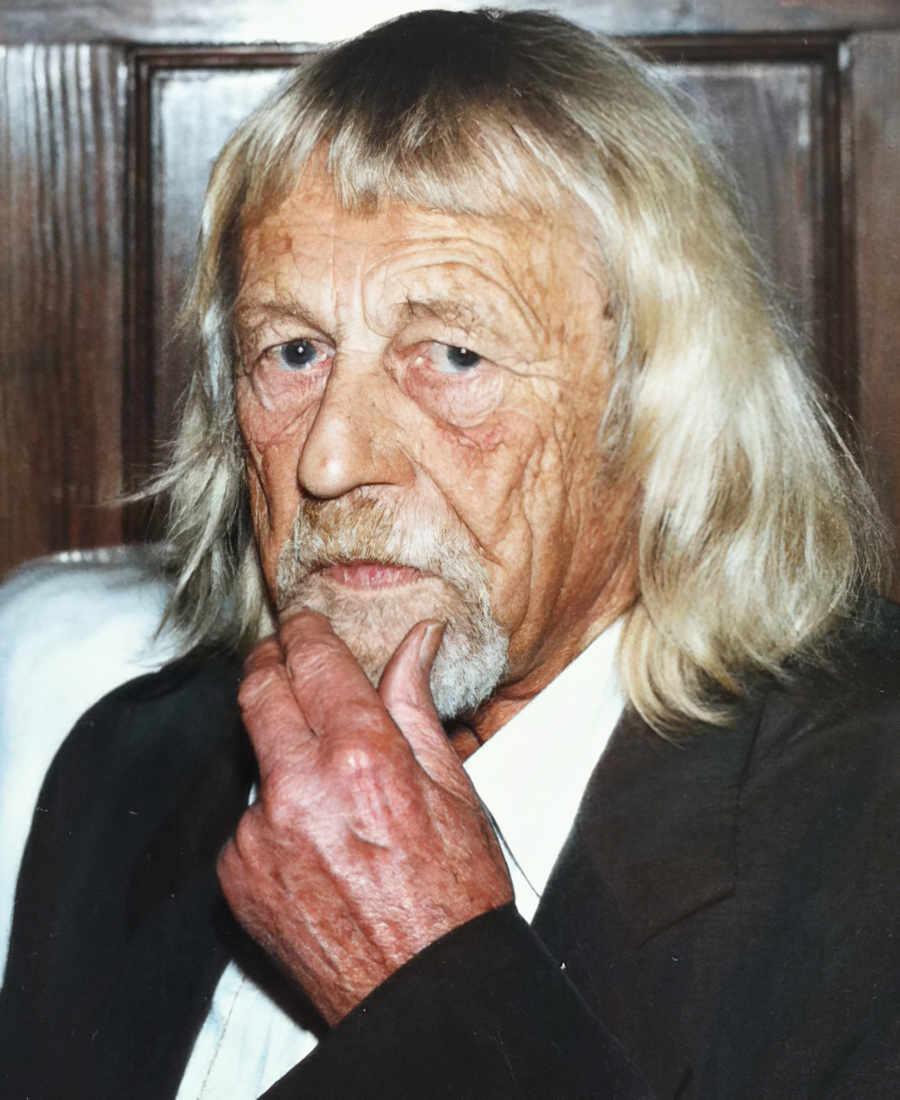
Lothar Quinte was a German painter of the avant-garde.
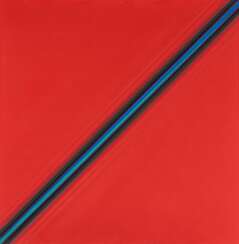

Lothar Quinte was a German painter of the avant-garde.

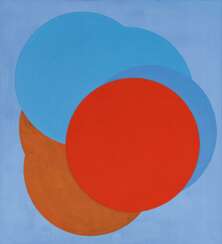
Jevel Demikovski, known professionally as Jules Olitski, was an American painter, printmaker, and sculptor.
Olitski had over 150 one-person exhibitions in his lifetime and is represented in museums worldwide. He has received honorary doctorates from the University of Hartford, Keene State College, and Southern New Hampshire University.

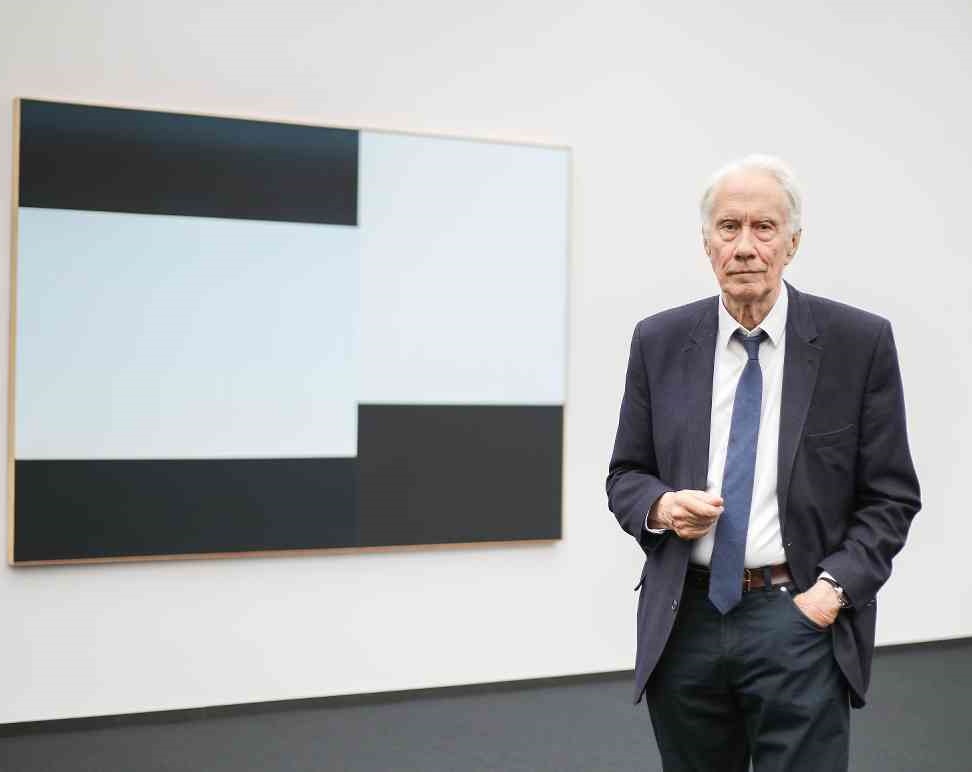
Ulrich Erben is a German painter. From 1980 to 2005, he was a Professor of Painting at the Kunstakademie Münster (University of Fine Arts Münster). He is known as a master of the color field style of abstract painting, closely related to abstract expressionism, in which he creates tension between a defined surface structure, his own method of applying paint to a canvas, and the relationship of various shades of white or color to each other in their placement as part of a composition on the flat plane of a canvas. In 1986 and 2008, he was awarded the Konrad-von-Soest Prize for Visual Arts by the Landschaftsverband Westfalen-Lippe (Landscape Society Westphalia-Lippe).
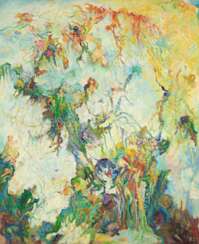

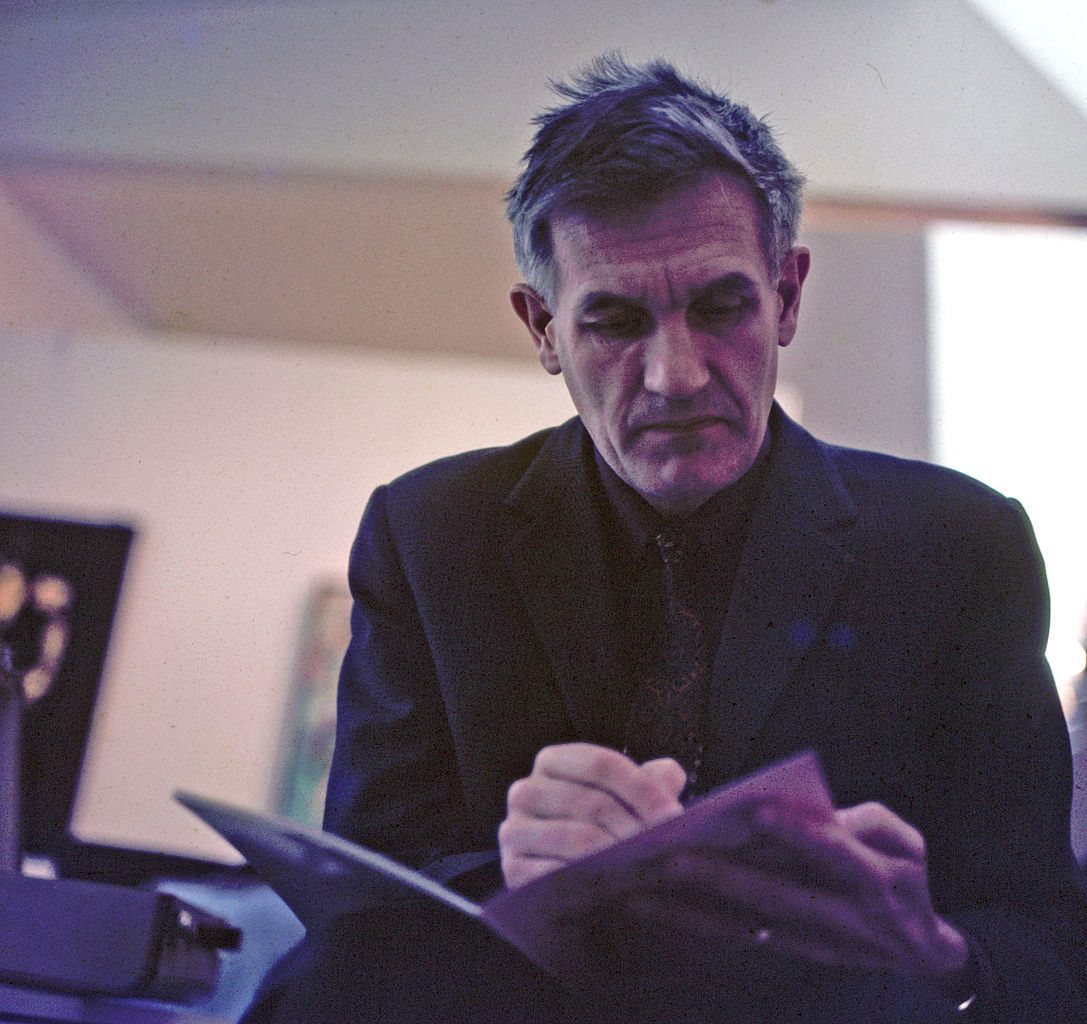
Bernard Schultze was a German painter who co-founded the Quadriga group of artists along with Karl Otto Götz and two other artists.
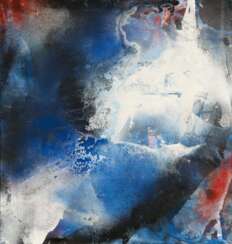

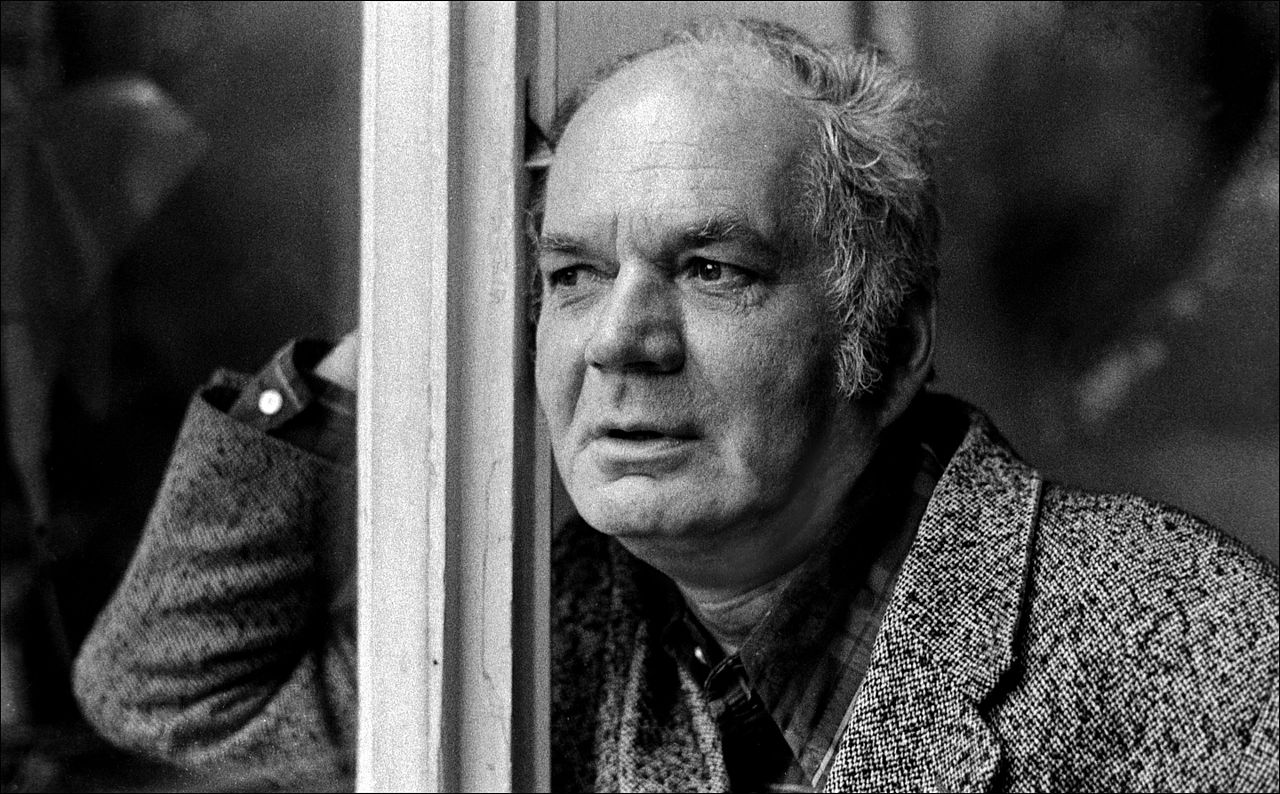
Fred Thieler was a German abstract artist known for his colorful, gestural paintings. He was born in Königsberg, Germany, and studied at the Academy of Fine Arts in Königsberg before moving to Berlin in 1945.
Thieler's early work was influenced by the Expressionist and Surrealist movements, but he soon developed his own unique style characterized by bold colors and dynamic brushstrokes. He often used a palette knife to apply paint to the canvas, creating thick, impasto layers that added depth and texture to his works.
Throughout his career, Thieler participated in numerous exhibitions in Germany and internationally, including the Venice Biennale and Documenta in Kassel. He was also a member of the influential German art group "Quadriga," which included artists such as Bernard Schultze, Karl Otto Götz, and Otto Greis.
In addition to painting, Thieler also worked as a graphic designer and a teacher. He was a professor at the Academy of Fine Arts in Berlin from 1965 to 1981, where he had a significant impact on the next generation of German artists.
Thieler's work can be found in many private collections and museums, including the Museum of Modern Art in New York, the Stedelijk Museum in Amsterdam, and the Museum Ludwig in Cologne.
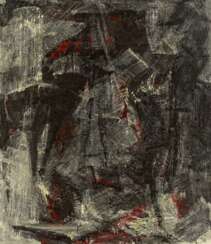

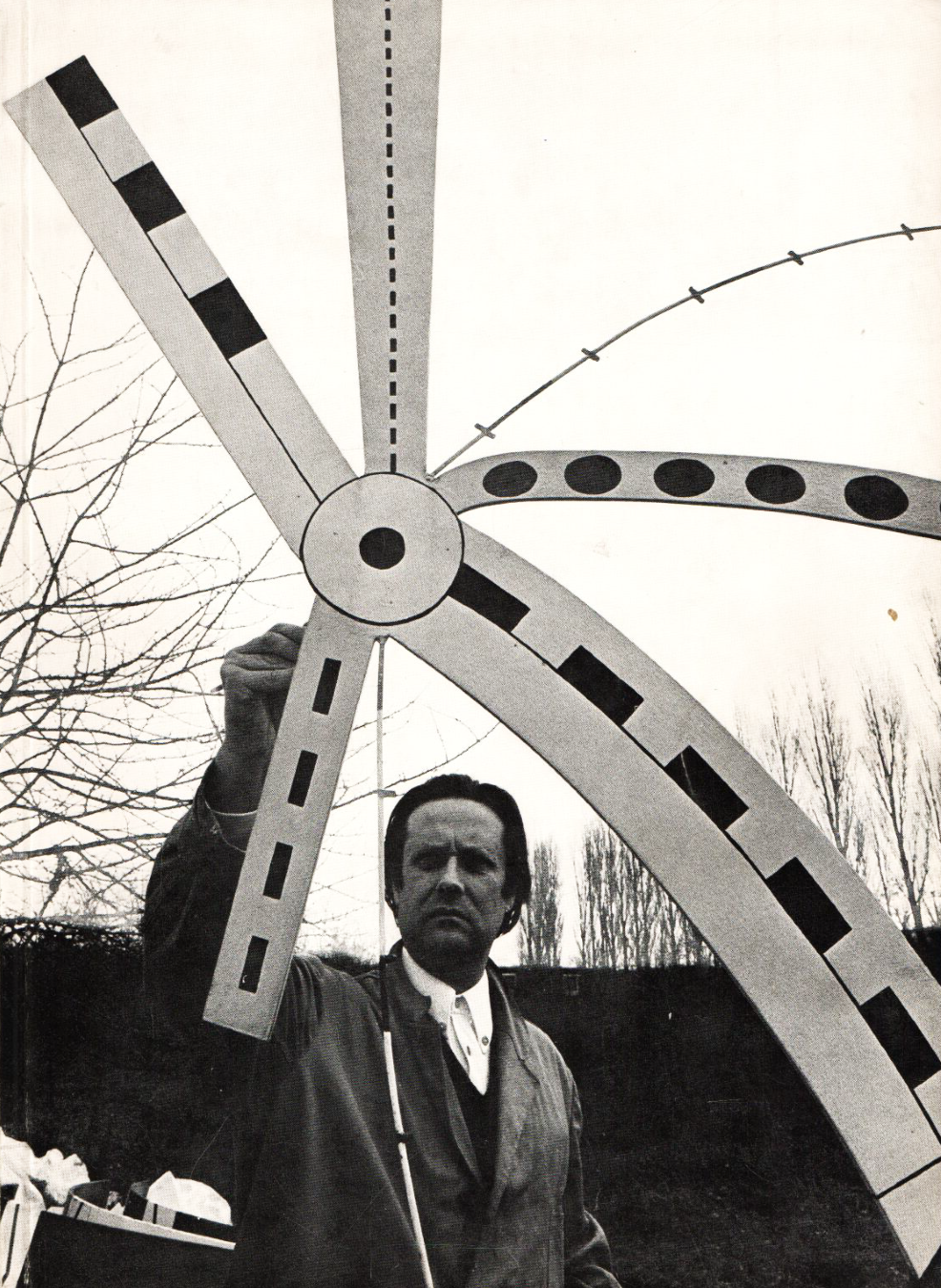
Peter Brüning was an internationally renowned German modernist painter and sculptor. His works of the 1950s can be classified as Informel.
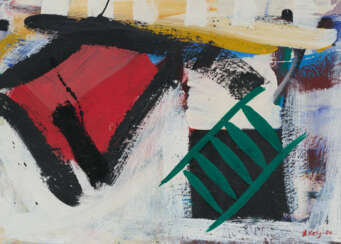




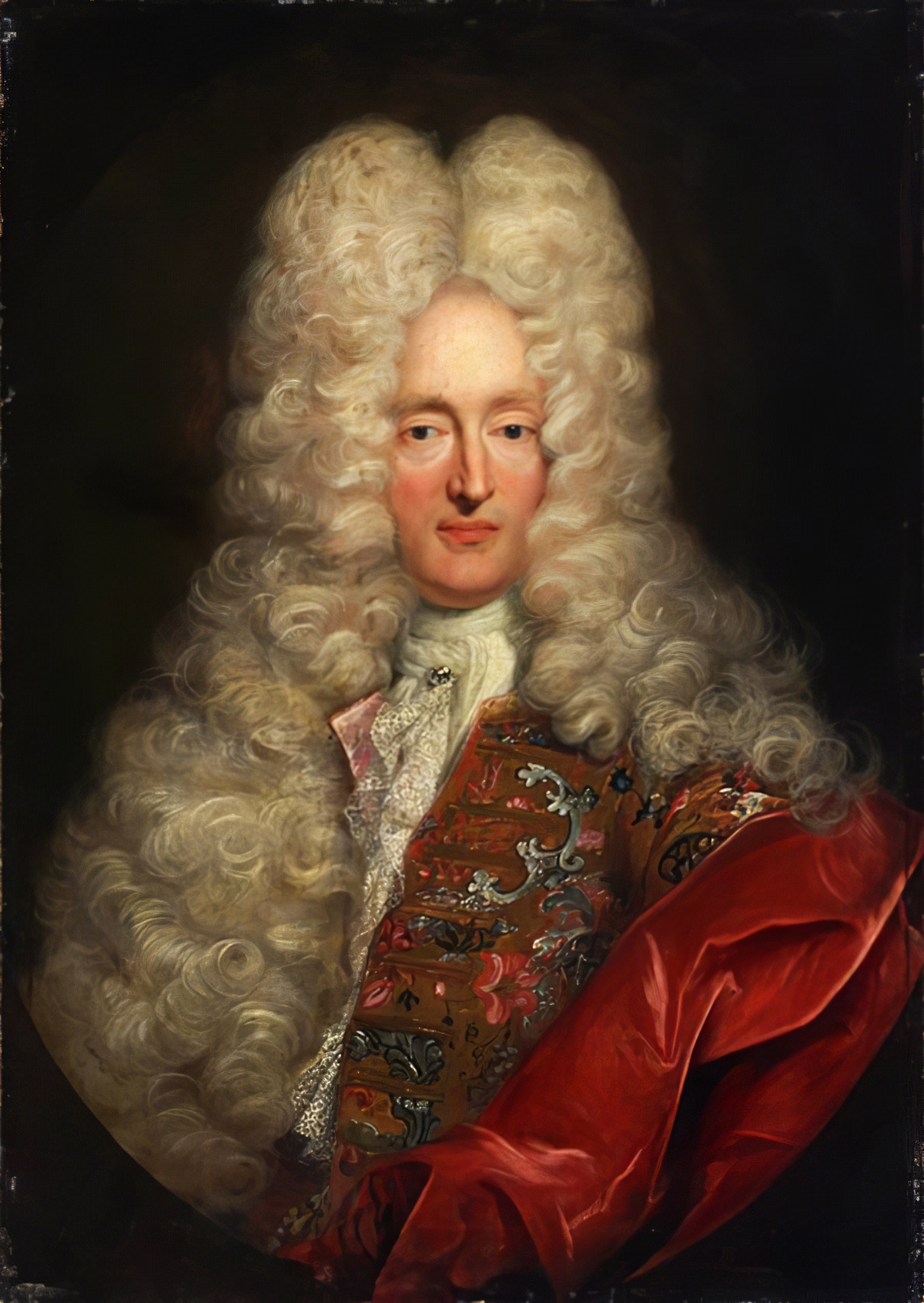
Frans van Stampart was a Flemish portrait painter, printmaker and publisher. The artist established a reputation as a portraitist of European rulers, aristocrats and higher clergy. He had an international career, which brought him to the court in Vienna where he worked as court painter of the Imperial court. He is also known as the co-publisher of two publications which depict the Imperial art collection in Vienna and for which he also made some of the engravings.


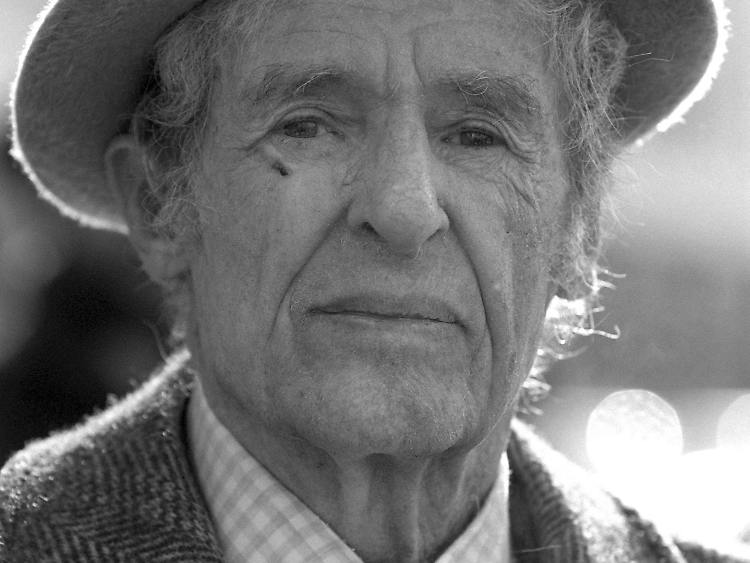
Rupprecht Geiger was a German abstract painter and sculptor. Throughout his career, he favored monochromicity and color-field paintings. For a time, he concentrated solely on the color red.
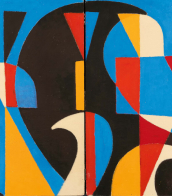


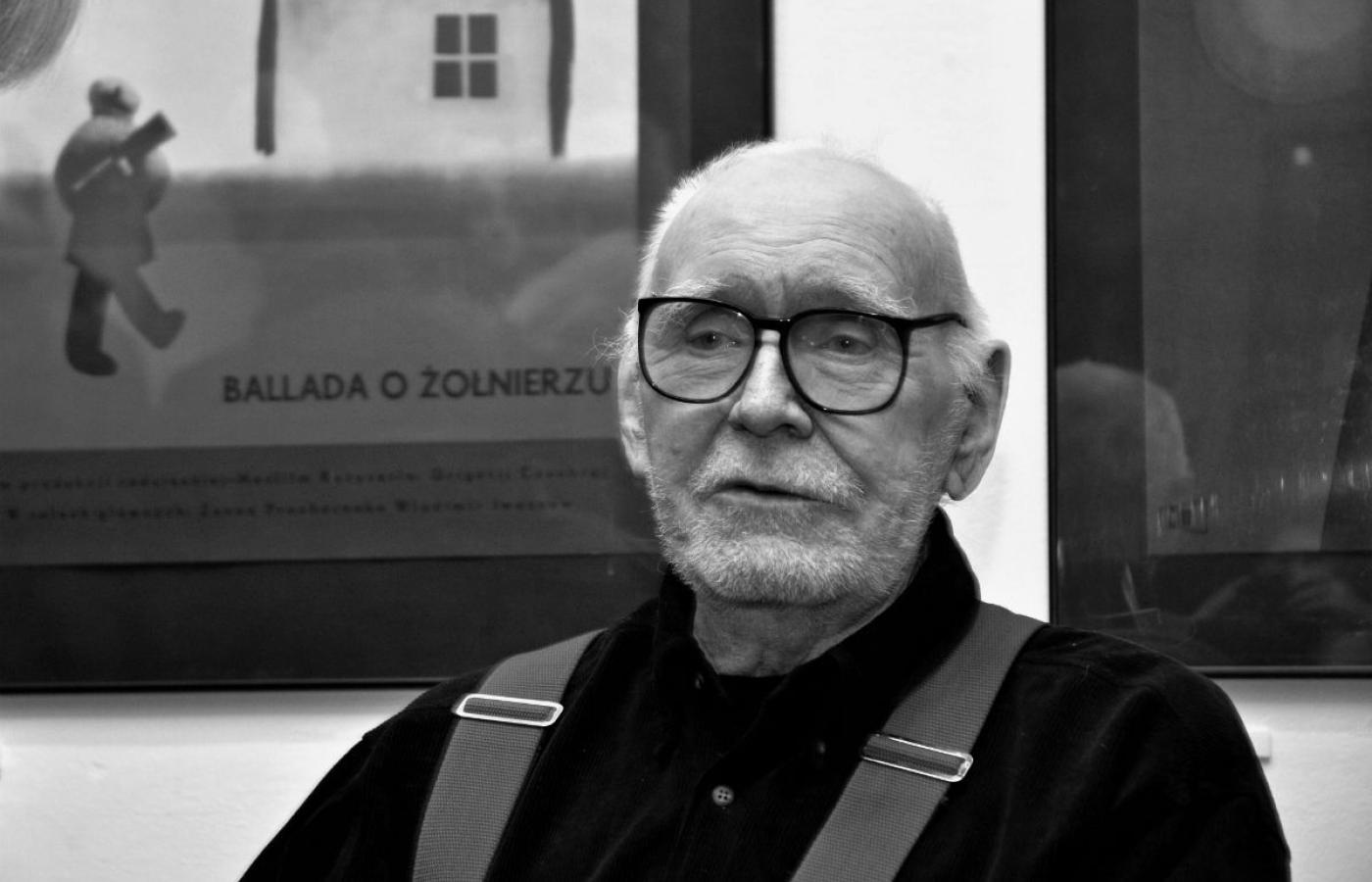
Wojciech Fangor was a Polish painter, graphic artist, sculptor and a co-creator of the Polish School of Posters.
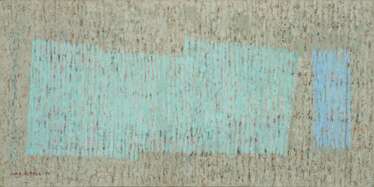

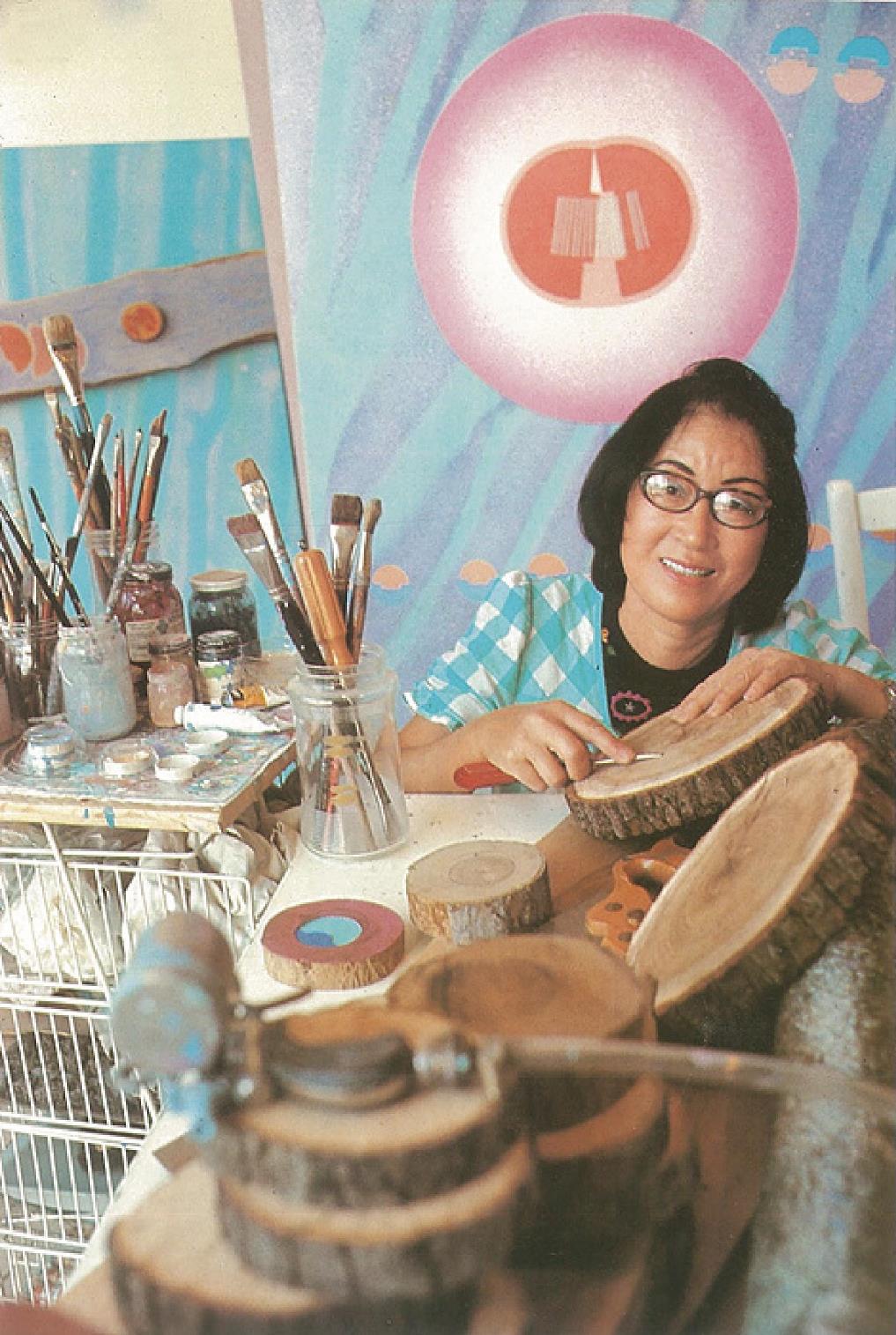
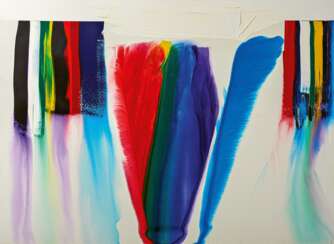

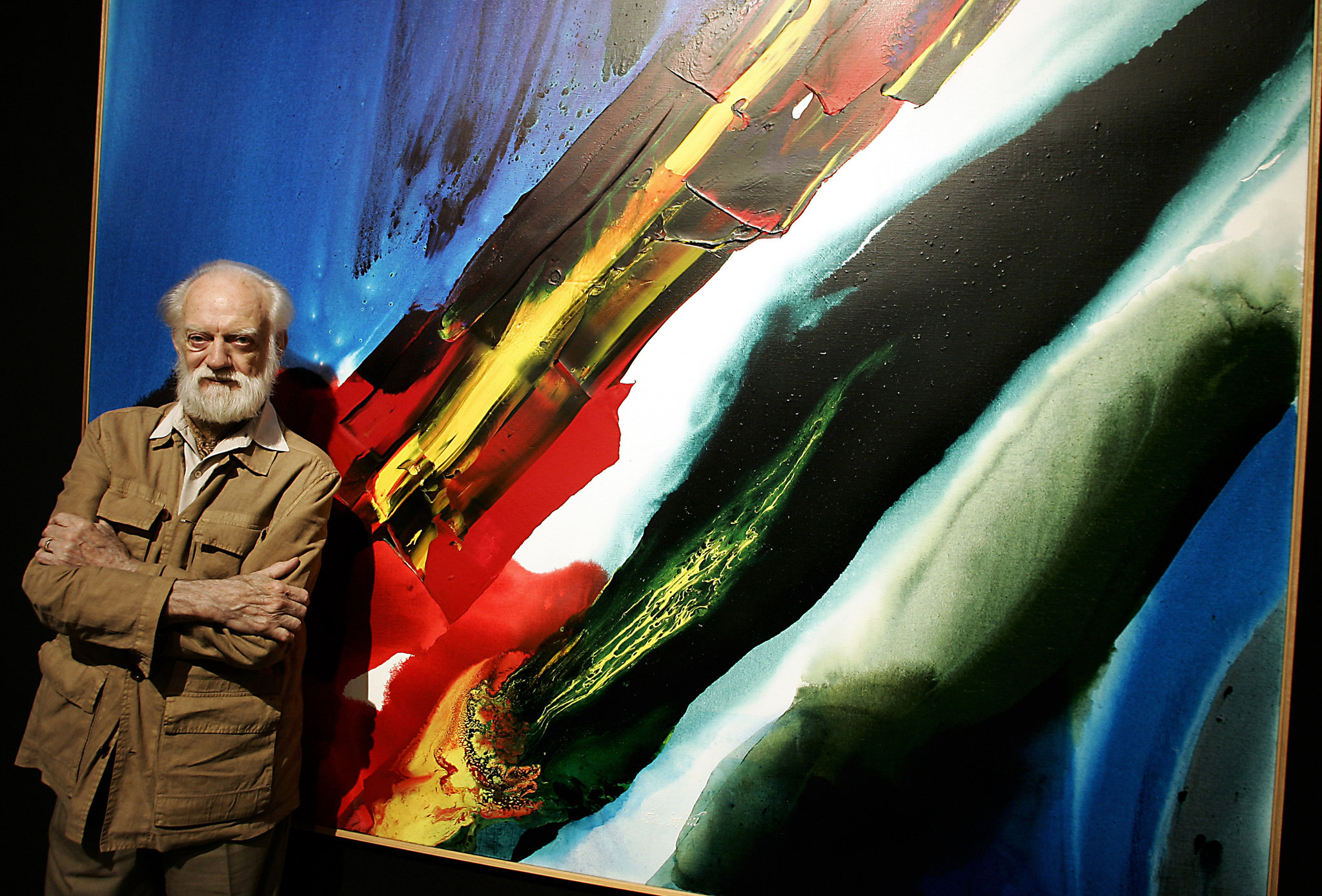
Paul Jenkins was an American abstract expressionist painter.
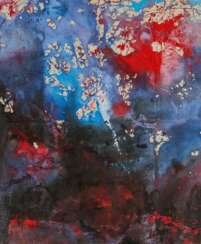

Fred Thieler was a German abstract artist known for his colorful, gestural paintings. He was born in Königsberg, Germany, and studied at the Academy of Fine Arts in Königsberg before moving to Berlin in 1945.
Thieler's early work was influenced by the Expressionist and Surrealist movements, but he soon developed his own unique style characterized by bold colors and dynamic brushstrokes. He often used a palette knife to apply paint to the canvas, creating thick, impasto layers that added depth and texture to his works.
Throughout his career, Thieler participated in numerous exhibitions in Germany and internationally, including the Venice Biennale and Documenta in Kassel. He was also a member of the influential German art group "Quadriga," which included artists such as Bernard Schultze, Karl Otto Götz, and Otto Greis.
In addition to painting, Thieler also worked as a graphic designer and a teacher. He was a professor at the Academy of Fine Arts in Berlin from 1965 to 1981, where he had a significant impact on the next generation of German artists.
Thieler's work can be found in many private collections and museums, including the Museum of Modern Art in New York, the Stedelijk Museum in Amsterdam, and the Museum Ludwig in Cologne.
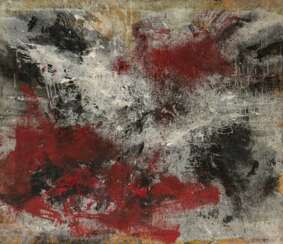

Fred Thieler was a German abstract artist known for his colorful, gestural paintings. He was born in Königsberg, Germany, and studied at the Academy of Fine Arts in Königsberg before moving to Berlin in 1945.
Thieler's early work was influenced by the Expressionist and Surrealist movements, but he soon developed his own unique style characterized by bold colors and dynamic brushstrokes. He often used a palette knife to apply paint to the canvas, creating thick, impasto layers that added depth and texture to his works.
Throughout his career, Thieler participated in numerous exhibitions in Germany and internationally, including the Venice Biennale and Documenta in Kassel. He was also a member of the influential German art group "Quadriga," which included artists such as Bernard Schultze, Karl Otto Götz, and Otto Greis.
In addition to painting, Thieler also worked as a graphic designer and a teacher. He was a professor at the Academy of Fine Arts in Berlin from 1965 to 1981, where he had a significant impact on the next generation of German artists.
Thieler's work can be found in many private collections and museums, including the Museum of Modern Art in New York, the Stedelijk Museum in Amsterdam, and the Museum Ludwig in Cologne.
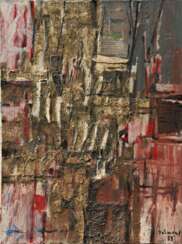

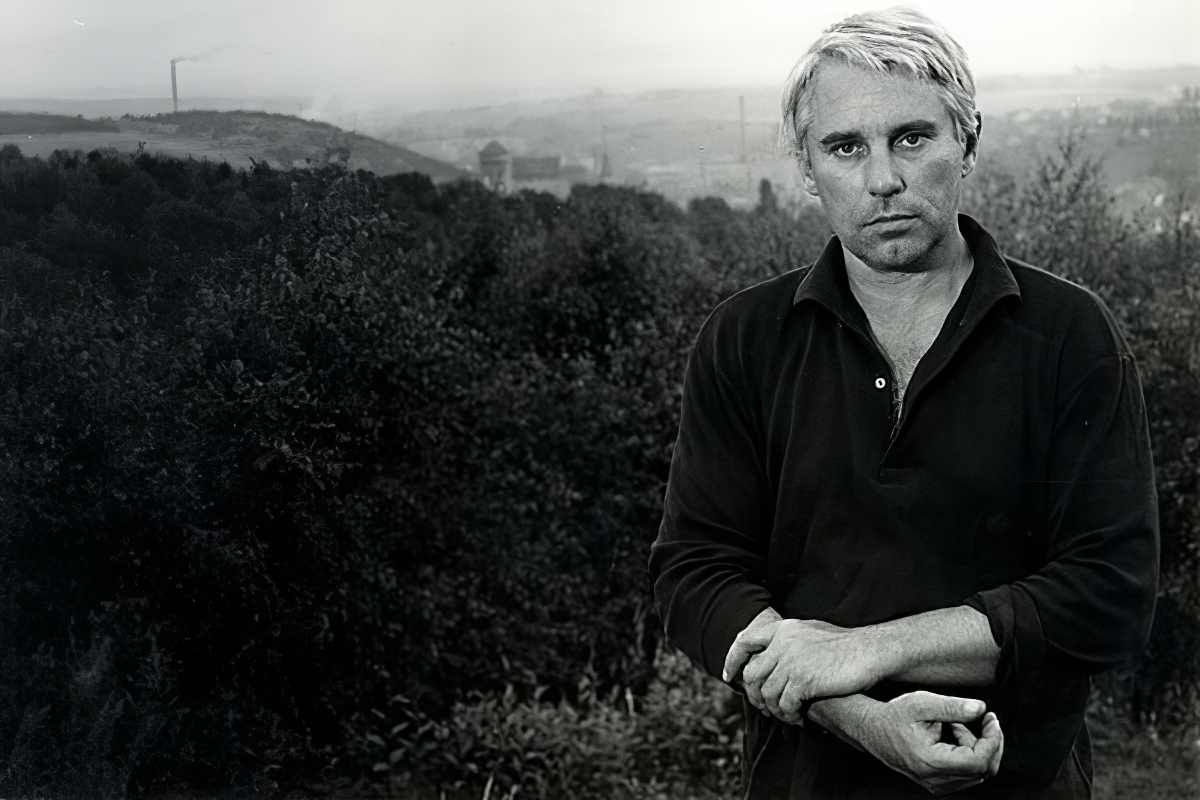
Karl Fred Dahmen is a German artist, one of the most important representatives of German post-war art and the Informel movement. In 1967 he took up the post of Professor of Fine Arts at the Munich Academy.
He painted expressive abstract pictures with a tectonic structure, and since the mid-1950s, relief paintings and collages on the damage to the local landscape caused by open-pit mining. Later in Dahmen's oeuvre, glazed object boxes appear, recounting the impressions of his daily working life.


Karl Fred Dahmen is a German artist, one of the most important representatives of German post-war art and the Informel movement. In 1967 he took up the post of Professor of Fine Arts at the Munich Academy.
He painted expressive abstract pictures with a tectonic structure, and since the mid-1950s, relief paintings and collages on the damage to the local landscape caused by open-pit mining. Later in Dahmen's oeuvre, glazed object boxes appear, recounting the impressions of his daily working life.
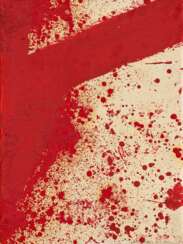

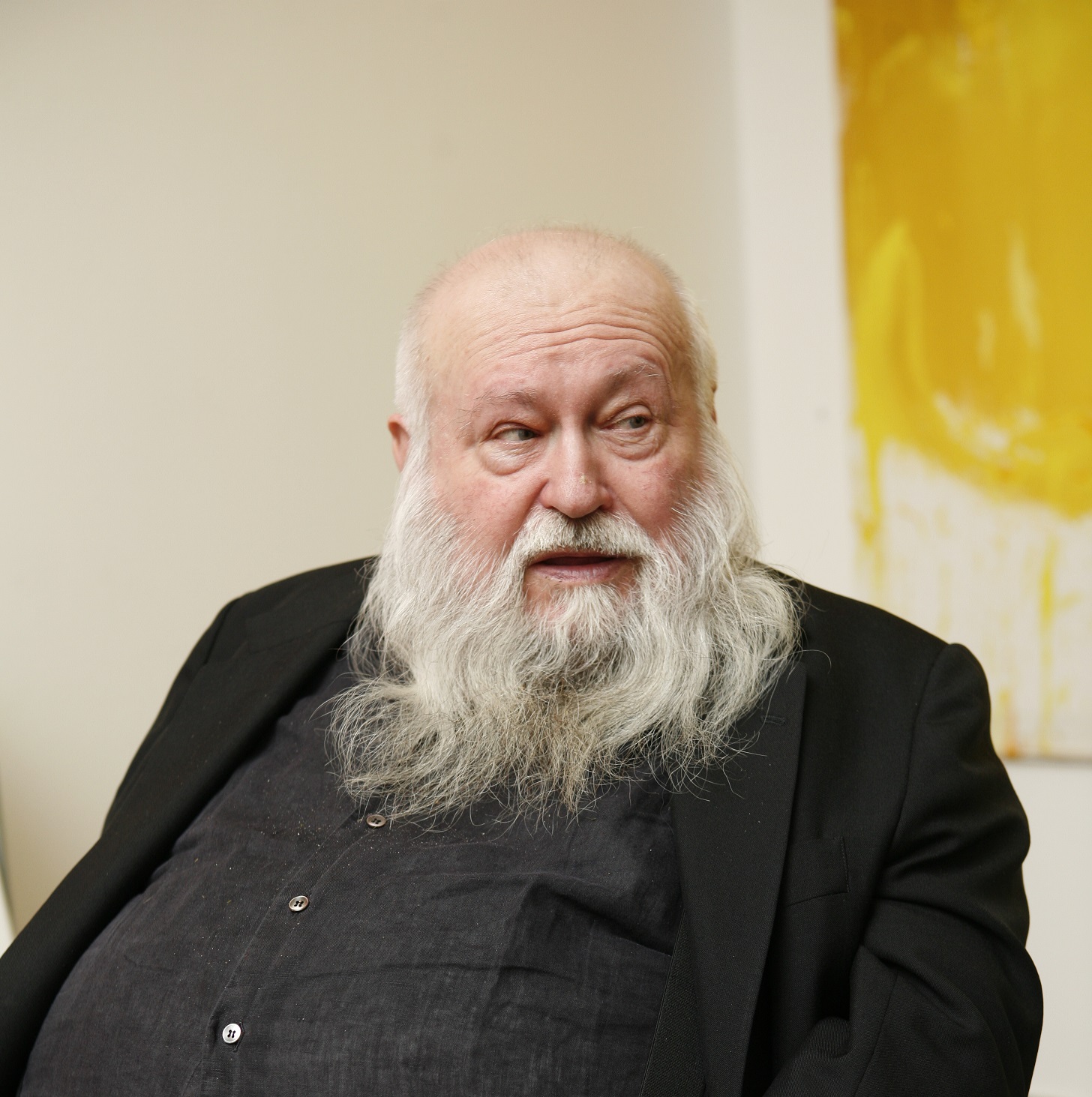
Hermann Nitsch was an Austrian contemporary artist and composer. His art encompassed wide-scale performances incorporating theater, multimedia, rituals and acted violence. He was a leading figure of Viennese Actionism.
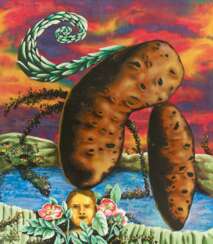

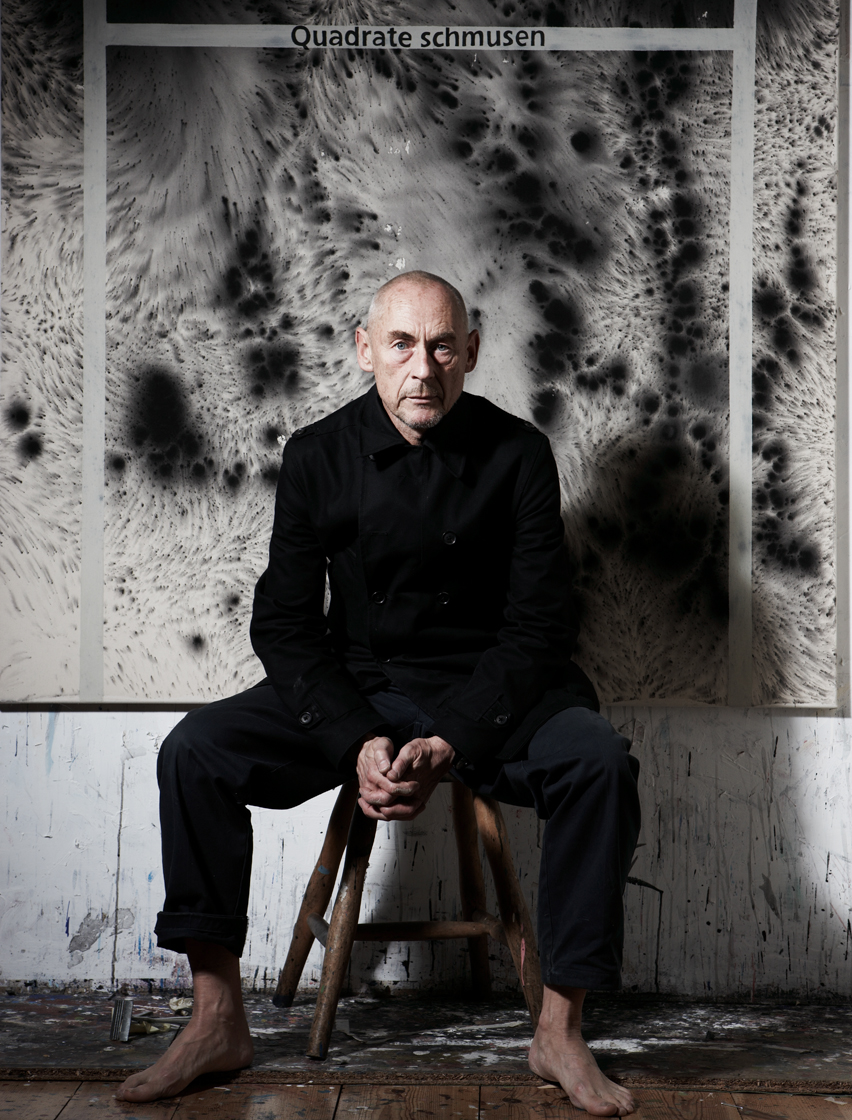
Hans Peter Adamski is a German painter and graphic artist who lives and works in Berlin and Dresden.
He studied at the Dusseldorf Academy of Art and served as professor and dean of the Dresden University of Fine Arts. Adamski is one of the most important representatives of the Neue Wilden ("New Wilden") movement of the 1980s. In addition to painting, he works in drawing, sculpture, paper, fabric and plaster.
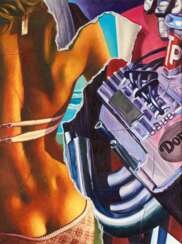

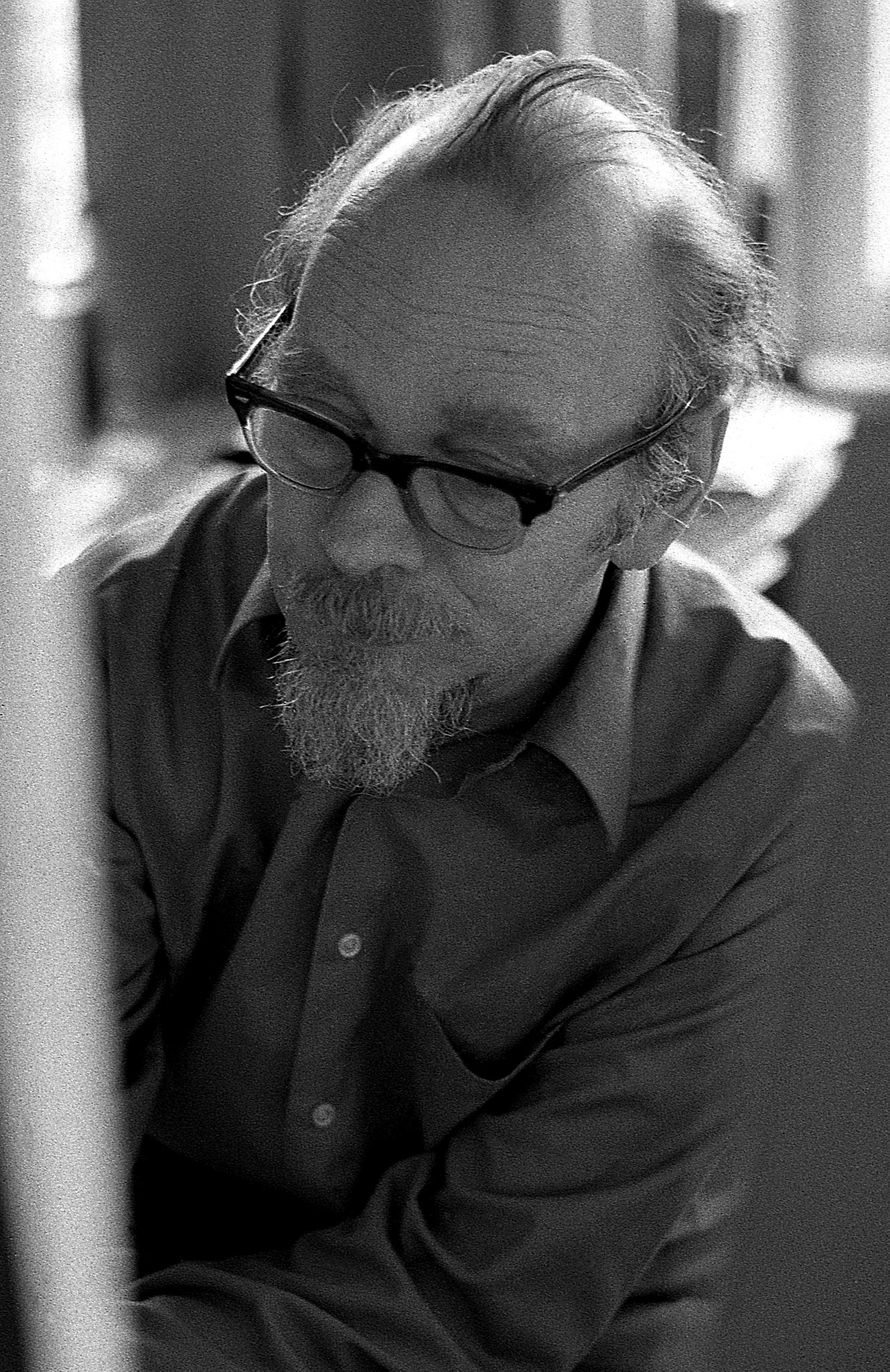
Fritz Köthe — German painter and graphic artist, is considered one of the most important representatives of German pop art and photorealism.

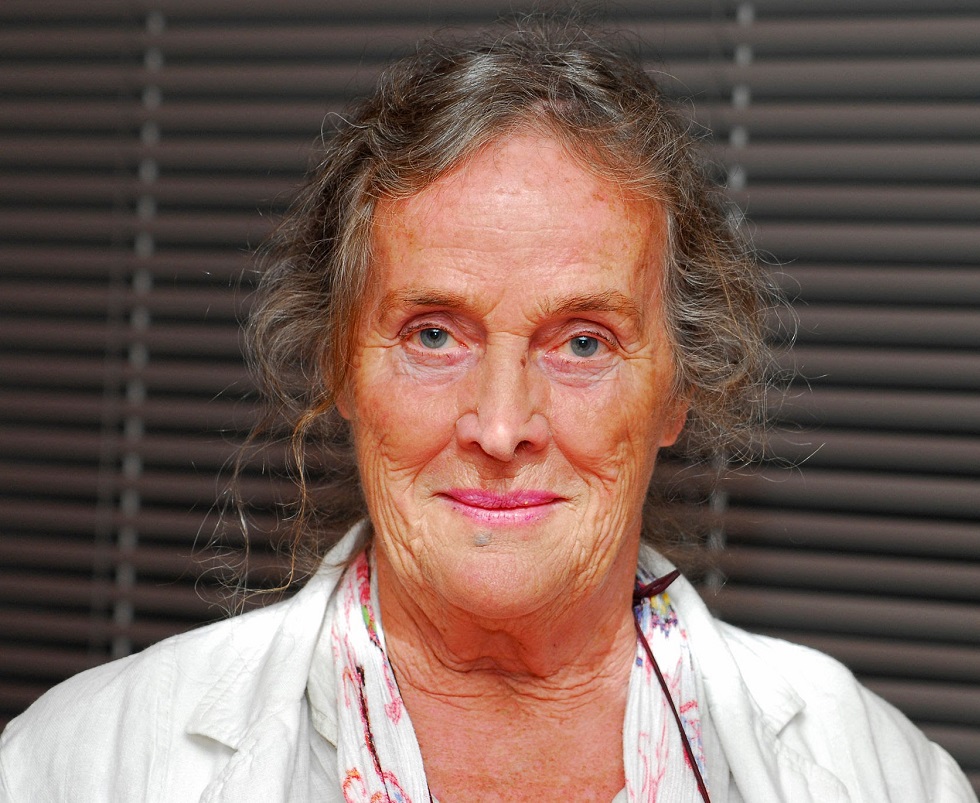
Mary Hildegard Ruth Bauermeister was a German artist who worked in sculpture, drawing, installation, performance, and music. Influenced by Fluxus artists and Nouveau Réalisme, her work addresses esoteric issues of how information is transferable through society. Beginning in the 1970s, her work concentrated on the themes surrounding New Age spirituality, specifically geomancy, the divine interpretation of lines on the ground.
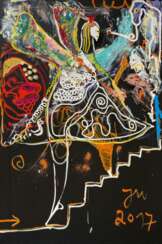

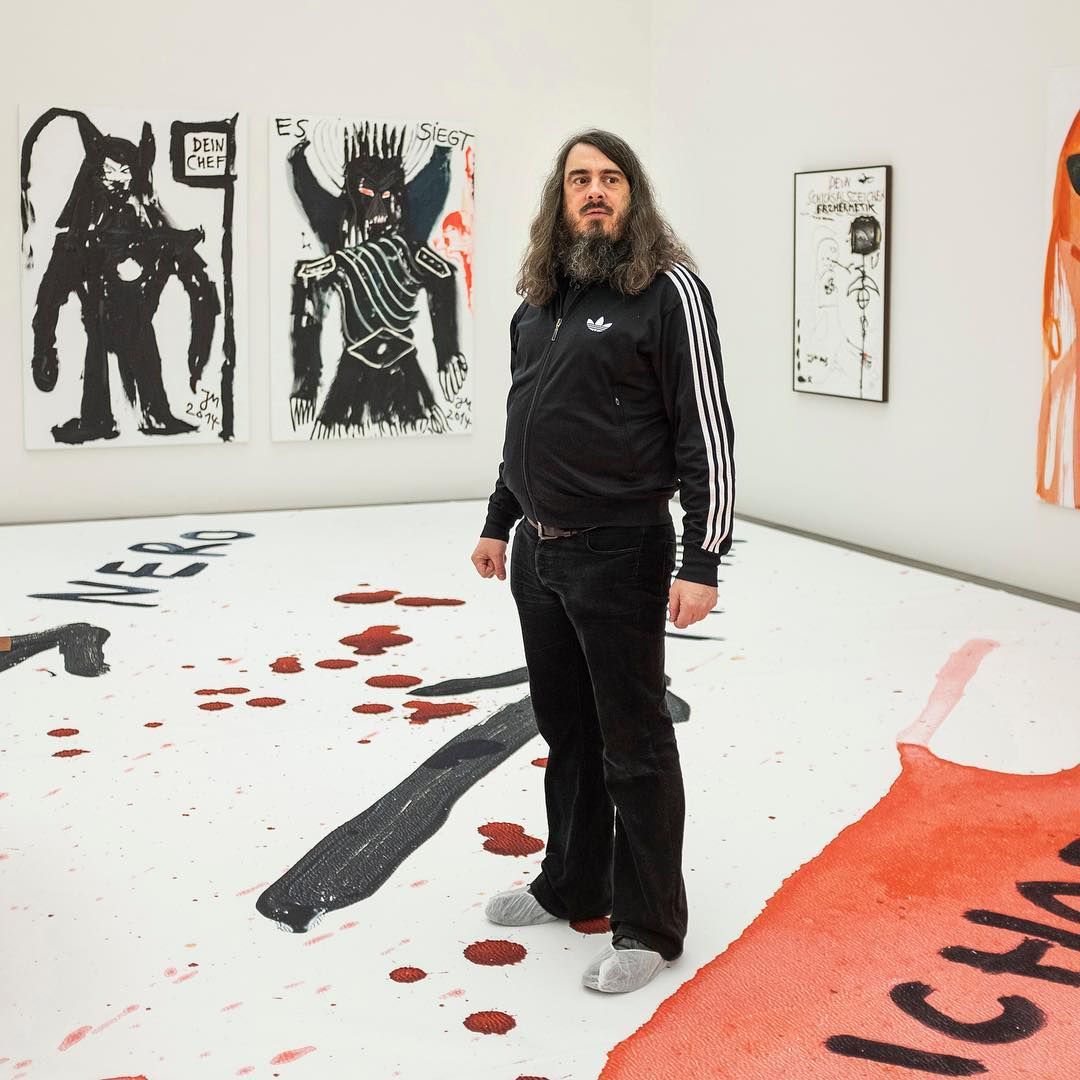
Jonathan Meese is a German painter, sculptor, performance artist and installation artist based in Berlin and Hamburg. Meese's (often multi-media) works include paintings, collages, drawings and writing. He also designs theater sets and wrote and starred in a play, De Frau: Dr. Poundaddylein — Dr. Ezodysseusszeusuzur in 2007 at the Volksbühne Theater. He is mainly concerned with personalities of world history, primordial myths and heroes. Jonathan Meese lives and works in Ahrensburg and Berlin.


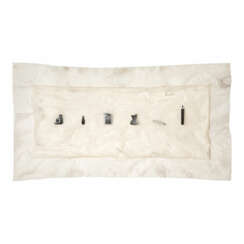

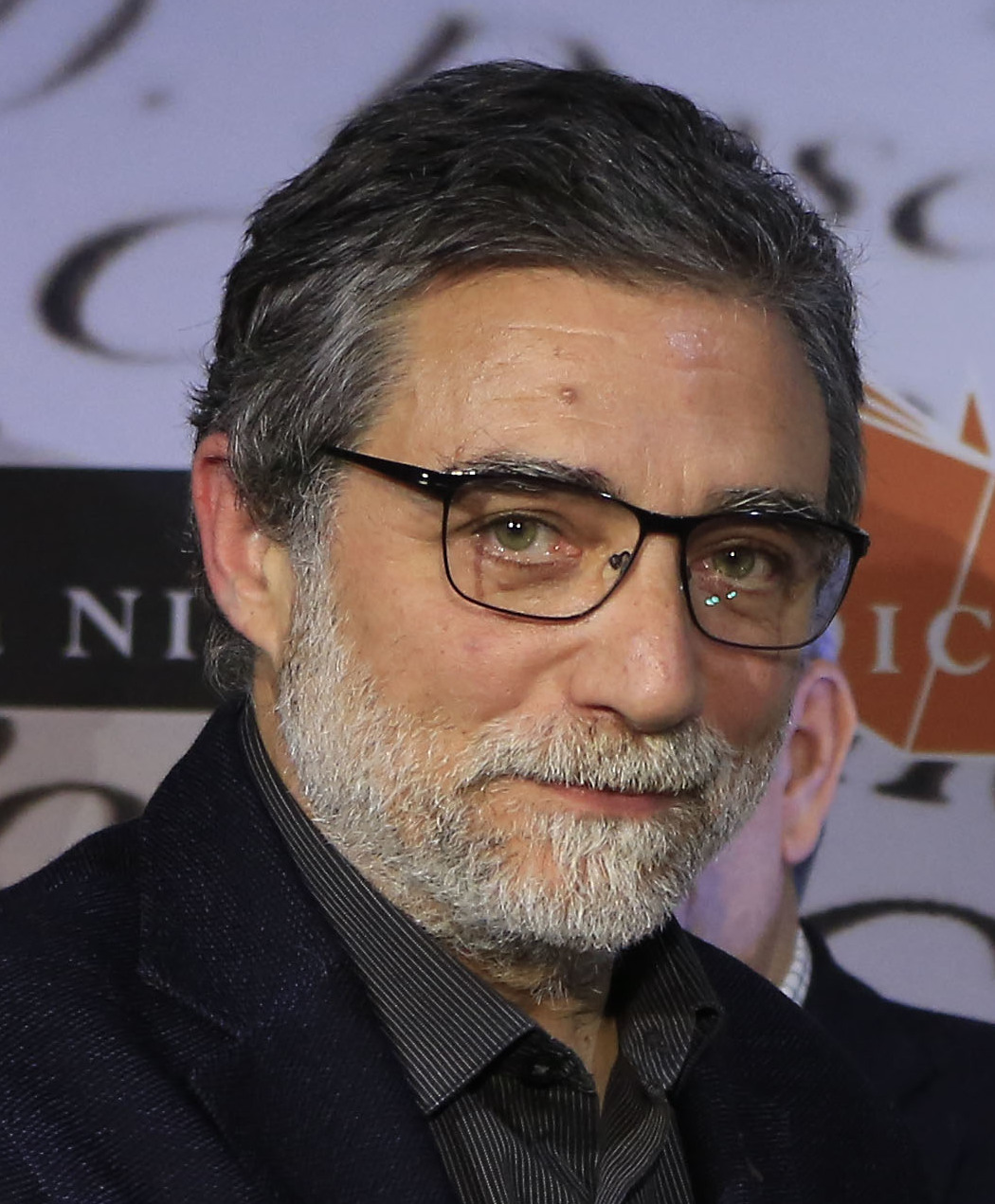
Jaume Plensa i Suñé is a Spanish visual artist, sculptor, designer and engraver. He is a versatile artist who has also created opera sets, video projections and acoustic installations. He worked with renowned Catalan theatrical group La Fura dels Baus. He is better known for his large sculptures made up of letters and numbers.
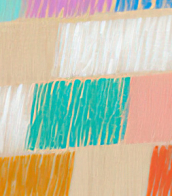
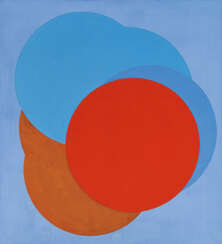

Ulrich Erben is a German painter. From 1980 to 2005, he was a Professor of Painting at the Kunstakademie Münster (University of Fine Arts Münster). He is known as a master of the color field style of abstract painting, closely related to abstract expressionism, in which he creates tension between a defined surface structure, his own method of applying paint to a canvas, and the relationship of various shades of white or color to each other in their placement as part of a composition on the flat plane of a canvas. In 1986 and 2008, he was awarded the Konrad-von-Soest Prize for Visual Arts by the Landschaftsverband Westfalen-Lippe (Landscape Society Westphalia-Lippe).
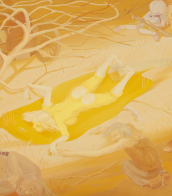
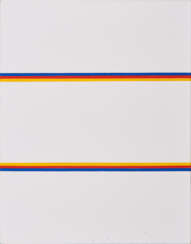

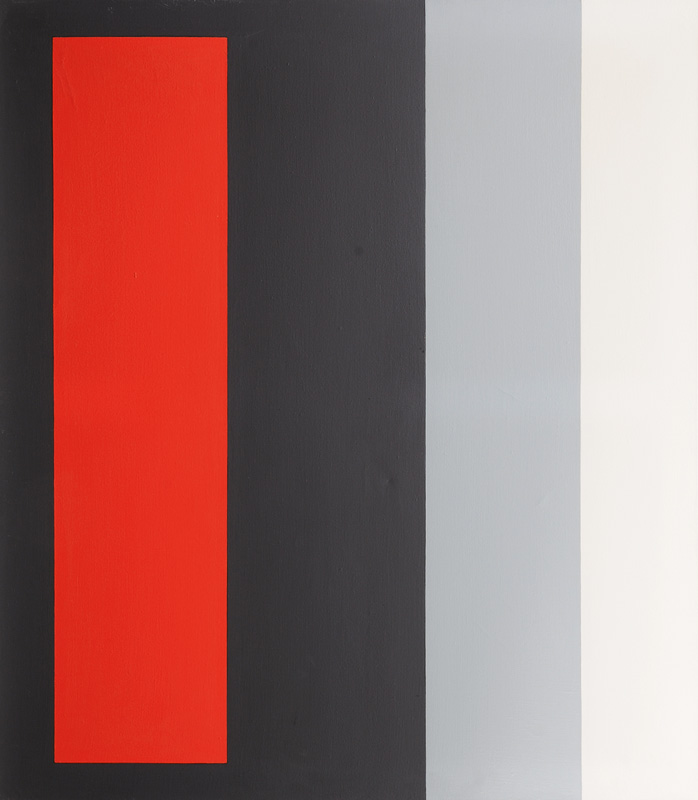
Klaus Jürgen Schoen was a German painter born in East Prussia. His work is classified as Concrete Art.