

tom christopher






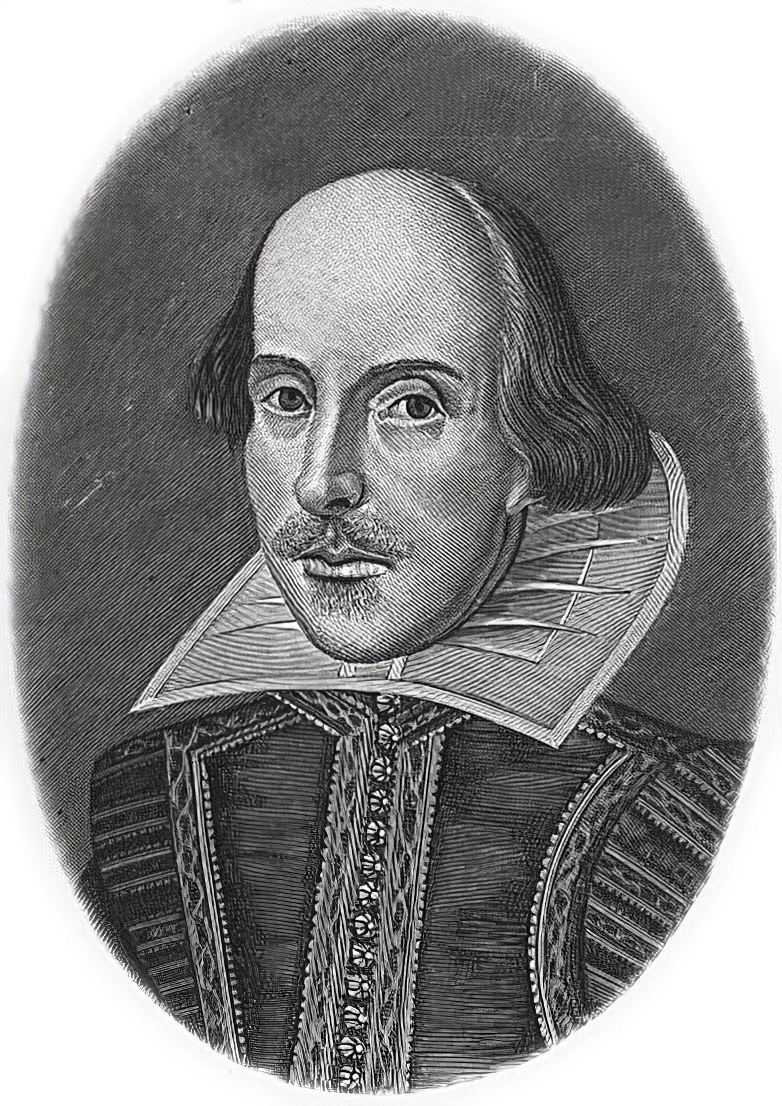
William Shakespeare was a British poet and playwright and writer.
William's father, John Shakespeare, was a merchant and official in Stratford. There are reports that he was a sailor for a time before joining a theater company in London. Beginning in the 1590s, Shakespeare began writing plays, and in 1593 he published a poem, Venus and Adonis, which became popular. He dedicated it to the Duke of Southampton, who was a philanthropist and patron of talent, and soon his business was booming.
From 1592 to 1600 Shakespeare wrote his dramas and romantic comedies "Richard III", "The Taming of the Shrew", "Romeo and Juliet", "A Midsummer Night's Dream" and "The Merchant of Venice", as well as the comedies "Much Ado About Nothing", "Twelfth Night" and the tragedy "Julius Caesar". The playwright's business was so successful that he even bought a large house in Stratford. In 1599, Shakespeare became one of the owners, playwright and actor of the new theater "Globe". In 1603 King James took Shakespeare's troupe under his direct patronage. In the mature period, the great playwright turned to tragedies, there were "Hamlet", "Othello", "King Lear", "Macbeth" and others.
Although in the 19th century researchers had some doubts about the authorship of many of these works, William Shakespeare is considered the greatest English playwright, one of the best playwrights in the world. His plays have been translated into all major languages and to this day form the basis of the world theatrical repertoire, most of them have been screened many times. According to the Guinness Book of Records, Shakespeare remains the world's best-selling playwright, and his plays and poems have sold more than 4 billion copies in the nearly 400 years since his death.
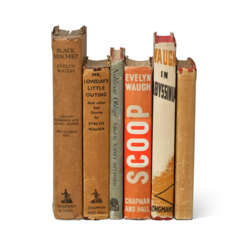

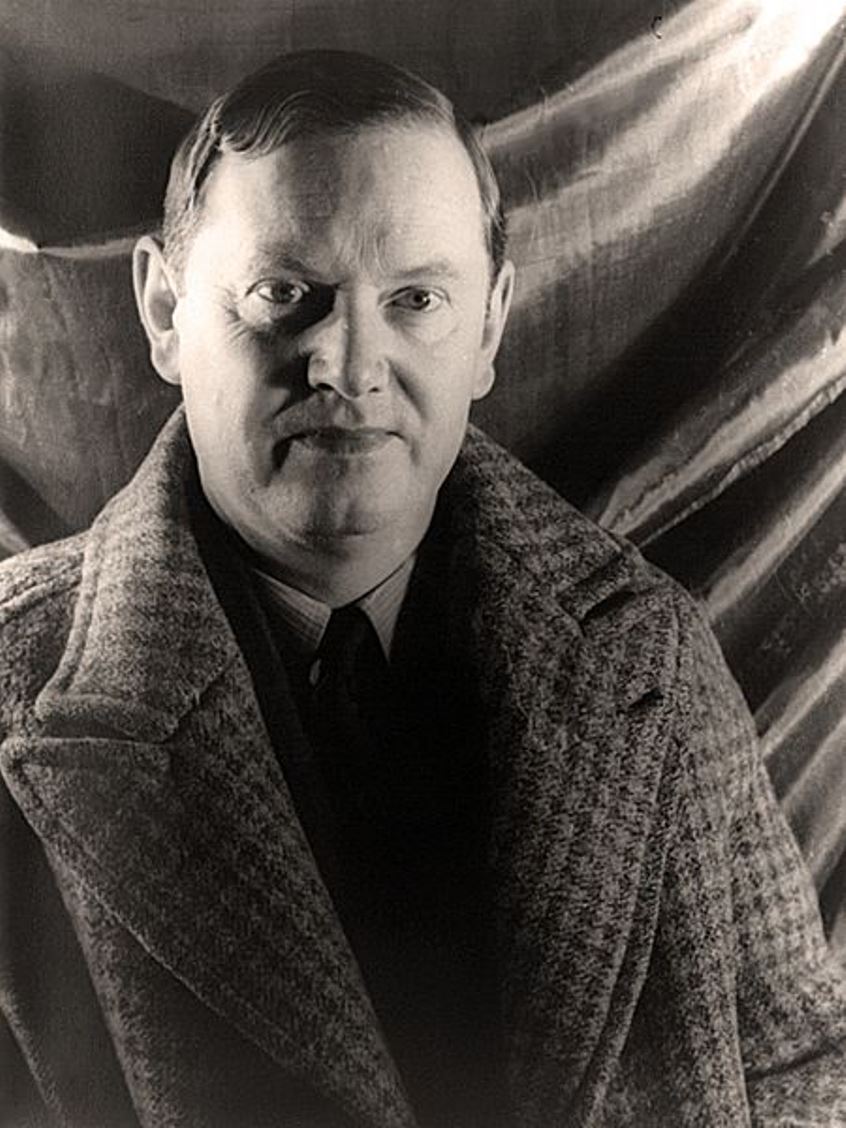
Evelyn Waugh, full name Arthur Evelyn St. John Waugh, was a British satirical writer, travel writer and historian.
Evelyn Waugh studied at Lancing College in Sussex and at Hertford College in Oxford. He then began traveling and writing, soon earning a reputation as a witty satirist. He visited Ethiopia and the Belgian Congo, and traveled to South America. His works are almost always based on personal experience; notable among the early ones are Decline and Fall (1928), Nasty Bodies (1930), Black Mischief (1932), and others.
During World War II, Evelyn Waugh served in the Royal Marines and the Royal Horse Guards. Written at this time, the novel "Return to Brideshead" (1945) is about an aristocratic English Roman Catholic family. In the trilogy "Men in Arms" (1952), "Officers and Gentlemen" (1955) and "Unconditional Surrender" (1961), the author conducted a serious analysis of the events of World War II, as an eternal struggle between good and evil, civilization and barbarism. Later on these works were filmed television series.
Evelyn Waugh also left a significant trace in journalism and literary criticism, he is considered one of the finest stylists in English prose of the XX century.



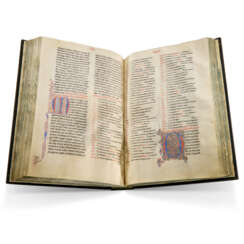

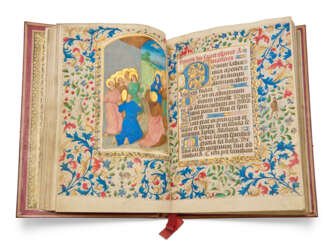



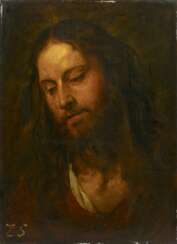

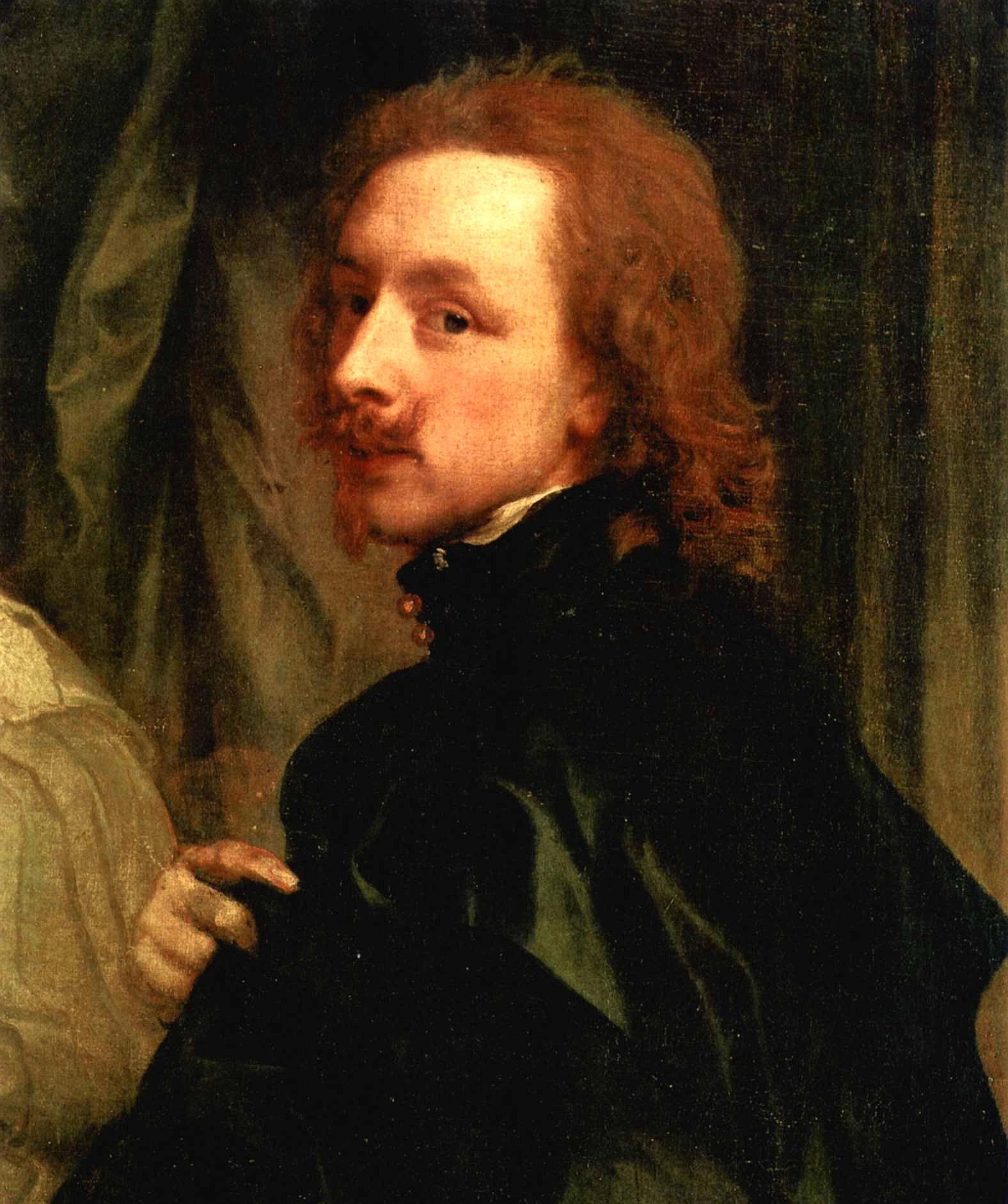
Anthony van Dyck, a Flemish painter born in 1599 in Antwerp and passed away in 1641 in London, is celebrated as one of the foremost Baroque painters of the 17th century. His notable contributions to the art world include his exceptional portraits of European aristocracy, as well as his religious and mythological paintings. Van Dyck's early exposure to art was influenced significantly by his apprenticeship with Hendrik van Balen and later, by the profound impact of working alongside Peter Paul Rubens. His mastery was recognized early on, leading him to set up his own workshop by the age of 15.
Van Dyck's journey to Italy in 1621 marked a pivotal phase in his career, allowing him to immerse himself in studying the Italian masters and commencing his successful stint as a portraitist. His style evolved under the influence of Titian, evident from his vibrant use of color and refined modeling of form. Van Dyck's Italian period not only honed his artistic skills but also established his reputation as a painter of consequence.
Upon returning to Antwerp, van Dyck's portraits became highly sought after, leading to commissions from notable figures such as Archduchess Isabella and Queen Mother Maria de' Medici. His role as a court painter further solidified in England under the patronage of King Charles I, where he was knighted and appointed as the principal painter, profoundly shaping the aristocratic character of Charles I's reign through his portraits.
Van Dyck's legacy extends beyond his death, having influenced English portrait painting for over a century. His innovative techniques in watercolour and etching, along with his sophisticated portrayal of subjects, continue to be admired. His art not only showcases his technical prowess but also reflects the cultural and social nuances of his era, making his work a significant study for collectors and art historians alike.
For enthusiasts eager to explore the intersections of art, history, and culture through the lens of Anthony van Dyck's work, staying informed about new discoveries and auction events is essential. Signing up for updates can provide exclusive insights into the world of one of the most influential figures in Flemish art. This subscription ensures that collectors and experts are well-informed of any developments related to van Dyck's oeuvre, enhancing their understanding and appreciation of his contributions to the art world.




William Shakespeare was a British poet and playwright and writer.
William's father, John Shakespeare, was a merchant and official in Stratford. There are reports that he was a sailor for a time before joining a theater company in London. Beginning in the 1590s, Shakespeare began writing plays, and in 1593 he published a poem, Venus and Adonis, which became popular. He dedicated it to the Duke of Southampton, who was a philanthropist and patron of talent, and soon his business was booming.
From 1592 to 1600 Shakespeare wrote his dramas and romantic comedies "Richard III", "The Taming of the Shrew", "Romeo and Juliet", "A Midsummer Night's Dream" and "The Merchant of Venice", as well as the comedies "Much Ado About Nothing", "Twelfth Night" and the tragedy "Julius Caesar". The playwright's business was so successful that he even bought a large house in Stratford. In 1599, Shakespeare became one of the owners, playwright and actor of the new theater "Globe". In 1603 King James took Shakespeare's troupe under his direct patronage. In the mature period, the great playwright turned to tragedies, there were "Hamlet", "Othello", "King Lear", "Macbeth" and others.
Although in the 19th century researchers had some doubts about the authorship of many of these works, William Shakespeare is considered the greatest English playwright, one of the best playwrights in the world. His plays have been translated into all major languages and to this day form the basis of the world theatrical repertoire, most of them have been screened many times. According to the Guinness Book of Records, Shakespeare remains the world's best-selling playwright, and his plays and poems have sold more than 4 billion copies in the nearly 400 years since his death.
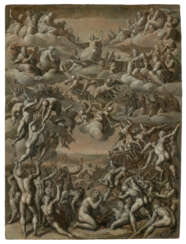

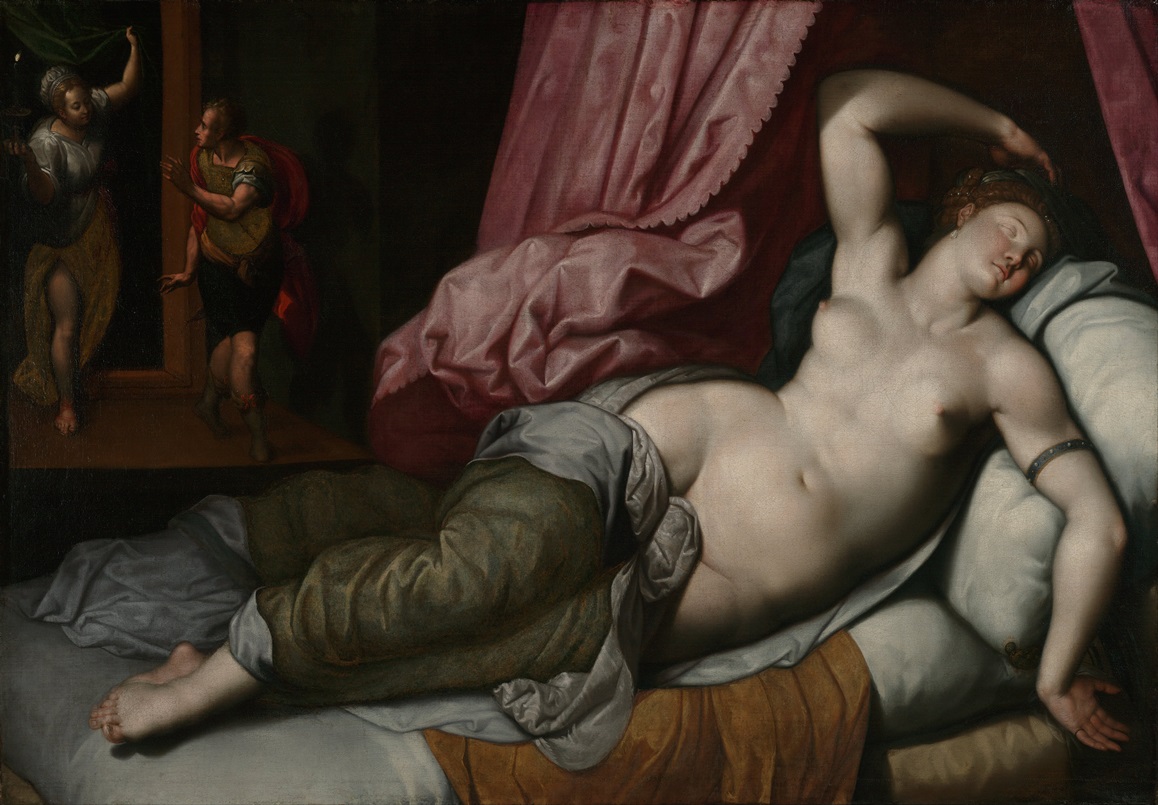
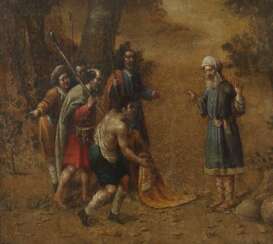
Jacob de Backer was a Flemish painter.
He is known to have worked in Antwerp between about 1571 and 1585 and was a very prolific painter. Many paintings and altarpieces in Antwerp and Italy are signed with his name. Bakker also created many elaborate compositions on allegorical subjects.













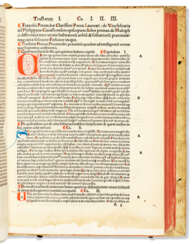

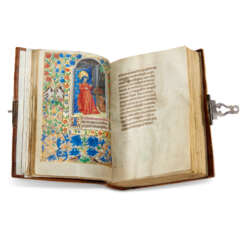




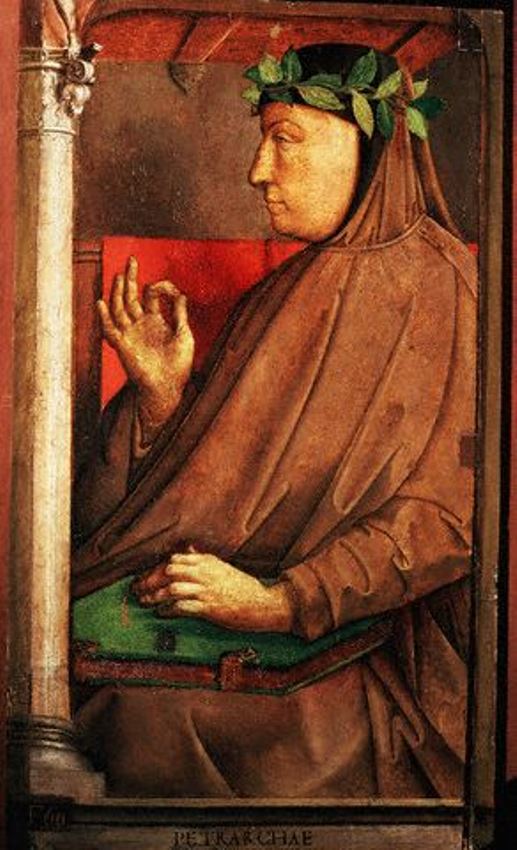
Francesco Petrarca was an Italian poet, the founder of European humanism, and one of the greatest figures of the Italian Proto-Renaissance.
Petrarca studied at the University of Montpellier, then at the University of Bologna, in 1330 entered the service of Cardinal Giovanni Colonna as a chaplain. Then he made various pilgrimages, in 1353 settled in Milan at the court of Archbishop Giovanni Visconti, and carried out important diplomatic missions. Petrarca spent the last years of his life in the village of Arquà near Padua.
Since 1337 Petrarca began to write literary works: these were historical poems in Latin and lyric poems in Italian. In 1327 Francesco saw Laura for the first time, undivided love for which was the main source of his poetry. Laura was for him an object of adoration and pure platonic love. Despite the fact that they saw each other only a few times and were not really acquainted, Petrarca carried this feeling through his life.
Passionate about ancient culture, Petrarch deciphered and commented on the manuscripts of Cicero, Quintilian and others. He opposed medieval scholasticism interest in the earthly purpose of man, argued that the nobility of man depends not on the nobility of origin, but on his virtue. Petrarca highly valued the mind and creative abilities of man, and these humanistic ideas found vivid expression in his lyrics, revealing the inner world of man. Petrarca's work laid the foundation for the formation of Italian humanism. He also dreamed of the unification of Italy, the revival of the former greatness of Rome.
Francesco Petrarca had one of the richest libraries of his time, where ancient Roman writers, poets, historians, philosophers were represented. He was one of the brightest representatives of the culture of the Renaissance. Petrarca's works are characterized by perfection of form and musicality of verse, which played a significant role in the development of European poetry. Among his works are the poem "Africa" about the Second Punic War in Latin, allegorical pastoral eclogues "Bucolics" (1346/1357), a book of songs "My Italy", "Noble Spirit", sonnets, etc.


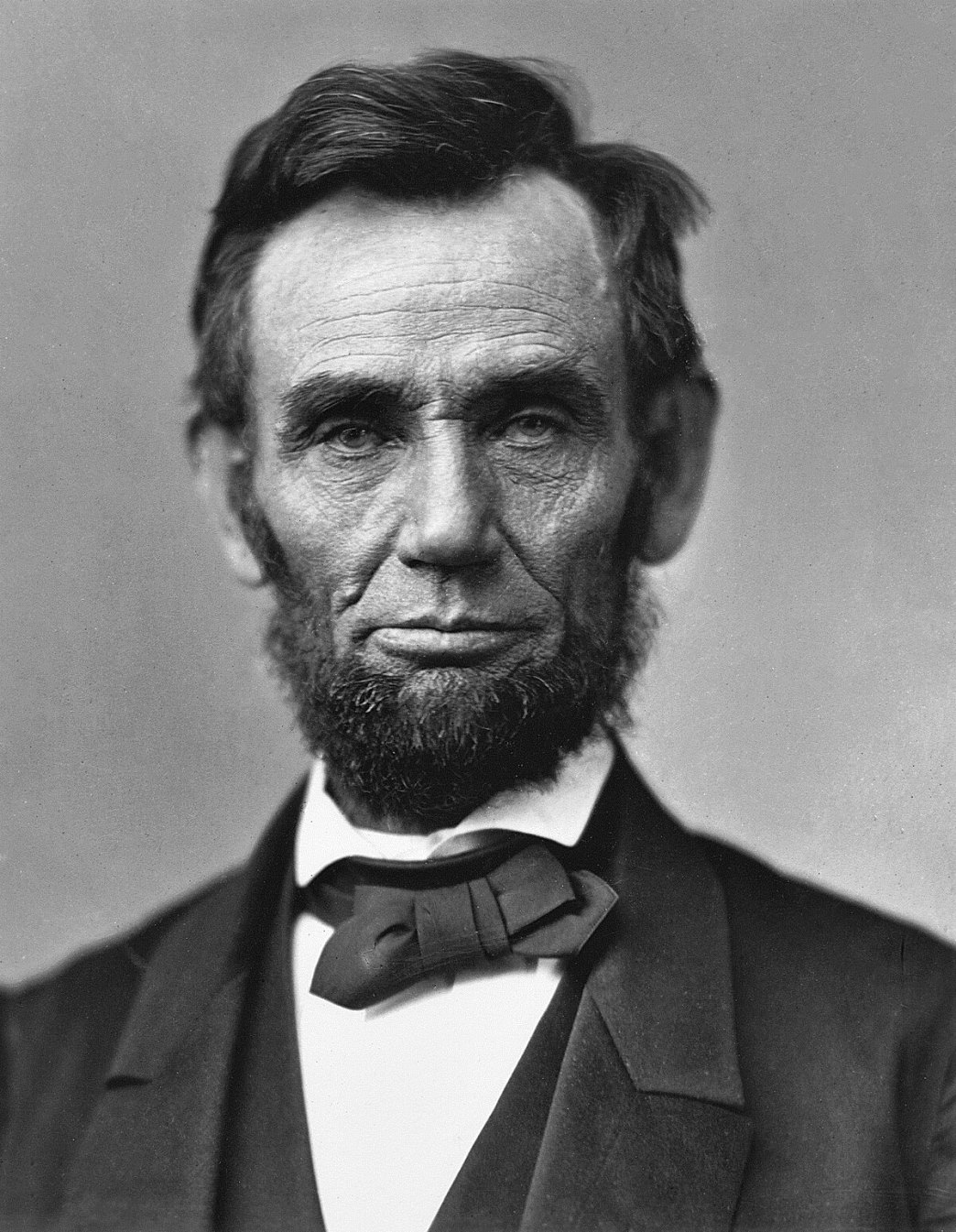
Abraham Lincoln was an American statesman and politician, the 16th President of the United States (March 4, 1861 - April 15, 1865).
The son of a frontiersman and a Kentucky farmer, Lincoln worked hard from an early age and struggled to learn. He was a militiaman in the Indian War, practiced law, and sat in the Illinois legislature for eight years. He was an opponent of slavery and gradually gained a national reputation that earned him victory in the 1860 presidential election.
After becoming the 16th president of the United States, Abraham Lincoln turned the Republican Party into a strong national organization. In addition, he drew most Northern Democrats to the Union side. On January 1, 1863, he issued the Emancipation Proclamation, which declared permanently free those slaves who were in Confederate territory. Lincoln considered secession illegal and was prepared to use force to defend federal law and the Union. Four more slave states joined the Confederacy, but four remained in the Union, and the Civil War of 1861-1865 began.
Lincoln personally directed the military action that led to victory over the Confederacy. Abraham Lincoln was reelected in 1864, and on April 14, 1865, he was fatally shot at Ford's Theatre in Washington, D.C. by actor John Wilkes Booth.
Abraham Lincoln is a national hero of the American people, he is considered one of the best and most famous presidents of the United States until today.