tricot






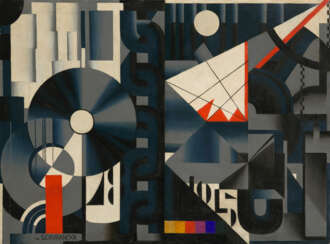

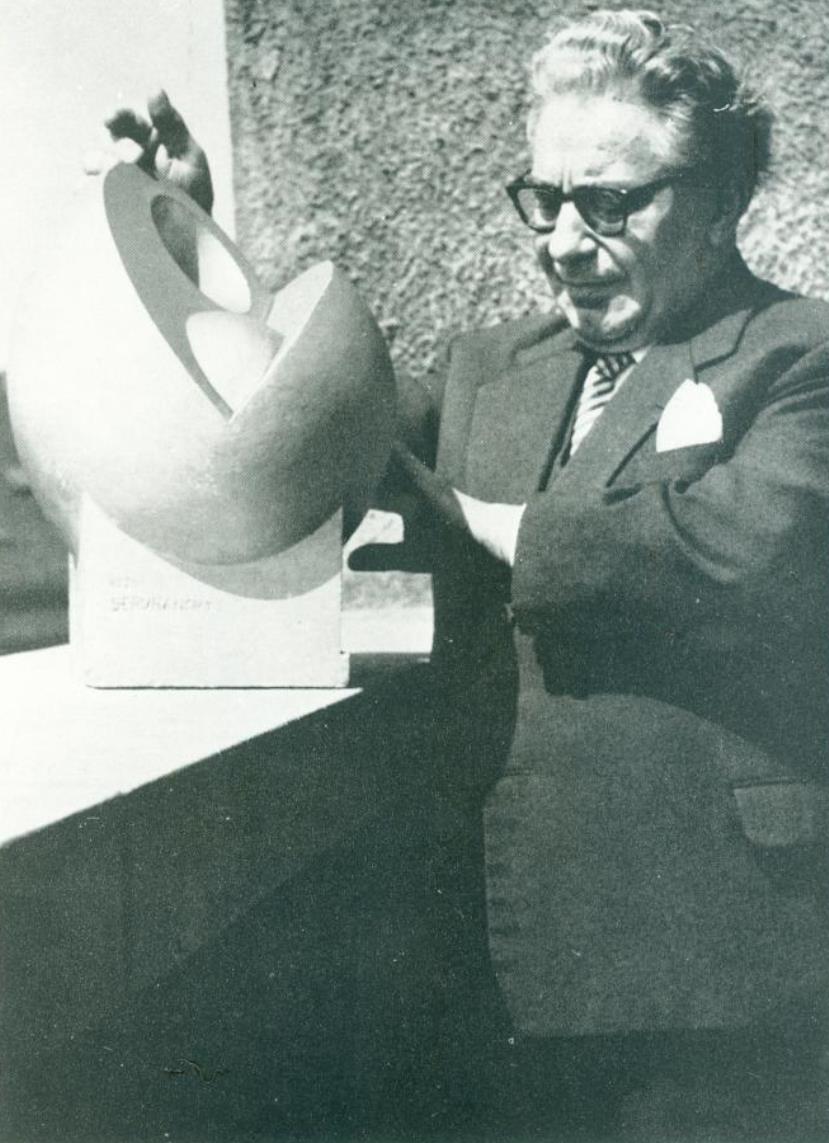
Victor Servranckx was a Belgian artist renowned for his pioneering contributions to abstract painting and design. Born in Diegem in 1897, Servranckx's artistic journey commenced at the Brussels Royal Academy of Fine Arts, where his studies spanned from 1913 to 1917. It was here he forged a significant connection with René Magritte, leading to their collaborative work "Pure Art: A Defence of the Aesthetic" in 1922.
Victor Servranckx's art is distinguished by its embrace of cubism, constructivism, and surrealism, showcasing a dynamic interplay of geometric forms and innovative design principles. His artistic endeavors were not confined to painting alone; he delved into abstract sculpture and collage, contributing significantly to various art magazines and influencing future generations of artists.
Noteworthy is Victor Servranckx's international recognition, evidenced by his participation in exhibitions across Europe and the United States. His works were exhibited alongside notable figures like Marcel Duchamp and Fernand Léger, highlighting his importance in the art world. Despite a mixed reception in Belgium, his influence endured, culminating in a retrospective at the Musée d'Ixelles shortly before his death in 1965.
For collectors and experts in art and antiques, Servranckx's oeuvre represents a vital chapter in the history of abstract art, offering a window into the evolving artistic trends of the early 20th century. His works, such as "Opus 17-1922" and "Opus 30-1922 (Factory)," are emblematic of his innovative approach and are held in high regard in collections worldwide, including the Museo Nacional Thyssen-Bornemisza.
If Victor Servranckx's artistic vision resonates with you, consider staying updated on exhibitions and auction events featuring his works. Subscribing to updates will ensure you're informed about new opportunities to explore and acquire pieces by this influential artist.


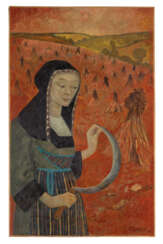

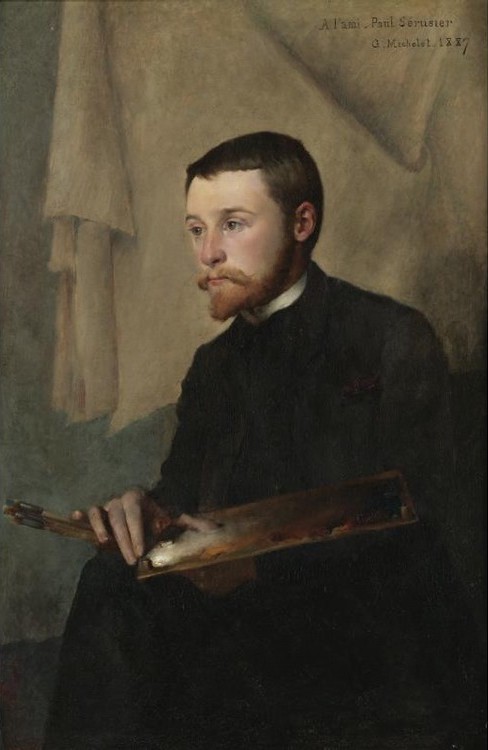
Paul Sérusier was a French Post-Impressionist painter and theorist, notable for his significant contributions to the art movement known as the Nabis. Born in Paris on November 9, 1864, Sérusier's work is characterized by its expressive use of color and pattern, inspired by the techniques of Paul Gauguin. He is best known for his exploration of color, sensation, and abstraction, particularly evident in works like "Le Talisman, the Aven River at the Bois d'Amour" (1888). This painting marks a departure from the Impressionists' more faithful representation of observed reality, focusing instead on translating sensations onto the canvas with vibrant brushstrokes and an emphasis on emotional expression over visual accuracy.
Sérusier's paintings often feature the landscapes and people of Brittany, notable for their contemplative mood achieved through firm contours and blocks of unmodulated color. His style evolved under the influence of Synthetism and Cloisonnism, favoring flattened forms and large swathes of color, as seen in "Farmhouse at le Pouldu" (1890). This approach reflects a decorative organization of objects, emphasizing the craft and execution of the scene.
Some of Sérusier's notable works are housed in prestigious museums such as the Musée d'Orsay in Paris, including "Portrait of Paul Ranson in Nabi Costume" (1890) and "Landscape" (1912). His legacy extends beyond his own artworks; he was a key figure in the formation of the Nabis movement, and his theoretical contributions have had a lasting impact on the art world.
For collectors and experts in art and antiques, Sérusier's work represents a unique blend of post-impressionist and symbolist styles, making his pieces highly valued both for their historical significance and their aesthetic appeal. To stay updated on new product sales and auction events related to Paul Sérusier, sign up for our updates. This subscription service is exclusively focused on providing information related to Sérusier's work, ensuring you remain informed about opportunities to acquire pieces by this influential artist.
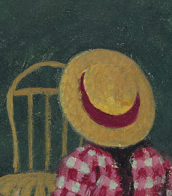


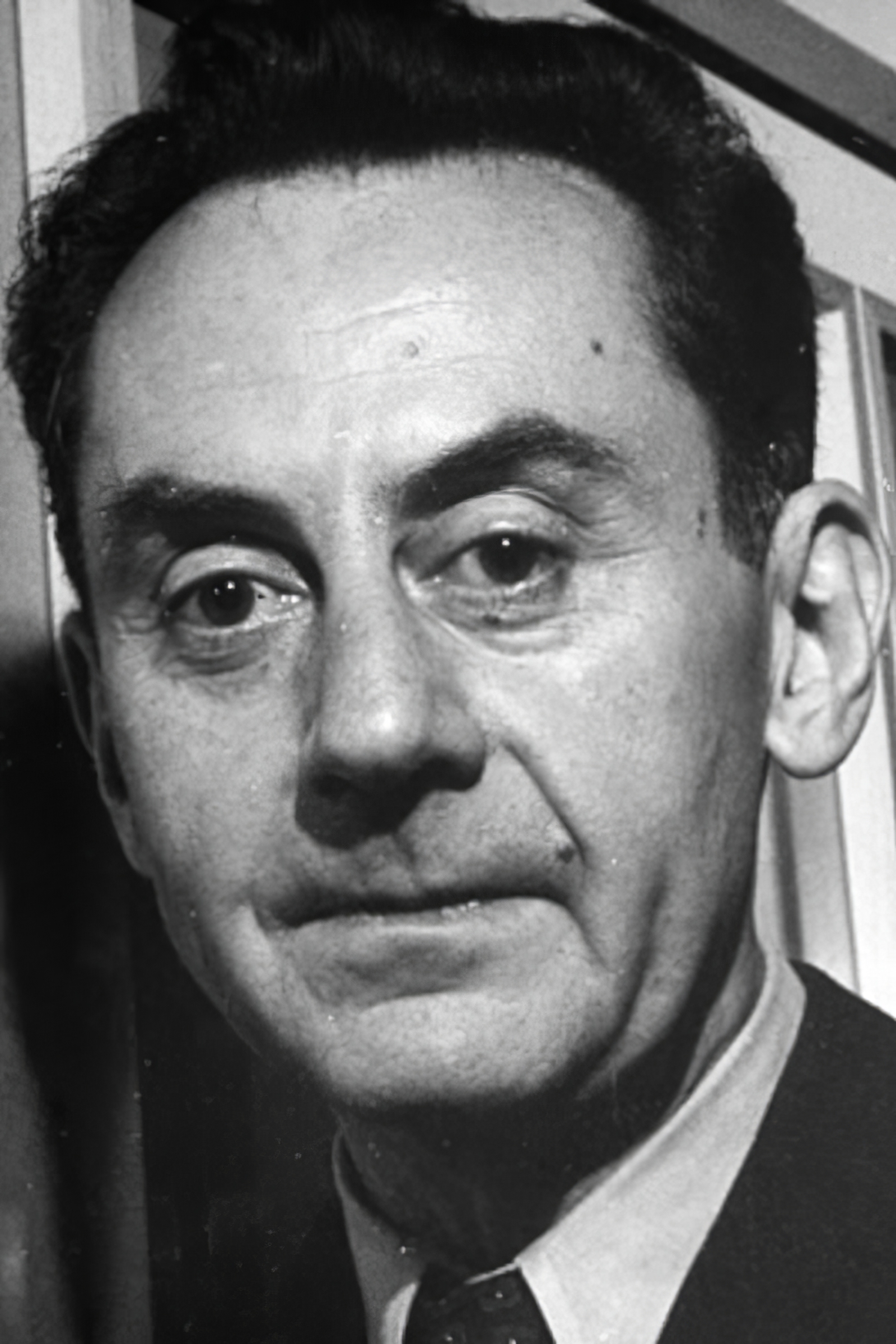
Man Ray, born Emmanuel Radnitzky, was an American visual artist who played a significant role in the Dada and Surrealist movements. His pioneering efforts in photography, alongside his work in painting and sculpture, have cemented his place as a major figure in modern art. Known for his innovative techniques and the ability to convey complex ideas through simple, striking visuals, Man Ray's contribution to the art world is profound.
Throughout his career, Man Ray was celebrated for his avant-garde approach and his ability to transcend traditional boundaries between different artistic mediums. His photography, characterized by experimental techniques such as solarization and rayographs (cameraless photographs), challenged conventional perceptions of photography as merely a means of representation. These artistic innovations made him a central figure in both Parisian and American art circles.
Man Ray's works are housed in some of the world's most prestigious museums and galleries, including the Museum of Modern Art in New York and the Centre Pompidou in Paris. His pieces, such as "Le Violon d'Ingres" and "Noire et Blanche," are iconic images that continue to influence artists today. His ability to blend the abstract with the realistic, and the humorous with the serious, has left a lasting legacy in the world of art.
For collectors and experts in art and antiques, the work of Man Ray offers a glimpse into the revolutionary changes that shaped the visual arts in the 20th century. His unique perspective and pioneering techniques continue to inspire and challenge those interested in the boundaries of creativity and expression.
If you're passionate about the avant-garde, or simply wish to explore the fascinating world of Man Ray further, sign up for our updates. You'll receive alerts on new product sales and auction events related to Man Ray, ensuring you never miss an opportunity to engage with the legacy of this extraordinary artist.
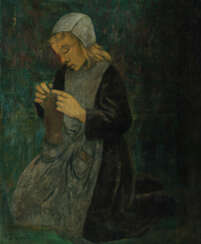

Paul Sérusier was a French Post-Impressionist painter and theorist, notable for his significant contributions to the art movement known as the Nabis. Born in Paris on November 9, 1864, Sérusier's work is characterized by its expressive use of color and pattern, inspired by the techniques of Paul Gauguin. He is best known for his exploration of color, sensation, and abstraction, particularly evident in works like "Le Talisman, the Aven River at the Bois d'Amour" (1888). This painting marks a departure from the Impressionists' more faithful representation of observed reality, focusing instead on translating sensations onto the canvas with vibrant brushstrokes and an emphasis on emotional expression over visual accuracy.
Sérusier's paintings often feature the landscapes and people of Brittany, notable for their contemplative mood achieved through firm contours and blocks of unmodulated color. His style evolved under the influence of Synthetism and Cloisonnism, favoring flattened forms and large swathes of color, as seen in "Farmhouse at le Pouldu" (1890). This approach reflects a decorative organization of objects, emphasizing the craft and execution of the scene.
Some of Sérusier's notable works are housed in prestigious museums such as the Musée d'Orsay in Paris, including "Portrait of Paul Ranson in Nabi Costume" (1890) and "Landscape" (1912). His legacy extends beyond his own artworks; he was a key figure in the formation of the Nabis movement, and his theoretical contributions have had a lasting impact on the art world.
For collectors and experts in art and antiques, Sérusier's work represents a unique blend of post-impressionist and symbolist styles, making his pieces highly valued both for their historical significance and their aesthetic appeal. To stay updated on new product sales and auction events related to Paul Sérusier, sign up for our updates. This subscription service is exclusively focused on providing information related to Sérusier's work, ensuring you remain informed about opportunities to acquire pieces by this influential artist.
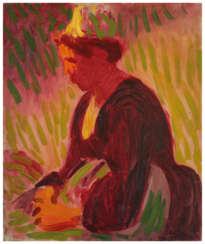

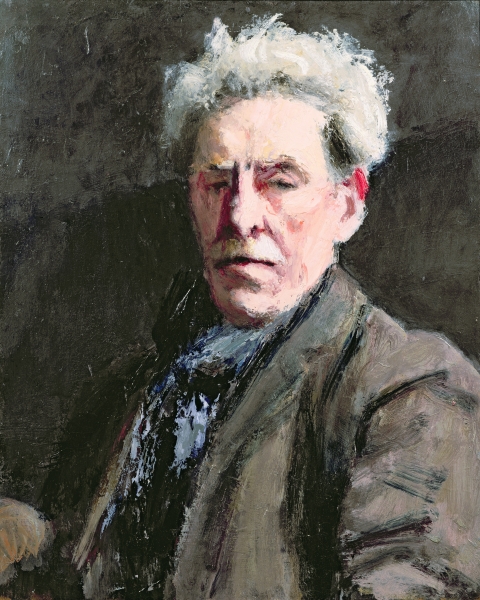
The Irish painter Roderic O'Conor was a pivotal figure in the post-impressionist movement during the late 19th and early 20th centuries. Aligning with the Pont-Aven School, his work thrived in France amidst the artistic revolution of the 1880s and 1890s.
O'Conor's artistic methodology was profoundly influenced by his time in France, spanning nearly five decades. His signature technique, characterized by thick, adjacent strokes of rich, contrasting colors, owes much to the discoveries of the Divisionists and Vincent Van Gogh.
His journey also included a transformative Parisian period beginning in 1886, marked by experimentation and innovation. Later, his Bretagne sojourn from 1891 to 1904 was interspersed with managing inherited estates back in Ireland, which allowed him financial independence from his painting sales. O'Conor's final years from 1934 until his passing in 1940 were spent in Nueil-sur-Layon.
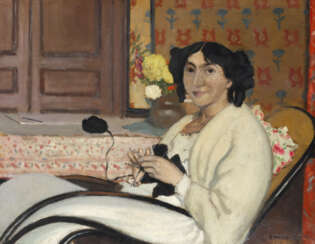

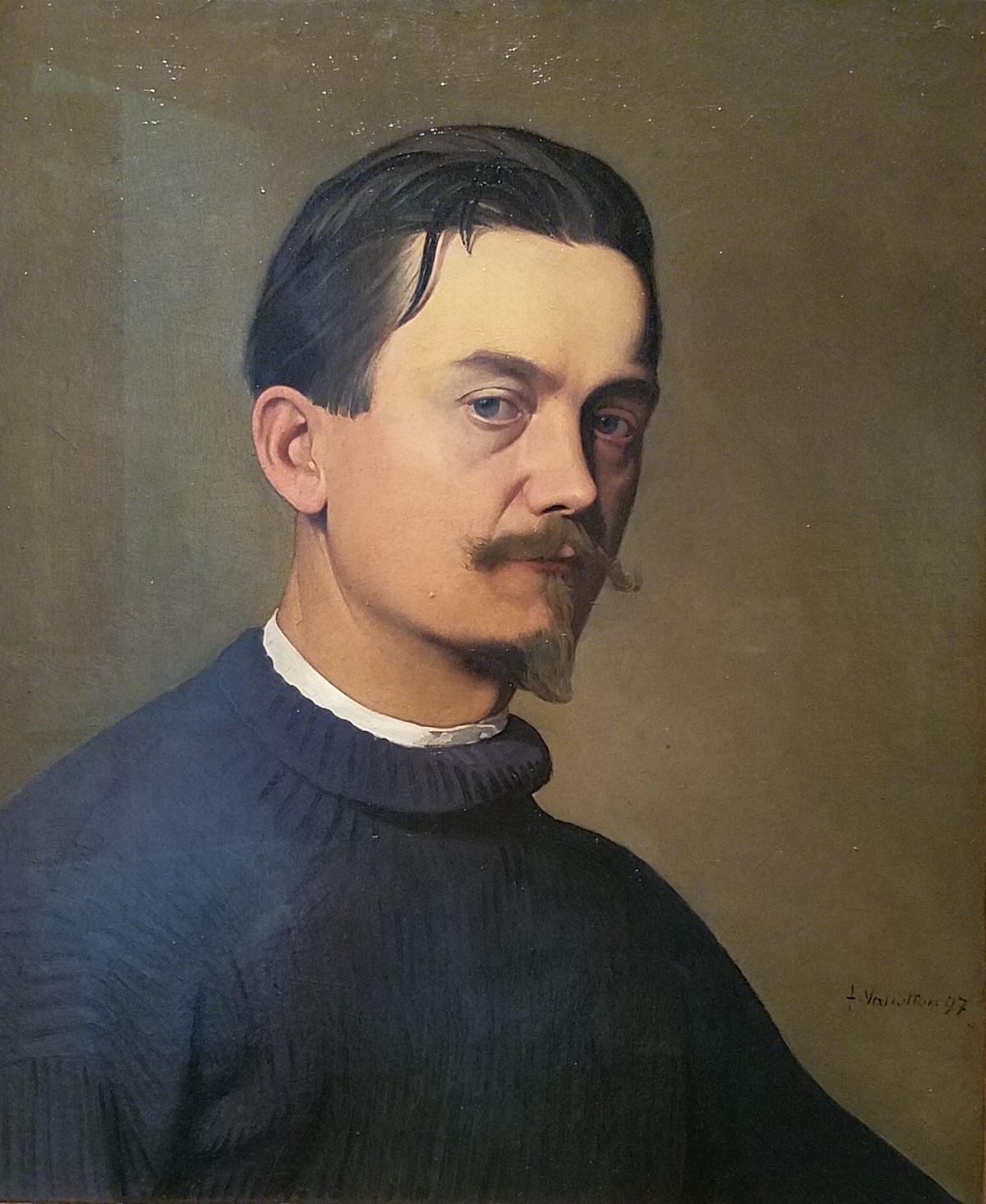
Félix Vallotton, a Swiss-born French graphic artist and painter, is recognized for his distinctive woodcuts and paintings of nudes and interiors. Vallotton's journey into art began in Paris, where he attended the Académie Julian, fostering a unique style that broke from traditional norms. His early works, characterized by extreme realism, were showcased at the Salon des Artistes Français and the Paris Universal Exposition of 1889. This period also marked Vallotton's encounter with Japanese prints, notably those by Hokusai, profoundly influencing his artistic direction.
In 1892, Vallotton joined Les Nabis, a group of avant-garde artists including Pierre Bonnard, Maurice Denis, and Édouard Vuillard, which led to a significant evolution in his style. His paintings from this era, such as "Bathers on a Summer Evening" and "Moonlight," exhibited at the Kunsthaus Zürich and the Musée d'Orsay respectively, reveal a departure from realism towards a more symbolic and abstract representation. The works from this period are characterized by flat areas of color, hard edges, and simplified details, mirroring the style he developed in his woodcuts.
Vallotton's woodcuts, like "Intimités" (Intimacies), a series published in 1898, showcased his mastery in capturing the nuances of human relationships, particularly the tensions between men and women. His graphic art, which included depictions of domestic scenes, bathing women, and street crowds, was not just celebrated in Europe but also influenced artists like Edvard Munch, Aubrey Beardsley, and Ernst Ludwig Kirchner.
Towards the end of his career, Vallotton continued to innovate, combining elements of realism and abstraction, evident in paintings like "La Malade" (The Sick Girl) and "Clair de lune" (Moonlight). His works remain a testament to his ability to merge technical precision with a poignant exploration of human emotions and societal themes.
For art collectors and experts, Vallotton's body of work offers a rich and diverse exploration of early 20th-century art movements, especially his role in the development of modern woodcut techniques and his contribution to the Nabis movement. His works are a study in the fusion of realism and symbolism, marked by a distinctive style that makes his art enduringly relevant and compelling.
For those interested in discovering more about Félix Vallotton and staying updated on related product sales and auction events, signing up for updates is a great opportunity. This subscription will exclusively alert you to new sales and events pertaining to Vallotton's works, ensuring you remain informed in the dynamic world of art and antiques.
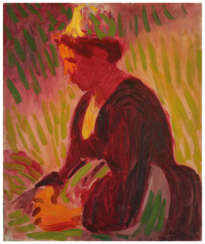

The Irish painter Roderic O'Conor was a pivotal figure in the post-impressionist movement during the late 19th and early 20th centuries. Aligning with the Pont-Aven School, his work thrived in France amidst the artistic revolution of the 1880s and 1890s.
O'Conor's artistic methodology was profoundly influenced by his time in France, spanning nearly five decades. His signature technique, characterized by thick, adjacent strokes of rich, contrasting colors, owes much to the discoveries of the Divisionists and Vincent Van Gogh.
His journey also included a transformative Parisian period beginning in 1886, marked by experimentation and innovation. Later, his Bretagne sojourn from 1891 to 1904 was interspersed with managing inherited estates back in Ireland, which allowed him financial independence from his painting sales. O'Conor's final years from 1934 until his passing in 1940 were spent in Nueil-sur-Layon.
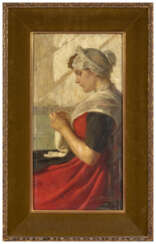

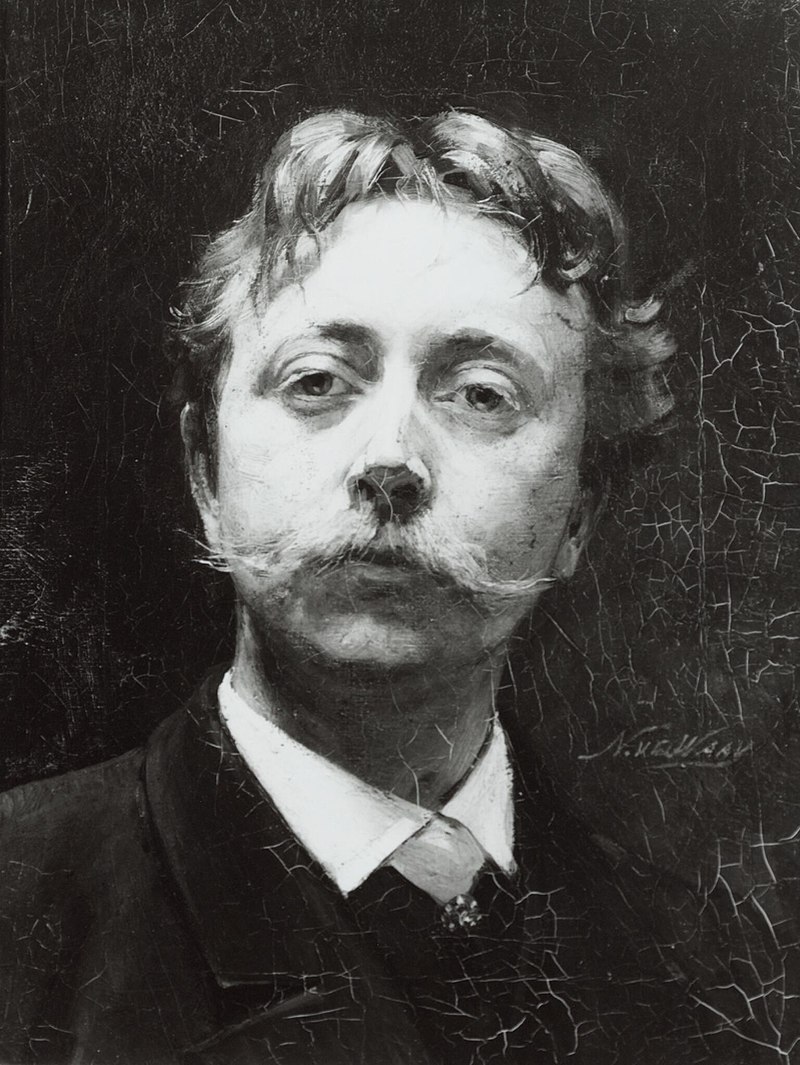
Nicolaas van der Waay was a Dutch decorative artist, watercolorist and lithographer. He worked in many genres, including stamp, coin and banknote designs. He is perhaps best known for the allegorical illustrations he created for the Golden Coach and a series of paintings depicting the lives of girls from the Amsterdam Orphanage. His work was also part of the painting event in the art competition at the 1928 Summer Olympics.



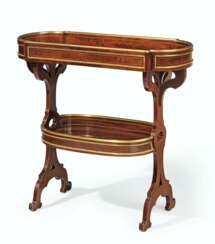

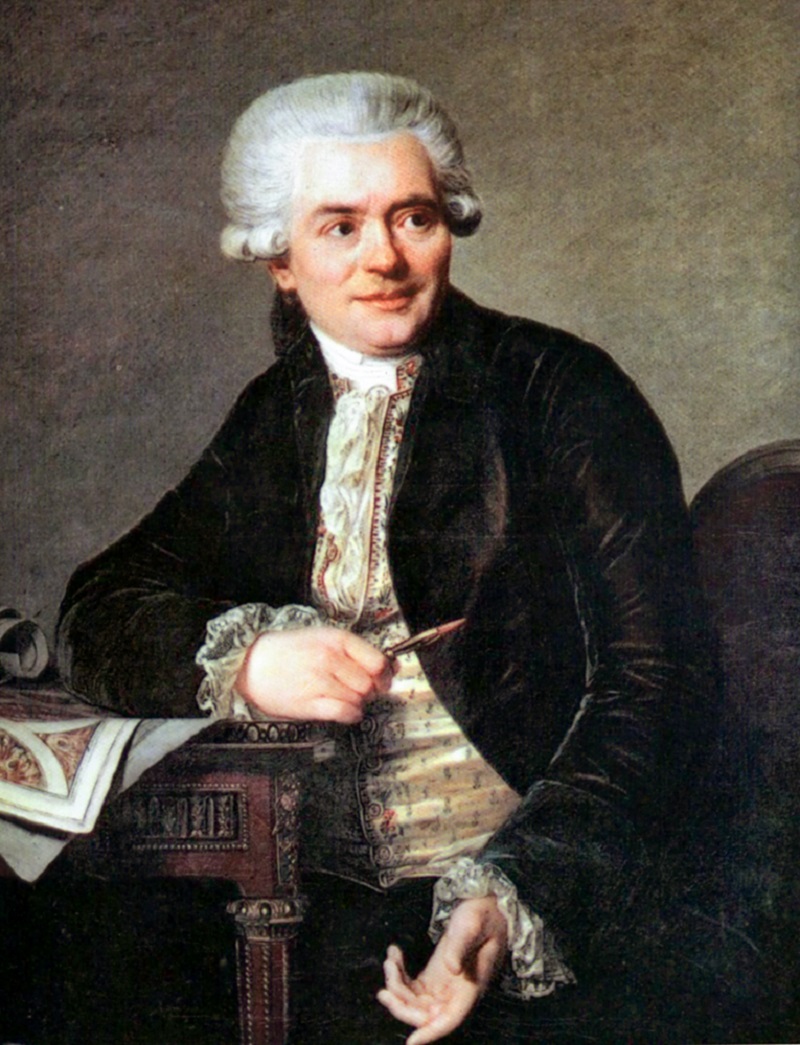
Jean-Henri Riesener was a famous German ébéniste (cabinetmaker), working in Paris, whose work exemplified the early neoclassical Louis XVI style.