

vienne


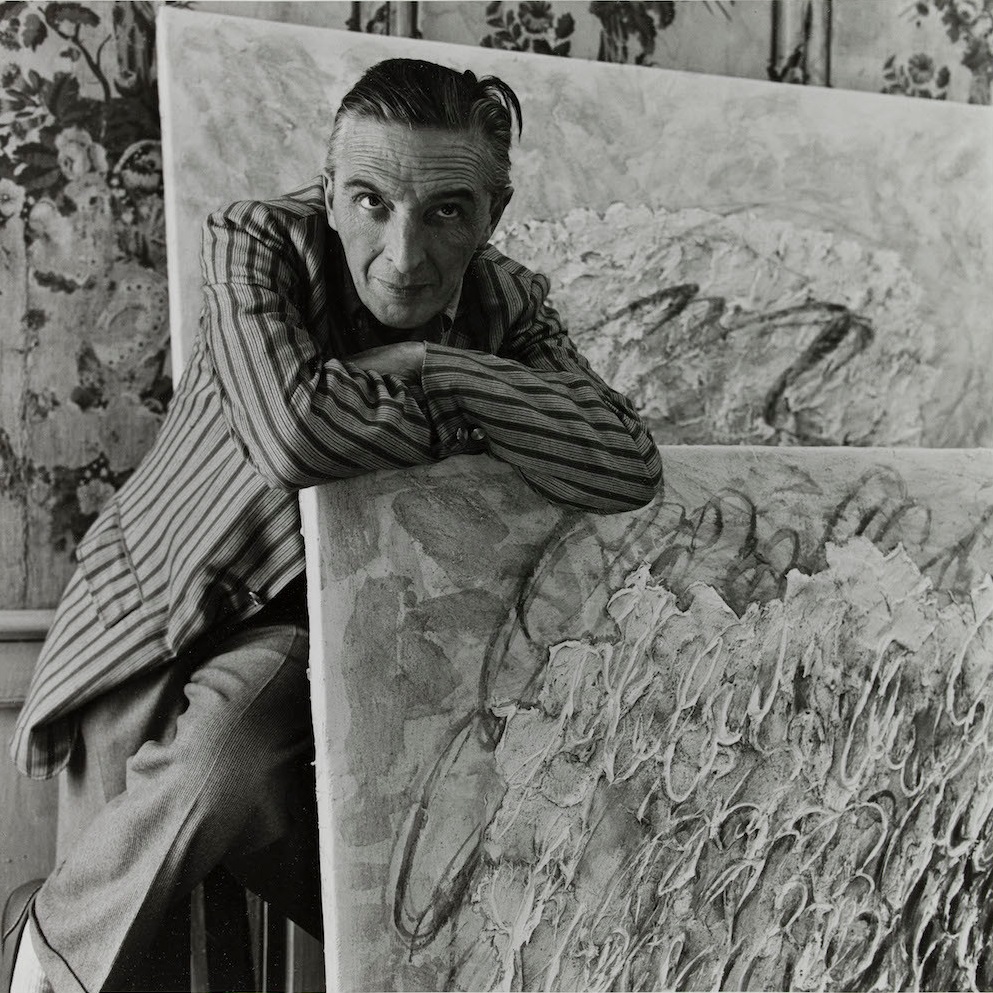
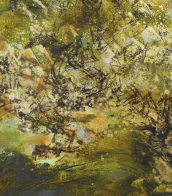
Jean Fautrier was a French painter and sculptor associated with the Art Informel and Tachisme movements. He initially studied architecture before turning to painting in the early 1920s.
Fautrier's early work was influenced by Cubism and Surrealism, but he eventually developed a more abstract style characterized by thick impasto and expressive brushwork. He often used unconventional materials, such as asphalt, sand, and tar, to create textured surfaces that conveyed a sense of materiality.
During World War II, Fautrier was active in the French Resistance and went into hiding to avoid arrest by the Nazis. His experiences during the war had a profound impact on his work, which became darker and more introspective. He began to create what he called "Hostage" paintings, which depicted anonymous faces and figures that were both haunting and vulnerable.
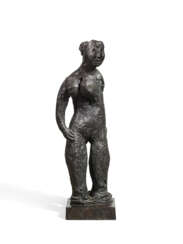
After the war, Fautrier continued to explore themes of violence, trauma, and decay in his art. He created a series of "Otages" (Hostages) sculptures that were made from casts of human limbs and torsos. These works were highly controversial and provoked strong reactions from critics and the public alike.
Fautrier's influence on the development of Art Informel and Tachisme was significant, and he is regarded as one of the key figures of the movement. His work is represented in many major museums and collections around the world, including the Centre Georges Pompidou in Paris and the Museum of Modern Art in New York.
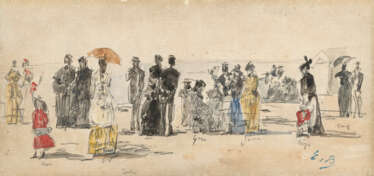

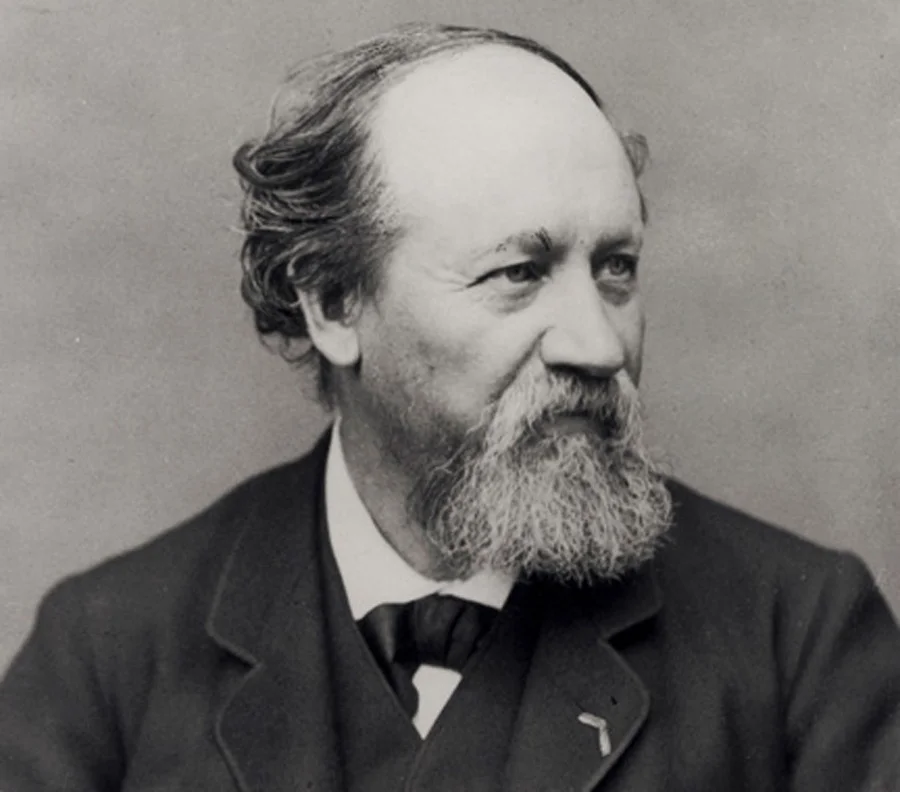
Eugène Louis Boudin was one of the first French landscape painters to paint outdoors. Boudin was a marine painter, and expert in the rendering of all that goes upon the sea and along its shores. His pastels, summary and economic, garnered the splendid eulogy of Baudelaire; and Corot called him the «King of the skies».
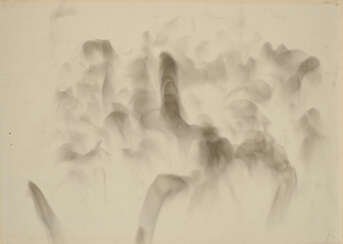

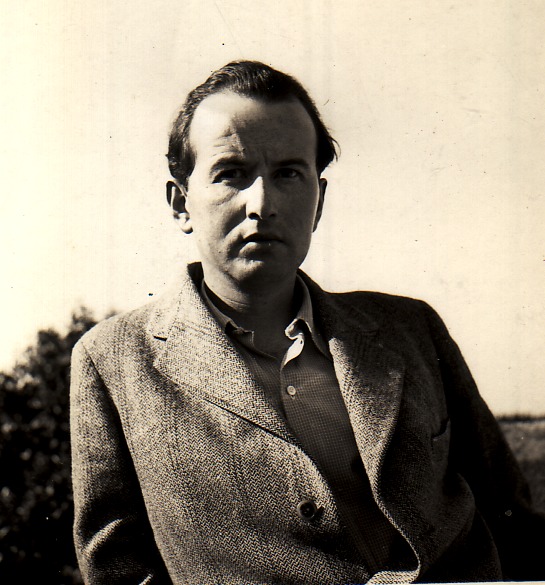
Wolfgang Robert Paalen was an Austrian-Mexican painter, sculptor, and art philosopher. A member of the Abstraction-Création group from 1934 to 1935, he joined the influential Surrealist movement in 1935 and was one of its prominent exponents until 1942. Whilst in exile in Mexico, he founded his own counter-surrealist art-magazine DYN, in which he summarized his critical attitude towards radical subjectivism and Freudo-Marxism in Surrealism with his philosophy of contingency. He rejoined the group between 1951 and 1954, during his sojourn in Paris.
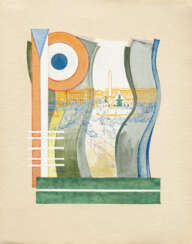

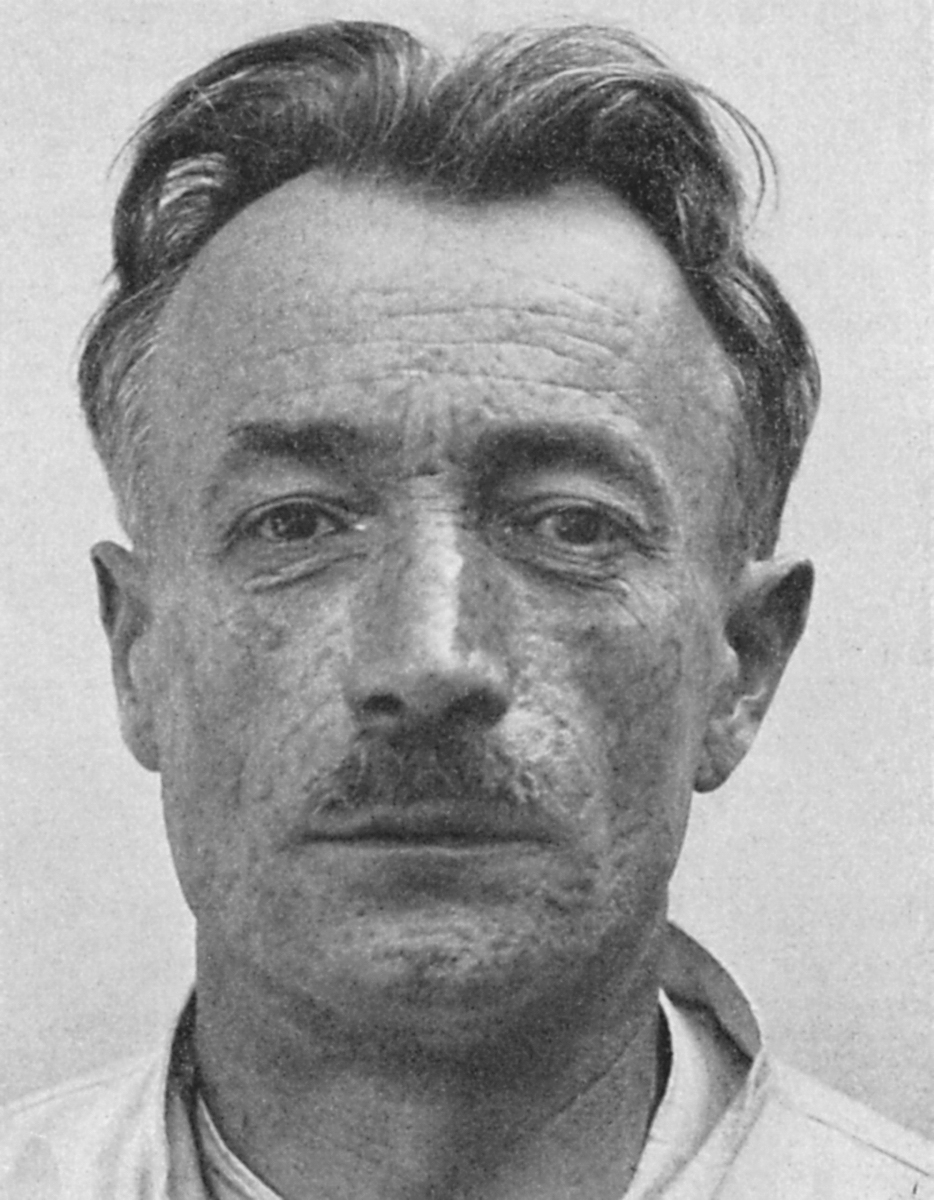
František Kupka was a Czech painter and graphic artist. He was a pioneer and co-founder of the early phases of the abstract art movement and Orphic Cubism (Orphism). Kupka's abstract works arose from a base of realism, but later evolved into pure abstract art.
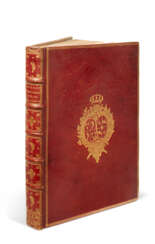



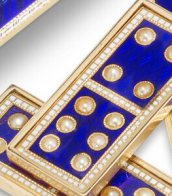
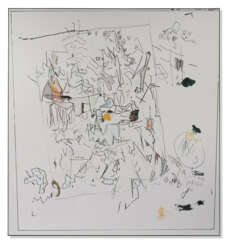

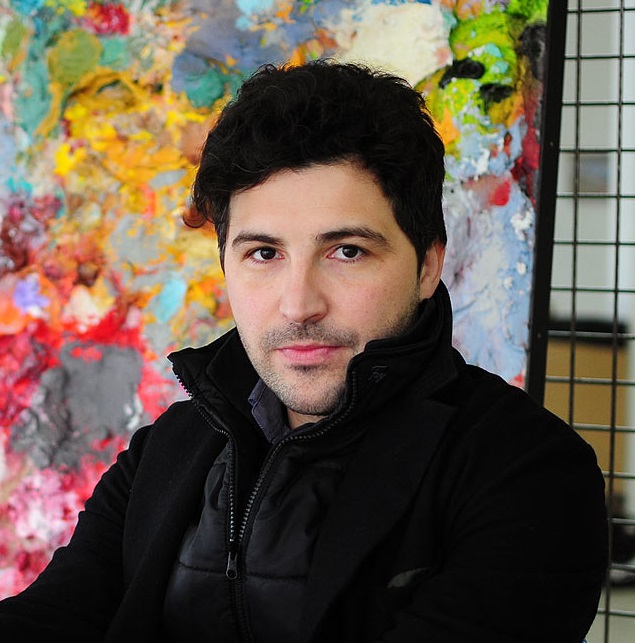
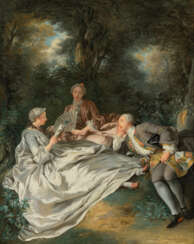

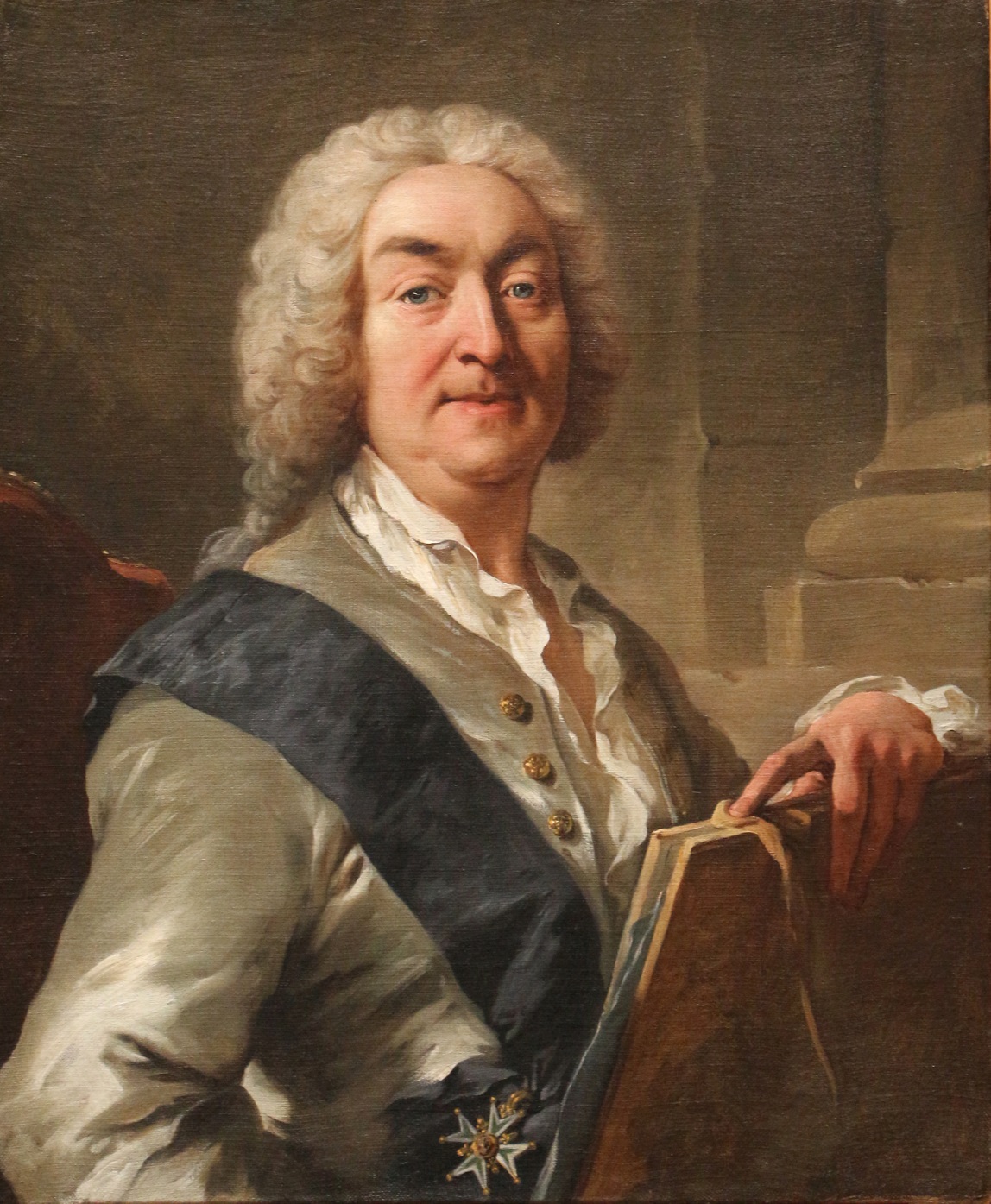
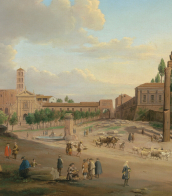
Jean-François de Troy was a French Rococo easel and fresco painter, draughtsman and tapestry designer. One of France's leading history painters in his time, he was equally successful with his decorative paintings, genre scenes and portraits. He was the inventor of the tableaux de modes ('paintings of fashions'), which attempted to provide a spirited portrayal of contemporary fashions, pastimes and manners.
He was the Director of the French Academy in Rome from 1738.


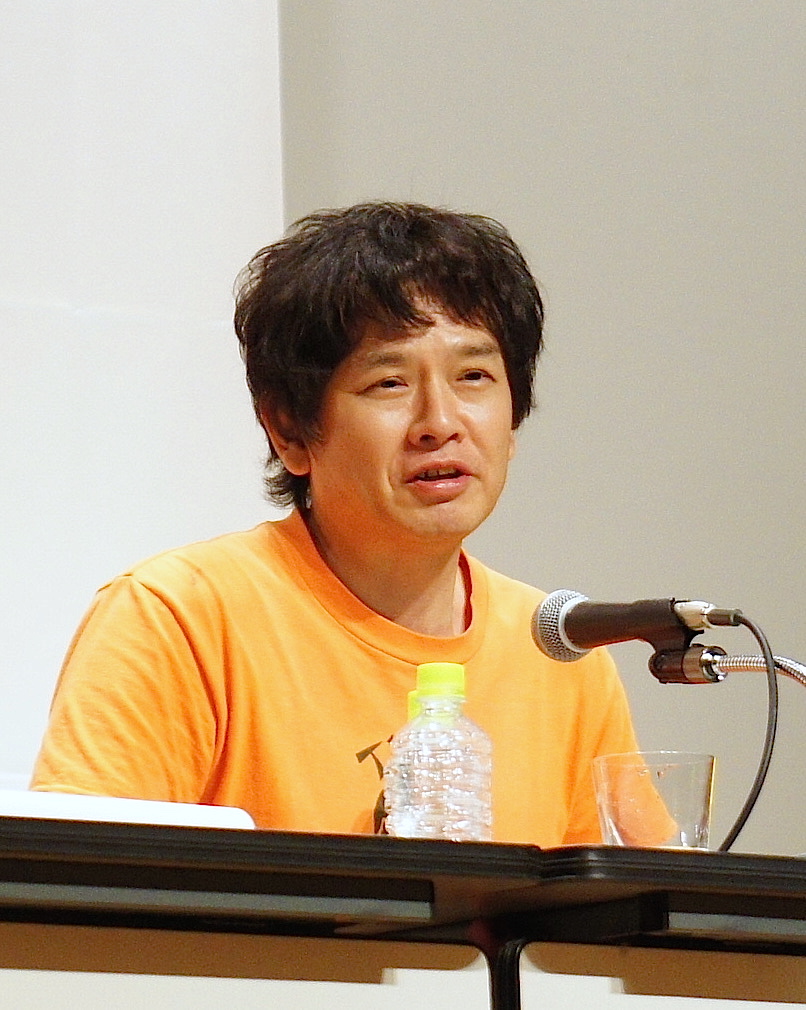
Yoshitomo Nara is a Japanese artist. He lives and works in Nasushiobara, Tochigi Prefecture, though his artwork has been exhibited worldwide. Nara has had nearly 40 solo exhibitions since 1984. His art work has been housed at the MoMA and the Los Angeles County Museum of Art (LACMA).
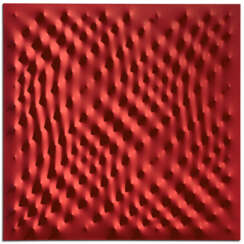

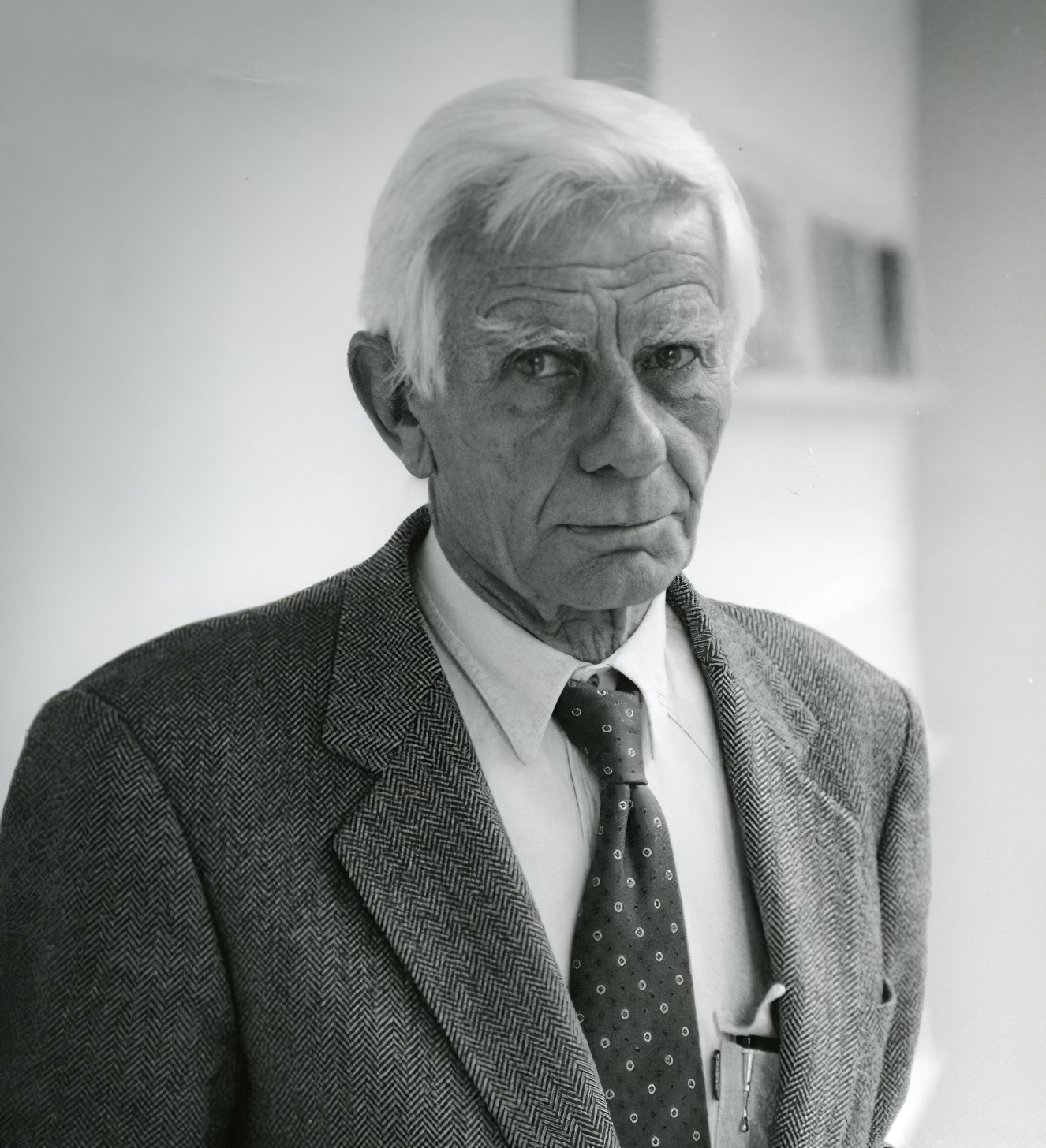
Enrico Castellani was an Italian artist. He was active in Italy from the early 1960s, and associated with Piero Manzoni and Vincenzo Agnetti. Castellani is known for his "paintings of light". He studied at the Ecole Nationale Superieure in Belgium, then settled in Milan. Castellani collaborated with artists such as Getulio Alviani, Piero Manzoni, and others. In 2010 he received the Praemium Imperiale for painting.
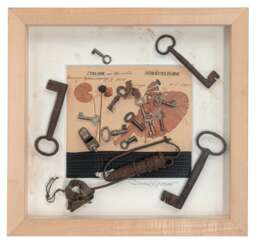

.jpeg)
Daniel Spoerri was a Swiss artist of Romanian-Jewish descent, renowned for his contributions to the art world as a key figure in the Nouveau Réalisme (New Realism) movement. Born in Romania in 1930, Spoerri made significant strides in visual art, particularly in his development of "snare-pictures," a method where he captured a group of objects, such as table settings and the remnants of meals, in a state of apparent disorder yet meticulously fixed to the tabletop.
His works are celebrated for turning ordinary moments into a tableau of frozen time, capturing life's ephemeral qualities through the permanence of art. Notably, his piece "Tableau piège" involves the fixation of objects to a board or table, which is then displayed vertically, challenging traditional art display norms and viewer perceptions. This innovative approach allowed him to explore themes of consumption, waste, and the mundane, making the everyday profound.
Daniel Spoerri's art is housed in many esteemed institutions, including the Museum of Modern Art in New York and the Centre Georges Pompidou in Paris. His work continues to influence contemporary art, offering a unique perspective on the art of assemblage and the beauty in the banal.
For those interested in exploring more about Daniel Spoerri's life and works, or in keeping updated with sales and auction events related to his art, signing up for our updates is highly recommended. This subscription ensures you stay informed about the latest offerings and exhibitions featuring Spoerri's intriguing creations.





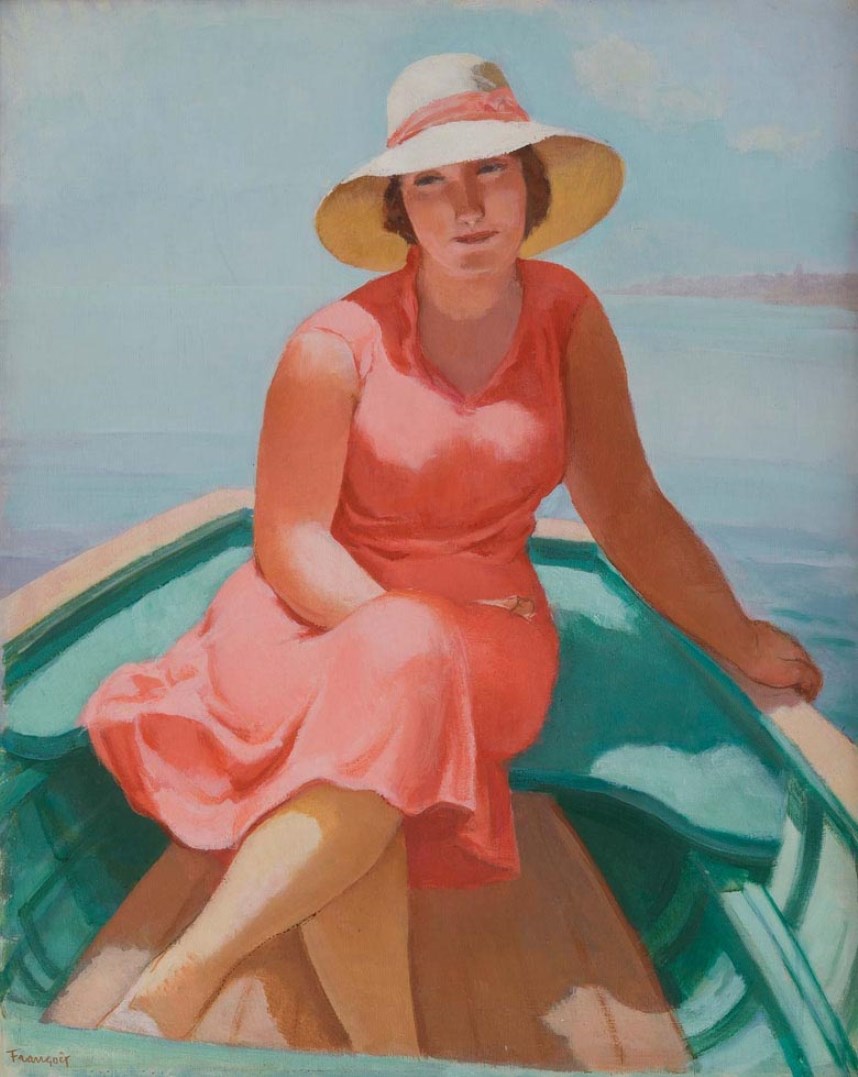

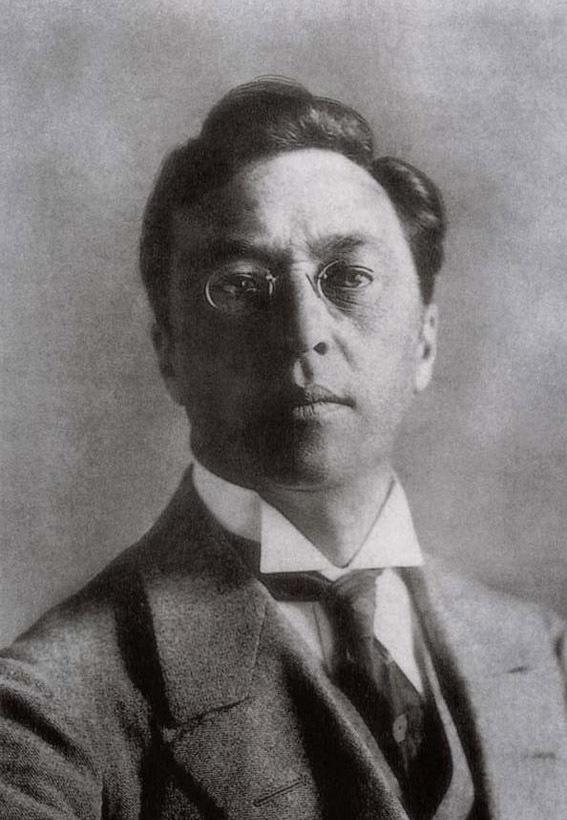
Wassily Wassilyevich Kandinsky (Russian: Василий Васильевич Кандинский) was a trailblazer in the art world, known for his pioneering role in the development of abstract art. Born in Moscow, Russia, in 1866, Kandinsky embarked on a journey that would take him from the study of law and economics to becoming one of the most influential artists of his time. His journey into the arts began at 30, a significant shift from a promising career in law to attending the Academy of Fine Arts in Munich. This decision marked the start of a profound exploration of color, form, and the spiritual in art.
Kandinsky's work is celebrated for its innovative use of color and abstract forms, with notable pieces such as "Composition VII" and "On White II" showcasing his ability to evoke emotional resonance through non-representational means. His art was not just about visual aesthetics but also aimed to touch the spiritual and emotional realms of the viewer. He often compared his method of painting to composing music, emphasizing the emotional power of abstract forms and colors. This philosophy was reflected in his theoretical writings, notably in "Concerning the Spiritual in Art," where he laid out his beliefs about the role of art and the artist in society.
Throughout his career, Kandinsky was involved with several avant-garde groups, including Der Blaue Reiter and Die Blaue Vier, collaborating with other influential artists of the time like Paul Klee and Alexej Jawlensky. After the Bauhaus school, where he taught, was closed by the Nazis, Kandinsky moved to France, where he spent the remainder of his life, continuing to evolve his style and contribute to the art world until his death in Neuilly-sur-Seine in 1944.
Kandinsky's legacy is not only in his artworks, which are held in esteemed collections worldwide, such as the Solomon R. Guggenheim Museum in New York, but also in his impact on the course of modern art. He opened up new possibilities for artists by demonstrating that art could venture beyond the representational and delve into the purely abstract, exploring the inner emotional and spiritual life through form and color.
For those captivated by Kandinsky's revolutionary approach to art and interested in the evolution of abstract expression, signing up for updates on new product sales and auction events related to Kandinsky's work is an excellent way to stay informed. This subscription service is tailored for collectors and art experts, ensuring you are the first to know about opportunities to acquire pieces by or related to this groundbreaking artist.
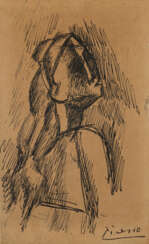

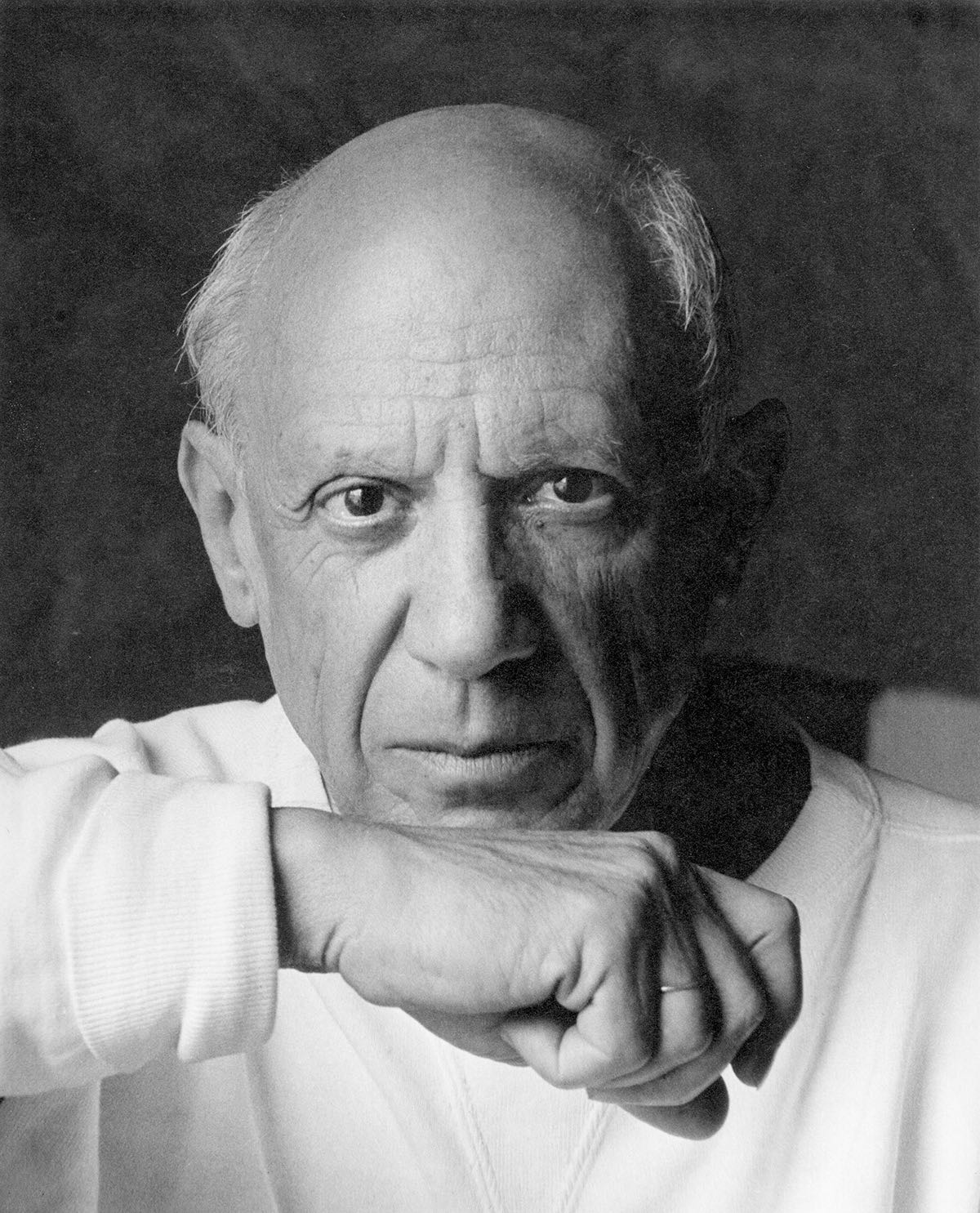
Pablo Ruiz Picasso, a Spanish artist renowned for his revolutionary contributions to the 20th-century art scene, is a figure that resonates profoundly with collectors and art experts. His unique blend of talents in painting, sculpture, printmaking, and ceramic art, infused with his time in France, positioned him as a pivotal character in modern art history.
Picasso's artistic journey was marked by distinct periods, each showcasing his evolving style and genius. His early years were characterized by the Blue Period (1901-1904), followed by the Rose Period (1904-1906), and then the African-influenced Period (1907-1909). Picasso's name is synonymous with Cubism, a movement he co-founded, which significantly altered artistic perspectives and methods. Works like "Les Demoiselles d'Avignon" (1907) and "Guernica" (1937) are emblematic of his cubist legacy, the latter being a poignant anti-war statement that remains influential.
His later years saw a return to more traditional styles, with neoclassical and surrealist influences becoming evident. Works from these phases reflect a deep engagement with mythological themes, as seen in "Faun with Stars" (1955), symbolizing his late-life romance with Jacqueline Roque, his second wife.
Picasso's prolific output and innovative spirit made him a legend in his own time, a status that only grew after his death. His works, housed in major museums and private collections worldwide, continue to captivate and inspire.
As a collector or expert in art and antiques, staying informed about Picasso's works, their auction events, and sales is essential. To stay updated on the latest developments and opportunities related to Pablo Picasso, sign up for our specialized updates. Rest assured, this subscription will focus solely on new product sales and auction events pertaining to Picasso's art, ensuring that you receive only the most relevant and valuable information.
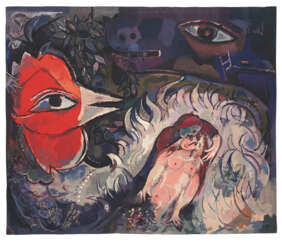

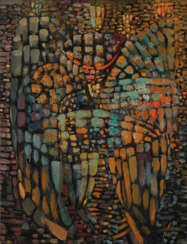

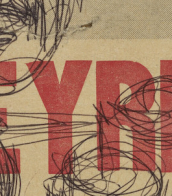
Wolfgang Robert Paalen was an Austrian-Mexican painter, sculptor, and art philosopher. A member of the Abstraction-Création group from 1934 to 1935, he joined the influential Surrealist movement in 1935 and was one of its prominent exponents until 1942. Whilst in exile in Mexico, he founded his own counter-surrealist art-magazine DYN, in which he summarized his critical attitude towards radical subjectivism and Freudo-Marxism in Surrealism with his philosophy of contingency. He rejoined the group between 1951 and 1954, during his sojourn in Paris.




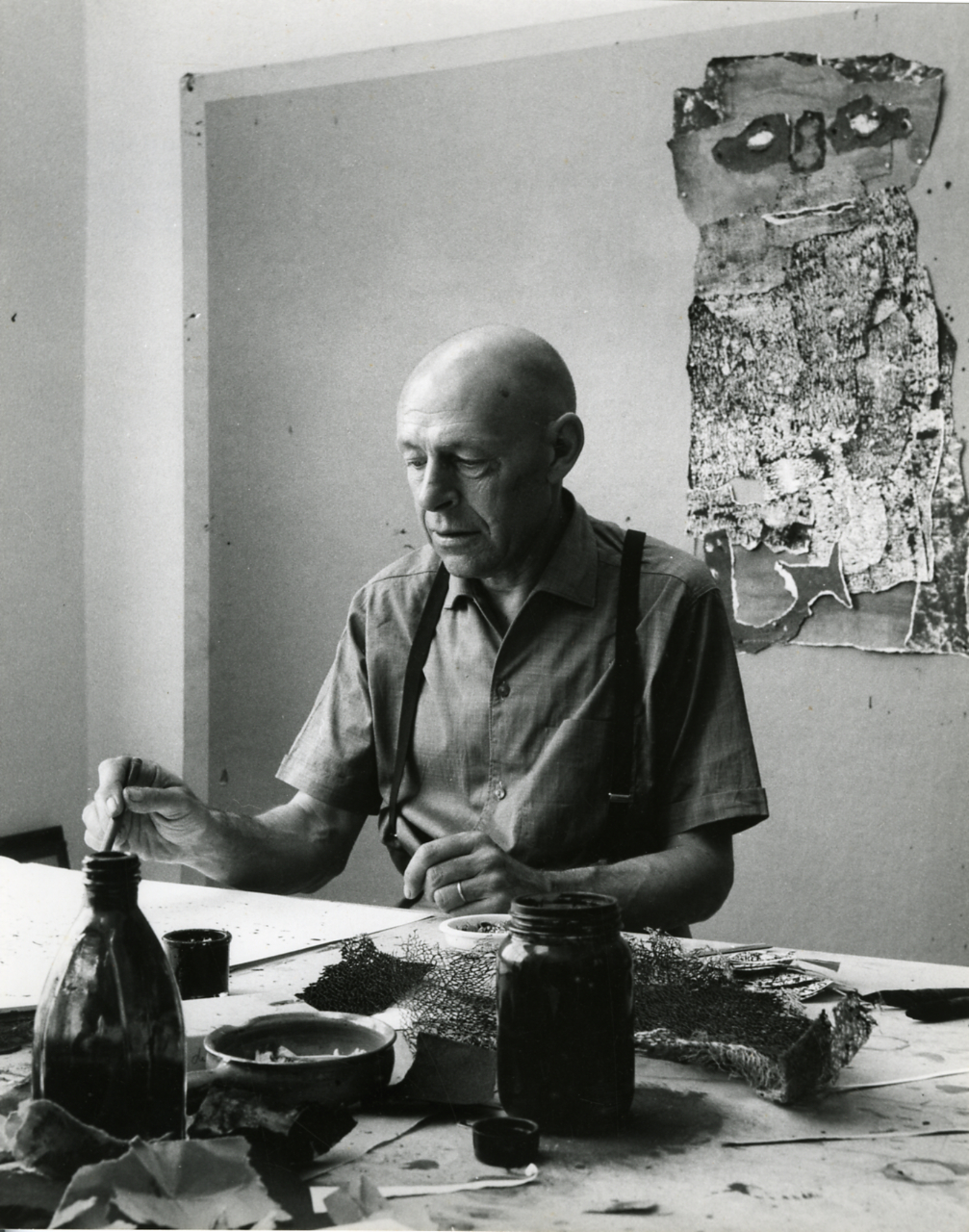
Jean Philippe Arthur Dubuffet, a pioneering French painter and sculptor, revolutionized the post-war art scene with his radical Matterism movement. He defied the conventional aesthetics of his time, championing "low art" and propelling a more genuine, humanistic image-making approach.
Dubuffet, born in Le Havre, France, in 1901, was a prominent figure at the Ecole de Paris and an advocate for Art Brut, or "raw art", which sought to capture art's purest form. His works were characterized by a rough, unrefined aesthetic, which eschewed academic norms in favor of spontaneity and authenticity.
Art enthusiasts and experts can view Dubuffet's innovative works at institutions like the Museum of Modern Art, where his legacy as a groundbreaking artist continues to be celebrated. His Matterism philosophy has left an indelible mark on the art world, inspiring generations of artists to embrace the beauty in the unconventional.
For those interested in the avant-garde and the legacy of Jean Philippe Arthur Dubuffet, sign up for our exclusive updates. This service is designed for connoisseurs and professionals in the art and antique sector, promising alerts on new insights and events strictly related to Dubuffet's profound influence.


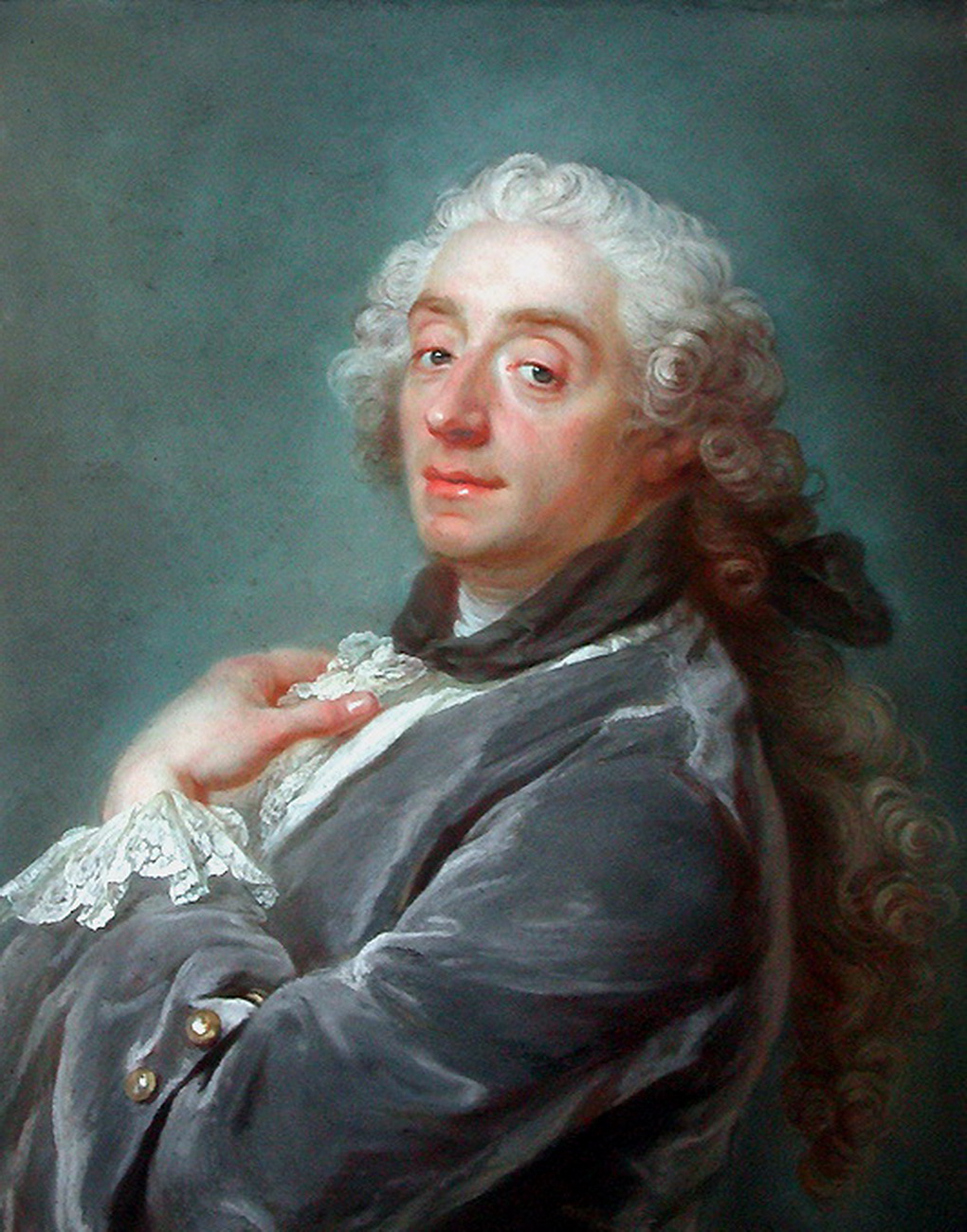
François Boucher, a French artist, is celebrated for his significant contributions to the Rococo style of painting. His works are renowned for their idyllic and voluptuous themes, which include classical subjects, decorative allegories, and pastoral scenes. Boucher's talent in creating intricate and charming paintings made him a favorite in the French court, especially with Madame de Pompadour.
François Boucher's skills were not confined to painting alone; he was also an adept draftsman and tapestry designer. His designs for the Beauvais tapestry workshops were highly successful, influencing decorative arts across Europe. Moreover, Boucher's influence extended to porcelain, with his designs being replicated on tableware and decorative pieces at the Vincennes and Sèvres factories.
Despite the later criticism of his style as overly frivolous and disconnected from the emerging Neoclassical trends, François Boucher's works continue to be admired for their aesthetic beauty and historical significance. His ability to blend various elements into a cohesive and appealing visual narrative demonstrates his mastery and enduring legacy in the art world.
For art collectors and enthusiasts, François Boucher's oeuvre offers a fascinating glimpse into 18th-century French art and culture, reflecting the opulence and delicate tastes of the Rococo period. His paintings and designs continue to be celebrated and studied for their artistic merit and historical context.
To stay updated on the latest exhibitions, sales, and events related to François Boucher's works, consider subscribing to updates from reliable art and antique sources. This way, you'll remain informed about opportunities to engage with the art of one of Rococo's most distinguished masters.

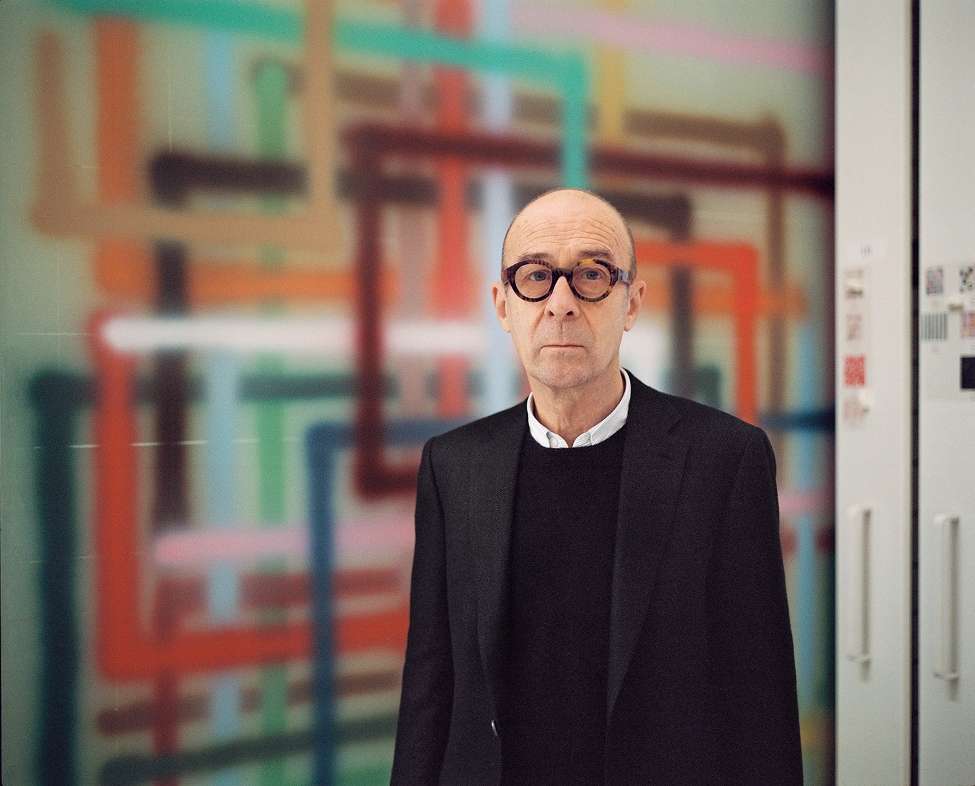


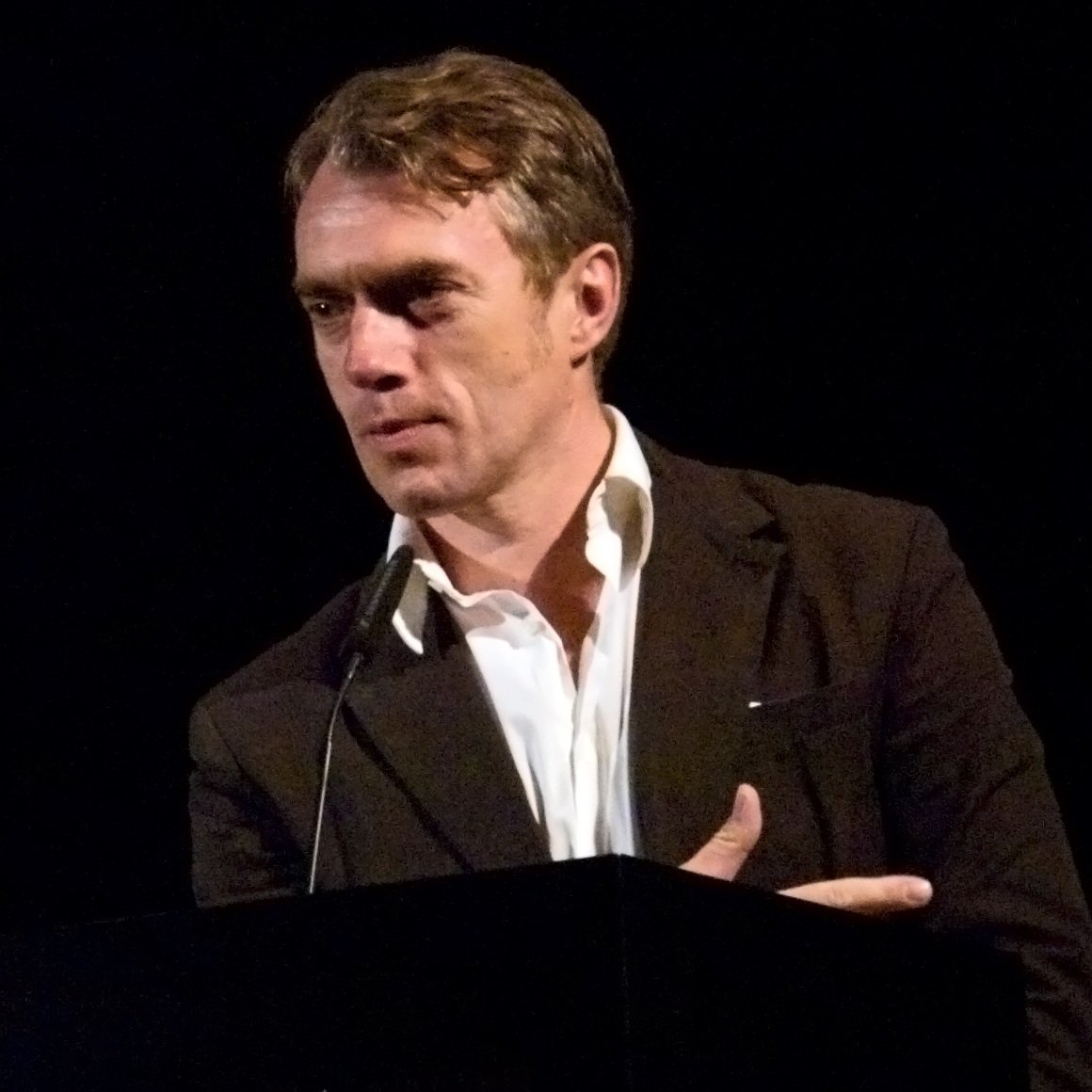
Neo Rauch is a German artist whose paintings mine the intersection of his personal history with the politics of industrial alienation. His work reflects the influence of socialist realism, and owes a debt to Surrealists Giorgio de Chirico and René Magritte, although Rauch hesitates to align himself with surrealism. He studied at the Hochschule für Grafik und Buchkunst Leipzig, and he lives in Markkleeberg near Leipzig, Germany and works as the principal artist of the New Leipzig School. The artist is represented by Galerie EIGEN + ART Leipzig/Berlin and David Zwirner, New York.
Rauch's paintings suggest a narrative intent but, as art historian Charlotte Mullins explains, closer scrutiny immediately presents the viewer with enigmas: "Architectural elements peter out; men in uniform from throughout history intimidate men and women from other centuries; great struggles occur but their reason is never apparent; styles change at a whim."





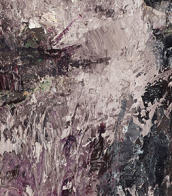


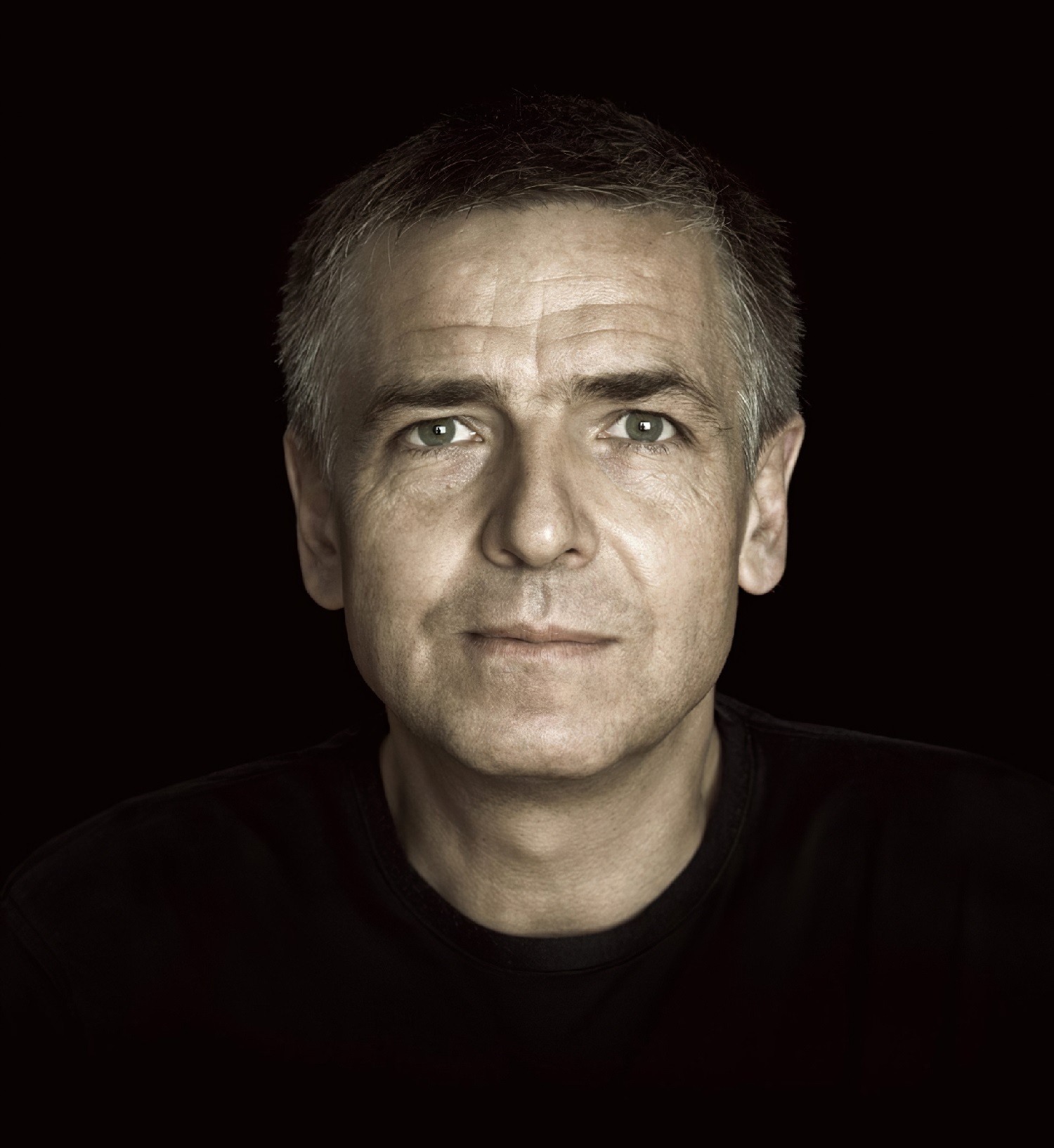
Andreas Gursky, a German photographer born in 1955, is renowned for his large format architectural and landscape color photographs, which often feature a high vantage point. Gursky's work has garnered attention for its unique perspective on modern life and contemporary scenes, capturing the grandeur and intricacy of his subjects with a meticulous eye for detail. His pieces, such as "Rhein II" and "99 Cent II Diptychon," showcase his skill in transforming ordinary locales into extraordinary visual narratives, often with the aid of digital manipulation to enhance and refine the final image.
Andreas Gursky's photography is celebrated for its ability to capture the essence of globalization and the human impact on the environment, presenting scenes that are both familiar and alien in their scope and detail. His work has been exhibited worldwide and is held in high esteem in the art market, with some of his pieces achieving record-breaking auction prices.
For art collectors and experts, Andreas Gursky's photographs offer a profound commentary on the world we live in, blending technical prowess with a deep conceptual framework. His exhibitions and publications provide insight into his creative process and the evolution of his artistic vision.
To stay updated on Andreas Gursky's latest exhibitions and works, consider subscribing to updates from renowned art galleries or institutions that feature contemporary photography.