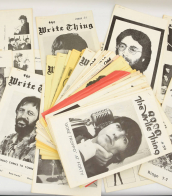
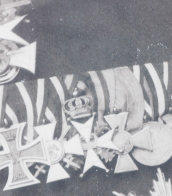
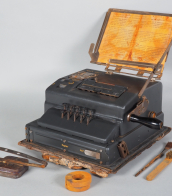
wire



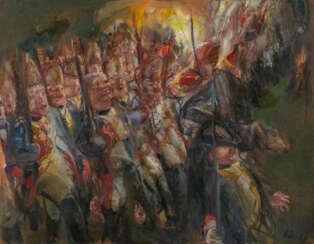

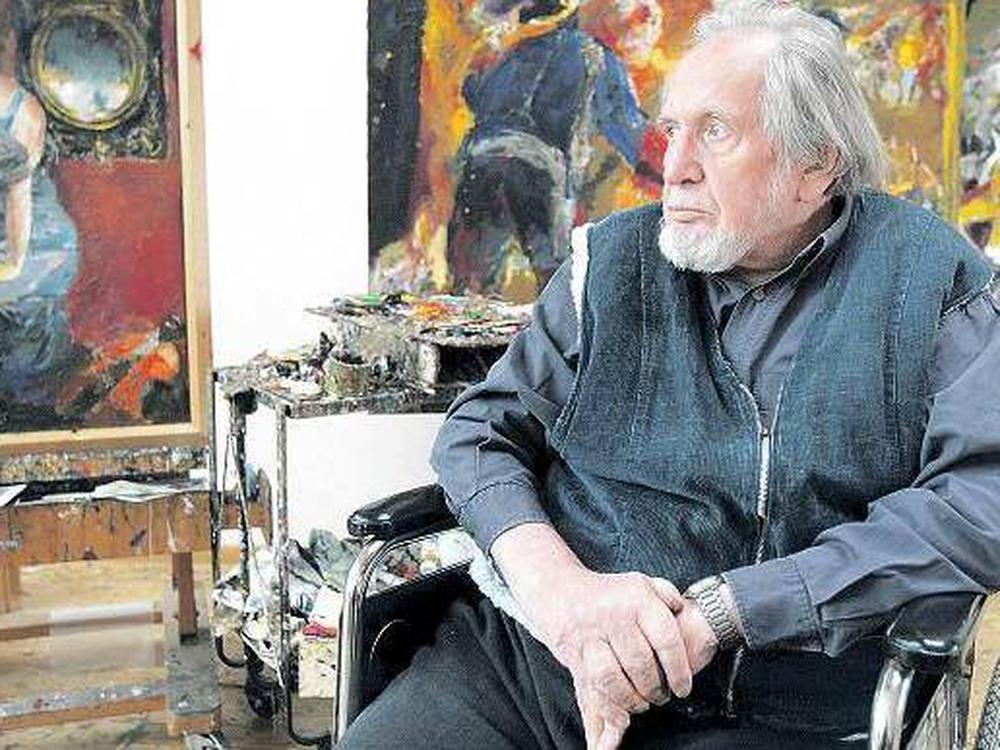
Bernhard Heisig was a German painter of the postwar Leipzig school and one of the greatest artists of the GDR.
From 1942 to 1945 he participated in World War II as a volunteer in the 12th SS Armored Division "Hitler Youth", was seriously wounded, was in a Soviet prison camp and was released in Breslau as an invalid.
All these difficult events were reflected in Heisig's work. His unrelenting preoccupation with war made his work as manic as it was monolithic. Anger was what kept him working.
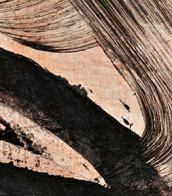
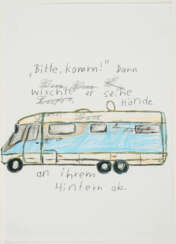

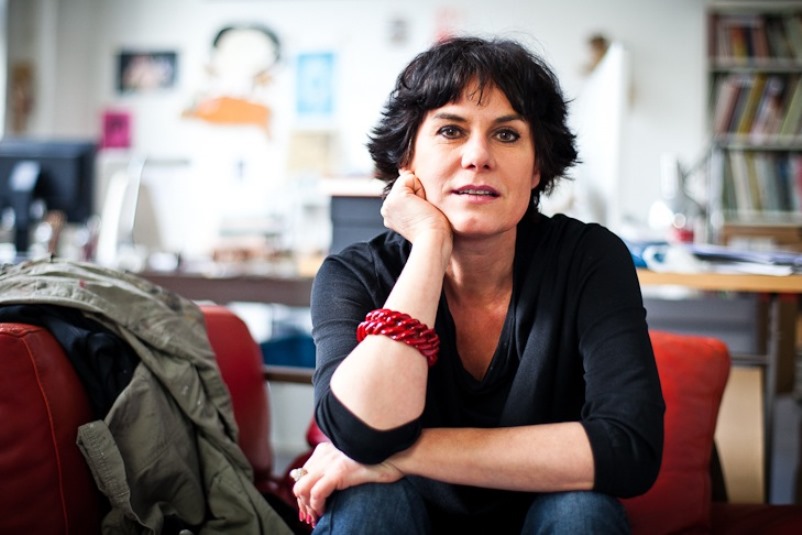


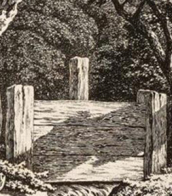
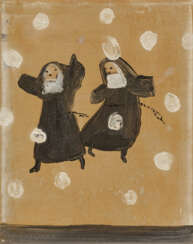

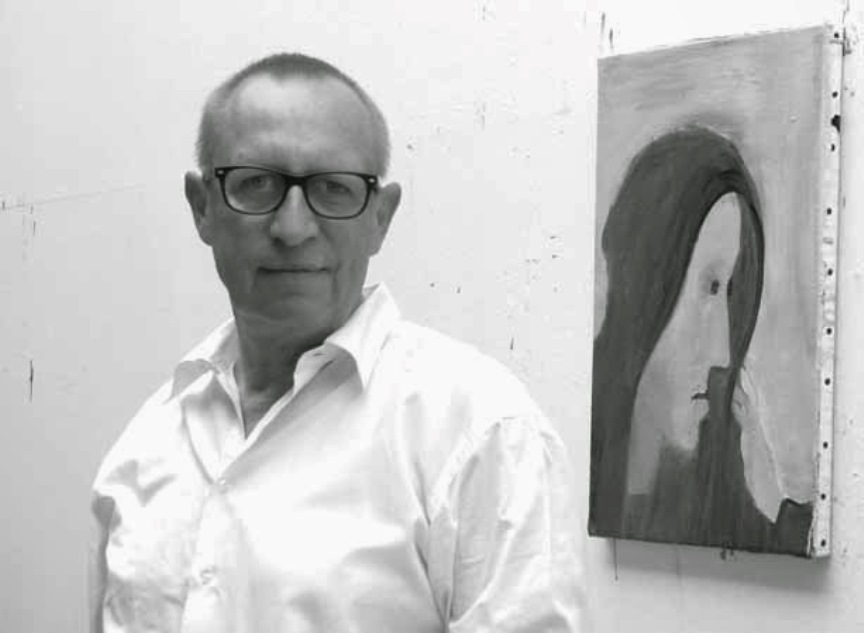
Norbert Schwontkowski is a German painter. He studied freehand painting at the University of Design in Bremen and at the University of Fine Arts in Hamburg.
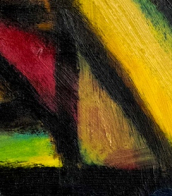
Norbert Schwontkowski's work lies between abstraction, realistic representation and caricature. He mixes the unconscious and surreal with the real, the figures and subjects in the artist's paintings resemble complex dreams.
Schwontkowski created his paints from hand-crushed pigments mixed with various materials to produce a multitude of textures.



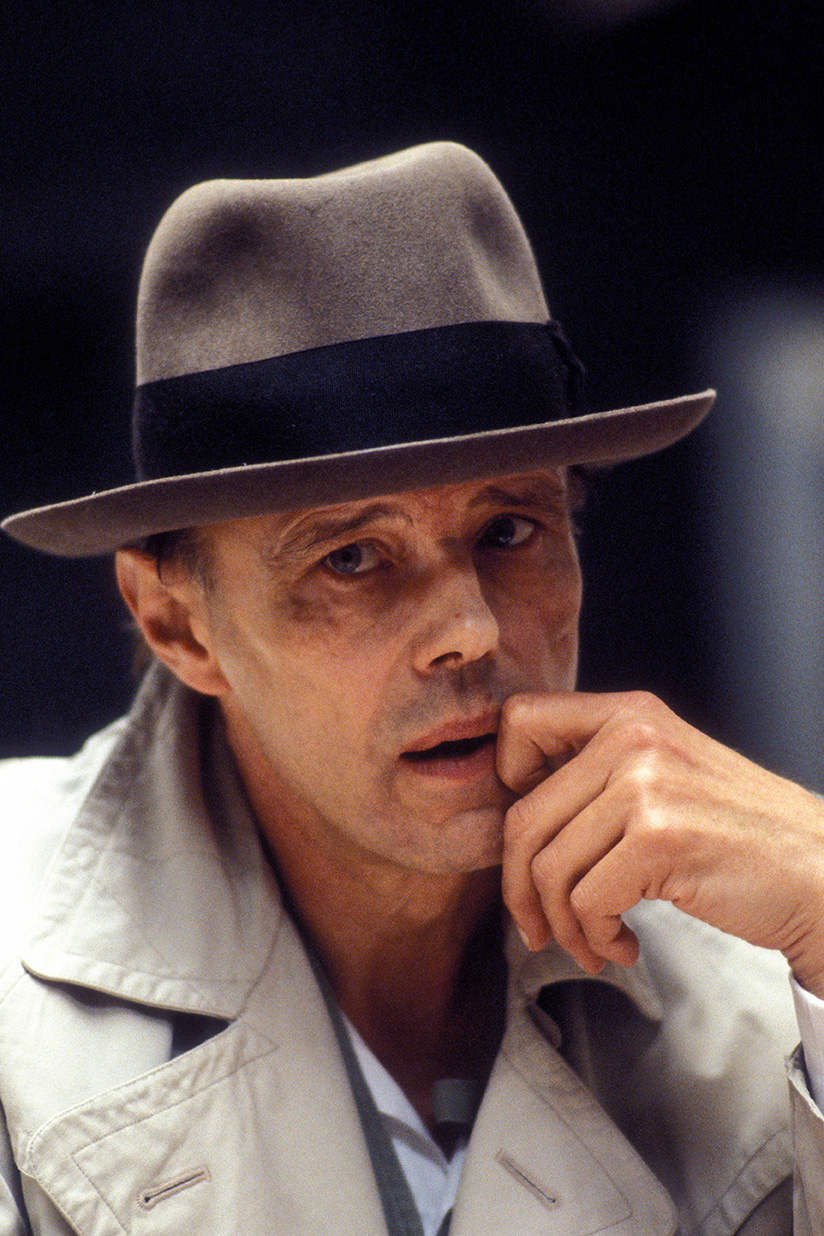
Joseph Heinrich Beuys was a German artist, renowned for his significant contributions to the realms of sculpture, painting, and installation art, which have left a lasting impact on the culture and art world. His work transcended traditional boundaries, merging art with social theory and politics, thus redefining the role of the artist in society. Beuys's unique approach to materials, incorporating substances like fat and felt, symbolized healing and insulation, reflecting his broader philosophical and ecological concerns.
Beuys's art was deeply influenced by his experiences during World War II and his academic background in natural sciences and sculpture. His concept of "social sculpture" proposed that art could transform society, emphasizing creativity as a fundamental component of human existence. This vision led him to use his performances, or "actions," as a medium to communicate his ideas, making him a pivotal figure in the Fluxus movement. Notable works such as "How to Explain Pictures to a Dead Hare" and "7000 Oaks" exemplify his innovative use of performance and environmental art to engage and challenge the public.
His legacy is preserved in major museums and galleries worldwide, including the Museum of Modern Art in New York and the Tate Modern in London. These institutions house key pieces that exemplify Beuys's diverse artistic output, from his early drawings and sculptures to his later installations and public interventions. His influence extends beyond the art world, impacting environmental activism and educational reform, underscoring his belief in the transformative power of art.
For collectors and experts in art and antiques, Joseph Heinrich Beuys remains a figure of immense interest, not only for his groundbreaking artworks but also for his profound impact on contemporary art theory and practice. To stay informed about new product sales and auction events related to Beuys, we invite you to sign up for updates. This subscription ensures you are always in the loop regarding opportunities to engage with the enduring legacy of one of the most influential artists of the 20th century.
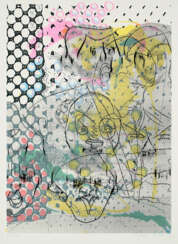

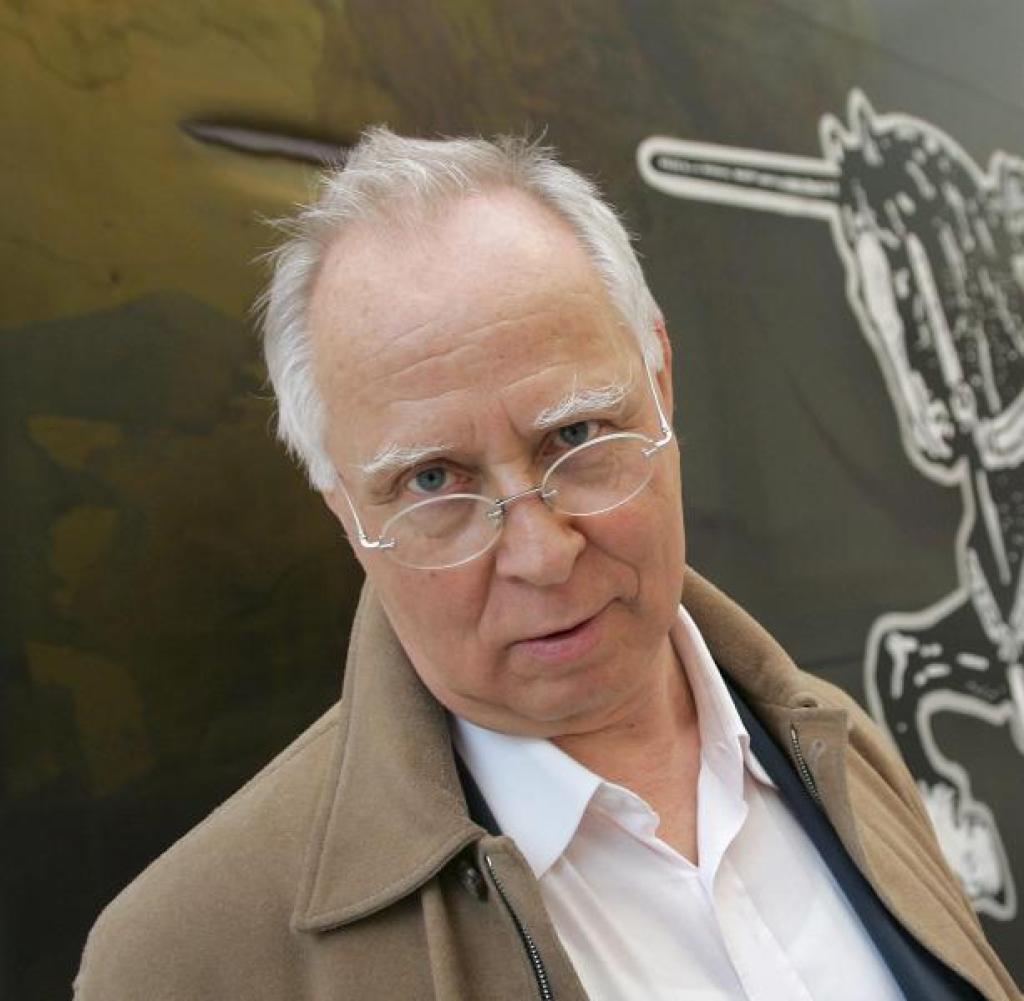
Sigmar Polke was a German painter and photographer.
Polke experimented with a wide range of styles, subject matters and materials. In the 1970s, he concentrated on photography, returning to paint in the 1980s, when he produced abstract works created by chance through chemical reactions between paint and other products. In the last 20 years of his life, he produced paintings focused on historical events and perceptions of them.

















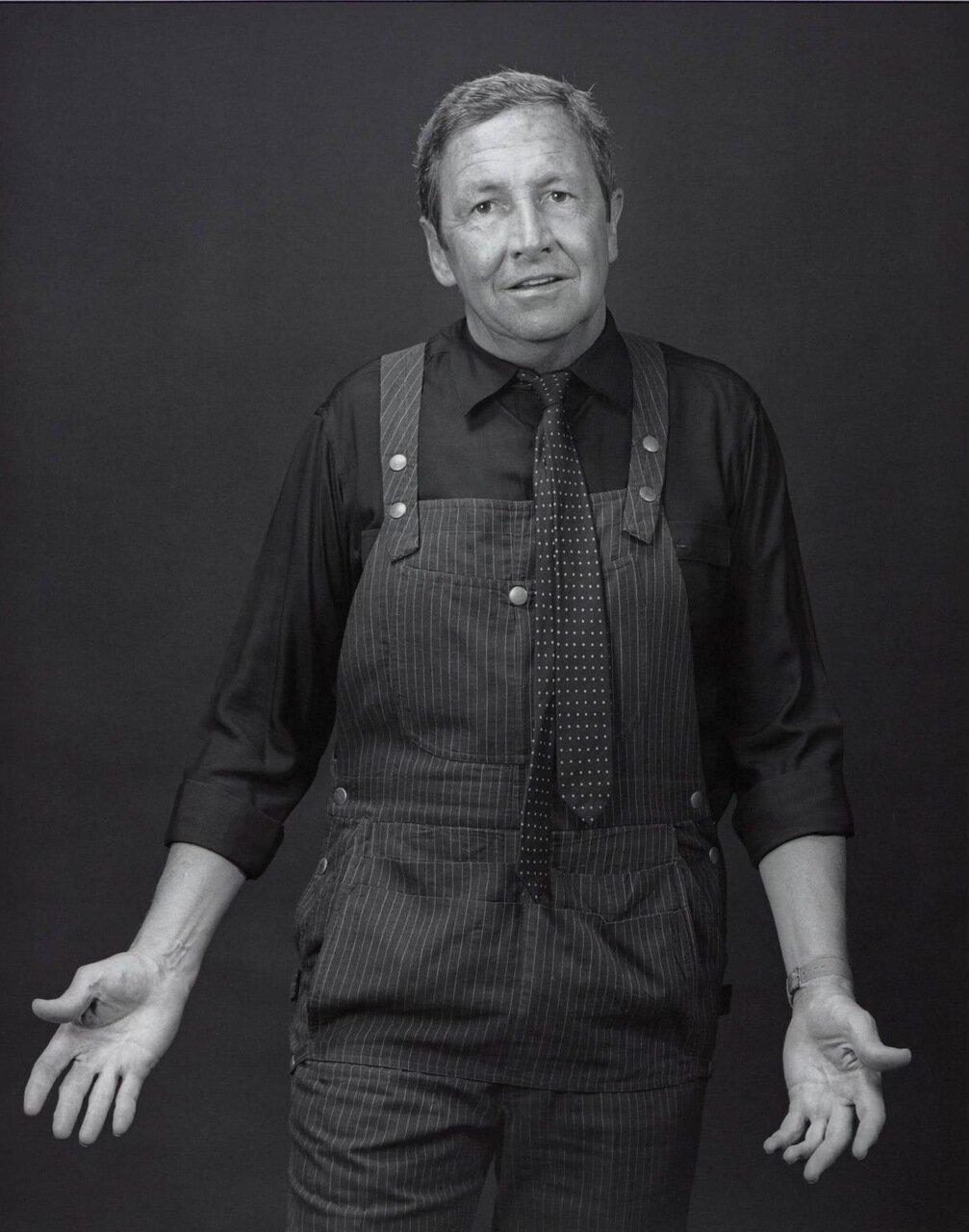
Robert Milton Ernest Rauschenberg was an American artist renowned for his pioneering work that blurred the boundaries between painting and sculpture, thereby anticipating the Pop art movement. From his early days at the Art Students League of New York to his experiments at Black Mountain College, Rauschenberg's career was marked by innovation and collaboration. His "Neo-Dadaist" approach, shared with contemporaries like Jasper Johns, questioned traditional distinctions between art objects and everyday items, drawing inspiration from Marcel Duchamp's Dadaist principles.
Rauschenberg's most notable works, such as "Erased de Kooning Drawing" and his "Combines," utilized found materials and images to create new art forms that challenged viewers' perceptions. His use of non-traditional materials like twine, soil, and even taxidermied animals, alongside traditional canvas and paint, set new precedents for what could be considered art. His groundbreaking silkscreen paintings incorporated found images, further cementing his role in the evolution toward Pop art.
The artist's work is represented in major museums and galleries worldwide, reflecting his significant impact on contemporary art. His pieces like "Canyon" and "Monogram" are celebrated for their innovative integration of sculpture and painting, while "Signs" captures the tumultuous spirit of the 1960s through its collage of cultural figures and events, housed in institutions like the Museum of Contemporary Art, San Diego, and The Minneapolis Institute of Arts.
For collectors and experts in art and antiques, Rauschenberg's oeuvre represents a critical junction in the history of modern art, where the lines between different media and disciplines were explored and often erased. His legacy is not just in the objects he created but in his bold reimagining of the art-making process itself, encouraging a dialogue between art and life that continues to inspire artists today.
For updates on new product sales and auction events related to Robert Milton Ernest Rauschenberg, consider signing up for our newsletter. This subscription service is tailored specifically for enthusiasts eager to stay informed about the latest opportunities to acquire works by or related to this transformative artist.


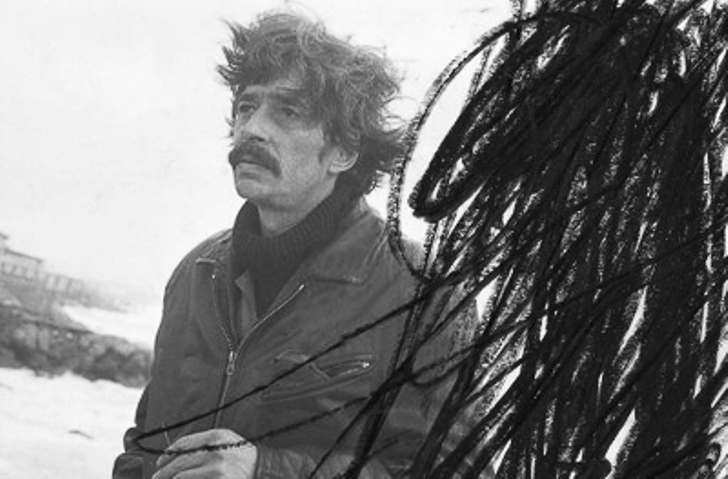
Walter Stöhrer is a German painter and graphic artist, a representative of gesture-figure painting.
He studied painting at the Academy of Arts in Karlsruhe and was a member of the Academy of Arts in Berlin.