Mexico — Auction price


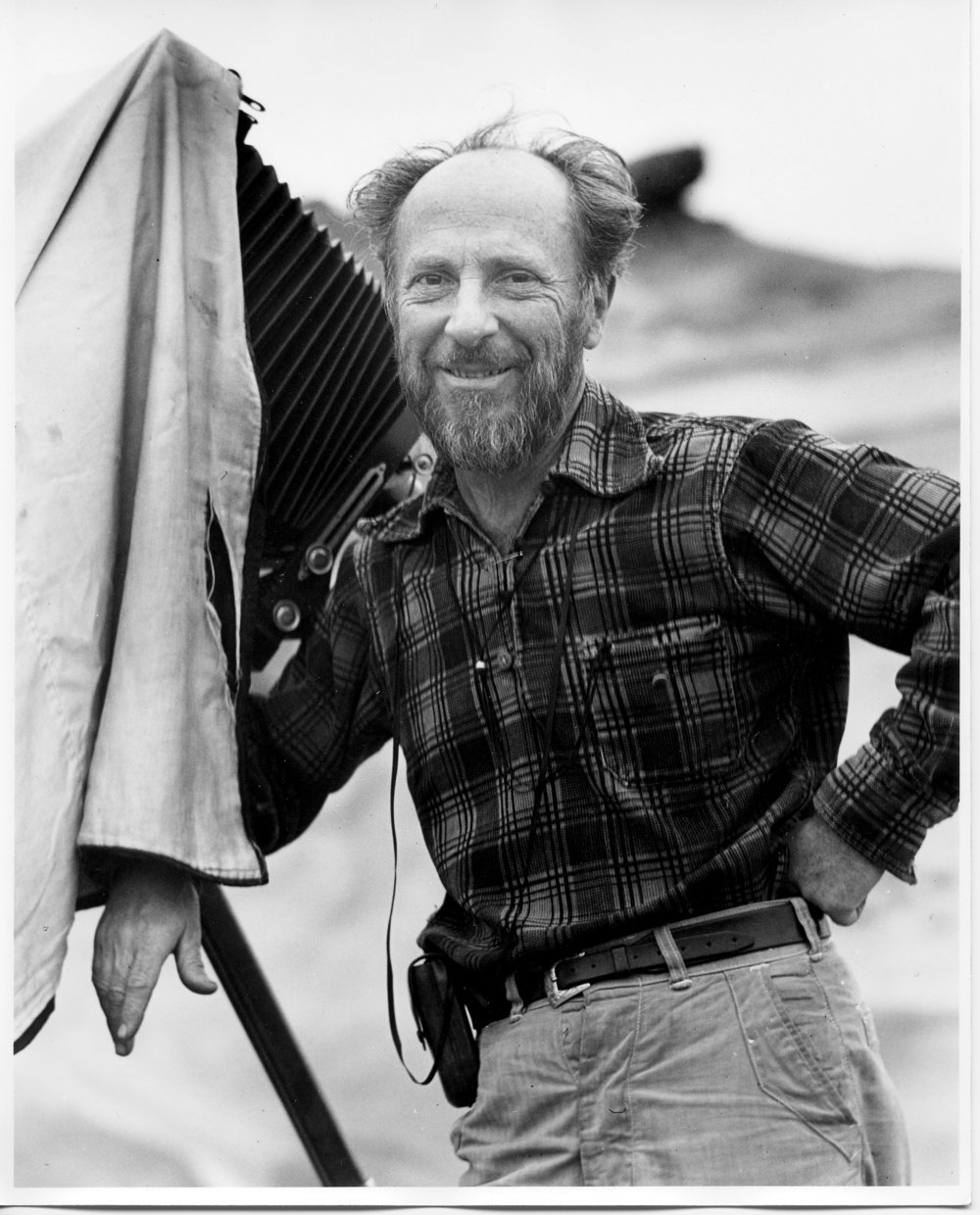
Edward Henry Weston, an American photographer, emerged as a significant figure in early to mid-20th-century photography, renowned for his meticulously composed, sharply focused images that spanned natural forms, landscapes, and nudes. His journey into photography began at a young age, receiving his first camera at 16 and eventually shaping a career that challenged and transformed the medium's artistic scope.
Edward Weston's move to California marked a pivotal shift in his career, where his interactions with other artists and his explorations of nature led to a distinct style characterized by its precision and emphasis on the intrinsic beauty of his subjects. His time in Mexico was particularly transformative, influencing his artistic direction significantly through encounters with key figures of the Mexican Renaissance and his introspective work that focused on detail and form.
Throughout his career, Edward Weston's work underwent several evolutions, moving from Pictorialism to a more direct and detailed approach, culminating in his involvement with the f/64 group, which advocated for photography that emphasized clarity and depth. His dedication to capturing the essence of his subjects without manipulation set new standards in the field, inspiring generations of photographers.
Weston's legacy is celebrated in numerous retrospectives and his influence continues in modern photography, with his works residing in prestigious institutions and collections worldwide. His deep connection to nature and commitment to photographic purity remain enduring aspects of his contribution to the art form.
For art collectors and enthusiasts, Edward Weston's work represents a fascinating intersection of artistic innovation and profound respect for the natural world, making his photographs coveted pieces in the realms of art and antiques. To stay updated on sales and auctions related to Edward Weston's work, subscribing for updates is a prudent step to ensure you remain informed about opportunities to acquire pieces connected to this influential artist.


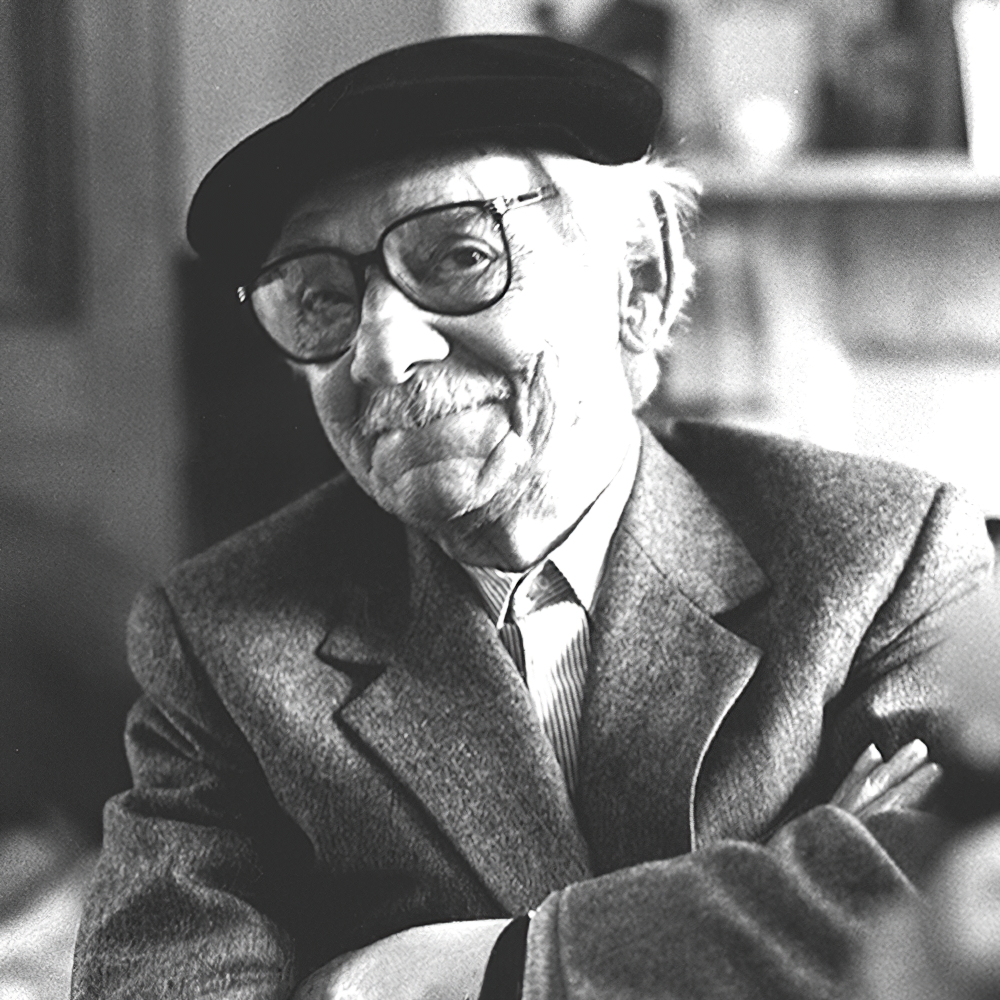
Manuel Álvarez Bravo was an Mexican visionary photographer whose work vividly illustrates the cultural heritage of Latin America. His unique perspective on life and superb photographic skills have inspired generations of photographers around the world.
Alvarez Bravo was known for his experiments with light and shadows, composition and form. His surreal photographs were often full of mystery and enigma, while also reflecting the difficulties and contradictions of Mexican society in the first half of the 20th century.
Alvarez Bravo's work marvellously combined aesthetic beauty with profound social context. His work is not only inspiring in its beauty but also a reminder of the importance of preserving peoples' cultural heritage and history.


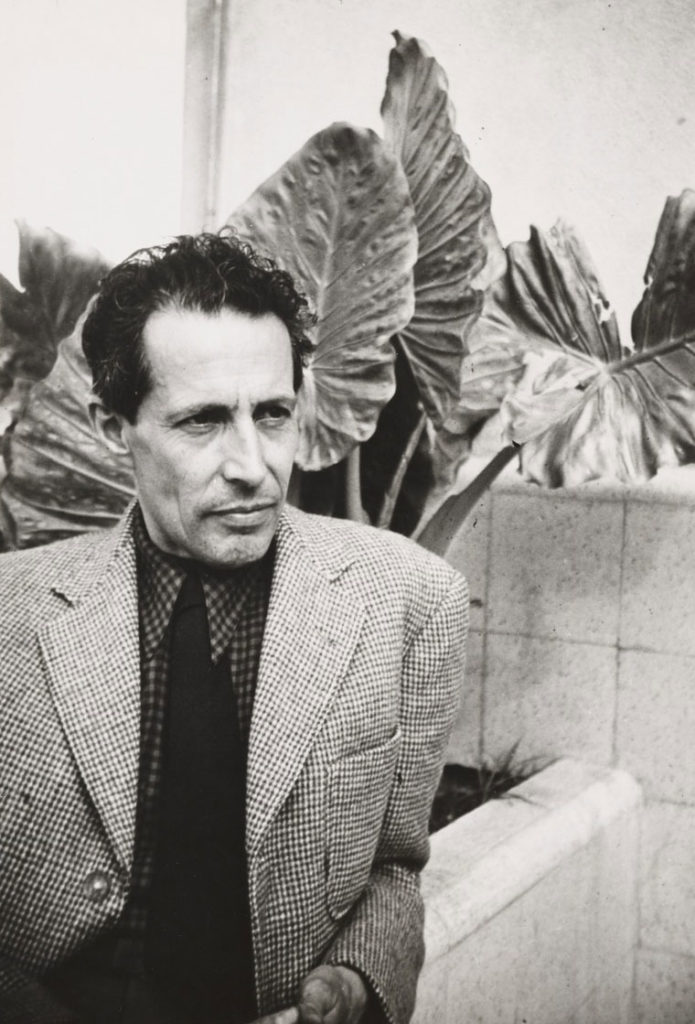


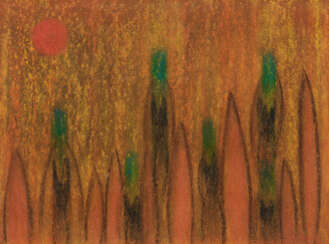


Alice Phillipot (Alice Rahon) was a French/Mexican poet and artist whose work contributed to the beginning of abstract expression in Mexico. She began as a surrealist poet in Europe but began painting in Mexico. She was a prolific artist from the late 1940s to the 1960s, exhibiting frequently in Mexico and the United States, with a wide circle of friends in these two countries. Her work remained tied to surrealism but was also innovative, including abstract elements and the use of techniques such as sgraffito and the use of sand for texture. She became isolated in her later life due to health issues, and except for retrospectives at the Palacio de Bellas Artes in 1986 and at the Museo de Arte Moderno in 2009 and 2014, she has been largely forgotten, despite her influence on Mexican modern art.
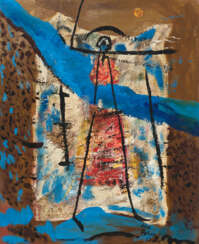

Alice Phillipot (Alice Rahon) was a French/Mexican poet and artist whose work contributed to the beginning of abstract expression in Mexico. She began as a surrealist poet in Europe but began painting in Mexico. She was a prolific artist from the late 1940s to the 1960s, exhibiting frequently in Mexico and the United States, with a wide circle of friends in these two countries. Her work remained tied to surrealism but was also innovative, including abstract elements and the use of techniques such as sgraffito and the use of sand for texture. She became isolated in her later life due to health issues, and except for retrospectives at the Palacio de Bellas Artes in 1986 and at the Museo de Arte Moderno in 2009 and 2014, she has been largely forgotten, despite her influence on Mexican modern art.
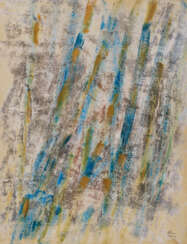

Alice Phillipot (Alice Rahon) was a French/Mexican poet and artist whose work contributed to the beginning of abstract expression in Mexico. She began as a surrealist poet in Europe but began painting in Mexico. She was a prolific artist from the late 1940s to the 1960s, exhibiting frequently in Mexico and the United States, with a wide circle of friends in these two countries. Her work remained tied to surrealism but was also innovative, including abstract elements and the use of techniques such as sgraffito and the use of sand for texture. She became isolated in her later life due to health issues, and except for retrospectives at the Palacio de Bellas Artes in 1986 and at the Museo de Arte Moderno in 2009 and 2014, she has been largely forgotten, despite her influence on Mexican modern art.
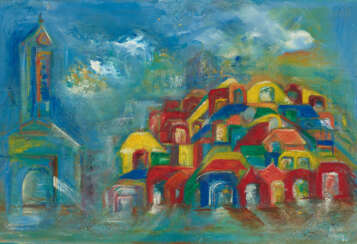

Alice Phillipot (Alice Rahon) was a French/Mexican poet and artist whose work contributed to the beginning of abstract expression in Mexico. She began as a surrealist poet in Europe but began painting in Mexico. She was a prolific artist from the late 1940s to the 1960s, exhibiting frequently in Mexico and the United States, with a wide circle of friends in these two countries. Her work remained tied to surrealism but was also innovative, including abstract elements and the use of techniques such as sgraffito and the use of sand for texture. She became isolated in her later life due to health issues, and except for retrospectives at the Palacio de Bellas Artes in 1986 and at the Museo de Arte Moderno in 2009 and 2014, she has been largely forgotten, despite her influence on Mexican modern art.






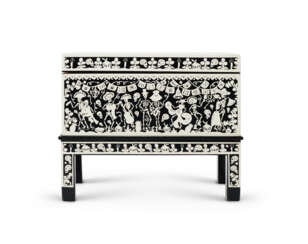

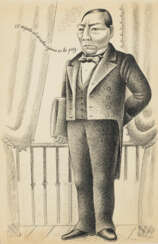

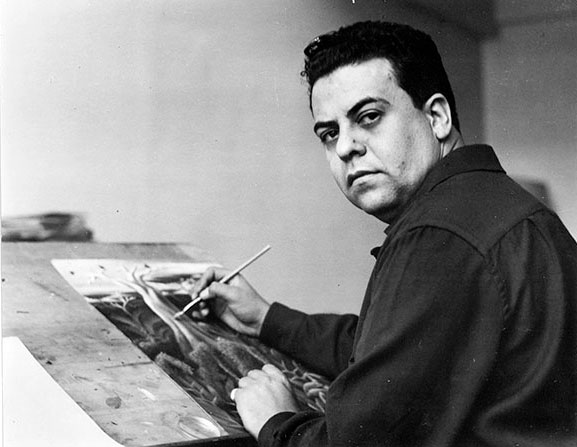
Miguel Covarrubias, also known as José Miguel Covarrubias Duclaud was a Mexican painter, caricaturist, illustrator, ethnologist and art historian. Along with his American colleague Matthew W. Stirling, he was the co-discoverer of the Olmec civilization.
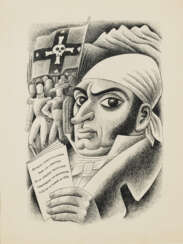

Miguel Covarrubias, also known as José Miguel Covarrubias Duclaud was a Mexican painter, caricaturist, illustrator, ethnologist and art historian. Along with his American colleague Matthew W. Stirling, he was the co-discoverer of the Olmec civilization.
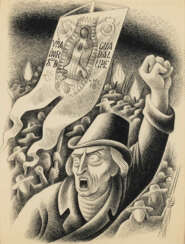

Miguel Covarrubias, also known as José Miguel Covarrubias Duclaud was a Mexican painter, caricaturist, illustrator, ethnologist and art historian. Along with his American colleague Matthew W. Stirling, he was the co-discoverer of the Olmec civilization.