

Marine art Painted Textile — Auction price


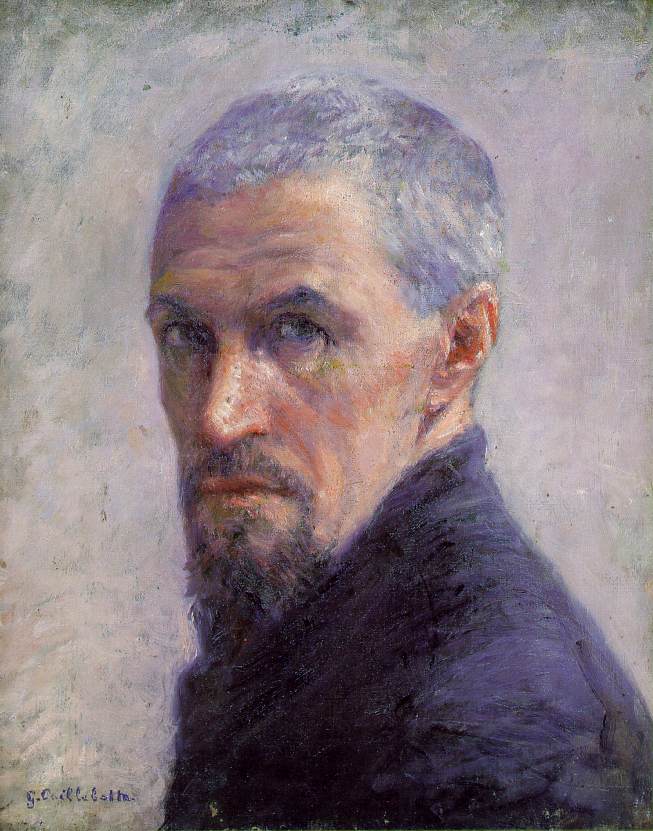
Gustave Caillebotte was a French Impressionist painter, collector, patron of art and impresario.
Caillebotte was born into a noble and wealthy family, educated as an engineer and lawyer, but became interested in painting and studied at the Paris School of Fine Arts. In 1874 he met Pierre-Auguste Renoir and Claude Monet and presented his work at Impressionist exhibitions. Over the next six years, Caillebotte became the chief organizer, promoter and financial sponsor of Impressionist exhibitions, and used his fortune to purchase works by other Impressionists, notably Monet, Renoir, Camille Pissarro, Paul Cézanne, Edgar Degas, Alfred Sisley and Berthe Morisot.
Caillebotte bequeathed his collection of paintings to the state, some of which later formed the basis of the Impressionist collection at the Musée d'Orsay.
In his paintings, Caillebotte combined in a unique synthesis of academic, realistic and impressionist styles. He painted many family scenes, interiors and landscapes, as well as domestic scenes and streets of Paris.



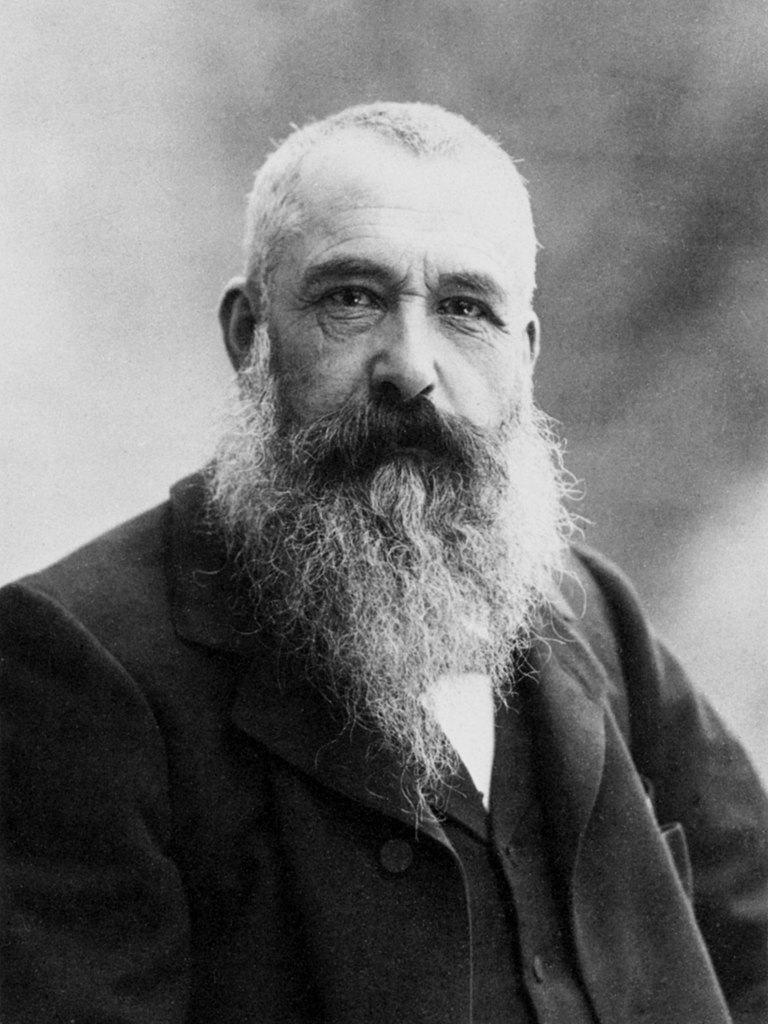
Oscar-Claude Monet, a French painter, revolutionized the art world with his Impressionist style, fundamentally altering the path of modern art. Born in Paris on November 14, 1840, Monet's journey into art was a defiance of his father's business aspirations for him, fueled instead by his mother's support. His early education in the arts began at Le Havre secondary school, where he honed his skills through charcoal caricatures and later, under the mentorship of Eugène Boudin, delved into outdoor painting, a technique that would later define his career.
Monet's works, characterized by their vibrant light and brushed color, are renowned for capturing the essence of their subjects. He often painted the same scene multiple times to depict the changing light and seasons, which is vividly displayed in his series of Haystacks, Rouen Cathedral, and the famed Water Lilies. These pieces, among others, showcase his unique ability to blend color and light, bringing scenes to life in a way that was never seen before.
His most notable works, including "Impression, Sunrise" and the "Water Lilies" series, are celebrated worldwide and remain an integral part of major museum collections, such as the Musée d'Orsay in Paris and the Metropolitan Museum of Art in New York. Monet's dedication to capturing the natural world around him led him to reject traditional approaches to composition, color, and perspective. This approach not only set a new standard for art but also laid the groundwork for the Impressionist movement, influencing generations of artists to come.
As an art collector or enthusiast, the legacy of Monet offers an unparalleled glimpse into the genesis of modern art. His works are not just paintings; they are historical landmarks that mark the transition of art from traditional to modernist ideologies.
For updates on new product sales and auction events related to Monet, sign up for our newsletter. Stay informed and connected to the pulse of the Impressionist world.
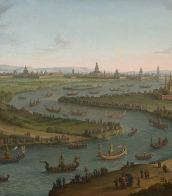
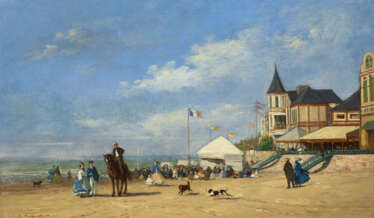

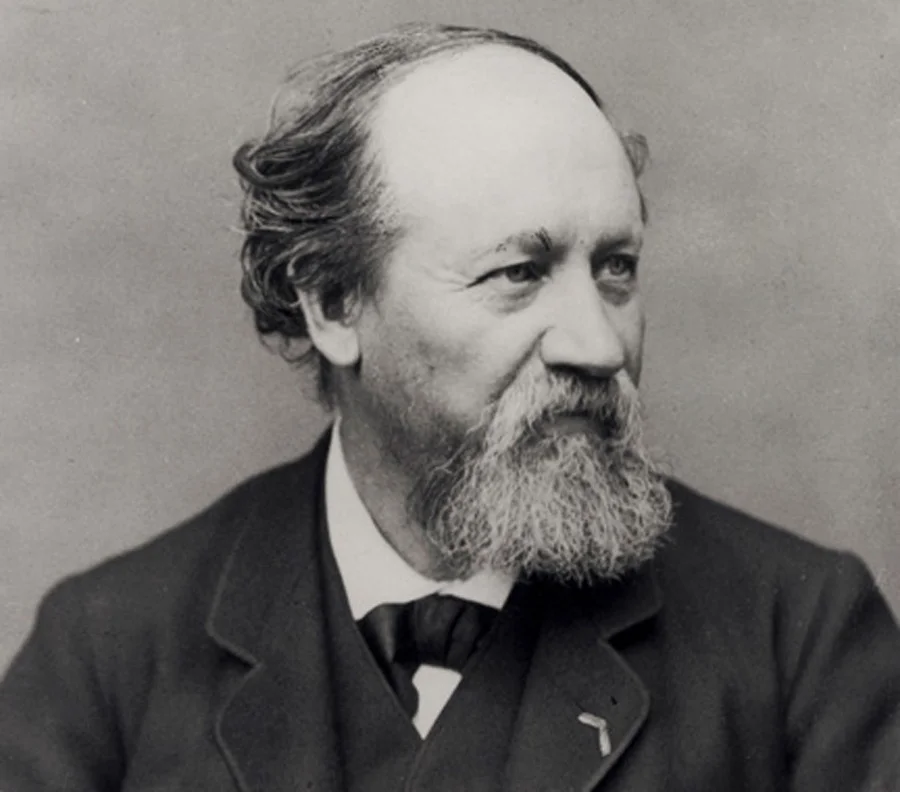
Eugène Louis Boudin was one of the first French landscape painters to paint outdoors. Boudin was a marine painter, and expert in the rendering of all that goes upon the sea and along its shores. His pastels, summary and economic, garnered the splendid eulogy of Baudelaire; and Corot called him the «King of the skies».

.jpg)
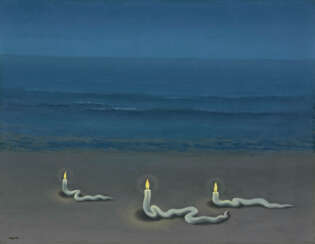
René Magritte, a Belgian artist, was renowned for his significant contributions to the Surrealist movement. His art, known for merging ordinary objects with bizarre, dream-like contexts, captivated the art world. Born on November 21, 1898, in Lessines, Belgium, Magritte's early artistic pursuits were impressionistic, transitioning through Cubism and Futurism influenced by artists like Jean Metzinger. However, his encounter with Giorgio de Chirico's work in 1922 steered him towards Surrealism.
Magritte's career was marked by various phases, each showcasing his evolving style and thematic focus. His initial foray into Surrealism began in 1926 with "The Lost Jockey" and was further solidified during his time in Paris, where he mingled with other prominent Surrealists like André Breton. Despite facing initial criticism and financial challenges, Magritte's unique blend of familiar imagery in unfamiliar contexts, like in "The Empire of Light" and "Time Transfixed," earned him acclaim.
Magritte's distinct visual language, characterized by recurring motifs like bowler hats and apples, and his exploration of reality and illusion, remain influential. His works are displayed in major galleries worldwide, continuing to inspire and intrigue art collectors and enthusiasts.
For collectors and experts in art and antiques, staying informed about Magritte's works and related auction events is crucial. Signing up for updates ensures you're alerted to new sales and events focusing on René Magritte's art, offering unique opportunities to acquire or learn more about his remarkable creations. This subscription will exclusively cover new product sales and auction events related to Magritte, keeping you updated on the most relevant information in the art world.


Eugène Louis Boudin was one of the first French landscape painters to paint outdoors. Boudin was a marine painter, and expert in the rendering of all that goes upon the sea and along its shores. His pastels, summary and economic, garnered the splendid eulogy of Baudelaire; and Corot called him the «King of the skies».
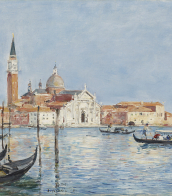


Eugène Louis Boudin was one of the first French landscape painters to paint outdoors. Boudin was a marine painter, and expert in the rendering of all that goes upon the sea and along its shores. His pastels, summary and economic, garnered the splendid eulogy of Baudelaire; and Corot called him the «King of the skies».