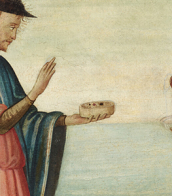
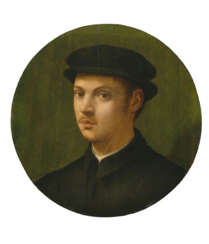
Portrait Oil on panel — Auction price

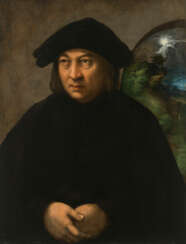

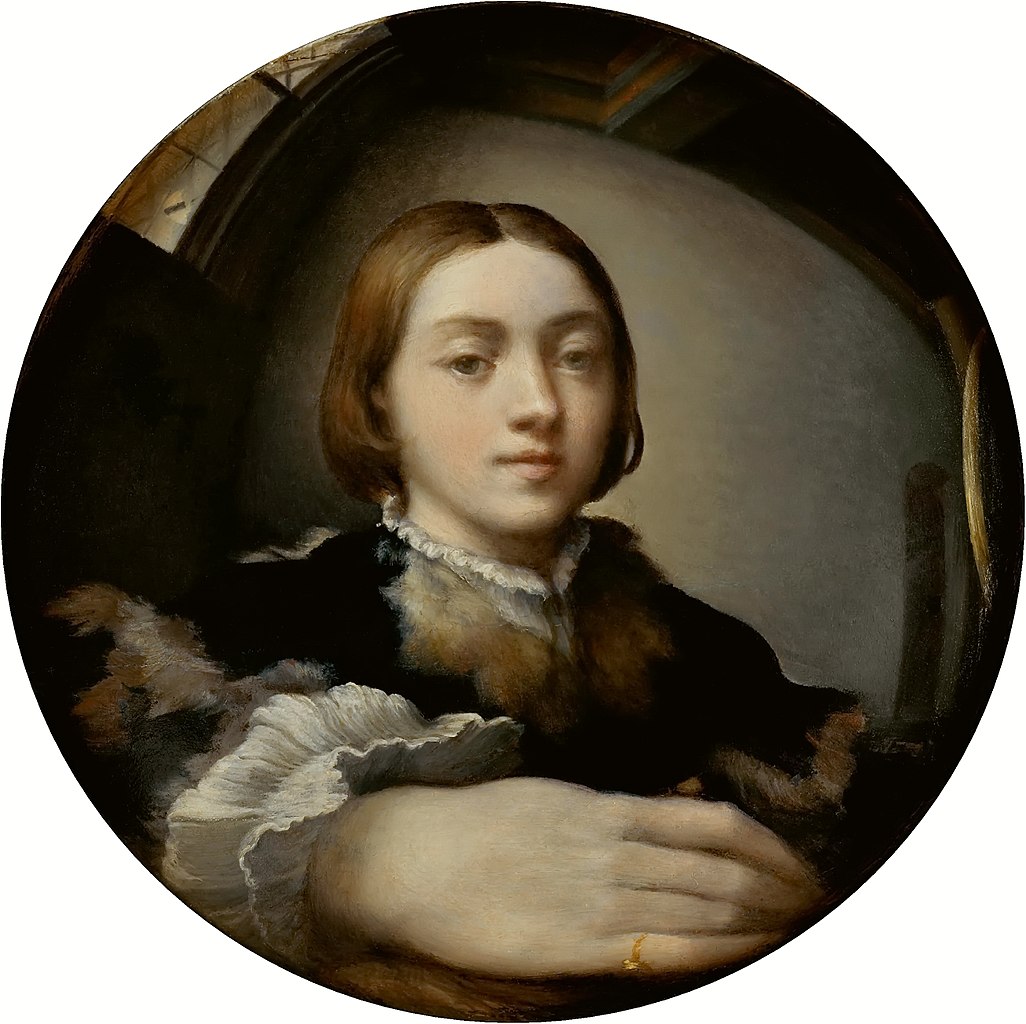
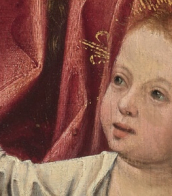
Parmigianino, an Italian Mannerist painter born Girolamo Francesco Maria Mazzola, was a pivotal figure in the development of the Mannerist style, known for his sophisticated and elegant approach to painting. He was a leading figure in Parma's art scene following Correggio and had a significant influence on the artistic developments during the post-High Renaissance period through his expressive and stylish works.
Parmigianino's journey as an artist took him from Parma to Rome and then to Bologna, with his last years spent in Parma. His works, including the renowned "Madonna with the Long Neck," display a unique blend of grace and elegance, coupled with an idiosyncratic use of elongation and distortion, typical of Mannerist aesthetics. This painting, in particular, is noted for its unusual composition and the elongation of figures, embodying the Mannerist style's departure from the proportional norms established during the Renaissance.
He was also an early Italian etcher, utilizing this technique to express the spontaneity of an artist's hand. His etchings and drawings had a considerable influence on printmaking and the visual arts in Italy and Europe. In addition to his paintings, Parmigianino's contributions to the arts include his work in the church of the Steccata in Parma and his innovative approach to integrating painting with architectural elements.
For art collectors and experts, Parmigianino's work represents a critical link between the High Renaissance and the emergence of Baroque and Rococo styles, offering a unique insight into the evolution of European art. His works continue to be celebrated for their originality and mastery, making him a subject of enduring interest in the study of art history.
For those interested in exploring Parmigianino's contributions to art further, subscribing to updates from art institutions or platforms specializing in Renaissance and Mannerist art could provide valuable insights into his life, works, and ongoing exhibitions or sales of his artworks.
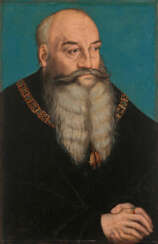

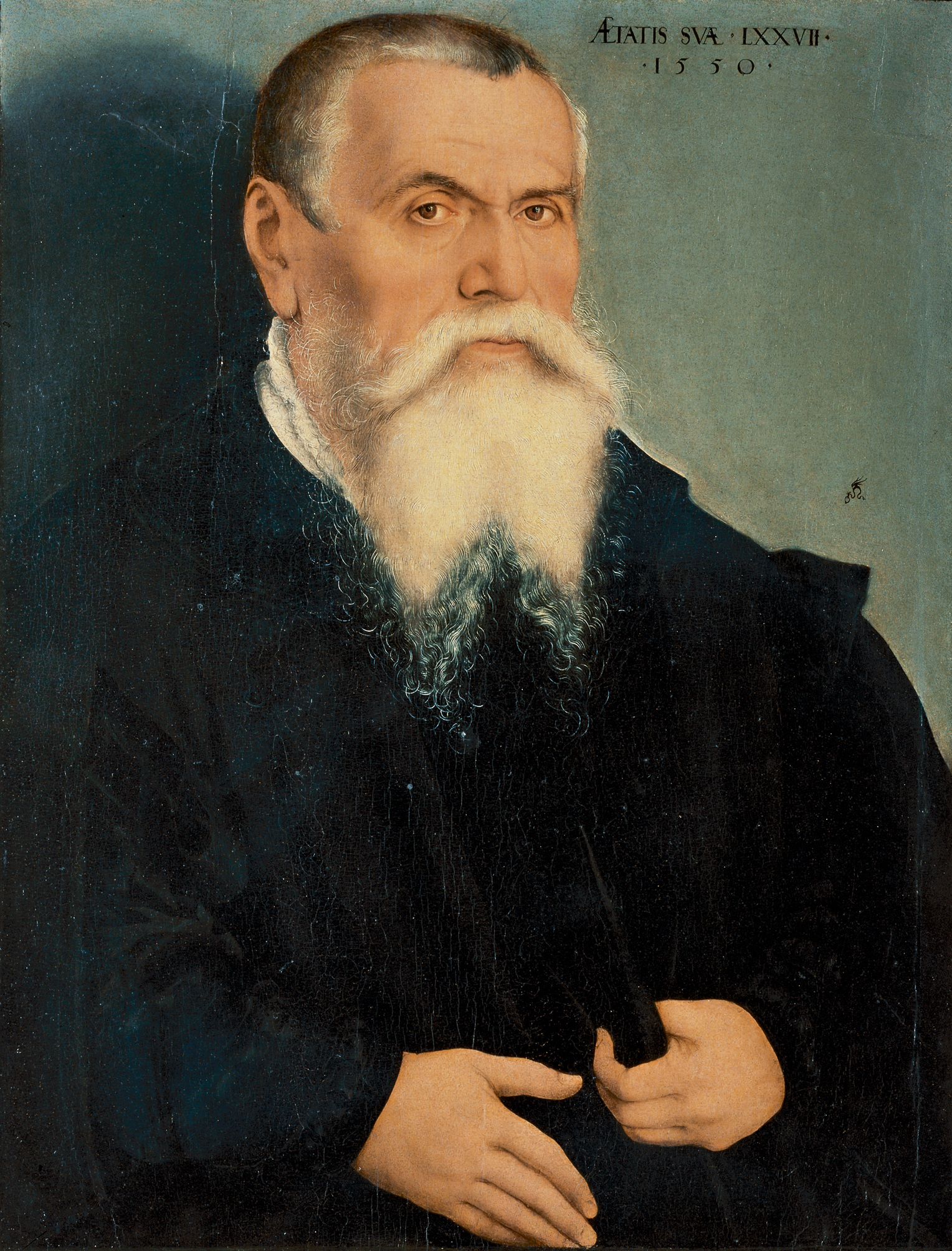
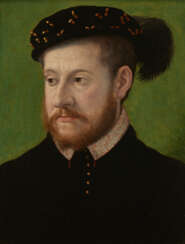
Lucas Cranach the Elder was a pivotal figure in German Renaissance art. As a leading painter of Saxony, his influence spanned across the 16th century, making significant contributions through his paintings, woodcuts, and engravings. His artistic journey began under the tutelage of his father, Hans Maler, and saw him becoming court painter to the Elector of Saxony, where he produced a vast array of works including altarpieces, court portraits, and notably, portraits of Protestant Reformers.
Cranach's artistry was not confined to any single genre. He was renowned for his portraits of the aristocracy, deeply symbolic religious paintings, and engaging mythological scenes. His ability to capture the essence of the Protestant Reformation, notably through his portraits of Martin Luther, showcases his close connection to the movement and his role as a key figure in conveying its ideals through art.
A significant part of Cranach's legacy is his workshop in Wittenberg, which was a hub of artistic production. This workshop produced numerous works that bore his distinctive winged serpent signature, a mark of quality and innovation in the art of the period. Cranach's workshop was known for its efficient operation, enabling the production of a large volume of works that catered to the high demand of his time.
For collectors and experts in art and antiques, Lucas Cranach the Elder's work represents an intriguing intersection of art, culture, and history. His contributions to Renaissance art and his unique portrayal of religious and mythological themes continue to captivate audiences, making his work highly sought after in the world of art collection.
To explore more about Lucas Cranach the Elder's fascinating contributions to art and to stay updated on new discoveries or auction events related to his works, consider signing up for specialized updates. This subscription is designed for enthusiasts keen on delving deeper into the rich tapestry of Renaissance art and history, ensuring they remain well-informed of relevant sales and scholarly insights.


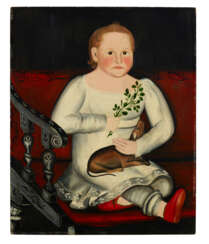

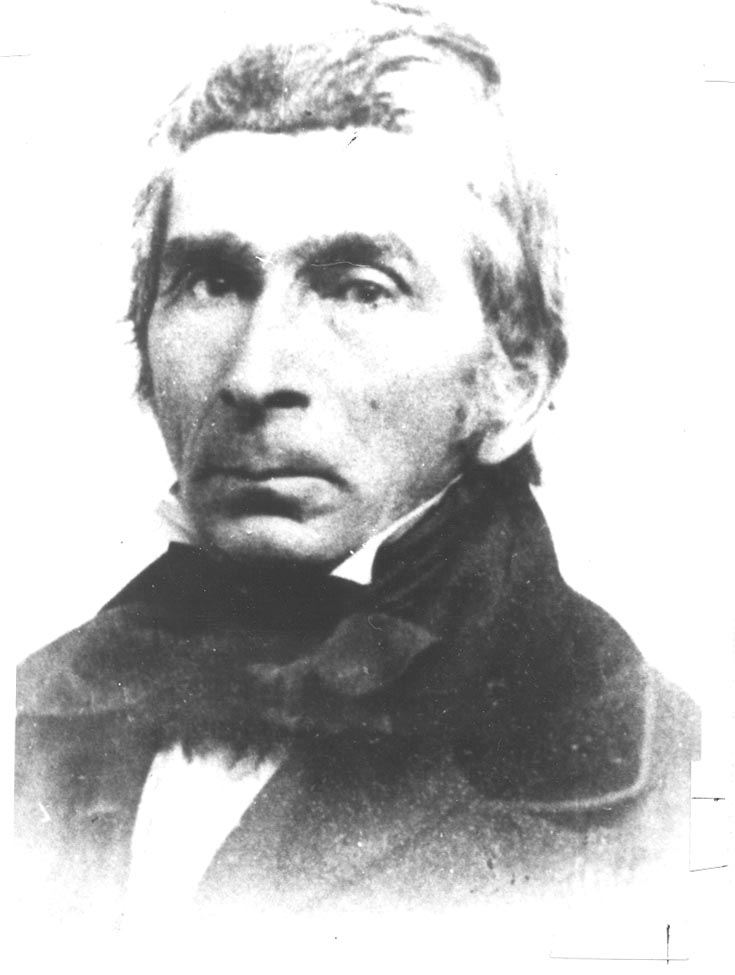
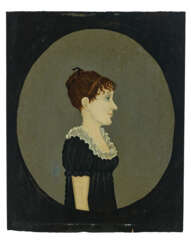
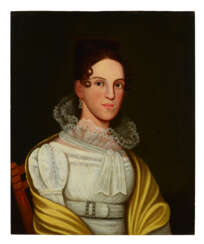
Sheldon Peck was an American folk artist, conductor on the Underground Railroad, and social activist. Peck's portraiture – with its distinctive style — is a prime example of 19th century American folk art. He also become known for advocating abolitionism , racial equality, temperance, public education, women's rights, and pacifism.
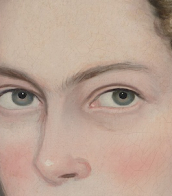
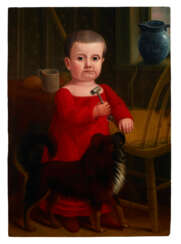



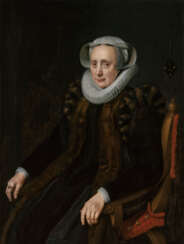

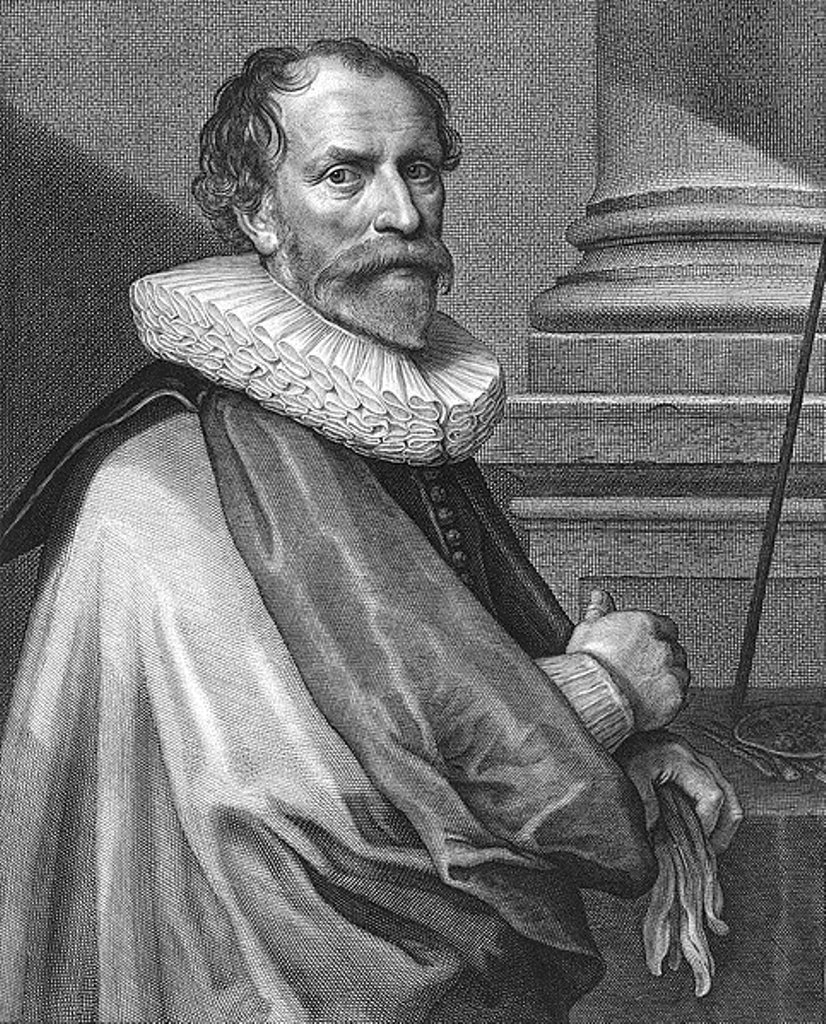
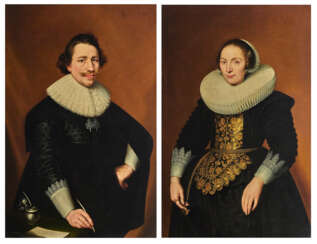
Michiel Jansz. van Mierevelt was a Dutch portrait painter of the Golden Age.
Michiel Jansz. van Mierevelt studied painting in Utrecht and soon became a recognized master of portraiture. He also painted on historical and mythological subjects.


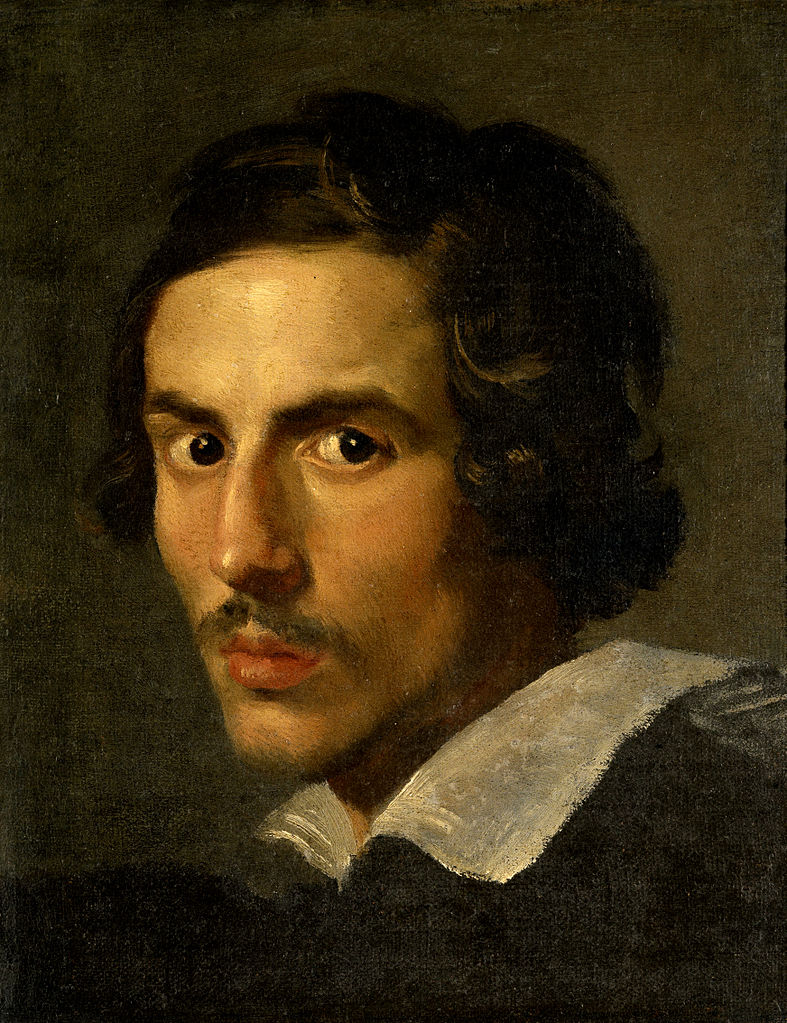
Giovanni Lorenzo Bernini, an Italian artist, is celebrated as one of the most remarkable sculptors and architects of the Baroque era. Born in Naples in 1598, Bernini's family moved to Rome when he was a child, where he spent most of his life shaping the city's artistic landscape. His prodigious talent emerged early, evident in works created in collaboration with his father, Pietro Bernini, and soon caught the attention of influential patrons like Cardinal Scipione Borghese and Pope Paul V.
Bernini's work, characterized by dynamic and exuberant style, spanned various genres including portraiture, tomb sculpture, and religious and mythological representations. His ability to turn marble into lifelike figures and scenes, blending realism with emotional intensity, was unparalleled. Key works like "Aeneas and Anchises," "Pluto and Proserpina," and "Apollo and Daphne" exemplify this mastery.
Not confined to sculpture, Bernini was also an accomplished architect, contributing significantly to the architectural landscape of Rome. His involvement with St. Peter's Basilica, notably the Baldacchino and the design of St. Peter's Square, reflect his vision of merging architecture with sculpture to create a cohesive and impactful experience. His work on the Cornaro Chapel, including the famous "The Ecstasy of Saint Teresa," showcases this integration, combining sculpture, architecture, and light to stunning effect.
Bernini's influence extended beyond Rome. In 1665, he was invited by Louis XIV to France to work on the Louvre, though his architectural designs were not realized. His portrait bust of Louis XIV, however, remains a testament to his skill in capturing not just the likeness but the essence of his subjects.
A man of deep faith, Bernini's works often reflected his religious devotion, though he was also known for his caricatures and playful sketches, revealing a lighter side to his personality. His artistic legacy, characterized by the fusion of various art forms and the dramatic use of light and space, continues to influence and inspire.
For collectors and experts in art and antiques, Bernini's works remain a pinnacle of Baroque artistry, a testament to his innovative spirit and technical brilliance. His pieces, found in museums and galleries, continue to draw admiration for their emotional depth and exquisite craftsmanship.
Stay updated on new discoveries and sales of Bernini's works by signing up for our newsletter, exclusively focused on his art and upcoming auction events.
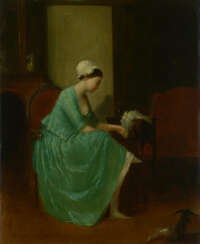


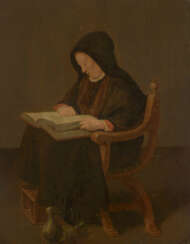

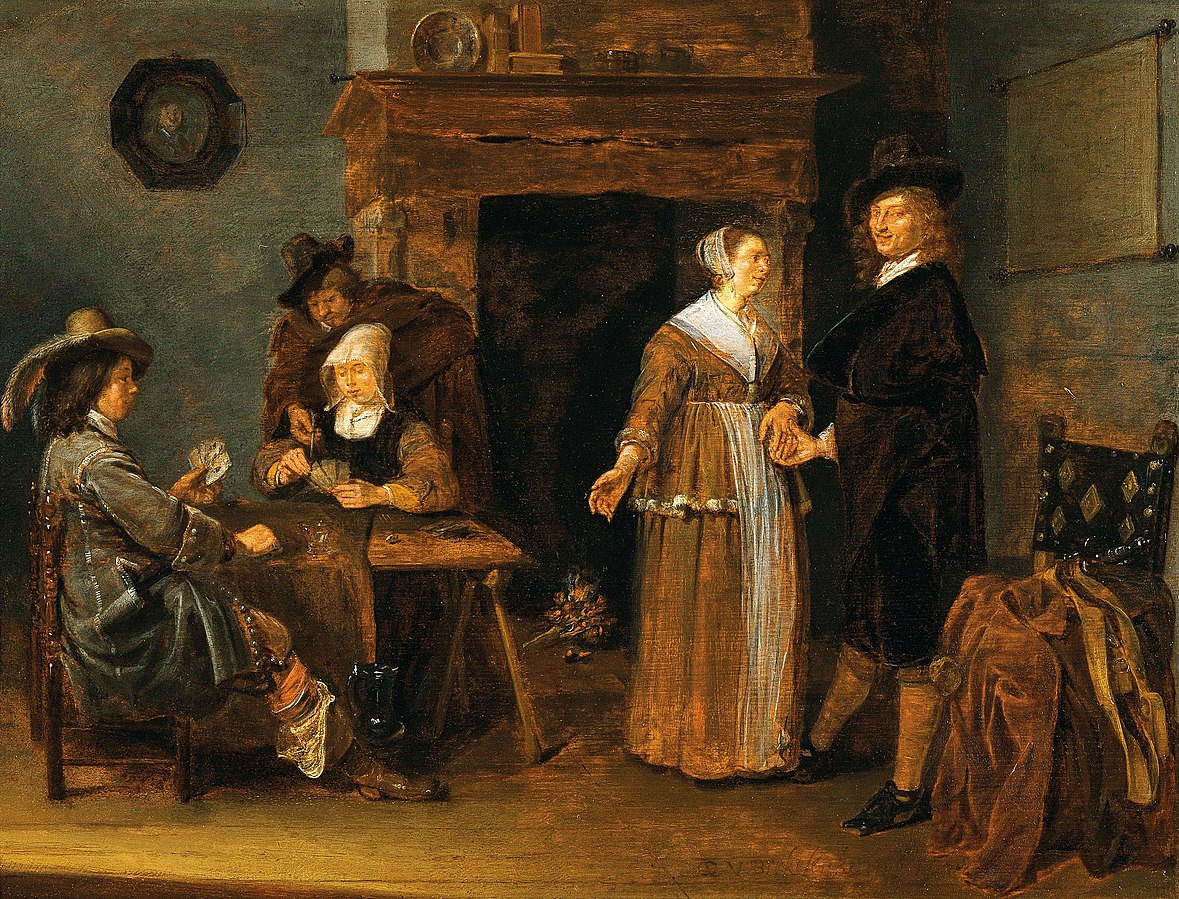
Quiringh van Brekelenkam or Quiringh Gerritsz. van Brekelenkam was a Dutch genre painter of the Golden Age.
He is known for his Baroque genre scenes of everyday life.