

Plastic Avant-garde — Auction price


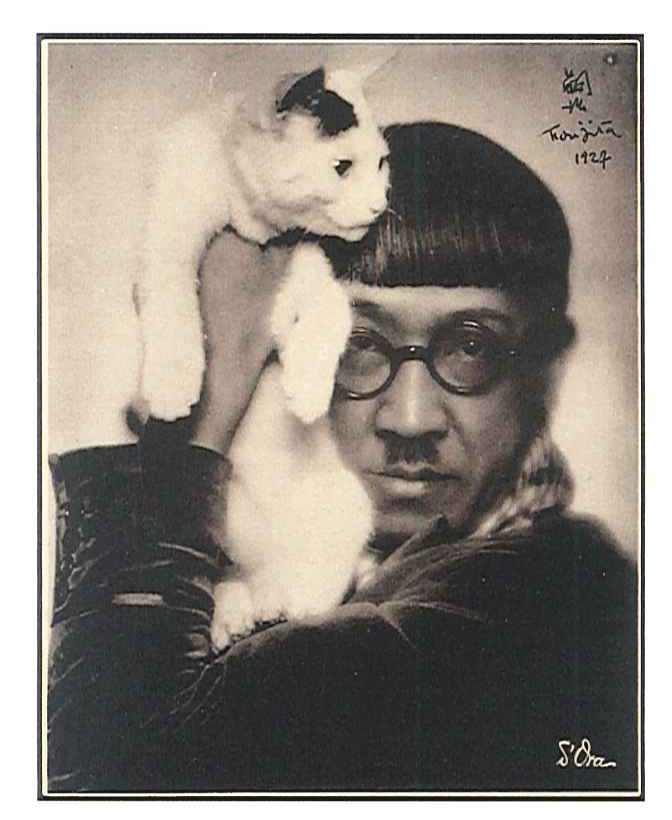
Tsugouharu Foujita was a French twentieth-century artist of Japanese descent. He is known for his unique style, combining elements of Japanese painting and printmaking with European realism.
Foujita created a wide range of works in a variety of genres, including nudes, images of cats, portraits of women and children, and self-portraits. He later converted to Catholicism and began creating paintings with religious themes. The artist was internationally recognized, and his work was exhibited in many countries around the world. His work was characterized by the perfection of pictorial technique, virtuosity of drawing and an atmosphere of sophistication. The master also showed talent in graphics, photography, ceramics, theater, cinema and fashion design. Prices for his paintings were comparable to those of Picasso's works.


Tsugouharu Foujita was a French twentieth-century artist of Japanese descent. He is known for his unique style, combining elements of Japanese painting and printmaking with European realism.
Foujita created a wide range of works in a variety of genres, including nudes, images of cats, portraits of women and children, and self-portraits. He later converted to Catholicism and began creating paintings with religious themes. The artist was internationally recognized, and his work was exhibited in many countries around the world. His work was characterized by the perfection of pictorial technique, virtuosity of drawing and an atmosphere of sophistication. The master also showed talent in graphics, photography, ceramics, theater, cinema and fashion design. Prices for his paintings were comparable to those of Picasso's works.
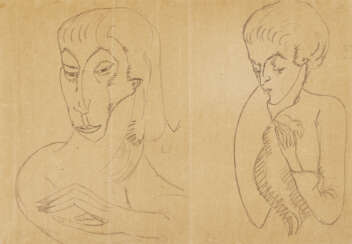

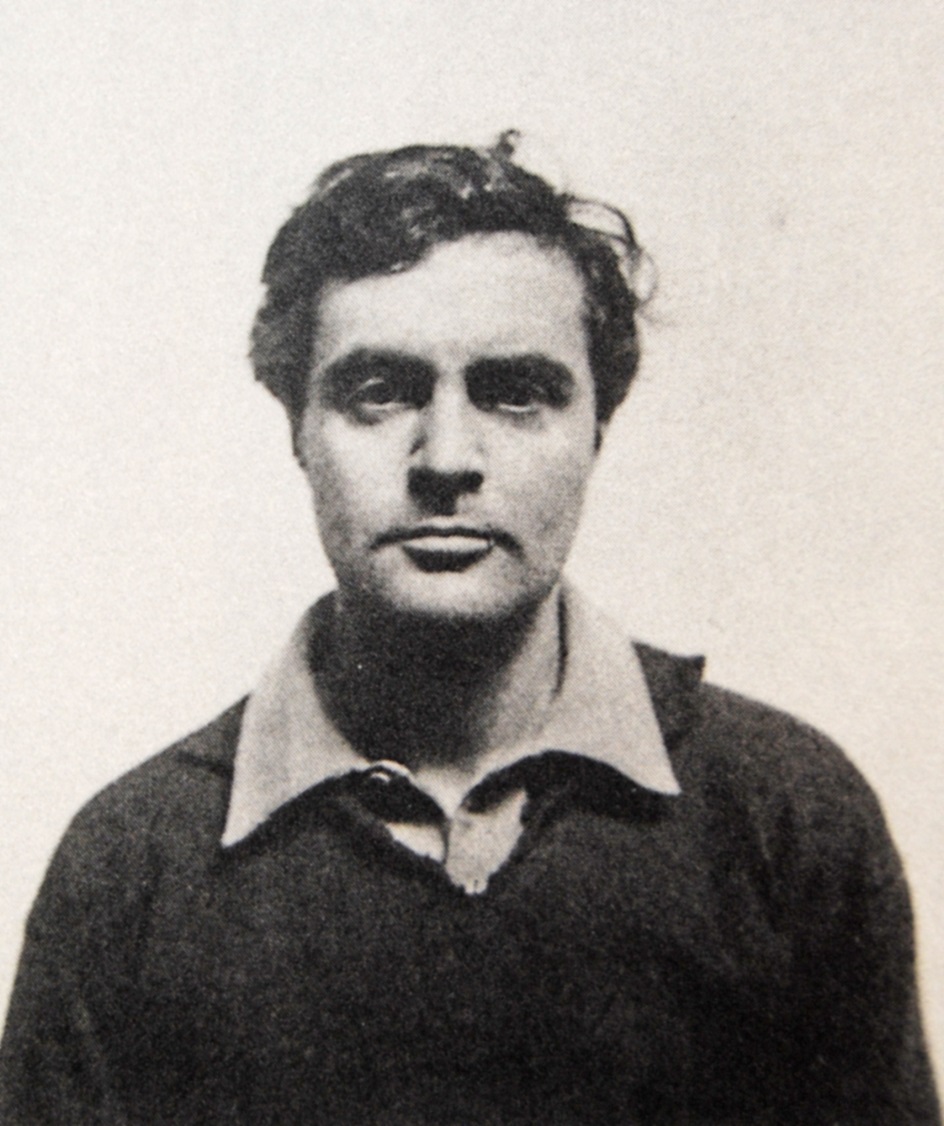
Amedeo Clemente Modigliani was an Italian painter and sculptor celebrated for his significant contributions to the School of Paris. Born into a Sephardic Jewish family in Livorno, Italy, on July 12, 1884, his upbringing in a culturally rich environment laid the foundation for his artistic pursuits. Despite facing health challenges from a young age, Modigliani's passion for art was evident, leading him to abandon traditional schooling in favor of artistic training. His early experiences with illness and his family's fluctuating fortunes deeply influenced his character and outlook on life.
In 1906, Modigliani moved to Paris, the epicenter of the avant-garde, where he mingled with iconic artists like Pablo Picasso and Constantin Brâncuși. This period was crucial for Modigliani as he sought to carve out a unique stylistic identity amid the burgeoning modern art scene. His work, characterized by elongated figures and faces, a modernist simplification of form, and a deeply expressive linearity, did not initially receive the recognition it deserved. Despite this, he remained committed to his art, producing an oeuvre that includes both paintings and sculptures, with a notable focus on portraits and nudes.
Modigliani's style is distinguished by its elegance and emotional depth, with his subjects often portrayed in a state of serene introspection. His works, such as "Jeanne Hébuterne in Red Shawl," "Portrait of Maude Abrantes," "Anna Akhmatova," "Madame Pompadour," "Portrait of Diego Rivera," "Portrait of Beatrice Hastings," and "Portrait of Moise Kisling," showcase his exceptional ability to capture the essence of his subjects with minimal yet impactful lines.
Despite his talent, Modigliani's life was marked by financial instability, health problems, and a struggle for critical recognition. He died of tubercular meningitis on January 24, 1920, in Paris, at the age of 35. Posthumously, Modigliani's work gained the recognition it had lacked during his lifetime, with his paintings and sculptures now commanding high prices and occupying prominent positions in museums and private collections worldwide.
For collectors and art and antiques experts, Modigliani's works offer a glimpse into the soul of an artist who transcended the adversities of his life through the beauty of his art. His contributions to modern art remain invaluable, with his unique approach to form and emotion continuing to inspire and captivate audiences.
If you're interested in staying updated on sales and auction events related to Amedeo Modigliani, we invite you to sign up for updates. This subscription service is tailored for enthusiasts eager to enrich their collections with pieces linked to this remarkable artist, ensuring you're informed of opportunities to acquire works that celebrate Modigliani's legacy.


Tsugouharu Foujita was a French twentieth-century artist of Japanese descent. He is known for his unique style, combining elements of Japanese painting and printmaking with European realism.
Foujita created a wide range of works in a variety of genres, including nudes, images of cats, portraits of women and children, and self-portraits. He later converted to Catholicism and began creating paintings with religious themes. The artist was internationally recognized, and his work was exhibited in many countries around the world. His work was characterized by the perfection of pictorial technique, virtuosity of drawing and an atmosphere of sophistication. The master also showed talent in graphics, photography, ceramics, theater, cinema and fashion design. Prices for his paintings were comparable to those of Picasso's works.
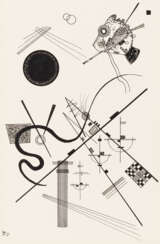

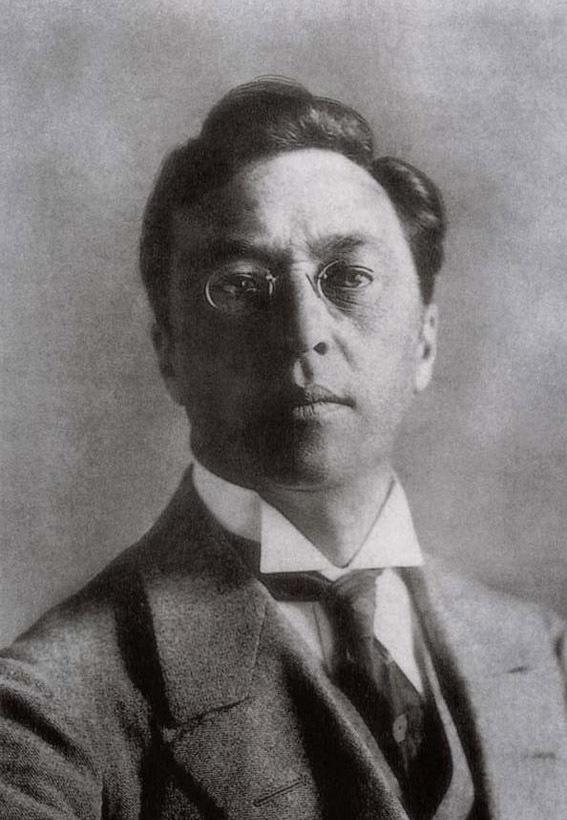
Wassily Wassilyevich Kandinsky (Russian: Василий Васильевич Кандинский) was a trailblazer in the art world, known for his pioneering role in the development of abstract art. Born in Moscow, Russia, in 1866, Kandinsky embarked on a journey that would take him from the study of law and economics to becoming one of the most influential artists of his time. His journey into the arts began at 30, a significant shift from a promising career in law to attending the Academy of Fine Arts in Munich. This decision marked the start of a profound exploration of color, form, and the spiritual in art.
Kandinsky's work is celebrated for its innovative use of color and abstract forms, with notable pieces such as "Composition VII" and "On White II" showcasing his ability to evoke emotional resonance through non-representational means. His art was not just about visual aesthetics but also aimed to touch the spiritual and emotional realms of the viewer. He often compared his method of painting to composing music, emphasizing the emotional power of abstract forms and colors. This philosophy was reflected in his theoretical writings, notably in "Concerning the Spiritual in Art," where he laid out his beliefs about the role of art and the artist in society.
Throughout his career, Kandinsky was involved with several avant-garde groups, including Der Blaue Reiter and Die Blaue Vier, collaborating with other influential artists of the time like Paul Klee and Alexej Jawlensky. After the Bauhaus school, where he taught, was closed by the Nazis, Kandinsky moved to France, where he spent the remainder of his life, continuing to evolve his style and contribute to the art world until his death in Neuilly-sur-Seine in 1944.
Kandinsky's legacy is not only in his artworks, which are held in esteemed collections worldwide, such as the Solomon R. Guggenheim Museum in New York, but also in his impact on the course of modern art. He opened up new possibilities for artists by demonstrating that art could venture beyond the representational and delve into the purely abstract, exploring the inner emotional and spiritual life through form and color.
For those captivated by Kandinsky's revolutionary approach to art and interested in the evolution of abstract expression, signing up for updates on new product sales and auction events related to Kandinsky's work is an excellent way to stay informed. This subscription service is tailored for collectors and art experts, ensuring you are the first to know about opportunities to acquire pieces by or related to this groundbreaking artist.
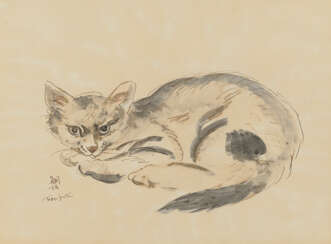

Tsugouharu Foujita was a French twentieth-century artist of Japanese descent. He is known for his unique style, combining elements of Japanese painting and printmaking with European realism.
Foujita created a wide range of works in a variety of genres, including nudes, images of cats, portraits of women and children, and self-portraits. He later converted to Catholicism and began creating paintings with religious themes. The artist was internationally recognized, and his work was exhibited in many countries around the world. His work was characterized by the perfection of pictorial technique, virtuosity of drawing and an atmosphere of sophistication. The master also showed talent in graphics, photography, ceramics, theater, cinema and fashion design. Prices for his paintings were comparable to those of Picasso's works.
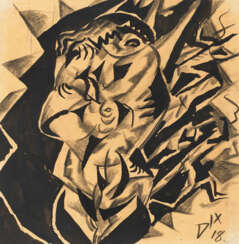

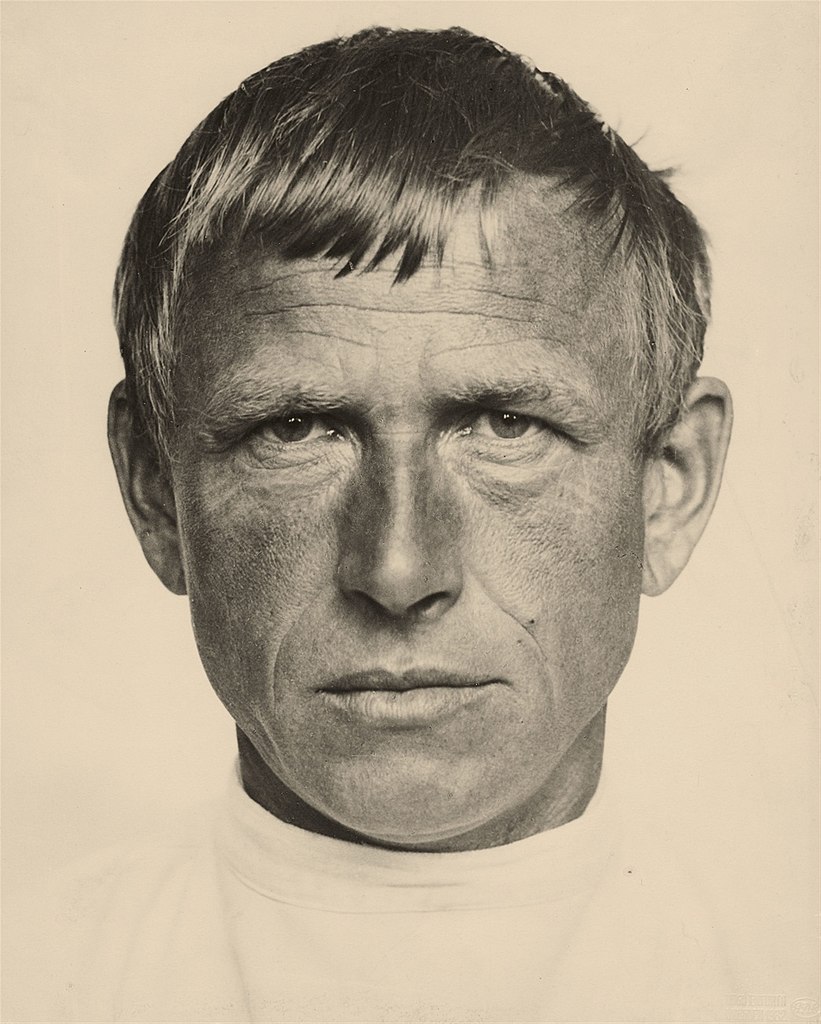
Wilhelm Heinrich Otto Dix was a German artist whose work stands as a stark, unyielding reflection of the societal tumult and trauma of the early 20th century. Born in 1891 in Untermhaus, Germany, Dix's early life was steeped in the arts, his ambition to become an artist nurtured by both familial influence and formal education in Dresden. His experiences as a soldier in World War I deeply influenced his artistic direction, leading him to vividly depict the horrors of war and the decay of the Weimar Republic with a brutal realism that became his signature style.
Dix's association with the Dada movement and the New Objectivity (Neue Sachlichkeit) further honed his critical, often cynical portrayal of post-war society. His works, such as "The Trench" and "War Cripples," expose the visceral aftermath of conflict, while his engagement with the Dadaists imbued his art with a disruptive, confrontational energy against societal norms and the art establishment.
Perhaps most notable is Dix's ability to capture the psychological depth and societal critiques through his portraits and landscapes, which ranged from the grotesque to the surreal. Paintings like "Portrait of the Journalist Sylvia von Harden" and the triptychs "Metropolis" and "War" are emblematic of his keen observation and stark depiction of the era's social and political unrest.
Despite facing significant adversity, including being labeled a degenerate artist by the Nazi regime and facing professional and personal setbacks, Dix's legacy as a painter and printmaker endures. His works are not only historical documents but also profound reflections on humanity, war, and society, resonating with collectors and art experts alike.
For enthusiasts of culture, art, and history, Dix's oeuvre offers an unflinching look into the human condition under the strain of societal and political upheaval. His contributions to painting and printmaking continue to be celebrated in museums and galleries worldwide, underscoring the enduring relevance of his work.
For those interested in exploring the profound depth and historical significance of Otto Dix's work, signing up for updates on new product sales and auction events related to his art can provide invaluable insights. This subscription is a gateway to staying informed about opportunities to engage with the tangible pieces of Dix's enduring legacy.