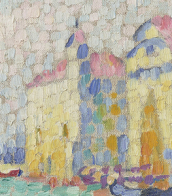
Victorian period — Auction price
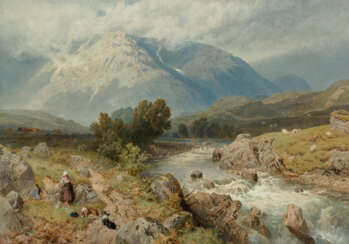

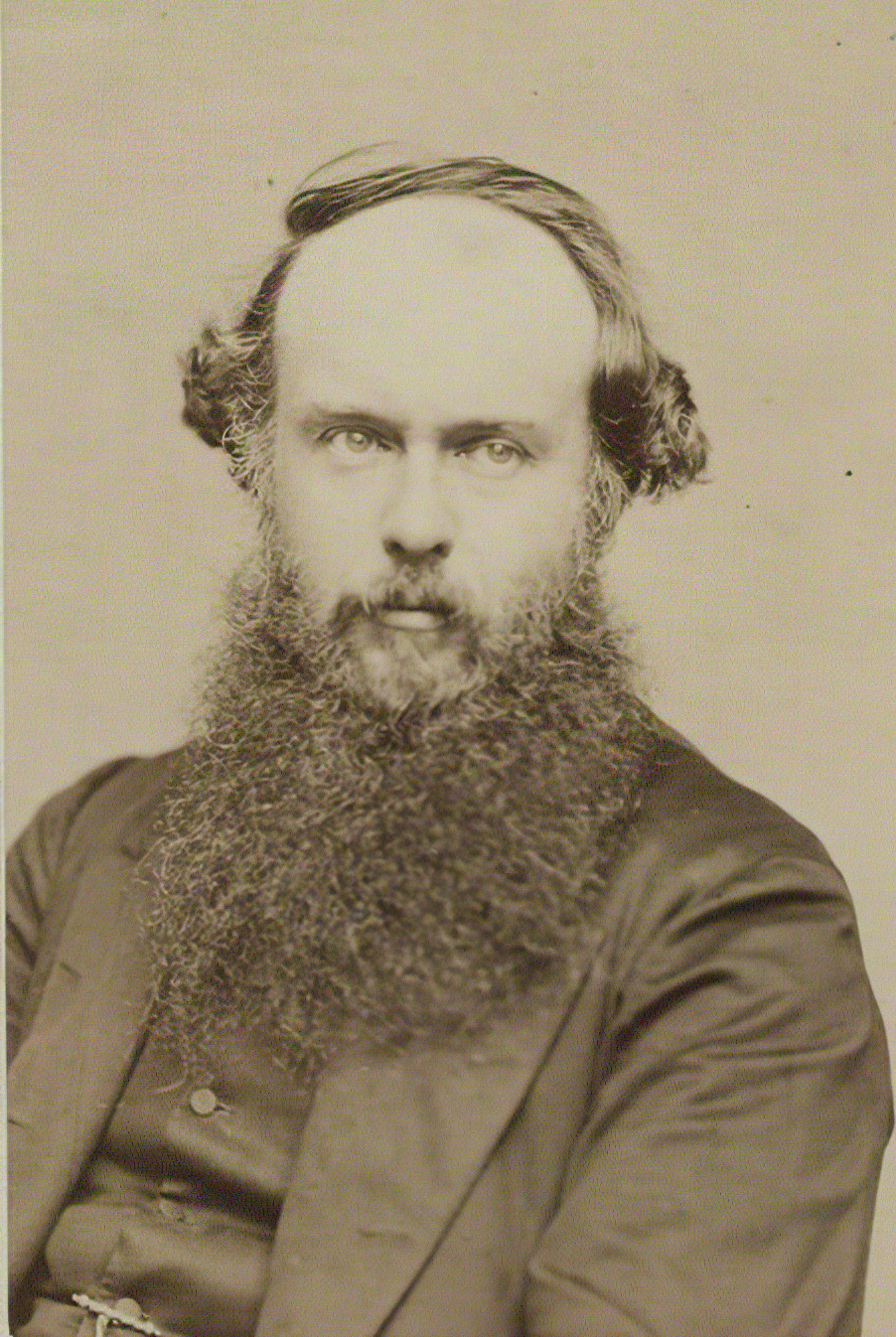
Myles Birket Foster was a British illustrator, watercolourist and engraver in the Victorian period.

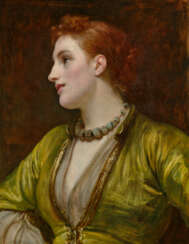

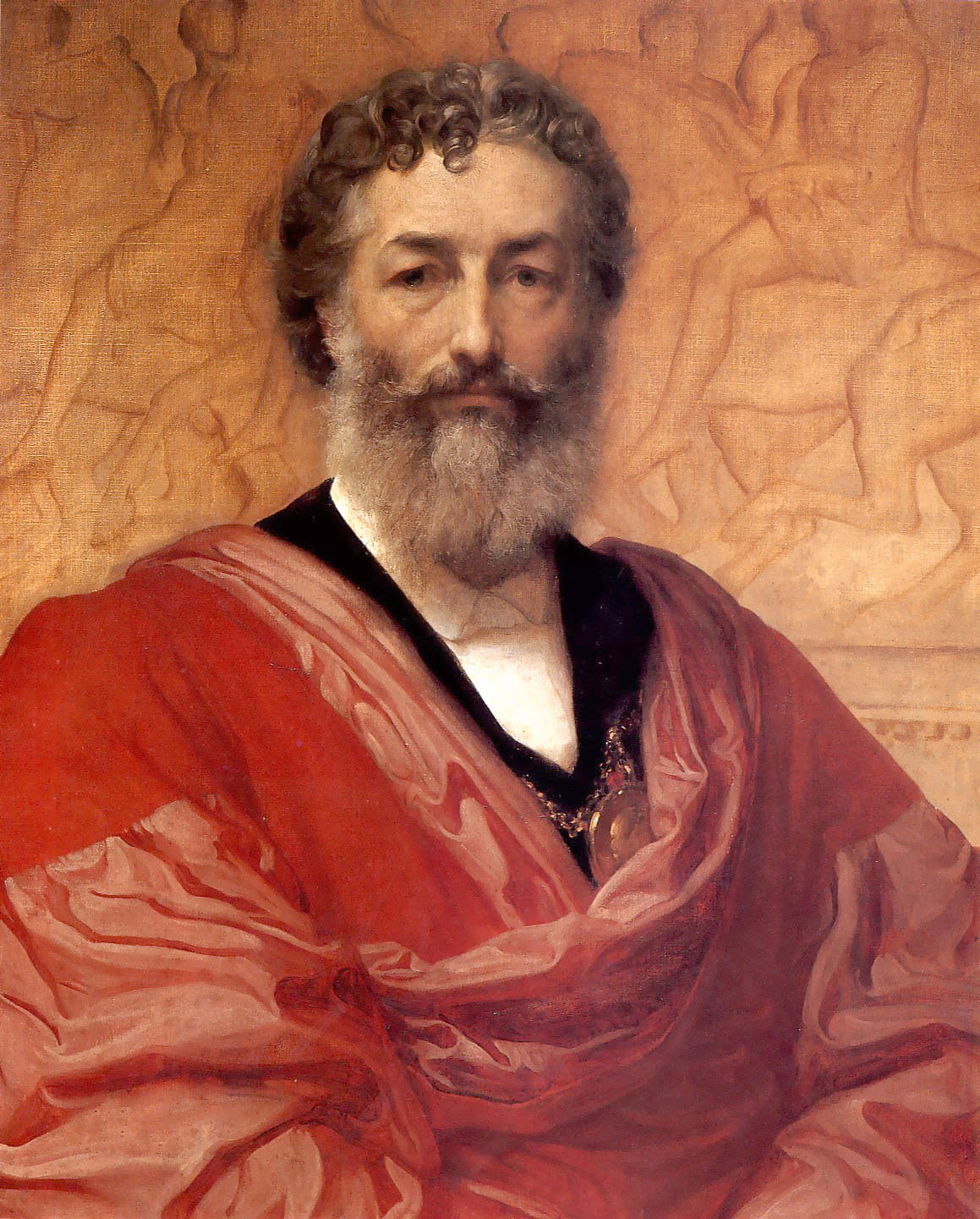
Frederic Leighton was a distinguished British artist renowned for his contributions to painting and sculpture during the Victorian era. His works, characterized by their classical themes and meticulous detail, have garnered appreciation from art collectors and historians alike. Notable for being the first painter to receive a peerage, Leighton's legacy in the art world is significant.
Frederic Leighton's art, particularly his paintings like "Flaming June" and "The Return of Persephone," showcases his mastery in depicting classical and mythological subjects with a unique blend of realism and idealism. His sculptures, such as "An Athlete Wrestling with a Python" and "The Sluggard," played a pivotal role in initiating the New Sculpture movement, emphasizing naturalism and dynamic forms.
Despite his illustrious career, Frederic Leighton's personal life remained private, with ongoing debates about his relationships and sexuality. His London home, now the Leighton House Museum, offers a glimpse into his artistic world, housing many of his works and collections that influenced his creations.
For art collectors and experts, Frederic Leighton's oeuvre represents a blend of academic tradition and innovative expression, making his works highly sought after in the realms of art and antiques. To stay informed about exhibitions and auction events featuring Frederic Leighton's art, subscribing to updates can be a valuable resource for enthusiasts eager to explore and acquire pieces from this influential Victorian artist.
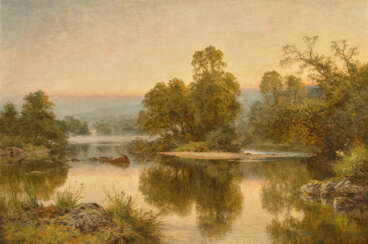


Benjamin Williams Leader was an English landscape painter.
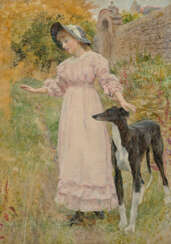

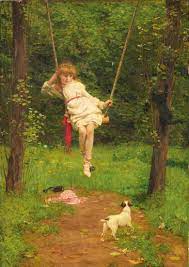


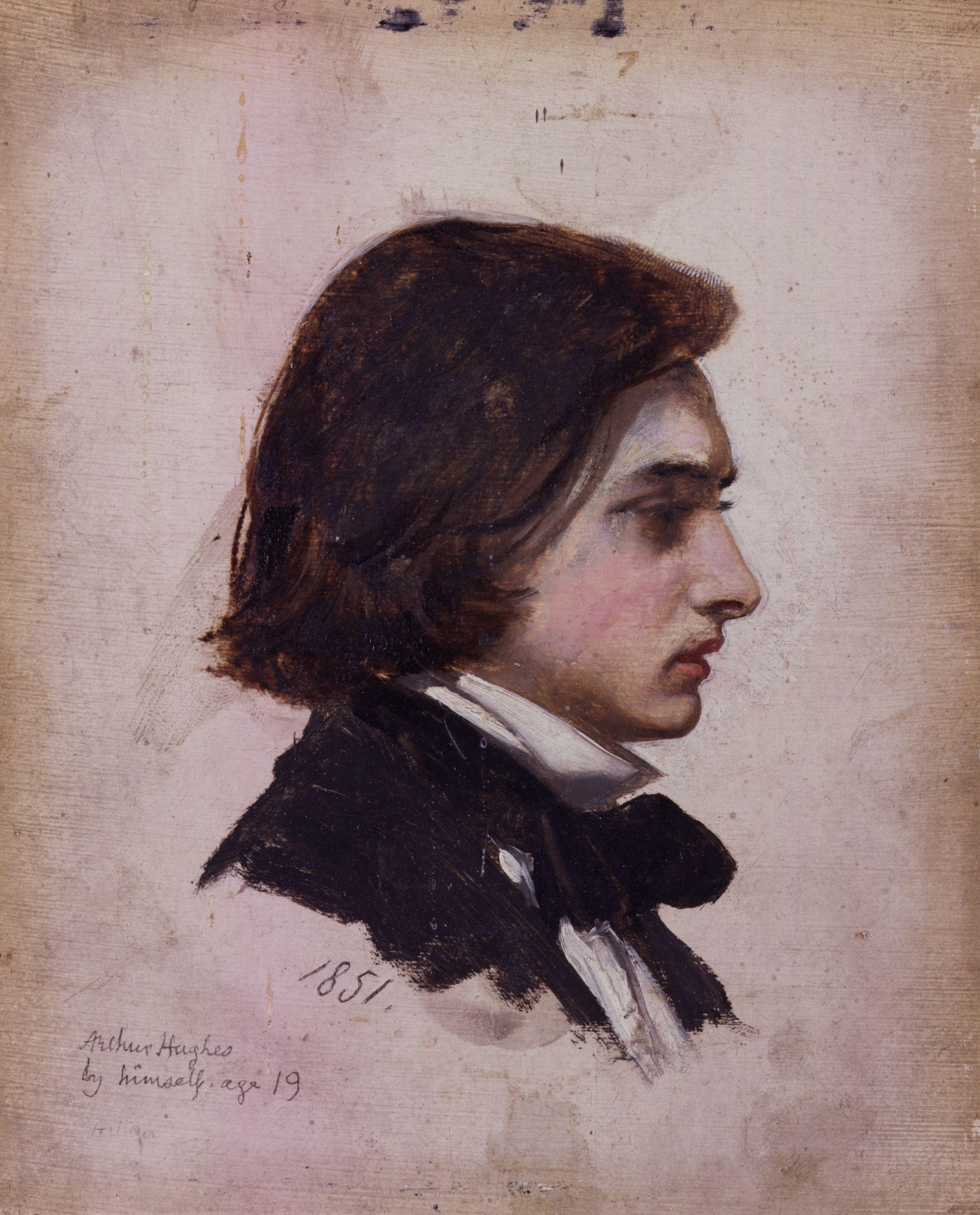
Arthur Hughes was an English painter and illustrator associated with the Pre-Raphaelite Brotherhood.




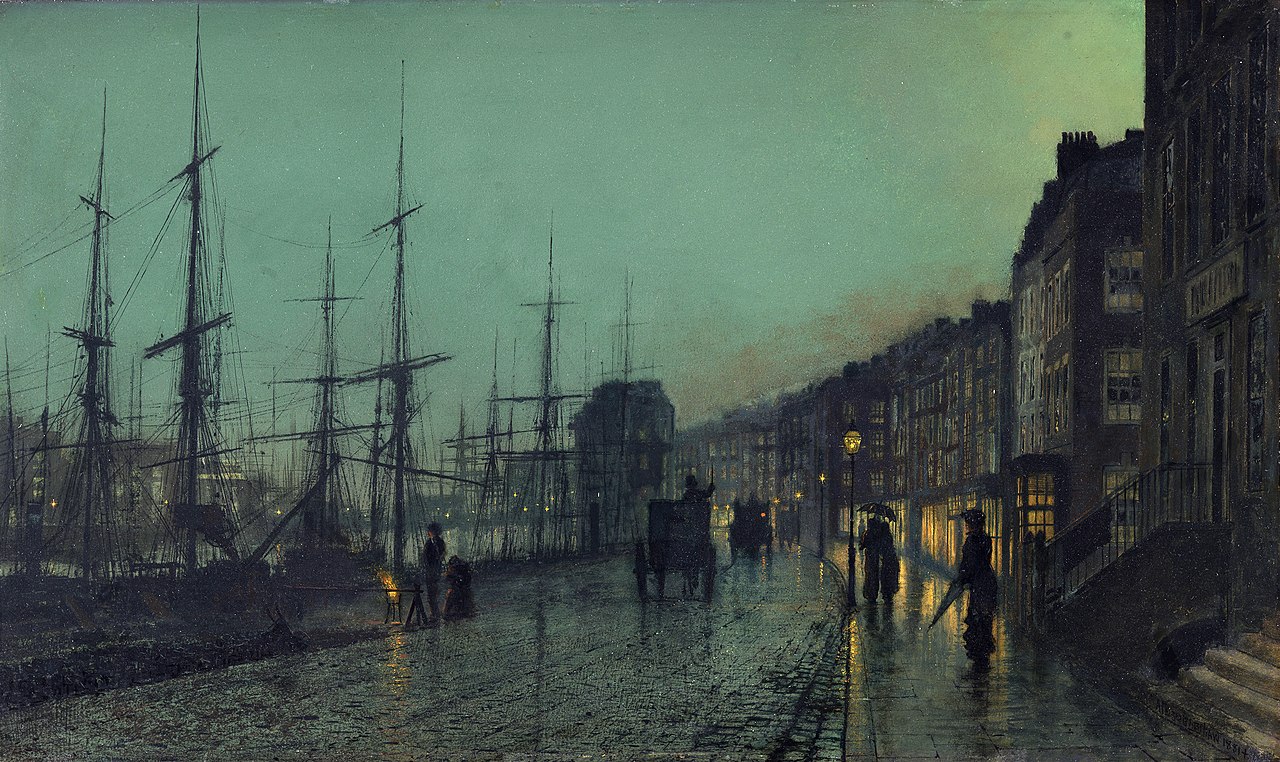
John Atkinson Grimshaw was an English Victorian-era artist best known for his nocturnal scenes of urban landscapes. He was called a «remarkable and imaginative painter» by the critic and historian Christopher Wood in Victorian Painting (1999).
Grimshaw's love for realism stemmed from a passion for photography, which would eventually lend itself to the creative process. Though entirely self-taught, he is known to have used a camera obscura or lenses to project scenes onto canvas, which made up for his shortcomings as a draughtsman and his imperfect knowledge of perspective. This technique, which Caravaggio and Vermeer may also have used, was condemned by a number of his contemporaries who believed it demonstrated less skill than painting by eye, with some claiming that his paintings appeared to «show no marks of handling or brushwork», while others "were doubtful whether they could be accepted as paintings at all". However, many recognised his mastery of colour, lighting and shadow, as well as his unique ability to provoke strong emotional responses in the viewer. James McNeill Whistler, who Grimshaw worked with in his Chelsea studios, stated, «I considered myself the inventor of nocturnes until I saw Grimmy's moonlit pictures».

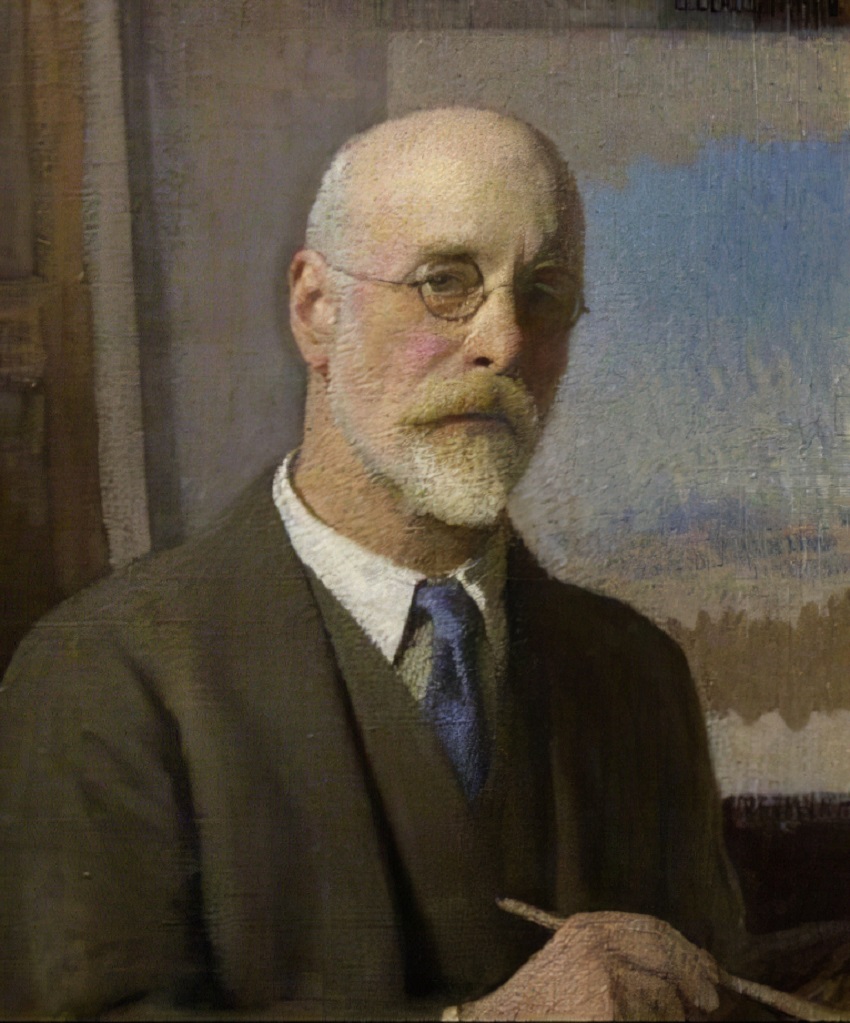
George Clausen was a British artist working in oil and watercolour, etching, mezzotint, dry point and occasionally lithographs. He was knighted in 1927.


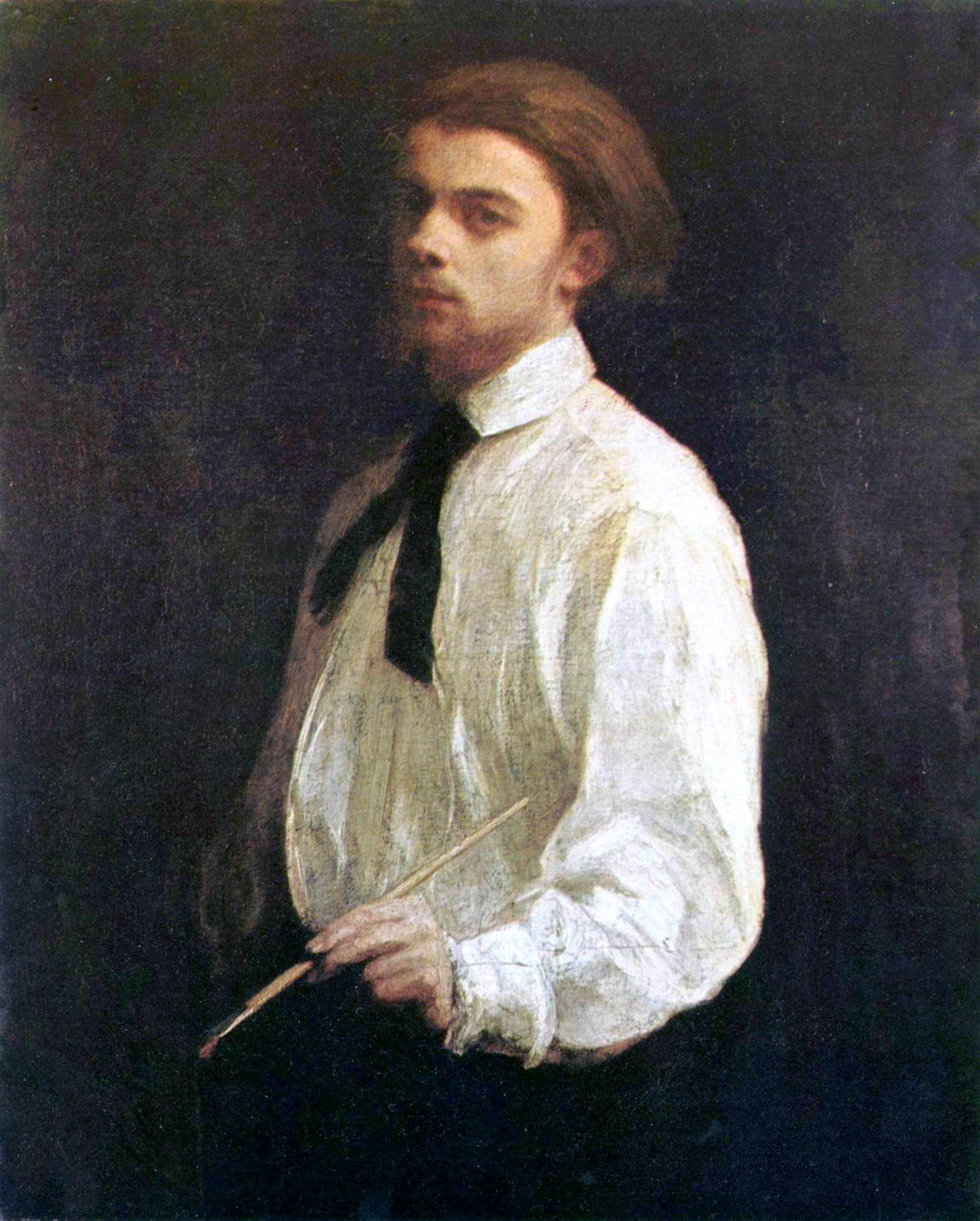
Henri Fantin-Latour was a French painter and lithographer renowned for his exquisite flower paintings and insightful group portraits of Parisian artists and writers. His artistic journey began in Grenoble, where he was born in 1836, but it flourished in Paris, where he moved at a young age to study art. Despite his associations with Impressionists like Édouard Manet and Claude Monet, Fantin-Latour carved his unique path, focusing on still life and portraiture rather than adopting the Impressionist style.
Henri Fantin-Latour's knack for capturing the essence of his subjects is evident in his group portraits, which were not just mere representations but insightful depictions of the artistic and literary circles of his time. His notable works like "A Studio at Les Batignolles" illustrate the camaraderie among artists like Manet, Renoir, and Monet, offering a window into the vibrant Parisian art scene of the 19th century. His still lifes, particularly his flower paintings, are celebrated for their realism and delicate precision, making them a favorite among collectors and art enthusiasts.
In addition to his painting, Henri Fantin-Latour's lithographs, inspired by classical music and imbued with a poetic and symbolic quality, reveal another dimension of his talent, showcasing his ability to transcend the boundaries of realism and delve into the realm of imagination.
For art collectors and experts, Henri Fantin-Latour's works offer a blend of technical mastery and a deep understanding of the interplay between art, music, and literature. His contributions to the art world are remembered and celebrated in museums around the globe, where his works continue to inspire and captivate audiences.
For those interested in exploring more about Henri Fantin-Latour's life and works, visiting exhibitions or keeping abreast of auctions featuring his art can provide valuable insights into his creative genius. To stay updated on related events and opportunities, consider subscribing to updates from art institutions or galleries specializing in 19th-century French art.



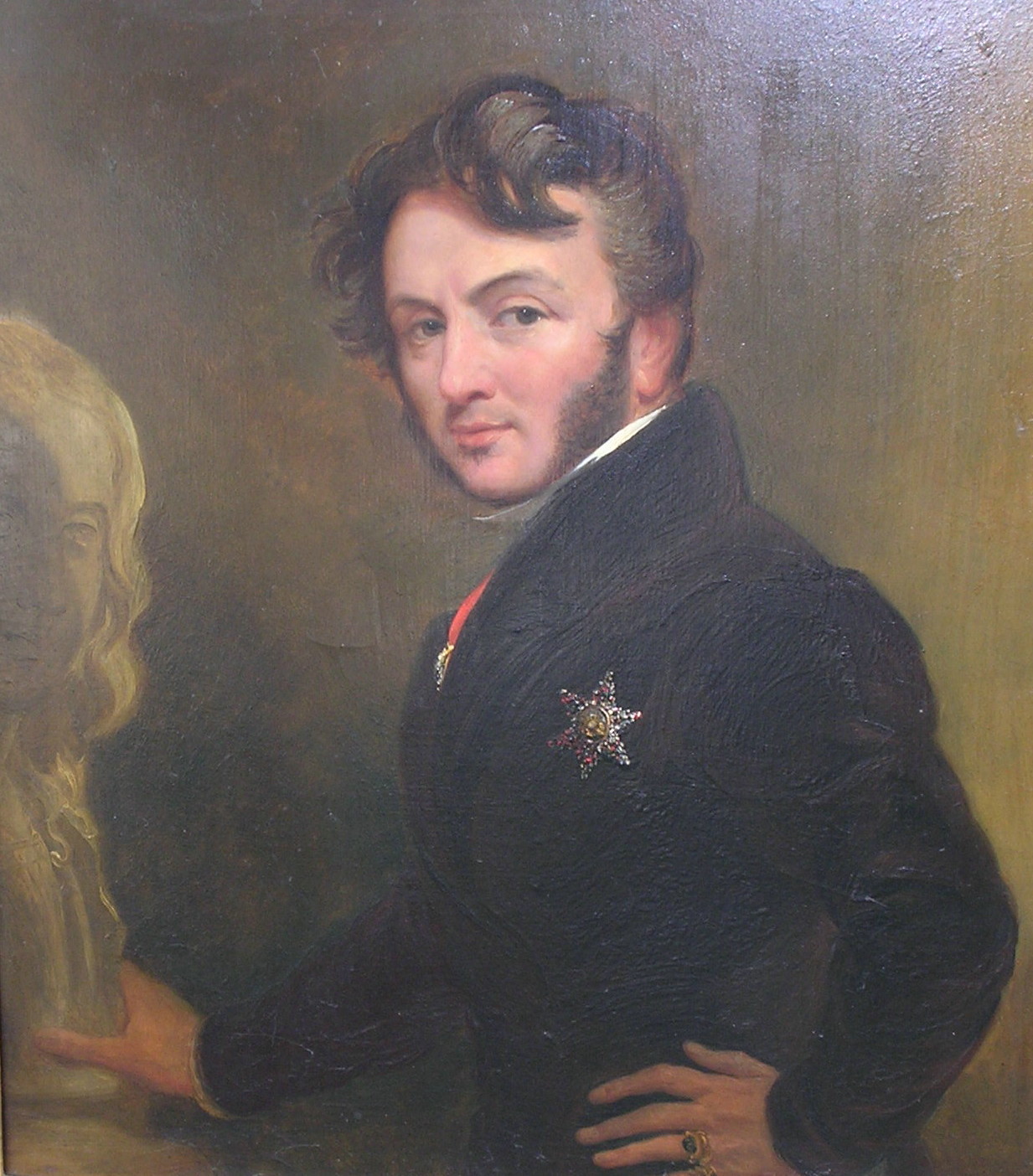
George Hayter was an English painter, specialising in portraits and large works involving in some cases several hundred individual portraits. Queen Victoria appreciated his merits and appointed Hayter her Principal Painter in Ordinary and also awarded him a Knighthood 1841.






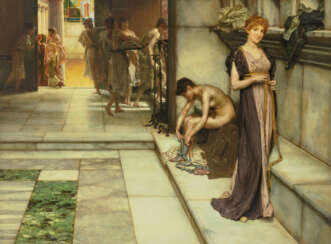

.jpg)
Lawrence Alma-Tadema was a Dutch-British artist renowned for his detailed and romanticized portrayals of ancient civilizations, particularly Rome and Egypt. His meticulous attention to historical accuracy and the lavish representation of marble and luxurious settings distinguished his work. Notably, his fascination with ancient cultures was sparked by his honeymoon visit to Italy and Pompeii, influencing his artistic focus for decades.
Lawrence Alma-Tadema's early work, such as "The Education of the Children of Clovis," showcased his interest in historical subjects and established his reputation. This painting, alongside others like "The Sad Father," demonstrates his commitment to historical detail and narrative depth.
After moving to England due to the Franco-Prussian War and personal reasons, Lawrence Alma-Tadema's career flourished. His works, characterized by their bright palette and refined details, resonated with Victorian audiences, earning him considerable fame and financial success. He was knighted in 1899 and continued to be a pivotal figure in Victorian art, influencing peers and future generations alike.
Lawrence Alma-Tadema's legacy experienced a decline posthumously but saw a resurgence in the 1970s. Today, he is celebrated for his contributions to the Neoclassical and Victorian art movements, with his works featured in prominent collections worldwide, including the Getty Museum and the Tate Gallery.
If you are fascinated by Lawrence Alma-Tadema's artwork and wish to stay updated on sales and auction events related to his works, consider signing up for updates. This will ensure you remain informed about new opportunities to explore and possibly acquire pieces of his illustrious legacy.