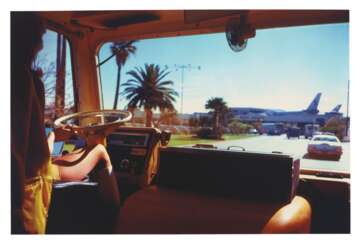
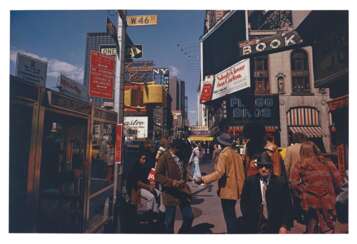
See description — Auction price
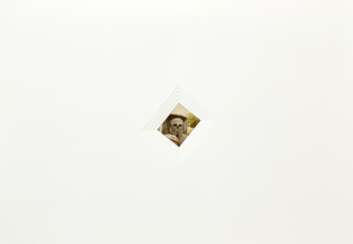


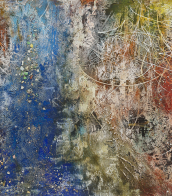



















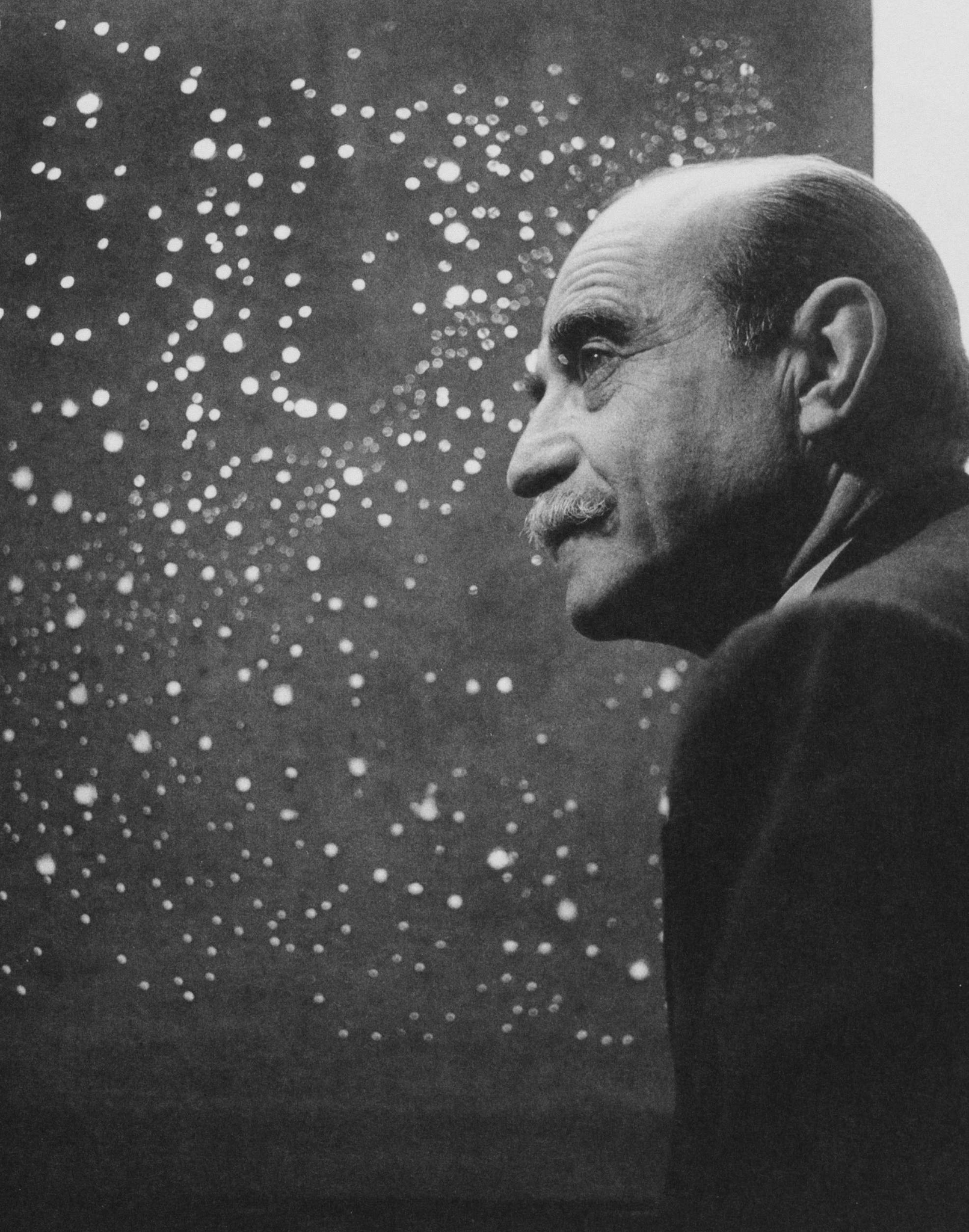
Lucio Fontana was an Argentine-Italian artist known for his pioneering work in the field of Spatialism, an artistic movement that explored the relationship between space and art.
Fontana studied sculpture at the Academy of Fine Arts in Milan, Italy. In the 1940s, he began experimenting with a technique he called "Spatial Concept," in which he punctured or cut holes into the canvas to create a sense of depth and dimensionality.
Throughout the 1950s and 1960s, Fontana continued to explore the possibilities of Spatialism, creating works in a variety of media, including sculpture, ceramics, and painting. One of his most famous series of works is the "Tagli" (Cuts), which consist of monochromatic canvases with one or more slashes or punctures.
Fontana's work had a significant influence on the development of the Arte Povera movement in Italy, as well as on the development of Minimalism and Conceptual Art. He exhibited his work widely in Europe and the United States, and his legacy continues to be celebrated by artists and critics today.
Fontana's innovative approach to art and his exploration of the relationship between space and form continue to be a source of inspiration for artists working in a wide range of media.













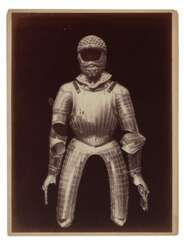

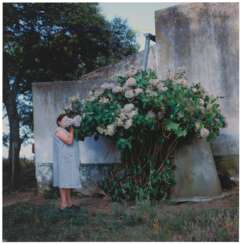

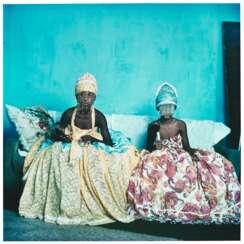



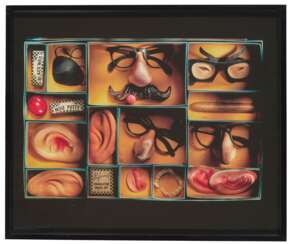




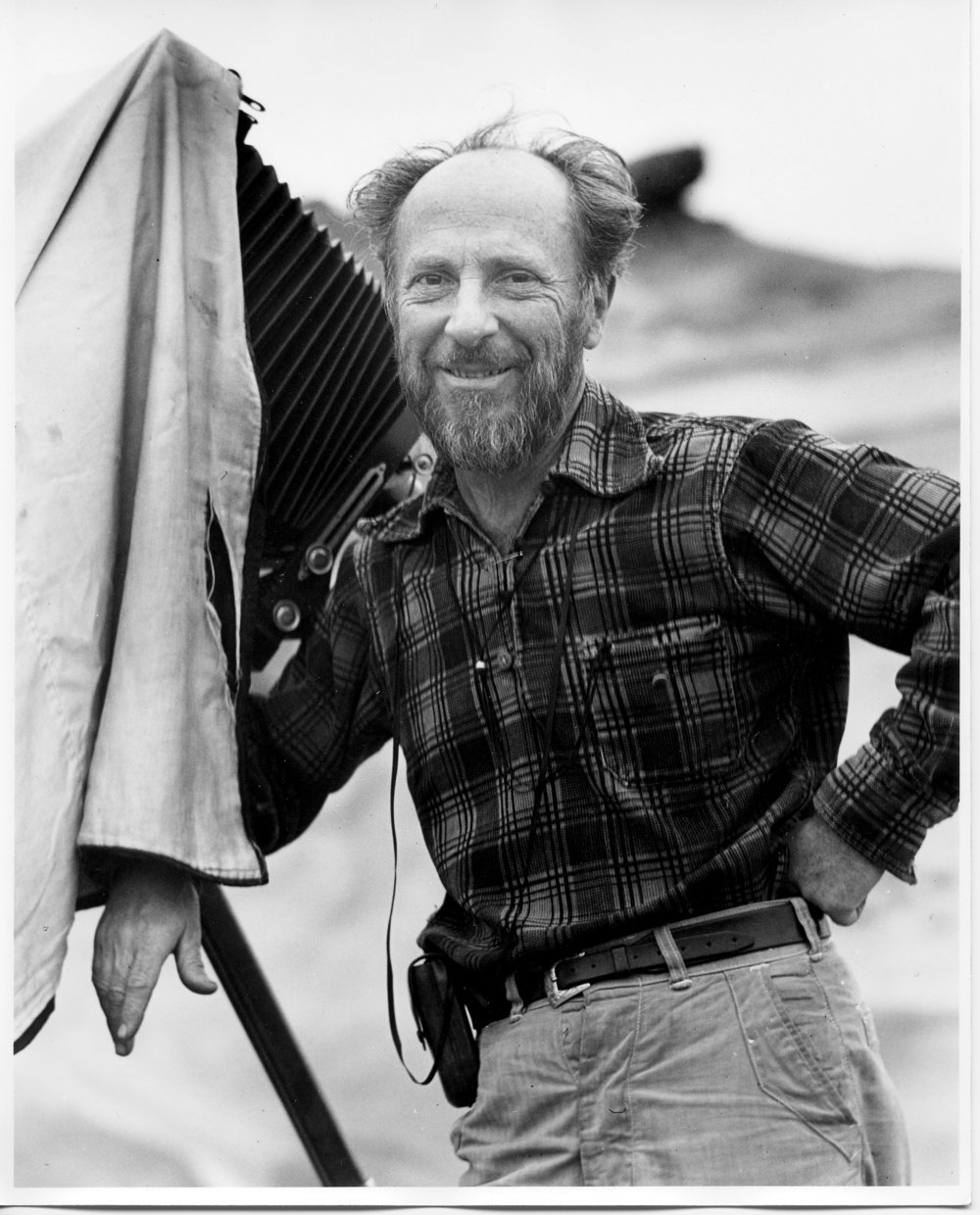
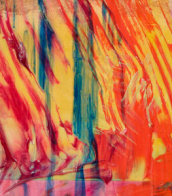
Edward Henry Weston, an American photographer, emerged as a significant figure in early to mid-20th-century photography, renowned for his meticulously composed, sharply focused images that spanned natural forms, landscapes, and nudes. His journey into photography began at a young age, receiving his first camera at 16 and eventually shaping a career that challenged and transformed the medium's artistic scope.
Edward Weston's move to California marked a pivotal shift in his career, where his interactions with other artists and his explorations of nature led to a distinct style characterized by its precision and emphasis on the intrinsic beauty of his subjects. His time in Mexico was particularly transformative, influencing his artistic direction significantly through encounters with key figures of the Mexican Renaissance and his introspective work that focused on detail and form.
Throughout his career, Edward Weston's work underwent several evolutions, moving from Pictorialism to a more direct and detailed approach, culminating in his involvement with the f/64 group, which advocated for photography that emphasized clarity and depth. His dedication to capturing the essence of his subjects without manipulation set new standards in the field, inspiring generations of photographers.
Weston's legacy is celebrated in numerous retrospectives and his influence continues in modern photography, with his works residing in prestigious institutions and collections worldwide. His deep connection to nature and commitment to photographic purity remain enduring aspects of his contribution to the art form.
For art collectors and enthusiasts, Edward Weston's work represents a fascinating intersection of artistic innovation and profound respect for the natural world, making his photographs coveted pieces in the realms of art and antiques. To stay updated on sales and auctions related to Edward Weston's work, subscribing for updates is a prudent step to ensure you remain informed about opportunities to acquire pieces connected to this influential artist.


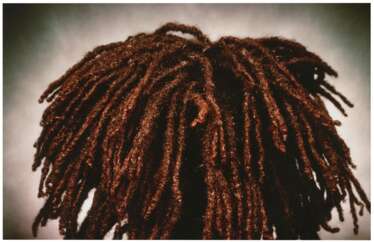

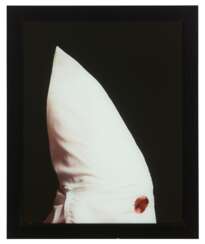

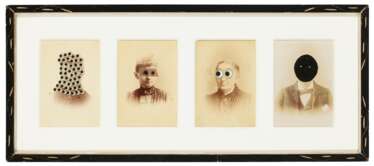


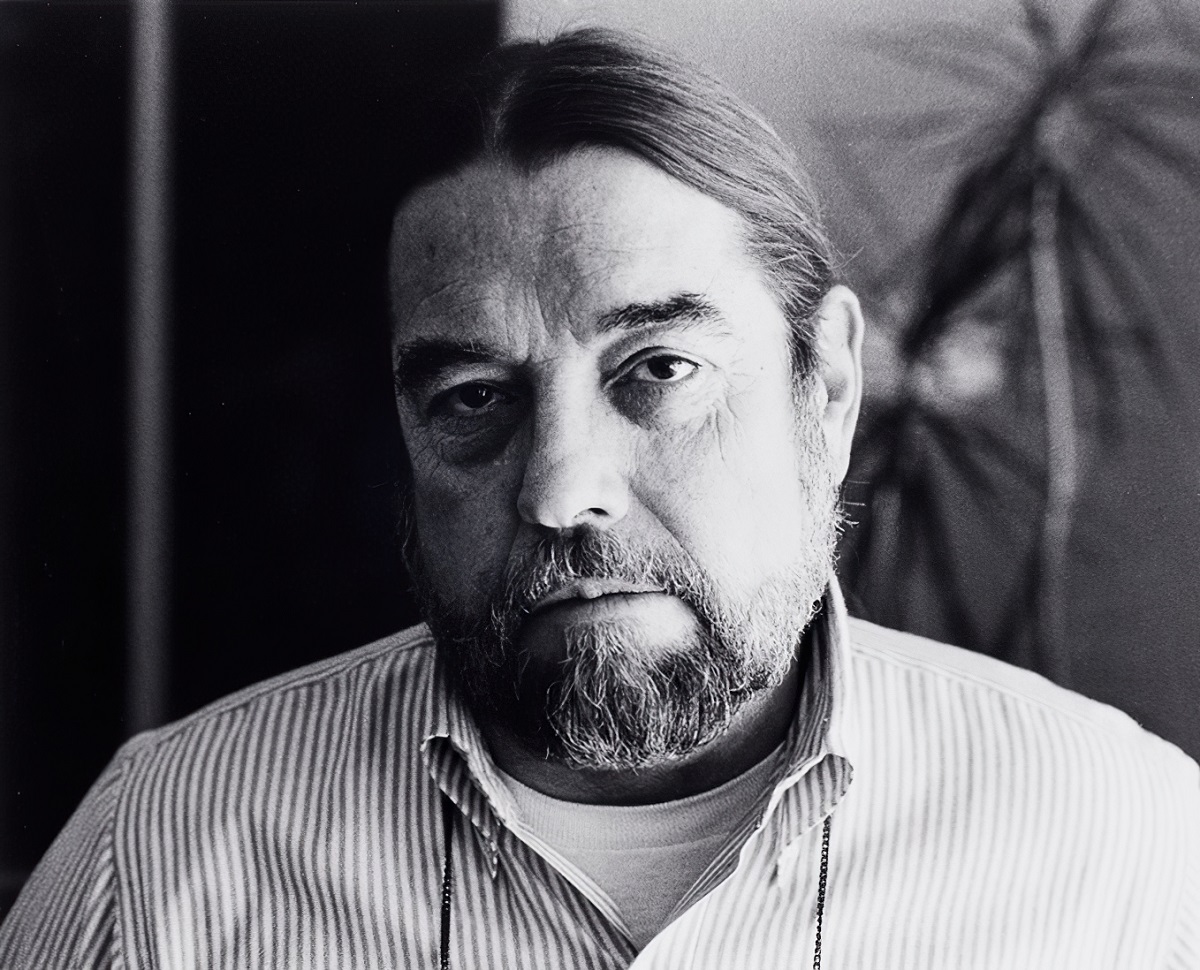
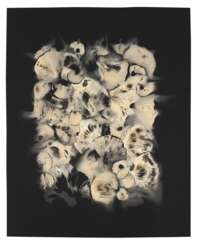
Robert Heinecken was an American artist and educator. He is known for his pioneering work in the field of photography, particularly his use of found images and his experimentation with photographic processes.
Heinecken studied at the University of California, Los Angeles, and later became a professor of art at UCLA, where he taught for over 30 years. He exhibited his work extensively throughout his career, including at the Museum of Modern Art in New York, the Whitney Museum of American Art, and the San Francisco Museum of Modern Art.
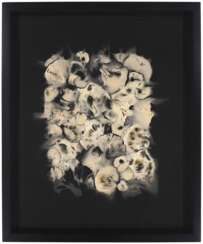
Heinecken's work often involved appropriating images from mass media sources, such as magazines and television, and recontextualizing them in his art. He was also known for his "paraphotography," a term he coined to describe his use of photographic materials and techniques to create works that were not necessarily photographs in the traditional sense. For example, he would use photographic paper to create abstract, three-dimensional sculptures, or he would manipulate images with chemicals to create surreal, dreamlike compositions.
Heinecken's work has been praised for its critical engagement with the role of photography in contemporary culture, as well as its wit, playfulness, and subversive edge. He was a major influence on the development of conceptual art and postmodernism in the United States, and his legacy continues to be felt in contemporary art today.


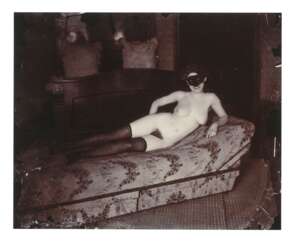

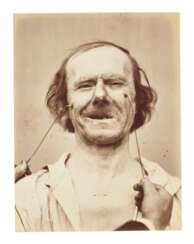

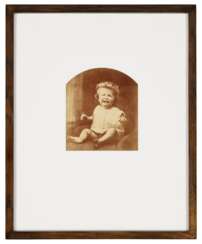




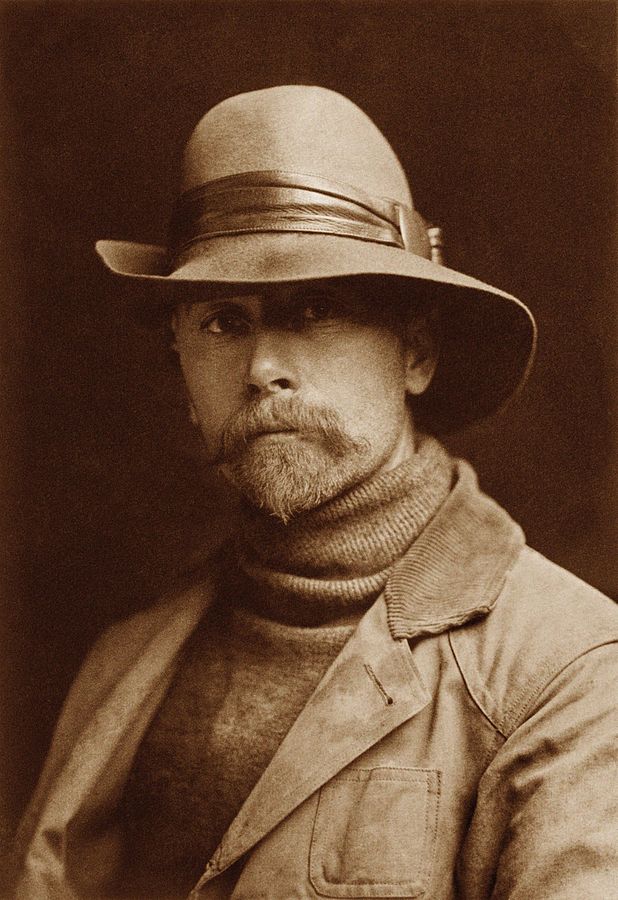


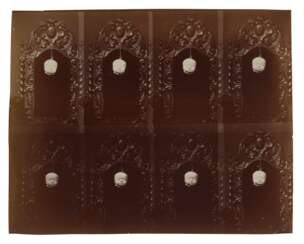

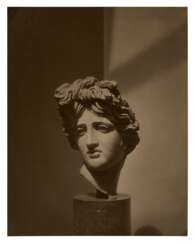

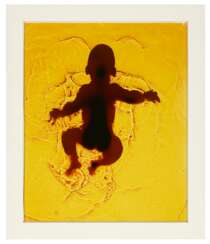

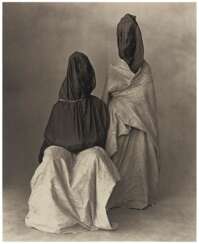

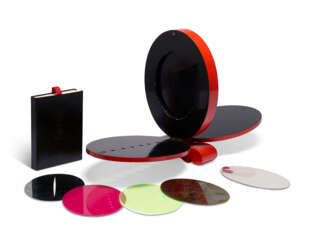
Irving Penn was an American photographer celebrated for his influential work in fashion photography, portraits, and still lifes. Penn's journey into photography began with a background in painting and design, studying at the Philadelphia Museum School of Industrial Art. He moved to New York and initially worked in design and illustration, which paved the way for his transition into photography. Notably, Penn's work at Vogue magazine for over six decades helped define the visual style of mid-20th-century fashion photography.
Irving Penn's mastery extended beyond the camera to the darkroom, where he experimented with various printing techniques, including the platinum-palladium process, which contributed to the depth and subtlety of his prints. His works, such as the "Cigarette" series and his still life compositions, are renowned for their minimalistic elegance and meticulous detail. Irving Penn's artistry was not confined to one genre; his "Earthly Bodies" nudes series and street material collection demonstrated his versatility and depth as an artist.
His contributions to photography are preserved and celebrated in numerous exhibitions and collections worldwide, including major museums like The Metropolitan Museum of Art, The Museum of Modern Art, and The Art Institute of Chicago. Irving Penn's legacy as a pioneering figure in photography continues to inspire artists and photographers today.
If you're a collector or an expert in art and antiques, staying updated on Irving Penn's works can be invaluable. To receive updates on new product sales and auction events related to Irving Penn, consider signing up for our newsletter. This way, you won't miss out on the opportunity to own a piece of photographic history.