Auction price




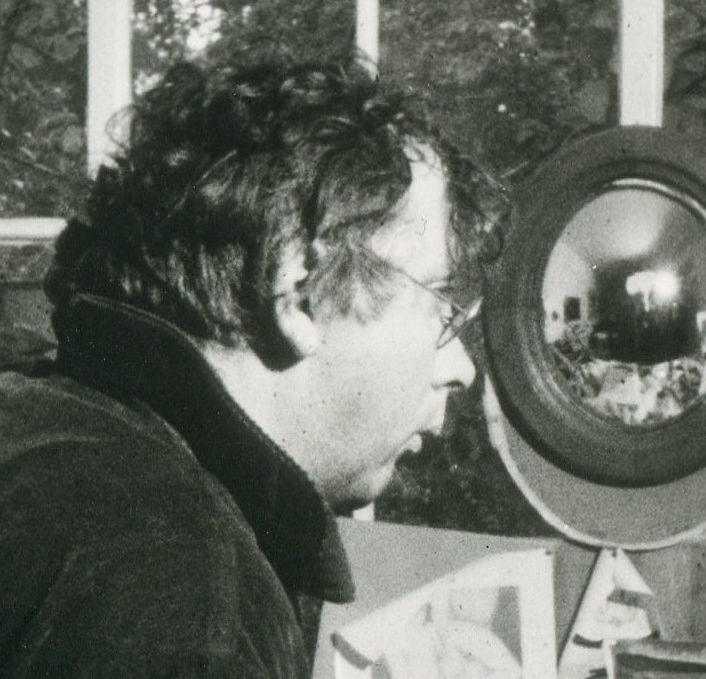
Horst Janssen was a German graphic artist, printmaker, poster and illustrator. He created many drawings, etchings, woodcuts, lithographs, and woodcuts.
There is a museum dedicated to his legacy in Horst Janssen's hometown of Oldenburg. His works are represented internationally in major museums.


Horst Janssen was a German graphic artist, printmaker, poster and illustrator. He created many drawings, etchings, woodcuts, lithographs, and woodcuts.
There is a museum dedicated to his legacy in Horst Janssen's hometown of Oldenburg. His works are represented internationally in major museums.


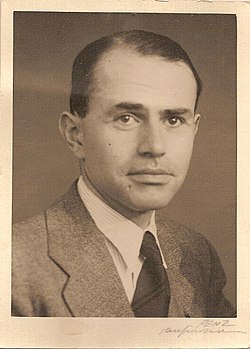


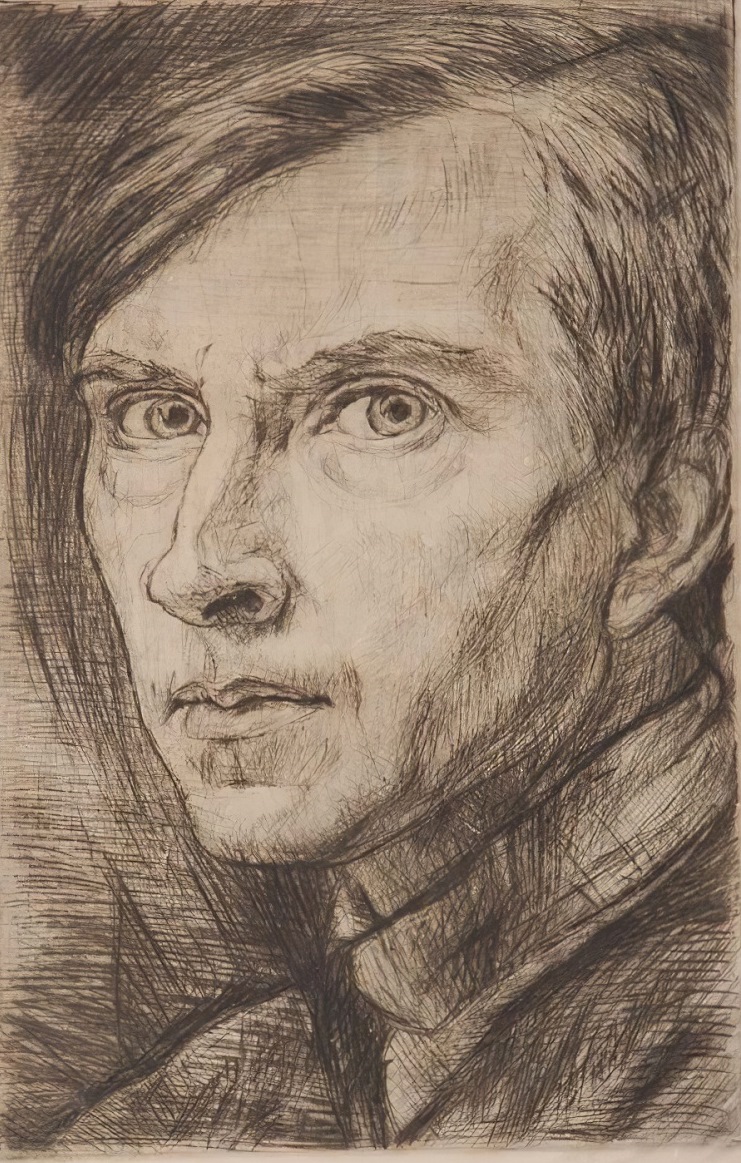
Paul Kother was a German expressionist painter.


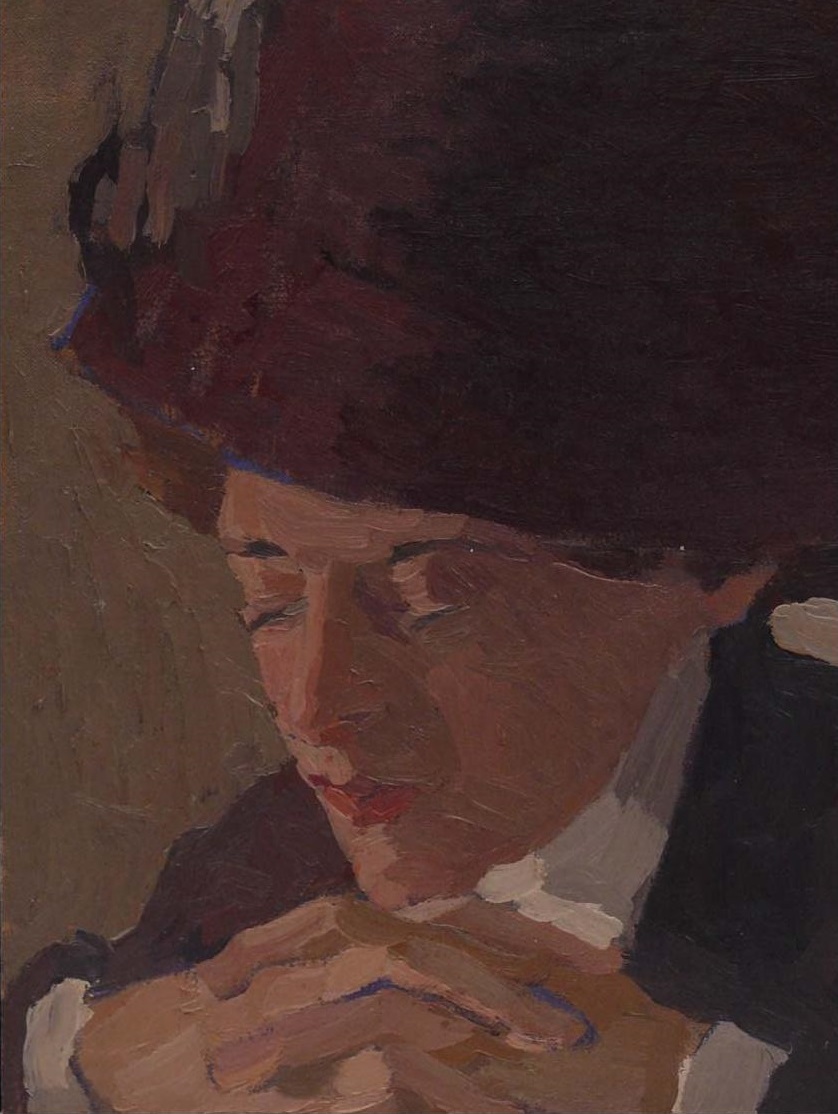
Minna Köhler-Roeber was a German Impressionist painter.


Minna Köhler-Roeber was a German Impressionist painter.


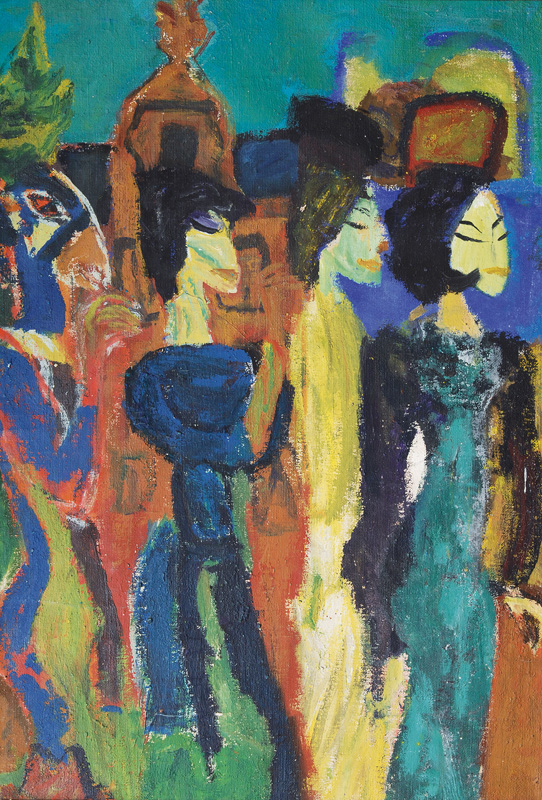


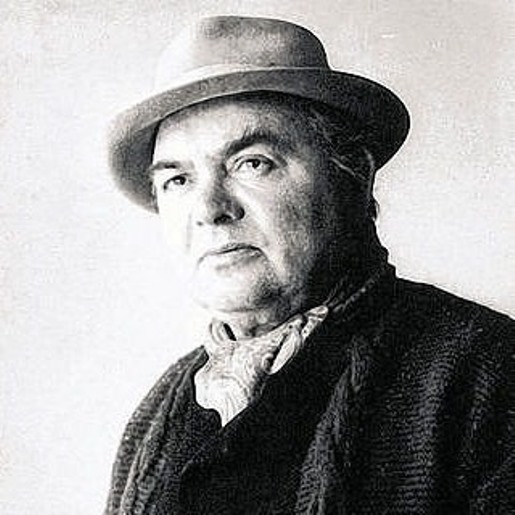


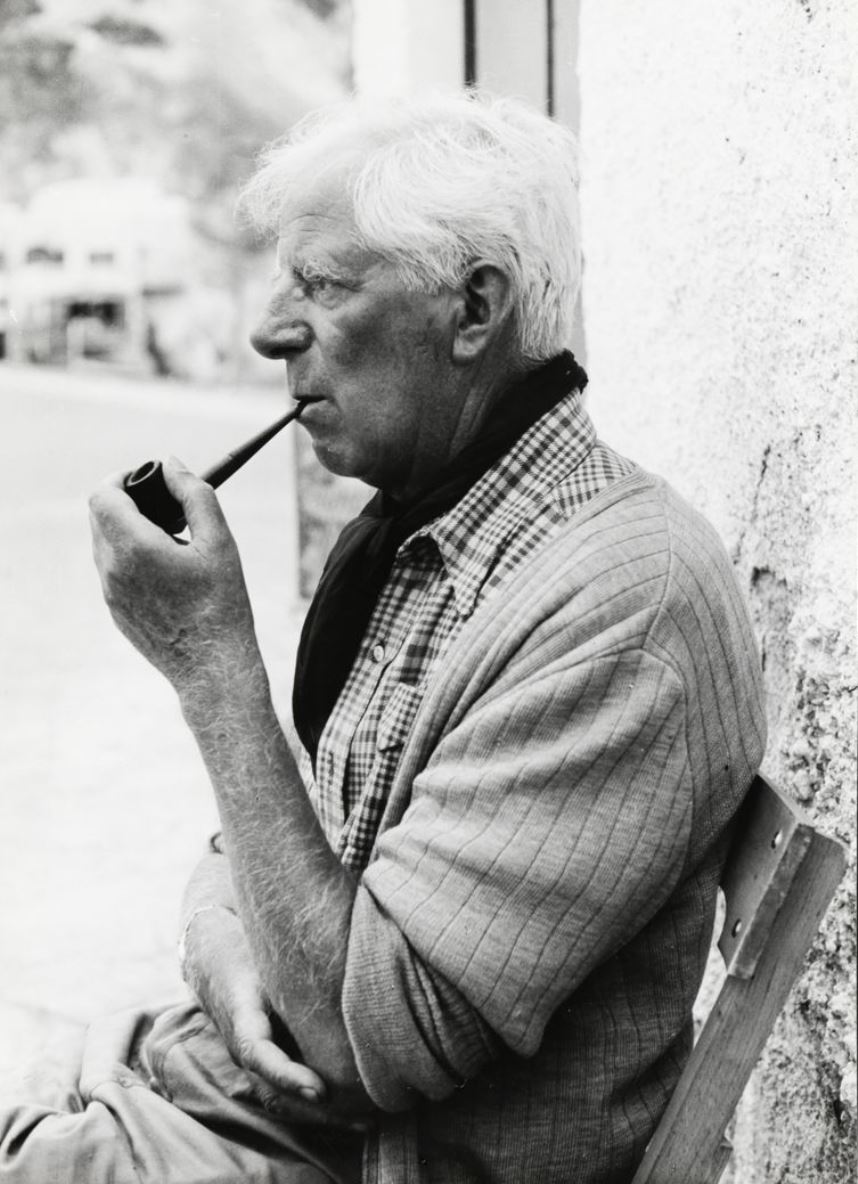
Werner Gilles was a German artist.
He was a member of the Bauhaus school of art and design. After arriving on the Italian island of Ischia in 1932, Gilles found inspiration for painting. In his oil paintings and watercolors, the artist depicts the cheerful and menacing aspects of this primitive landscape and captures its basic nature.


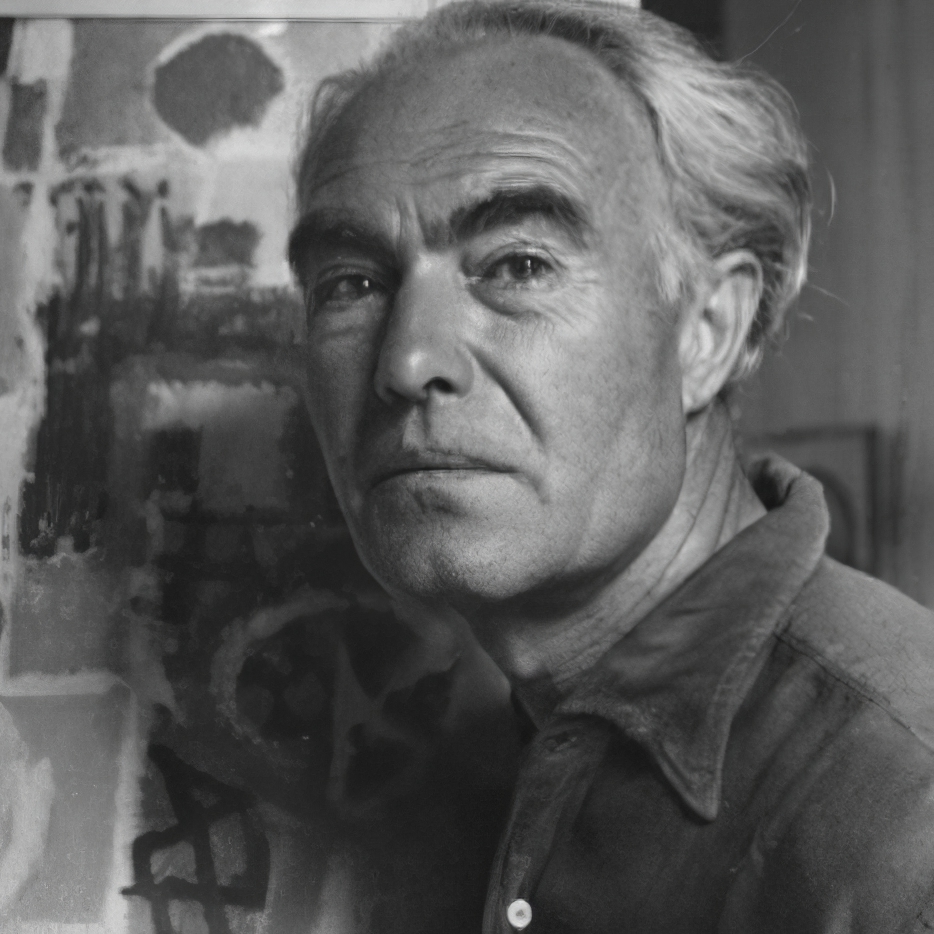
Eduard Bargheer was a German painter and printmaker. His early oeuvre had a close affinity to Expressionism.


Eduard Bargheer was a German painter and printmaker. His early oeuvre had a close affinity to Expressionism.


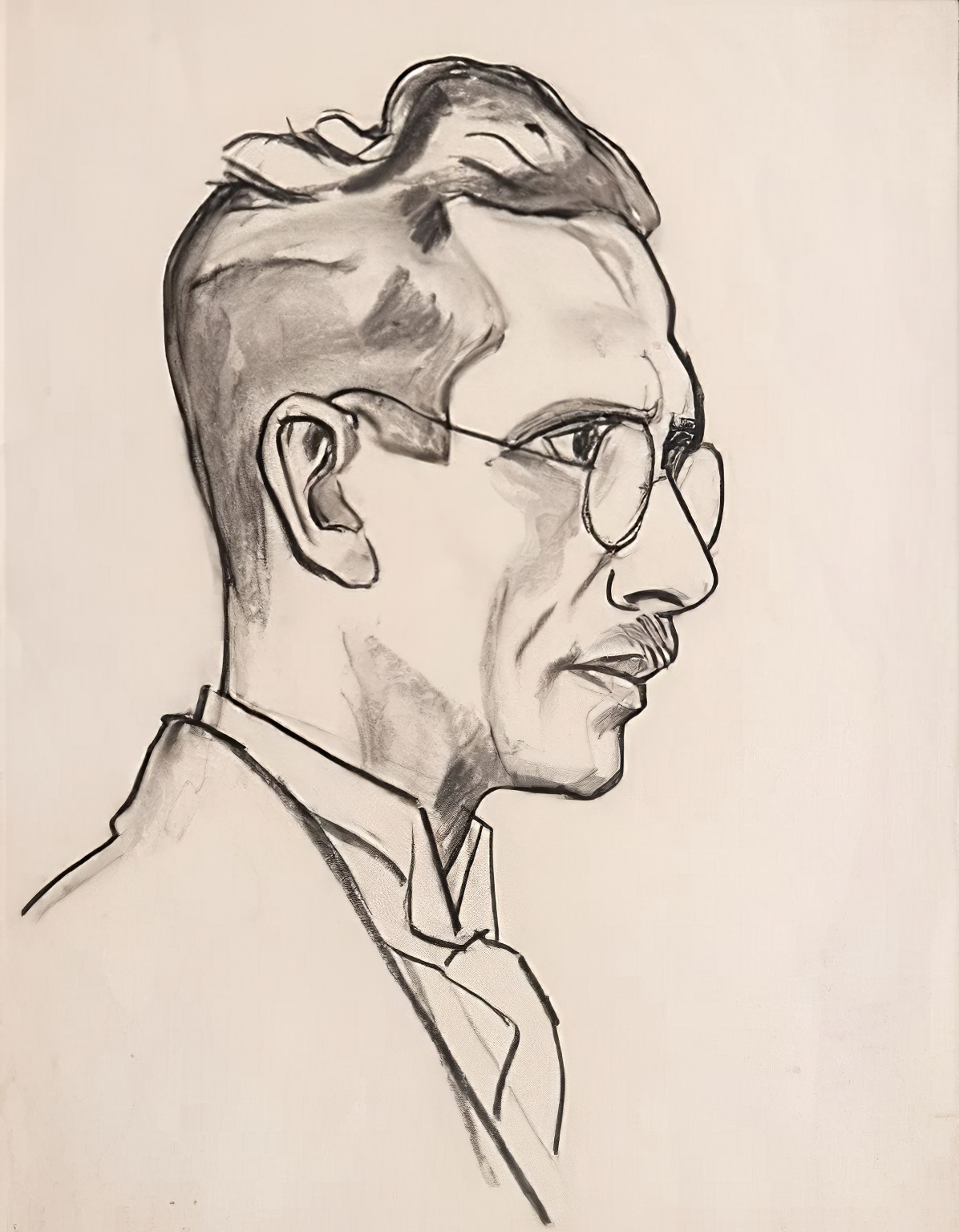
Erich Hartmann was a German modernist and expressionist painter.


Erich Hartmann was a German modernist and expressionist painter.


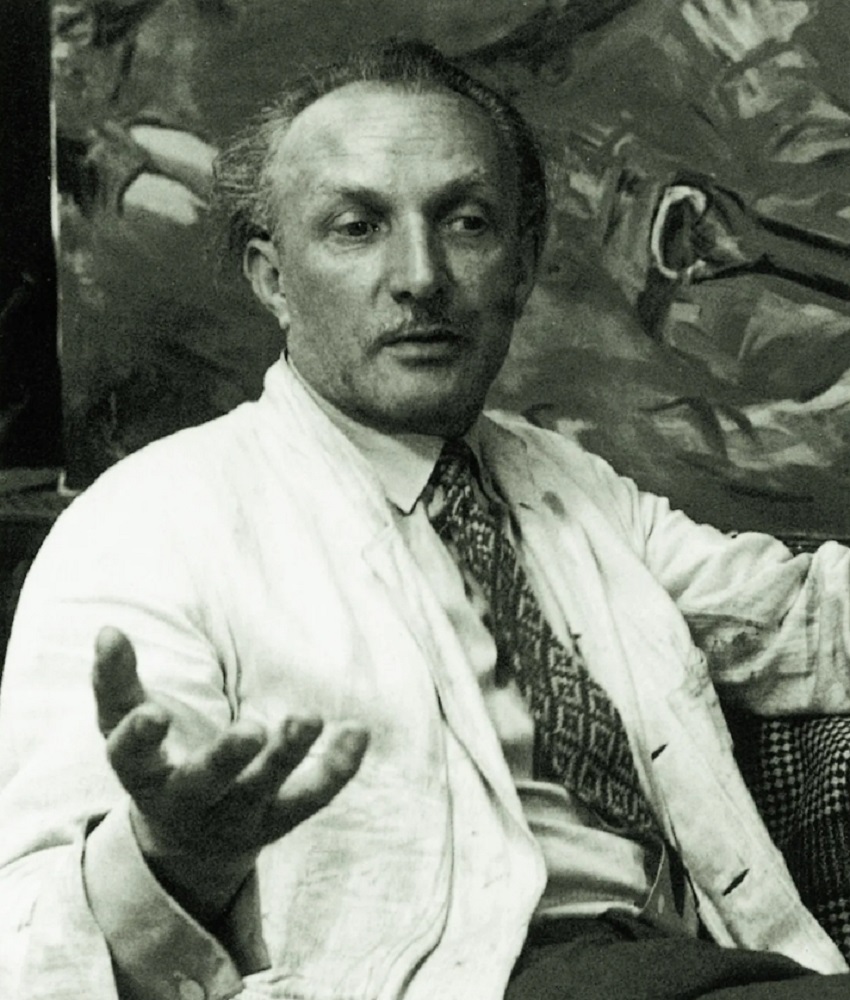
Karl Kluth was a German painter. He was a member of the Hamburg Künstlerverein, the Hamburg Artists' Association and the Hamburg Secession.


Karl Kluth was a German painter. He was a member of the Hamburg Künstlerverein, the Hamburg Artists' Association and the Hamburg Secession.


Karl Kluth was a German painter. He was a member of the Hamburg Künstlerverein, the Hamburg Artists' Association and the Hamburg Secession.


Karl Kluth was a German painter. He was a member of the Hamburg Künstlerverein, the Hamburg Artists' Association and the Hamburg Secession.


Karl Kluth was a German painter. He was a member of the Hamburg Künstlerverein, the Hamburg Artists' Association and the Hamburg Secession.


Karl Kluth was a German painter. He was a member of the Hamburg Künstlerverein, the Hamburg Artists' Association and the Hamburg Secession.


Karl Kluth was a German painter. He was a member of the Hamburg Künstlerverein, the Hamburg Artists' Association and the Hamburg Secession.


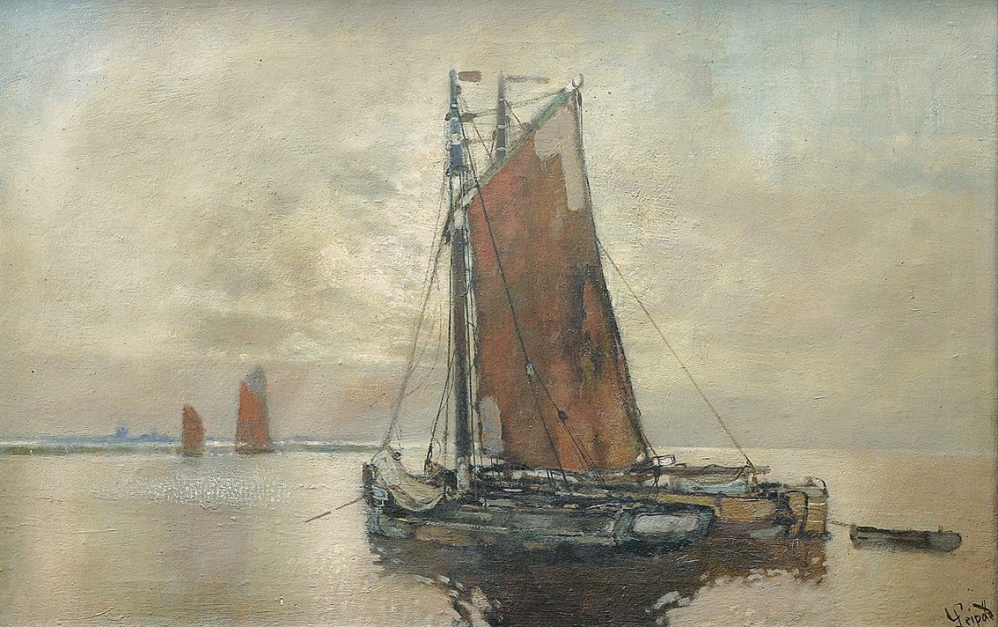


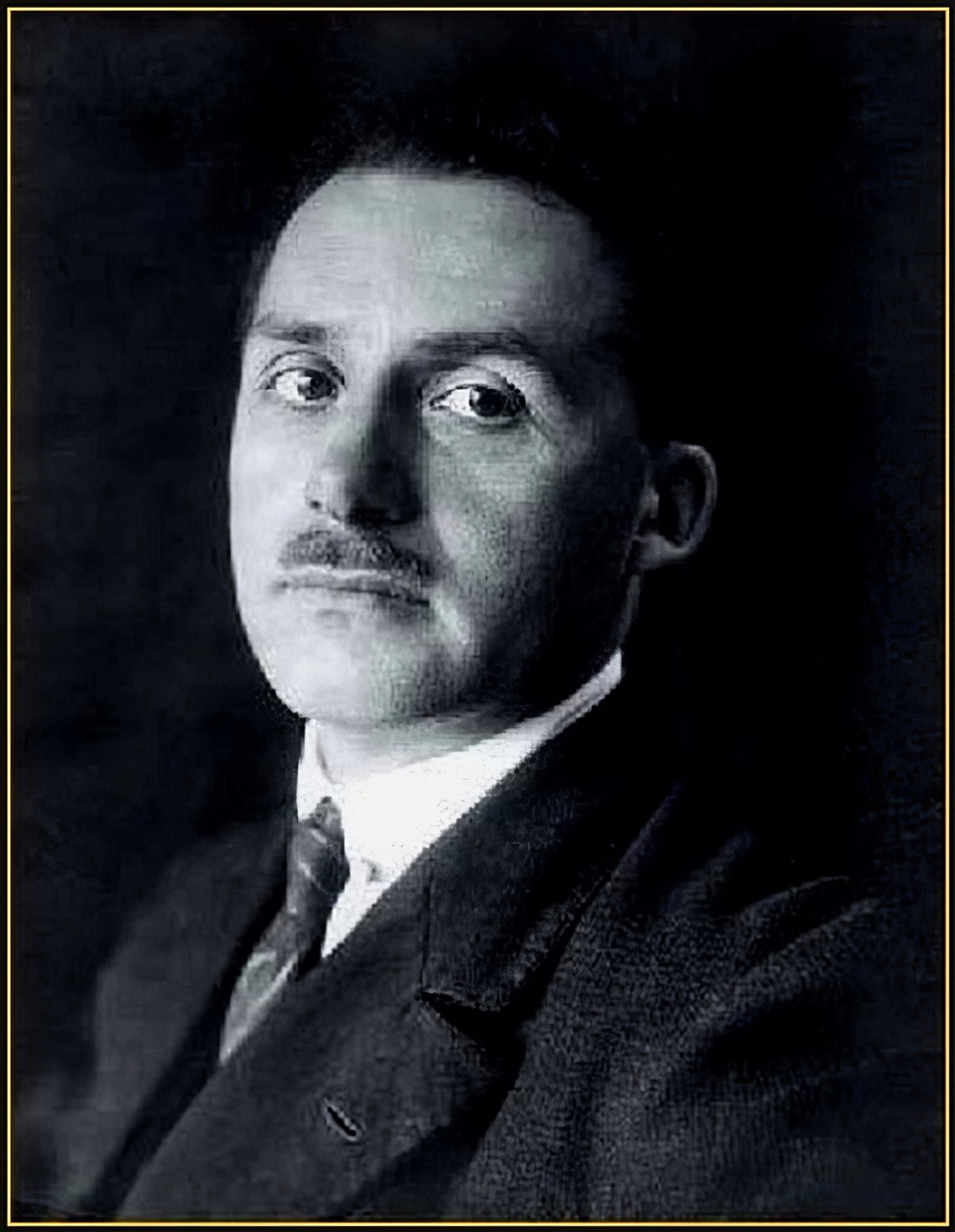
Andre Lhote, a French artist, was a pivotal figure in the Cubist movement, known for his contributions as a painter, theoretician, critic, and art teacher. His journey in the arts began at the École des Beaux-Arts in Bordeaux, focusing on decorative arts before shifting his full attention to painting after moving to Paris in 1906. Lhote's work initially drew influences from Paul Gauguin and Paul Cézanne, but by 1910, he was deeply entrenched in Cubism, aligning with artists like Fernand Léger and Jean Metzinger.
Andre Lhote's impact extended beyond his paintings; he was instrumental in developing Cubist theory through his writings and art criticism, notably contributing to La nouvelle revue française. In 1922, he founded the Académie André Lhote in Paris, shaping the future of many artists, including Henri Cartier-Bresson. His dedication to teaching and theoretical work earned him the Grand Prix National de Peinture in 1955 and a position as president of the UNESCO commission for sculpture's International Association of Painters, Engravers, and Sculptors.
For art collectors and experts, Andre Lhote's work represents a crucial chapter in the history of Cubism, offering insights into the movement's evolution and its theoretical underpinnings. To stay updated on exhibitions or sales featuring Andre Lhote's work, consider signing up for updates from reputable art institutions or galleries.


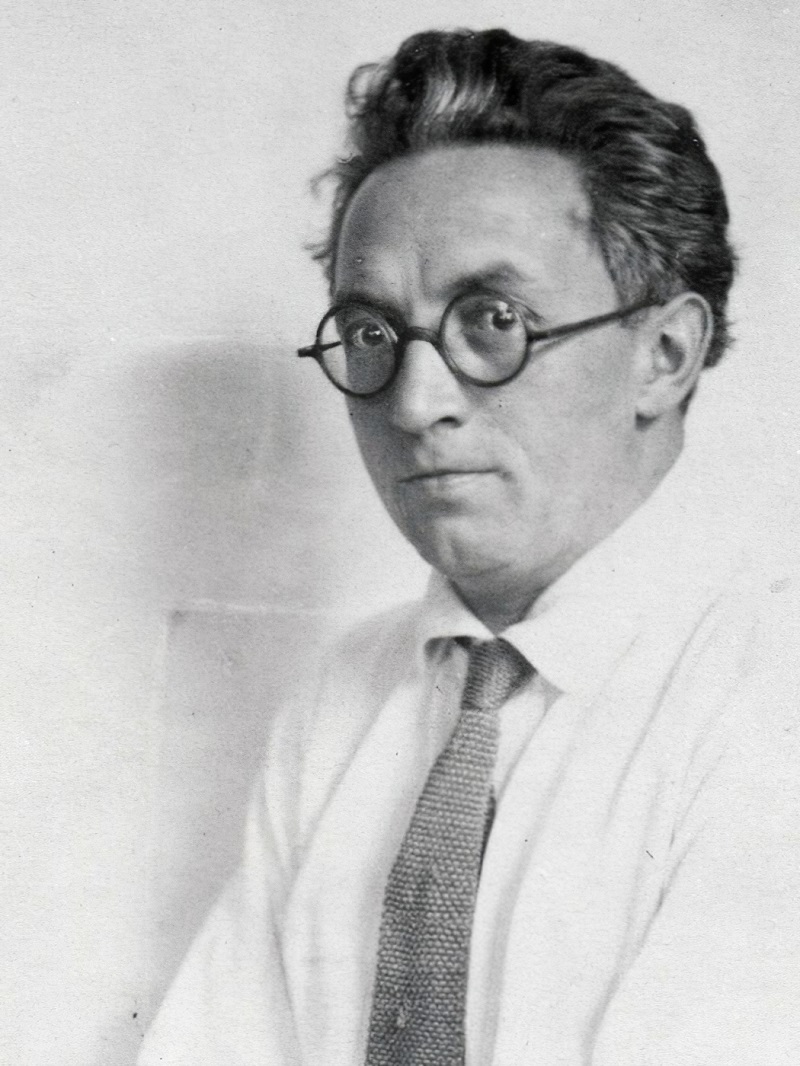
Fritz Schaefler was a German graphic artist. He was known for his expressionist paintings, drawings, and prints.
Schaefler studied at the Academy of Fine Arts in Munich and later taught at the Folkwang University of the Arts in Essen. His early work was influenced by the German Expressionist movement, and he was associated with the group "Die Brücke" (The Bridge), which included other notable artists such as Ernst Ludwig Kirchner and Emil Nolde.
Schaefler's work is characterized by bold, vibrant colors and energetic brushstrokes. He often depicted landscapes, cityscapes, and still-life scenes, infusing them with a sense of emotion and vitality. He also produced a significant body of graphic work, including woodcuts and lithographs.
Schaefler's work was exhibited extensively during his lifetime, including at the Venice Biennale, the Stedelijk Museum in Amsterdam, and the Museum of Modern Art in New York. He was also awarded numerous honors and awards for his work.


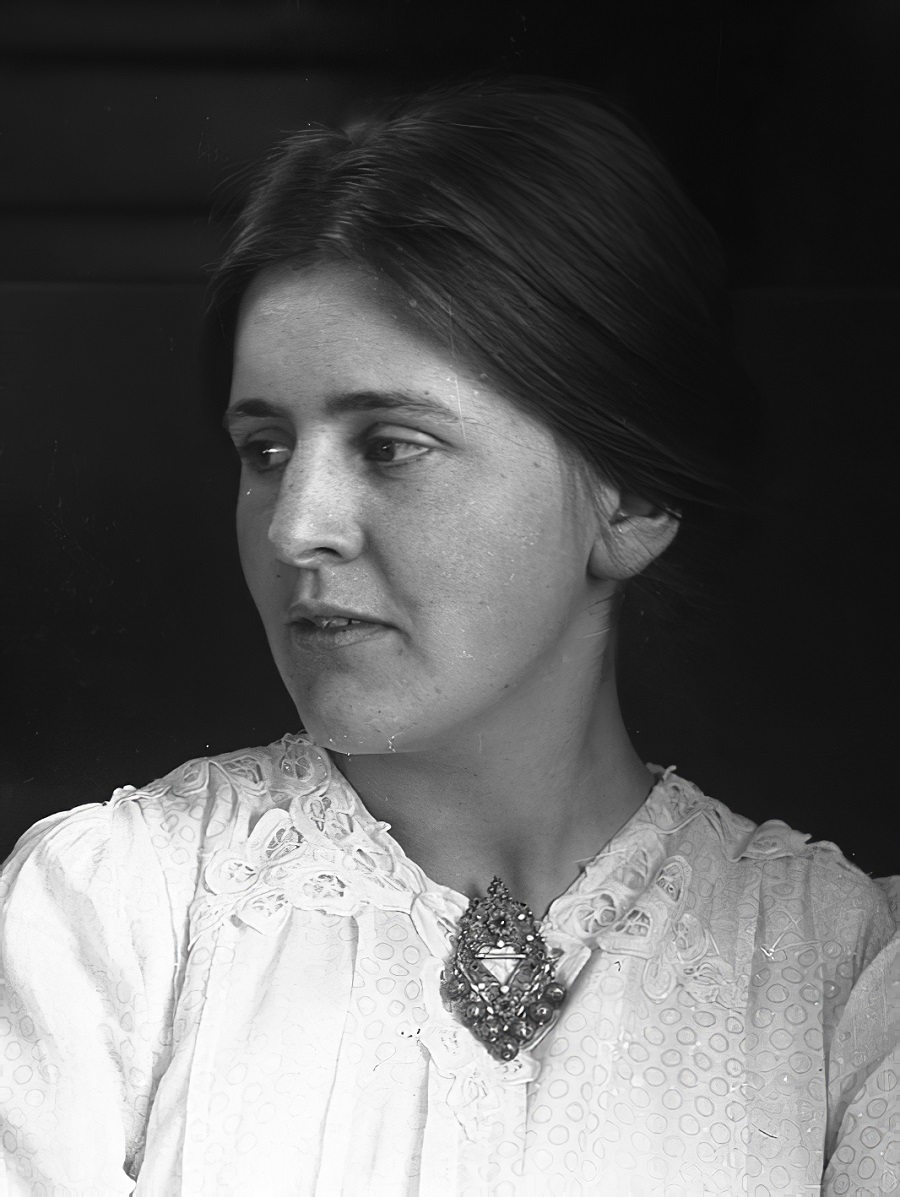
Dorothea Maetzel-Johannsen was a German modernist painter. She was a co-founder of the Hamburg Secession. Since 1919 she based her major expressionist works on the work of the dissolved Brücke (group of artists), early cubism and African sculpture.
Dorothea Maetzel-Johannsen has developed an individual mode of expression in Expressionism. Although her works feature the typical angular contours, two-dimensional concept of space and dynamic oblique compositions, unlike her peers, the artist refrained from any form of aggressiveness in her compositions. In her still life and figurative paintings, a contemplative mood resonates, contrary to the dynamic composition of the painting.
In 1937, Dorothea Maetzel-Johannsen's works were confiscated from the Kunsthalle Hamburg as part of the Nazi action "Degenerate Art" and then destroyed.


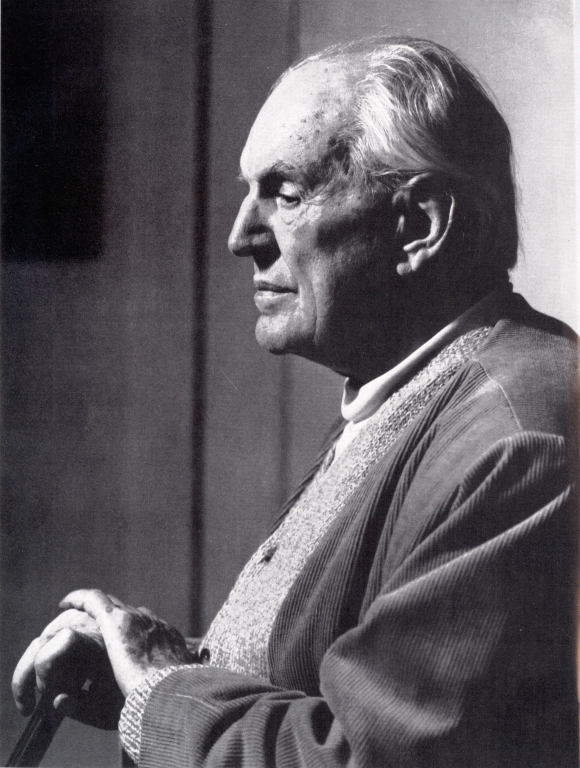
Ivo Hauptmann was a German painter. He was one of the founders of the artist groups Freie Secession (Berlin 1914) and Hamburgische Sezession (1919).


Ivo Hauptmann was a German painter. He was one of the founders of the artist groups Freie Secession (Berlin 1914) and Hamburgische Sezession (1919).


Ivo Hauptmann was a German painter. He was one of the founders of the artist groups Freie Secession (Berlin 1914) and Hamburgische Sezession (1919).


Ivo Hauptmann was a German painter. He was one of the founders of the artist groups Freie Secession (Berlin 1914) and Hamburgische Sezession (1919).


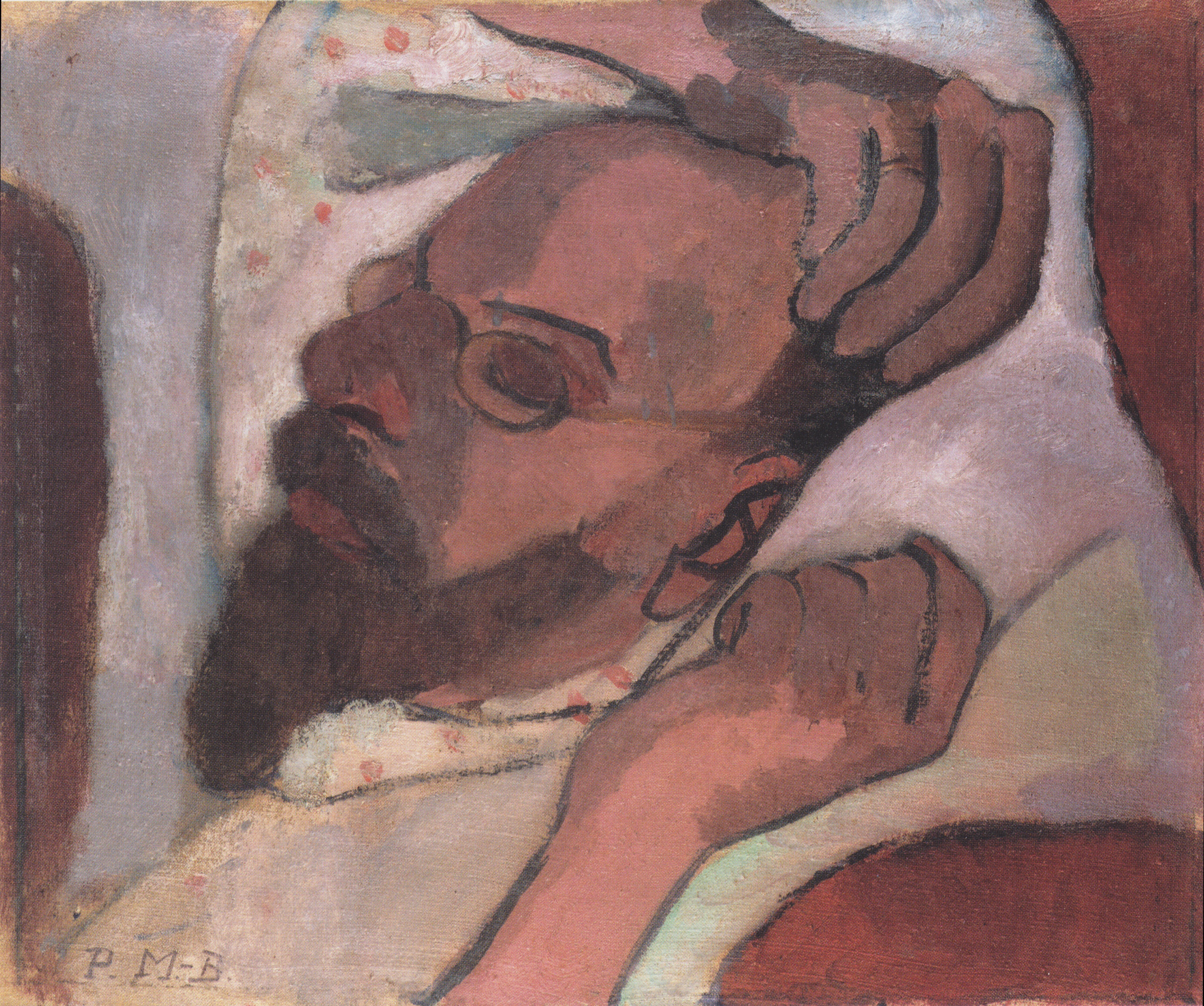
Friedrich Wilhelm Otto Modersohn was a German painter of the late 19th and first half of the 20th centuries. He is known as a landscape painter, a representative of the Barbizon School.
Otto Modersohn produced Barbizonian-style landscapes early in his career, but from about 1890 his style became more expressionist, with an emphasis on his choice of colors. The death of his second wife influenced his style: the colors became darker and the images more stark. Modersohn was one of the founders of the Worpswede artists' colony. A large collection of his works is kept in the Modersohn Museum in Fischerhude, and a street in Berlin is also named after him.


Friedrich Wilhelm Otto Modersohn was a German painter of the late 19th and first half of the 20th centuries. He is known as a landscape painter, a representative of the Barbizon School.
Otto Modersohn produced Barbizonian-style landscapes early in his career, but from about 1890 his style became more expressionist, with an emphasis on his choice of colors. The death of his second wife influenced his style: the colors became darker and the images more stark. Modersohn was one of the founders of the Worpswede artists' colony. A large collection of his works is kept in the Modersohn Museum in Fischerhude, and a street in Berlin is also named after him.


Friedrich Wilhelm Otto Modersohn was a German painter of the late 19th and first half of the 20th centuries. He is known as a landscape painter, a representative of the Barbizon School.
Otto Modersohn produced Barbizonian-style landscapes early in his career, but from about 1890 his style became more expressionist, with an emphasis on his choice of colors. The death of his second wife influenced his style: the colors became darker and the images more stark. Modersohn was one of the founders of the Worpswede artists' colony. A large collection of his works is kept in the Modersohn Museum in Fischerhude, and a street in Berlin is also named after him.


Friedrich Wilhelm Otto Modersohn was a German painter of the late 19th and first half of the 20th centuries. He is known as a landscape painter, a representative of the Barbizon School.
Otto Modersohn produced Barbizonian-style landscapes early in his career, but from about 1890 his style became more expressionist, with an emphasis on his choice of colors. The death of his second wife influenced his style: the colors became darker and the images more stark. Modersohn was one of the founders of the Worpswede artists' colony. A large collection of his works is kept in the Modersohn Museum in Fischerhude, and a street in Berlin is also named after him.


Friedrich Wilhelm Otto Modersohn was a German painter of the late 19th and first half of the 20th centuries. He is known as a landscape painter, a representative of the Barbizon School.
Otto Modersohn produced Barbizonian-style landscapes early in his career, but from about 1890 his style became more expressionist, with an emphasis on his choice of colors. The death of his second wife influenced his style: the colors became darker and the images more stark. Modersohn was one of the founders of the Worpswede artists' colony. A large collection of his works is kept in the Modersohn Museum in Fischerhude, and a street in Berlin is also named after him.


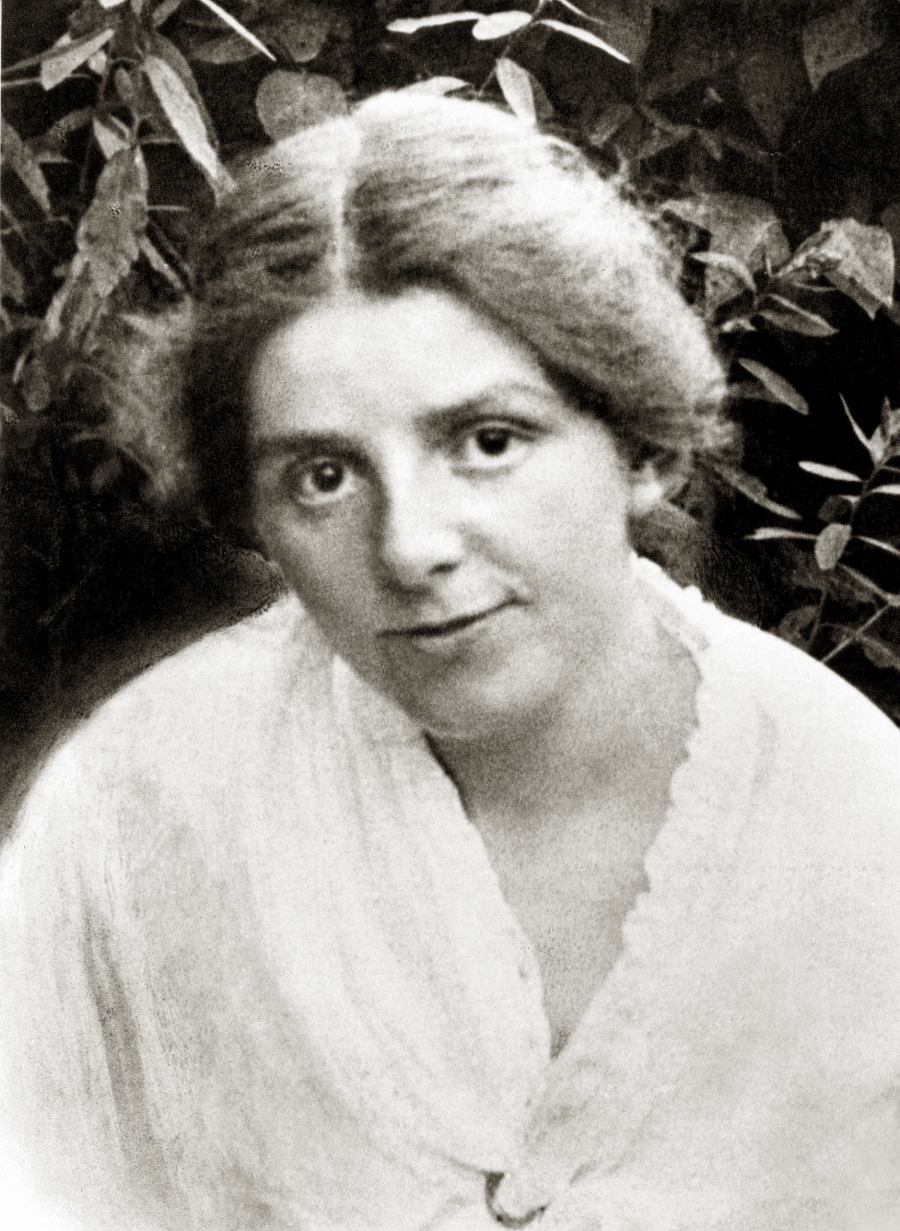
Paula Moderzohn-Becker was a German early expressionist painter.
In her youth she attended the traditional School for Women Artists in Berlin. Like many local German artists, she painted sentimental landscapes and scenes from peasant life.
And in 1900 Paula traveled with her husband to Paris, where she was influenced by post-Impressionist paintings and became an ardent enthusiast of painting by Paul Gauguin and Paul Cézanne. Today she is considered a forerunner of Expressionism because of the power of her compositions, although during her lifetime she was completely ignored. During her short career Moderzohn-Becker painted 750 canvases, about 1,000 drawings and 13 etchings, all of which incorporated the major art movements of the early 20th century.


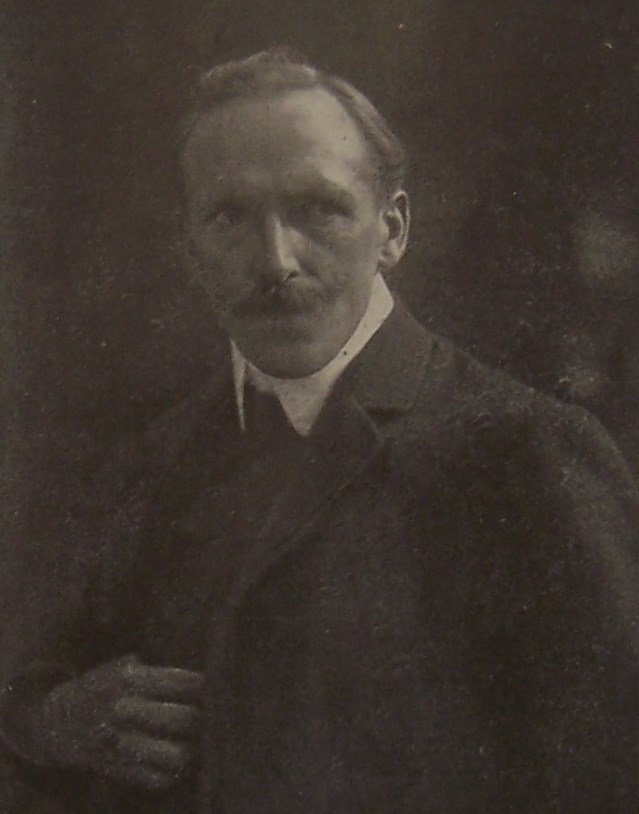


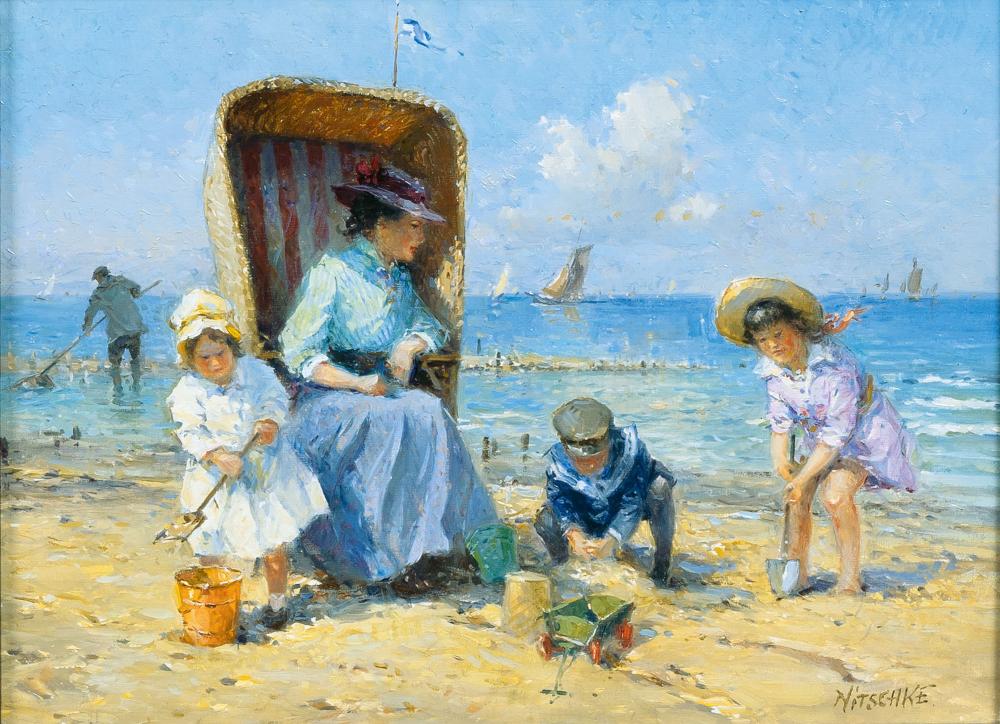
Detlev Nitschke is a German painter. For many years he worked in lithography, later he developed an interest in watercolour painting, in particular in cityscapes.