

Book and magazine graphics — Auction


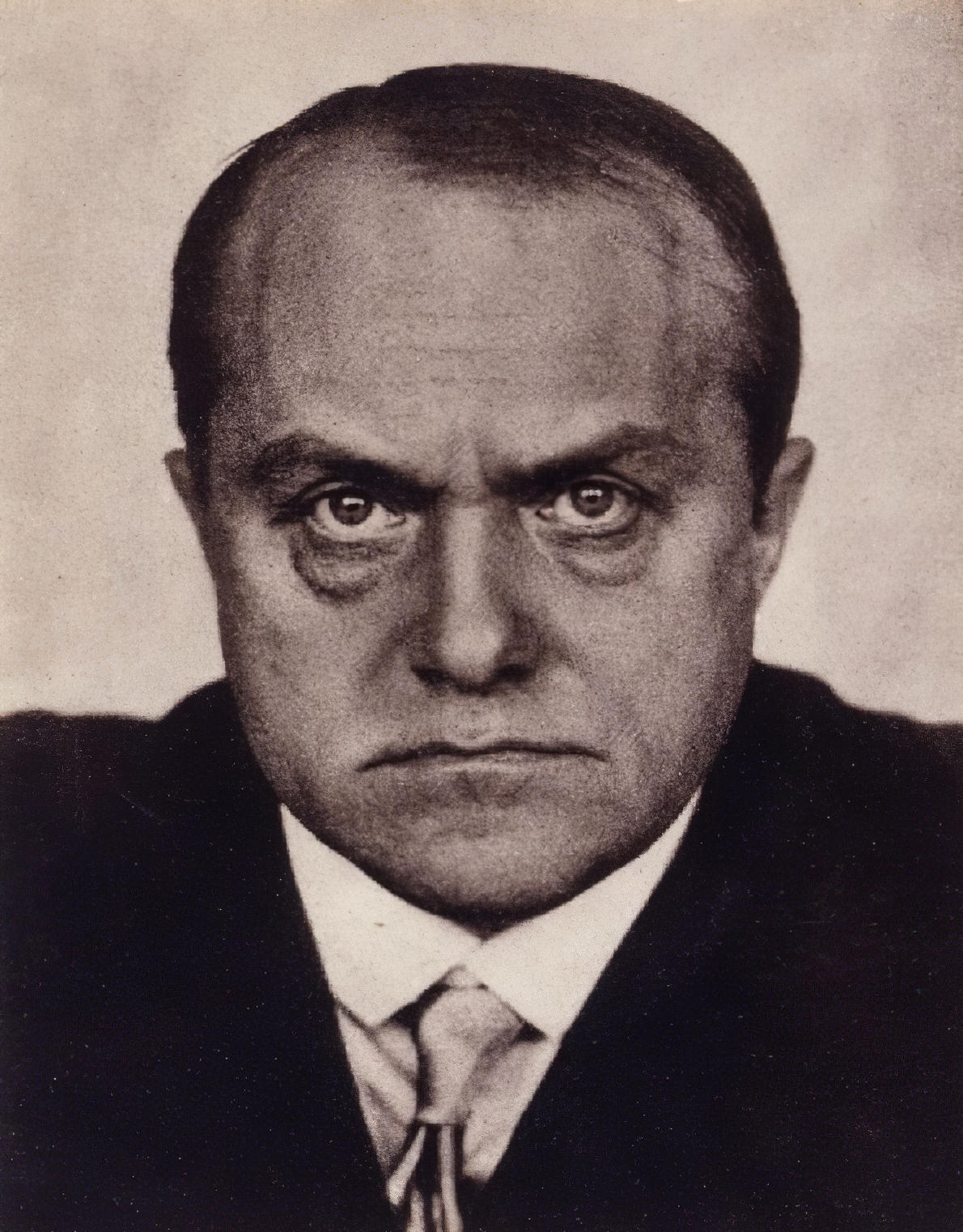
Max Beckmann, a German painter, printmaker, sculptor, and writer, stood out in the early 20th century for his profound contributions to modern art. Beckmann's career spanned a tumultuous period in history, deeply influencing his thematic and stylistic choices. Unlike many of his contemporaries who embraced non-representational painting, Max Beckmann persisted with and evolved the tradition of figurative painting, drawing inspiration from a wide array of artists spanning from Cézanne and Van Gogh to medieval masters like Bosch and Bruegel.
Max Beckmann's experiences, particularly those related to the World Wars, significantly shaped his work. Following Adolf Hitler's rise to power and the subsequent condemnation of modern art as "degenerate," Beckmann fled Germany, spending a decade in self-imposed exile in Amsterdam before eventually relocating to the United States. His art from this period, especially his large triptychs, is considered some of his most potent, offering a stark reflection on humanity and the chaos of the times.
One of Max Beckmann's most personally allegorical works, "Beginning" (1949), encapsulates his knack for blending real and imagined elements from his life to comment on the broader human condition. This piece, alongside others, underscores Beckmann's enduring fascination with the existential struggles modern society faces, teetering between desire and societal roles.
Max Beckmann's legacy is cemented not just by his unique approach to modernism but also by his influence on subsequent generations of artists, particularly in the United States, where he spent his final years teaching and working. Despite a path that often diverged from the mainstream narratives of art history, Beckmann's work continues to resonate, housed in prestigious institutions like The Museum of Modern Art and The Metropolitan Museum of Art in New York.
For collectors and experts in art and antiques, Max Beckmann's oeuvre offers a compelling exploration of 20th-century art and history. To stay informed about new discoveries, sales, and auction events related to Max Beckmann, consider signing up for updates. This subscription ensures access to the latest opportunities to engage with the work of one of modernism's most individual voices.


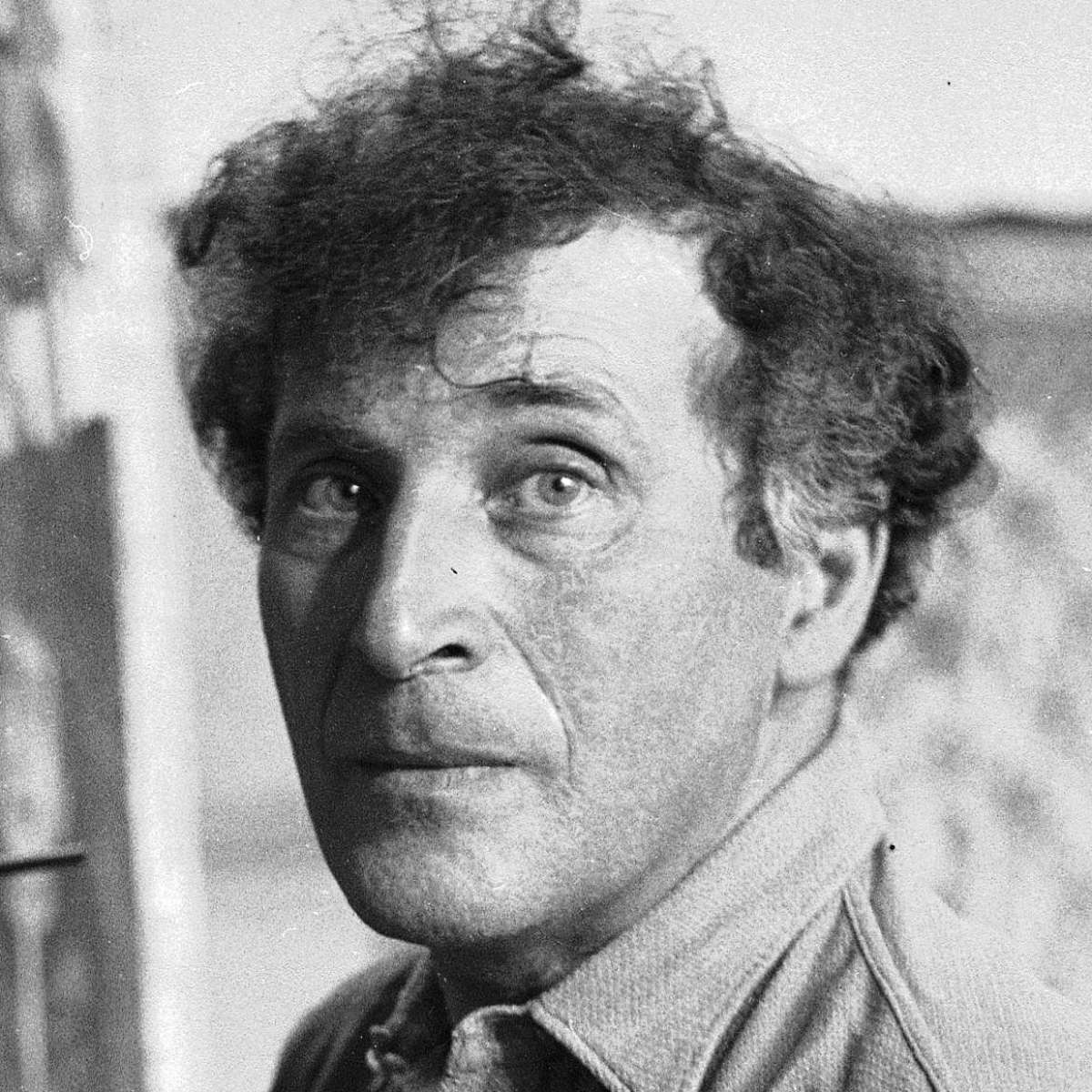
Marc Chagall (Russian: Марк Заха́рович Шага́л), born Moishe Shagal in 1887 near Vitebsk, Belarus (then part of the Russian Empire), was a Belarusian and French artist celebrated for his pivotal role in the avant-garde movement and his unique integration of Eastern European Jewish culture into modern art. His contributions spanned several artistic formats including painting, stained glass, stage sets, ceramics, tapestries, and fine art prints. Chagall's early modernist tendencies were enriched by his experiences across Saint Petersburg, Paris, and Berlin before World War I, leading to a distinctive style that melded Cubism, Symbolism, and Fauvism with his Jewish heritage.
Chagall's work is recognized for its emotional depth, often exploring themes of love, memory, and Jewish folklore through vibrant colors and dreamlike imagery. Notably, art critic Robert Hughes described him as "the quintessential Jewish artist of the twentieth century," a sentiment echoed by art historian Michael J. Lewis who regarded Chagall as a significant figure within European modernism and as the world's preeminent Jewish artist of his time.
Among Chagall's famed contributions are his stained-glass windows for the cathedrals of Reims and Metz, the UN, and the Jerusalem Windows in Israel. His monumental paintings include parts of the ceiling of the Paris Opéra and works that explore biblical themes, a hallmark of his oeuvre that underscores his enduring engagement with spiritual and religious motifs.
For art collectors and antiques experts, Chagall's works are notable not only for their artistic innovation but also for their rich cultural and historical significance. His art is housed in many prestigious museums worldwide, including the Marc Chagall National Museum in Nice, France, which focuses on his works inspired by religion and houses the series of paintings illustrating the biblical message.
For those interested in exploring Chagall's legacy and the vibrant intersection of culture, art, and history his work represents, signing up for updates on new product sales and auction events related to Marc Chagall can provide invaluable insights and opportunities. This is an invitation to engage more deeply with the world of art and culture that Chagall so uniquely encapsulated in his work.


Max Beckmann, a German painter, printmaker, sculptor, and writer, stood out in the early 20th century for his profound contributions to modern art. Beckmann's career spanned a tumultuous period in history, deeply influencing his thematic and stylistic choices. Unlike many of his contemporaries who embraced non-representational painting, Max Beckmann persisted with and evolved the tradition of figurative painting, drawing inspiration from a wide array of artists spanning from Cézanne and Van Gogh to medieval masters like Bosch and Bruegel.
Max Beckmann's experiences, particularly those related to the World Wars, significantly shaped his work. Following Adolf Hitler's rise to power and the subsequent condemnation of modern art as "degenerate," Beckmann fled Germany, spending a decade in self-imposed exile in Amsterdam before eventually relocating to the United States. His art from this period, especially his large triptychs, is considered some of his most potent, offering a stark reflection on humanity and the chaos of the times.
One of Max Beckmann's most personally allegorical works, "Beginning" (1949), encapsulates his knack for blending real and imagined elements from his life to comment on the broader human condition. This piece, alongside others, underscores Beckmann's enduring fascination with the existential struggles modern society faces, teetering between desire and societal roles.
Max Beckmann's legacy is cemented not just by his unique approach to modernism but also by his influence on subsequent generations of artists, particularly in the United States, where he spent his final years teaching and working. Despite a path that often diverged from the mainstream narratives of art history, Beckmann's work continues to resonate, housed in prestigious institutions like The Museum of Modern Art and The Metropolitan Museum of Art in New York.
For collectors and experts in art and antiques, Max Beckmann's oeuvre offers a compelling exploration of 20th-century art and history. To stay informed about new discoveries, sales, and auction events related to Max Beckmann, consider signing up for updates. This subscription ensures access to the latest opportunities to engage with the work of one of modernism's most individual voices.


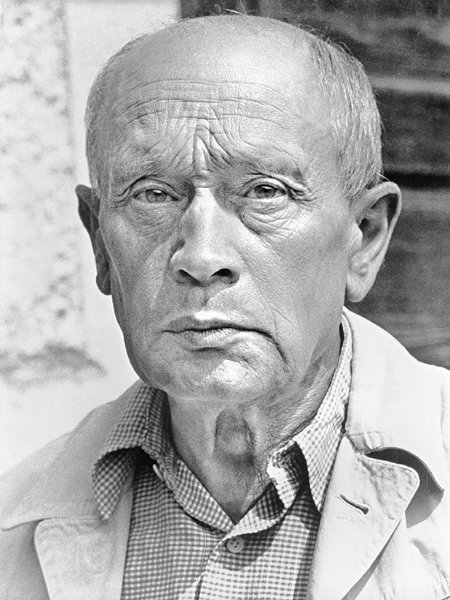
Erich Heckel was a German painter and printmaker, and a founding member of the group Die Brücke ("The Bridge") which existed 1905–1913. His work was part of the art competitions at the 1928 Summer Olympics and the 1932 Summer Olympics.


Erich Heckel was a German painter and printmaker, and a founding member of the group Die Brücke ("The Bridge") which existed 1905–1913. His work was part of the art competitions at the 1928 Summer Olympics and the 1932 Summer Olympics.


Erich Heckel was a German painter and printmaker, and a founding member of the group Die Brücke ("The Bridge") which existed 1905–1913. His work was part of the art competitions at the 1928 Summer Olympics and the 1932 Summer Olympics.


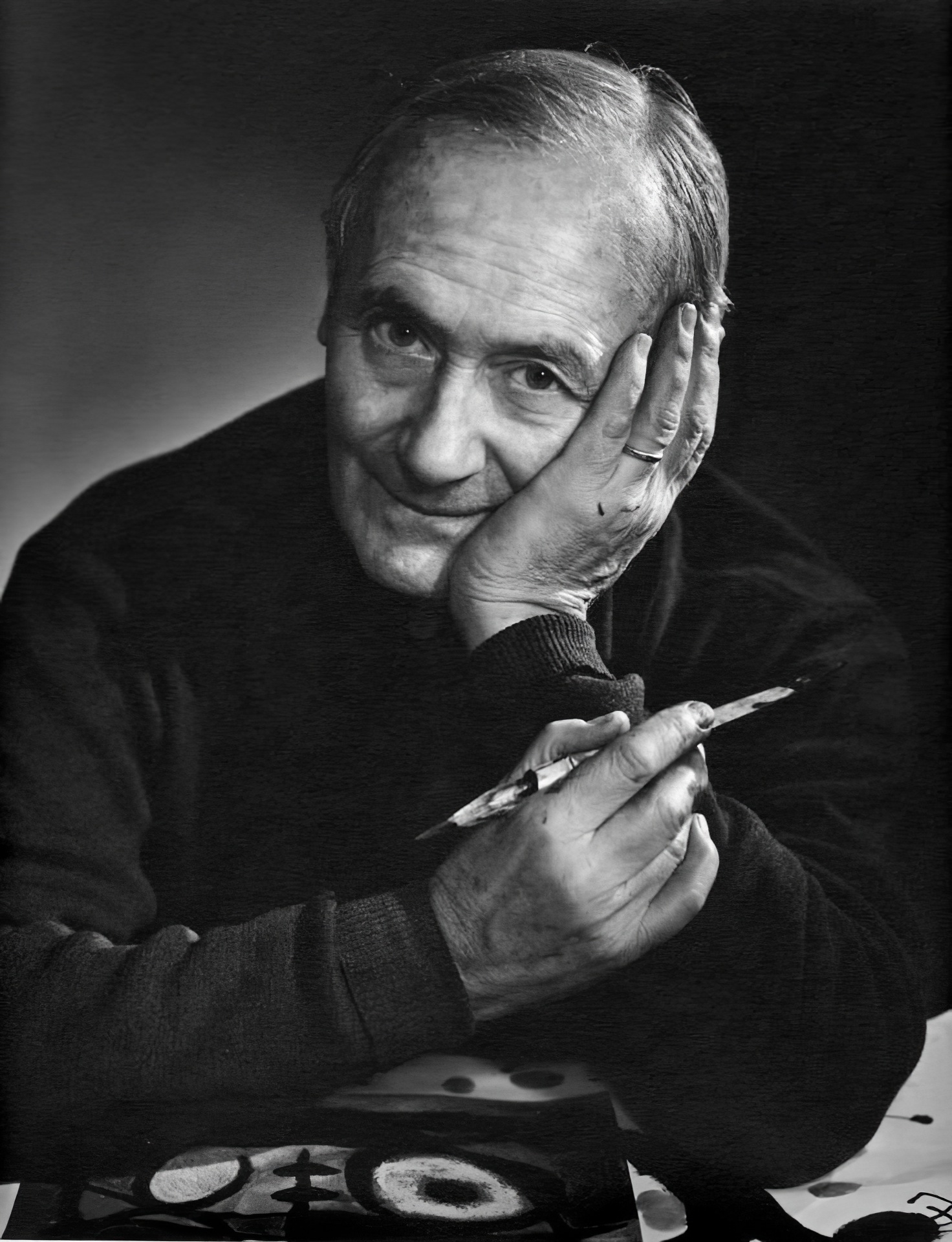
Joan Miró, a celebrated Spanish artist, was a master in painting, sculpture, and ceramics, renowned for his unique style that blurred the lines between Surrealism, Fauvism, and Expressionism. Born in Barcelona to a family of a goldsmith and a watchmaker, Miró grew up immersed in the rich cultural heritage of the Barri Gòtic neighborhood. His artistic journey began with drawing classes at the age of seven and continued at the prestigious La Llotja art academy. Despite an initial venture into the business world, Miró's passion for art prevailed, leading him to abandon his clerical career after a nervous breakdown.
Miró's work is noted for its exploration of the subconscious, often depicting a childlike perspective. This approach was both a critique of traditional painting methods and a means of expressing Catalan pride. His art, challenging to categorize, often featured symbolic elements and nationalistic qualities. One of his notable early works, "The Farm," reflects a transition to a more individual style, blending elements of his Catalan roots with broader artistic influences. This piece, later purchased by Ernest Hemingway, encapsulated the essence of Spain in its imagery.
In Paris, Miró joined the Surrealist movement in 1924, where his work began to reflect the influence of automatism, emphasizing spontaneous, automatic, or subconscious creation. He experimented with various mediums, including painting-poetry and collage, and even ventured into set and costume design for Sergei Diaghilev's Ballets Russes.
During World War II, Miró remained in Spain, and his work from this period, including the 22 Constellations series, reflected an interest in the night, music, and stars. His forms became increasingly abstracted, and he experimented with various techniques, often incorporating primary colors and evocative titles.
Miró's career spanned several decades, during which he continually evolved his style and explored new mediums. His contributions to art were recognized with numerous awards and retrospectives, including a major career retrospective at MoMA in 1941 and the Spanish Gold Medal for Fine Arts in 1980. Among his last major works was a tapestry for the World Trade Center in New York City, created in 1974.
For art collectors and enthusiasts, Joan Miró remains a figure of immense interest, not only for his distinct style and contributions to Surrealism but also for his ability to blend poetic imagery with political commentary. To stay updated on new product sales and auction events related to Joan Miró, sign up for our updates and immerse yourself in the world of this extraordinary artist.


Erich Heckel was a German painter and printmaker, and a founding member of the group Die Brücke ("The Bridge") which existed 1905–1913. His work was part of the art competitions at the 1928 Summer Olympics and the 1932 Summer Olympics.


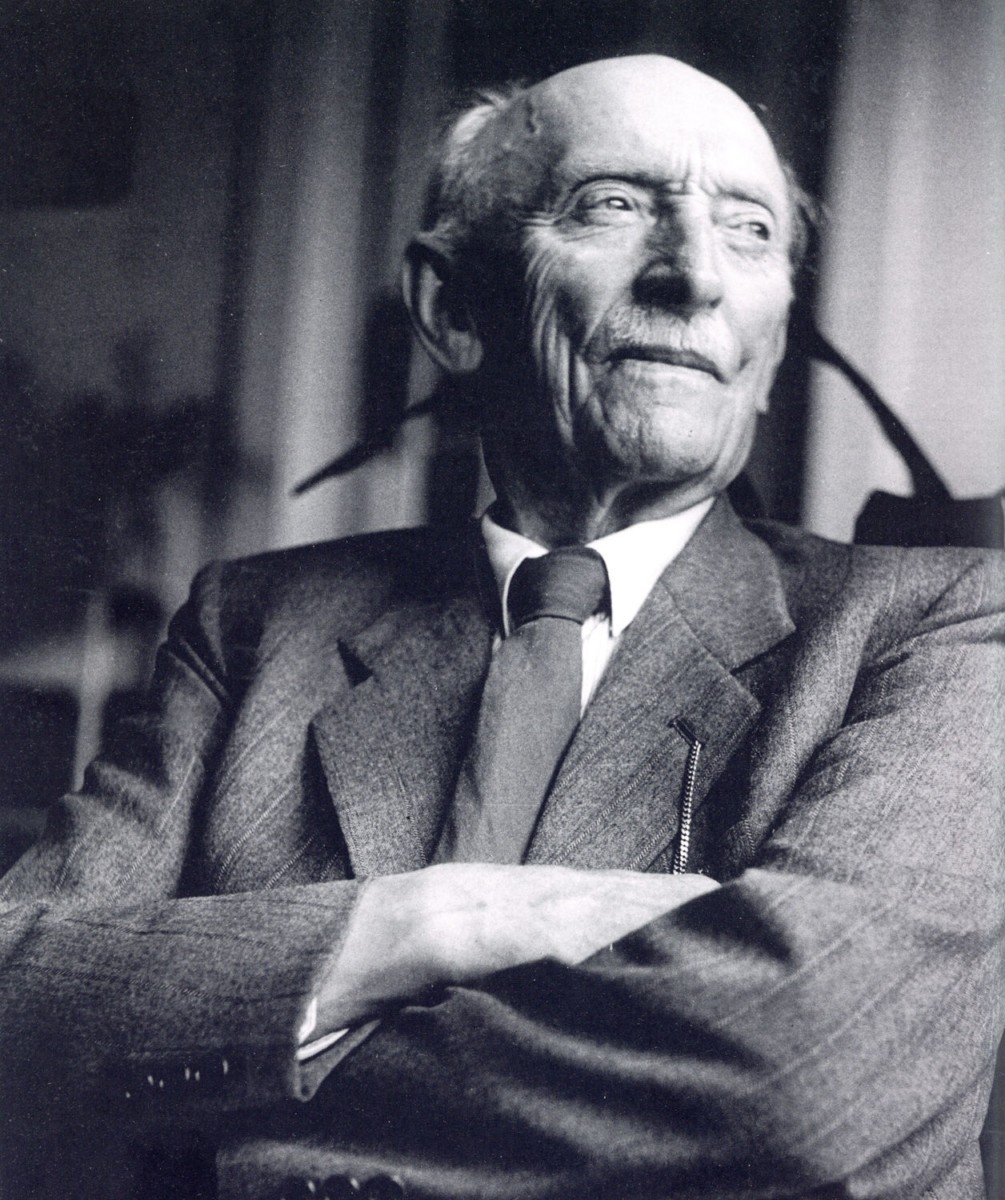
Emil Nolde, a German-Danish artist, stands out as a pivotal figure in the Expressionist movement, celebrated for his vibrant use of color and dynamic brushwork. Born on August 7, 1867, Nolde was initially self-taught, developing a style that later became synonymous with expressive use of color and form. His early work included religious themes and landscapes, characterized by their emotional intensity and innovative color palette. Nolde's contributions to art were not limited to painting; he also excelled in printmaking, creating a significant body of work that includes etchings, woodcuts, and lithographs.
One of Nolde's most noteworthy periods was his time spent on the Baltic Sea island of Alsen from 1903 to 1916, where he produced seascapes that captured the natural world's dynamic essence. His painting "Meer Bei Alsen" (Sea Off Alsen) is a testament to this period, showcasing his ability to convey movement and emotion through color. Furthermore, Nolde's fascination with religious and mythological themes is evident in works like "Dance Around the Golden Calf," where he employs vivid colors and expressive figures to explore complex narratives.
Despite his artistic achievements, Nolde's life was not without controversy. During the Nazi regime, his work was labeled "degenerate," and he faced significant professional and personal challenges. Nonetheless, Nolde continued to create, producing a series of watercolors known as the "Unpainted Pictures" during this time. After World War II, Nolde's reputation was rehabilitated, and he was once again celebrated as a leading figure in modern art.
Nolde's legacy is preserved at the Nolde Foundation Seebüll, a museum dedicated to his life and work, established in the year of his death, 1956. His influence on the field of modern art, particularly within Expressionism, is undeniable, with his bold approach to color and form inspiring subsequent generations of artists.
For art collectors and experts, Nolde's work offers a compelling study in the evolution of modern art, reflecting the tumultuous times he lived through and his unyielding dedication to artistic expression. His ability to capture the essence of his subjects, from the natural beauty of the sea to the depths of human emotion, makes his work a valuable addition to any collection.
To stay updated on sales and auction events related to Emil Nolde's work, signing up for updates is recommended. This subscription service ensures you're informed about the latest opportunities to acquire pieces by this influential artist.


Erich Heckel was a German painter and printmaker, and a founding member of the group Die Brücke ("The Bridge") which existed 1905–1913. His work was part of the art competitions at the 1928 Summer Olympics and the 1932 Summer Olympics.


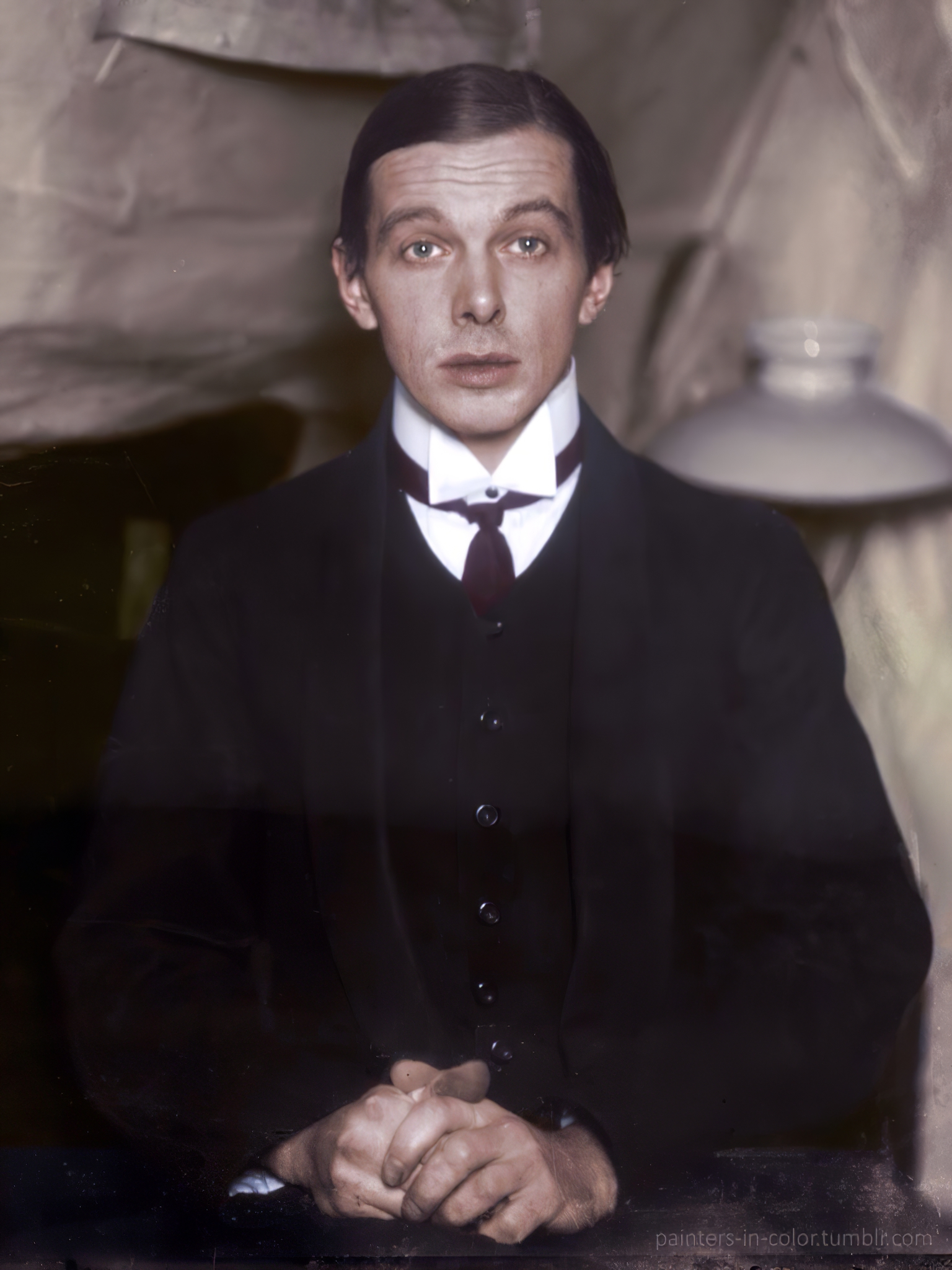
Ernst Ludwig Kirchner was a pivotal figure in the art world, known for his profound impact on 20th-century Expressionism. Born in Bavaria, Germany, on May 6, 1880, Kirchner's journey into art began with architecture studies before he found his true calling in painting and printmaking. In 1905, alongside fellow architecture students, he co-founded Die Brücke ("The Bridge"), a group that sought to revolutionize art by bridging the gap between traditional academic styles and modern artistic expression. This group was instrumental in the development of Expressionism, advocating for intense emotion conveyed through vivid colors and bold lines.
Kirchner's work, characterized by its expressive intensity and often exploring themes of urban life and the human psyche, reflects a deep engagement with the cultural and social upheavals of his time. Notably, his experiences during World War I, including a mental breakdown and subsequent discharge from military service, deeply influenced his art. Works like "Self-Portrait as a Soldier" (1915) poignantly encapsulate the personal and societal trauma of the era.
After the war, Kirchner sought solace in Davos, Switzerland, where the tranquil landscapes inspired a new direction in his work, showcasing a more serene and reflective approach. Despite his contributions to modern art, Kirchner's later years were marred by the Nazi regime's denunciation of his work as "degenerate," leading to the destruction and dispersal of many pieces. Tragically, this persecution contributed to his decision to end his life on June 15, 1938.
Kirchner's legacy is preserved through his influential body of work, from vivid urban scenes to tranquil landscapes, all marked by a distinctive, expressive style that continues to captivate art collectors and experts. His works are held in major museums worldwide, including the Museum of Modern Art in New York and the National Gallery of Art in Washington, underscoring his enduring influence on the art world.
For those interested in the profound impact of Ernst Ludwig Kirchner on modern art and Expressionism, subscribing to updates on new product sales and auction events related to his work can provide valuable insights. This subscription is an opportunity for collectors and art experts to stay informed about the availability of Kirchner's influential pieces and related events.


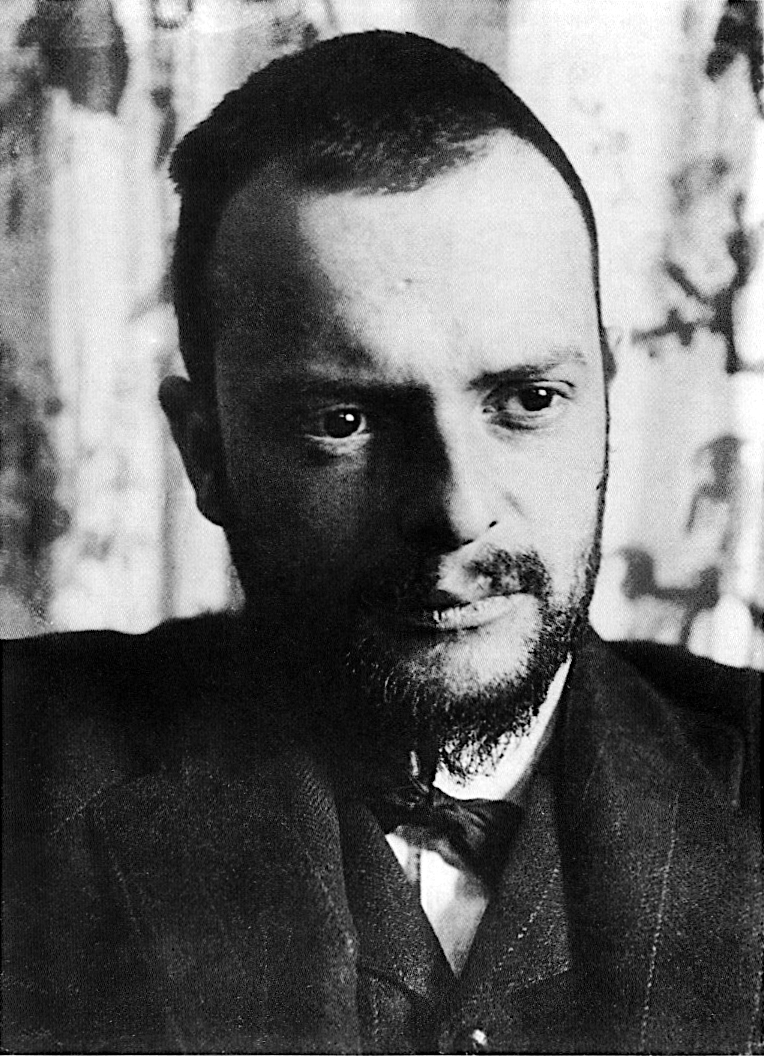
Paul Klee, a Swiss-born German artist, was renowned for his unique contribution to the art world, blending elements from expressionism, cubism, and surrealism. Born on December 18, 1879, in Münchenbuchsee, Switzerland, Klee was the second child of a German music teacher and a Swiss singer. Despite early musical talent, Klee pursued visual arts, influenced by a dissatisfaction with the state of modern music and a desire for creative freedom.
Klee's artistic journey began in earnest after he decided against a career in music, despite his exceptional skills with the violin. His education at the Academy of Fine Arts in Munich under the guidance of Heinrich Knirr and Franz von Stuck was crucial in shaping his artistic direction. Although he struggled with color initially, Klee later became a master of color theory, a transition marked by his transformative visit to Tunisia in 1914. This trip was a pivotal moment, leading Klee to declare, "Color and I are one. I am a painter".
Throughout his career, Klee's work was characterized by a profound sense of experimentation and innovation. He explored the boundaries of abstract art, drawing inspiration from his vast interests, including literature, music, and his own theories on art and aesthetics. His lectures on form and design theory at the Bauhaus, where he taught alongside luminaries like Wassily Kandinsky, are considered as seminal to modern art as Leonardo da Vinci's treatises were to the Renaissance.
Klee's art is celebrated for its intricacy, humor, and the ability to express complex themes through seemingly simplistic and childlike forms. His notable works, such as "Twittering Machine" (1922) and "Highway and Byways" (1928), showcase his skill in using color, shape, and line to evoke depth and emotion.
For collectors and art and antiques experts, Klee's legacy is a testament to the power of innovation and the search for personal expression within the avant-garde movements of the 20th century. His works, housed in prestigious museums and galleries around the world, continue to inspire and intrigue.
If you're passionate about art and wish to stay informed about new discoveries and sales related to Paul Klee's works, consider signing up for updates. This subscription will ensure you're alerted to upcoming auction events and product sales, allowing you to deepen your collection and appreciation of this remarkable artist's legacy.


Emil Nolde, a German-Danish artist, stands out as a pivotal figure in the Expressionist movement, celebrated for his vibrant use of color and dynamic brushwork. Born on August 7, 1867, Nolde was initially self-taught, developing a style that later became synonymous with expressive use of color and form. His early work included religious themes and landscapes, characterized by their emotional intensity and innovative color palette. Nolde's contributions to art were not limited to painting; he also excelled in printmaking, creating a significant body of work that includes etchings, woodcuts, and lithographs.
One of Nolde's most noteworthy periods was his time spent on the Baltic Sea island of Alsen from 1903 to 1916, where he produced seascapes that captured the natural world's dynamic essence. His painting "Meer Bei Alsen" (Sea Off Alsen) is a testament to this period, showcasing his ability to convey movement and emotion through color. Furthermore, Nolde's fascination with religious and mythological themes is evident in works like "Dance Around the Golden Calf," where he employs vivid colors and expressive figures to explore complex narratives.
Despite his artistic achievements, Nolde's life was not without controversy. During the Nazi regime, his work was labeled "degenerate," and he faced significant professional and personal challenges. Nonetheless, Nolde continued to create, producing a series of watercolors known as the "Unpainted Pictures" during this time. After World War II, Nolde's reputation was rehabilitated, and he was once again celebrated as a leading figure in modern art.
Nolde's legacy is preserved at the Nolde Foundation Seebüll, a museum dedicated to his life and work, established in the year of his death, 1956. His influence on the field of modern art, particularly within Expressionism, is undeniable, with his bold approach to color and form inspiring subsequent generations of artists.
For art collectors and experts, Nolde's work offers a compelling study in the evolution of modern art, reflecting the tumultuous times he lived through and his unyielding dedication to artistic expression. His ability to capture the essence of his subjects, from the natural beauty of the sea to the depths of human emotion, makes his work a valuable addition to any collection.
To stay updated on sales and auction events related to Emil Nolde's work, signing up for updates is recommended. This subscription service ensures you're informed about the latest opportunities to acquire pieces by this influential artist.


Emil Nolde, a German-Danish artist, stands out as a pivotal figure in the Expressionist movement, celebrated for his vibrant use of color and dynamic brushwork. Born on August 7, 1867, Nolde was initially self-taught, developing a style that later became synonymous with expressive use of color and form. His early work included religious themes and landscapes, characterized by their emotional intensity and innovative color palette. Nolde's contributions to art were not limited to painting; he also excelled in printmaking, creating a significant body of work that includes etchings, woodcuts, and lithographs.
One of Nolde's most noteworthy periods was his time spent on the Baltic Sea island of Alsen from 1903 to 1916, where he produced seascapes that captured the natural world's dynamic essence. His painting "Meer Bei Alsen" (Sea Off Alsen) is a testament to this period, showcasing his ability to convey movement and emotion through color. Furthermore, Nolde's fascination with religious and mythological themes is evident in works like "Dance Around the Golden Calf," where he employs vivid colors and expressive figures to explore complex narratives.
Despite his artistic achievements, Nolde's life was not without controversy. During the Nazi regime, his work was labeled "degenerate," and he faced significant professional and personal challenges. Nonetheless, Nolde continued to create, producing a series of watercolors known as the "Unpainted Pictures" during this time. After World War II, Nolde's reputation was rehabilitated, and he was once again celebrated as a leading figure in modern art.
Nolde's legacy is preserved at the Nolde Foundation Seebüll, a museum dedicated to his life and work, established in the year of his death, 1956. His influence on the field of modern art, particularly within Expressionism, is undeniable, with his bold approach to color and form inspiring subsequent generations of artists.
For art collectors and experts, Nolde's work offers a compelling study in the evolution of modern art, reflecting the tumultuous times he lived through and his unyielding dedication to artistic expression. His ability to capture the essence of his subjects, from the natural beauty of the sea to the depths of human emotion, makes his work a valuable addition to any collection.
To stay updated on sales and auction events related to Emil Nolde's work, signing up for updates is recommended. This subscription service ensures you're informed about the latest opportunities to acquire pieces by this influential artist.


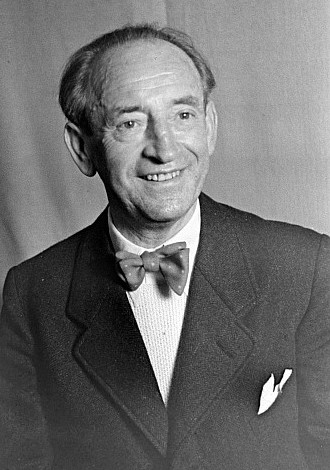
Max Pechstein, a German Expressionist painter and printmaker, was a significant figure in the art world known for his vibrant use of color and dynamic compositions. Born in Zwickau in 1881, Pechstein's journey into the realms of expressionism began with his training as a decorator's apprentice before moving to Dresden to further his studies at the Kunstgewerbeschule. His career took a pivotal turn in 1906 when he met Erich Heckel and joined the Die Brücke group, alongside other notable artists such as Ernst Ludwig Kirchner and Karl Schmidt-Rottluff, which marked the beginning of his foray into revolutionary art and expressionism.
Pechstein's art was not just confined to painting; he was also a master printmaker, with a prolific output that included 421 lithographs, 315 woodcuts and linocuts, and 165 intaglio prints, predominantly etchings. His works often depicted scenes from nature, social gatherings, and elements of primitive art, reflecting his interest in the raw and unrefined aspects of culture and humanity. This diverse body of work was recognized for its bold innovation and unique perspective, which significantly contributed to the expressionist movement.
The Nazis' rise to power in 1933 had a profound impact on Pechstein's career. His works were deemed degenerate, and he faced severe repression, including the removal of 326 of his paintings from German museums and his dismissal from his teaching position at the Preussische Akademie der Künste. Despite these challenges, Pechstein's legacy endured, and after World War II, he was reinstated to his teaching post and received numerous accolades for his contributions to art.
Pechstein's works are held in high esteem in museums and galleries worldwide. Notably, his etchings, which depicted the grim realities of war, are housed in the Imperial War Museum in London, showcasing his ability to convey profound emotional and psychological experiences through art. Additionally, his painting "Summer in Nidden," which captures the idyllic beauty of the Baltic coast, is part of the collection at the Museo Nacional Thyssen-Bornemisza in Madrid, illustrating his love for natural landscapes and vibrant, expressive use of color.
For collectors and experts in art and antiques, Hermann Max Pechstein's works offer a fascinating glimpse into the early 20th-century expressionist movement, characterized by a bold exploration of color, form, and social commentary. His contributions to modern art are invaluable, providing insight into the cultural and historical context of his time.
To stay informed about new product sales and auction events related to Hermann Max Pechstein, we invite you to sign up for updates. This subscription will ensure that you are the first to know about opportunities to acquire works by this influential artist, allowing you to add to your collection of significant expressionist art.


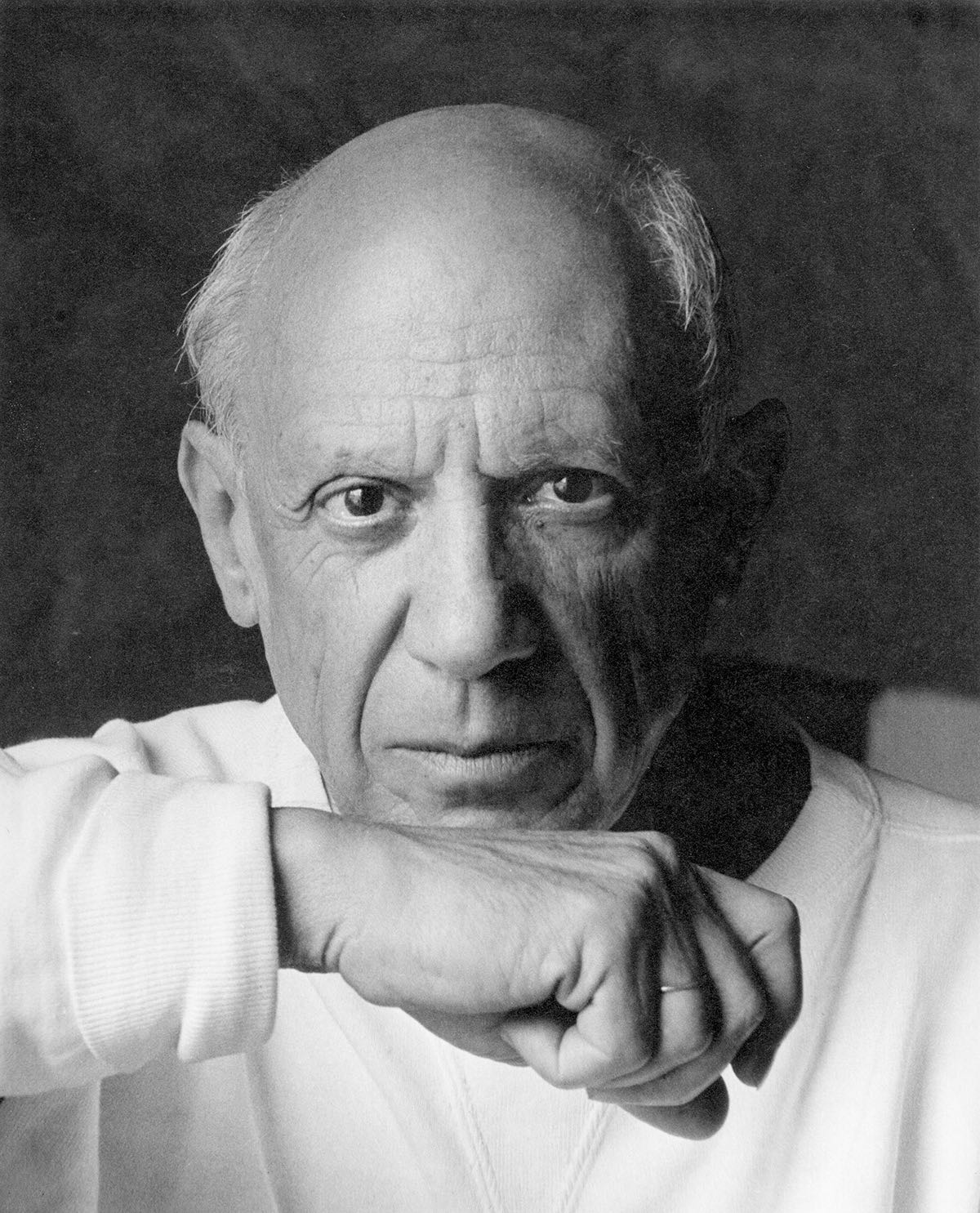
Pablo Ruiz Picasso, a Spanish artist renowned for his revolutionary contributions to the 20th-century art scene, is a figure that resonates profoundly with collectors and art experts. His unique blend of talents in painting, sculpture, printmaking, and ceramic art, infused with his time in France, positioned him as a pivotal character in modern art history.
Picasso's artistic journey was marked by distinct periods, each showcasing his evolving style and genius. His early years were characterized by the Blue Period (1901-1904), followed by the Rose Period (1904-1906), and then the African-influenced Period (1907-1909). Picasso's name is synonymous with Cubism, a movement he co-founded, which significantly altered artistic perspectives and methods. Works like "Les Demoiselles d'Avignon" (1907) and "Guernica" (1937) are emblematic of his cubist legacy, the latter being a poignant anti-war statement that remains influential.
His later years saw a return to more traditional styles, with neoclassical and surrealist influences becoming evident. Works from these phases reflect a deep engagement with mythological themes, as seen in "Faun with Stars" (1955), symbolizing his late-life romance with Jacqueline Roque, his second wife.
Picasso's prolific output and innovative spirit made him a legend in his own time, a status that only grew after his death. His works, housed in major museums and private collections worldwide, continue to captivate and inspire.
As a collector or expert in art and antiques, staying informed about Picasso's works, their auction events, and sales is essential. To stay updated on the latest developments and opportunities related to Pablo Picasso, sign up for our specialized updates. Rest assured, this subscription will focus solely on new product sales and auction events pertaining to Picasso's art, ensuring that you receive only the most relevant and valuable information.


Pablo Ruiz Picasso, a Spanish artist renowned for his revolutionary contributions to the 20th-century art scene, is a figure that resonates profoundly with collectors and art experts. His unique blend of talents in painting, sculpture, printmaking, and ceramic art, infused with his time in France, positioned him as a pivotal character in modern art history.
Picasso's artistic journey was marked by distinct periods, each showcasing his evolving style and genius. His early years were characterized by the Blue Period (1901-1904), followed by the Rose Period (1904-1906), and then the African-influenced Period (1907-1909). Picasso's name is synonymous with Cubism, a movement he co-founded, which significantly altered artistic perspectives and methods. Works like "Les Demoiselles d'Avignon" (1907) and "Guernica" (1937) are emblematic of his cubist legacy, the latter being a poignant anti-war statement that remains influential.
His later years saw a return to more traditional styles, with neoclassical and surrealist influences becoming evident. Works from these phases reflect a deep engagement with mythological themes, as seen in "Faun with Stars" (1955), symbolizing his late-life romance with Jacqueline Roque, his second wife.
Picasso's prolific output and innovative spirit made him a legend in his own time, a status that only grew after his death. His works, housed in major museums and private collections worldwide, continue to captivate and inspire.
As a collector or expert in art and antiques, staying informed about Picasso's works, their auction events, and sales is essential. To stay updated on the latest developments and opportunities related to Pablo Picasso, sign up for our specialized updates. Rest assured, this subscription will focus solely on new product sales and auction events pertaining to Picasso's art, ensuring that you receive only the most relevant and valuable information.


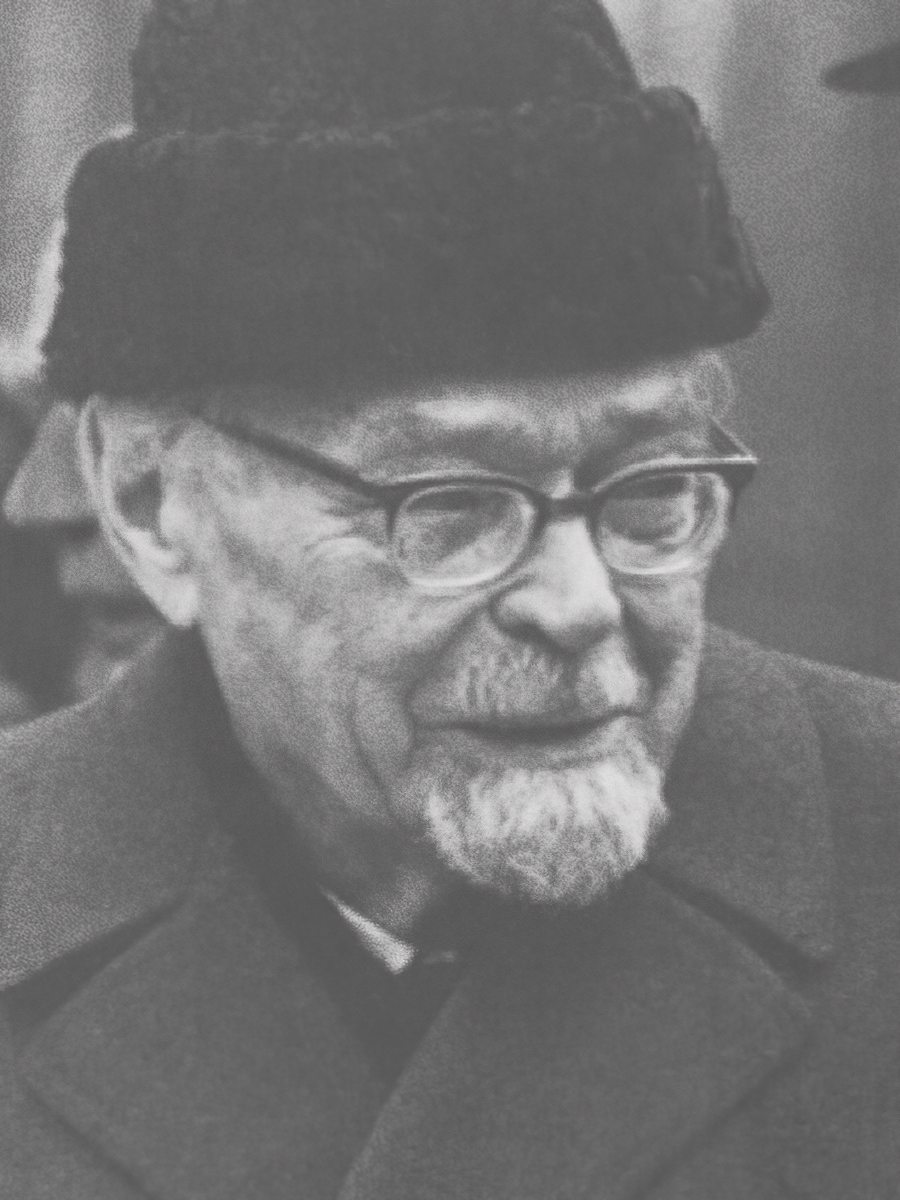
Karl Schmidt-Rottluff, a prominent figure in the German Expressionist movement, was not just an artist but a pioneer who significantly influenced the early 20th-century art scene. Born in Rottluff, Germany, in 1884, he later added his hometown's name to his surname, showcasing a deep connection to his roots. Schmidt-Rottluff was a founding member of the artist group Die Brücke, which played a critical role in the development of Expressionism in Germany. His works, characterized by bold colors and stark contrasts, were a departure from traditional artistic expressions and embraced a more emotional and subjective interpretation of reality.
Schmidt-Rottluff's contributions to art were not limited to painting; he was also a master printmaker, with a significant body of work comprising woodcuts, lithographs, and etchings. His artistic endeavors were marked by a fascination with the natural world, social issues, and an exploration of human emotion, themes that remained consistent throughout his career. Despite facing persecution during the Nazi regime, with many of his works labeled as "degenerate," Schmidt-Rottluff's resolve did not waver. In 1937, 608 of his paintings were seized, and by 1941, he was forbidden to paint. Yet, his legacy continued to grow post-World War II, and he was later honored with professorship at the University of Arts in Berlin-Charlottenburg in 1947, where he influenced a new generation of artists.
The value and impact of Schmidt-Rottluff's work are reflected in the presence of his pieces in prestigious collections worldwide, including the Museum of Modern Art, Neue Galerie, Los Angeles County Museum of Art, and many others. His works are celebrated for their emotional depth, innovative use of color, and ability to convey complex themes through simplified forms. Notably, some of his significant pieces have been subjects of restitution efforts, highlighting the historical importance and continued relevance of his work in the context of art history and cultural heritage.
For collectors and experts in art and antiques, Schmidt-Rottluff's oeuvre offers a profound insight into the evolution of Expressionism and the broader cultural and political narratives of the early 20th century. His works not only serve as a testament to his individual genius but also as a reflection of the tumultuous era that shaped them.
To stay informed about new discoveries, sales, and auction events related to Karl Schmidt-Rottluff's work, signing up for updates is highly recommended. This ensures that enthusiasts and collectors alike are always in the loop regarding opportunities to engage with and acquire pieces by this influential artist, ensuring his legacy continues to inspire and resonate with future generations.


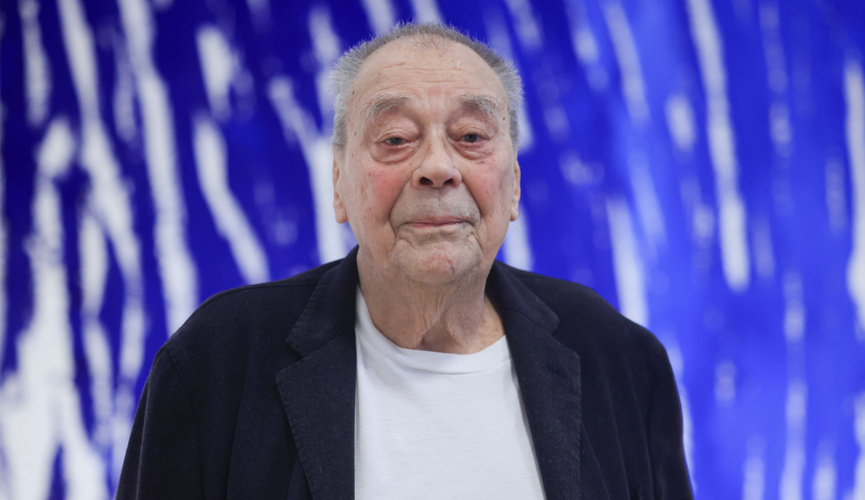
Günther Uecker is a German sculptor, op artist and installation artist.




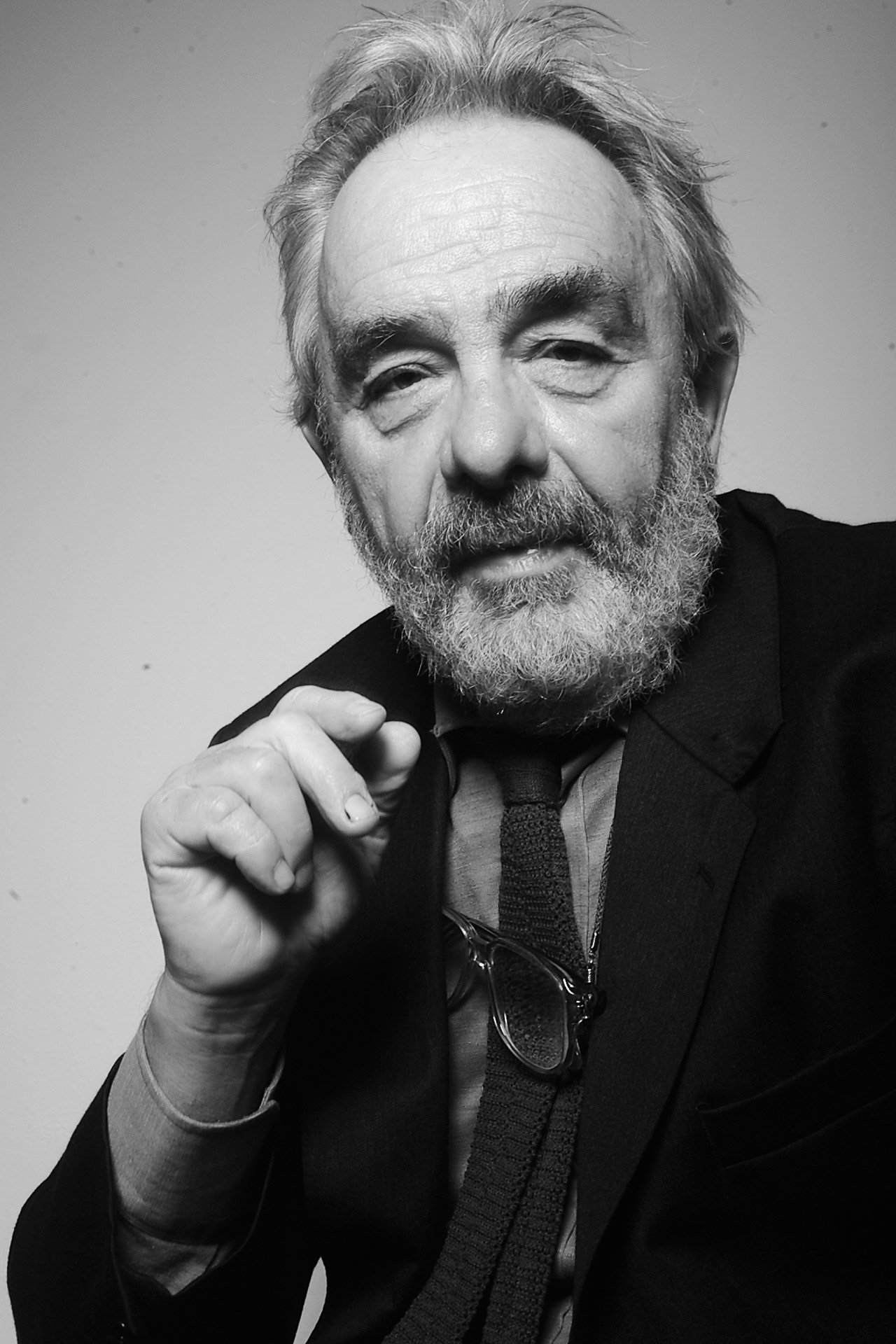
Arnulf Rainer is an Austrian artist who painted in the genre of informal abstract art.
From his early works the artist was inspired by the ideas of Surrealism. He also created works of art where he applied paint over photographs and works of other artists.
In the 1950s, Rainer painted a series of blindfold paintings in the technique of Surrealist automatism. In 1978 he received the Austrian Grand National Prize. Rainer has exhibited in New York, London, Vienna, Paris, Berlin and Munich. His works are in the collections of the Albertina, the Pompidou Center, the Stedelijk Museum, the Metropolitan Museum of Art and the Museum of Modern Art.


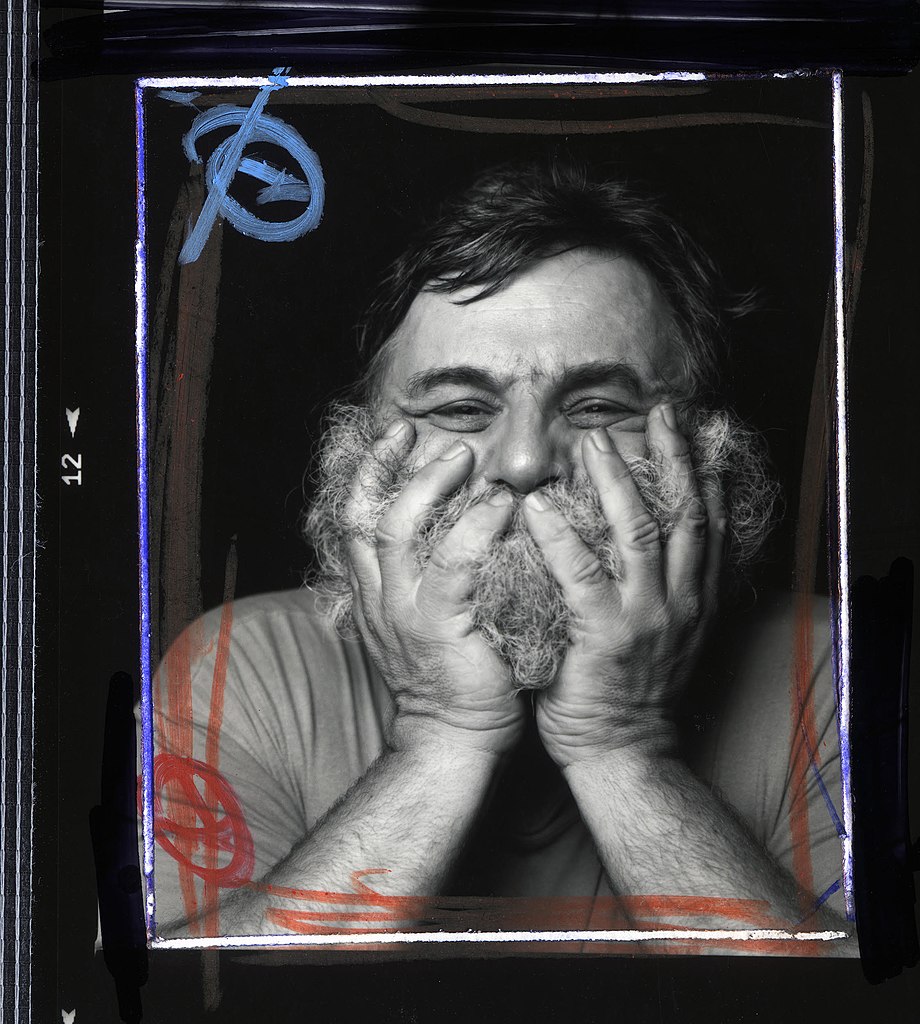
Ralf Winkler, alias A. R. Penck, was a German painter, printmaker, sculptor, and jazz drummer. A neo-expressionist, he became known for his visual style, reminiscent of the influence of primitive art.

