


20th Century Day Sale


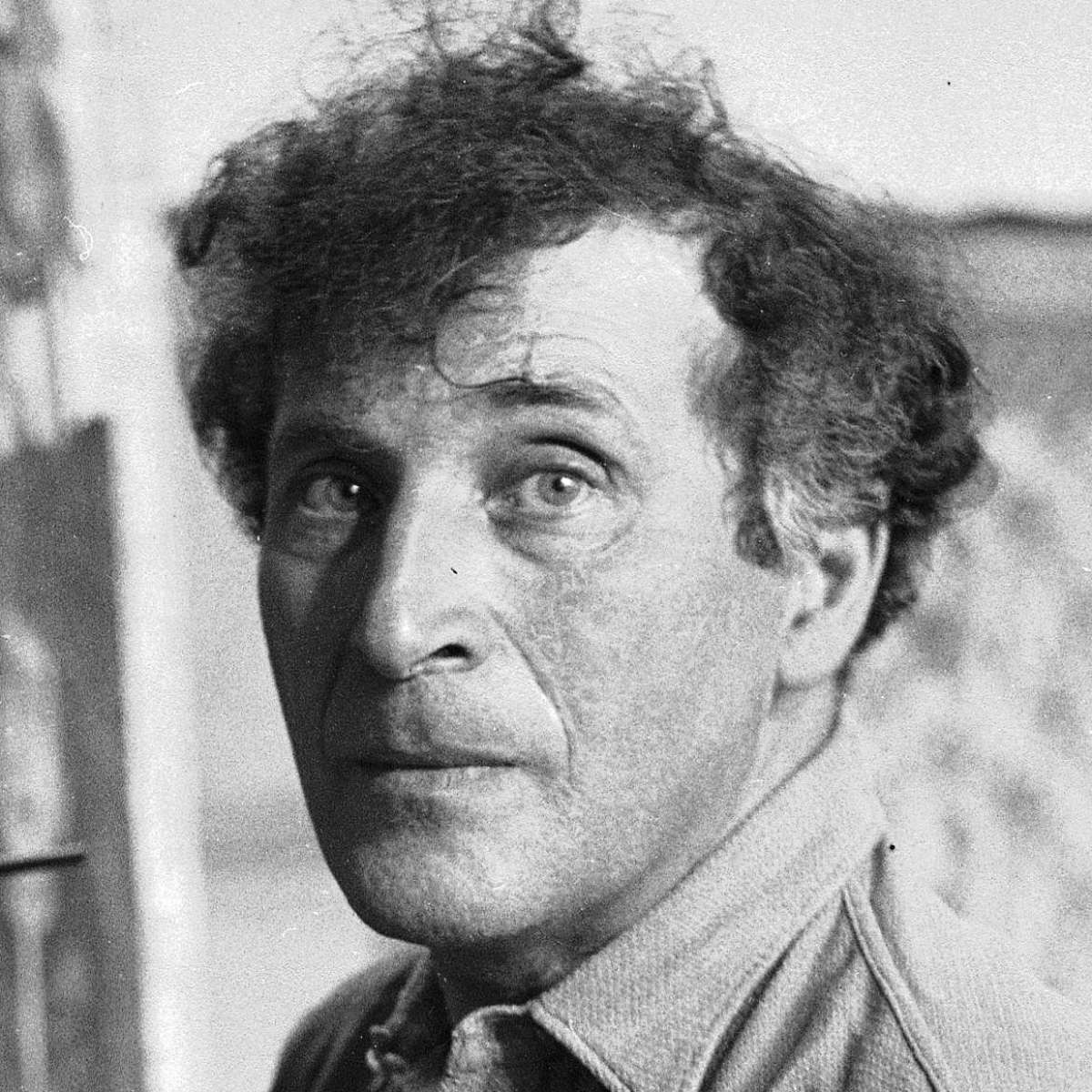
Marc Chagall (Russian: Марк Заха́рович Шага́л), born Moishe Shagal in 1887 near Vitebsk, Belarus (then part of the Russian Empire), was a Belarusian and French artist celebrated for his pivotal role in the avant-garde movement and his unique integration of Eastern European Jewish culture into modern art. His contributions spanned several artistic formats including painting, stained glass, stage sets, ceramics, tapestries, and fine art prints. Chagall's early modernist tendencies were enriched by his experiences across Saint Petersburg, Paris, and Berlin before World War I, leading to a distinctive style that melded Cubism, Symbolism, and Fauvism with his Jewish heritage.
Chagall's work is recognized for its emotional depth, often exploring themes of love, memory, and Jewish folklore through vibrant colors and dreamlike imagery. Notably, art critic Robert Hughes described him as "the quintessential Jewish artist of the twentieth century," a sentiment echoed by art historian Michael J. Lewis who regarded Chagall as a significant figure within European modernism and as the world's preeminent Jewish artist of his time.
Among Chagall's famed contributions are his stained-glass windows for the cathedrals of Reims and Metz, the UN, and the Jerusalem Windows in Israel. His monumental paintings include parts of the ceiling of the Paris Opéra and works that explore biblical themes, a hallmark of his oeuvre that underscores his enduring engagement with spiritual and religious motifs.
For art collectors and antiques experts, Chagall's works are notable not only for their artistic innovation but also for their rich cultural and historical significance. His art is housed in many prestigious museums worldwide, including the Marc Chagall National Museum in Nice, France, which focuses on his works inspired by religion and houses the series of paintings illustrating the biblical message.
For those interested in exploring Chagall's legacy and the vibrant intersection of culture, art, and history his work represents, signing up for updates on new product sales and auction events related to Marc Chagall can provide invaluable insights and opportunities. This is an invitation to engage more deeply with the world of art and culture that Chagall so uniquely encapsulated in his work.


Marc Chagall (Russian: Марк Заха́рович Шага́л), born Moishe Shagal in 1887 near Vitebsk, Belarus (then part of the Russian Empire), was a Belarusian and French artist celebrated for his pivotal role in the avant-garde movement and his unique integration of Eastern European Jewish culture into modern art. His contributions spanned several artistic formats including painting, stained glass, stage sets, ceramics, tapestries, and fine art prints. Chagall's early modernist tendencies were enriched by his experiences across Saint Petersburg, Paris, and Berlin before World War I, leading to a distinctive style that melded Cubism, Symbolism, and Fauvism with his Jewish heritage.
Chagall's work is recognized for its emotional depth, often exploring themes of love, memory, and Jewish folklore through vibrant colors and dreamlike imagery. Notably, art critic Robert Hughes described him as "the quintessential Jewish artist of the twentieth century," a sentiment echoed by art historian Michael J. Lewis who regarded Chagall as a significant figure within European modernism and as the world's preeminent Jewish artist of his time.
Among Chagall's famed contributions are his stained-glass windows for the cathedrals of Reims and Metz, the UN, and the Jerusalem Windows in Israel. His monumental paintings include parts of the ceiling of the Paris Opéra and works that explore biblical themes, a hallmark of his oeuvre that underscores his enduring engagement with spiritual and religious motifs.
For art collectors and antiques experts, Chagall's works are notable not only for their artistic innovation but also for their rich cultural and historical significance. His art is housed in many prestigious museums worldwide, including the Marc Chagall National Museum in Nice, France, which focuses on his works inspired by religion and houses the series of paintings illustrating the biblical message.
For those interested in exploring Chagall's legacy and the vibrant intersection of culture, art, and history his work represents, signing up for updates on new product sales and auction events related to Marc Chagall can provide invaluable insights and opportunities. This is an invitation to engage more deeply with the world of art and culture that Chagall so uniquely encapsulated in his work.


Marc Chagall (Russian: Марк Заха́рович Шага́л), born Moishe Shagal in 1887 near Vitebsk, Belarus (then part of the Russian Empire), was a Belarusian and French artist celebrated for his pivotal role in the avant-garde movement and his unique integration of Eastern European Jewish culture into modern art. His contributions spanned several artistic formats including painting, stained glass, stage sets, ceramics, tapestries, and fine art prints. Chagall's early modernist tendencies were enriched by his experiences across Saint Petersburg, Paris, and Berlin before World War I, leading to a distinctive style that melded Cubism, Symbolism, and Fauvism with his Jewish heritage.
Chagall's work is recognized for its emotional depth, often exploring themes of love, memory, and Jewish folklore through vibrant colors and dreamlike imagery. Notably, art critic Robert Hughes described him as "the quintessential Jewish artist of the twentieth century," a sentiment echoed by art historian Michael J. Lewis who regarded Chagall as a significant figure within European modernism and as the world's preeminent Jewish artist of his time.
Among Chagall's famed contributions are his stained-glass windows for the cathedrals of Reims and Metz, the UN, and the Jerusalem Windows in Israel. His monumental paintings include parts of the ceiling of the Paris Opéra and works that explore biblical themes, a hallmark of his oeuvre that underscores his enduring engagement with spiritual and religious motifs.
For art collectors and antiques experts, Chagall's works are notable not only for their artistic innovation but also for their rich cultural and historical significance. His art is housed in many prestigious museums worldwide, including the Marc Chagall National Museum in Nice, France, which focuses on his works inspired by religion and houses the series of paintings illustrating the biblical message.
For those interested in exploring Chagall's legacy and the vibrant intersection of culture, art, and history his work represents, signing up for updates on new product sales and auction events related to Marc Chagall can provide invaluable insights and opportunities. This is an invitation to engage more deeply with the world of art and culture that Chagall so uniquely encapsulated in his work.


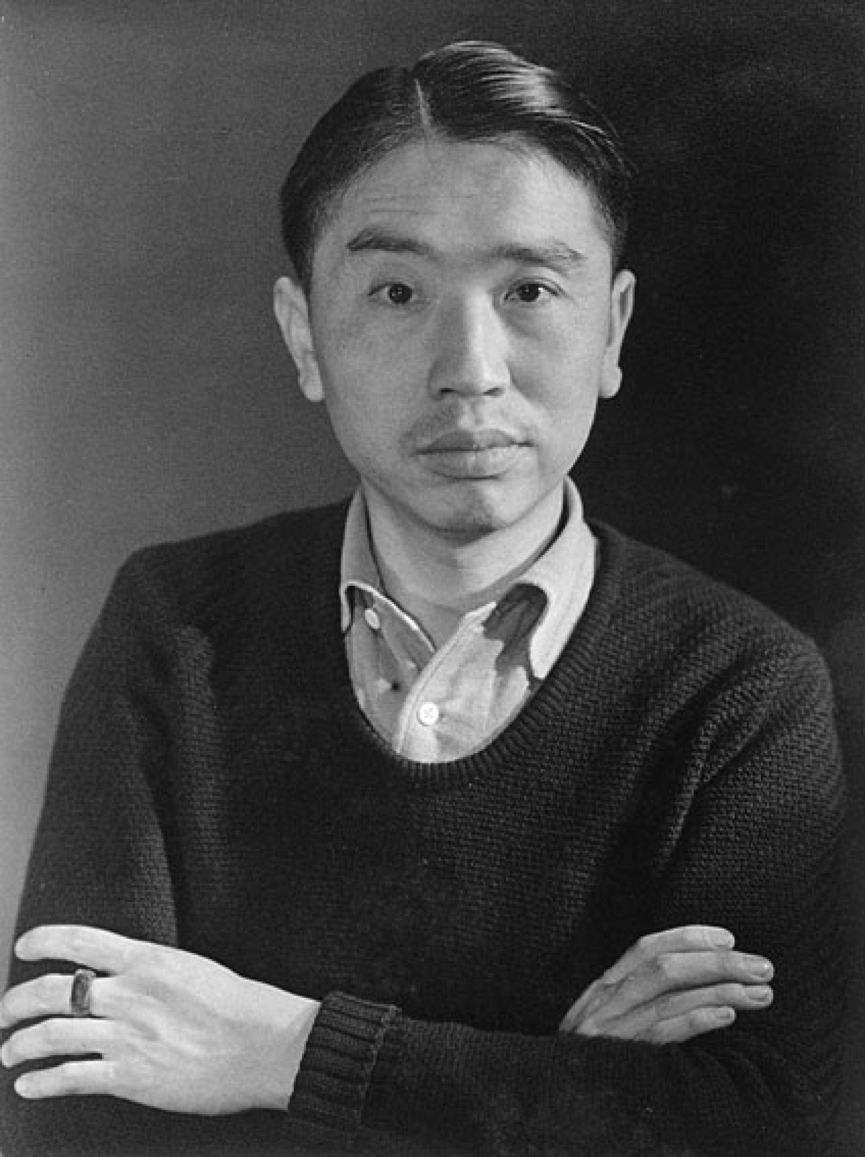
Sanyu (Chinese: 常玉) or Chang Yu was a French painter of Chinese origin. He is known as one of the pioneers of modernism in Chinese art.
Sanyu's artistic style was characterised by a unique fusion of Western influences, such as Fauvism and Cubism, with traditional Chinese painting techniques. His works often depicted simple and elegant subjects, including flowers, animals and nudes, with a minimalist and poetic touch. His use of bold colours and flowing brushstrokes created a sense of harmony and tranquility in his compositions.


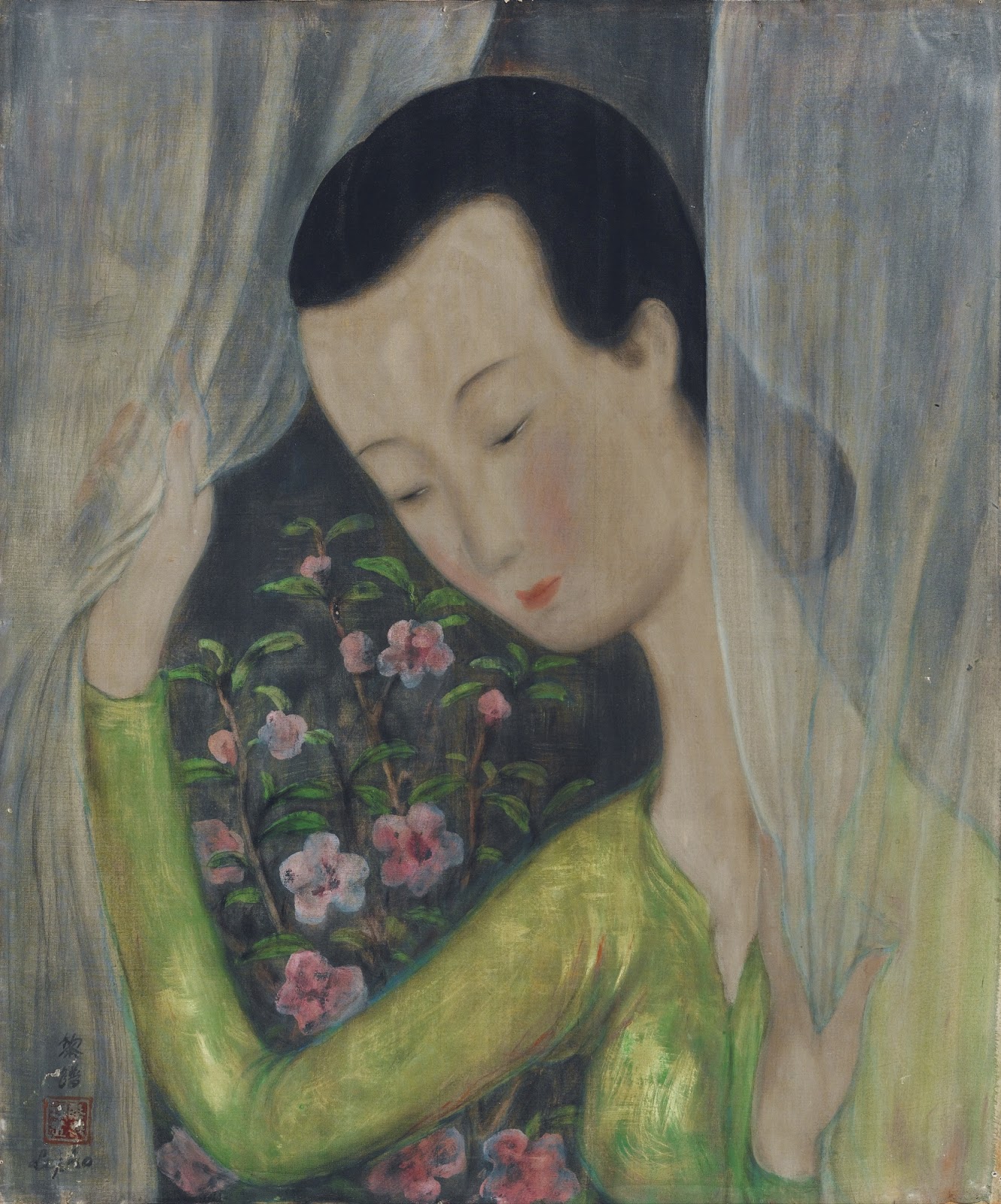


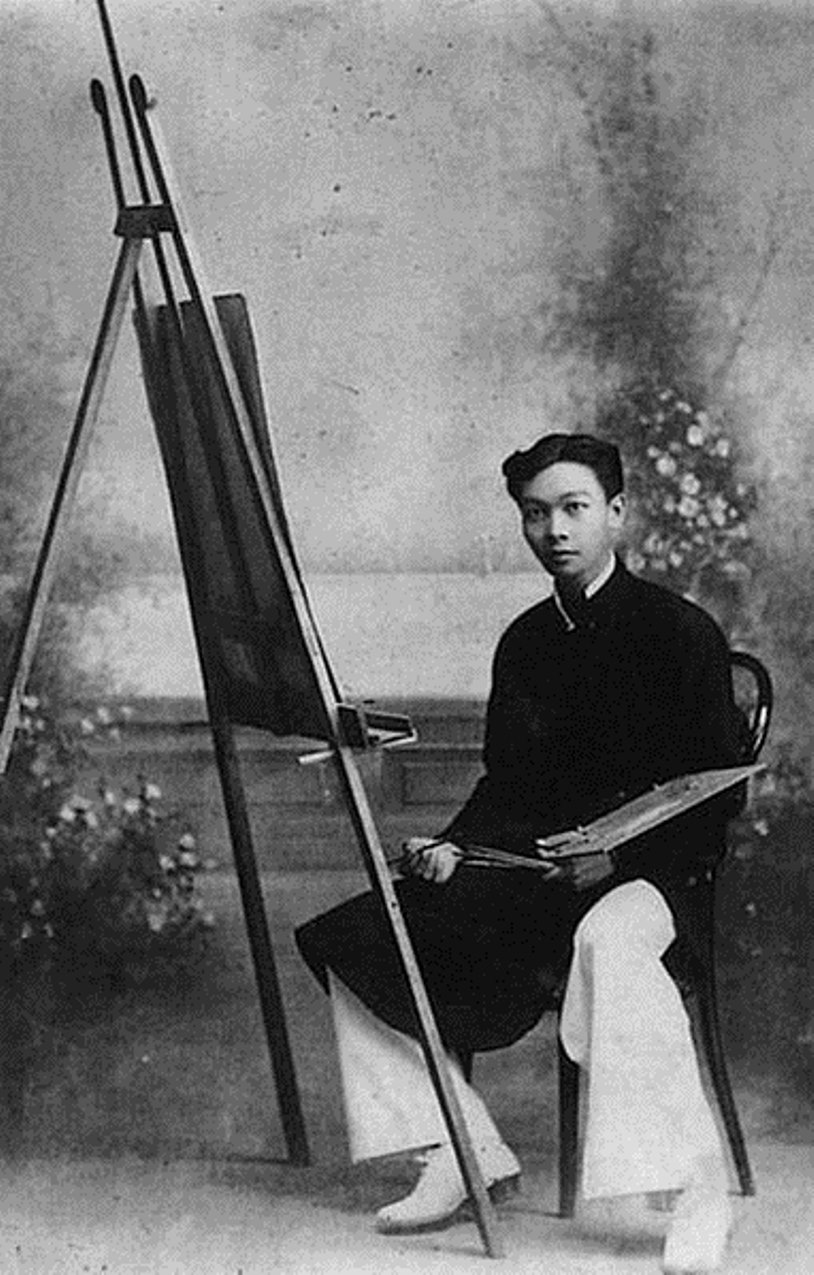


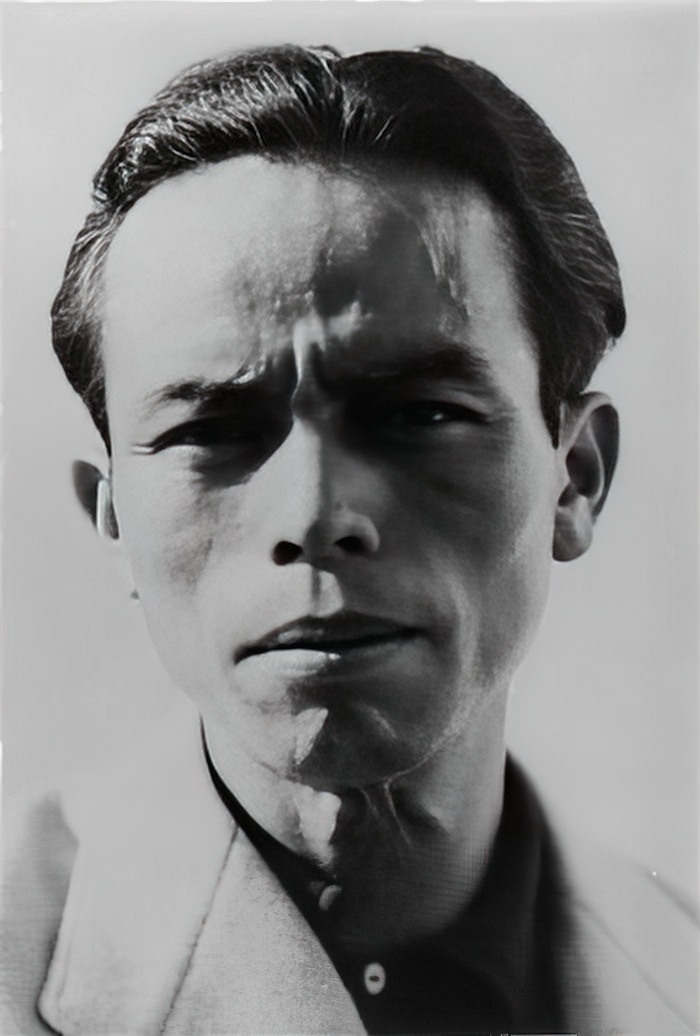
Vu Cao Dam (Vietnamese: Vũ Cao Đàm) was a Vietnamese painter. He was one of the alumni of Victor Tardieu's École des Beaux-Arts de l’Indochine in Hanoi in the 1930s, along with Mai Trung Thứ, Lê Phổ and woman painter Lê Thị Lựu to emigrate to France and make a career in Paris.


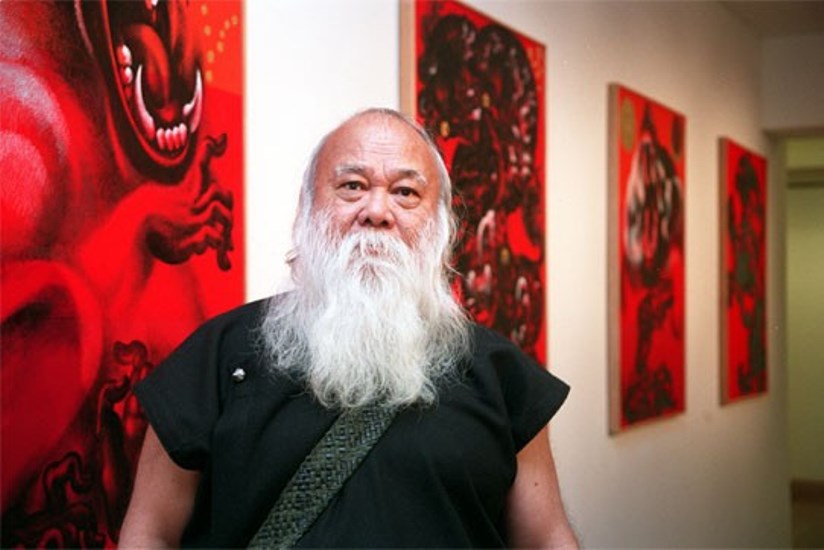


Pacita Abad was a renowned Filipino artist, celebrated for her vibrant and colorful artwork that showcased her deep engagement with global cultures and social issues. Born in 1946 in Batanes, Philippines, into a politically active family, Abad's life took a significant turn when she decided to abandon her law studies in favor of art, influenced by her interactions and travels across the globe. This decision led her to explore various art forms and techniques, including trapunto painting—a method where canvases are stitched and padded to create a three-dimensional effect.
Abad's art was profoundly influenced by her extensive travels with her husband, Jack Garrity, through more than 60 countries, where she not only collected textiles but also immersed herself in local cultures. This exposure is vividly reflected in her works, which often incorporate traditional fabrics and objects, such as beads and shells, integrating them into her colorful abstract and figurative paintings.
Throughout her career, Abad's works were displayed in over 200 museums and galleries worldwide, including prestigious venues like Tate Modern and the Museum of Modern Art (MoMA) PS1. Her work not only celebrates the visual and cultural diversity she encountered but also addresses global and humanitarian issues, such as the plight of refugees, which she depicted through intimate and powerful portraits of women and children.
Pacita Abad's legacy continues to inspire and influence the art world, highlighting her role as an "ambassador of colors" whose works helped to "make the world smile" with their exuberance and vibrancy. If you're interested in learning more about her life and work, consider signing up for updates on exhibitions and sales related to her art. This will keep you informed about opportunities to engage with and perhaps collect pieces from the oeuvre of this groundbreaking artist.




6.jpg)


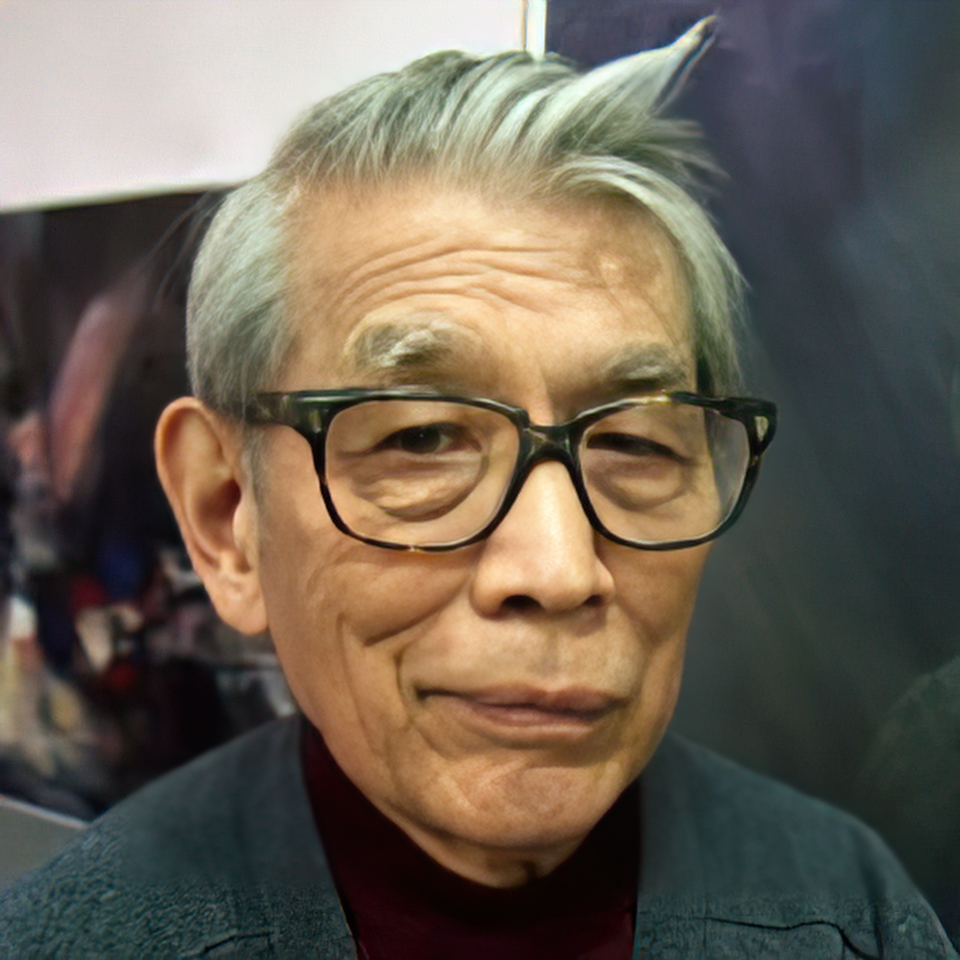
Chu Teh-Chun or Zhu Dequn was a Chinese-French abstract painter acclaimed for his pioneering style integrating traditional Chinese painting techniques with Western abstract art. Chu Teh-Chun enrolled in the National School of Fine Arts (now China Academy of Art), where he studied under Fang Ganmin and Wu Dayu. He was the first ethnic Chinese member of the Académie des Beaux-Arts of France, and together with Wu Guanzhong and Zao Wou-Ki were dubbed the "Three Musketeers" of modernist Chinese artists trained in China and France.


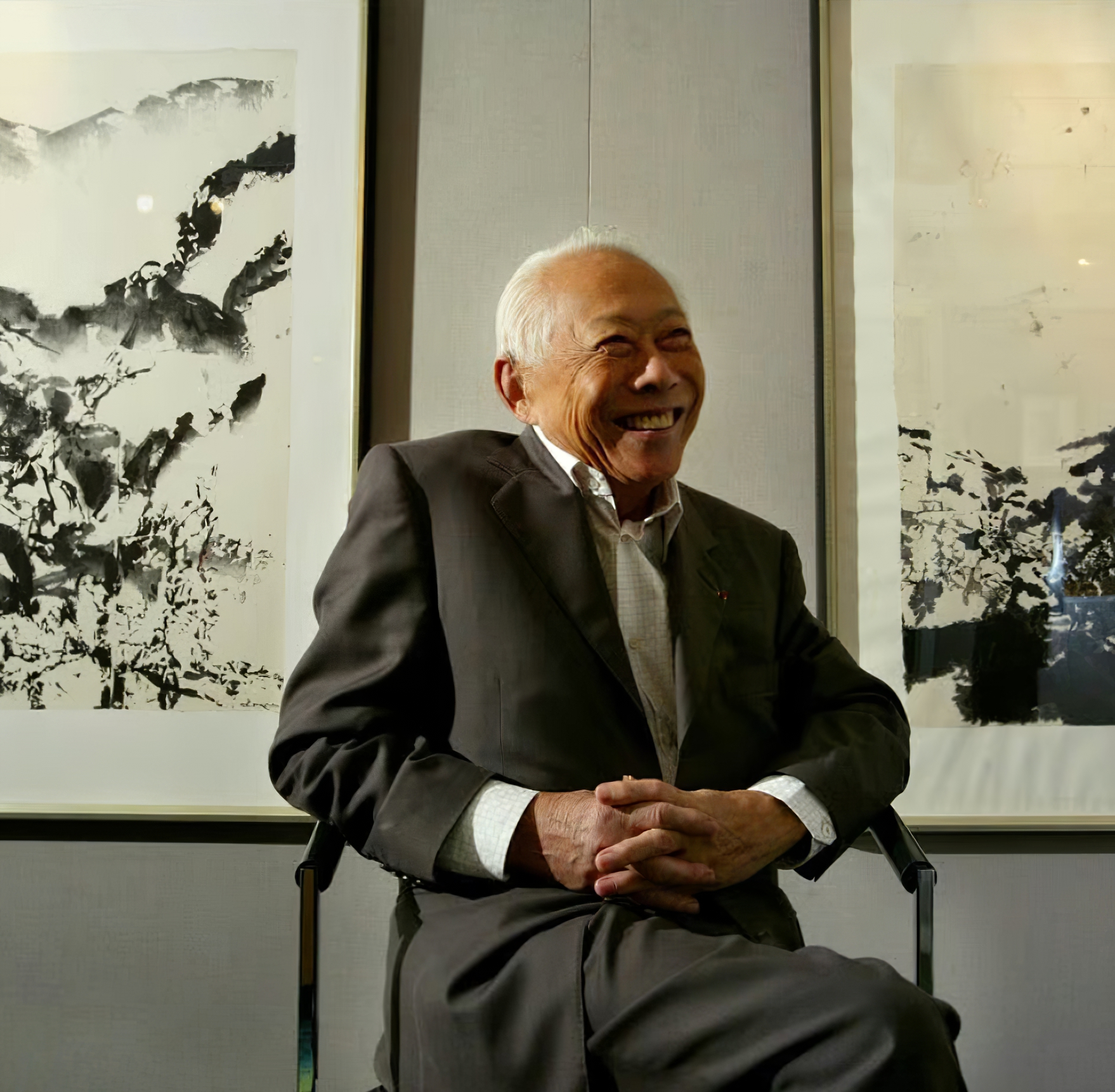
Zhao Wou-Ki (Chinese: 赵无极, pinyin: Zhào Wújí) was a Chinese-French painter. He was a member of the Académie des Beaux-Arts in Paris. Zao Wou-Ki graduated from the China Academy of Art in Hangzhou, where he studied under Fang Ganmin and Wu Dayu.


Zhao Wou-Ki (Chinese: 赵无极, pinyin: Zhào Wújí) was a Chinese-French painter. He was a member of the Académie des Beaux-Arts in Paris. Zao Wou-Ki graduated from the China Academy of Art in Hangzhou, where he studied under Fang Ganmin and Wu Dayu.


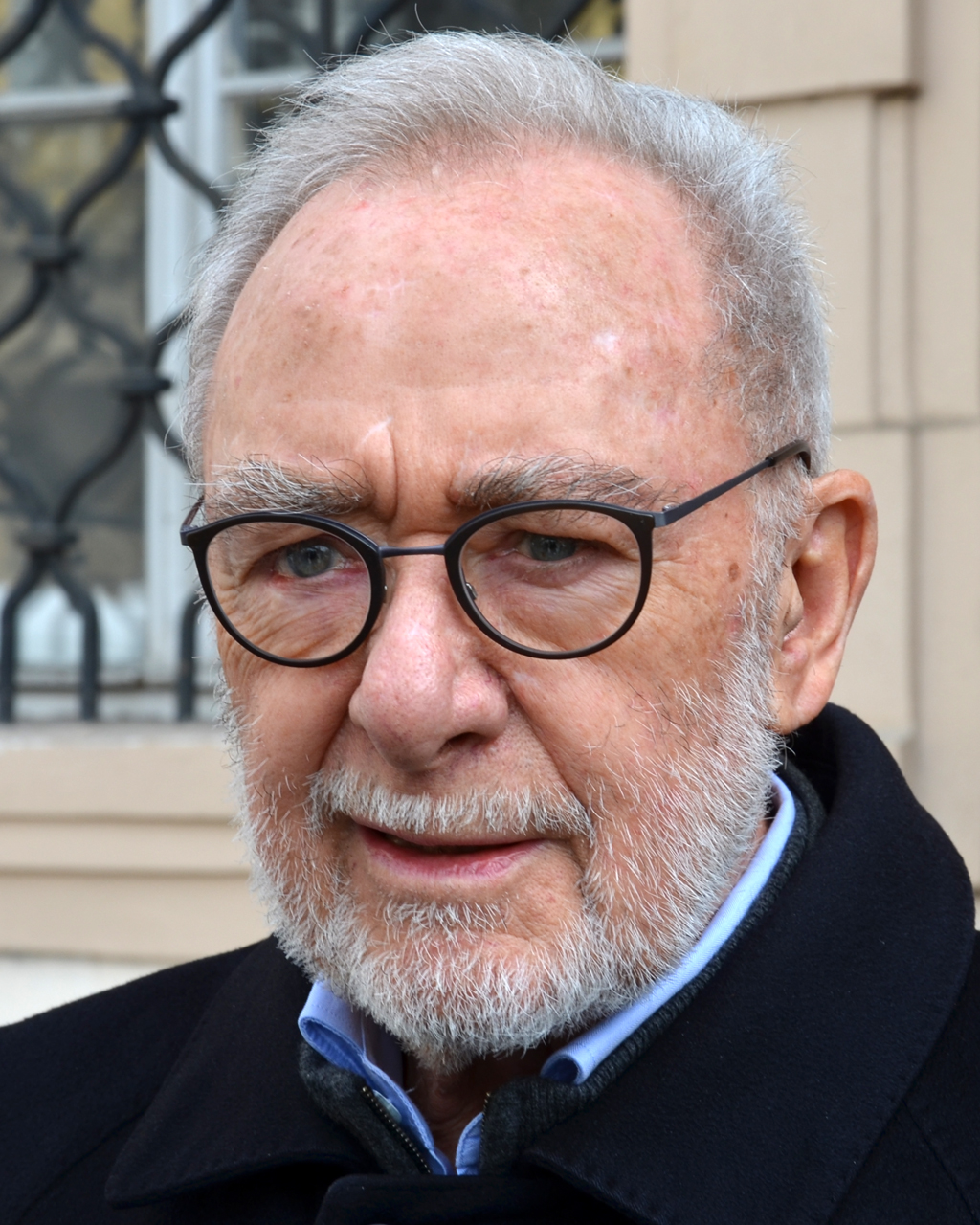
Gerhard Richter is a German visual artist. Richter has produced abstract as well as photorealistic paintings, and also photographs and glass pieces. He is widely regarded as one of the most important contemporary German artists and several of his works have set record prices at auction.