


Design


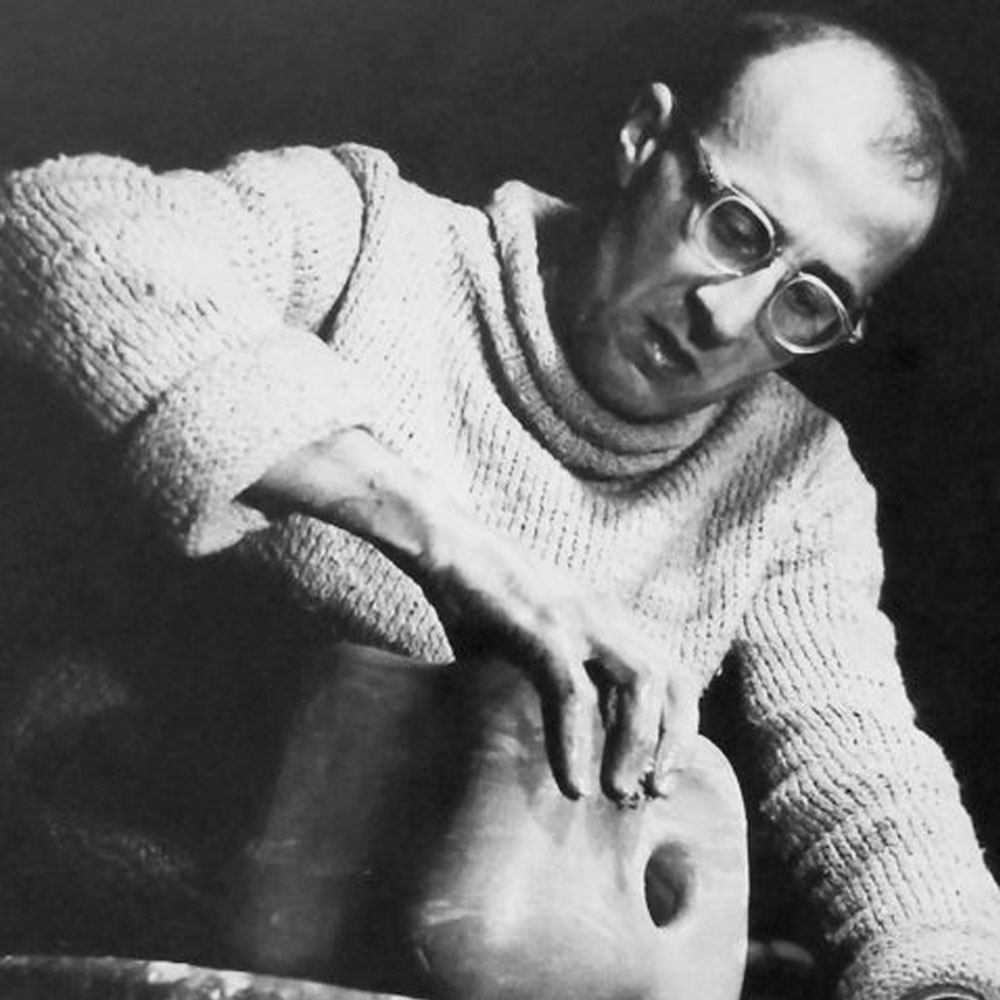
Georges Jouve was an important ceramist of the 20th century. At 17 years old, Jouve enrolled at the prestigious Ecole Boulle in Paris where he received theoretical instruction in Art History in addition to his technical studies as a sculptor. After Graduation in 1930 he first embarked on his artistic career as a theatrical set designer. During World War II, Jouve was captured by the Germans and interned in a German camp. After several attempts he escaped from the camp and took refuge at his step parents home in a potters village in the South of France called Dieulefit. In 1944, Jouve and his family moved back to Paris. He opened his studio in Paris and was invited by Jacques Adnet to participate in the exhibition “La Ceramique Contemporaine” by the Compagnie des Arts Francais. He then participated annually in numerous 'Salons' in France and internationally such as the “Salon des Artistes Decorateurs” in Paris, Association Francaise d'Action Artistique in Rio de Janeiro, and Vienna, Toronto, Rome, Milan, and Cairo.
.jpg)
Jean Elysée Puiforcat was a French silversmith, sculptor and designer. Miller's Antiques Encyclopedia calls Puiforcat the «most important French Art Deco silversmith».


Jean Elysée Puiforcat was a French silversmith, sculptor and designer. Miller's Antiques Encyclopedia calls Puiforcat the «most important French Art Deco silversmith».
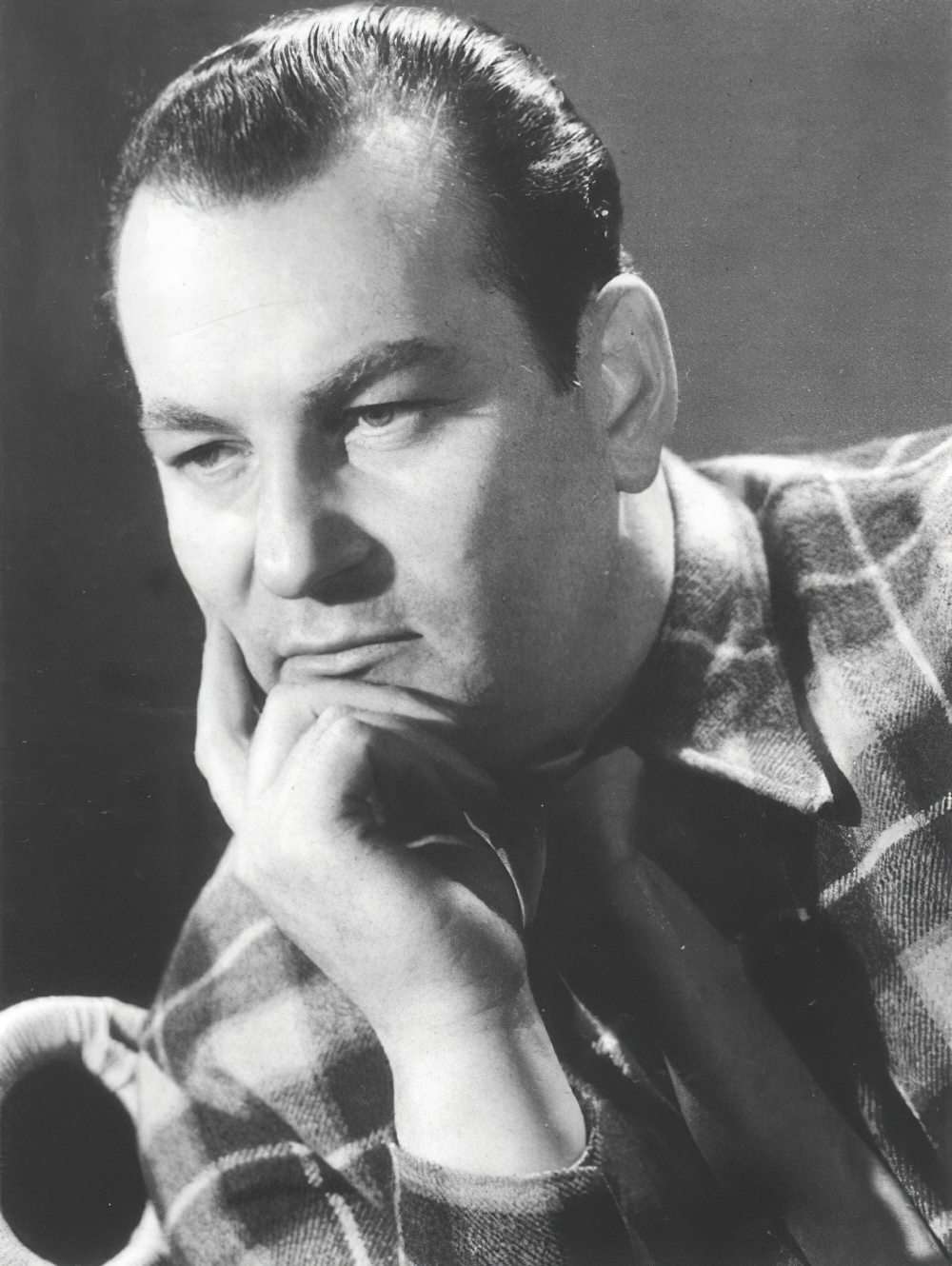
Mathieu Matégot was a Hungarian / French designer and material artist. He was one of the most renowned French designers of the 1950s.
Following the war, Matégot established a workshop for making handcrafted furniture using a variety of materials such as metal, rattan, glass, formica, and perforated sheet metal. The workshop made chairs, tables, sideboards, desks and other objects that he had designed. At first based in Paris, the workshop later moved to Casablanca. All the furniture and other objects had clever, practical and amusing designs. Distributed to decoration shops in editions of 200, his work was extremely successful.


Georges Jouve was an important ceramist of the 20th century. At 17 years old, Jouve enrolled at the prestigious Ecole Boulle in Paris where he received theoretical instruction in Art History in addition to his technical studies as a sculptor. After Graduation in 1930 he first embarked on his artistic career as a theatrical set designer. During World War II, Jouve was captured by the Germans and interned in a German camp. After several attempts he escaped from the camp and took refuge at his step parents home in a potters village in the South of France called Dieulefit. In 1944, Jouve and his family moved back to Paris. He opened his studio in Paris and was invited by Jacques Adnet to participate in the exhibition “La Ceramique Contemporaine” by the Compagnie des Arts Francais. He then participated annually in numerous 'Salons' in France and internationally such as the “Salon des Artistes Decorateurs” in Paris, Association Francaise d'Action Artistique in Rio de Janeiro, and Vienna, Toronto, Rome, Milan, and Cairo.
Jean Elysée Puiforcat was a French silversmith, sculptor and designer. Miller's Antiques Encyclopedia calls Puiforcat the «most important French Art Deco silversmith».


Georges Jouve was an important ceramist of the 20th century. At 17 years old, Jouve enrolled at the prestigious Ecole Boulle in Paris where he received theoretical instruction in Art History in addition to his technical studies as a sculptor. After Graduation in 1930 he first embarked on his artistic career as a theatrical set designer. During World War II, Jouve was captured by the Germans and interned in a German camp. After several attempts he escaped from the camp and took refuge at his step parents home in a potters village in the South of France called Dieulefit. In 1944, Jouve and his family moved back to Paris. He opened his studio in Paris and was invited by Jacques Adnet to participate in the exhibition “La Ceramique Contemporaine” by the Compagnie des Arts Francais. He then participated annually in numerous 'Salons' in France and internationally such as the “Salon des Artistes Decorateurs” in Paris, Association Francaise d'Action Artistique in Rio de Janeiro, and Vienna, Toronto, Rome, Milan, and Cairo.
Jean Elysée Puiforcat was a French silversmith, sculptor and designer. Miller's Antiques Encyclopedia calls Puiforcat the «most important French Art Deco silversmith».


Jean Elysée Puiforcat was a French silversmith, sculptor and designer. Miller's Antiques Encyclopedia calls Puiforcat the «most important French Art Deco silversmith».
Mathieu Matégot was a Hungarian / French designer and material artist. He was one of the most renowned French designers of the 1950s.
Following the war, Matégot established a workshop for making handcrafted furniture using a variety of materials such as metal, rattan, glass, formica, and perforated sheet metal. The workshop made chairs, tables, sideboards, desks and other objects that he had designed. At first based in Paris, the workshop later moved to Casablanca. All the furniture and other objects had clever, practical and amusing designs. Distributed to decoration shops in editions of 200, his work was extremely successful.


Jean Elysée Puiforcat was a French silversmith, sculptor and designer. Miller's Antiques Encyclopedia calls Puiforcat the «most important French Art Deco silversmith».
Mathieu Matégot was a Hungarian / French designer and material artist. He was one of the most renowned French designers of the 1950s.
Following the war, Matégot established a workshop for making handcrafted furniture using a variety of materials such as metal, rattan, glass, formica, and perforated sheet metal. The workshop made chairs, tables, sideboards, desks and other objects that he had designed. At first based in Paris, the workshop later moved to Casablanca. All the furniture and other objects had clever, practical and amusing designs. Distributed to decoration shops in editions of 200, his work was extremely successful.


Jean Elysée Puiforcat was a French silversmith, sculptor and designer. Miller's Antiques Encyclopedia calls Puiforcat the «most important French Art Deco silversmith».
Mathieu Matégot was a Hungarian / French designer and material artist. He was one of the most renowned French designers of the 1950s.
Following the war, Matégot established a workshop for making handcrafted furniture using a variety of materials such as metal, rattan, glass, formica, and perforated sheet metal. The workshop made chairs, tables, sideboards, desks and other objects that he had designed. At first based in Paris, the workshop later moved to Casablanca. All the furniture and other objects had clever, practical and amusing designs. Distributed to decoration shops in editions of 200, his work was extremely successful.


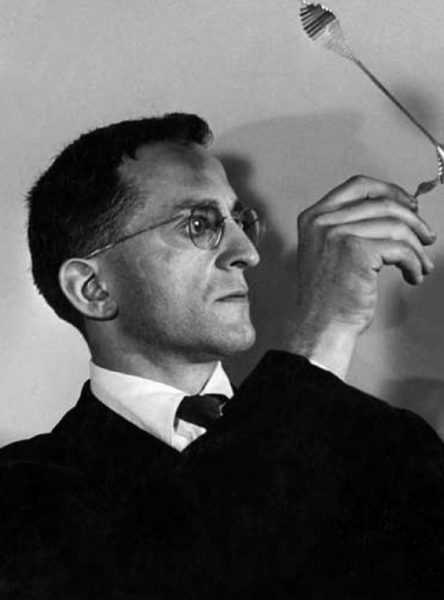
Serge Mouille was a French industrial designer and goldsmith. He is best known for his light fixture designs.
Serge Mouille remains famous primarily for his minimalistic designs and use of uniformly black painted metal materials. His wall-mounted spot light fixture with articulated arms is typical for his discrete, yet highly functional designs.
Jean Elysée Puiforcat was a French silversmith, sculptor and designer. Miller's Antiques Encyclopedia calls Puiforcat the «most important French Art Deco silversmith».


Georges Jouve was an important ceramist of the 20th century. At 17 years old, Jouve enrolled at the prestigious Ecole Boulle in Paris where he received theoretical instruction in Art History in addition to his technical studies as a sculptor. After Graduation in 1930 he first embarked on his artistic career as a theatrical set designer. During World War II, Jouve was captured by the Germans and interned in a German camp. After several attempts he escaped from the camp and took refuge at his step parents home in a potters village in the South of France called Dieulefit. In 1944, Jouve and his family moved back to Paris. He opened his studio in Paris and was invited by Jacques Adnet to participate in the exhibition “La Ceramique Contemporaine” by the Compagnie des Arts Francais. He then participated annually in numerous 'Salons' in France and internationally such as the “Salon des Artistes Decorateurs” in Paris, Association Francaise d'Action Artistique in Rio de Janeiro, and Vienna, Toronto, Rome, Milan, and Cairo.
Jean Elysée Puiforcat was a French silversmith, sculptor and designer. Miller's Antiques Encyclopedia calls Puiforcat the «most important French Art Deco silversmith».


Georges Jouve was an important ceramist of the 20th century. At 17 years old, Jouve enrolled at the prestigious Ecole Boulle in Paris where he received theoretical instruction in Art History in addition to his technical studies as a sculptor. After Graduation in 1930 he first embarked on his artistic career as a theatrical set designer. During World War II, Jouve was captured by the Germans and interned in a German camp. After several attempts he escaped from the camp and took refuge at his step parents home in a potters village in the South of France called Dieulefit. In 1944, Jouve and his family moved back to Paris. He opened his studio in Paris and was invited by Jacques Adnet to participate in the exhibition “La Ceramique Contemporaine” by the Compagnie des Arts Francais. He then participated annually in numerous 'Salons' in France and internationally such as the “Salon des Artistes Decorateurs” in Paris, Association Francaise d'Action Artistique in Rio de Janeiro, and Vienna, Toronto, Rome, Milan, and Cairo.
Jean Elysée Puiforcat was a French silversmith, sculptor and designer. Miller's Antiques Encyclopedia calls Puiforcat the «most important French Art Deco silversmith».


Jean Elysée Puiforcat was a French silversmith, sculptor and designer. Miller's Antiques Encyclopedia calls Puiforcat the «most important French Art Deco silversmith».
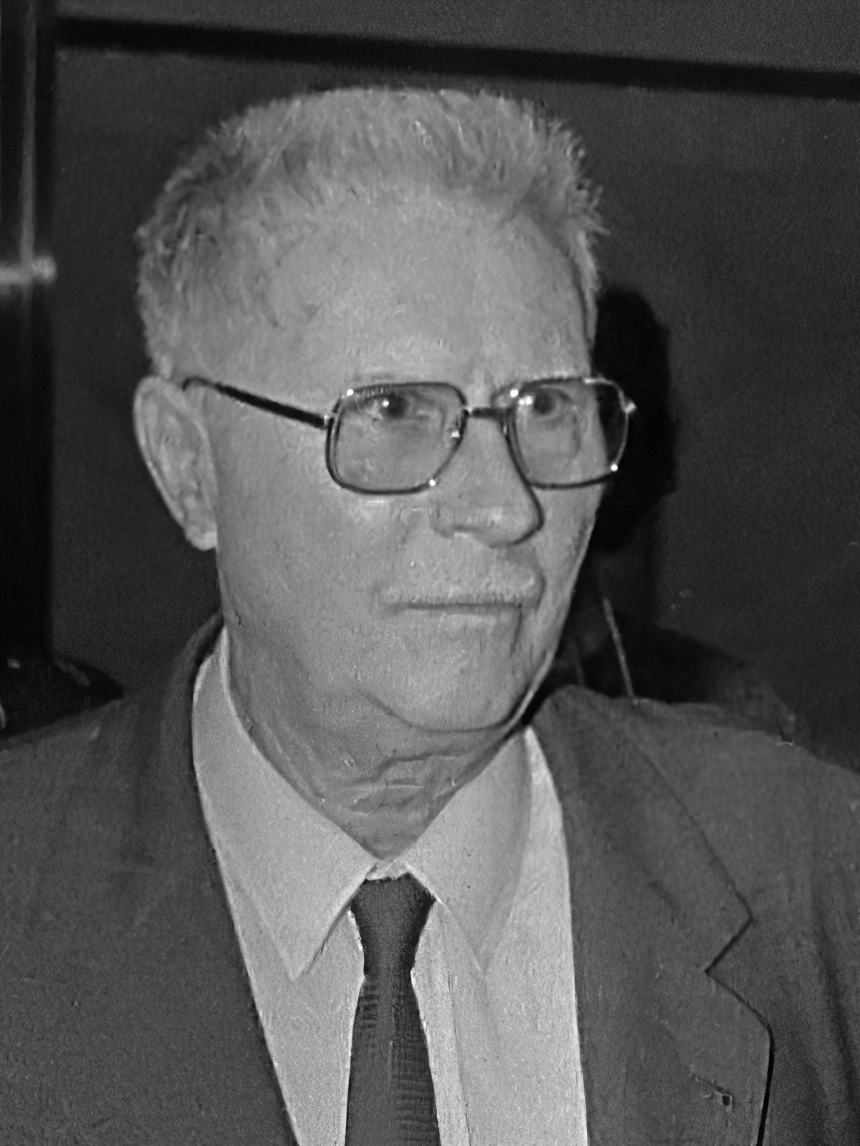
Jean Prouvé was a French metal worker, self-taught architect and designer. Le Corbusier designated Prouvé a constructeur, blending architecture and engineering. Prouvé's main achievement was transferring manufacturing technology from industry to architecture, without losing aesthetic qualities. His design skills were not limited to one discipline. During his career Jean Prouvé was involved in architectural design, industrial design, structural design and furniture design.


Jean Elysée Puiforcat was a French silversmith, sculptor and designer. Miller's Antiques Encyclopedia calls Puiforcat the «most important French Art Deco silversmith».
Jean Prouvé was a French metal worker, self-taught architect and designer. Le Corbusier designated Prouvé a constructeur, blending architecture and engineering. Prouvé's main achievement was transferring manufacturing technology from industry to architecture, without losing aesthetic qualities. His design skills were not limited to one discipline. During his career Jean Prouvé was involved in architectural design, industrial design, structural design and furniture design.


Jean Elysée Puiforcat was a French silversmith, sculptor and designer. Miller's Antiques Encyclopedia calls Puiforcat the «most important French Art Deco silversmith».
Jean Prouvé was a French metal worker, self-taught architect and designer. Le Corbusier designated Prouvé a constructeur, blending architecture and engineering. Prouvé's main achievement was transferring manufacturing technology from industry to architecture, without losing aesthetic qualities. His design skills were not limited to one discipline. During his career Jean Prouvé was involved in architectural design, industrial design, structural design and furniture design.


Georges Jouve was an important ceramist of the 20th century. At 17 years old, Jouve enrolled at the prestigious Ecole Boulle in Paris where he received theoretical instruction in Art History in addition to his technical studies as a sculptor. After Graduation in 1930 he first embarked on his artistic career as a theatrical set designer. During World War II, Jouve was captured by the Germans and interned in a German camp. After several attempts he escaped from the camp and took refuge at his step parents home in a potters village in the South of France called Dieulefit. In 1944, Jouve and his family moved back to Paris. He opened his studio in Paris and was invited by Jacques Adnet to participate in the exhibition “La Ceramique Contemporaine” by the Compagnie des Arts Francais. He then participated annually in numerous 'Salons' in France and internationally such as the “Salon des Artistes Decorateurs” in Paris, Association Francaise d'Action Artistique in Rio de Janeiro, and Vienna, Toronto, Rome, Milan, and Cairo.
Jean Elysée Puiforcat was a French silversmith, sculptor and designer. Miller's Antiques Encyclopedia calls Puiforcat the «most important French Art Deco silversmith».


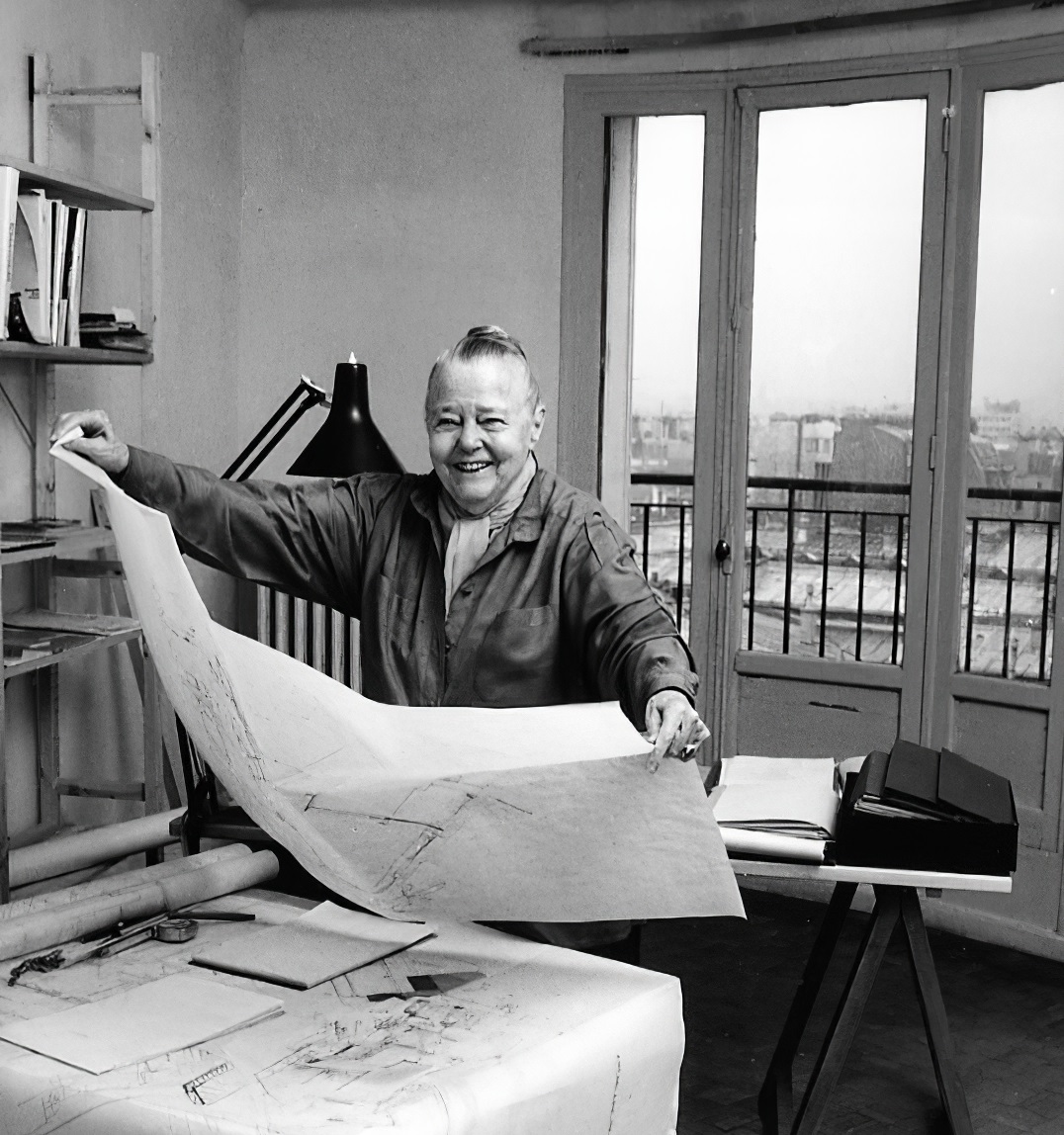
Charlotte Perriand was a French architect and designer. Her work aimed to create functional living spaces in the belief that better design helps in creating a better society. In her article "L'Art de Vivre" from 1981 she states "The extension of the art of dwelling is the art of living — living in harmony with man's deepest drives and with his adopted or fabricated environment." Charlotte liked to take her time in a space before starting the design process.
Jean Elysée Puiforcat was a French silversmith, sculptor and designer. Miller's Antiques Encyclopedia calls Puiforcat the «most important French Art Deco silversmith».


Serge Mouille was a French industrial designer and goldsmith. He is best known for his light fixture designs.
Serge Mouille remains famous primarily for his minimalistic designs and use of uniformly black painted metal materials. His wall-mounted spot light fixture with articulated arms is typical for his discrete, yet highly functional designs.
Jean Elysée Puiforcat was a French silversmith, sculptor and designer. Miller's Antiques Encyclopedia calls Puiforcat the «most important French Art Deco silversmith».


Georges Jouve was an important ceramist of the 20th century. At 17 years old, Jouve enrolled at the prestigious Ecole Boulle in Paris where he received theoretical instruction in Art History in addition to his technical studies as a sculptor. After Graduation in 1930 he first embarked on his artistic career as a theatrical set designer. During World War II, Jouve was captured by the Germans and interned in a German camp. After several attempts he escaped from the camp and took refuge at his step parents home in a potters village in the South of France called Dieulefit. In 1944, Jouve and his family moved back to Paris. He opened his studio in Paris and was invited by Jacques Adnet to participate in the exhibition “La Ceramique Contemporaine” by the Compagnie des Arts Francais. He then participated annually in numerous 'Salons' in France and internationally such as the “Salon des Artistes Decorateurs” in Paris, Association Francaise d'Action Artistique in Rio de Janeiro, and Vienna, Toronto, Rome, Milan, and Cairo.
Jean Elysée Puiforcat was a French silversmith, sculptor and designer. Miller's Antiques Encyclopedia calls Puiforcat the «most important French Art Deco silversmith».


Jean Elysée Puiforcat was a French silversmith, sculptor and designer. Miller's Antiques Encyclopedia calls Puiforcat the «most important French Art Deco silversmith».


Georges Jouve was an important ceramist of the 20th century. At 17 years old, Jouve enrolled at the prestigious Ecole Boulle in Paris where he received theoretical instruction in Art History in addition to his technical studies as a sculptor. After Graduation in 1930 he first embarked on his artistic career as a theatrical set designer. During World War II, Jouve was captured by the Germans and interned in a German camp. After several attempts he escaped from the camp and took refuge at his step parents home in a potters village in the South of France called Dieulefit. In 1944, Jouve and his family moved back to Paris. He opened his studio in Paris and was invited by Jacques Adnet to participate in the exhibition “La Ceramique Contemporaine” by the Compagnie des Arts Francais. He then participated annually in numerous 'Salons' in France and internationally such as the “Salon des Artistes Decorateurs” in Paris, Association Francaise d'Action Artistique in Rio de Janeiro, and Vienna, Toronto, Rome, Milan, and Cairo.
Jean Elysée Puiforcat was a French silversmith, sculptor and designer. Miller's Antiques Encyclopedia calls Puiforcat the «most important French Art Deco silversmith».


Serge Mouille was a French industrial designer and goldsmith. He is best known for his light fixture designs.
Serge Mouille remains famous primarily for his minimalistic designs and use of uniformly black painted metal materials. His wall-mounted spot light fixture with articulated arms is typical for his discrete, yet highly functional designs.
Jean Elysée Puiforcat was a French silversmith, sculptor and designer. Miller's Antiques Encyclopedia calls Puiforcat the «most important French Art Deco silversmith».


Charlotte Perriand was a French architect and designer. Her work aimed to create functional living spaces in the belief that better design helps in creating a better society. In her article "L'Art de Vivre" from 1981 she states "The extension of the art of dwelling is the art of living — living in harmony with man's deepest drives and with his adopted or fabricated environment." Charlotte liked to take her time in a space before starting the design process.
Jean Elysée Puiforcat was a French silversmith, sculptor and designer. Miller's Antiques Encyclopedia calls Puiforcat the «most important French Art Deco silversmith».


Charlotte Perriand was a French architect and designer. Her work aimed to create functional living spaces in the belief that better design helps in creating a better society. In her article "L'Art de Vivre" from 1981 she states "The extension of the art of dwelling is the art of living — living in harmony with man's deepest drives and with his adopted or fabricated environment." Charlotte liked to take her time in a space before starting the design process.
Jean Elysée Puiforcat was a French silversmith, sculptor and designer. Miller's Antiques Encyclopedia calls Puiforcat the «most important French Art Deco silversmith».


Jean Elysée Puiforcat was a French silversmith, sculptor and designer. Miller's Antiques Encyclopedia calls Puiforcat the «most important French Art Deco silversmith».
Mathieu Matégot was a Hungarian / French designer and material artist. He was one of the most renowned French designers of the 1950s.
Following the war, Matégot established a workshop for making handcrafted furniture using a variety of materials such as metal, rattan, glass, formica, and perforated sheet metal. The workshop made chairs, tables, sideboards, desks and other objects that he had designed. At first based in Paris, the workshop later moved to Casablanca. All the furniture and other objects had clever, practical and amusing designs. Distributed to decoration shops in editions of 200, his work was extremely successful.


Jean Elysée Puiforcat was a French silversmith, sculptor and designer. Miller's Antiques Encyclopedia calls Puiforcat the «most important French Art Deco silversmith».
Mathieu Matégot was a Hungarian / French designer and material artist. He was one of the most renowned French designers of the 1950s.
Following the war, Matégot established a workshop for making handcrafted furniture using a variety of materials such as metal, rattan, glass, formica, and perforated sheet metal. The workshop made chairs, tables, sideboards, desks and other objects that he had designed. At first based in Paris, the workshop later moved to Casablanca. All the furniture and other objects had clever, practical and amusing designs. Distributed to decoration shops in editions of 200, his work was extremely successful.


Jean Elysée Puiforcat was a French silversmith, sculptor and designer. Miller's Antiques Encyclopedia calls Puiforcat the «most important French Art Deco silversmith».
Mathieu Matégot was a Hungarian / French designer and material artist. He was one of the most renowned French designers of the 1950s.
Following the war, Matégot established a workshop for making handcrafted furniture using a variety of materials such as metal, rattan, glass, formica, and perforated sheet metal. The workshop made chairs, tables, sideboards, desks and other objects that he had designed. At first based in Paris, the workshop later moved to Casablanca. All the furniture and other objects had clever, practical and amusing designs. Distributed to decoration shops in editions of 200, his work was extremely successful.


Jean Elysée Puiforcat was a French silversmith, sculptor and designer. Miller's Antiques Encyclopedia calls Puiforcat the «most important French Art Deco silversmith».
Mathieu Matégot was a Hungarian / French designer and material artist. He was one of the most renowned French designers of the 1950s.
Following the war, Matégot established a workshop for making handcrafted furniture using a variety of materials such as metal, rattan, glass, formica, and perforated sheet metal. The workshop made chairs, tables, sideboards, desks and other objects that he had designed. At first based in Paris, the workshop later moved to Casablanca. All the furniture and other objects had clever, practical and amusing designs. Distributed to decoration shops in editions of 200, his work was extremely successful.


Jean Elysée Puiforcat was a French silversmith, sculptor and designer. Miller's Antiques Encyclopedia calls Puiforcat the «most important French Art Deco silversmith».
Mathieu Matégot was a Hungarian / French designer and material artist. He was one of the most renowned French designers of the 1950s.
Following the war, Matégot established a workshop for making handcrafted furniture using a variety of materials such as metal, rattan, glass, formica, and perforated sheet metal. The workshop made chairs, tables, sideboards, desks and other objects that he had designed. At first based in Paris, the workshop later moved to Casablanca. All the furniture and other objects had clever, practical and amusing designs. Distributed to decoration shops in editions of 200, his work was extremely successful.