


A1450: The Spirit of the 19th Century


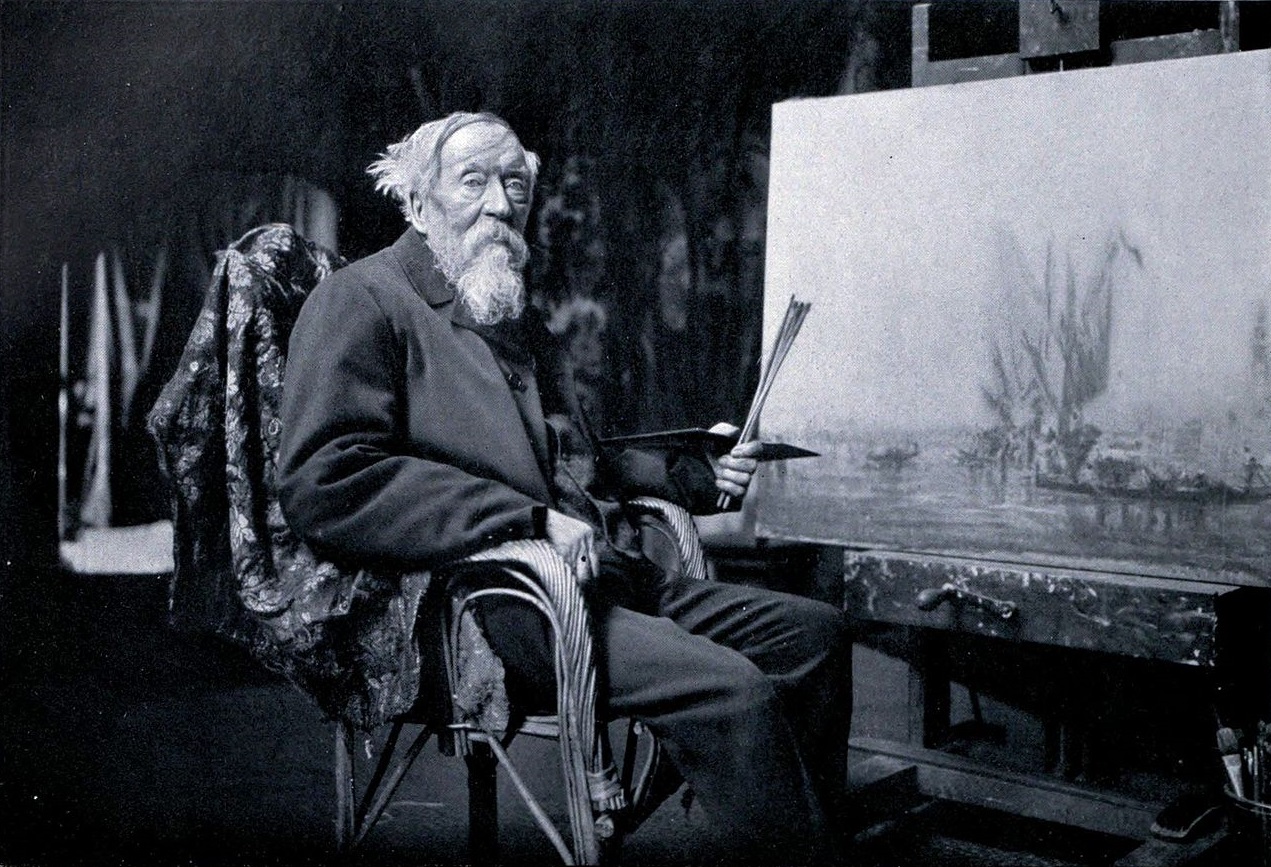


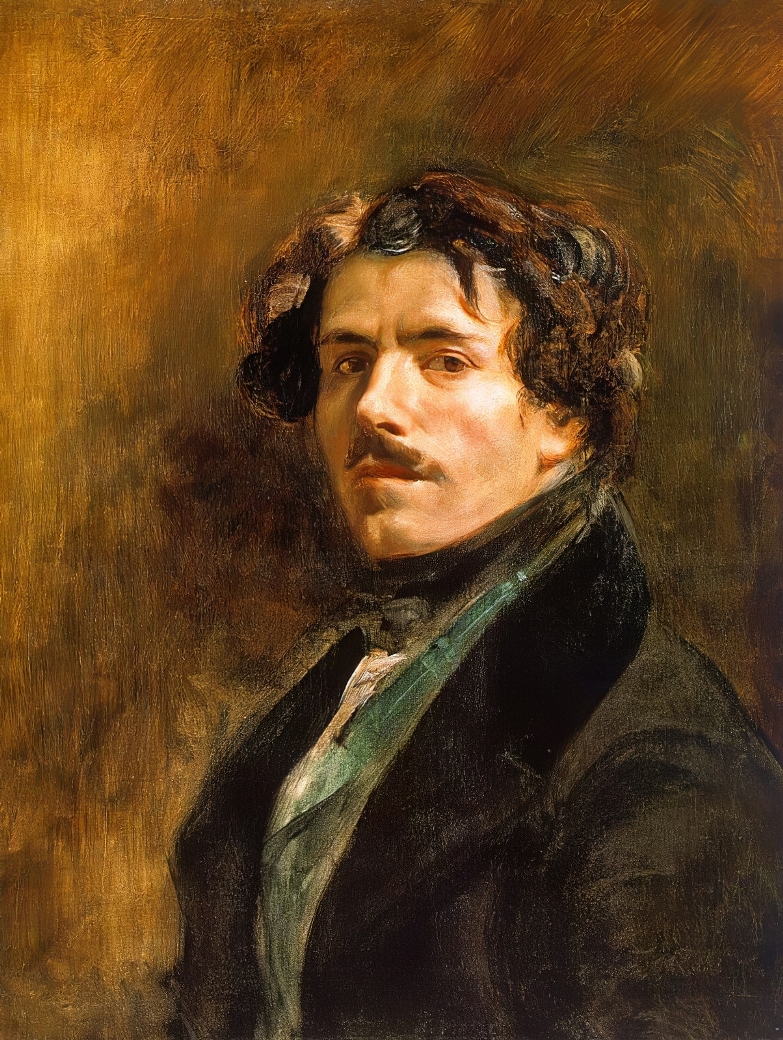
Ferdinand Victor Eugène Delacroix was a French Romantic artist, celebrated for revolutionizing the art world with his expressive brushstrokes and masterful use of color. Delacroix's art is characterized by its emotional intensity, vibrant colors, and dramatic themes, often drawing inspiration from historical, literary, and exotic sources. His innovative techniques and passion for expressive content made him a pivotal figure in the transition from the Neoclassical to the Romantic movement, influencing both the Impressionist and Symbolist movements that followed.
Delacroix's fascination with the exotic and the sublime led him to North Africa in 1832, where he captured the spirit and colors of Moroccan life, influencing his later works with themes of orientalism. This trip inspired masterpieces such as "Women of Algiers in their Apartment" (1847-1849), showcasing his ability to blend vivid color with intricate detail to evoke a sense of place and culture. His masterpiece, "Liberty Leading the People" (1830), is emblematic of his political engagement and artistic audacity, capturing the spirit of the 1830 revolution with a realism and fervor that resonated with the public and critics alike.
Delacroix's legacy extends beyond his paintings. As a muralist and lithographer, he left a significant mark on public and private art collections, with works displayed in prestigious institutions like the Louvre. His impact on the art world is seen in his influence on subsequent generations of artists, from the Impressionists' exploration of color and light to the Symbolists' fascination with dreamlike and exotic themes.
For collectors and experts in art and antiques, Delacroix represents not only a high point in Romantic art but also a bridge to modern artistic expressions. His works, housed in museums around the world, continue to inspire and captivate audiences with their intensity and beauty.
If you're passionate about Delacroix's contribution to art and culture, consider subscribing for updates on new product sales and auction events related to this iconic artist. Stay informed on opportunities to add a piece of art history to your collection.


Ferdinand Victor Eugène Delacroix was a French Romantic artist, celebrated for revolutionizing the art world with his expressive brushstrokes and masterful use of color. Delacroix's art is characterized by its emotional intensity, vibrant colors, and dramatic themes, often drawing inspiration from historical, literary, and exotic sources. His innovative techniques and passion for expressive content made him a pivotal figure in the transition from the Neoclassical to the Romantic movement, influencing both the Impressionist and Symbolist movements that followed.
Delacroix's fascination with the exotic and the sublime led him to North Africa in 1832, where he captured the spirit and colors of Moroccan life, influencing his later works with themes of orientalism. This trip inspired masterpieces such as "Women of Algiers in their Apartment" (1847-1849), showcasing his ability to blend vivid color with intricate detail to evoke a sense of place and culture. His masterpiece, "Liberty Leading the People" (1830), is emblematic of his political engagement and artistic audacity, capturing the spirit of the 1830 revolution with a realism and fervor that resonated with the public and critics alike.
Delacroix's legacy extends beyond his paintings. As a muralist and lithographer, he left a significant mark on public and private art collections, with works displayed in prestigious institutions like the Louvre. His impact on the art world is seen in his influence on subsequent generations of artists, from the Impressionists' exploration of color and light to the Symbolists' fascination with dreamlike and exotic themes.
For collectors and experts in art and antiques, Delacroix represents not only a high point in Romantic art but also a bridge to modern artistic expressions. His works, housed in museums around the world, continue to inspire and captivate audiences with their intensity and beauty.
If you're passionate about Delacroix's contribution to art and culture, consider subscribing for updates on new product sales and auction events related to this iconic artist. Stay informed on opportunities to add a piece of art history to your collection.


Ferdinand Victor Eugène Delacroix was a French Romantic artist, celebrated for revolutionizing the art world with his expressive brushstrokes and masterful use of color. Delacroix's art is characterized by its emotional intensity, vibrant colors, and dramatic themes, often drawing inspiration from historical, literary, and exotic sources. His innovative techniques and passion for expressive content made him a pivotal figure in the transition from the Neoclassical to the Romantic movement, influencing both the Impressionist and Symbolist movements that followed.
Delacroix's fascination with the exotic and the sublime led him to North Africa in 1832, where he captured the spirit and colors of Moroccan life, influencing his later works with themes of orientalism. This trip inspired masterpieces such as "Women of Algiers in their Apartment" (1847-1849), showcasing his ability to blend vivid color with intricate detail to evoke a sense of place and culture. His masterpiece, "Liberty Leading the People" (1830), is emblematic of his political engagement and artistic audacity, capturing the spirit of the 1830 revolution with a realism and fervor that resonated with the public and critics alike.
Delacroix's legacy extends beyond his paintings. As a muralist and lithographer, he left a significant mark on public and private art collections, with works displayed in prestigious institutions like the Louvre. His impact on the art world is seen in his influence on subsequent generations of artists, from the Impressionists' exploration of color and light to the Symbolists' fascination with dreamlike and exotic themes.
For collectors and experts in art and antiques, Delacroix represents not only a high point in Romantic art but also a bridge to modern artistic expressions. His works, housed in museums around the world, continue to inspire and captivate audiences with their intensity and beauty.
If you're passionate about Delacroix's contribution to art and culture, consider subscribing for updates on new product sales and auction events related to this iconic artist. Stay informed on opportunities to add a piece of art history to your collection.


Ferdinand Victor Eugène Delacroix was a French Romantic artist, celebrated for revolutionizing the art world with his expressive brushstrokes and masterful use of color. Delacroix's art is characterized by its emotional intensity, vibrant colors, and dramatic themes, often drawing inspiration from historical, literary, and exotic sources. His innovative techniques and passion for expressive content made him a pivotal figure in the transition from the Neoclassical to the Romantic movement, influencing both the Impressionist and Symbolist movements that followed.
Delacroix's fascination with the exotic and the sublime led him to North Africa in 1832, where he captured the spirit and colors of Moroccan life, influencing his later works with themes of orientalism. This trip inspired masterpieces such as "Women of Algiers in their Apartment" (1847-1849), showcasing his ability to blend vivid color with intricate detail to evoke a sense of place and culture. His masterpiece, "Liberty Leading the People" (1830), is emblematic of his political engagement and artistic audacity, capturing the spirit of the 1830 revolution with a realism and fervor that resonated with the public and critics alike.
Delacroix's legacy extends beyond his paintings. As a muralist and lithographer, he left a significant mark on public and private art collections, with works displayed in prestigious institutions like the Louvre. His impact on the art world is seen in his influence on subsequent generations of artists, from the Impressionists' exploration of color and light to the Symbolists' fascination with dreamlike and exotic themes.
For collectors and experts in art and antiques, Delacroix represents not only a high point in Romantic art but also a bridge to modern artistic expressions. His works, housed in museums around the world, continue to inspire and captivate audiences with their intensity and beauty.
If you're passionate about Delacroix's contribution to art and culture, consider subscribing for updates on new product sales and auction events related to this iconic artist. Stay informed on opportunities to add a piece of art history to your collection.


Ferdinand Victor Eugène Delacroix was a French Romantic artist, celebrated for revolutionizing the art world with his expressive brushstrokes and masterful use of color. Delacroix's art is characterized by its emotional intensity, vibrant colors, and dramatic themes, often drawing inspiration from historical, literary, and exotic sources. His innovative techniques and passion for expressive content made him a pivotal figure in the transition from the Neoclassical to the Romantic movement, influencing both the Impressionist and Symbolist movements that followed.
Delacroix's fascination with the exotic and the sublime led him to North Africa in 1832, where he captured the spirit and colors of Moroccan life, influencing his later works with themes of orientalism. This trip inspired masterpieces such as "Women of Algiers in their Apartment" (1847-1849), showcasing his ability to blend vivid color with intricate detail to evoke a sense of place and culture. His masterpiece, "Liberty Leading the People" (1830), is emblematic of his political engagement and artistic audacity, capturing the spirit of the 1830 revolution with a realism and fervor that resonated with the public and critics alike.
Delacroix's legacy extends beyond his paintings. As a muralist and lithographer, he left a significant mark on public and private art collections, with works displayed in prestigious institutions like the Louvre. His impact on the art world is seen in his influence on subsequent generations of artists, from the Impressionists' exploration of color and light to the Symbolists' fascination with dreamlike and exotic themes.
For collectors and experts in art and antiques, Delacroix represents not only a high point in Romantic art but also a bridge to modern artistic expressions. His works, housed in museums around the world, continue to inspire and captivate audiences with their intensity and beauty.
If you're passionate about Delacroix's contribution to art and culture, consider subscribing for updates on new product sales and auction events related to this iconic artist. Stay informed on opportunities to add a piece of art history to your collection.


Ferdinand Victor Eugène Delacroix was a French Romantic artist, celebrated for revolutionizing the art world with his expressive brushstrokes and masterful use of color. Delacroix's art is characterized by its emotional intensity, vibrant colors, and dramatic themes, often drawing inspiration from historical, literary, and exotic sources. His innovative techniques and passion for expressive content made him a pivotal figure in the transition from the Neoclassical to the Romantic movement, influencing both the Impressionist and Symbolist movements that followed.
Delacroix's fascination with the exotic and the sublime led him to North Africa in 1832, where he captured the spirit and colors of Moroccan life, influencing his later works with themes of orientalism. This trip inspired masterpieces such as "Women of Algiers in their Apartment" (1847-1849), showcasing his ability to blend vivid color with intricate detail to evoke a sense of place and culture. His masterpiece, "Liberty Leading the People" (1830), is emblematic of his political engagement and artistic audacity, capturing the spirit of the 1830 revolution with a realism and fervor that resonated with the public and critics alike.
Delacroix's legacy extends beyond his paintings. As a muralist and lithographer, he left a significant mark on public and private art collections, with works displayed in prestigious institutions like the Louvre. His impact on the art world is seen in his influence on subsequent generations of artists, from the Impressionists' exploration of color and light to the Symbolists' fascination with dreamlike and exotic themes.
For collectors and experts in art and antiques, Delacroix represents not only a high point in Romantic art but also a bridge to modern artistic expressions. His works, housed in museums around the world, continue to inspire and captivate audiences with their intensity and beauty.
If you're passionate about Delacroix's contribution to art and culture, consider subscribing for updates on new product sales and auction events related to this iconic artist. Stay informed on opportunities to add a piece of art history to your collection.


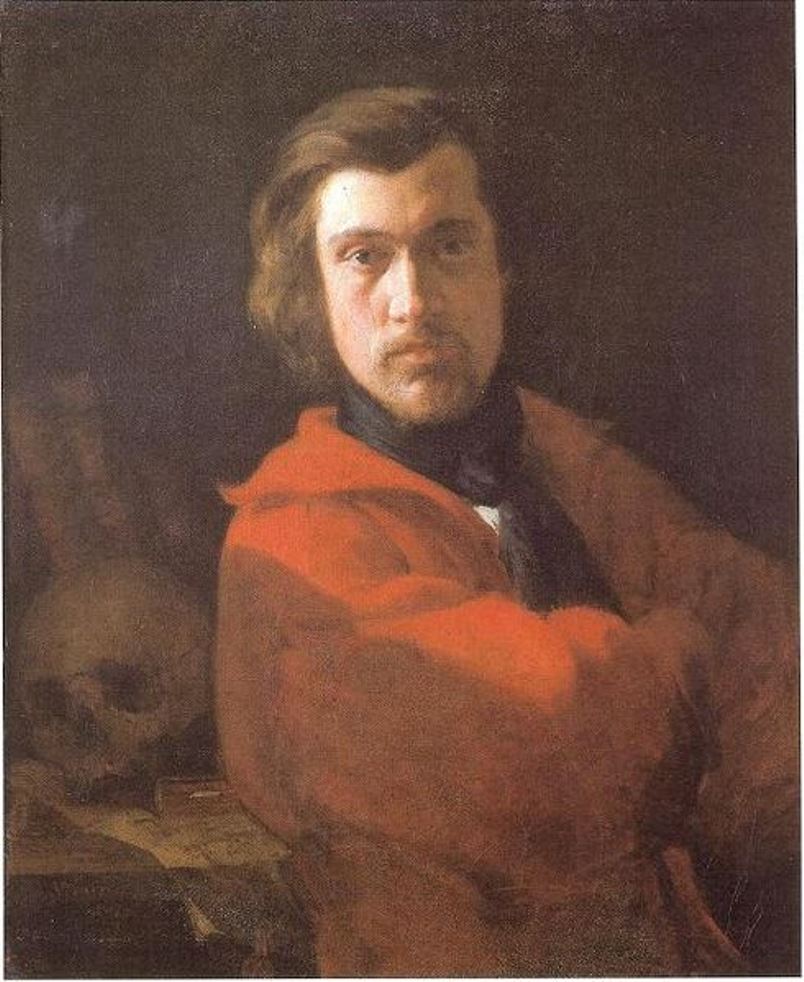


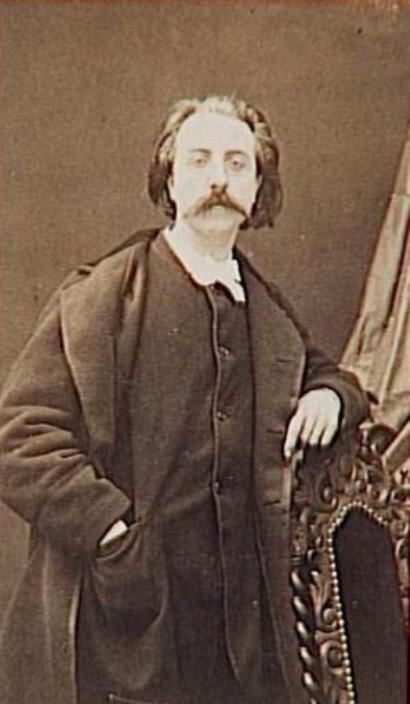


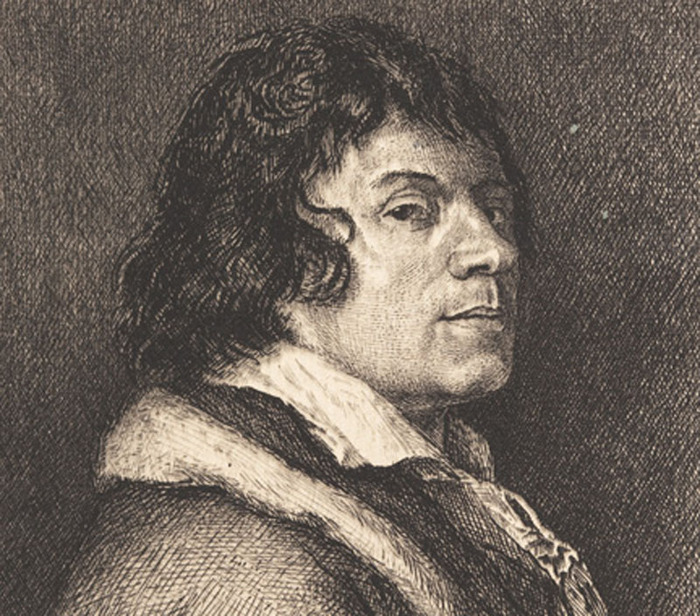
Georges Michel was a French landscape painter and restorer.
Georges Michel painted landscapes in oil and watercolor, creating many paintings of views of Paris neighborhoods. In 1791, the artist made his debut at the Salon, where he continued to exhibit regularly. However, critics ignored Michel, considering his works too similar to those of the Dutch masters. From 1800 he worked at the Louvre as a restorer of Flemish and Dutch paintings, including works by Rembrandt, Jacob van Ruysdal and Meindert Hobbema, who had a decisive influence on his own work.
A forerunner of the Barbizon School, Georges Michel was forgotten for several decades after his death. The first major exhibition of his work was presented in Paris in 1927. Today, his work is in museums around the world, including the Metropolitan Museum of Art, the Hermitage Museum, the Vanderbilt University Gallery, the Strasbourg Museum of Fine Arts, the Victoria and Albert Museum, and many others.


Georges Michel was a French landscape painter and restorer.
Georges Michel painted landscapes in oil and watercolor, creating many paintings of views of Paris neighborhoods. In 1791, the artist made his debut at the Salon, where he continued to exhibit regularly. However, critics ignored Michel, considering his works too similar to those of the Dutch masters. From 1800 he worked at the Louvre as a restorer of Flemish and Dutch paintings, including works by Rembrandt, Jacob van Ruysdal and Meindert Hobbema, who had a decisive influence on his own work.
A forerunner of the Barbizon School, Georges Michel was forgotten for several decades after his death. The first major exhibition of his work was presented in Paris in 1927. Today, his work is in museums around the world, including the Metropolitan Museum of Art, the Hermitage Museum, the Vanderbilt University Gallery, the Strasbourg Museum of Fine Arts, the Victoria and Albert Museum, and many others.


Georges Michel was a French landscape painter and restorer.
Georges Michel painted landscapes in oil and watercolor, creating many paintings of views of Paris neighborhoods. In 1791, the artist made his debut at the Salon, where he continued to exhibit regularly. However, critics ignored Michel, considering his works too similar to those of the Dutch masters. From 1800 he worked at the Louvre as a restorer of Flemish and Dutch paintings, including works by Rembrandt, Jacob van Ruysdal and Meindert Hobbema, who had a decisive influence on his own work.
A forerunner of the Barbizon School, Georges Michel was forgotten for several decades after his death. The first major exhibition of his work was presented in Paris in 1927. Today, his work is in museums around the world, including the Metropolitan Museum of Art, the Hermitage Museum, the Vanderbilt University Gallery, the Strasbourg Museum of Fine Arts, the Victoria and Albert Museum, and many others.


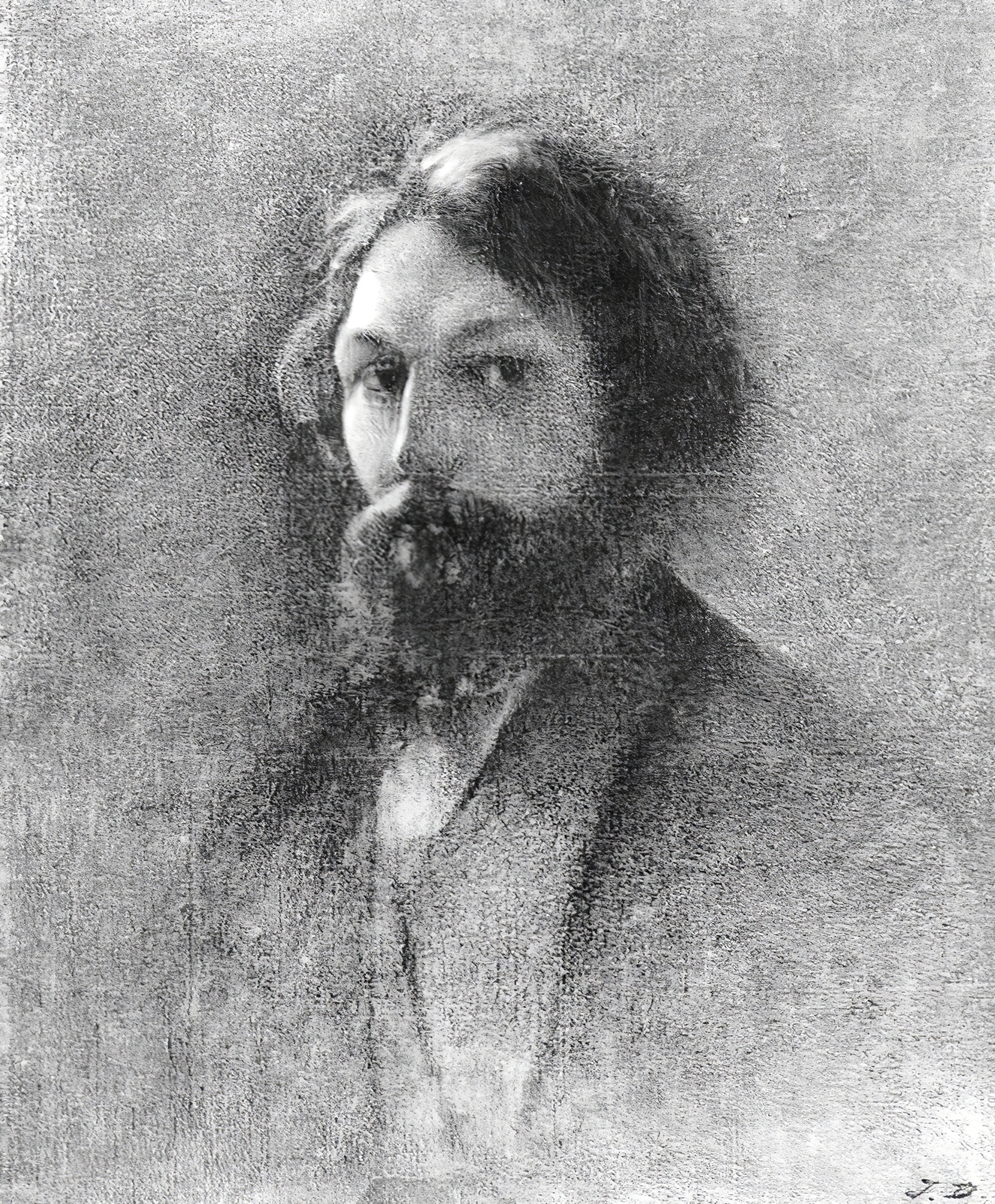
Jules Louis Dupré was a French painter, one of the chief members of the Barbizon school of landscape painters. If Corot stands for the lyric and Rousseau for the epic aspect of the poetry of nature, Dupré is the exponent of its tragic and dramatic aspects.