Auction


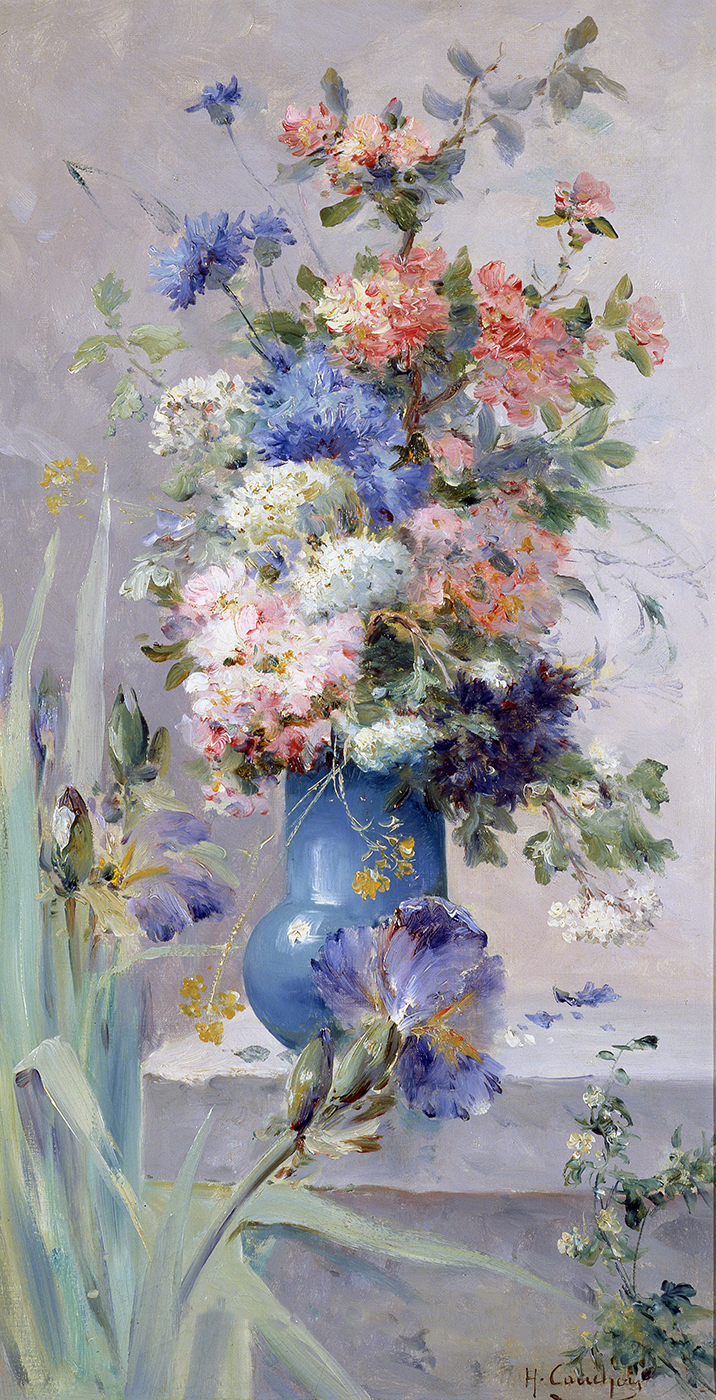
Eugène Henri Cauchois, a prominent French painter. He is celebrated for his enchanting floral still lifes, though he also dabbled in landscapes and seascapes. Eugène Henri Cauchois' journey in art began under the tutelage of master painters Ferdinand Duboc and Alexandre Cabanel. His style was significantly influenced by the Impressionist movement, characterized by soft, colorful, and lustrous compositions.
Eugène Henri Cauchois' technique involved layering paint with loose and fluid brush strokes, a method akin to that of the Impressionists. This approach allowed him to create vibrant canvases that stood out for their naturalism and intense color combinations. His talent was recognized early in his career, leading him to exhibit frequently at the Paris Salon from 1874. He received several accolades, including a Bronze medal in 1898 and 1900, and a Silver medal in 1904.
In the late 19th century, Eugène Henri Cauchois also ventured into large-scale decorative panel painting. His decorative works, just like his still lifes, were noted for their exquisite naturalism and bold color schemes. These works included commissions like the four panels representing the flowers of the four seasons for the École de filles de la 7ème arrondissement in Paris.
Eugène Henri Cauchois' work continues to be admired for its contribution to the tradition of still life and flower painting. His paintings are held in various public collections, such as in the museums of Chatellerault, Rouen, and Louviers. His legacy lives on, not just in the beauty of his art but also in the continued popularity and appreciation of still life as a significant art form.
For collectors and experts in art and antiques, the works of Eugène Henri Cauchois offer a glimpse into the world of French Impressionism and still life painting. His captivating floral compositions and skillful use of color and light make his pieces a prized addition to any collection.
If you are interested in staying informed about sales and auction events related to Eugène Henri Cauchois' art, consider signing up for updates. This subscription ensures that you are always in the know about opportunities to acquire pieces from this master of Impressionist still life.


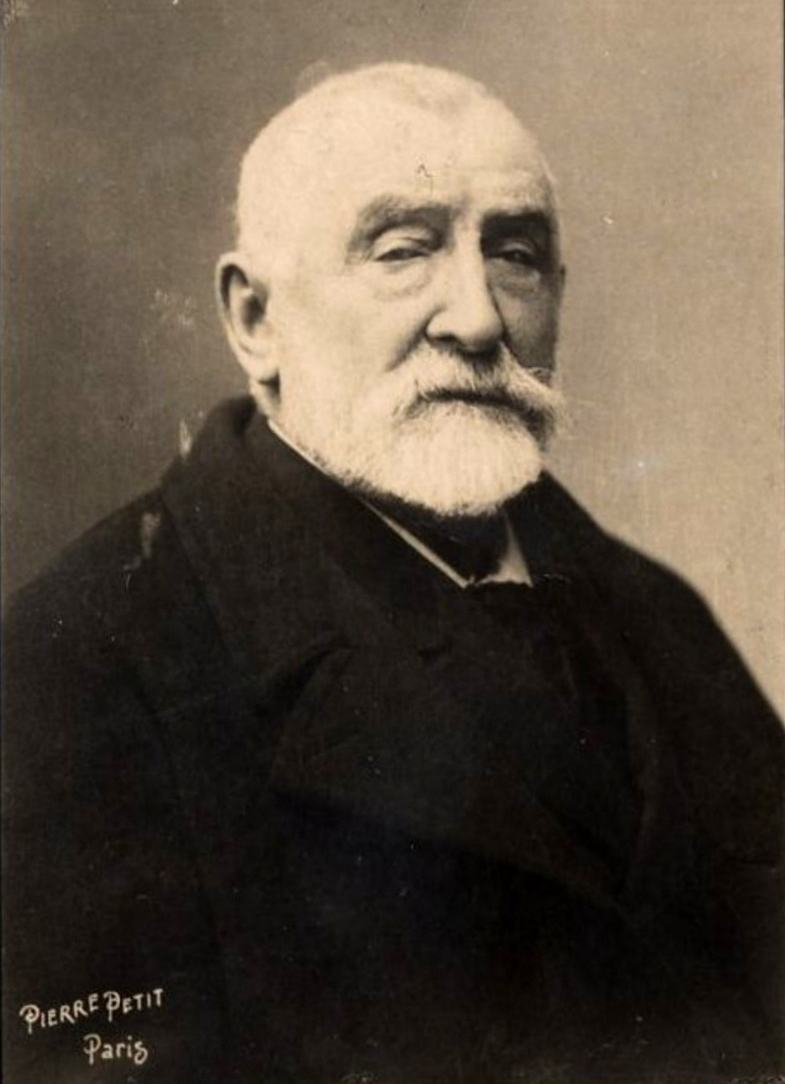
Henri Joseph Harpignies was a French landscape painter of the Barbizon school.


Henri Joseph Harpignies was a French landscape painter of the Barbizon school.


Georges-Frédéric Rötig was a French animal painter and illustrator best known for his depictions of wildlife.


Georges-Frédéric Rötig was a French animal painter and illustrator best known for his depictions of wildlife.


Georges-Frédéric Rötig was a French animal painter and illustrator best known for his depictions of wildlife.


Georges-Frédéric Rötig was a French animal painter and illustrator best known for his depictions of wildlife.


Henri Joseph Harpignies was a French landscape painter of the Barbizon school.


Henri Joseph Harpignies was a French landscape painter of the Barbizon school.


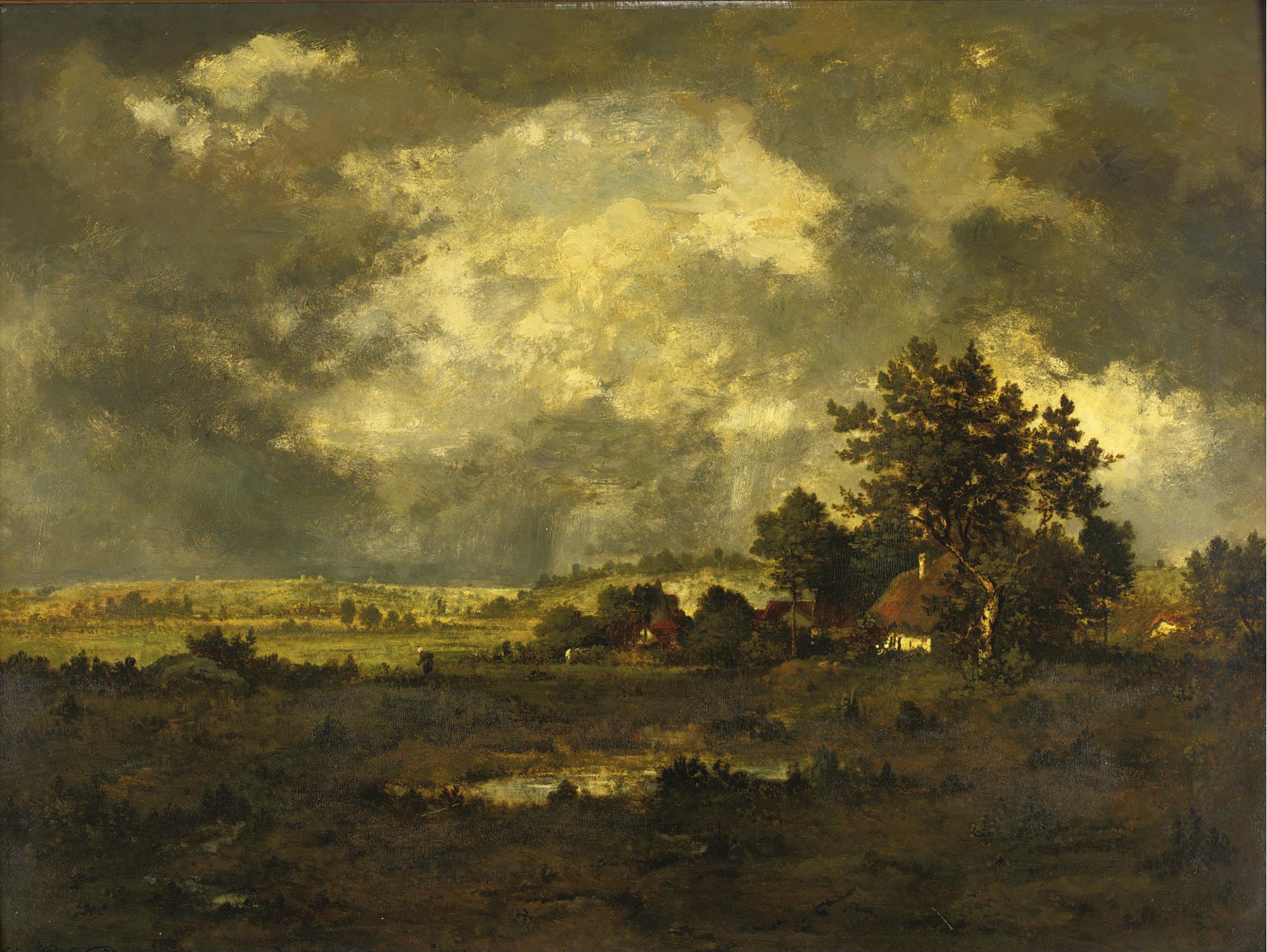
Léon Richet was a French landscape painter. He was born in Solesmes, Nord. He studied art in Valenciennes and became a high school teacher there in 1879. He became associated with the Barbizon school and did several paintings with Narcisse Virgilio Díaz.


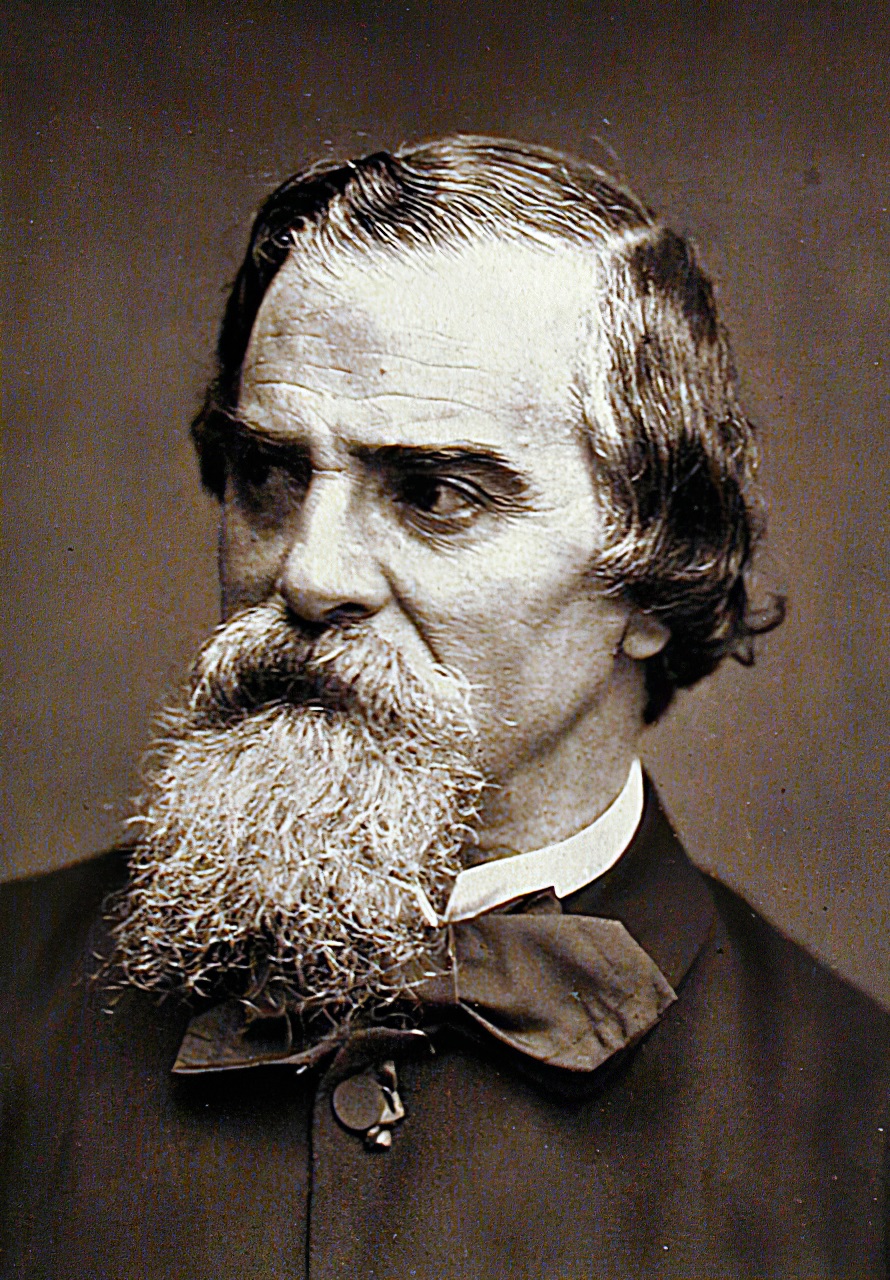
Narcisse Virgilio Díaz de la Peña was a French painter of the Barbizon school.
Díaz exhibited many pictures at the Paris Salon, and was decorated in 1851 with the rank of Chevalier (Knight) of the Légion d’honneur.


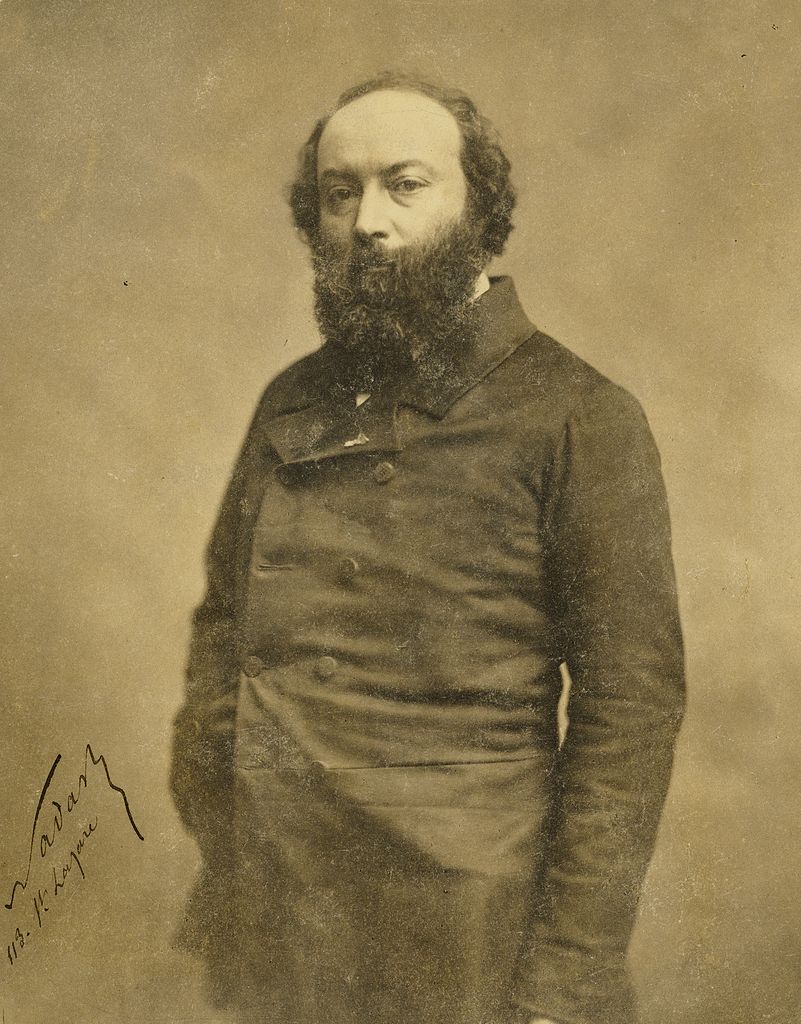
Théodore Rousseau was a prominent French painter, celebrated for his pioneering contributions to the Barbizon school of landscape art. His dedication to capturing nature's essence made him a pivotal figure in landscape painting's evolution. Rousseau's technique involved painting directly from nature, a method that infused his works with a profound sense of realism and vitality. This approach was notably evident in his masterpiece "An Avenue of Trees, Forest of l'Isle-Adam," where he meticulously captured a scene entirely outdoors, a testament to his commitment to authenticity and detail.
Théodore Rousseau's artistry wasn't confined to painting alone; his drawings, like the detailed "Study of an Oak Tree," demonstrate his versatility and deep connection with nature. His works received significant recognition, culminating in a triumphant display at the Universal Exposition of 1855. However, his life was not devoid of challenges. Personal tragedies and professional setbacks marked his later years, yet his resolve and dedication to art remained unshaken.
For art enthusiasts and collectors, Théodore Rousseau's works are pivotal, not just for their beauty but also for their role in the history of landscape painting. His pieces like "The Great Oaks of Old Bas-Bréau" are cherished in collections worldwide, serving as enduring symbols of his talent and his profound influence on subsequent art movements.
For those interested in the intersection of nature and art, subscribing to updates on Théodore Rousseau can provide invaluable insights into his life's work, his contributions to the Barbizon school, and his lasting impact on the world of art. Stay informed about new discoveries, sales, and auction events related to Rousseau's oeuvre to deepen your appreciation and understanding of this illustrious artist's legacy.