

Auction


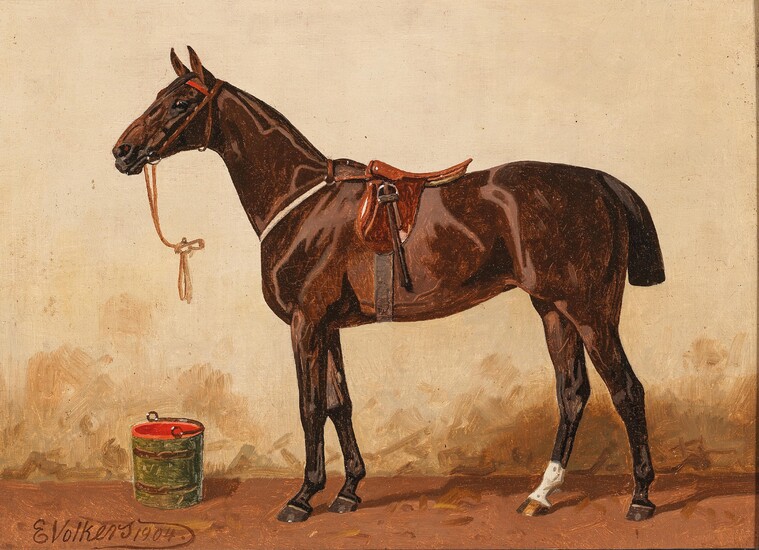
Emil Ferdinand Heinrich Volkers was a German equestrian and genre artist. A representative of the Munich and Düsseldorf schools.


Emil Ferdinand Heinrich Volkers was a German equestrian and genre artist. A representative of the Munich and Düsseldorf schools.


Emil Ferdinand Heinrich Volkers was a German equestrian and genre artist. A representative of the Munich and Düsseldorf schools.


Emil Ferdinand Heinrich Volkers was a German equestrian and genre artist. A representative of the Munich and Düsseldorf schools.


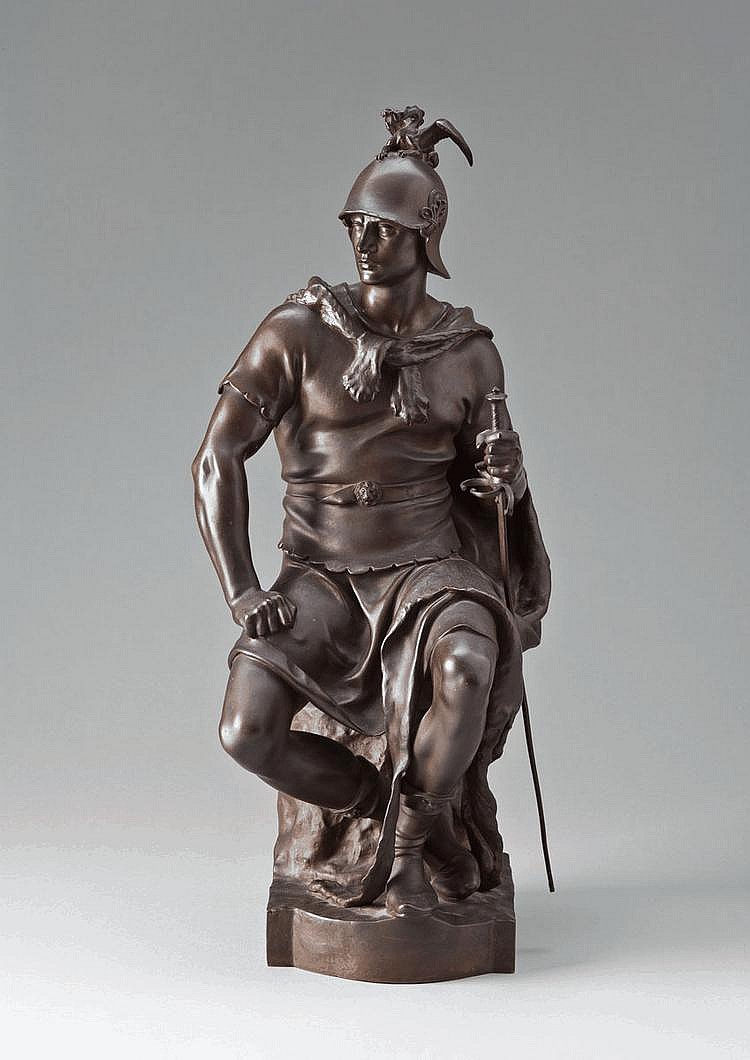
Paul Dubois, also known as Paul Dubois-Pigalle, was a 19th- and early 20th-century French sculptor and teacher. He is known as a master of neoclassicism. Paul Dubois also painted portraits, but he was less successful in this field. His sculptures are now in museums in France and also decorate the squares of Paris and Reims.
Paul Dubois was on his mother's side the grandson of the famous French sculptor Jean-Baptiste Pigalle and, as a sign of homage to his ancestor, he signed his creations "Dubois-Pigalle" early in his career.
Dubois held an honorary position as curator of the Musée du Luxembourg and for 27 years was head of the Ecole Nationale des Beaux-Arts in Paris. For his services to France, the sculptor was repeatedly awarded the highest state honors, in particular, he won all five degrees of the Legion of Honor.


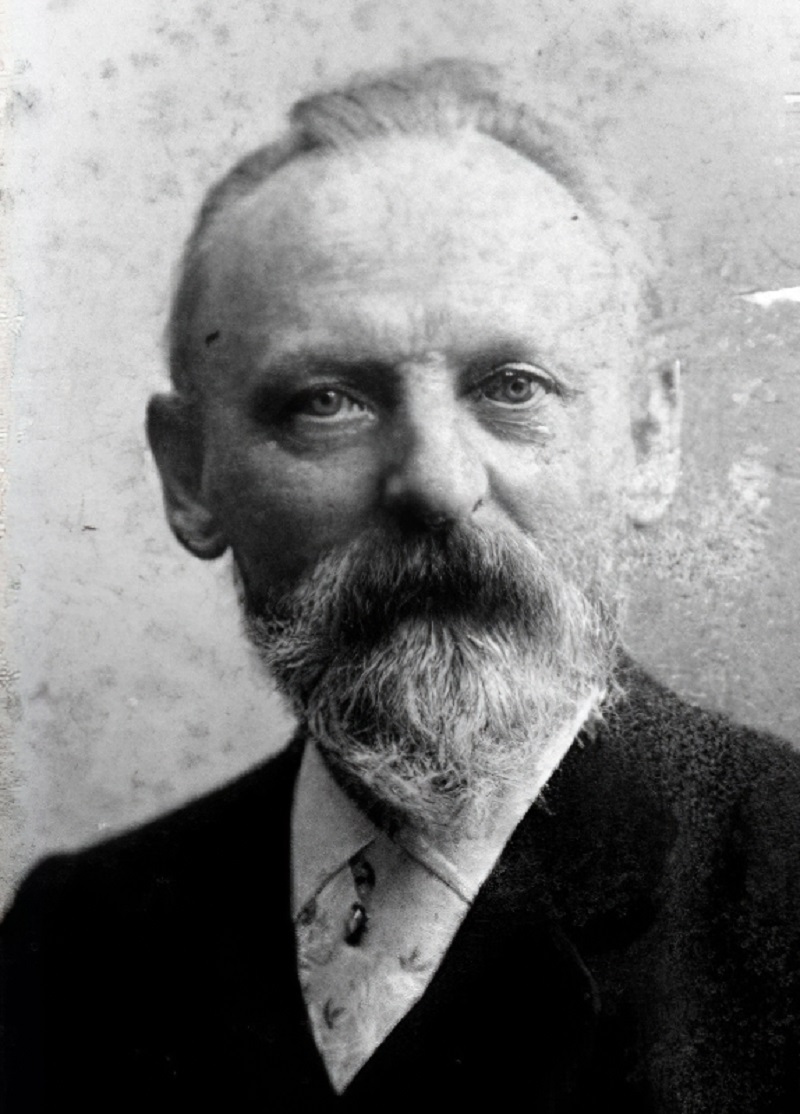
Carl Ludwig Christoph Douzette, known as Louis Douzette, was a German landscape painter.


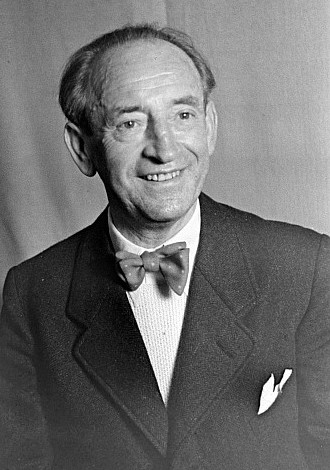
Max Pechstein, a German Expressionist painter and printmaker, was a significant figure in the art world known for his vibrant use of color and dynamic compositions. Born in Zwickau in 1881, Pechstein's journey into the realms of expressionism began with his training as a decorator's apprentice before moving to Dresden to further his studies at the Kunstgewerbeschule. His career took a pivotal turn in 1906 when he met Erich Heckel and joined the Die Brücke group, alongside other notable artists such as Ernst Ludwig Kirchner and Karl Schmidt-Rottluff, which marked the beginning of his foray into revolutionary art and expressionism.
Pechstein's art was not just confined to painting; he was also a master printmaker, with a prolific output that included 421 lithographs, 315 woodcuts and linocuts, and 165 intaglio prints, predominantly etchings. His works often depicted scenes from nature, social gatherings, and elements of primitive art, reflecting his interest in the raw and unrefined aspects of culture and humanity. This diverse body of work was recognized for its bold innovation and unique perspective, which significantly contributed to the expressionist movement.
The Nazis' rise to power in 1933 had a profound impact on Pechstein's career. His works were deemed degenerate, and he faced severe repression, including the removal of 326 of his paintings from German museums and his dismissal from his teaching position at the Preussische Akademie der Künste. Despite these challenges, Pechstein's legacy endured, and after World War II, he was reinstated to his teaching post and received numerous accolades for his contributions to art.
Pechstein's works are held in high esteem in museums and galleries worldwide. Notably, his etchings, which depicted the grim realities of war, are housed in the Imperial War Museum in London, showcasing his ability to convey profound emotional and psychological experiences through art. Additionally, his painting "Summer in Nidden," which captures the idyllic beauty of the Baltic coast, is part of the collection at the Museo Nacional Thyssen-Bornemisza in Madrid, illustrating his love for natural landscapes and vibrant, expressive use of color.
For collectors and experts in art and antiques, Hermann Max Pechstein's works offer a fascinating glimpse into the early 20th-century expressionist movement, characterized by a bold exploration of color, form, and social commentary. His contributions to modern art are invaluable, providing insight into the cultural and historical context of his time.
To stay informed about new product sales and auction events related to Hermann Max Pechstein, we invite you to sign up for updates. This subscription will ensure that you are the first to know about opportunities to acquire works by this influential artist, allowing you to add to your collection of significant expressionist art.


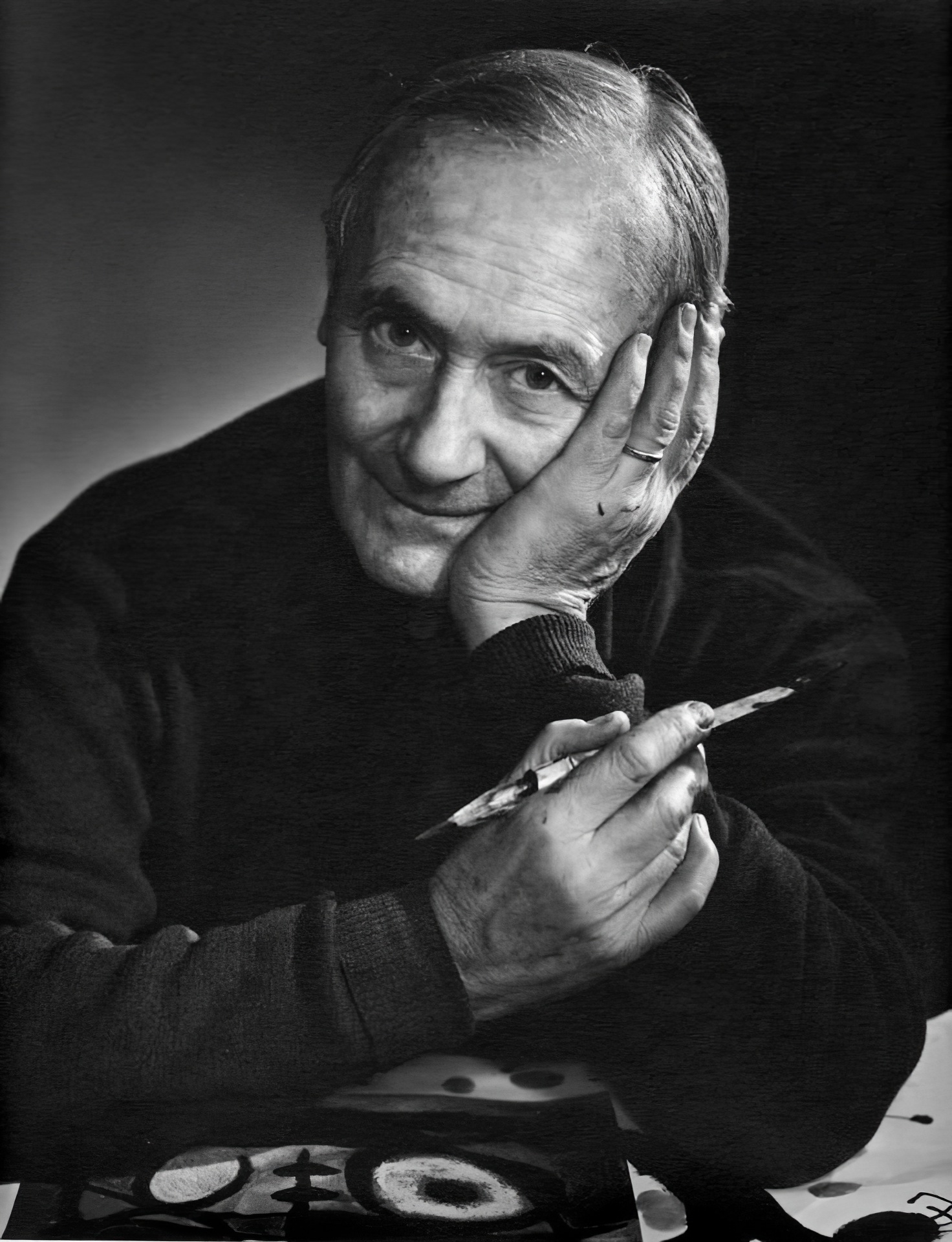
Joan Miró, a celebrated Spanish artist, was a master in painting, sculpture, and ceramics, renowned for his unique style that blurred the lines between Surrealism, Fauvism, and Expressionism. Born in Barcelona to a family of a goldsmith and a watchmaker, Miró grew up immersed in the rich cultural heritage of the Barri Gòtic neighborhood. His artistic journey began with drawing classes at the age of seven and continued at the prestigious La Llotja art academy. Despite an initial venture into the business world, Miró's passion for art prevailed, leading him to abandon his clerical career after a nervous breakdown.
Miró's work is noted for its exploration of the subconscious, often depicting a childlike perspective. This approach was both a critique of traditional painting methods and a means of expressing Catalan pride. His art, challenging to categorize, often featured symbolic elements and nationalistic qualities. One of his notable early works, "The Farm," reflects a transition to a more individual style, blending elements of his Catalan roots with broader artistic influences. This piece, later purchased by Ernest Hemingway, encapsulated the essence of Spain in its imagery.
In Paris, Miró joined the Surrealist movement in 1924, where his work began to reflect the influence of automatism, emphasizing spontaneous, automatic, or subconscious creation. He experimented with various mediums, including painting-poetry and collage, and even ventured into set and costume design for Sergei Diaghilev's Ballets Russes.
During World War II, Miró remained in Spain, and his work from this period, including the 22 Constellations series, reflected an interest in the night, music, and stars. His forms became increasingly abstracted, and he experimented with various techniques, often incorporating primary colors and evocative titles.
Miró's career spanned several decades, during which he continually evolved his style and explored new mediums. His contributions to art were recognized with numerous awards and retrospectives, including a major career retrospective at MoMA in 1941 and the Spanish Gold Medal for Fine Arts in 1980. Among his last major works was a tapestry for the World Trade Center in New York City, created in 1974.
For art collectors and enthusiasts, Joan Miró remains a figure of immense interest, not only for his distinct style and contributions to Surrealism but also for his ability to blend poetic imagery with political commentary. To stay updated on new product sales and auction events related to Joan Miró, sign up for our updates and immerse yourself in the world of this extraordinary artist.


Joan Miró, a celebrated Spanish artist, was a master in painting, sculpture, and ceramics, renowned for his unique style that blurred the lines between Surrealism, Fauvism, and Expressionism. Born in Barcelona to a family of a goldsmith and a watchmaker, Miró grew up immersed in the rich cultural heritage of the Barri Gòtic neighborhood. His artistic journey began with drawing classes at the age of seven and continued at the prestigious La Llotja art academy. Despite an initial venture into the business world, Miró's passion for art prevailed, leading him to abandon his clerical career after a nervous breakdown.
Miró's work is noted for its exploration of the subconscious, often depicting a childlike perspective. This approach was both a critique of traditional painting methods and a means of expressing Catalan pride. His art, challenging to categorize, often featured symbolic elements and nationalistic qualities. One of his notable early works, "The Farm," reflects a transition to a more individual style, blending elements of his Catalan roots with broader artistic influences. This piece, later purchased by Ernest Hemingway, encapsulated the essence of Spain in its imagery.
In Paris, Miró joined the Surrealist movement in 1924, where his work began to reflect the influence of automatism, emphasizing spontaneous, automatic, or subconscious creation. He experimented with various mediums, including painting-poetry and collage, and even ventured into set and costume design for Sergei Diaghilev's Ballets Russes.
During World War II, Miró remained in Spain, and his work from this period, including the 22 Constellations series, reflected an interest in the night, music, and stars. His forms became increasingly abstracted, and he experimented with various techniques, often incorporating primary colors and evocative titles.
Miró's career spanned several decades, during which he continually evolved his style and explored new mediums. His contributions to art were recognized with numerous awards and retrospectives, including a major career retrospective at MoMA in 1941 and the Spanish Gold Medal for Fine Arts in 1980. Among his last major works was a tapestry for the World Trade Center in New York City, created in 1974.
For art collectors and enthusiasts, Joan Miró remains a figure of immense interest, not only for his distinct style and contributions to Surrealism but also for his ability to blend poetic imagery with political commentary. To stay updated on new product sales and auction events related to Joan Miró, sign up for our updates and immerse yourself in the world of this extraordinary artist.


Joan Miró, a celebrated Spanish artist, was a master in painting, sculpture, and ceramics, renowned for his unique style that blurred the lines between Surrealism, Fauvism, and Expressionism. Born in Barcelona to a family of a goldsmith and a watchmaker, Miró grew up immersed in the rich cultural heritage of the Barri Gòtic neighborhood. His artistic journey began with drawing classes at the age of seven and continued at the prestigious La Llotja art academy. Despite an initial venture into the business world, Miró's passion for art prevailed, leading him to abandon his clerical career after a nervous breakdown.
Miró's work is noted for its exploration of the subconscious, often depicting a childlike perspective. This approach was both a critique of traditional painting methods and a means of expressing Catalan pride. His art, challenging to categorize, often featured symbolic elements and nationalistic qualities. One of his notable early works, "The Farm," reflects a transition to a more individual style, blending elements of his Catalan roots with broader artistic influences. This piece, later purchased by Ernest Hemingway, encapsulated the essence of Spain in its imagery.
In Paris, Miró joined the Surrealist movement in 1924, where his work began to reflect the influence of automatism, emphasizing spontaneous, automatic, or subconscious creation. He experimented with various mediums, including painting-poetry and collage, and even ventured into set and costume design for Sergei Diaghilev's Ballets Russes.
During World War II, Miró remained in Spain, and his work from this period, including the 22 Constellations series, reflected an interest in the night, music, and stars. His forms became increasingly abstracted, and he experimented with various techniques, often incorporating primary colors and evocative titles.
Miró's career spanned several decades, during which he continually evolved his style and explored new mediums. His contributions to art were recognized with numerous awards and retrospectives, including a major career retrospective at MoMA in 1941 and the Spanish Gold Medal for Fine Arts in 1980. Among his last major works was a tapestry for the World Trade Center in New York City, created in 1974.
For art collectors and enthusiasts, Joan Miró remains a figure of immense interest, not only for his distinct style and contributions to Surrealism but also for his ability to blend poetic imagery with political commentary. To stay updated on new product sales and auction events related to Joan Miró, sign up for our updates and immerse yourself in the world of this extraordinary artist.


