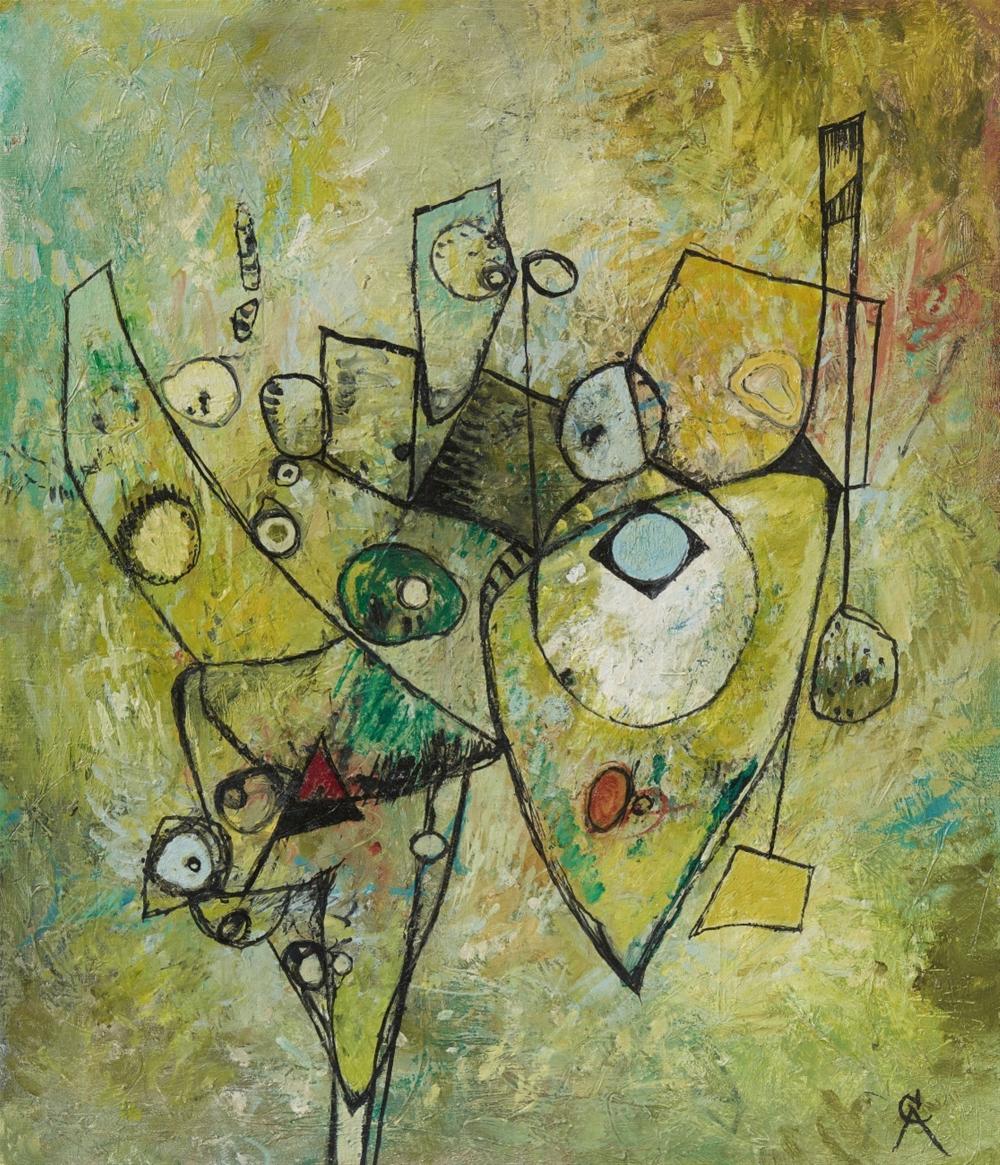
Art Informel. From a German Private Collection


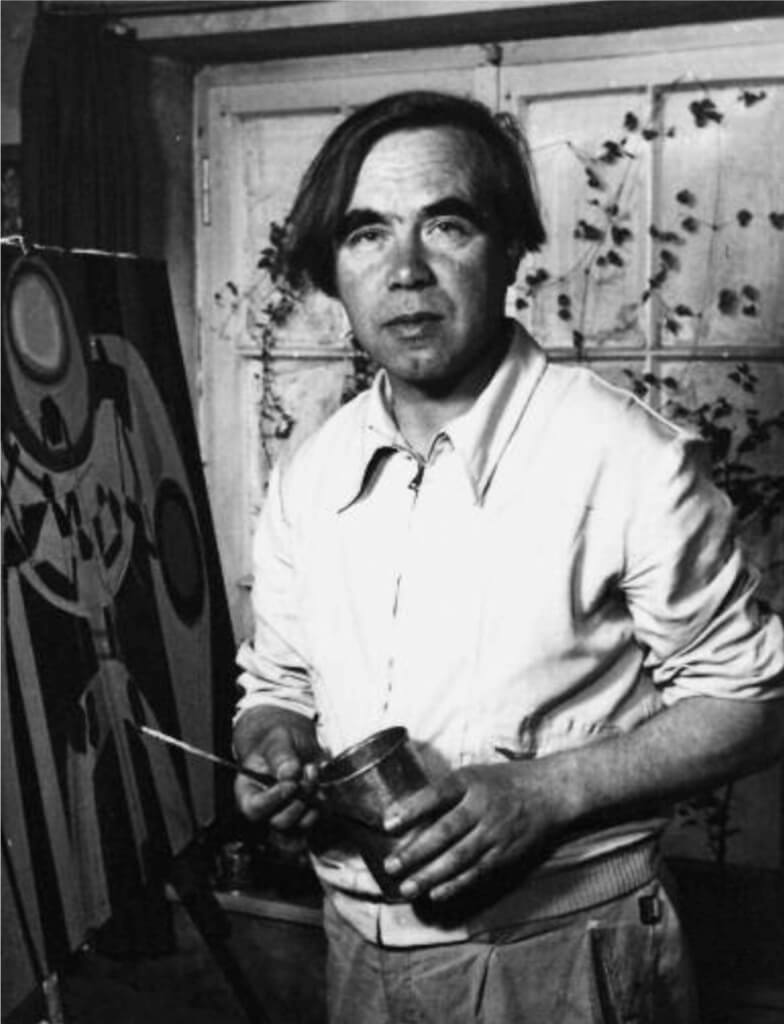


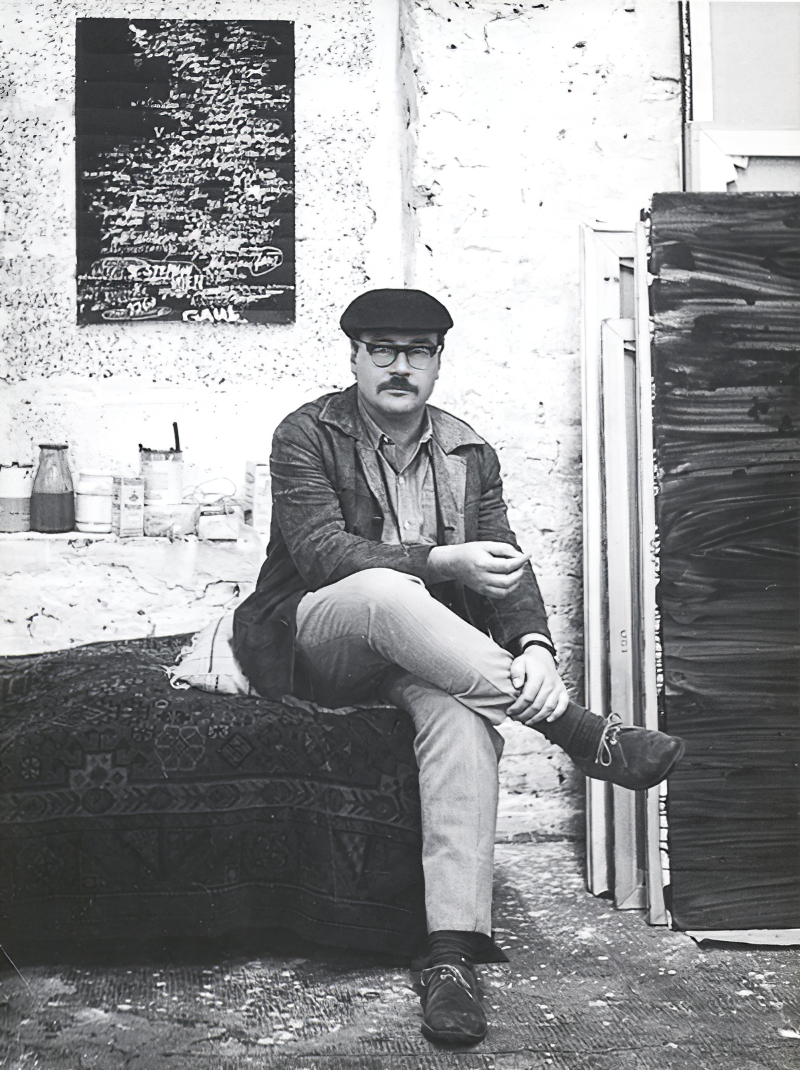


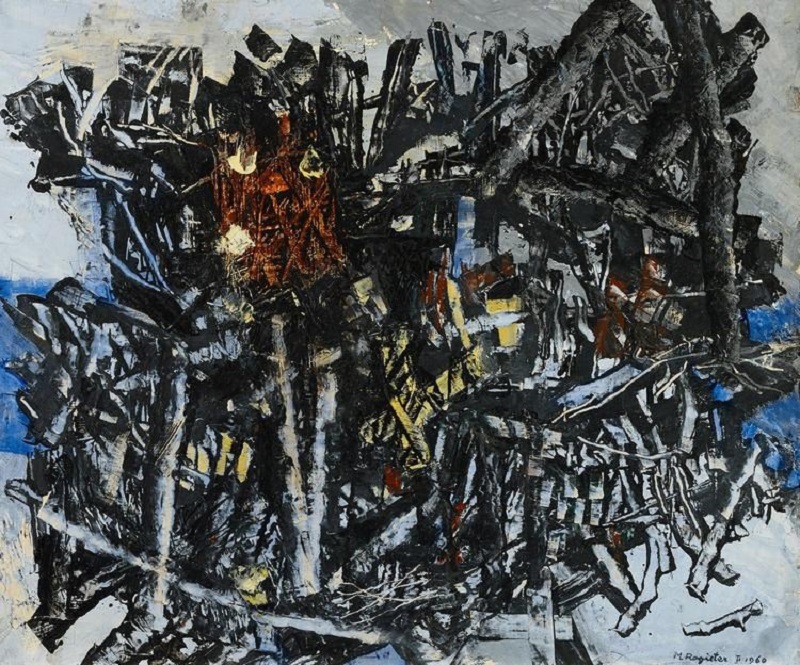
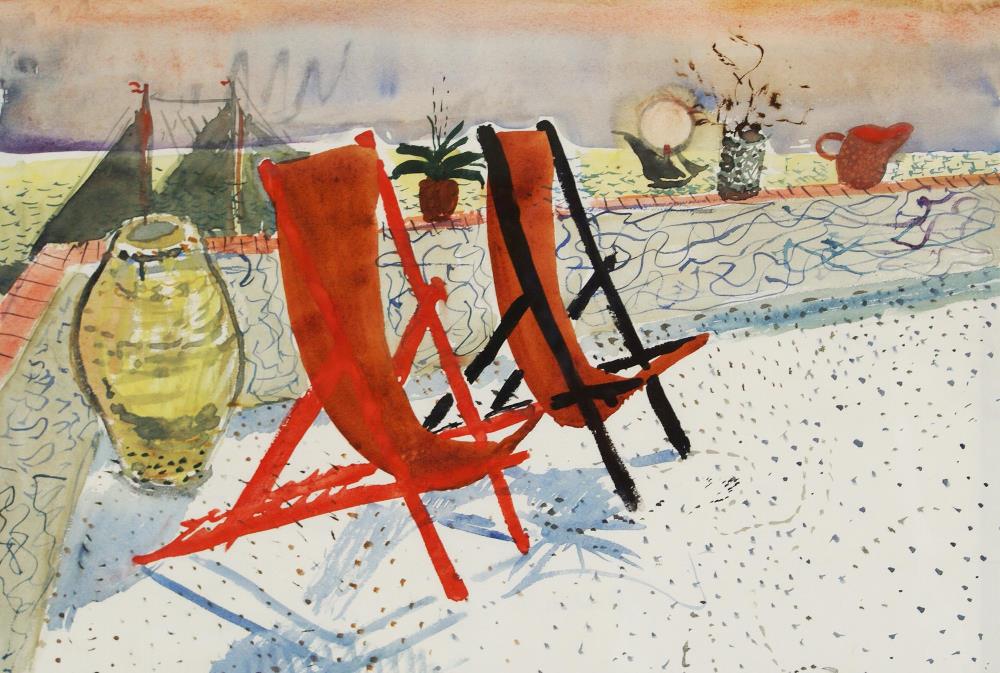
Marie-Louise von Rogister was a German artist and important painter of the Informel.
From 1920 to 1924 Marie-Louise von Rogister studied painting at the Kunstgewerbeschule Kassel. A trip to Paris in 1925 was followed by a study visit to the Academie de la Grande Chaumiere in 1929/1930.
Marie-Louise von Rogister's work developed from the representational to the abstract. Her oeuvre includes paintings in oil and acrylic as well as in wax crayon and pencil. Marie-Louise von Rogister's breakthrough came in the late 1950s with her "Braided Pictures". Areas of colour are overlaid with thread-like, black structures. The so-called "Horizon Paintings" in the 1980s marked a new artistic breakthrough: clear lines and strong colours dominated the paintings. It was also through them that Informal Art came to Germany.


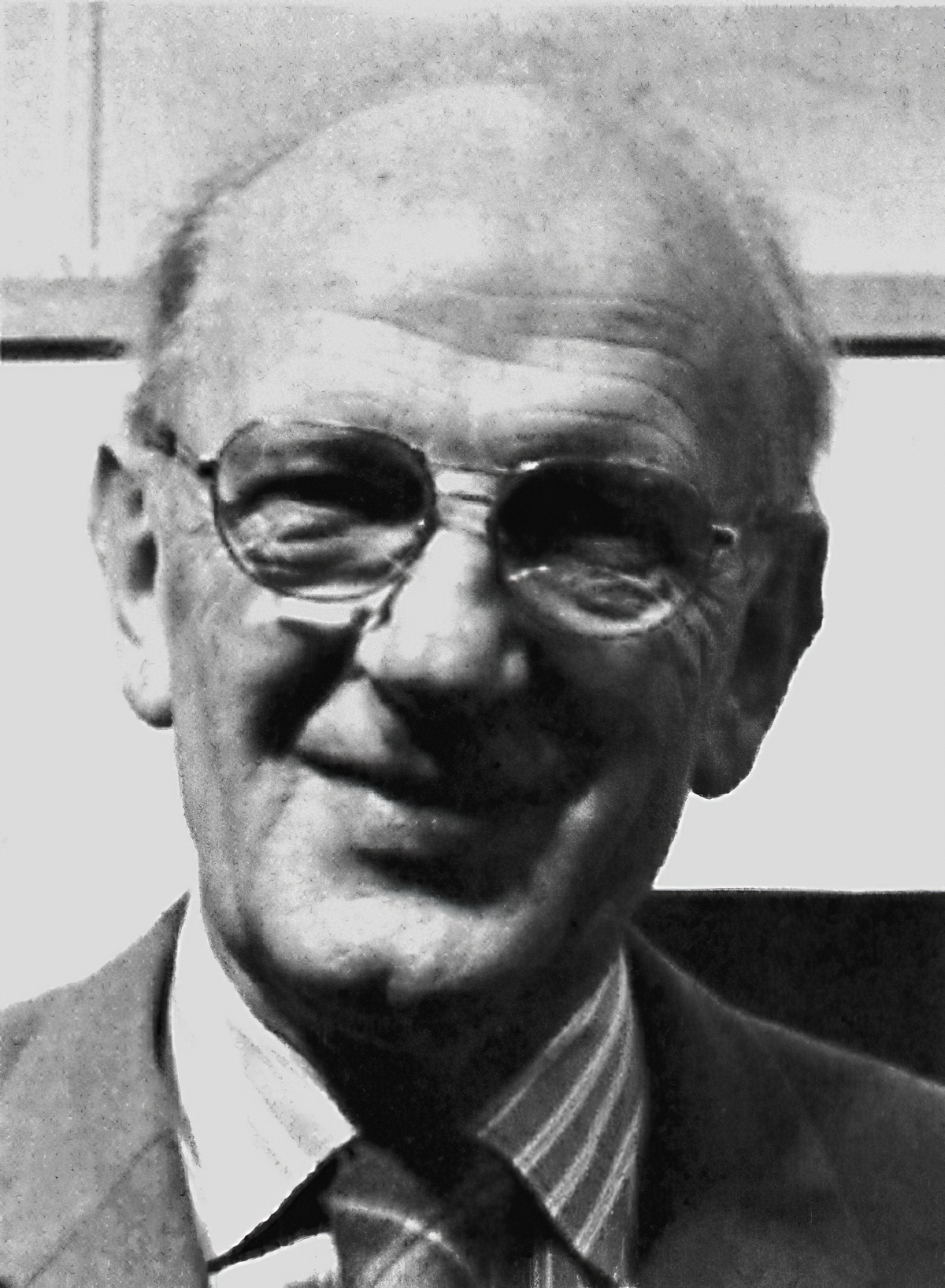


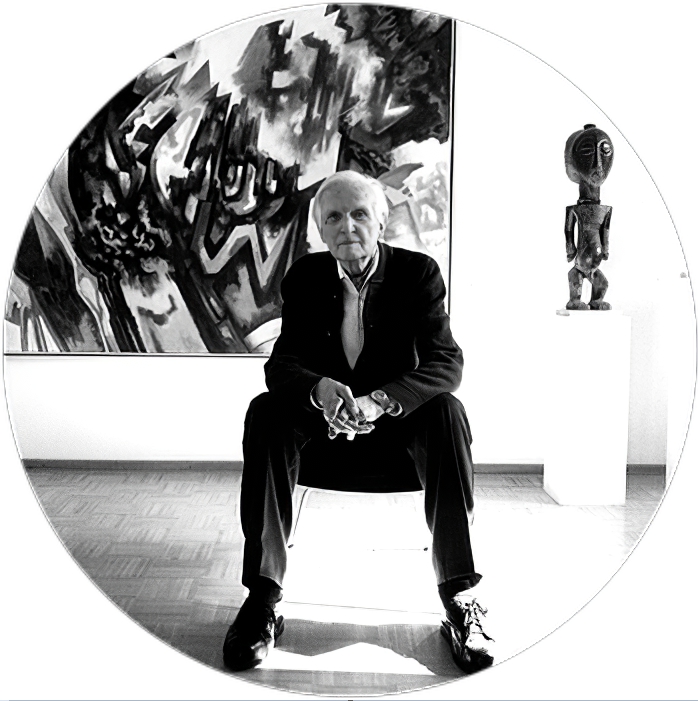
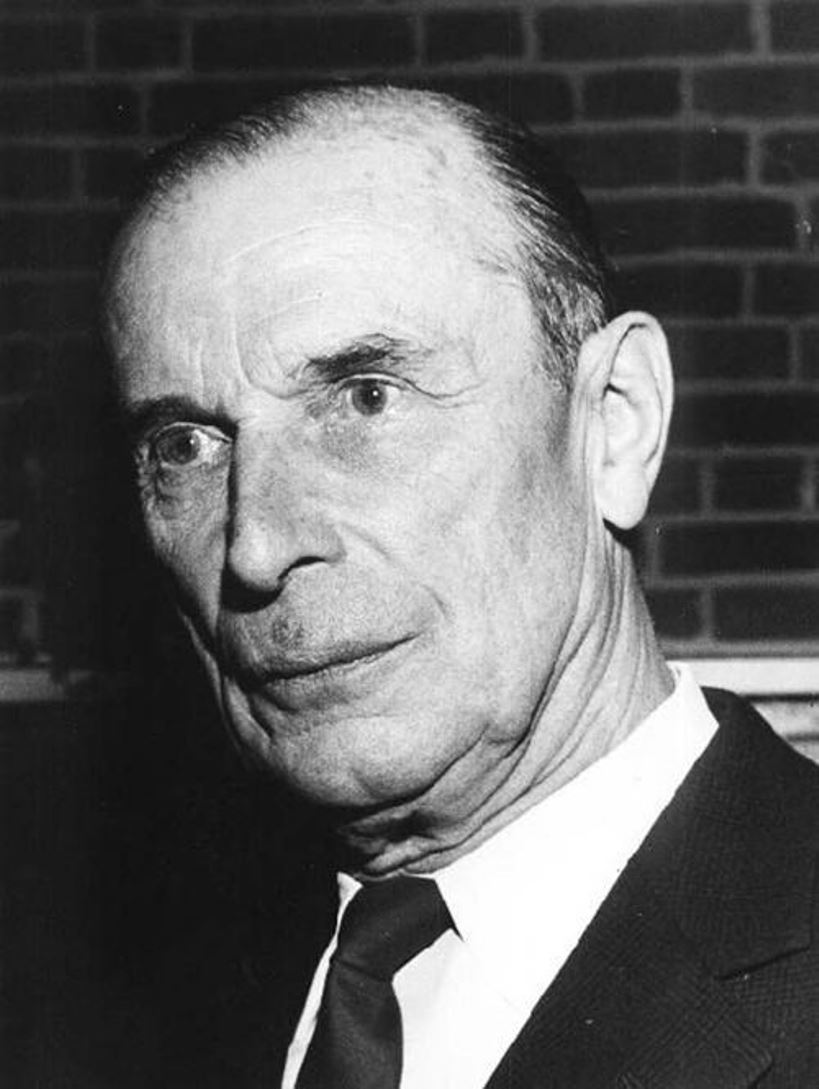
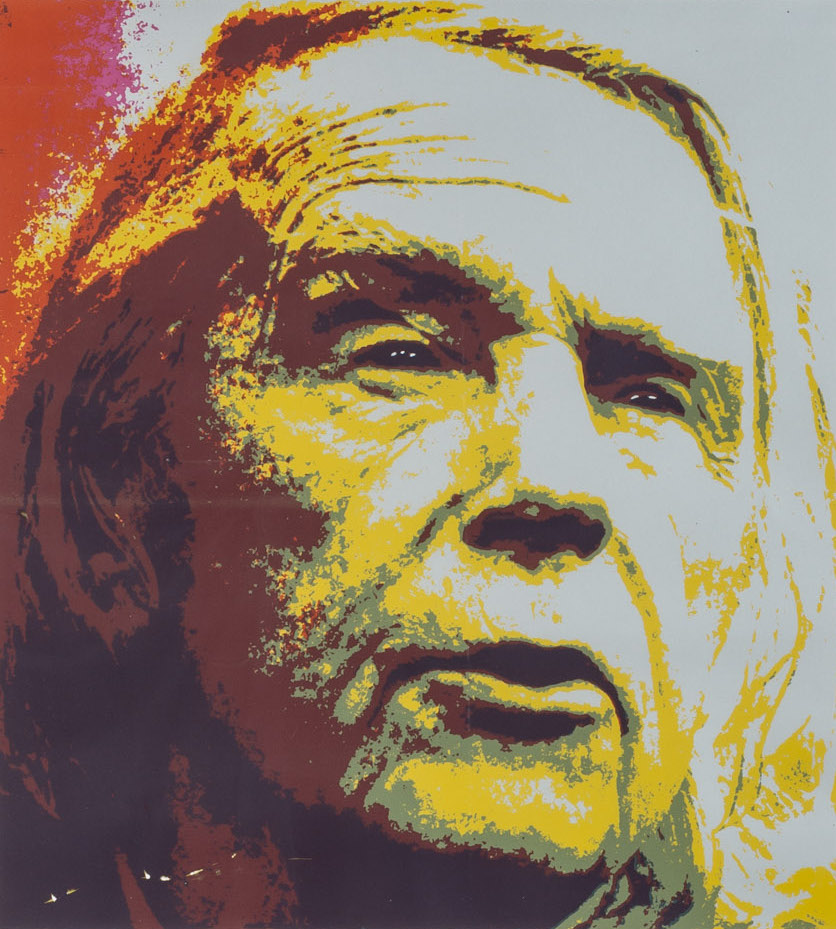
Gerhard Fietz was a German painter, professor and representative of non-objective painting. He is considered an important painter of the second half of the 20th century in Germany.
As a co-founder of the artist group ZEN 49, he opposed traditional representational art and, together with painters such as Willi Baumeister, Fritz Winter and Rupprecht Geiger, developed a style of painting that focused on experimenting with artistic means. Fietz exhibited at numerous national and international exhibitions, including the highly regarded exhibition at the Cercle Volnay in Paris in 1955.






.jpg)


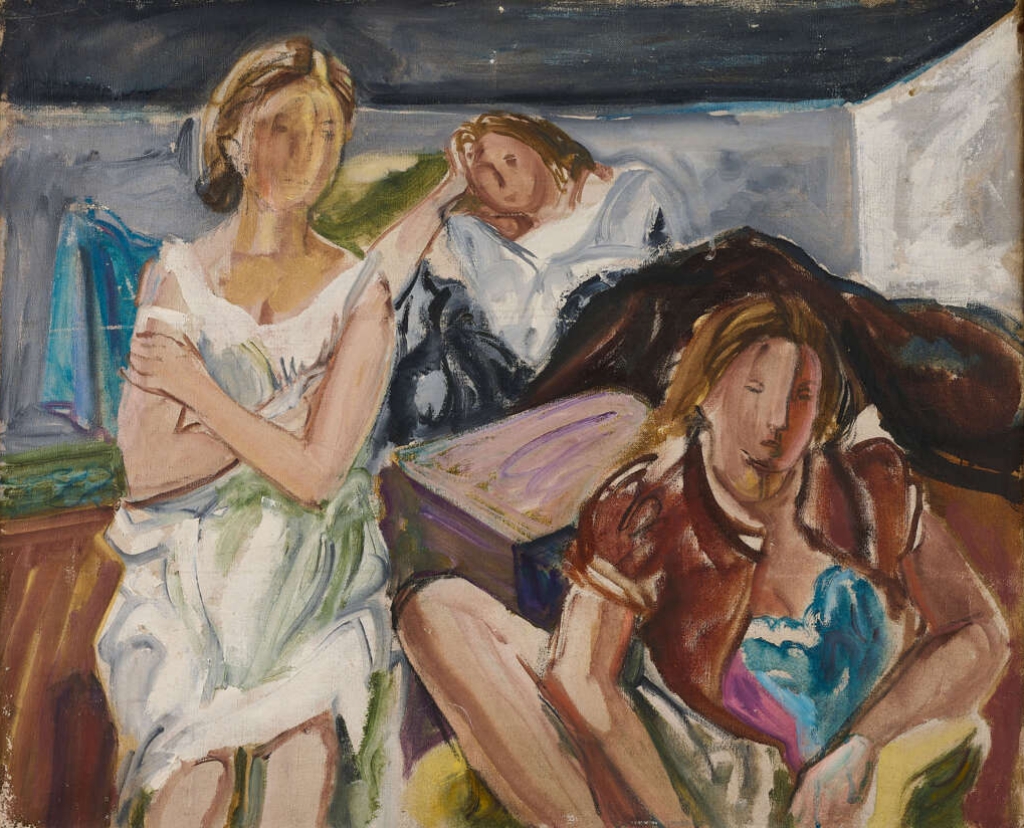
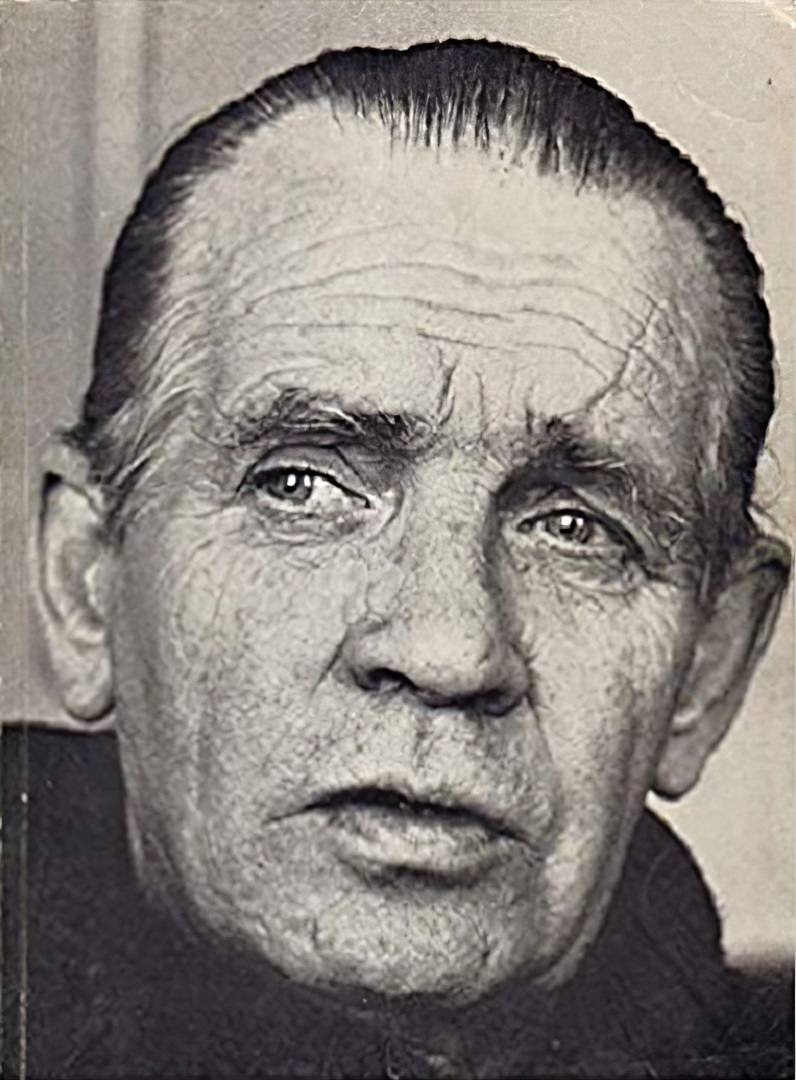
Conrad Westpfahl was a German painter. He was associated with the Expressionist movement in Germany, and his paintings often depicted the landscapes and people of rural Bavaria.
Westpfahl studied at the Academy of Fine Arts in Berlin and later became a professor at the School of Arts and Crafts in Würzburg. He was a member of the Berlin Secession, an association of artists who broke away from the traditional academic art world in the early 20th century.
Westpfahl's style was characterized by bold colors, thick brushstrokes, and a sense of emotional intensity. Later he moved on to more abstract painting.
Today, Westpfahl's paintings are held in collections around the world, including the National Gallery in Berlin and the Museum of Modern Art in New York.