


Modern and Contemporary art — A1281: Finds under 5,000


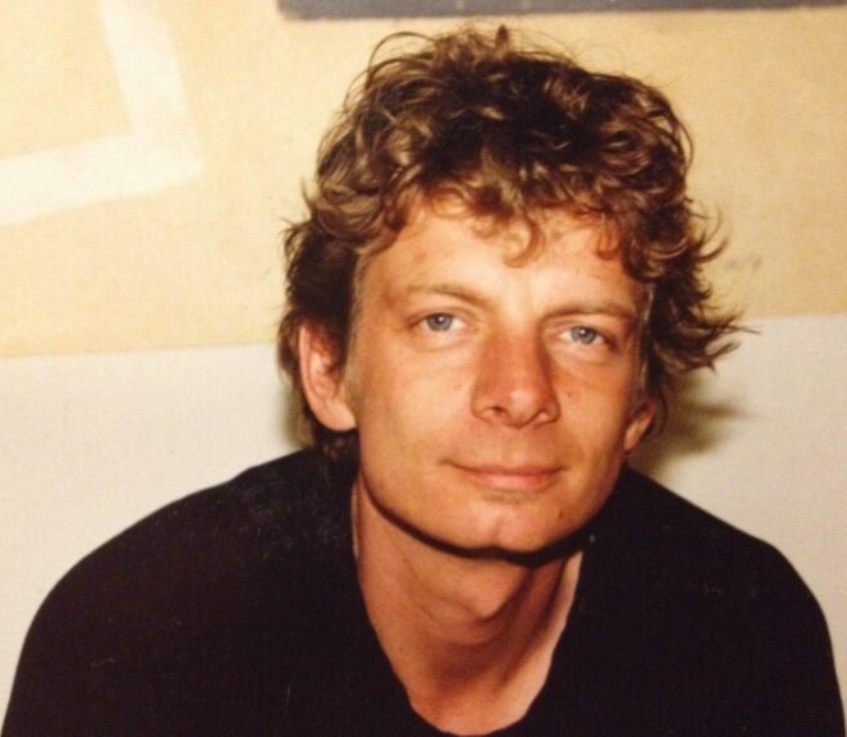


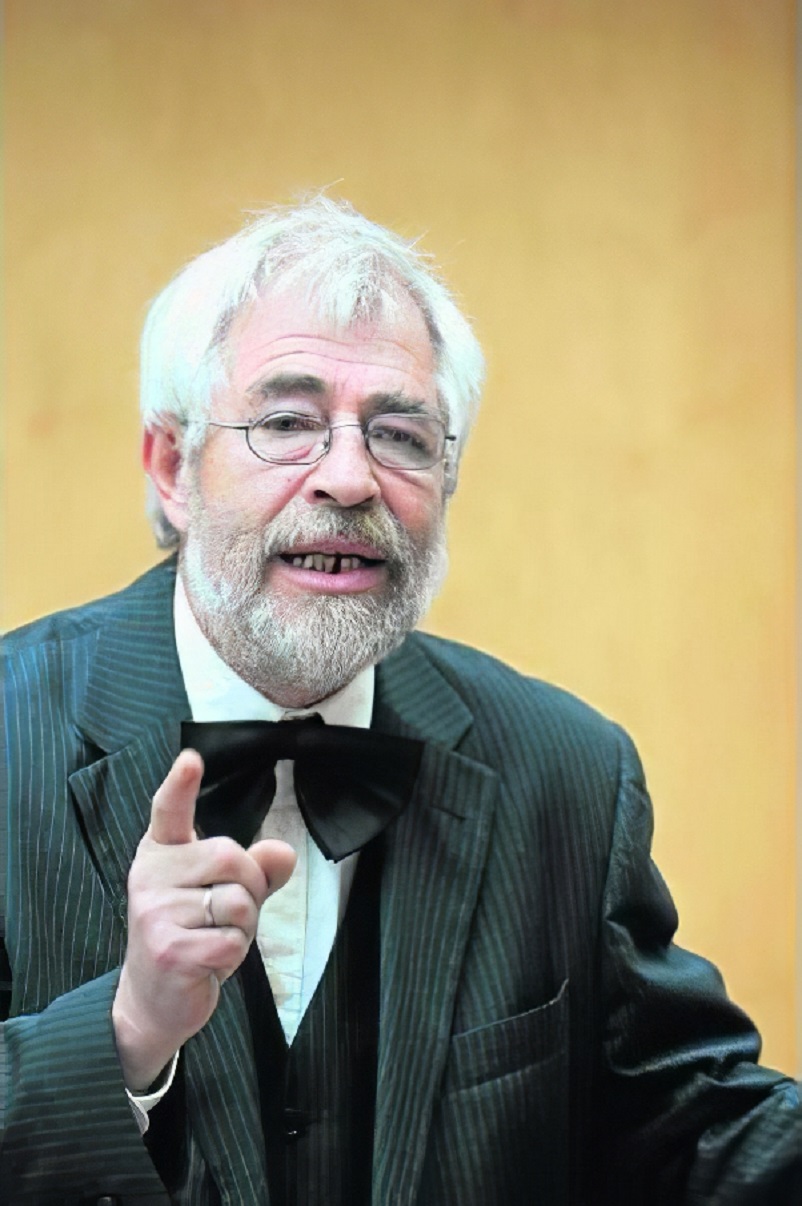
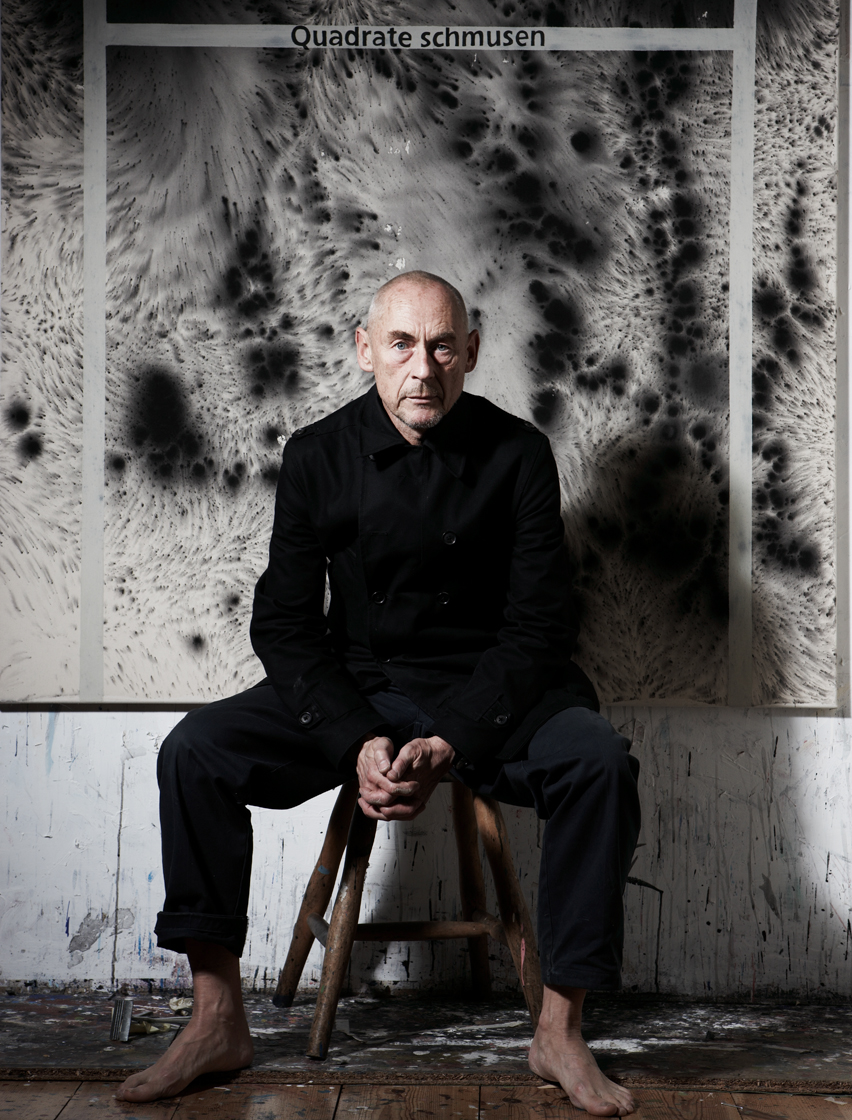
Manfred Dinnes is a German painter, sculptor, writer and art gallery director. He was also cultural editor of Europeonline magazine.
Manfred Dinnes travelled around the world to study other cultures in his youth. In 1973-74 he trained as a church painter-restorer. At the same time he was introduced to the craft of glass painting and glass blowing. Graduated from the Academy of Fine Arts in Nuremberg in 1979, where he studied freehand painting with Gerhard Wendland, Ludwig Scharl and Franz Wintzinger.
Since founding Visual-Art Concepts in 2007, Dinnes has created large sculptures from 7 to 8 metres in height.


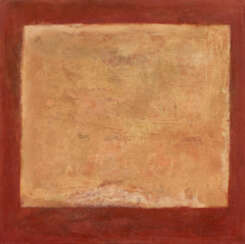

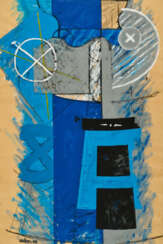

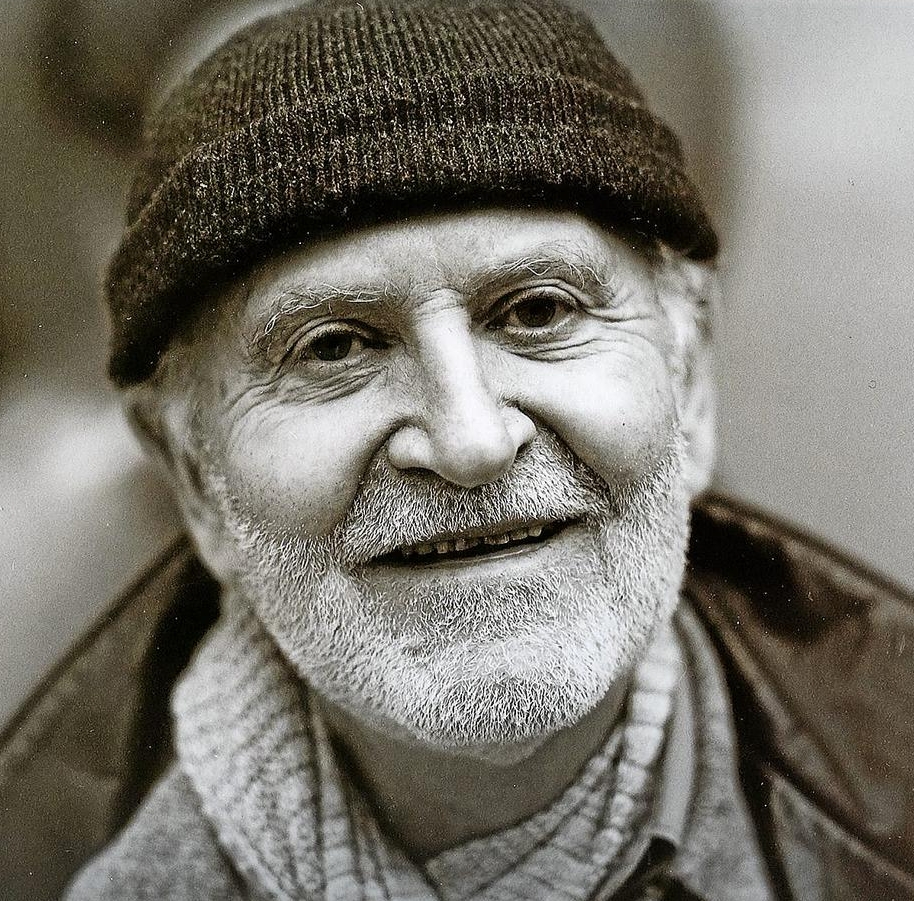
Friedrich Gräsel was a German sculptor, painter and graphic artist. He was known for his kinetic sculptures, which often incorporated light, sound, and movement.
Gräsel studied at the Academy of Fine Arts Nuremberg and later taught at the Academy of Fine Arts Munich. He began creating kinetic sculptures in the 1960s, using a wide range of materials such as metal, wood, and plastic to create dynamic, interactive works of art.
Gräsel's sculptures often feature intricate mechanisms and complex systems of movement, inviting viewers to engage with the work on a sensory level. His work frequently incorporates elements of humor and whimsy, while also exploring deeper themes related to technology, nature, and the human condition.
Gräsel exhibited his work extensively throughout Europe, including at the Venice Biennale, Documenta in Kassel, and the Museum of Modern Art in Paris. He was also awarded numerous honors and awards for his work, including the Bavarian Order of Merit in 1987 and the Art Prize of the City of Nuremberg in 1997.


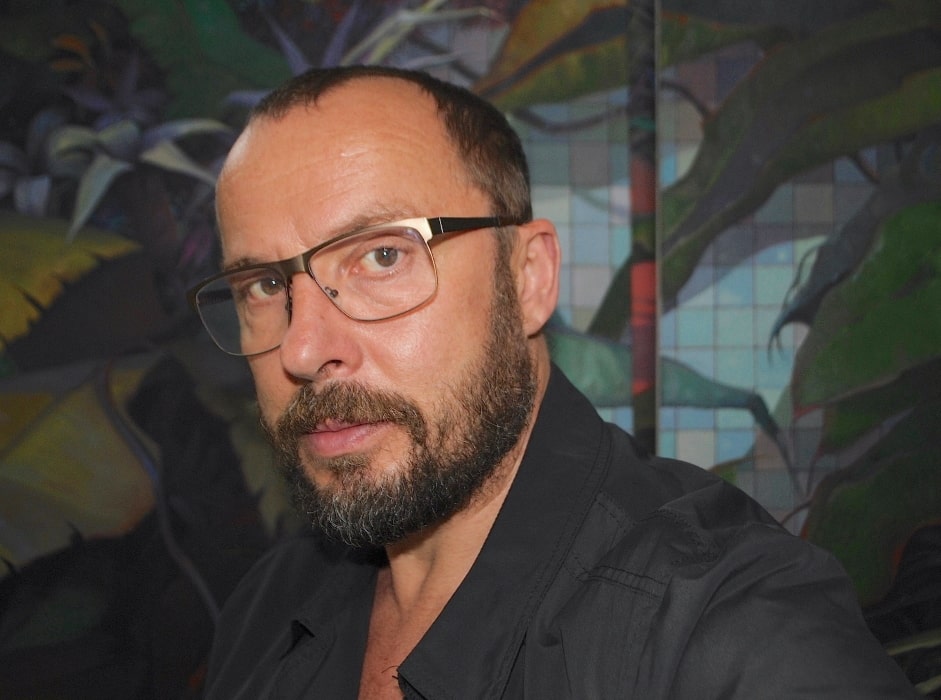
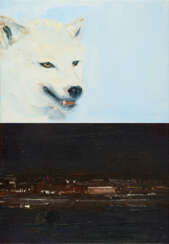
Jens Hausmann, a German painter, is renowned for his distinctive approach to painting, where architecture plays a central role, yet it's not the essence of his work. His paintings explore the nuanced relationship between architectural forms and the natural world, often depicting buildings and landscapes intertwined in a complex dance of culture and nature. Hausmann's work is characterized by a constructivist approach, where the real and the constructed realities blend seamlessly, creating scenarios that challenge the viewer's perception of space and environment.
Jens Hausmann's art is deeply influenced by modernism, yet it critiques its principles by showcasing buildings in emotionally arctic modernism being slowly reclaimed by nature. This juxtaposition reflects a critical view of modernist ideologies, suggesting a reevaluation of our relationship with the built environment and the natural world. His paintings don't just depict scenes; they invite viewers into a contemplative space where the boundaries between the interior and exterior blur, prompting reflections on the human condition and our impact on the planet.
His works are a testament to the complex interplay between humanity and nature, where even the most remote natural landscapes bear the marks of human activity. The artificiality of the colors in his landscapes and the absence of human figures underscore the theme of nature being "culturally contaminated" in the Anthropocene era. Jens Hausmann's paintings are not only visually striking but also intellectually stimulating, inviting viewers to ponder the deeper meanings and implications of his depicted scenarios.
For collectors and experts in art and antiques, Jens Hausmann's work offers a unique blend of architectural precision and philosophical depth, making his paintings highly sought after in both European and Brazilian art scenes. His ability to weave together elements of architecture, nature, and human influence creates a visually and conceptually rich tapestry that speaks to a wide audience.
To stay informed about Jens Hausmann's latest works and exhibitions, signing up for updates is highly recommended. This subscription will ensure that you are among the first to know about new sales and auction events related to his work, providing exclusive insights into the evolving world of contemporary art.
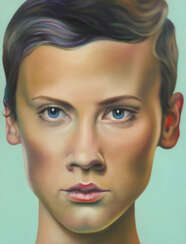

Jens Hausmann, a German painter, is renowned for his distinctive approach to painting, where architecture plays a central role, yet it's not the essence of his work. His paintings explore the nuanced relationship between architectural forms and the natural world, often depicting buildings and landscapes intertwined in a complex dance of culture and nature. Hausmann's work is characterized by a constructivist approach, where the real and the constructed realities blend seamlessly, creating scenarios that challenge the viewer's perception of space and environment.
Jens Hausmann's art is deeply influenced by modernism, yet it critiques its principles by showcasing buildings in emotionally arctic modernism being slowly reclaimed by nature. This juxtaposition reflects a critical view of modernist ideologies, suggesting a reevaluation of our relationship with the built environment and the natural world. His paintings don't just depict scenes; they invite viewers into a contemplative space where the boundaries between the interior and exterior blur, prompting reflections on the human condition and our impact on the planet.
His works are a testament to the complex interplay between humanity and nature, where even the most remote natural landscapes bear the marks of human activity. The artificiality of the colors in his landscapes and the absence of human figures underscore the theme of nature being "culturally contaminated" in the Anthropocene era. Jens Hausmann's paintings are not only visually striking but also intellectually stimulating, inviting viewers to ponder the deeper meanings and implications of his depicted scenarios.
For collectors and experts in art and antiques, Jens Hausmann's work offers a unique blend of architectural precision and philosophical depth, making his paintings highly sought after in both European and Brazilian art scenes. His ability to weave together elements of architecture, nature, and human influence creates a visually and conceptually rich tapestry that speaks to a wide audience.
To stay informed about Jens Hausmann's latest works and exhibitions, signing up for updates is highly recommended. This subscription will ensure that you are among the first to know about new sales and auction events related to his work, providing exclusive insights into the evolving world of contemporary art.
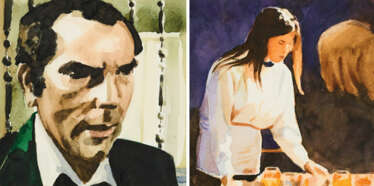

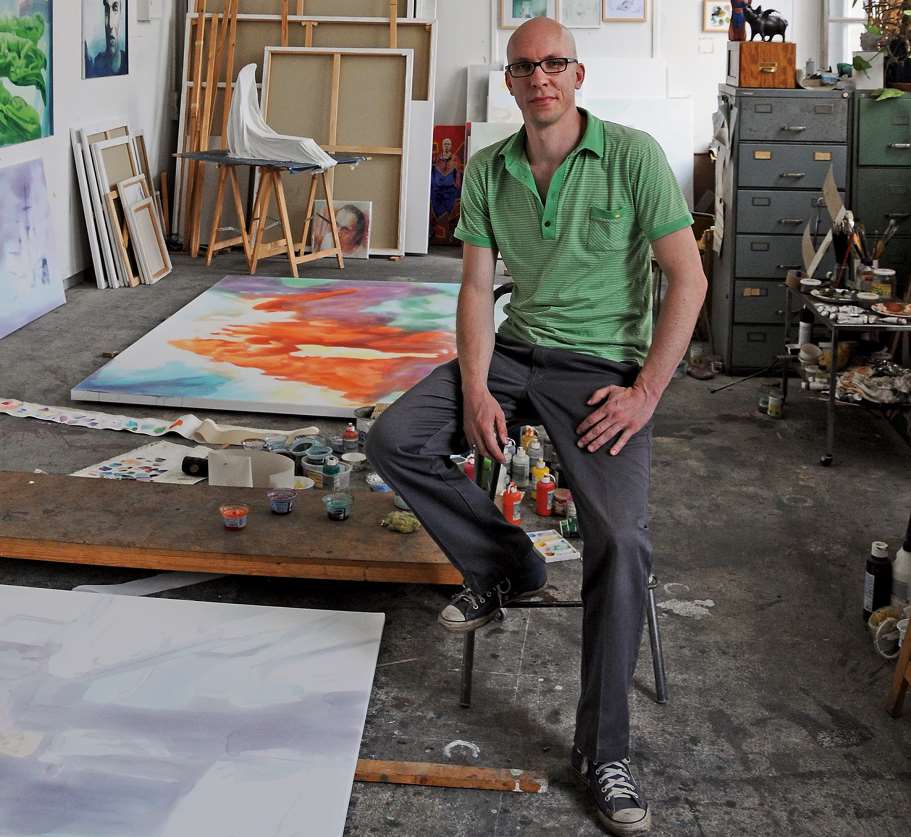
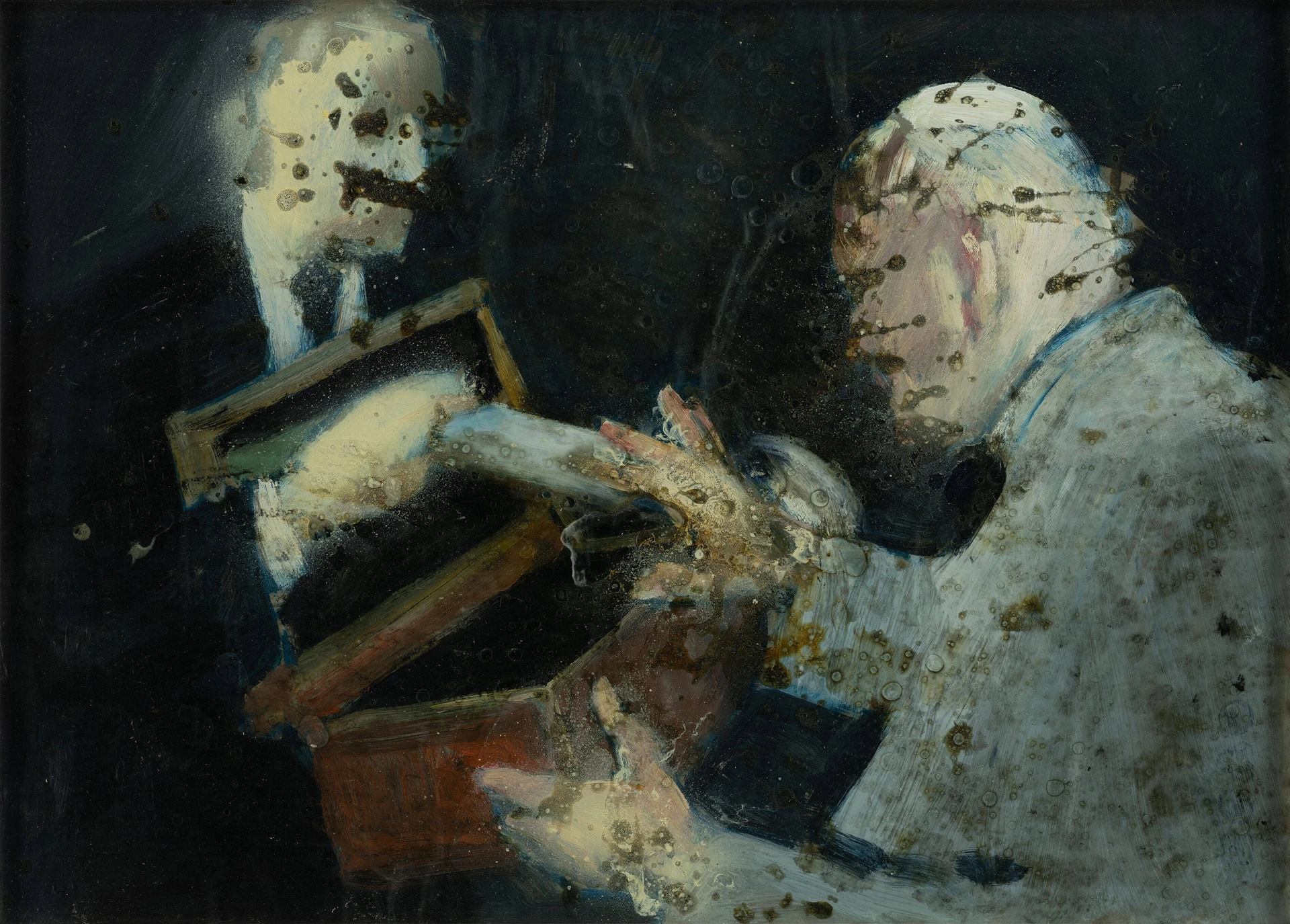
Tom Fabritius is a German painter and graphic artist living and working in Leipzig, a representative of the so-called New Leipzig School.
Tom studied painting and drawing at the Academy of Visual Arts in Leipzig. In 2002 he co-founded the production gallery LIGA in Berlin-Mitte. Tom Fabritius paints in a wide variety of genres as he finds his motifs in the stream of images in the television. He switches between programs and quickly and intuitively captures individual moments of an image with his camera. From this collection, he selects individual images, which he then paints with watercolors.


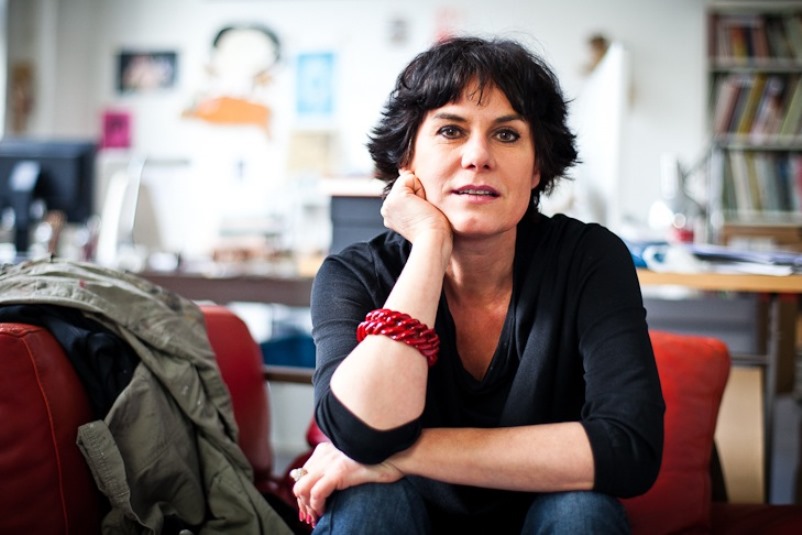


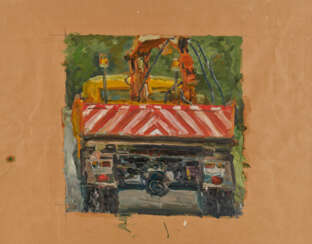



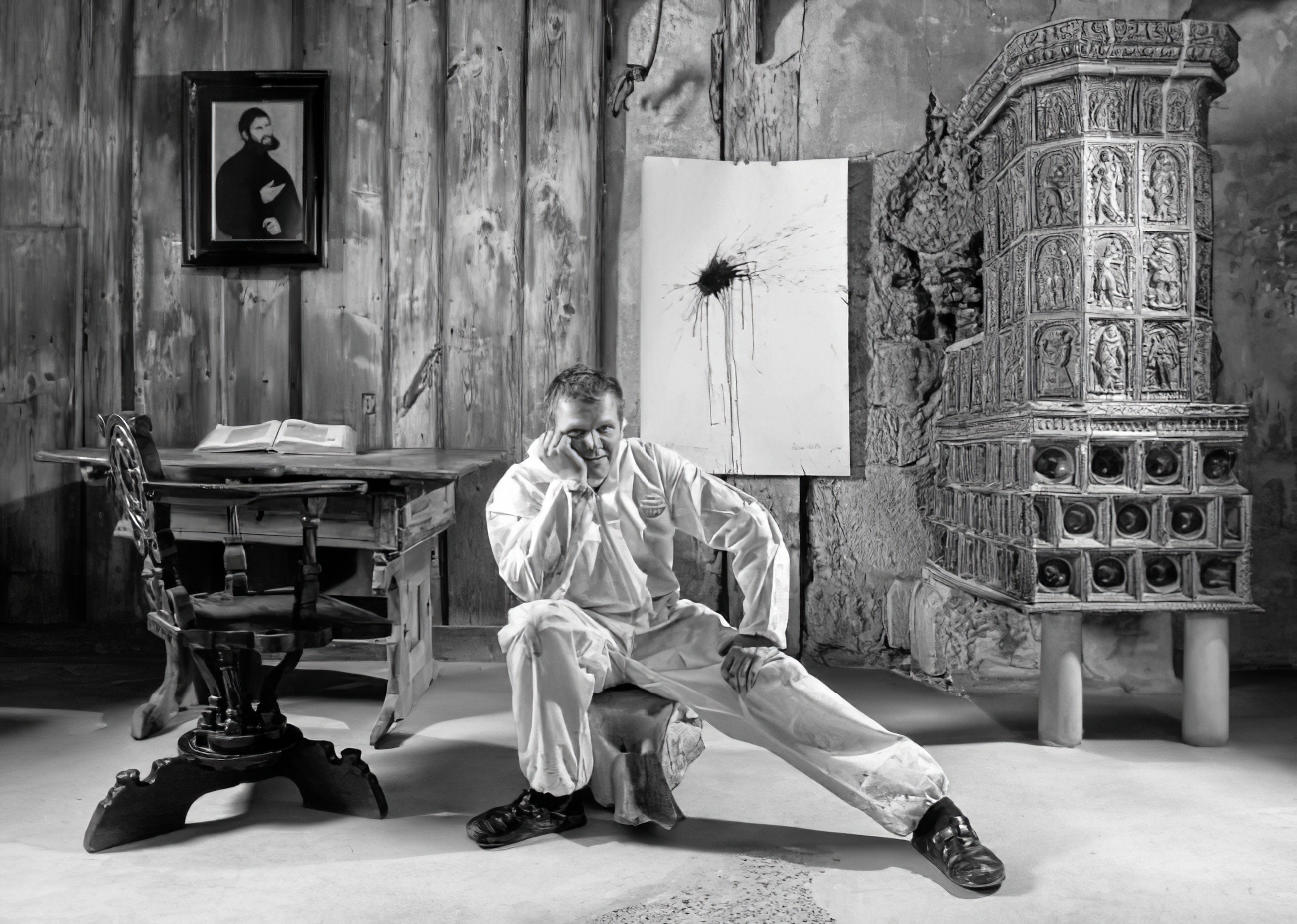


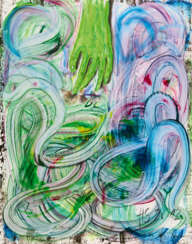






Hans Peter Adamski is a German painter and graphic artist who lives and works in Berlin and Dresden.
He studied at the Dusseldorf Academy of Art and served as professor and dean of the Dresden University of Fine Arts. Adamski is one of the most important representatives of the Neue Wilden ("New Wilden") movement of the 1980s. In addition to painting, he works in drawing, sculpture, paper, fabric and plaster.